
Summary
Red light therapy (RLT), or photobiomodulation, offers Brazilian Jiu-Jitsu (BJJ) athletes a non-invasive method to accelerate tissue repair, reduce systemic inflammation, and manage the central nervous system (CNS) fatigue inherent in high-intensity combat sports. By utilizing specific wavelengths—typically 660nm for surface-level skin healing and 850nm for deep-tissue joint and muscle recovery—practitioners can significantly shorten downtime between sessions and maintain higher training volumes with reduced risk of chronic injury.
Key takeaways
- Targeted Joint Support: RLT effectively manages inflammation in small joints, such as fingers and toes, which are frequently stressed during gi-based training and grip-fighting.
- Accelerated Skin Healing: Specific red light wavelengths promote collagen production and cellular repair, helping to heal mat burns and minor abrasions faster while potentially reducing the risk of secondary infections.
- CNS Fatigue Management: Full-body RLT exposure post-training can help regulate the autonomic nervous system, shifting the body from a sympathetic (fight-or-flight) state to a parasympathetic (rest-and-digest) state.
- Wavelength Precision: For BJJ recovery, a combination of 660nm (red) and 850nm (near-infrared) is recommended to address both superficial skin issues and deep-seated joint or muscle inflammation.
- Consistency is Critical: Optimal results for combat athletes are achieved through regular, short-duration sessions (10-20 minutes) rather than infrequent, long-duration exposures.
How Red Light Therapy Accelerates BJJ Recovery
Brazilian Jiu-Jitsu is a demanding sport that places unique stresses on the human body. From the isometric tension of holding a closed guard to the explosive movements required for takedowns, the musculoskeletal system is constantly pushed to its limits. Traditional recovery methods like ice baths and massage are effective, but red light therapy provides a cellular-level intervention that addresses the root causes of soreness and inflammation. By stimulating the mitochondria within cells, RLT increases the production of adenosine triphosphate (ATP), which provides the energy necessary for cellular repair and regeneration.
For the BJJ practitioner, this translates to faster recovery from the "micro-trauma" sustained during hard rolling sessions. Unlike anti-inflammatory drugs that can sometimes inhibit the body's natural healing response, RLT modulates inflammation without suppressing the necessary signals for tissue adaptation. This makes it an ideal tool for athletes who want to build resilience while minimizing the long-term wear and tear on their bodies.

Specific RLT Protocols for Joint Pain and Finger Health
One of the most common complaints among BJJ practitioners, especially those who train in the gi, is chronic finger and toe joint pain. The constant gripping, pulling, and twisting can lead to early-onset osteoarthritis and persistent swelling. Red light therapy, particularly near-infrared (NIR) light at 850nm, can penetrate deep into the joint capsule to reduce synovial inflammation and promote the health of the surrounding connective tissue.
When targeting small joints like the fingers, proximity to the light source is essential. Athletes should aim for a high-irradiance exposure to ensure the light reaches the deeper tissues of the hand. Regular application after training can help maintain grip strength and flexibility, which are crucial for technical proficiency on the mats.
Logic Summary: These protocols assume the use of medical-grade RLT devices with verified irradiance. The recommendation for 850nm is based on its superior penetration depth compared to 660nm. This approach is intended for chronic management and may not replace medical intervention for acute ligament tears or fractures.
Managing CNS Fatigue and Muscle Soreness with Full-Body Mats
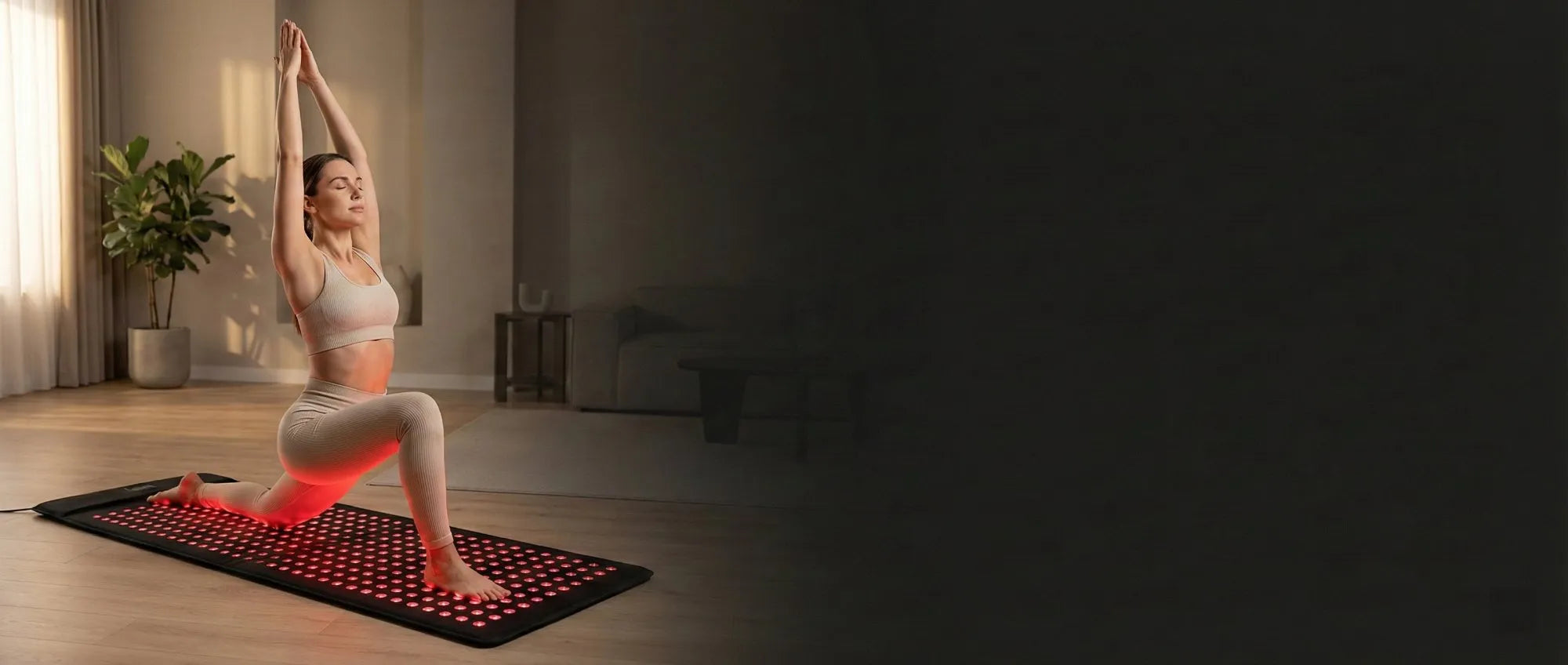
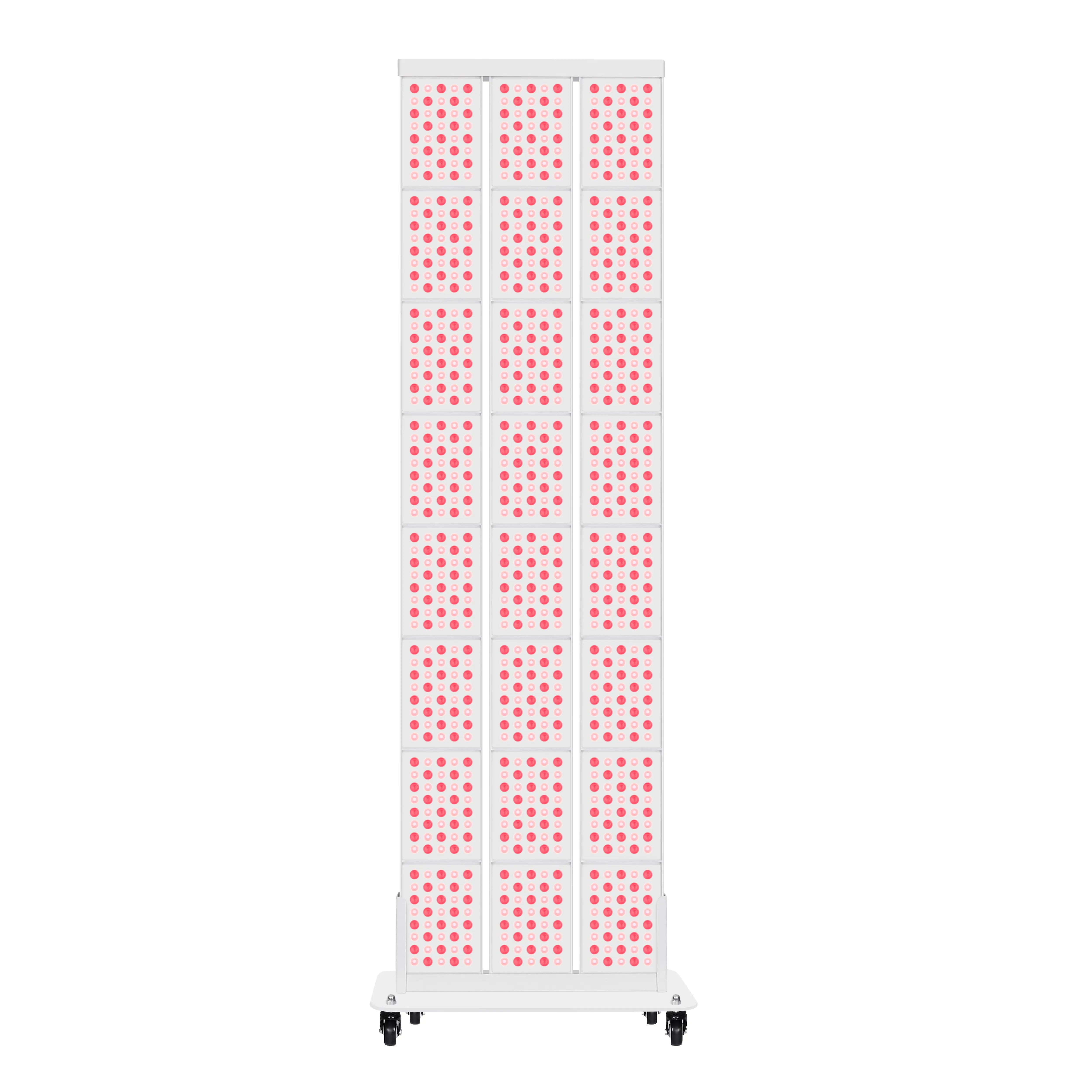
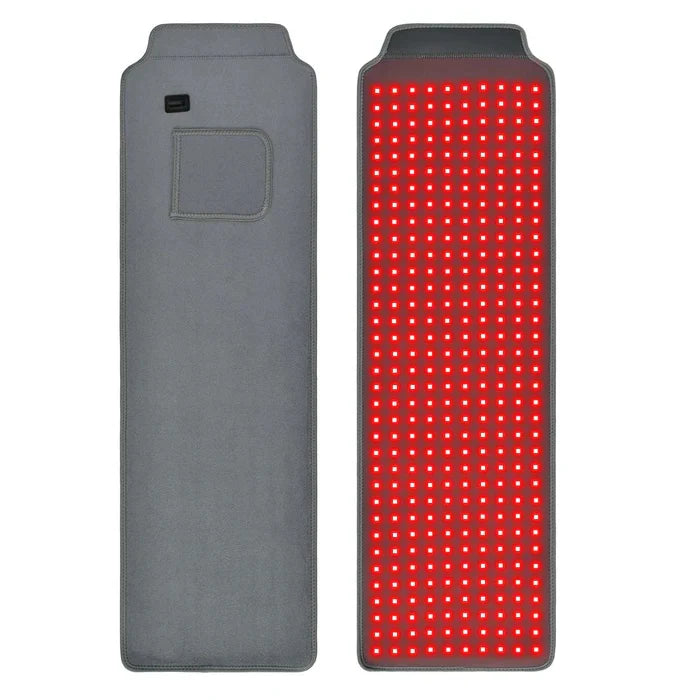
While targeted panels are excellent for specific injuries, BJJ is a full-body endeavor that often results in systemic fatigue. Central Nervous System (CNS) fatigue is a common issue for competitive grapplers, manifesting as decreased motivation, slower reaction times, and a general feeling of "heaviness." Full-body RLT mats or large-scale panels allow for systemic exposure, which has been shown to have a positive effect on sleep quality and hormonal balance.
By exposing the entire body to red and near-infrared light, athletes can trigger a systemic anti-inflammatory response. This is particularly beneficial after a heavy "shark tank" session or a competition day where the entire body has been pushed to failure. The systemic approach helps clear metabolic waste and reduces the overall oxidative stress load on the body, allowing the athlete to return to the mats with a refreshed mind and body.
Healing Mat Burns and Skin Infections with Photobiomodulation
The BJJ environment is a breeding ground for skin issues, ranging from simple mat burns to more serious infections like staph or ringworm. While RLT is not a substitute for proper hygiene or medical treatment for active infections, it plays a significant role in the healing process of the skin barrier. Red light at 660nm is highly effective at stimulating fibroblasts, which are the cells responsible for producing collagen and elastin.
For mat burns, applying red light immediately after cleaning the wound can accelerate the formation of new skin tissue, reducing the time the wound is open and vulnerable to bacteria. Furthermore, by improving the overall health and resilience of the skin barrier through regular RLT use, athletes may become less susceptible to minor abrasions that serve as entry points for pathogens.

Integrating RLT with Other Recovery Modalities
To maximize the benefits of red light therapy, BJJ athletes should consider how it fits into their broader recovery ecosystem. Combining RLT with thermal therapies like saunas or cold plunges can create a synergistic effect. For example, using RLT before a cold plunge may help prime the cells for the metabolic stress of the cold, while using it after a sauna can enhance the localized blood flow and nutrient delivery to recovering muscles.
| Recovery Goal | Wavelength Priority | Timing | Suggested Duration |
|---|---|---|---|
| Acute Joint Pain | 850nm (NIR) | Post-Training | 10-15 mins per area |
| Muscle Soreness | 660nm + 850nm | Post-Training | 15-20 mins (Full Body) |
| Mat Burns/Abrasions | 660nm (Red) | Post-Shower | 5-10 mins per area |
| CNS Fatigue | 850nm (NIR) | Evening/Before Bed | 20 mins (Full Body) |
| Pre-Training Prime | 660nm + 850nm | 30-60 mins Pre-Roll | 10 mins (Targeted) |
Selecting the Right RLT Equipment for Your Home Gym
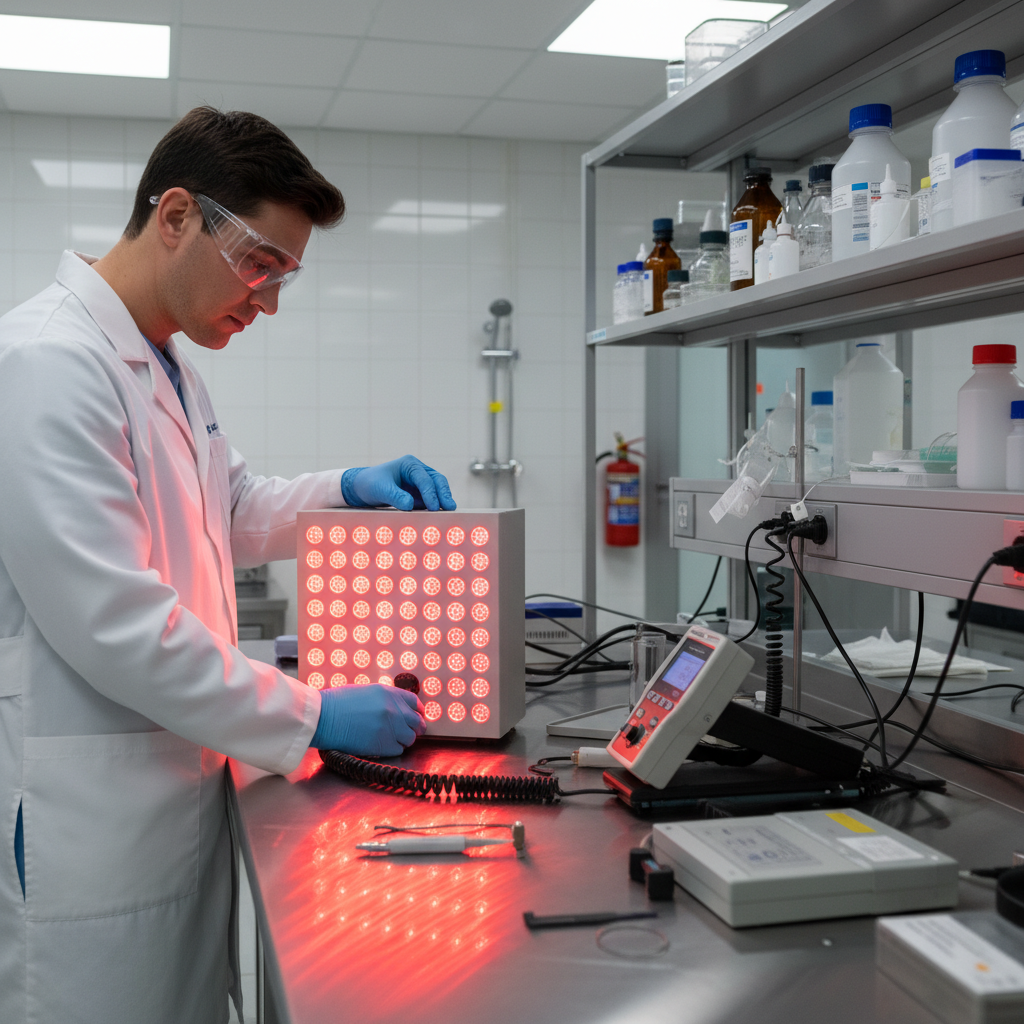
As the popularity of red light therapy grows, the market has been flooded with low-quality devices that over-promise and under-deliver. For a BJJ athlete, the most important factors are irradiance (the power of the light) and the specific wavelengths provided. It is also crucial to ensure that the device meets modern safety standards to avoid excessive electromagnetic field (EMF) exposure or flickering, which can negate the benefits of the therapy.
When evaluating devices, look for manufacturers that provide third-party testing data. Understanding Photobiomodulation standards and safety guidelines is essential for making an informed purchase. This authoritative guide covers the technical benchmarks for 2026, including the implementation of IEC 60601-2-57:2026 safety standards, which are critical for ensuring that your recovery tool is both effective and safe for long-term use.
FAQ
How soon after a BJJ session should I use red light therapy? For optimal recovery, it is generally recommended to use RLT within 2 to 4 hours after your training session. This timing aligns with the peak of the body's inflammatory response and helps to modulate it early in the recovery cycle. However, even using it the following morning can still provide significant benefits for muscle soreness and joint stiffness.
Can red light therapy help with BJJ-related finger arthritis? Yes, RLT is particularly effective for managing the symptoms of finger arthritis common in grapplers. The near-infrared 850nm wavelength can penetrate into the small joints of the hand to reduce inflammation and pain. Regular use can help maintain joint mobility and prevent the progressive stiffness that often accompanies years of grip-fighting.
Is it safe to use red light therapy every day? For most athletes, daily use of red light therapy is safe and often recommended for chronic issues like joint pain or systemic recovery. However, it is important to follow the manufacturer's guidelines regarding session duration. Over-exposure can lead to a "diminishing returns" effect where the body becomes desensitized to the stimulus, so keeping sessions between 10 and 20 minutes is usually ideal.
Does red light therapy treat staph or ringworm? Red light therapy is not an antimicrobial treatment and should not be used as a primary cure for infections like staph or ringworm. However, it can be used as a supportive therapy to accelerate the healing of the skin after the infection has been medically treated. By strengthening the skin barrier and promoting tissue repair, it helps the area return to health faster.
Should I use red light therapy before or after training? Both have benefits. Pre-training RLT (30-60 minutes before) can help "prime" the muscles by increasing blood flow and ATP production, potentially reducing the risk of injury. Post-training RLT is focused on recovery, clearing metabolic waste, and reducing inflammation. Most BJJ athletes find the greatest value in post-training protocols to manage the cumulative fatigue of the sport.
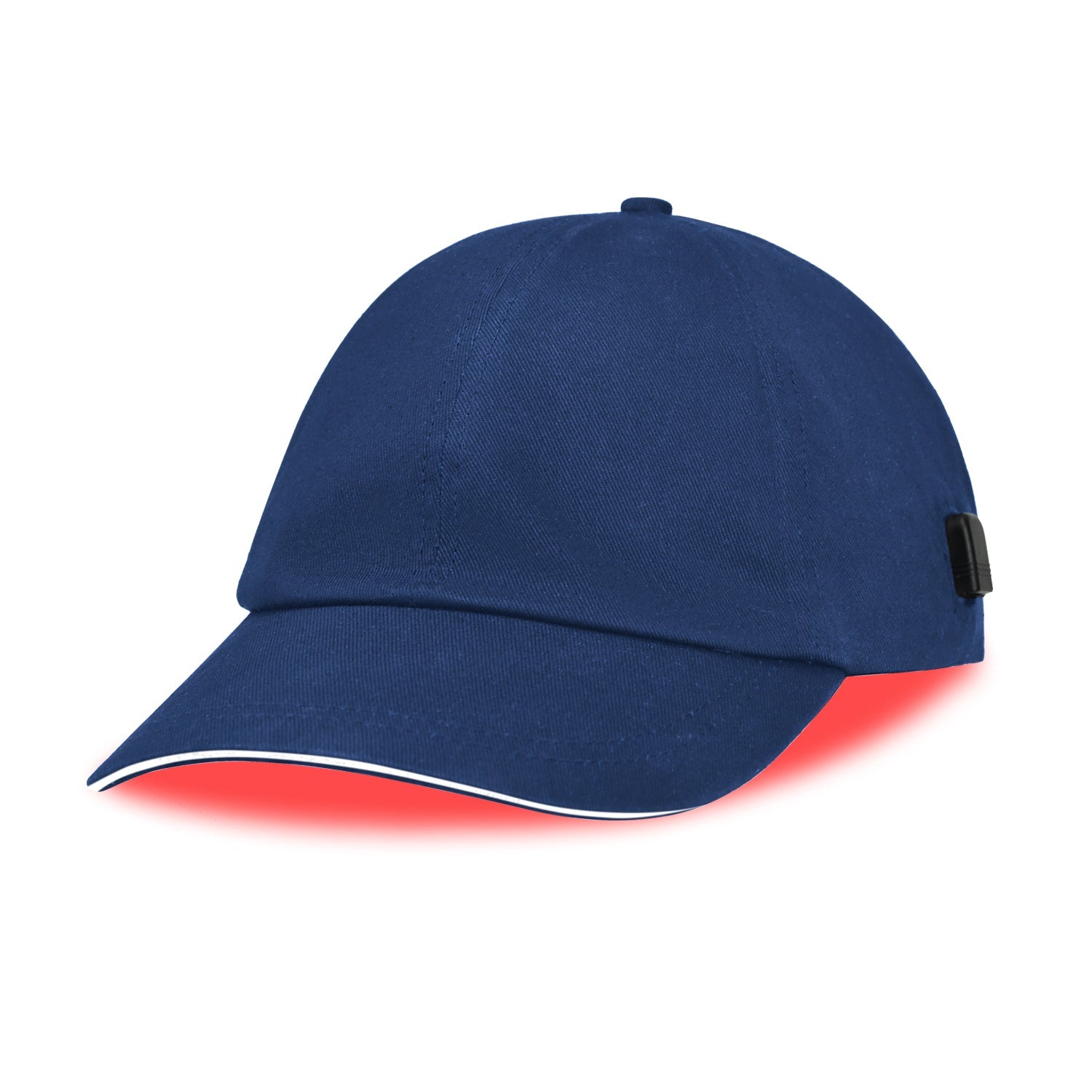
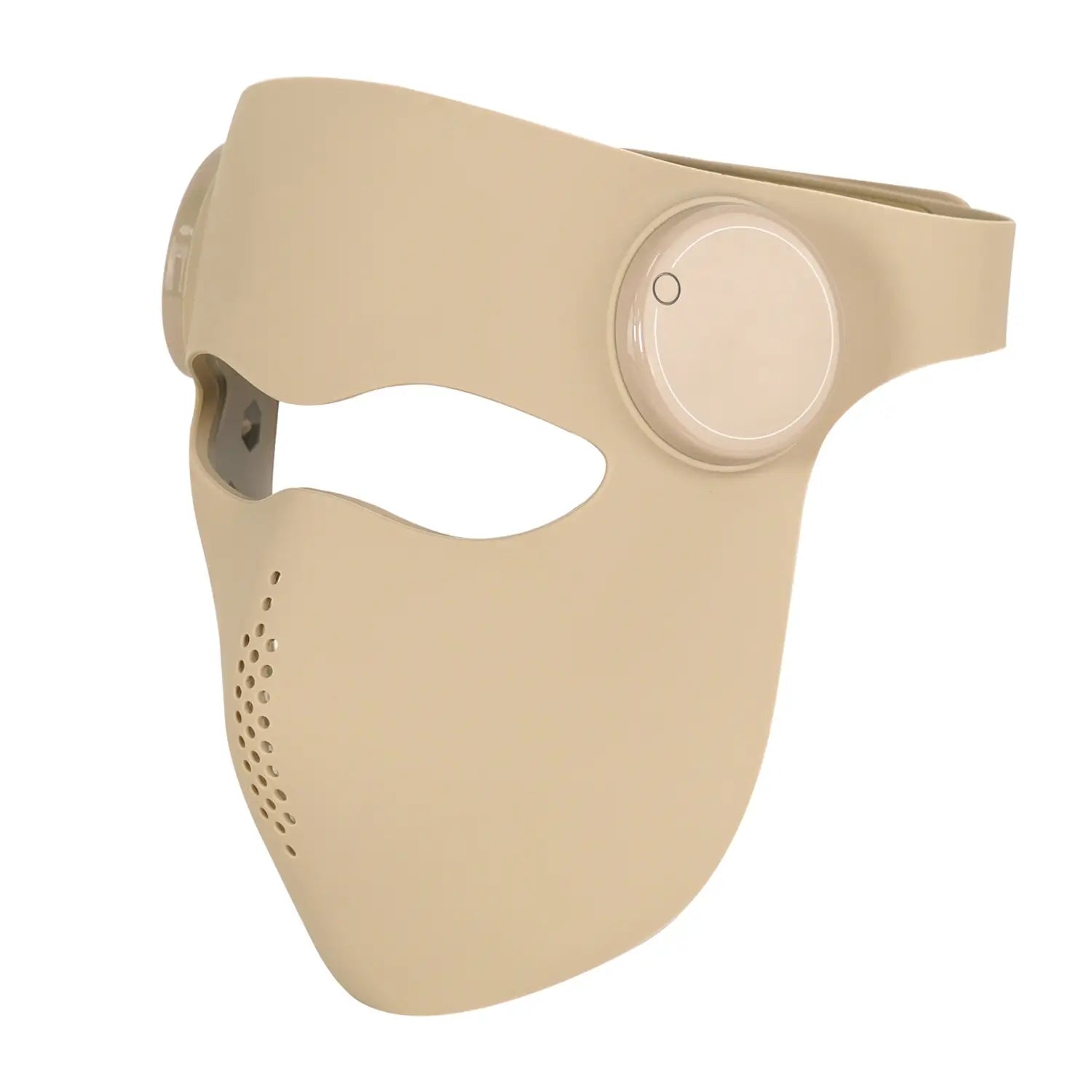
Can I use RLT on my head for CNS recovery? While some research suggests that transcranial photobiomodulation can help with brain health and recovery, it should be done with caution and using devices specifically designed for that purpose. For general CNS fatigue management in BJJ, full-body exposure on a mat or large panel is often sufficient to trigger a systemic parasympathetic response without needing direct cranial application.
References
Government / Standards / Regulators
- IEC 60601-2-57:2026 - Medical electrical equipment - Part 2-57: Particular requirements for the basic safety and essential performance of non-laser light source equipment intended for therapeutic, diagnostic, monitoring and cosmetic/aesthetic use
- IEEE 1789-2015 - IEEE Recommended Practices for Modulating Current in High-Brightness LEDs for Mitigating Health Risks to Viewers
Platform official docs & policies
- Photobiomodulation Standards: Irradiance, EMF, and Safety - Youlumi Store Authoritative Guide
Industry associations / research institutes / market reports
- North American Association for Photobiomodulation Therapy (NAALT) - Clinical Guidelines for Musculoskeletal Recovery
- World Association for photobiomoduLation Therapy (WALT) - Dosage Recommendations for Inflammatory Conditions
Academic / whitepapers / labs
- Arndt-Schulz Law in Photobiomodulation: Finding the 'Sweet Spot' for Athletic Performance
- Mechanisms of Low-Level Light Therapy - Harvard Medical School Research on ATP and Mitochondria