

Summary
Red light therapy, specifically transcranial photobiomodulation (tPBM), is an emerging non-invasive treatment that uses specific wavelengths of light to stimulate mitochondrial function and improve cognitive performance in senior dogs suffering from Canine Cognitive Dysfunction (CCD). By delivering light energy directly to the brain, tPBM helps reduce neuroinflammation and oxidative stress, potentially reversing symptoms like disorientation, anxiety, and disrupted sleep cycles. This therapy represents a significant shift in geriatric veterinary care, moving from purely symptomatic management to cellular-level support for aging neural tissues.
Key takeaways
- Clinical Efficacy: Recent 2024 case series demonstrate a 30% to 45% improvement in cognitive scores for dogs receiving consistent transcranial light therapy.
- DISHAA Monitoring: Success should be tracked using the standardized DISHAA framework, focusing on disorientation, sleep-wake cycles, and anxiety levels.
- Optimal Wavelengths: Near-infrared light (810nm–850nm) is essential for brain health as it penetrates the skull more effectively than visible red light.
- Safety Protocols: Utilizing devices that meet the latest 2026 irradiance and EMF standards is critical to prevent thermal stress or "flicker" sensitivity in senior pets.
- Integrative Approach: tPBM is most effective when combined with antioxidant-rich diets and environmental enrichment to provide a holistic neuroprotective effect.
Understanding Canine Cognitive Dysfunction and the DISHAA Framework
As our canine companions live longer, many face a condition remarkably similar to human Alzheimer’s disease: Canine Cognitive Dysfunction (CCD). This neurodegenerative process involves the accumulation of beta-amyloid plaques and increased oxidative damage within the brain. Recognizing the early signs is the first step toward effective intervention. Veterinarians now use the DISHAA criteria to diagnose and monitor the progression of cognitive decline. These categories—Disorientation, Interaction changes, Sleep-wake cycle disturbances, House soiling, Activity changes, and Anxiety—provide a roadmap for assessing how a dog interacts with its environment.
When a senior dog begins staring at walls, getting stuck in corners, or failing to recognize familiar family members, it is often a sign of failing mitochondrial health in the prefrontal cortex and hippocampus. Traditional treatments have focused on pharmaceutical interventions like selegiline or specialized diets. However, the introduction of transcranial photobiomodulation offers a way to directly address the energy deficit in aging neurons. By targeting the "power plants" of the cell, we can potentially slow the rate of decline and improve the daily quality of life for aging pets.
The Science of Transcranial Photobiomodulation for Pets
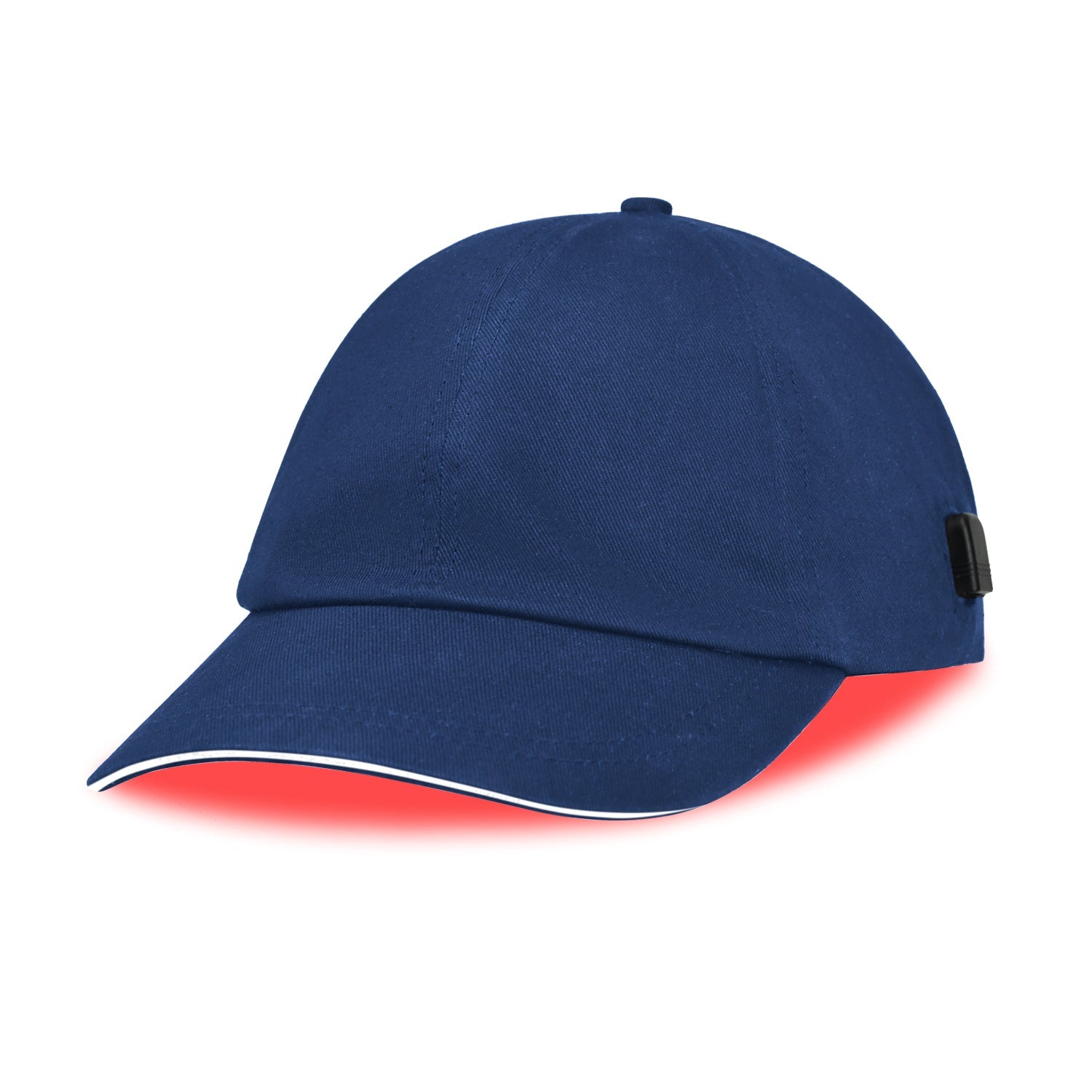
Transcranial photobiomodulation (tPBM) involves the application of red or near-infrared light to the head. Unlike surface-level treatments for skin issues, tPBM requires specific wavelengths that can pass through the fur, skin, and bone of the skull to reach the underlying brain tissue. The primary mechanism of action is the stimulation of cytochrome c oxidase, a key enzyme in the mitochondrial respiratory chain. When this enzyme absorbs photons, it triggers an increase in adenosine triphosphate (ATP) production, which provides the energy necessary for cellular repair and neuroprotection.
Beyond simple energy production, tPBM has been shown to modulate neuroinflammation and increase the expression of brain-derived neurotrophic factor (BDNF), which supports the survival of existing neurons and encourages the growth of new ones. In the context of 2026 veterinary standards, we understand that the precision of the light delivery is paramount. Using wavelengths in the 810nm to 850nm range is generally preferred for deep tissue penetration, as visible red light (660nm) is largely absorbed by the skin and fur before it can reach the brain.
Logic Summary: The recommendation for near-infrared (NIR) wavelengths is based on the "optical window" of biological tissue, where absorption by water and melanin is minimized, allowing for maximum photon depth. This applies specifically to transcranial applications where the skull acts as a significant barrier.
Clinical Evidence: The 2024 Dewey Study and Beyond
The shift toward using red light for dog dementia gained significant momentum following a landmark case series published by Dewey et al. in 2024. This study evaluated five dogs diagnosed with CCD who underwent a structured tPBM protocol. The results were compelling: every dog in the study showed a measurable improvement in their DISHAA scores, with some owners reporting a "return of the dog's old personality." The improvements ranged from 30% to 45% over an eight-week period, specifically in areas of social interaction and reduced night-time pacing.
While these results are promising, it is important to note that the evidence base is still growing. As of 2026, these findings represent a "proof of concept" rather than a definitive cure. The study utilized specific parameters—irradiance levels between 50 and 100 mW/cm² and treatment durations of 3 to 5 minutes per session. For pet owners, this underscores the importance of using equipment that can deliver these specific doses rather than generic "red light" lamps that may lack the necessary power density to affect the brain.

Safe Protocols and Dosage for Senior Dogs
Implementing a brain health protocol for a senior dog requires a balance of consistency and safety. Because the brain is a sensitive organ, "more" is not always "better." The Arndt-Schulz Law suggests that there is an optimal dose for photobiomodulation; too little light has no effect, while too much can actually inhibit cellular function or cause thermal stress.
For home-use applications, it is vital to adhere to safety standards for photobiomodulation therapy to ensure that the device does not produce excessive heat or harmful electromagnetic fields (EMF). This is particularly important for senior dogs who may have thinner skin or decreased thermoregulatory abilities. The following table outlines a typical evidence-based protocol derived from current clinical data.
Standard tPBM Protocol for Canine Cognitive Health (2026)
| Parameter | Recommended Range | Rationale |
|---|---|---|
| Wavelength | 810nm – 850nm (Near-Infrared) | Maximum skull penetration and neural absorption. |
| Irradiance | 50mW/cm² – 100mW/cm² | Sufficient power density to reach deep tissues without heat. |
| Fluence (Dose) | 4J/cm² – 10J/cm² per site | Optimal energy window for mitochondrial stimulation. |
| Duration | 3 – 5 minutes per session | Balances efficacy with the pet's comfort and patience. |
| Frequency | 3 – 5 times per week | Allows for cellular "rest" periods between treatments. |
| Duration of Course | 8 – 12 weeks initially | Time required to observe measurable DISHAA changes. |
Logic Summary: These parameters are based on the 2024 Dewey case series and 2026 industry benchmarks. They assume a direct-contact or near-contact application. If a device is held further away, the irradiance drops significantly, requiring longer treatment times.
Home vs. Clinical Treatment: A Decision Framework
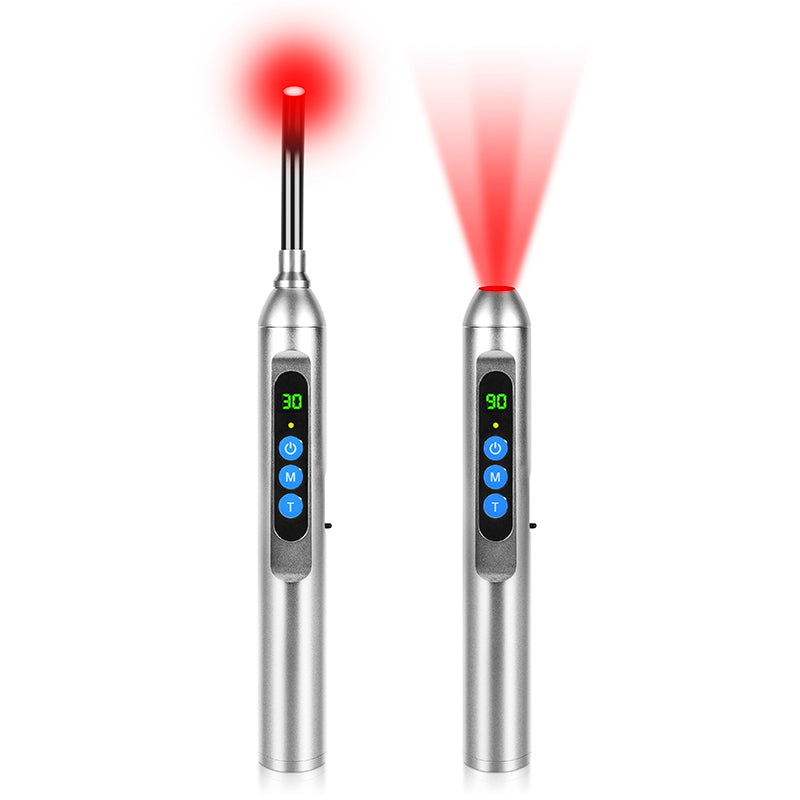
Many pet owners wonder whether they should seek professional veterinary laser therapy or invest in a home-use device. Clinical-grade lasers (often Class IV) can deliver high doses very quickly but must be administered by trained professionals to avoid eye damage or tissue burns. Home-use devices (typically Class 1M or Class II) are designed for safety and ease of use, allowing for the frequent, consistent sessions that chronic conditions like CCD require.
When choosing a home device, look for technical transparency. A reputable manufacturer should provide laboratory-grade spectroradiometry data rather than relying on inexpensive solar meters, which often inflate irradiance numbers. Furthermore, ensure the device complies with the IEC 60601-2-57:2026 safety standards, which specifically address the safety of non-laser light sources used for therapeutic purposes. This ensures that your pet is not exposed to unnecessary flicker or EMF interference, which can be distressing for dogs with neurological sensitivities.
Multimodal Approach: Combining tPBM with Nutrition and Enrichment
No single therapy exists in a vacuum. To maximize the neuroprotective benefits of red light, it should be part of a broader multimodal plan. Nutrition plays a critical role; diets high in antioxidants (Vitamin E, Vitamin C), selenium, and L-carnitine help combat the oxidative stress that tPBM is working to reduce. Omega-3 fatty acids, particularly DHA, are also essential for maintaining the structural integrity of neuronal membranes.
Environmental enrichment is the third pillar of brain health. Engaging a senior dog’s mind through "nose work" games, new toys, and gentle social interaction helps maintain synaptic plasticity. When combined with the cellular energy boost provided by tPBM, these activities are more effective at keeping the canine mind sharp. Think of red light therapy as "charging the battery," while nutrition and enrichment are the "software" that keeps the system running smoothly.

Safety Considerations and Contraindications
While transcranial photobiomodulation is generally considered very safe, there are specific contraindications to keep in mind for neurological applications. First and foremost is eye safety. Near-infrared light is invisible to the human and canine eye, but it can still reach the retina if the device is pointed directly into the eyes. Always ensure the light is directed at the top or sides of the skull, away from the ocular orbit.
Additionally, tPBM should be used with caution in dogs with a history of seizures. While some research suggests a protective effect, the "flicker" frequency of some low-quality devices could potentially trigger an event in sensitive individuals. Always consult with a board-certified veterinary neurologist if your dog has a pre-existing seizure disorder. Finally, avoid treating areas with known or suspected cancerous tumors, as the growth-promoting effects of PBM could theoretically impact malignant cells.
FAQ
How long does it take to see results from red light therapy for dog dementia? Most clinical observations suggest that a minimum of 4 to 8 weeks of consistent treatment (3-5 times per week) is necessary to see noticeable changes in behavior. Improvements in sleep-wake cycles often appear first, followed by increased social interaction and alertness. It is important to maintain a consistent schedule, as the effects of photobiomodulation are cumulative over time.
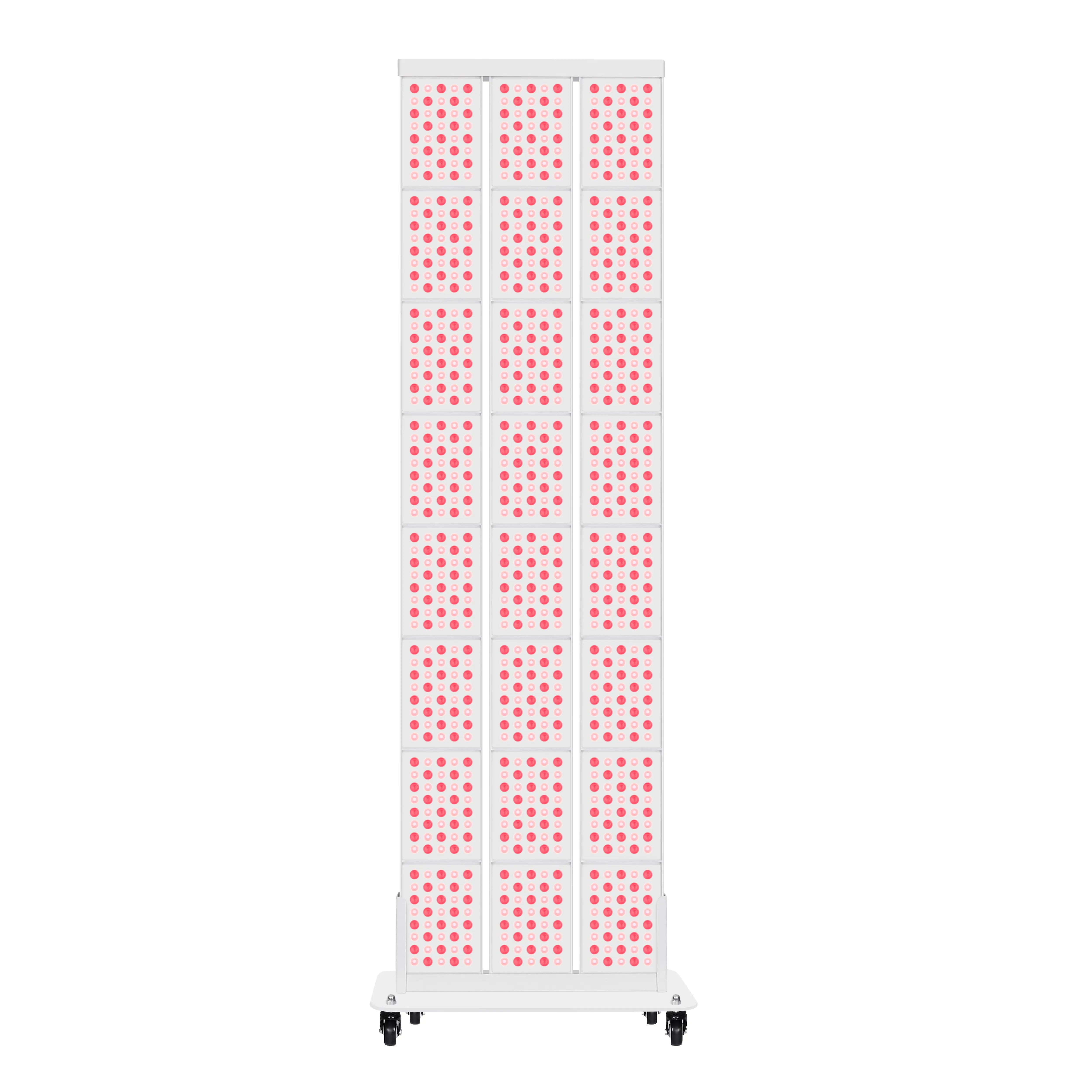
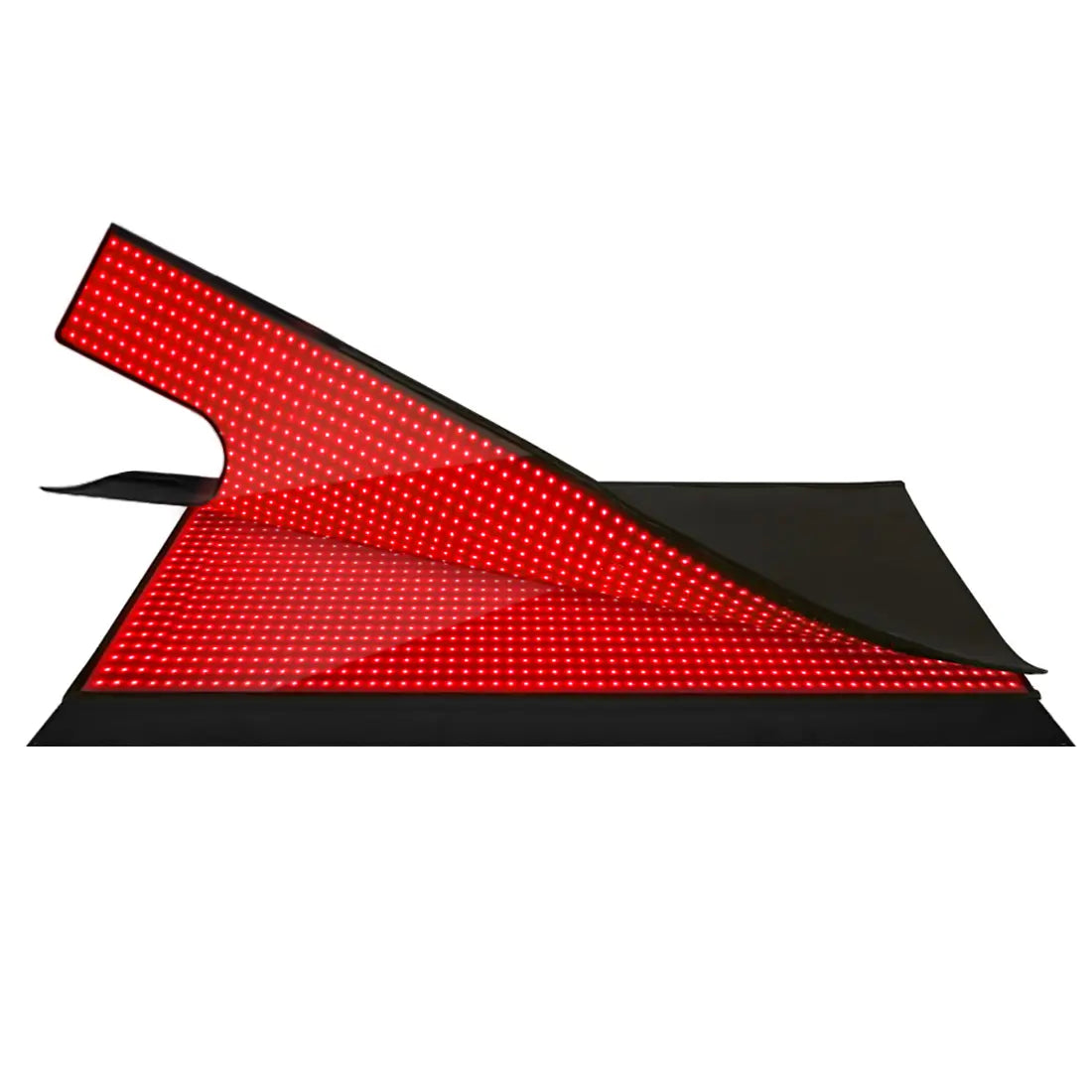
Can I use a human red light therapy panel for my dog's brain health? While the technology is similar, many human panels are designed for skin or muscle recovery and may not have the specific irradiance or wavelength (810-850nm) needed for transcranial penetration. Furthermore, large panels can be difficult to position correctly for a dog's head and may cause eye exposure. It is better to use a targeted device that allows for precise application and adheres to veterinary safety standards.
Is red light therapy painful for my dog? No, red light therapy is a "cold" therapy and should not cause any pain or discomfort. Most dogs find the sessions very relaxing, often falling asleep during the 3-5 minute treatment. If your dog seems restless or the device feels hot to the touch, you should stop the treatment and check the device's irradiance settings or contact the manufacturer.
Are there any side effects of using tPBM on a senior dog's head? Side effects are extremely rare when following proper protocols. Some dogs may experience a "healing crisis" or temporary lethargy as cellular metabolism increases, but this usually resolves within 24 hours. The most significant risk is thermal injury from low-quality devices that lack proper heat management, which is why using certified equipment is essential.
Can red light therapy replace my dog's dementia medication? Red light therapy should be viewed as a complementary treatment rather than a replacement for medications prescribed by your veterinarian. Many dogs see the best results when tPBM is used alongside pharmaceutical interventions like selegiline or supplements like Apoquel. Always consult your veterinarian before making any changes to your pet's medication regimen.
What is the best time of day to perform red light therapy for CCD? For dogs with disrupted sleep-wake cycles (sundowning), performing the treatment in the morning or early afternoon is often recommended. This aligns with natural circadian rhythms and provides the brain with an energy boost during the dog's active hours. Avoid late-night sessions if your dog becomes overly stimulated by the treatment, although many find it has a calming effect.
References
Government / Standards / Regulators
- IEC 60601-2-57:2026: Medical electrical equipment - Part 2-57: Particular requirements for the basic safety and essential performance of non-laser light source equipment for therapeutic, diagnostic, monitoring and cosmetic/aesthetic use.
- IEEE 1789-2015: Recommended Practices for Modulating Current in High-Brightness LEDs for Mitigating Health Risks to Viewers.
Industry Associations / Research Institutes
- AAHA (American Animal Hospital Association): First-ever guidelines published for diagnosis and monitoring of canine cognitive dysfunction.
- Canine Cognitive Dysfunction Syndrome Working Group: Guidelines for diagnosis and monitoring.
Academic / Whitepapers / Labs
- Dewey, C. W., et al. (2024). "Transcranial photobiomodulation for the treatment of canine cognitive dysfunction: A case series." Open Veterinary Journal.
- AVMA Journals: Recent advances in diagnostic and therapeutic strategies for canine cognitive dysfunction.
- Youlumi Whitepaper: Photobiomodulation Standards: Irradiance, EMF, and Safety.
Community
- Reddit r/SeniorDogs: Discussions on at-home CCD management (Intent only; not authoritative).
- PetNook: Is Red Light Bad for Dogs? Safety, Benefits, and Guidelines (Intent only; not authoritative).