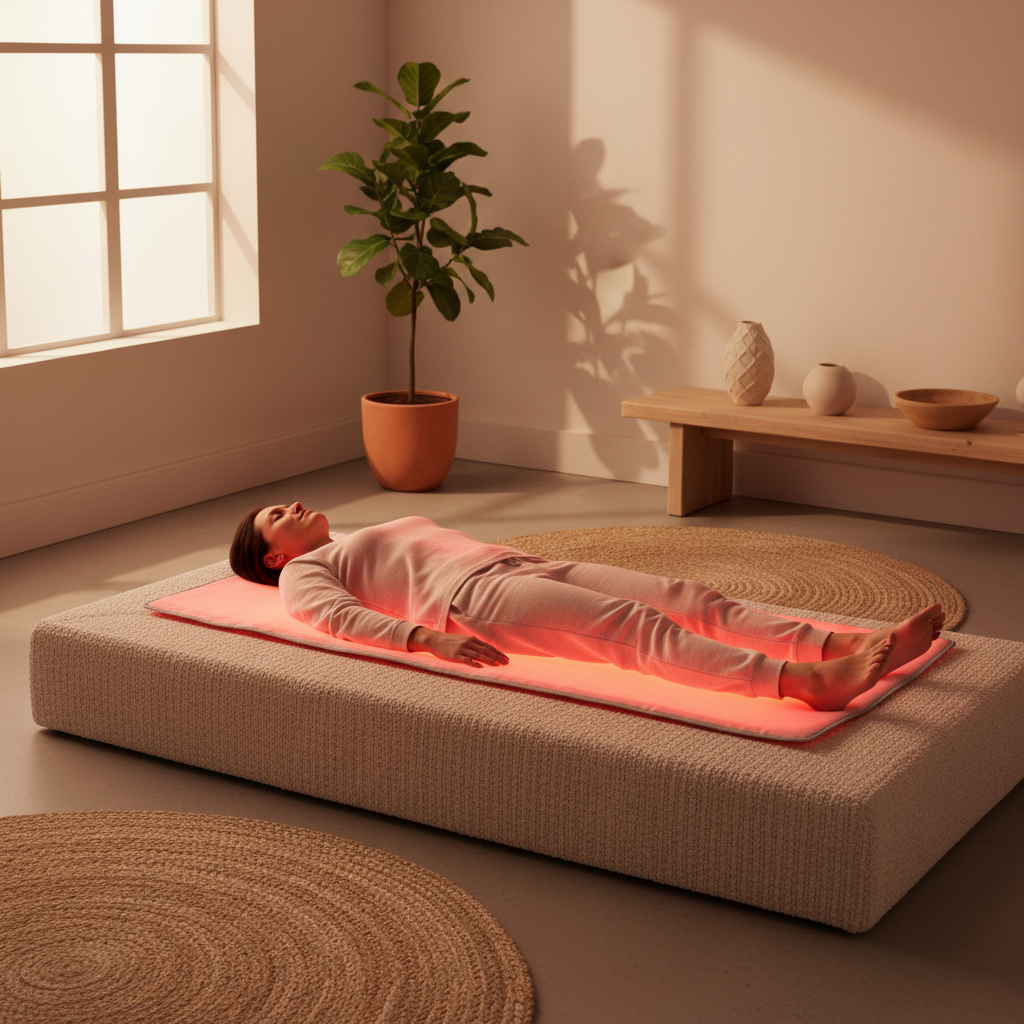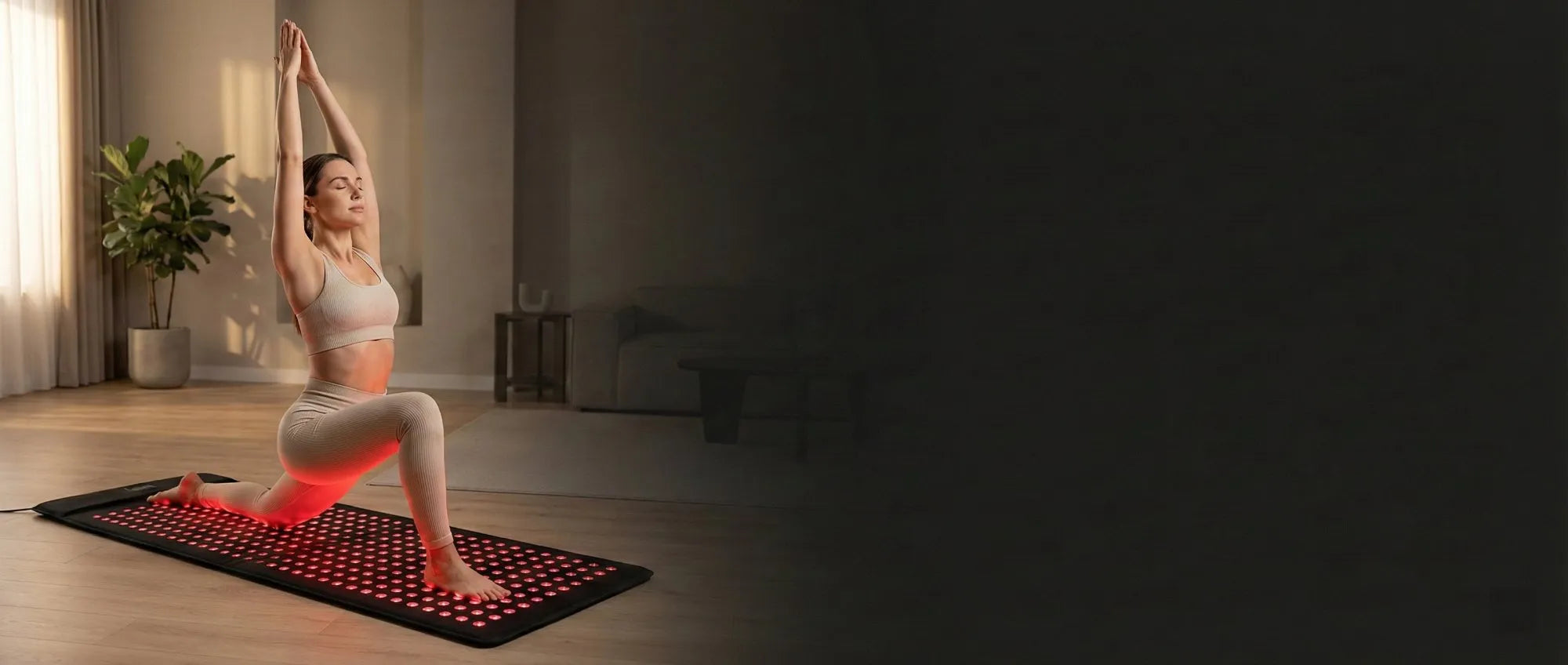
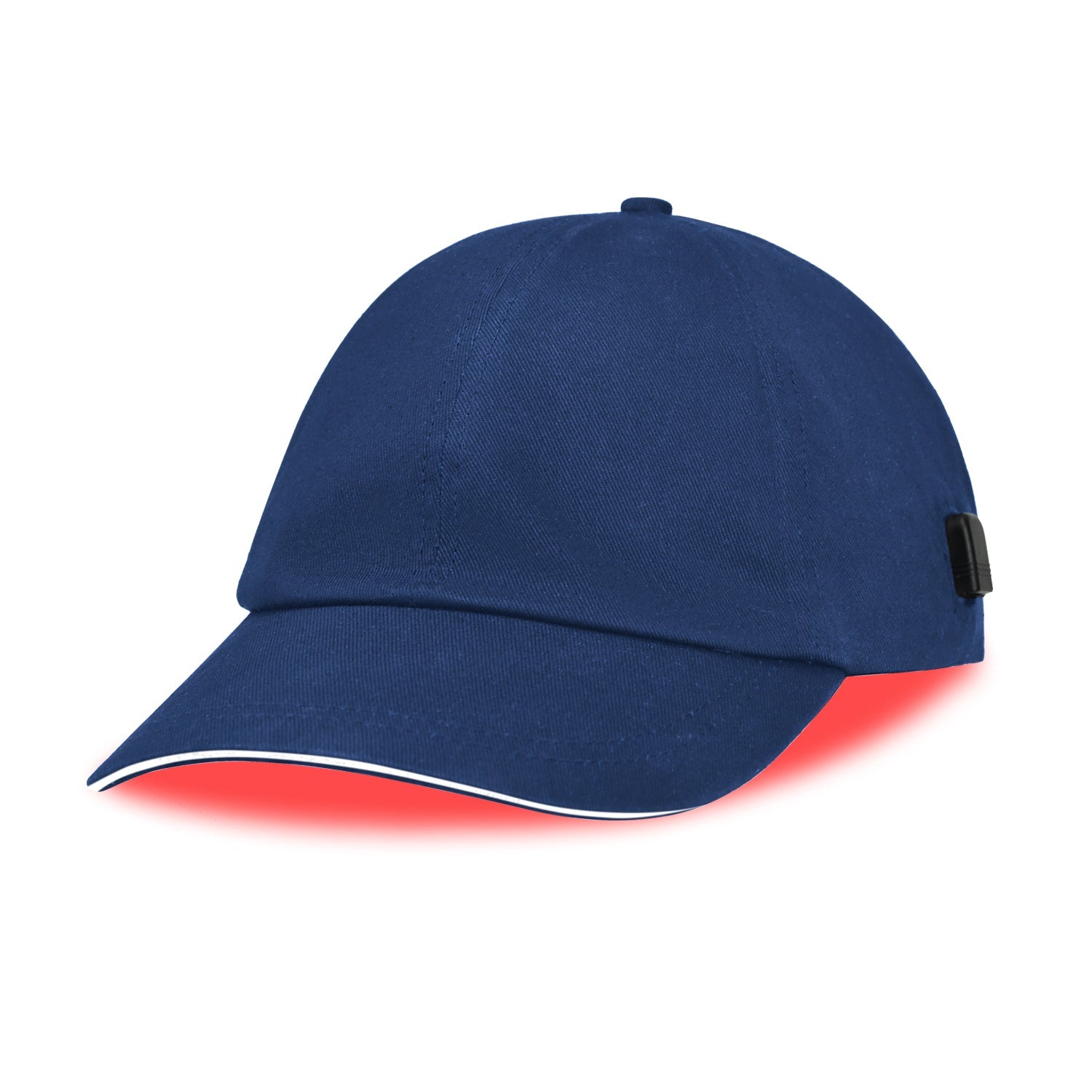
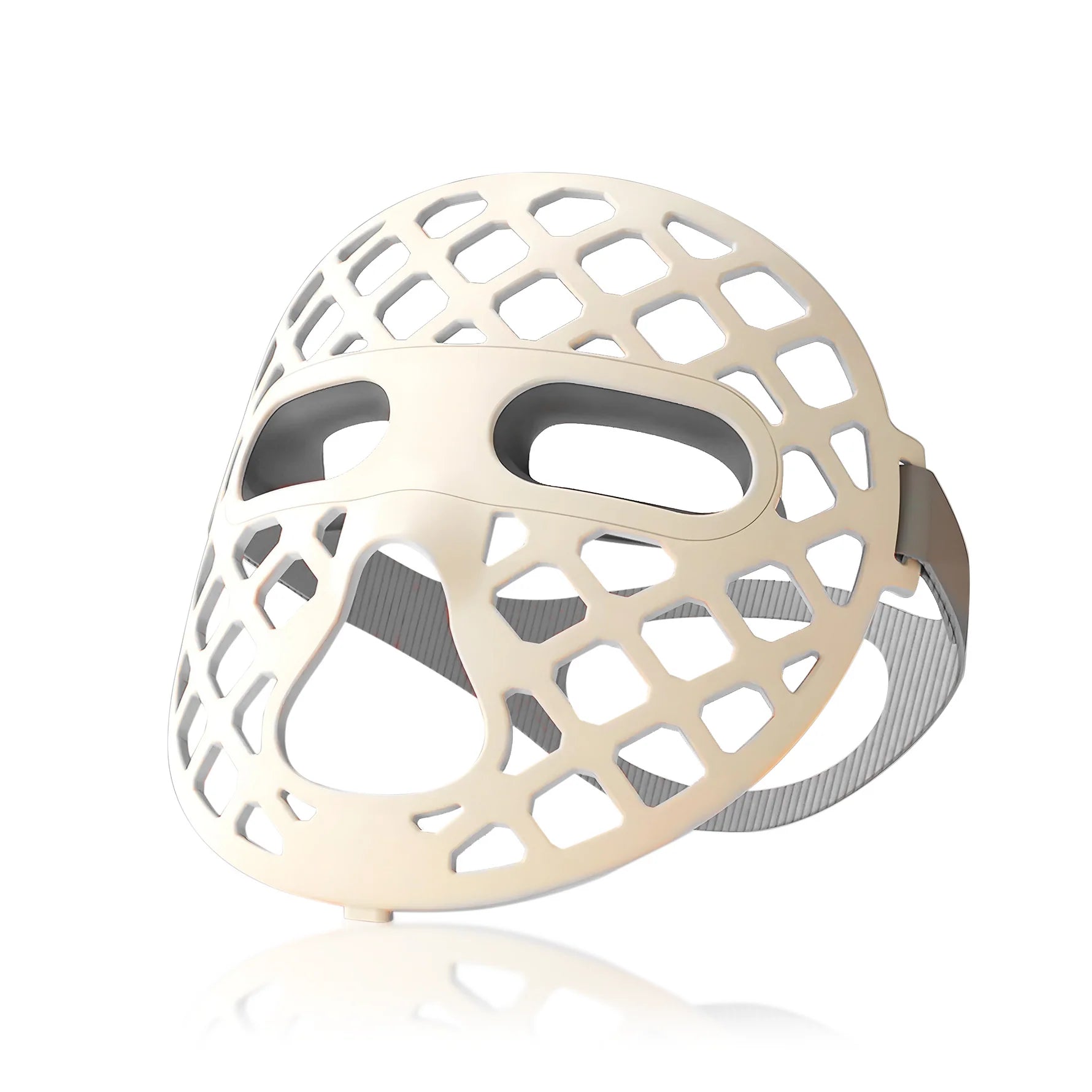

Many adults with Hashimoto's thyroiditis or hypothyroidism explore photobiomodulation as a potential at-home adjunct to support thyroid comfort alongside standard medical care. While the evidence base remains emerging with small studies and ongoing trials, research has focused on specific near-infrared wavelengths applied to the neck area. This article reviews the current literature on wavelengths, placement, session parameters, safety considerations, and realistic expectations without claiming treatment or cure effects.

Photobiomodulation (PBM) refers to the use of red and near-infrared light to stimulate biological activity; it is often discussed as low-level light or laser therapy. This PMC review explains the mechanisms.
Understanding the Research Landscape for Thyroid Photobiomodulation
Interest in red light therapy for thyroid health stems from studies examining its potential effects on thyroid function, autoantibodies, and quality of life in people with autoimmune thyroid conditions. Recent clinical trial work has evaluated 850 nm photobiomodulation for Hashimoto's thyroiditis, as listed on ClinicalTrials.gov. The evidence base for thyroid photobiomodulation is still emerging, with small studies and ongoing trials rather than definitive consensus.
Published PBM protocols for autoimmune thyroid conditions have commonly used near-infrared wavelengths in the 820-850 nm range. A small feasibility trial explored PBM alongside supplements in patients with Hashimoto's thyroiditis. The main outcomes studied in Hashimoto's PBM research include thyroid function, thyroid autoantibodies, and quality of life.
It is important to note that PBM should be framed as an adjunctive wellness approach, not a replacement for thyroid hormone therapy or lab monitoring.
Wavelengths Discussed for Thyroid Support
For thyroid-targeted use, wavelength precision matters; the literature discusses specific red and near-infrared bands, not just generic red light. Near-infrared PBM protocols in autoimmune-disease research often use 820-850 nm wavelengths with repeated short sessions over several weeks. Some practitioner guidance recommends 810-850 nm for thyroid support, but this is not the same as a formal clinical standard.

The research literature includes both LED and laser PBM devices. Devices with accurate wavelength output and appropriate irradiance are preferable for any targeted application, as emphasized in technical photobiomodulation standards.
How to evaluate a device for thyroid use: Look for clear specification of 820-850 nm output, measured irradiance at treatment distance, and avoidance of vague marketing claims. Precision in these specs helps ensure the light reaches the intended depth in the thin neck tissue.
Placement Protocols for the Thyroid Area
The thyroid gland is located in the front of the neck, below the Adam's apple. Protocols in the literature typically involve directing the light toward this central neck region from a short distance (often 5-15 cm depending on device power). Users are advised to keep the device stationary or slowly move it across the area rather than pressing directly on skin.
Eye protection is essential whenever using light devices near the face or neck. Safety guidance for light-based protocols commonly includes eye protection when treating nearby areas.
Session Duration, Frequency, and Conservative Starting Points
Specific session lengths and frequencies vary across studies, but many involve short applications repeated over days or weeks. One example from the literature applied sessions twice daily for a total of three days with careful calibration.
A reasonable conservative starting point discussed in practitioner contexts is 5-10 minutes per session, 3-5 times per week, while monitoring personal response. Always begin with the lowest effective exposure and increase gradually only if tolerated. These parameters are heuristic and should be adjusted based on individual comfort and professional input.
Here is an illustrative comparison of protocol parameters derived from literature summaries and common heuristics:
Thyroid Red Light Therapy Protocol Ranges: Literature vs Community vs Conservative Start
Heuristic, literature-summarized comparison of protocol parameters; not outcome data and not a clinical recommendation.
View chart data
| Category | Literature Range | Common Community Practice | Conservative Start |
|---|---|---|---|
| Wavelength (nm) | 0.6 | 0.8 | 0.4 |
| Session time (min) | 0.5 | 0.7 | 0.3 |
| Frequency (per week) | 0.6 | 0.7 | 0.4 |
| Neck placement emphasis | 0.8 | 0.7 | 0.9 |
Illustrative model built from literature summaries and community protocol heuristics. Wavelength emphasis reflects the reported 820–850 nm near-infrared range with 850 nm emphasis; session time and frequency are normalized relative categories only, not measured efficacy or safety data.
This chart uses normalized relative values for visualization only. It does not represent measured clinical doses or guaranteed outcomes.
Safety Considerations and Who Should Exercise Caution
Safety is paramount when applying any light device to the neck. Key points include using eye protection, avoiding direct eye exposure, and monitoring for skin warmth or discomfort. Stop use immediately if irritation occurs.
PBM is generally considered low-risk when used according to guidelines, but special caution applies to certain groups. Individuals who are pregnant, taking photosensitizing medications, have active skin conditions on the neck, or have implanted devices in the area should consult a qualified healthcare professional before trying PBM.
For those with autoimmune thyroid conditions like Hashimoto's, red light therapy is not a substitute for prescribed medication or regular lab monitoring. This article only discusses comfort and setup considerations based on available literature; it does not constitute medical advice, diagnosis, or treatment. If you have persistent symptoms or existing eye/thyroid conditions, consult qualified professionals.
Avoiding Overstimulation and Common Pitfalls
Overexposure is a frequent concern in community discussions. To minimize risk, follow shorter sessions initially, maintain proper distance, and limit total weekly exposure. Do not increase duration or frequency aggressively even if initial sessions feel comfortable.
Common myths include the idea that more intense or longer sessions always produce better results, or that red light therapy can replace standard thyroid care. In reality, the literature emphasizes modest, repeated applications and measures outcomes like quality of life rather than promising reversal of conditions.
Don't buy or use a device for thyroid support if:
- You expect it to treat or cure hypothyroidism or Hashimoto's on its own.
- You plan to replace prescribed medication or skip endocrinology follow-up.
- Your thyroid condition is unstable or newly diagnosed without medical evaluation.
- The device lacks clear wavelength (ideally 820-850 nm), irradiance, and usage specifications.
- Marketing makes strong medical claims beyond emerging research.
Realistic Expectations and How to Monitor Progress
Studies have examined changes in thyroid markers and subjective well-being, but results are not uniform and often part of combined approaches. User reviews vary widely; some report feeling more comfortable while others notice no difference. Interpret anecdotal reports cautiously and prioritize lab results interpreted by your doctor.
Track your experience with a simple journal noting session parameters, any sensations, energy levels, and any changes reported to your healthcare provider. Reassess after 4-6 weeks of consistent use or sooner if any concerns arise.
Choosing a Suitable Device for Targeted Neck Use
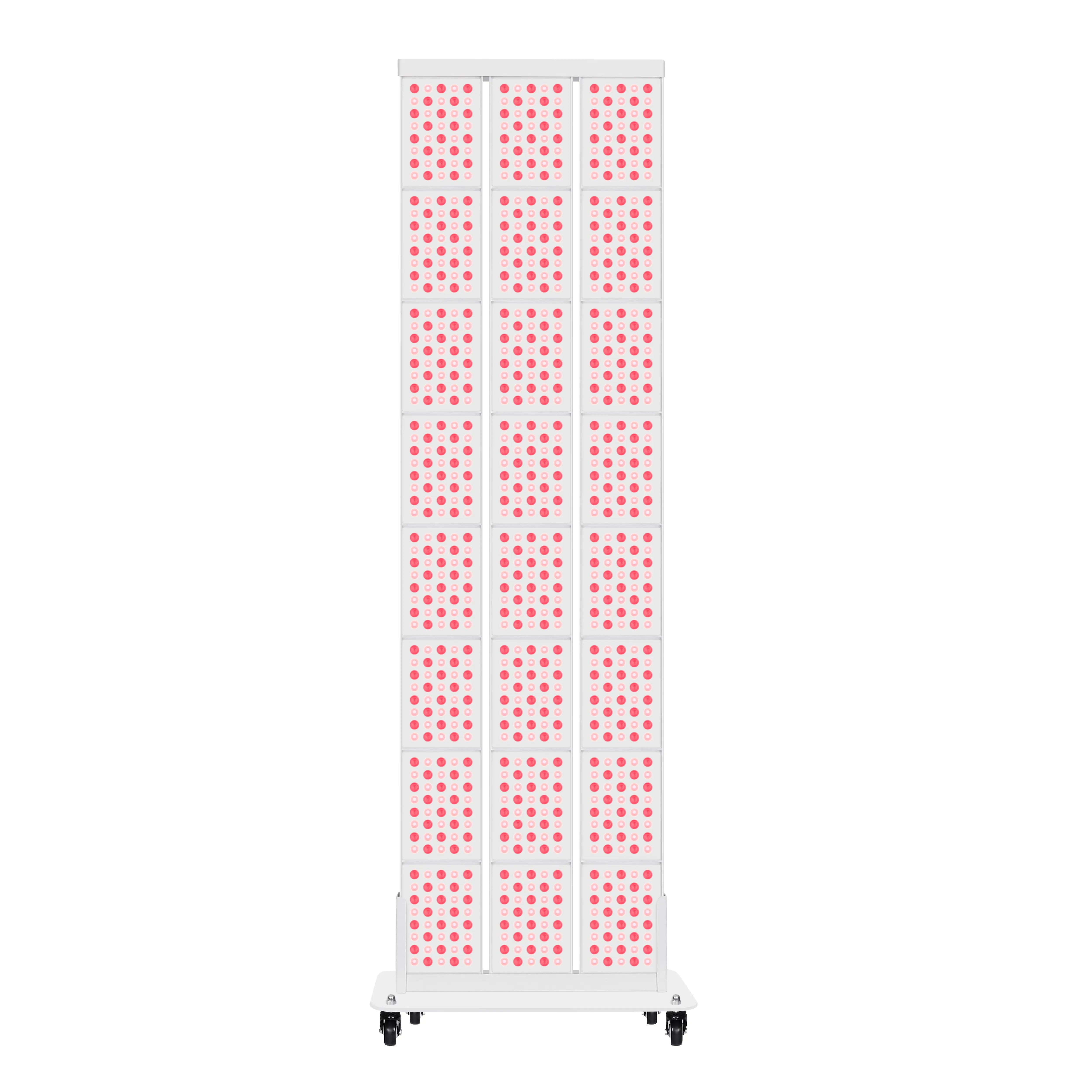
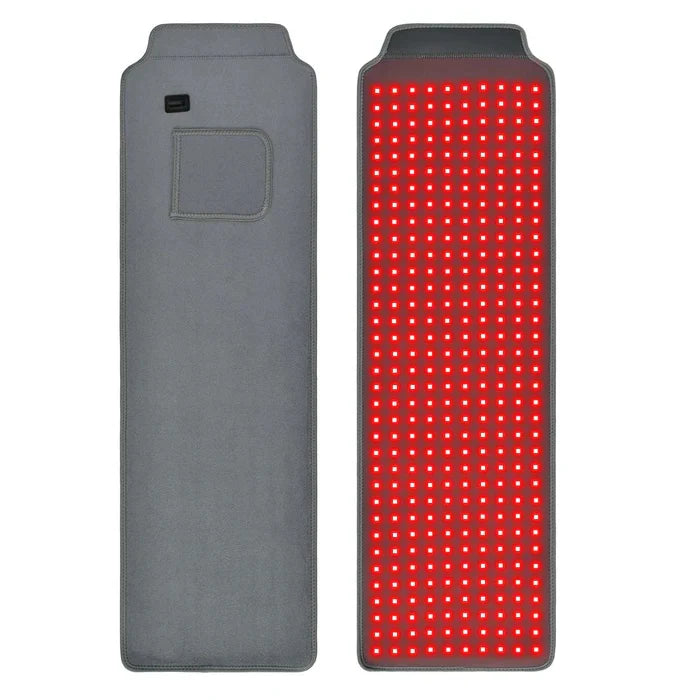
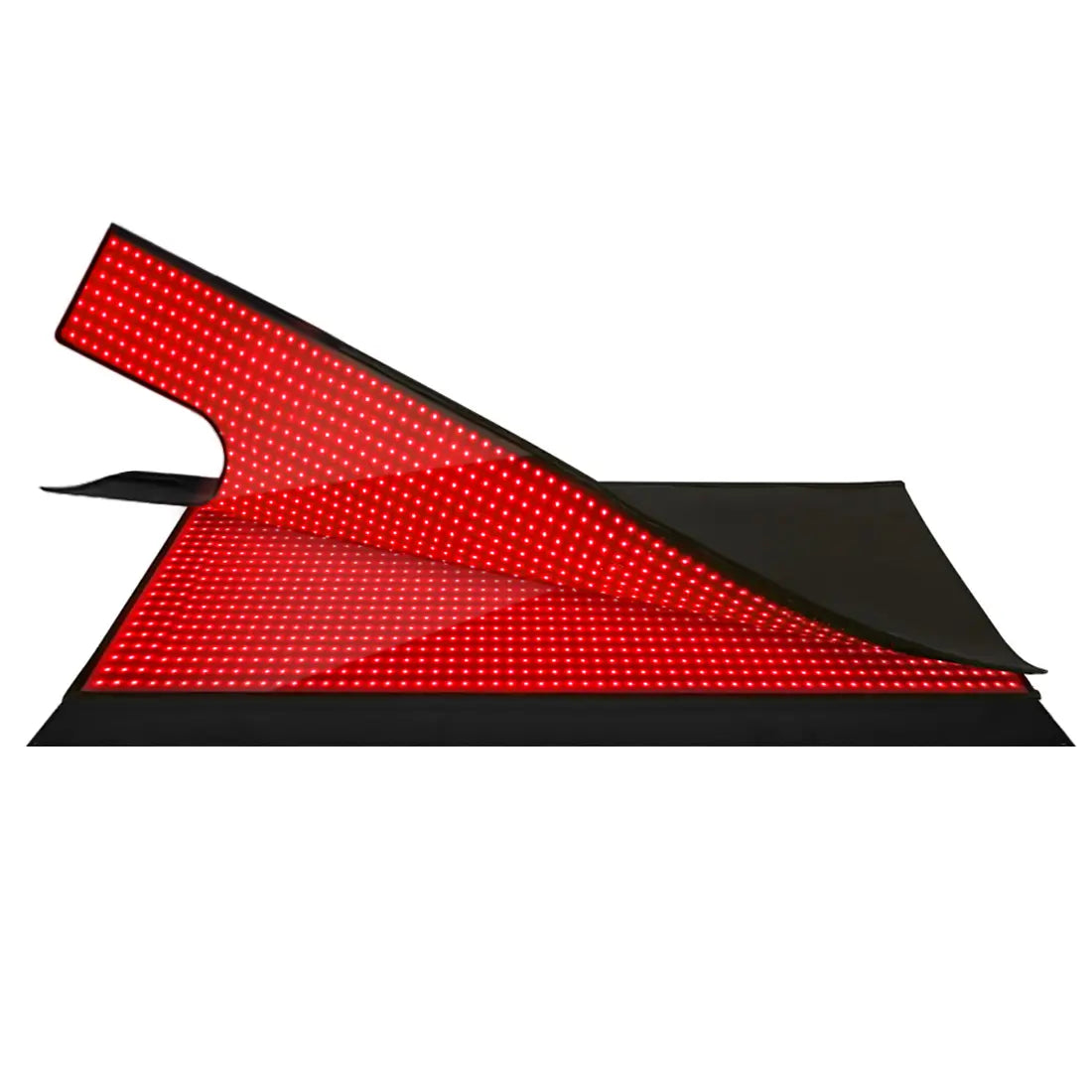
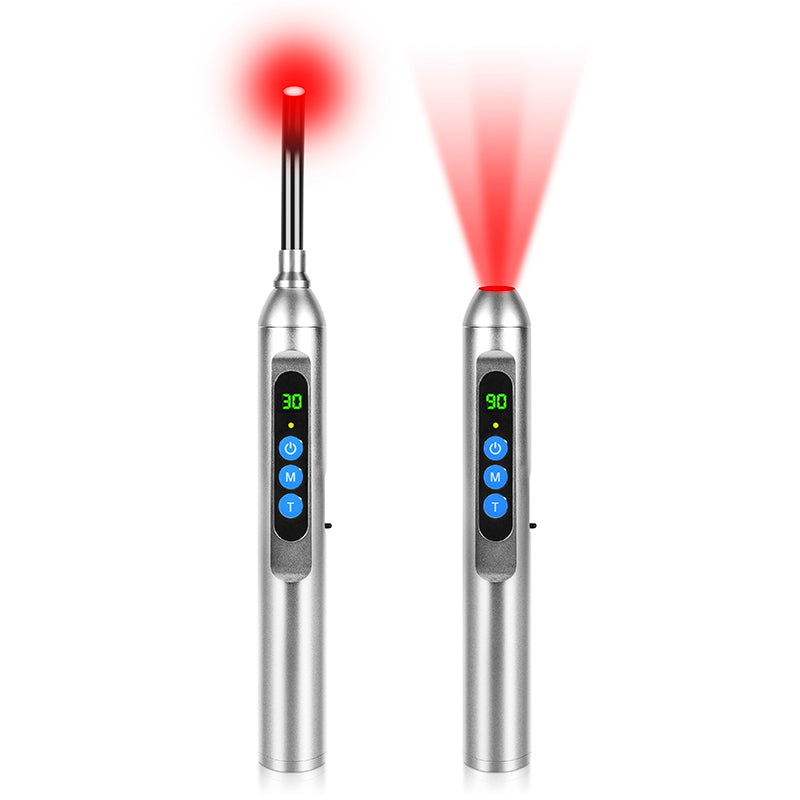
The best red light therapy device for thyroid health considerations would offer precise 850 nm near-infrared output, sufficient irradiance at the recommended distance, and a form factor convenient for neck application (such as a handheld or small panel). Verify third-party testing or clear technical specifications rather than relying solely on marketing language.
Compare options using the photobiomodulation standards for irradiance, EMF levels, and flicker as a decision framework. Avoid devices that inflate specifications or fail to provide accurate measurement details.
Final Thoughts on Red Light Therapy for Thyroid Health
Red light therapy for Hashimoto's or hypothyroidism remains an area of active interest with promising early research but limited definitive evidence. When used conservatively with proper wavelength focus on the neck, appropriate short sessions, and strict safety practices, it may fit into a broader wellness routine for some individuals.
Always prioritize working with your healthcare team, continue prescribed treatments, and use PBM only as a potential comfort adjunct. Monitor your response carefully and discontinue if you experience any adverse effects. This approach helps ensure safe exploration while maintaining realistic expectations based on the current body of research.
Medical Disclaimer: This article discusses general comfort and setup information drawn from published literature. It is not medical advice and does not diagnose, treat, or prevent any condition. Consult a qualified healthcare provider for personalized guidance, especially if you have thyroid disease, take medications, are pregnant, or have other health concerns.