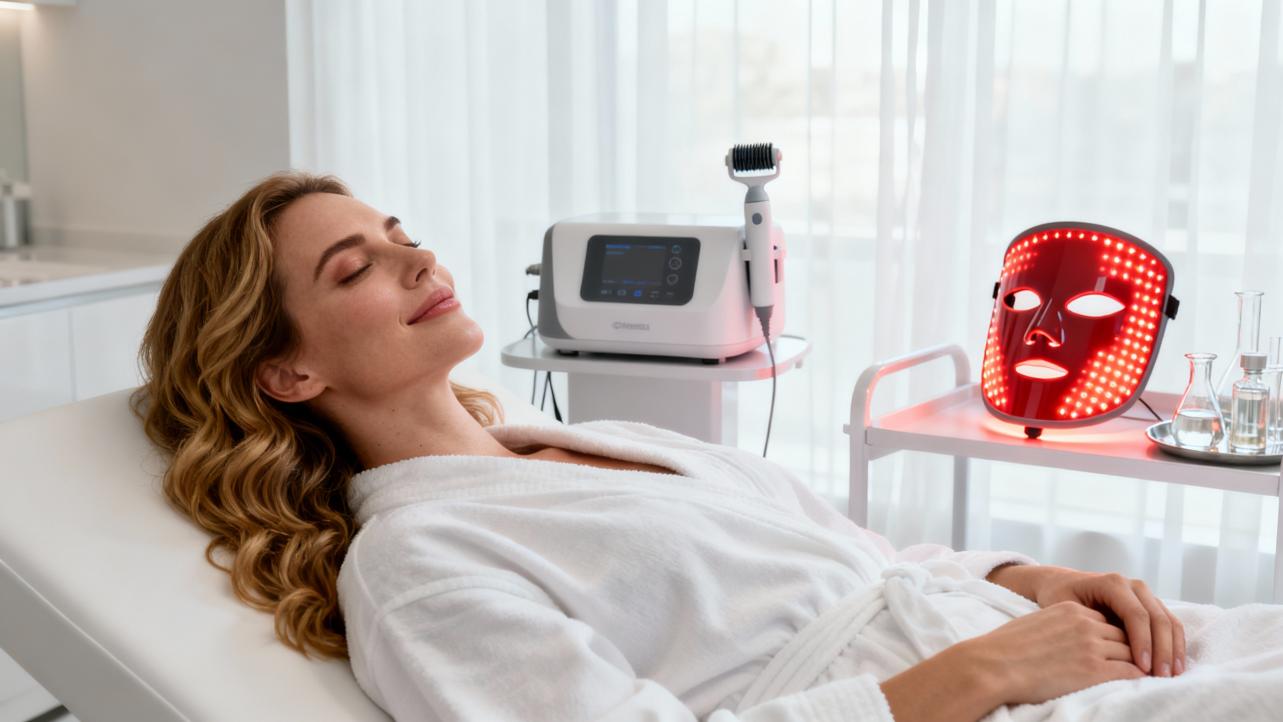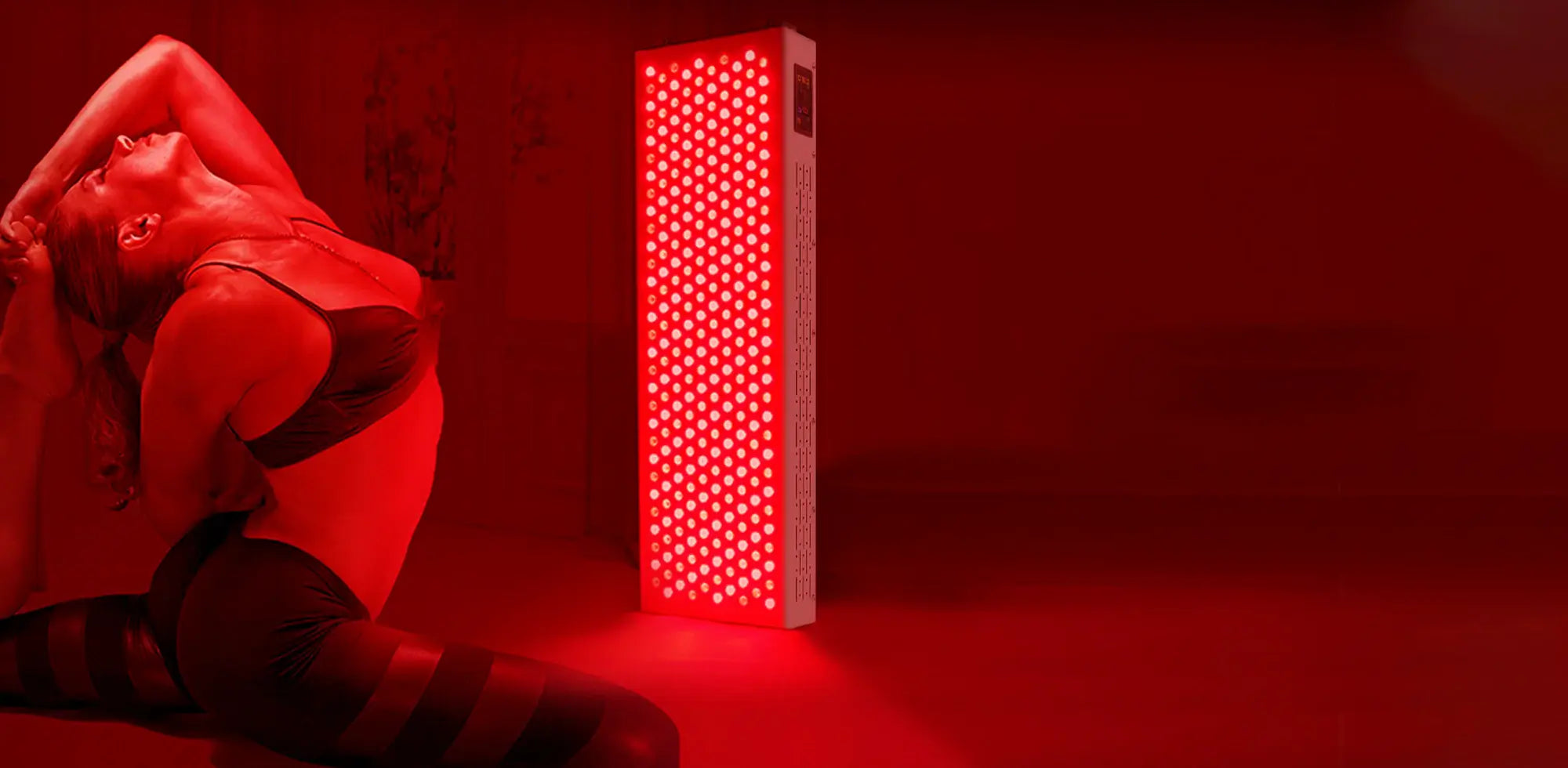

Red light therapy has exploded from niche wellness hack to mainstream dermatology tool. At the same time, acid peels have remained a workhorse for resurfacing, fading spots, and smoothing fine lines. If you are serious about skin optimization, it is natural to ask whether you can use red light after an acid peel to calm irritation and speed recovery.
The short version is that red light therapy has solid, though not perfect, evidence for reducing inflammation, supporting wound healing, and improving wrinkles and texture. Chemical peels deliberately irritate and injure the skin in a controlled way, and then your body has to repair that injury. Mechanistically, red light looks like it was made for that repair phase.
However, the research summarized here does not include clinical trials that look specifically at red light used immediately after acid peels. We do have strong data for light on wounds, aging skin, and inflammatory conditions, and we also have safety cautions about combining red light with strong chemical acids. So what follows is a science-informed roadmap, with clear lines between what is known, what is used in practice, and where you still need to tread carefully with your dermatologist’s guidance.
What Acid Peels Do To Your Skin
A chemical or “acid” peel is essentially a controlled skin injury. A dermatologist or aesthetic professional applies an acidic solution to the skin to loosen and shed outer layers. That controlled damage triggers repair processes that can improve tone, texture, acne, and fine lines once healing completes.
For a day or more after a peel, the skin barrier is compromised. Redness, burning, stinging, tightness, and visible peeling or flaking are part of that process. The skin is more vulnerable to irritants, sunlight, and infection, and the repair phase is heavily driven by inflammation and collagen remodeling.
In other words, after an acid peel your skin is in an active, inflamed, energy-hungry state. That is exactly the environment where red light therapy’s known mechanisms come into play, which is why many dermatology clinics now bundle light-based therapies around procedures such as peels, microneedling, and laser.
One important nuance from safety-focused sources: a beauty-education brief from Brillare Beauty Institute notes that skin irritation is more likely when red light therapy is combined with aggressive topical treatments such as retinoids or strong chemical acids. That does not mean the combination is always unsafe, but it reinforces that post-peel skin needs extra caution and professional oversight.

How Red Light Therapy Works At The Cellular Level
Medically, red light therapy is usually called photobiomodulation or low-level light therapy. Articles from the Atria Health and Research Institute, Harvard Health, Cleveland Clinic, Stanford Medicine, and others describe essentially the same core mechanism.
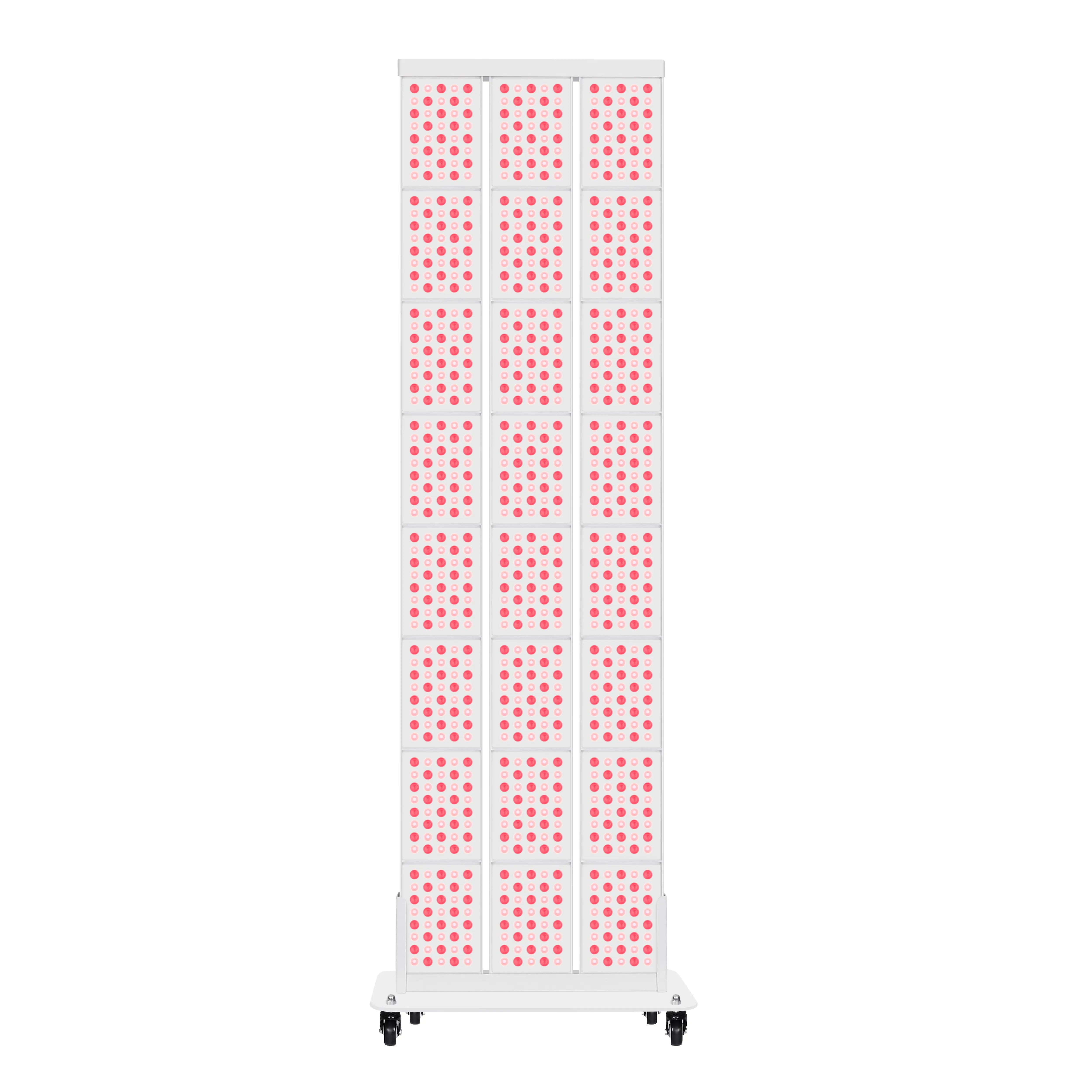
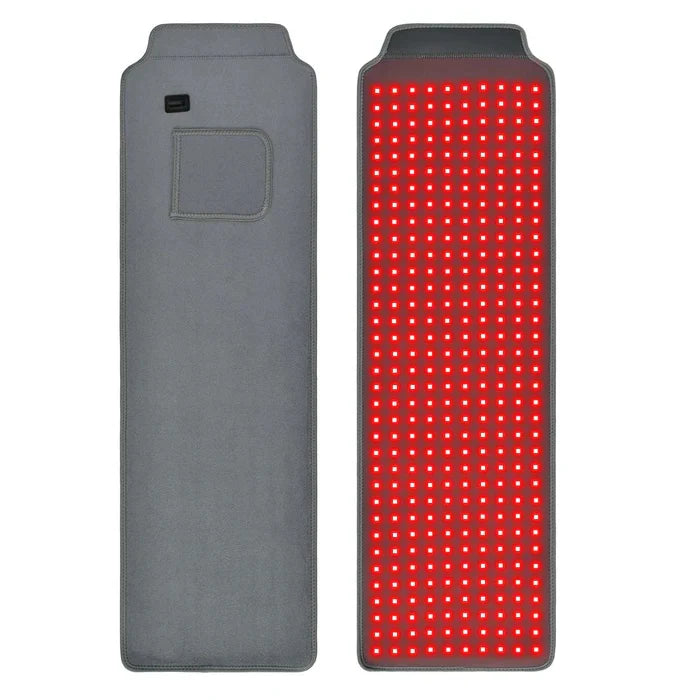
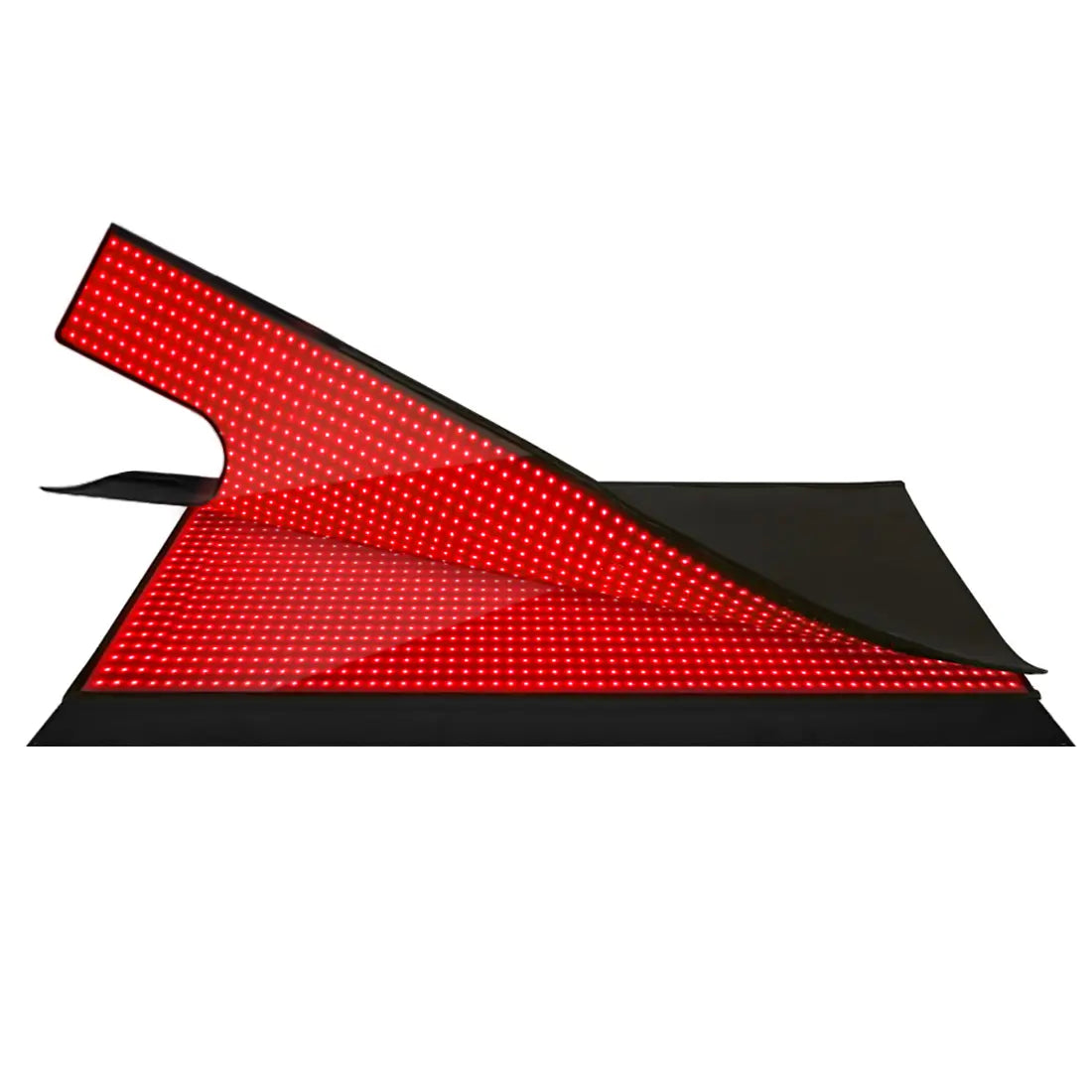
Devices emit specific red or near-infrared wavelengths, generally in the range of about 620 to 700 nanometers for visible red and roughly 800 to 1,000 nanometers for near-infrared. These wavelengths do not heat or burn the skin. Instead, they pass into the tissue and are absorbed by cellular “chromophores,” particularly a mitochondrial enzyme called cytochrome c oxidase.
When this enzyme absorbs red or near-infrared photons, several things happen inside the cell:
Mitochondria make more ATP, the cell’s usable energy currency. Antioxidant defenses are upregulated and oxidative stress is reduced. Nitric oxide is released, which helps blood vessels dilate and improves blood flow and tissue oxygenation. Gene expression shifts in ways that promote cell survival, repair, and collagen and elastin synthesis.
Peer-reviewed work summarized in medical journals and clinical briefs shows that this cascade leads to better circulation, less inflammation, and more efficient tissue repair. That is why dermatology and physical medicine clinics use red light to support wound healing, musculoskeletal pain, and post-procedure recovery.
A key concept, confirmed by clinical research and highlighted by Atria and academic reviews, is the biphasic dose response. Too little light does not trigger much of a biological response, but too much can actually reduce or inhibit benefits. More is not better; there is a sweet spot for both dose and frequency.

Evidence For Red Light On Irritated And Aging Skin
Multiple reputable sources converge on the same conclusion: red light is not magic, but it can measurably improve several skin parameters when dosed and used consistently.
Harvard Health reports that red light therapy, used regularly for several months, can reduce fine lines and wrinkles, lighten dark spots, smooth texture, diminish redness, accelerate wound healing in issues like diabetic ulcers or slow-healing injuries, and boost hair regrowth. The American Academy of Dermatology endorses it as a noninvasive option with minimal downtime.
Randomized and controlled clinical trials help back this up. A controlled trial of photobiomodulation in more than one hundred volunteers found statistically significant improvements in skin roughness and collagen density, along with visible reductions in fine lines and wrinkles, after a course of about thirty full-body red light sessions. Another prospective study of a high-powered red LED mask at 630 nanometers, used twice weekly for three months, documented progressive improvements in wrinkles, elasticity, dermal density, pore appearance, tone uniformity, and sebum-related issues, with benefits persisting for at least a month after stopping.
Dermatology and skincare clinics such as Santa Barbara Skin Care and West Dermatology highlight similar practical benefits: red light stimulates fibroblasts, boosts collagen and elastin, calms redness, and supports wound healing and scar remodeling. Clinical and experimental evidence summarized by these groups suggests faster tissue repair and better cosmetic outcomes in scars from acne, surgery, and injuries.
Inflammation is a central target. A health and performance review from Fuel Health Wellness cites clinical data showing up to about a thirty-five percent reduction in inflammation markers after three red light sessions per week for four weeks in some protocols, along with improvements in muscle recovery and perceived pain. Several medical centers emphasize that red light’s anti-inflammatory effect is also relevant to inflammatory skin conditions like acne, rosacea, psoriasis, and eczema.
Safety is another area where the evidence is reassuring. Cleveland Clinic and Harvard Health both describe red light therapy as noninvasive, nonionizing, and safer than ultraviolet light, with side effects usually limited to temporary redness, warmth, or tightness when used as directed. WebMD notes that very high doses can cause blistering or irritation, and that eye protection is important near the face, but large reviews find no evidence that red light causes skin cancer.
To put research in context, here is a simplified overview based strictly on the provided sources:
Skin concern or state |
What red light has been shown to do |
Evidence snapshot and sources |
Fine lines, wrinkles, and skin laxity |
Modest but measurable improvement in wrinkles, firmness, elasticity, and overall skin quality with repeated sessions over weeks to months |
Controlled clinical trials in photobiomodulation journals; Harvard Health, UCLA Health, Santa Barbara Skin Care, West Dermatology |
Redness and inflammatory conditions |
Reduction in redness and irritation in conditions like acne, rosacea, psoriasis, and eczema; calming effect reported by users |
Summaries from Cleveland Clinic, Santa Barbara Skin Care, West Dermatology, WebMD |
Faster healing of certain wounds and ulcers, better early scar appearance, and improvement in acne and surgical scars, with some effects persisting weeks after treatment stops |
Harvard Health, Atria Health and Research Institute, Santa Barbara Skin Care, WebMD, controlled mask studies |
|
Noninvasive, low-risk option often integrated into dermatology protocols for skin rejuvenation and as an adjunct to treatments like microneedling and chemical peels |
UCLA Health, multiple dermatology clinics; direct peel-specific trials not reported in the provided notes |
|
Overall texture, tone, and spots |
Smoother texture, smaller-appearing pores, more even tone, and lightening of dark spots in many participants after consistent use |
Harvard Health, randomized body and facial PBM studies, dermatology clinic summaries |
The consistent theme is that red light offers modest but real improvements when used correctly over time, particularly for collagen-related aging, inflammatory redness, and wound repair.

Why This Matters After Acid Peels
An acid peel creates a controlled injury. The top layers of the skin are disrupted, inflammation surges, and the repair machinery goes into overdrive to rebuild collagen, reorganize pigment, and restore the barrier. That is exactly the type of biological stress red light is designed to modulate.
Mechanistically, there are three big intersections between peels and red light that are supported by the research notes.
First, inflammation. After a peel, inflammation is both necessary and uncomfortable. The photobiomodulation literature and clinical summaries from Atria, Fuel Health Wellness, and multiple health systems show that red light can dial down excessive inflammatory signaling and oxidative stress while preserving repair. That is why it appears helpful for inflammatory acne, autoimmune skin conditions, and painful musculoskeletal issues.
Second, cellular energy and collagen. Acid peels remodel collagen and elastin over weeks to months. Red light’s main mitochondrial target increases ATP production and upregulates fibroblast activity and collagen synthesis. Trials that document improved elasticity, firmness, and dermal density after months of red light are tapping into the same pathways that peels aim to influence, just via a different input signal.
Third, wound healing and barrier repair. Peels temporarily compromise the skin barrier, similar in some respects to a superficial burn or abrasion. Harvard Health and Atria highlight that red light has been used successfully to support healing in difficult wounds, including diabetic ulcers and slow-healing injuries, and WebMD notes positive studies in tendinopathy and joint pain where tissue repair and remodeling are important.
It is worth stressing an important limitation. The research notes you provided do not include randomized trials that look specifically at red light used immediately after acid peels. UCLA Health does report that dermatologists may combine red light with chemical peels for issues like dark spots, fine lines, and loose skin, and many clinics use this pairing in practice. But the detailed, controlled data about timing, dose, and exact benefit for acid peels specifically are still sparse in the materials at hand.
So red light after acid peels is a biologically plausible and increasingly common strategy, but from a strict evidence perspective we are extrapolating from broader wound-healing and skin-rejuvenation data rather than citing peel-specific trials.
How To Use Red Light Safely Around Acid Peels
Given what we know about both therapies, the question becomes how to integrate red light into a peel-based routine without overloading already stressed skin. The answer lies in respecting dose, timing, and skin condition.
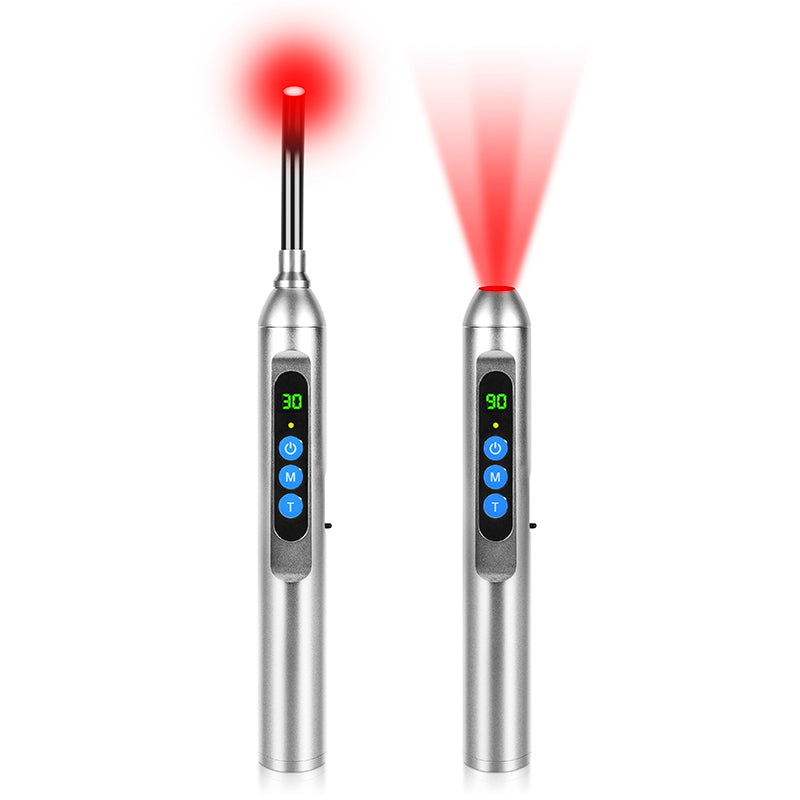
Clinical protocols for red light therapy, as summarized by Atria, Fuel Health Wellness, Cleveland Clinic, Stanford, UCLA Health, and others, have a few consistent features. Power densities around 20 to 100 milliwatts per square centimeter are common in studies. Treatment times usually range from about five to twenty minutes per area, and distances from the device are typically between roughly six and twenty-four inches for panels, with masks and wands designed for closer contact. Many experts recommend starting closer to the low end of both distance and time when you first begin, especially with sensitive skin.
For general skin rejuvenation, some protocols described by Fuel Health Wellness use fifteen to twenty minutes per session, five to seven times per week initially for a couple of weeks, then shift to maintenance a few times per week. Atria’s physician guidance often falls around three to five sessions per week. Harvard Health notes that visible skin benefits may require using home devices multiple times per week for four to six months.
Post-peel, your skin is not in its usual state. Here is how to adapt those numbers and principles conservatively, based only on what the research notes support and on explicit safety warnings about combining light with chemical acids.
Begin with your dermatologist’s timeline, not your device manual. Because acid peels vary widely in strength, only the clinician who did your peel can tell you when your barrier is sufficiently restored to tolerate extra energy input. The literature here is clear that red light is generally safe on intact skin, but the Brillare safety brief warns that irritation is more likely when red light is combined with strong chemical acids. That is a strong reason not to improvise home sessions on freshly peeled, weeping, or strongly burning skin.
Once your dermatologist gives a green light, start at the gentle end of light dosing. Sensitive-skin guidance from Brillare and safety-focused clinics recommends shorter sessions of about five to ten minutes a few times per week when you are being cautious. That sort of schedule matches the lower end of many study protocols and gives you room to increase slowly if your skin tolerates it.
Keep distance in the moderate range. Safety guidelines and expert overviews suggest that for skin-level targets, a distance of roughly six to twenty-four inches from a panel is typical, with closer positions delivering stronger doses to a smaller area and farther positions treating a broader area at lower intensity. Right after a peel, you want energy, not aggression, so staying toward the middle or upper end of that distance band is a rational compromise unless your dermatologist advises otherwise.
Use red-only or red-dominant settings at first. Several devices combine red with blue light for acne. Blue light has its uses, but it also has more potential to disturb circadian rhythms when used late in the day and can be more irritating for some skin types. Atria and other experts recommend using blue-containing devices in the morning or afternoon. After a peel, sticking to red or red-plus-near-infrared modes may be the gentlest option, especially if your skin is highly reactive.
Treat on clean, product-free skin. The safety guidelines article on red and near-infrared light therapy emphasizes that skin should be clean and free of makeup, lotions, creams, and sunscreens before treatment because these products can block or reflect photons and reduce effectiveness. After a peel, active products like acids and retinoids are often paused anyway. Do not layer red light over fresh acid applications on the same day unless your dermatologist has specifically designed that protocol for you.
Respect the biphasic dose response. Clinical research and expert commentary repeatedly warn that longer sessions are not inherently better. Several sources note that staying in the range of about five to twenty minutes per area is typical and that going beyond about thirty minutes per area or moving extremely close to the device increases the risk of irritation or mild thermal effects without clear added benefit. After a peel, your margin for error is narrower, so maintaining disciplined, moderate dosing is essential.
Protect your eyes. Although red light is far gentler than ultraviolet, WebMD, Cleveland Clinic, and dedicated safety guidelines all warn that eye strain and even deeper eye damage are possible with prolonged, unshielded exposure, especially from near-infrared wavelengths that do not trigger a natural blink reflex. Use the goggles supplied with your device or other appropriate eye protection any time the light is directed near your face.
Finally, be honest with your tracking. Several performance and recovery–oriented red light guides recommend keeping a log of sessions, including date, duration, distance, and any skin responses. This is particularly valuable after a peel, where you and your dermatologist need feedback about redness, stinging, delayed healing, or pigmentation shifts.

Pros And Cons Of Combining Red Light With Acid Peels
Like most biohacking stacks, pairing red light with acid peels has both attractive upsides and very real caveats. Based solely on the provided research notes, the balance looks like this.
On the upside, there is robust evidence that red light can improve wrinkles, firmness, and dermal density, which aligns directly with many peel goals. Multiple medical sources agree that red light reduces inflammation and supports wound healing, which could conceptually translate into less downtime and smoother recovery after a peel. UCLA Health explicitly notes that dermatologists may combine red light with topical treatments, microneedling, and chemical peels for dark spots, discoloration, fine lines, wrinkles, and loose skin. The therapy is generally safe, noninvasive, and does not use UV radiation.
On the downside, the exact timing and dosing for post-peel skin are not defined in the studies summarized here. The Brillare safety notes point out that combining red light with strong chemical acids can increase the risk of irritation, which is highly relevant for acid peels. WebMD and other medical sources warn that very high intensities or long exposures can cause blistering and redness, and that people on photosensitizing medications, those with a history of skin cancer, and those with certain eye diseases need special caution or medical clearance.
Another practical drawback is commitment. Harvard Health and Cleveland Clinic both emphasize that red light therapy is a slow and steady approach. At-home devices often need to be used multiple times per week for months before changes become obvious, and results may fade if you stop. Chemical peels are often used in series as well. Together, they form a long-term regimen rather than a single quick fix.
The most important point for any serious skin optimizer is that red light should be viewed as an adjunct, not a replacement. Cleveland Clinic and Harvard Health both stress that red light does not replace evidence-based medical treatments and that foundational habits such as daily sunscreen, healthy nutrition, adequate sleep, and dermatologist-guided skincare remain non-negotiable.
FAQ: Red Light And Acid Peels
Is there direct clinical research on red light used immediately after acid peels?
Within the research notes you provided, there are no randomized clinical trials that look specifically at red light applied immediately after acid peels. There is strong evidence for red light in wound healing, skin rejuvenation, and inflammatory conditions, and UCLA Health notes that dermatologists may combine red light with chemical peels in practice for issues like dark spots and wrinkles. However, detailed, peel-specific protocols are not described in these sources.
Can I use my home red light device the same day as a peel?
Based on the safety information in the notes, it is best not to assume that is safe without medical guidance. Brillare Beauty Institute explicitly warns that skin irritation is more likely when red light is combined with aggressive topical treatments, including strong chemical acids. After a peel, your skin barrier is compromised, and several medical centers emphasize that overuse or high-intensity light can cause redness or blistering. The safest move is to wait until your dermatologist confirms that your skin has healed enough and then reintroduce red light slowly at low doses.
How often should I use red light in a post-peel maintenance routine?
Outside the acute post-peel window, general skin protocols in the research notes tend to cluster around roughly three to five red light sessions per week, with individual sessions lasting about ten to twenty minutes at a reasonable distance. Sensitive or cautious users are advised to start with about five to ten minutes a few times per week and adjust based on skin response. That rhythm can be adapted into a long-term maintenance routine once your skin is stable and your dermatologist is on board.
Is red light therapy safe for all skin types after peels?
In general, the safety data for red light on intact skin are reassuring across skin types, but there are important caveats. Harvard Health recommends that people with darker skin tones start with lower doses and consult a dermatologist because visible light, including red, can sometimes trigger dark spots. Safety guidelines also advise medical consultation for people with photosensitive conditions such as lupus, those taking photosensitizing medications, individuals with a history of skin cancer, and pregnant people. After an acid peel, those cautions matter even more.
Red light therapy has earned its place as a legitimate tool in the skin-optimization toolbox, with peer-reviewed data showing benefits for wrinkles, redness, and wound repair when used consistently and intelligently. Acid peels remain one of the most effective ways to resurface and reset the skin, and in expert hands, combining the two can be a powerful strategy. The art is in the timing, the dosage, and the respect you show your skin’s biology. Partner with a dermatologist, keep your doses in the sweet spot, and treat light not as a fad, but as a carefully calibrated input into your skin’s recovery system.
References
- https://brillarebeautyinstitute.edu/benefits-of-red-light-therapy/
- https://florida-academy.edu/the-benefits-of-led-light-therapy-a-revolutionary-skin-treatment/
- https://www.health.harvard.edu/staying-healthy/red-light-therapy-for-skin-care
- https://thewell.northwell.edu/skin-health/red-light-therapy-skincare
- https://pmc.ncbi.nlm.nih.gov/articles/PMC10311288/
- https://med.stanford.edu/news/insights/2025/02/red-light-therapy-skin-hair-medical-clinics.html
- https://www.brownhealth.org/be-well/red-light-therapy-benefits-safety-and-things-know
- https://atria.org/education/your-guide-to-red-light-therapy/
- https://my.clevelandclinic.org/health/articles/22114-red-light-therapy
- https://www.gundersenhealth.org/health-wellness/aging-well/exploring-the-benefits-of-red-light-therapy