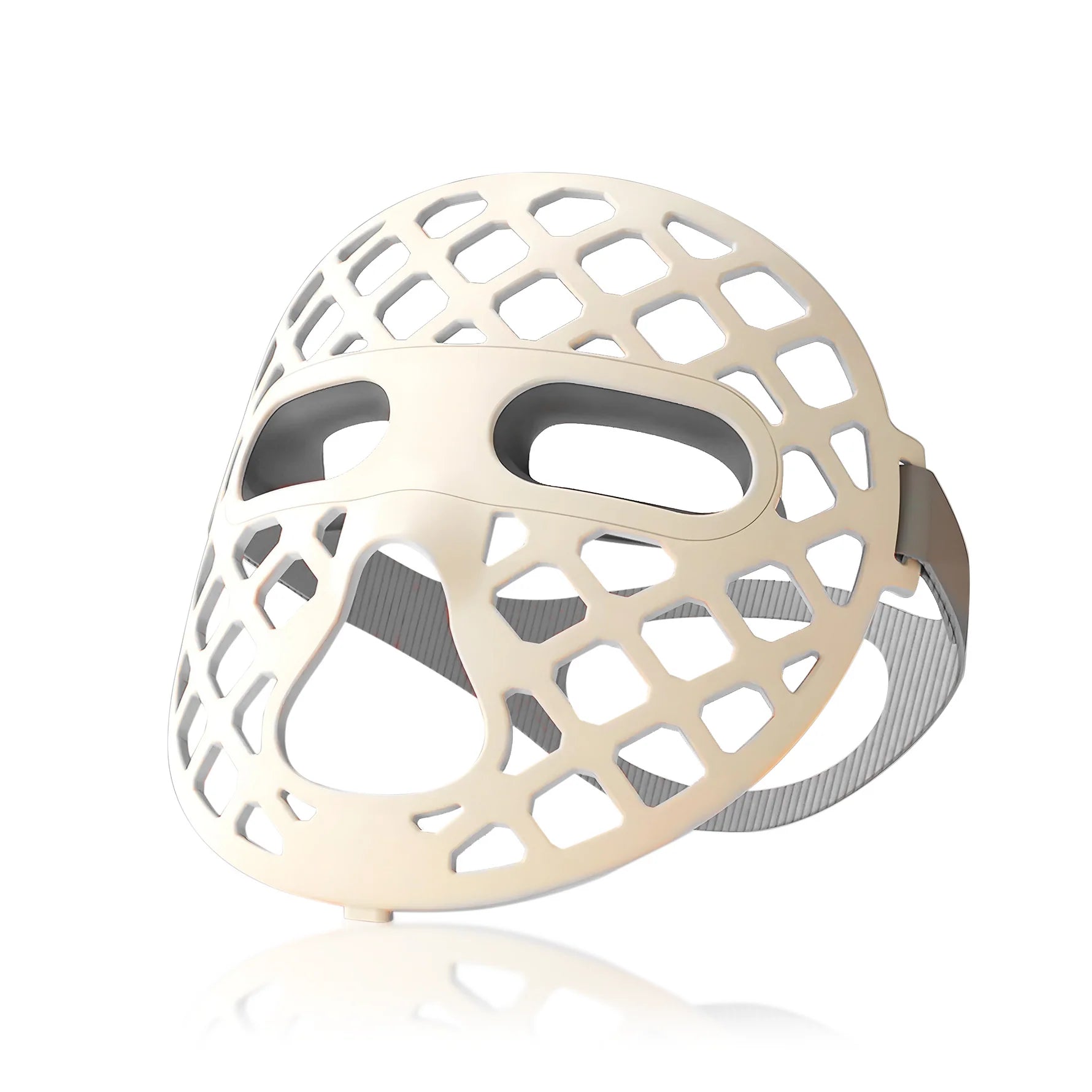
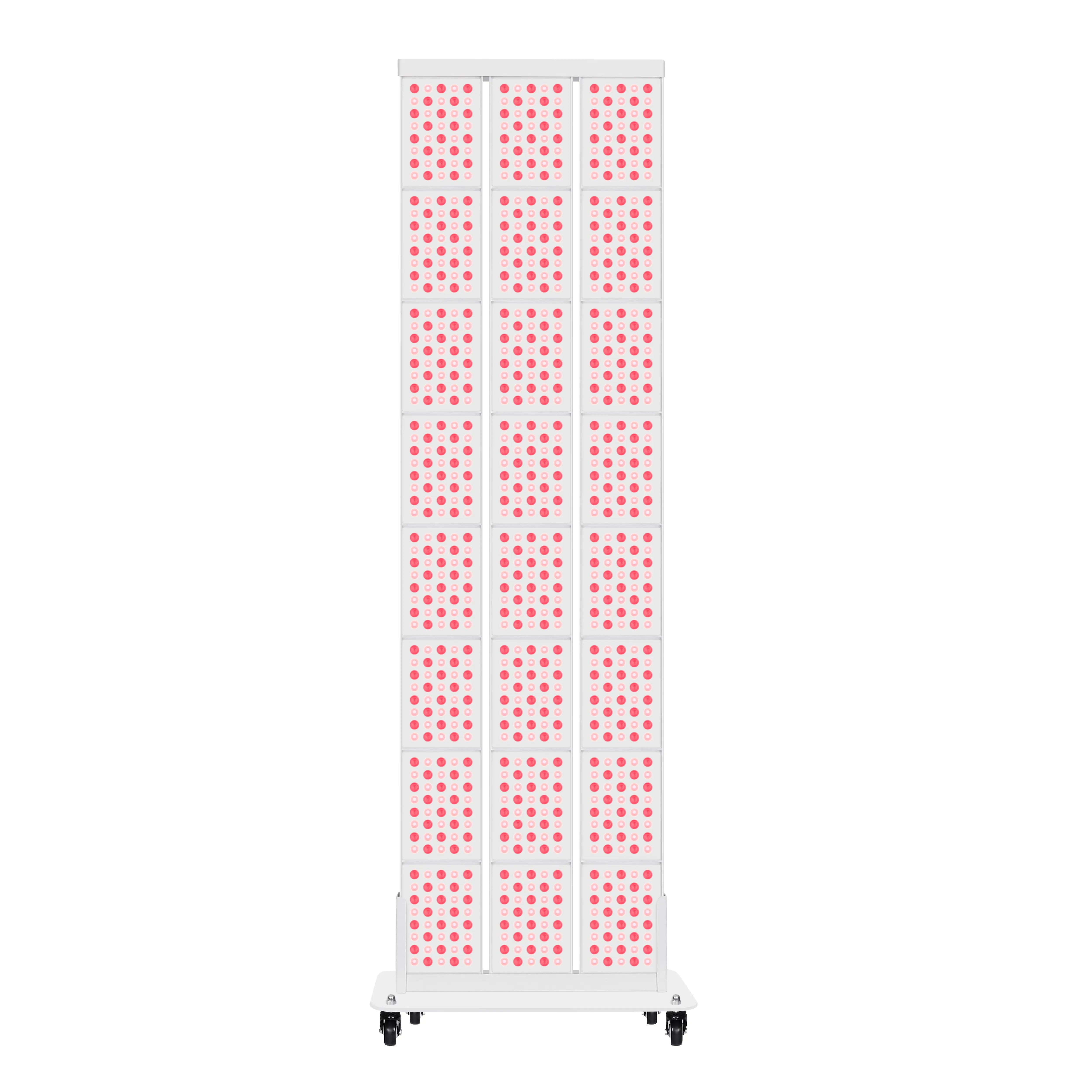
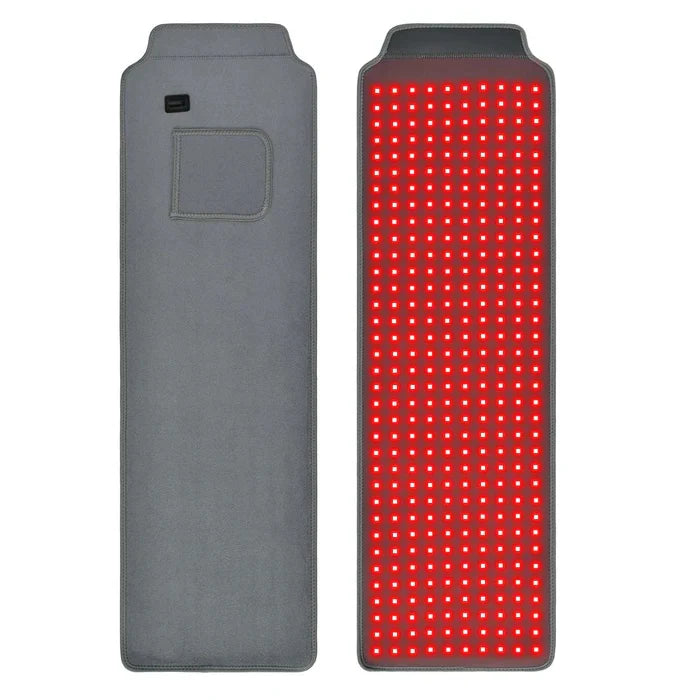
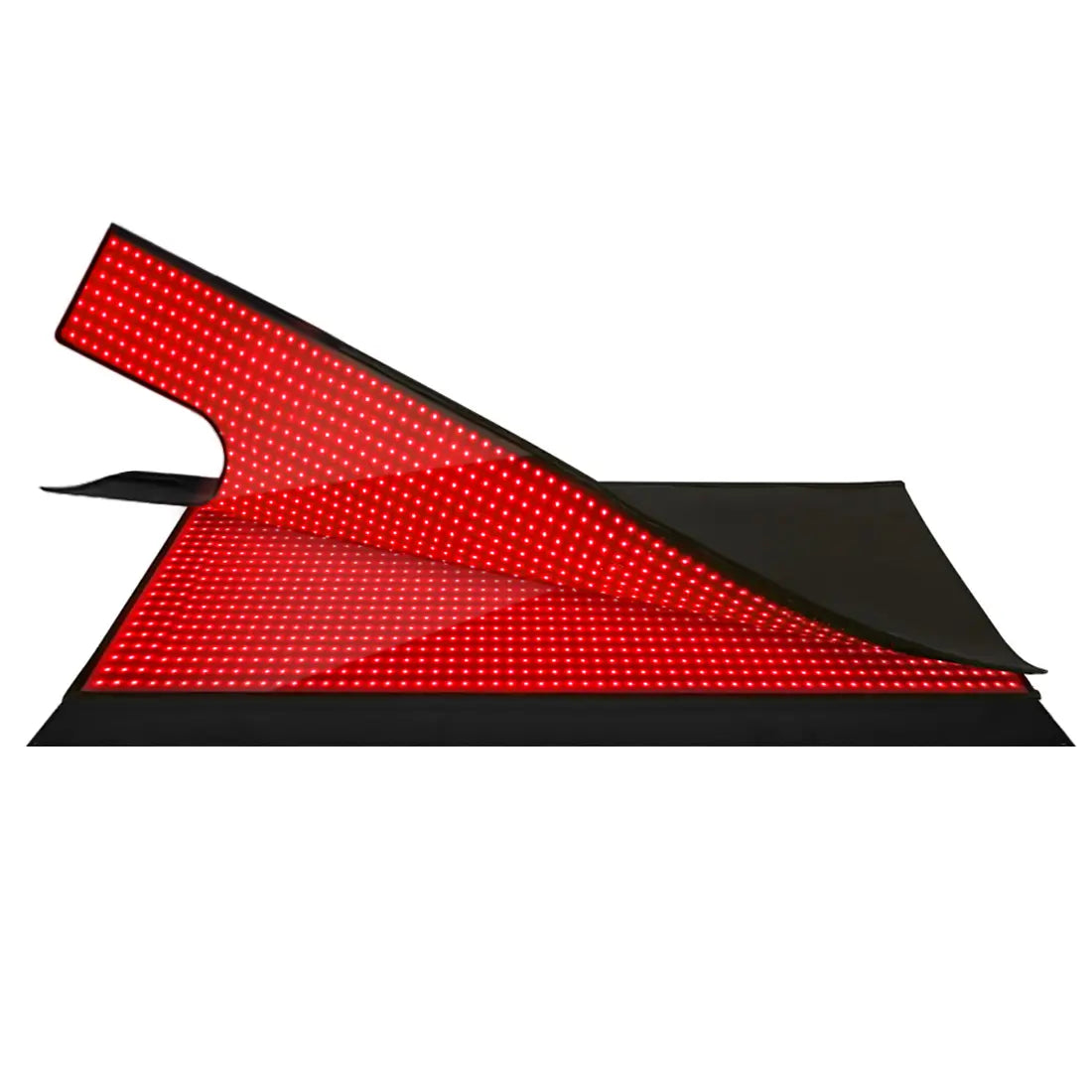
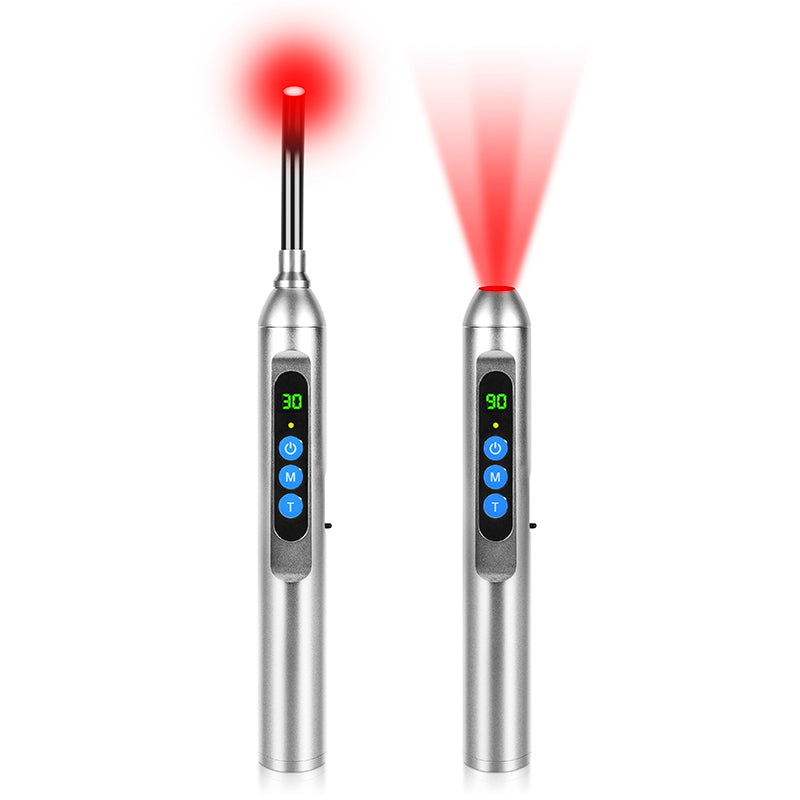

When you have taped, iced, compressed, and loaded an injury exactly by the book and you are still limping into practice, you start looking for smarter tools. That is where red light therapy sits in my world of performance labs and training rooms: not as a magic gadget, but as a way to nudge biology so athletes can heal faster and trust their bodies again.
Over the last decade, I have watched red and near‑infrared light move from fringe biohacking forums into pro locker rooms, physical therapy clinics, and collegiate sports medicine departments. Along the way, the science has matured. We now have pilot trials in injured athletes, narrative reviews in sports science journals, and cautious endorsements from major health systems.
This article walks through what that evidence actually shows about red light therapy for injury recovery and how, in the real world, it can affect something just as critical as your hamstring: your confidence to go hard again.
What Red Light Therapy Really Is
Photobiomodulation in Plain English
Red light therapy, often called photobiomodulation or low‑level light therapy, uses low‑power red and near‑infrared light to influence how cells behave without burning or damaging tissue. Instead of heat, it is about signaling.
Across multiple reviews and clinical articles, including work summarized by the National Strength and Conditioning Association and sports science reviews, the picture is consistent. Specific wavelengths, roughly in the red range around the six hundreds and near‑infrared into the eight hundreds and beyond, are absorbed by chromophores inside your cells, especially in mitochondria. One key target is cytochrome c oxidase in the electron transport chain. When that molecule absorbs light, it can release nitric oxide, improve oxygen use, and increase ATP, which is your cell’s basic energy currency.
Elevate Health and several peer‑reviewed reviews describe the downstream effects in relatively similar terms. With more ATP available and nitric oxide released, you see better microcirculation, improved nutrient delivery, reduced oxidative stress, and modulation of inflammation. That is why the same underlying mechanism can plausibly affect skin, muscle, tendon, and even aspects of immune function.
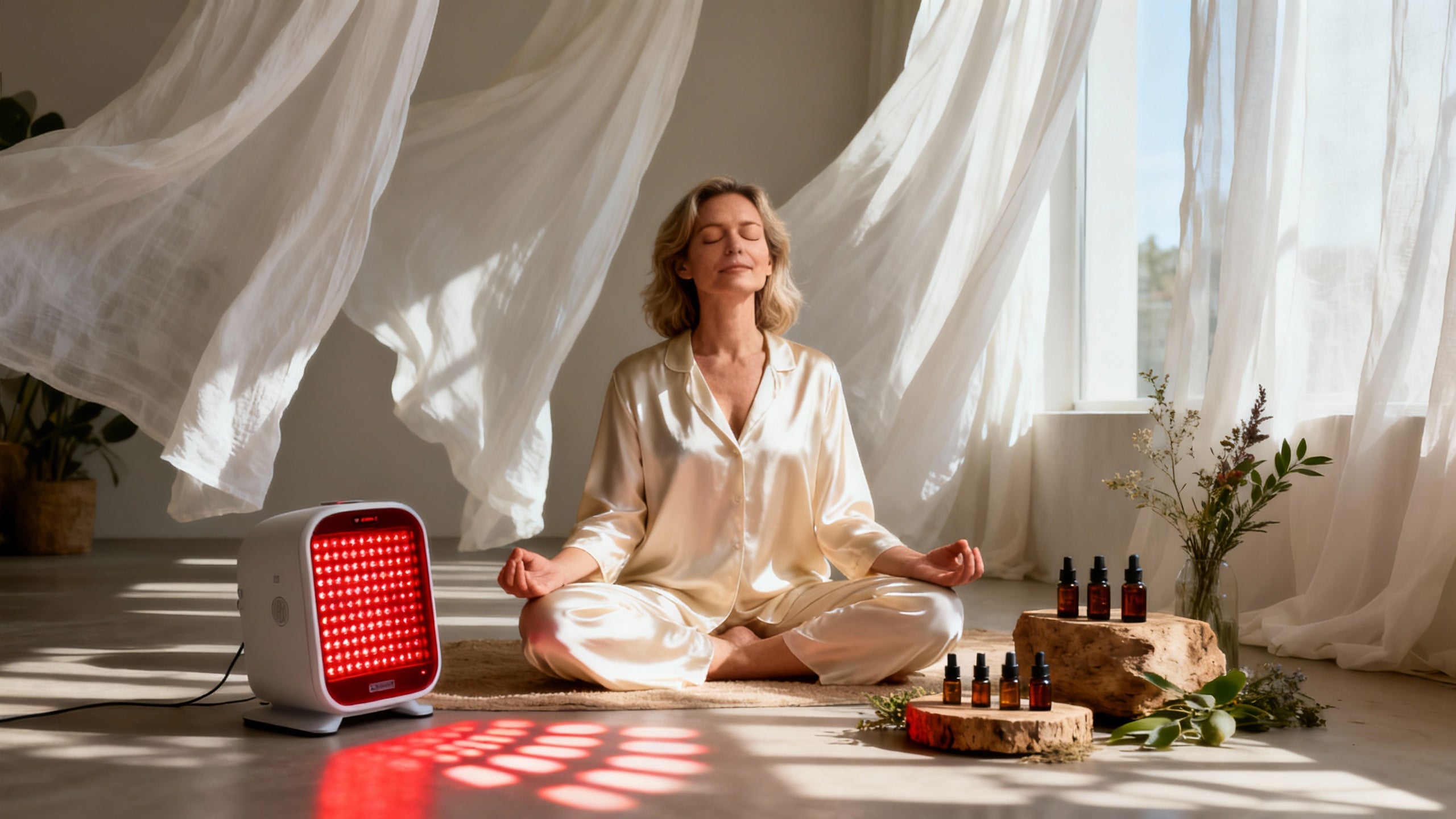
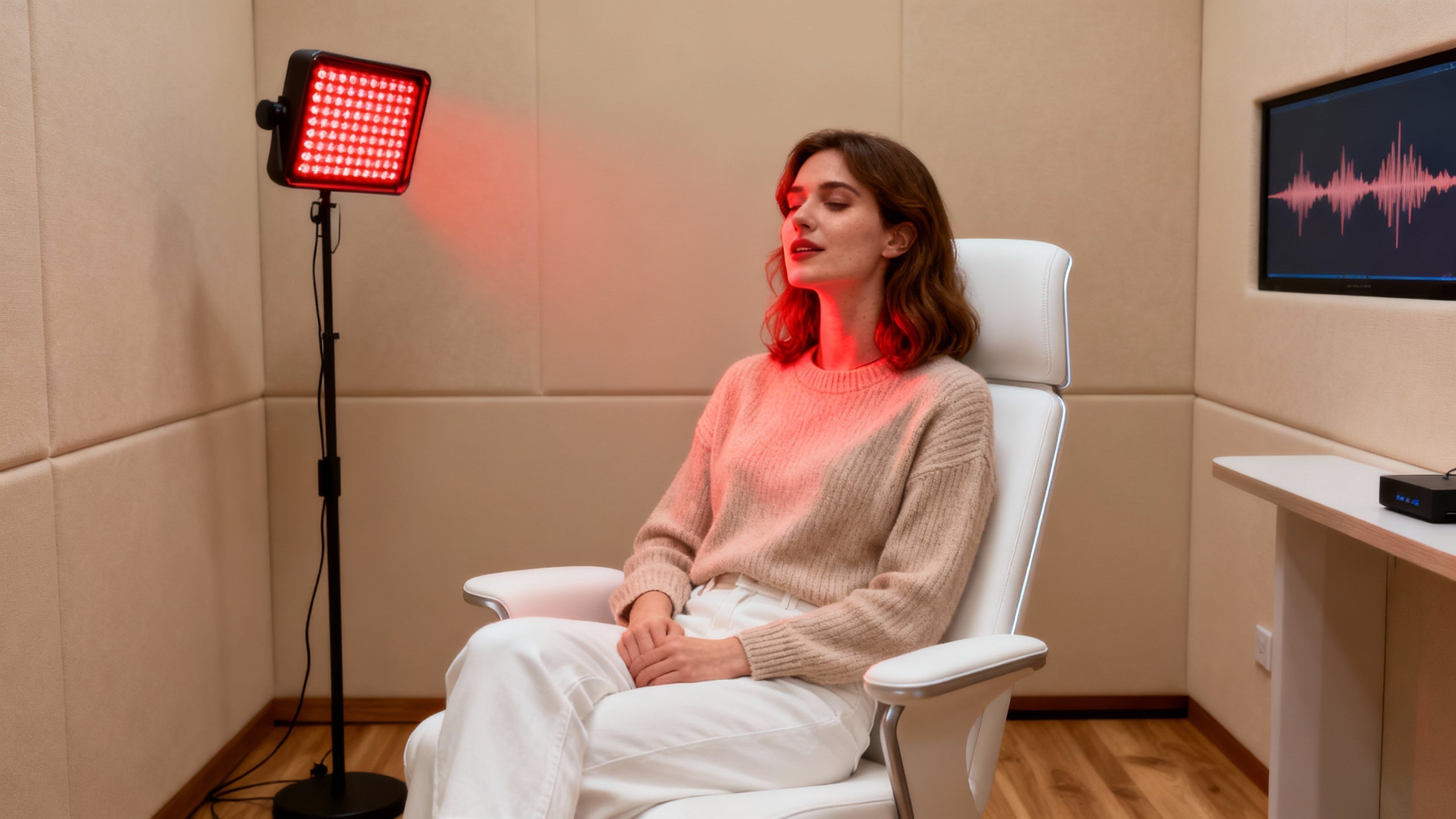
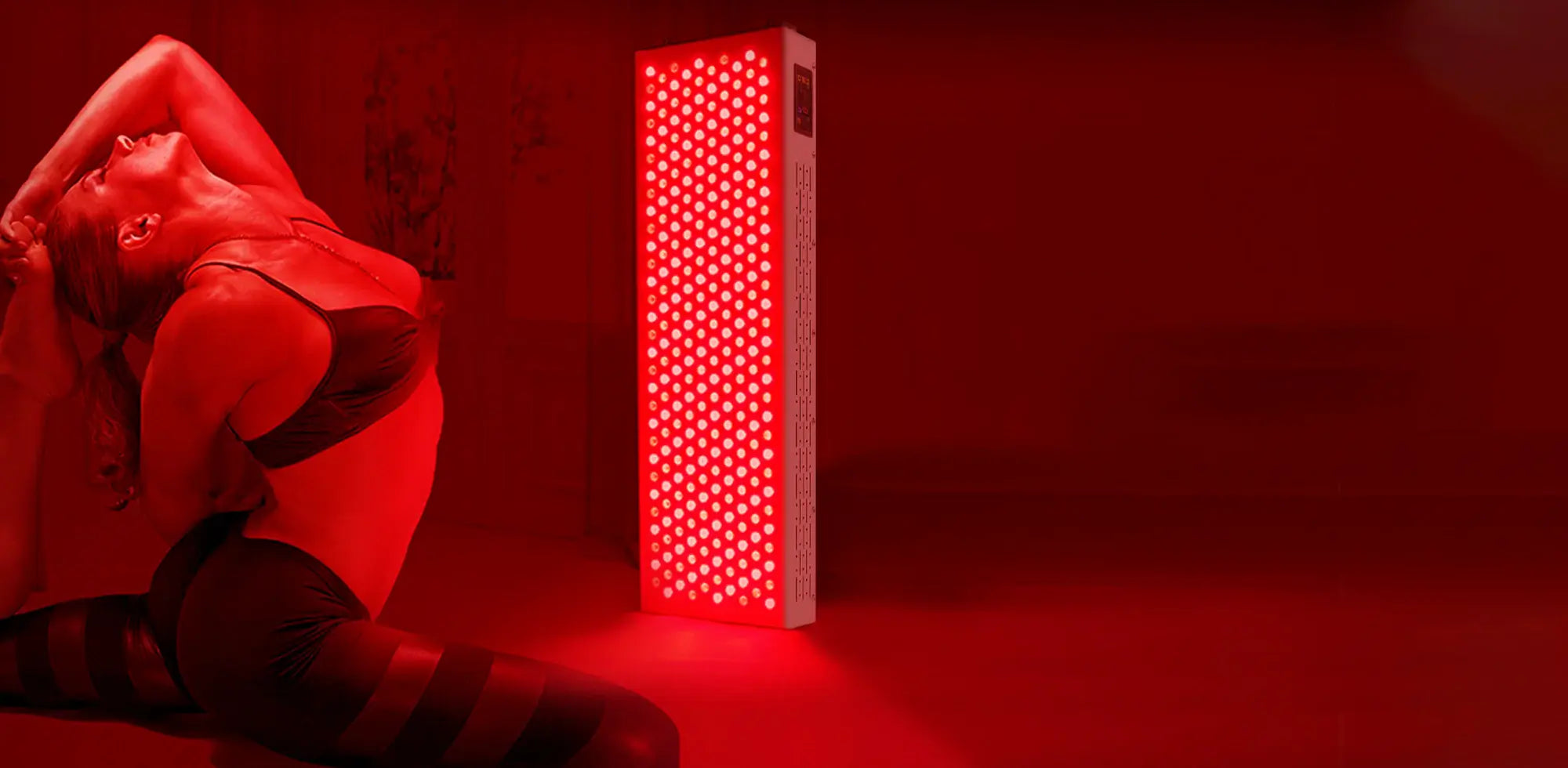
From a user perspective, a session feels like sitting in front of a bright red panel or under a full‑body bed for somewhere around ten to twenty minutes. The light is non‑thermal at therapeutic doses, so there is usually little more than mild warmth and no downtime the way you would see after an ablative laser.
Safety Snapshot
When Harvard Health, Stanford Medicine, WebMD, and University Hospitals all converge on the same safety message, I pay attention. Across these sources and device manufacturers that have obtained Food and Drug Administration clearance, red light therapy is consistently described as non‑invasive and generally low risk when used appropriately.
Key safety points that show up repeatedly include the absence of ultraviolet radiation, the very low heat at therapeutic doses, and a low rate of significant side effects. Trials in skin and sports applications report little more than transient redness in most participants. The athlete pilot trial using 830 nanometer light over hundreds of sessions reported no adverse events.
However, low risk does not mean no risk or no judgment required. Dermatology and sports medicine sources advise eye protection because intense, close‑range exposure to bright light can damage the eyes. WebMD and Harvard Health also caution people on light‑sensitizing medications or with conditions such as lupus to be careful or avoid light therapy altogether. Sports and rehabilitation guidelines from the National Strength and Conditioning Association recommend caution over areas of known or suspected malignancy and during pregnancy, and physio‑oriented summaries add similar warnings for the thyroid region and photosensitive conditions.
The big picture: used within evidence‑informed parameters and with basic precautions, red light therapy is one of the lower‑risk tools in the sports recovery toolkit. That low risk is part of why many teams are comfortable experimenting with it.

How Red Light Therapy Supports Injury Healing
What the Sports Injury Data Actually Show
The most direct evidence for red light therapy in injured athletes comes from a pilot study published in the journal Laser Therapy and from a related summary by LED Technologies. In this single‑center study at a university sports medicine department, near‑infrared light at 830 nanometers was delivered via an LED system to acute musculoskeletal injuries.
Over fifteen months, hundreds of injuries were treated, but a fully analyzed cohort of sixty‑five athletes provided the cleanest data. Those athletes had hamstring and ankle strains, knee sprains, hip pointers, and similar soft‑tissue injuries. Treatment started as soon as possible after injury, typically in twenty‑minute sessions delivering around sixty joules per square centimeter at the skin. Most athletes received about four sessions per injury, often on consecutive days.
Pain ratings dropped by two to eight points on a visual analog scale over just two to six sessions, and every athlete in that cohort reached a pain score of zero by the end of treatment. The headline result is striking: mean return‑to‑play was about nine and a half days compared with a historically expected nineteen days based on the clinic’s prior experience with similar injuries. That almost two‑fold reduction in time lost from sport was statistically significant in their analysis, and no adverse events were reported.
Independent of that trial, an article in Laser Therapy looked at sixty‑five university athletes with sports injuries treated with LED phototherapy and reported a mean return‑to‑play of 9.6 days versus an anticipated 19.23 days, with no adverse events. Those numbers line up closely with the HEALITE trial, reinforcing the idea that carefully dosed near‑infrared LED therapy can meaningfully shorten time away from sport in acute soft‑tissue injuries.
There are major caveats. These were pilot data without randomized control groups. Comparisons used expected return‑to‑play based on prior seasons rather than parallel, blinded controls. The authors themselves emphasize that larger, controlled trials are needed before changing standard protocols. Still, when you see the same magnitude of effect reported in separate analyses and clinics adopt the modality more enthusiastically afterward, it is hard to dismiss.
Which Injuries Seem to Respond Best
The injuries treated in those university trials and in the LED Technologies athlete guide were classic sports problems: sprains and strains of the knee, hamstring, and ankle; Achilles tendonitis; shoulder and intercostal strains; foot fractures; contusions; and neck pain. Physical therapy clinics such as Function Smart Physical Therapy and Fick PT & Performance report similar target conditions in their practice, including ligament sprains, tendonitis, and muscle strains.
It makes sense mechanistically. These are tissues where circulation, inflammation, and cellular repair capacity are central to healing. By improving local blood flow, modulating inflammatory markers, and providing more ATP for repair processes, red light therapy is well positioned to support faster resolution of those injuries.
Large health systems like University Hospitals and WebMD’s medical review note that red light therapy shows early promise for tendinopathies and inflammatory problems closer to the skin, and may reduce pain in some forms of arthritis. At the same time, physicians are clear that you should not expect red light to repair major structural damage such as complete ligament tears or advanced osteoarthritis. In those cases, light can be a symptom‑management and recovery aid, not a mechanical fix.
DOMS, Muscle Damage, and Between‑Session Recovery
Muscle soreness after hard sessions is another key area where red light therapy has been tested. A narrative review on photobiomodulation in human muscle tissue surveyed forty‑six clinical and case‑control studies. Across these trials, red or near‑infrared light was applied either before exercise as a kind of muscular pre‑conditioning or after exercise to aid recovery.
The results are mixed but informative. The review reports that photobiomodulation more consistently improves muscular endurance and time to exhaustion than maximal strength. Several randomized, double‑blind trials that applied light before upper‑body strength tests found that athletes performed more repetitions and delayed fatigue, and some protocols showed lower levels of muscle damage markers like creatine kinase after exercise. At the same time, other well‑controlled studies with slightly different wavelengths or doses found no benefit at all, underlining how sensitive outcomes are to parameters.
Function Smart Physical Therapy summarizes similar findings, noting studies where specific red and near‑infrared protocols produced up to roughly fifty percent reductions in delayed onset muscle soreness. They also emphasize that sessions in the ten to twenty minute range per muscle group, using near‑infrared wavelengths in the eight hundreds, and delivered within a two to four hour window after training seem to correlate with better recovery outcomes.
On top of that, a 2019 review synthesized three clinical trials and two animal studies that directly compared post‑exercise red light therapy with cryotherapy. All five studies favored red light therapy for delayed onset muscle soreness and markers of inflammation, and only red light reduced biomarkers of muscle damage such as creatine kinase. Cryotherapy primarily limited swelling by constricting blood vessels, whereas red light therapy actively modulated oxidative stress and growth factor production.
At the same time, a systematic review of fifteen studies on muscle soreness, cited in a performance article from Athletic Lab, concluded that evidence for meaningful reductions in soreness is inconsistent. That tells us red light therapy can produce impressive effects under certain conditions, but it is not guaranteed across all devices and protocols.
Why Faster Healing Changes Athlete Confidence
Pain, Inflammation, and Return‑to‑Play Decisions
In sports medicine, pain and inflammation are two of the main gatekeepers for return‑to‑play. A Joovv sports medicine article featuring NFL and elite rehab practitioners makes this point explicitly: if an athlete’s pain and inflammation remain high, you hesitate to clear them even when imaging looks reassuring.
Now combine that with the HEALITE pilot trial. When athletes see their pain scores drop by two to eight points over a week of treatment and reach zero by the end of the course, and when they are stepping back onto the field in just over nine days instead of almost three weeks, the psychological impact is enormous. They are not just feeling less pain. They are experiencing an objective, shortened return‑to‑play interval that reinforces the sense that their body is repairing on schedule or better.
Clinicians in those studies noted that athletes quickly began requesting red light therapy as a first‑line treatment, especially in sports like football and wrestling where the physical toll is relentless. That demand aligns with what I have seen in training rooms: once a few players notice faster easing of pain and stiffness, word spreads, and the modality gains trust.
The key here is responsible framing. Red light therapy can help clear pain and inflammation more efficiently in many soft‑tissue injuries. That does not eliminate the need for progressive loading, movement retraining, or objective strength and function benchmarks. But when all of those pieces are in place and pain relief is clearly ahead of schedule, athletes walk into practice with a different posture. They are less guarded, less afraid of the next sprint or cut, and more willing to re‑engage fully.
Sleep, Mood, and Mental Resilience
Injury recovery is not just about tissues; it is also about nervous systems, hormones, and mood. Several sources, including Athletic Lab, Vitality’s sports recovery overview, and Fick PT & Performance, highlight effects of red light therapy on sleep and emotional state.
One study in female basketball players, published in the Journal of Athletic Training and cited by both Vitality and Athletic Lab, found that evening red light therapy over two weeks increased nocturnal melatonin levels, improved sleep quality, and improved endurance performance. City Fitness and other recovery‑focused gyms recommend ten to twenty minutes of red light in the evening as a circadian anchor, with the aim of helping athletes achieve something close to eight hours of uninterrupted sleep.
Sleep is one of the most powerful levers you have for hormonal balance, tissue repair, and emotional regulation. If light exposure helps athletes fall asleep faster, spend more time in deep sleep, and wake feeling more restored, the downstream impact on training consistency and mental resilience is substantial.
On the mood side, Fick PT & Performance and Voice in Sport describe improvements in serotonin and dopamine signaling and reductions in anxiety and depressive symptoms when light therapy is used near the head or combined with brain‑oriented protocols. Evidence in this area is early, but it fits with broader research summarized by WebMD showing potential benefits for mood, and with University Hospitals’ note that red light therapy may reduce the need for pain medications in some chronic pain conditions.
As a practitioner, what matters to me is that athletes who sleep better, hurt less, and feel calmer are more likely to trust their rehab plan, stay engaged with strength work, and walk into competition with a clearer head. Confidence is not a mystical trait. It is a neurochemical and experiential state built from thousands of small signals that your body is ready. Red light therapy can influence several of those signals at once.
Ritual, Control, and the Biohacker Mindset
There is also a quieter psychological benefit: ritual and agency. Many athletes, especially those drawn to biohacking tools, like having a concrete, proactive step they can take every day that feels like investing in their recovery. Lying on a full‑body red light bed at a clinic like AEON or Vitality or stepping into a team’s red light room for twenty minutes becomes a recovery ritual much like foam rolling or mobility work.
As long as that ritual sits on top of solid fundamentals—smart training loads, good nutrition, and real sleep—this sense of control can be powerful. The risk is when the gadget becomes the plan and replaces the basics. The research evidence and expert commentary are clear on this point: photobiomodulation is meant to complement, not replace, core rehab and recovery practices.

Practical Ways Athletes Can Use Red Light Therapy
Nothing in this section replaces individualized medical advice. Think of it as a translation of what clinics, reviews, and coaching organizations are actually doing into patterns you can discuss with your sports physician or physical therapist.
Choosing a Device: Clinic, Gym, or Home
Clinical devices, like the HEALITE II unit used in the 830 nanometer athlete trial or the high‑powered full‑body beds offered at AEON and other longevity clinics, deliver well‑characterized wavelengths and power densities. They can be adjusted to deliver specific doses, and they often allow coverage of large areas such as both legs or the entire back in one session. Studies in skin rejuvenation also show that full‑body or large‑panel systems can safely deliver around nine joules per square centimeter in the red range per session and improve tissue quality over multiple weeks.
Gym‑based setups, such as the Joovv Recovery Room installed by the San Francisco 49ers or the red light beds at recovery‑focused fitness clubs, sit somewhere between clinical and consumer. They usually provide medically relevant red and near‑infrared wavelengths over large areas, but the exact dose may be less tightly individualized. For many athletes, these systems are the most practical way to get consistent exposure without owning personal equipment.
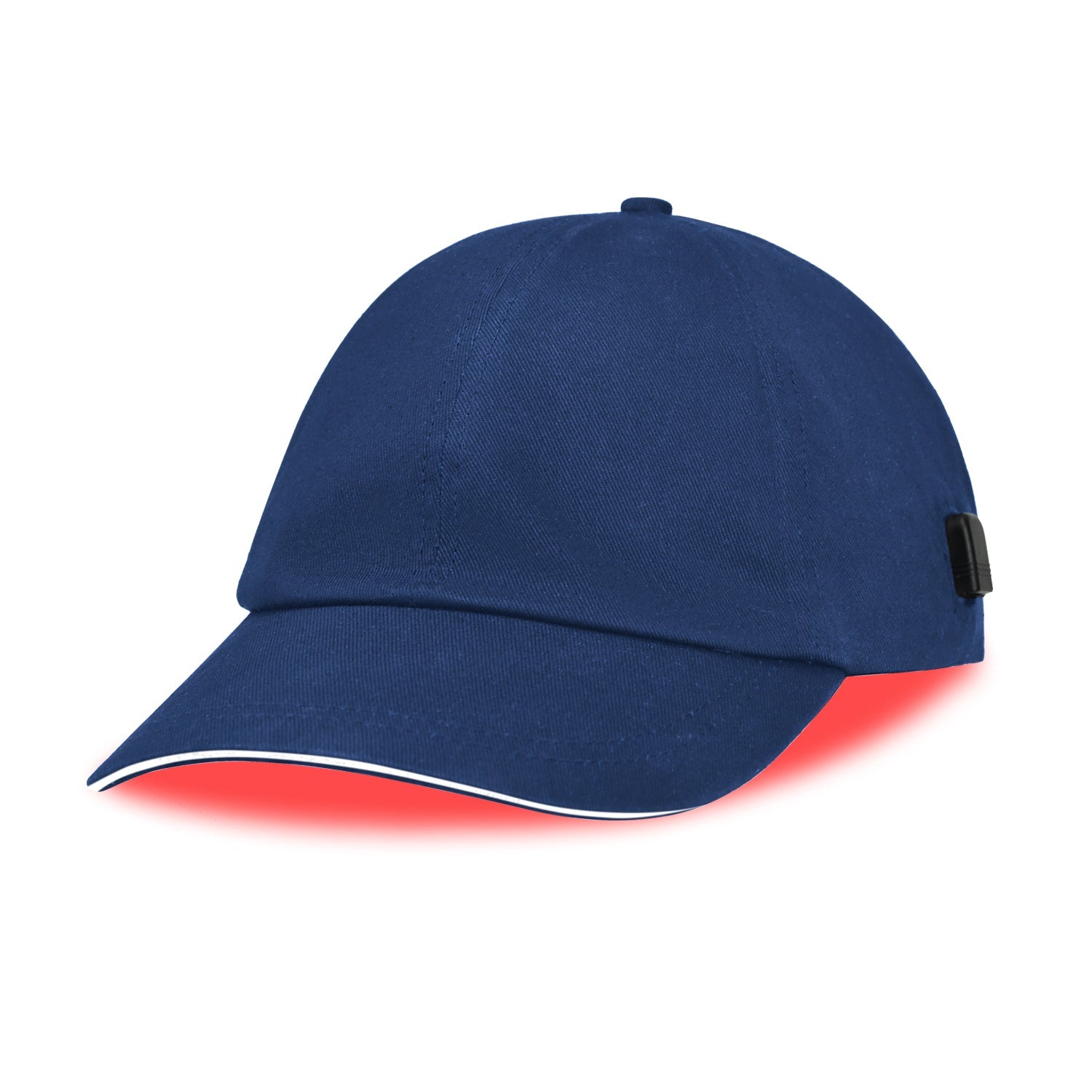
At‑home devices range from handheld wands and flexible pads to wall‑mounted panels. Harvard Health and University Hospitals both note that home units are generally less powerful than clinical systems and vary widely in intensity. WebMD emphasizes choosing FDA‑cleared devices and following manufacturer instructions carefully. Because power densities are often lower, you may need longer or more frequent sessions to approximate clinic‑level dosing.
One simple way to think about it is that clinical devices are best when you are dealing with a significant injury or are under close medical supervision. Gym recovery rooms are excellent for whole‑body recovery in heavy training periods. Home devices are most useful when you value daily consistency and want to stack shorter, regular sessions over time.
Setting |
Typical devices |
Main strengths |
Main limitations |
Clinic |
Medical LED arrays, focused probes, beds |
Precise dosing, deeper expertise, integration with rehab |
Cost per session, scheduling, limited access |
Gym/Team |
Full‑body beds, large panels in recovery area |
High convenience for team use, solid power, easy habit |
Less individualized dosing, variable supervision |
At home |
Panels, pads, handhelds, masks |
Daily consistency, long‑term use, personal timing |
Variable power, up‑front cost, user‑set protocol |
Timing Around Training and Injury
For acute injuries, the HEALITE trial provides a clear pattern. Light was applied as soon as possible after injury, typically in twenty‑minute sessions once per day for about three days, sometimes repeated in an additional cycle depending on pain and function. The treatment head was positioned roughly one to six inches from the skin, covering the injured area. The key here is early intervention in the acute inflammatory phase, under guidance from sports medicine staff.
For hard training sessions, Function Smart Physical Therapy recommends applying near‑infrared light within a two to four hour window after exercise to target recovery, with ten to twenty minutes per body area. Athletic Lab and NSCA‑aligned guidelines suggest a slightly different approach for performance: for strength sessions, apply light before lifting; for endurance training, apply before and after sessions. Several pre‑conditioning trials showed better endurance and time to exhaustion when light was used ahead of exercise.
For sleep and overall recovery, City Fitness, Vitality, and other practitioners suggest ten to twenty minutes of red light in the evening as part of a wind‑down routine to support melatonin and circadian alignment. The basketball study in Journal of Athletic Training used daily evening sessions over two weeks to achieve measurable changes in melatonin and endurance.
If you are building a plan, a reasonable high‑level pattern to discuss with your clinician looks like this in prose. You would front‑load daily or near‑daily sessions around a fresh injury for the first week or two, then transition to post‑training sessions a few times per week as you return to higher loads, and maintain occasional evening sessions during heavy blocks mainly for sleep and global recovery.
Dosing Basics Without the Jargon
Scientists and device manufacturers talk about power density in milliwatts per square centimeter and energy density in joules per square centimeter. Athletes mostly care about where to put the light, how long to stay under it, and how often.
Sports‑oriented reviews and practice guidelines give some broad ranges. The NSCA notes that studies showing benefits typically deliver low single‑digit to low double‑digit joules per square centimeter to a target area, with power densities in the range of a few to a few dozen milliwatts per square centimeter. The HEALITE athlete trial used around fifty milliwatts per square centimeter for twenty minutes to deliver sixty joules per square centimeter. The successful skin rejuvenation trial in a dermatology journal used around nine joules per square centimeter in the red band per session.
Physio‑oriented summaries such as those on Physio‑Pedia and Sports Injury Physio point out that superficial tissues can often be treated with doses around a few joules per square centimeter, while deeper muscle groups may need several tens of joules per square centimeter per session. They also emphasize a biphasic dose response: too little light does nothing, but too much can flatten or even reverse the benefits.
Practically, if you are using a clinic or team device, your provider will usually set session duration to land within these dose ranges. For home devices, it is safer to start with manufacturer‑recommended times, often ten to twenty minutes per area, two or three times per week, and then adjust under professional guidance rather than assuming that longer and more frequent is always better.
Function Smart’s experience is that athletes often notice subtle reductions in stiffness and improved perceived recovery after the first few sessions, with more measurable changes in training capacity and between‑session recovery over two to four weeks of consistent use.
Integrating Red Light Therapy With Rehab and Training
The most credible clinics and authors are almost unanimous on one point: red light therapy is an adjunct, not the whole plan.
Elevate Health integrates red light into multi‑modal programs that also include chiropractic care, physical therapy, and sometimes hyperbaric oxygen. Fick PT & Performance and Function Smart use it alongside manual therapy, therapeutic exercise, and movement correction. LED Technologies and Medco‑Athletics recommend it as part of recovery routines that still prioritize load management, strength work, and foundational recovery practices.
Harvard Health stresses that even for skin applications, red light therapy should complement sun protection, healthy eating, and adequate sleep. In the athletic context, the analog is simple. You still need progressive overload, intelligent deloads, quality sleep, and appropriate nutrition. If those pieces are missing, light therapy will not save you. But when they are in place, red light therapy can help you get more out of each rehab and training block by accelerating cellular repair and easing the friction of soreness and pain.
Pros, Limitations, and Who Should Be Cautious
Real Advantages for Athletes
Across the sources we have, several benefits show up repeatedly. Red light therapy is non‑invasive and generally safe. In pilot studies with injured athletes, it has been associated with much shorter return‑to‑play times and faster resolution of pain. Reviews and clinic reports describe reduced delayed onset muscle soreness, improved endurance in some protocols, and better tolerance of higher training loads when light is used as a pre‑conditioning stimulus.
Clinics and health systems report meaningful reductions in pain for tendinopathies, superficial joint issues, and some chronic musculoskeletal conditions. City Fitness, Vitality, and Athletic Lab point to improvements in sleep and perceived recovery. Fick PT & Performance and Voice in Sport describe beneficial shifts in mood and stress levels that can support mental performance.
From a human perspective, the biggest advantages may be that red light therapy can shorten the “limbo” period where athletes feel half‑injured and can make heavy training blocks more tolerable by shaving the rough edges off soreness and pain.
Limitations and Uncertainties
At the same time, Stanford Medicine’s dermatology experts emphasize that evidence for athletic performance and wound healing is still weaker and more conflicting than the data for hair growth and wrinkle reduction. The narrative muscle review highlights that not all protocols work, that outcomes depend heavily on wavelength, energy density, timing, and treatment area, and that several well‑designed trials found no benefit.
The HEALITE and Laser Therapy athlete studies used historical controls and were not randomized, which makes their impressive return‑to‑play reductions encouraging but not definitive. A systematic review of fifteen muscle soreness studies found inconsistent effects on delayed onset muscle soreness. Even the strongly positive 2019 review comparing red light therapy to cryotherapy notes that intensity and dosing in those studies were relatively modest and that more research at different doses is needed.
On top of that, both Stanford Medicine and Harvard Health point out that at‑home devices are all over the map in terms of actual power output, wavelength accuracy, and recommended usage. When you buy a consumer panel, you often do not know exactly how many joules per square centimeter you are delivering, which makes it harder to stay within the therapeutic window.
Finally, multiple medical sources remind us that red light therapy is not a cure‑all. It is unlikely to repair fully torn ligaments or advanced cartilage loss. It will not transform chronic disease overnight. And marketing claims for issues like erectile dysfunction, dementia, or dramatic fat loss are, at this point, far ahead of the evidence.
Who Should Be Careful or Get Clearance First
Health authorities and sports science groups converge on a reasonable caution list. People with photosensitive conditions or those taking medications that increase light sensitivity should only use red light therapy under medical supervision, if at all. Individuals with a history of skin cancer or suspicious lesions should consult a dermatologist before shining intense light on those areas. Caution is advised during pregnancy and over known malignancies.
Eye protection is non‑negotiable with bright panels or clinic‑grade devices, especially when treating the face. WebMD notes that high‑intensity exposure can cause redness or blistering if dosing is excessive, and even though pregnancy data in laser settings have not shown harm in one large series, clinicians still recommend a careful risk‑benefit conversation.
For athletes, there is a simpler heuristic. If you would hesitate to put a hot pack, electrical stim, or strong manual therapy over an area because of systemic disease, cancer, pregnancy, or unknown pathology, you should be equally cautious with intense light until you have clearance from a physician who understands both your condition and the device.
Frequently Asked Questions
Can red light therapy replace ice, pain medication, or physical therapy after an injury?
Red light therapy can sometimes outperform icing for certain recovery outcomes. The 2019 review that compared red light therapy with cryotherapy after exercise found light therapy superior for pain, inflammation, and muscle damage markers, while cryotherapy mainly reduced swelling. Pilot trials in injured athletes show that red light therapy, when combined with conventional care, can substantially shorten return‑to‑play.
That does not mean it replaces everything else. For acute injuries with obvious swelling, short bouts of cooling can still be useful. For structural damage or complex injuries, graded loading, strength training, movement correction, and sometimes medication or surgery remain central. The most evidence‑based way to use red light therapy is as an adjunct layered onto high‑quality rehab and recovery practices, not as a substitute.
How quickly will I feel a difference?
In the HEALITE athlete trial and the LED athlete study, pain scores dropped by several points after just a handful of sessions, and athletes were returning to play in roughly nine to ten days instead of close to three weeks. Function Smart reports that many athletes notice less stiffness and improved perceived recovery within the first week, with more objective performance changes showing up over two to four weeks of consistent use.
For skin applications, Harvard Health notes that people often need multiple sessions per week for four to six months to see clear cosmetic changes. Musculoskeletal tissues tend to respond faster, but the same rule applies: red light therapy works cumulatively. Expect subtle improvements session by session rather than a single dramatic treatment.
Is there such a thing as too much red light?
Yes. The NSCA and physio‑oriented reviews describe a biphasic dose response. At very low doses, you may see little or no effect. As you increase dose into a therapeutic range, cellular energy and repair functions improve. Beyond that, further increases can flatten or even reverse benefits.
The athlete trial that used twenty‑minute sessions at around fifty milliwatts per square centimeter and the dermatology trial that delivered roughly nine joules per square centimeter in the red range both showed positive outcomes without adverse effects. Those are good reference points, but home devices vary. More time, more days per week, and closer distance are not automatically better. The smartest move is to start with protocols that match published studies or manufacturer guidance and adjust in consultation with a clinician who understands dosing.
Red light therapy has earned its place in the modern training room. When you strip away the hype, what remains is a low‑risk, physiologically plausible tool that can help injured athletes hurt less, heal faster, and step back into competition with more conviction. If you combine it with intelligent loading, real sleep, and honest communication with your medical team, you do not just get brighter skin under a panel. You get a better shot at a long, hard‑charging career in a body you can trust.

References
- https://www.health.harvard.edu/staying-healthy/red-light-therapy-for-skin-care
- https://pmc.ncbi.nlm.nih.gov/articles/PMC3926176/
- https://med.stanford.edu/news/insights/2025/02/red-light-therapy-skin-hair-medical-clinics.html
- https://www.uhhospitals.org/blog/articles/2025/06/what-you-should-know-about-red-light-therapy
- https://www.physio-pedia.com/Red_Light_Therapy_and_Muscle_Recovery
- https://www.athleticlab.com/red-light-therapy-for-athletes/
- https://cityfitness.com/archives/36400
- https://fickptandperformance.com/red-light-therapy-benefits-how-it-can-enhance-your-sports-recovery-and-performance/
- https://functionsmart.com/red-light-therapy-for-athletes-faster-recovery-and-enhanced-performance/
- https://www.medco-athletics.com/articles/red-light-therapy-vs-cryotherapy-for-sports-recovery