
If you spend your workday on your feet, under a tool belt, on a ladder, or just glued to a chair, your joints are doing more overtime than you are. As someone who has spent years experimenting with light therapy panels, wraps, and clinical devices alongside workers, athletes, and chronic pain clients, I see the same pattern again and again: joints break down long before motivation does.
Red light therapy is often marketed as a miracle for pain. The reality is more interesting and more useful than that. When you look at what Cleveland Clinic, MD Anderson Cancer Center, University Hospitals, UCLA Health, and the peer‑reviewed photobiomodulation literature actually say, you get a clear picture of where red light therapy genuinely helps, where it is speculative, and how a worker can use it intelligently as part of a joint‑protection strategy.
This article will walk you through how work wrecks joints, what red light therapy actually does at the cellular level, the strength and limits of the joint‑related evidence, and how to plug light into a realistic, science‑backed workplace wellness plan
The Joint Crisis in the Modern Workplace
Occupational health researchers sometimes call physically active workers “industrial athletes.” In real life, that includes warehouse pickers, delivery drivers, nurses and aides, construction crews, installers, mechanics, and tradespeople. It also includes anyone who sprints down a hallway, rushes across a wet loading dock, or drags a cart across a parking lot after a long desk day.
Data summarized in a guide for movers and material handlers show how much knees in particular are paying the price. A national emergency department surveillance system sampling dozens of U.S. hospitals estimated roughly 184,000 work‑related knee injuries in a recent year. Those injuries represented about five percent of all occupational injuries seen in emergency departments and occurred at about thirteen knee injuries for every 10,000 full‑time workers. When workers hurt their knees, they lose about fifteen to nineteen workdays on average, compared with around eight days for all injury types combined. Another analysis cited about 66,650 occupational knee injuries in a year, less than six percent of all nonfatal workplace injuries but about thirty‑five percent of all lower‑extremity injuries, with the highest numbers in health care and social assistance, retail, transportation and warehousing, manufacturing, and construction.
Workers’ compensation data suggest that a single knee injury claim can cost on the order of thirty to thirty‑five thousand dollars when you add medical care and lost wages. For the worker, that translates to pain, time off, and sometimes early retirement from physically demanding jobs.
The mechanisms of damage are rarely mysterious. Repeated kneeling on hard surfaces, deep squatting, lifting and twisting with heavy loads, prolonged standing or walking on hard floors, inadequate footwear, higher body weight, and previous injuries all add up. Over time, workers develop tendinitis, bursitis, meniscal problems, and osteoarthritis. Even people with mostly sedentary jobs are not immune; one awkward twist helping with a heavy box can trigger a long‑lasting knee issue.
This is the backdrop against which red light therapy enters the picture: a workforce with high rates of joint strain and a clear need for non‑drug tools that reduce pain and help preserve mobility.

Red Light Therapy 101 for Working Joints
Cleveland Clinic describes red light therapy as a noninvasive treatment that uses low‑level red or near‑infrared light to influence cellular processes, with most research historically focused on skin. MD Anderson Cancer Center categorizes it under low‑level laser therapy, using continuous beams of low‑energy red light, typically in the 630–700 nanometer range, to regenerate cells and increase blood flow. WebMD and University Hospitals similarly refer to it as low‑level laser therapy, photobiomodulation, or soft laser therapy.
Most modern devices do not need to be true lasers. The anti‑inflammatory photobiomodulation literature notes that non‑coherent LEDs delivering the right wavelengths and power density can be just as effective as lasers for many purposes. That is why you now see red and near‑infrared LED panels, wraps, pads, and even full‑body beds in physical therapy clinics, wellness centers, and homes.
At practical level, here is what matters for joints: the color of the light, how deeply it penetrates, and what tissues it targets.
Light type |
Typical wavelength range (approximate) |
Penetration profile and targets |
Relevance for workers’ joints |
Visible red light |
Roughly 600–700 nm |
More superficial; reaches skin and shallow soft tissues |
Useful for skin, superficial tendons, and smaller joints near the surface |
Near‑infrared (NIR) |
Roughly 700–1,100 nm |
Deeper penetration into muscle, fascia, and some bone |
Most relevant for larger or deeper joints (knees, hips, shoulders) |
Far‑infrared (FIR) |
Roughly 3,000–10,000 nm |
Primarily creates surface heating rather than direct PBM |
Better for gentle whole‑body warmth, relaxation, and sweating |
A review on photobiomodulation mechanisms points out that effective therapeutic wavelengths cluster mainly in red (600–700 nm) and near‑infrared (about 770–1,200 nm), with a relatively poor‑performing band between 700 and 770 nm. For deeper structures such as joints and even brain tissue, wavelengths near 810 nm are often favored because they penetrate more effectively before water absorption becomes limiting.
For workers, this means that a knee wrap or panel combining visible red and near‑infrared LEDs in the broad 600–1,000 nm range is the typical joint‑focused setup you will see in clinical and consumer devices.

Mechanisms: How Light Reaches Your Joints
Mitochondria and Cellular Energy
The core of photobiomodulation is a biochemical, not thermal, effect. The best‑supported primary photoreceptor is cytochrome c oxidase, a key enzyme in mitochondrial respiratory chain complex IV. The anti‑inflammatory photobiomodulation review explains that red and near‑infrared photons are absorbed by the heme and copper centers of this enzyme, and that this interaction can displace inhibitory nitric oxide, increase oxygen consumption, enhance proton pumping, and ultimately boost ATP production.
In plain language, light at the right wavelength helps the “power plants” of your cells run more efficiently. Studies summarized by Omaha Massage and Wellness Center estimate that ATP production can increase significantly, potentially even up to roughly double in some experimental conditions. Impact Physical Therapy likewise notes that red light therapy increases mitochondrial function and ATP, giving tissues more energy for repair and regeneration.
For joint tissues that are already stressed by repetitive loading, this extra energy supply can support faster recovery from micro‑damage in tendons, ligaments, and cartilage‑adjacent structures.
Inflammation, Oxidative Stress, and Pain
Chronic joint pain is rarely just a structural problem. It is also an inflammatory and neurochemical problem. The photobiomodulation review describes a nuanced pattern: in healthy cells, red or near‑infrared light tends to transiently increase mitochondrial membrane potential and produce a small burst of reactive oxygen species. That short‑lived signal can activate redox‑sensitive transcription factors and beneficial adaptation. In already inflamed or oxidatively stressed cells, however, photobiomodulation tends to lower reactive oxygen species levels by up‑regulating endogenous antioxidant defenses.
In immune cells, red and near‑infrared light consistently reduce markers of pro‑inflammatory M1 macrophages, reactive nitrogen species, and certain prostaglandins across multiple animal models. Clinically, this aligns with a growing body of data on pain and inflammation.
A meta‑analysis of eighteen randomized controlled trials summarized by Omaha Massage and Wellness Center reported an average pain reduction of about seventy percent across various musculoskeletal conditions with red light therapy. A 2018 study in rheumatoid arthritis cited in that same overview found significant improvements in both pain and function with regular treatments.
WebMD’s review of red light therapy notes low‑to‑moderate quality evidence that red light can relieve pain and improve function in tendinopathy and suggests short‑term benefits for rheumatoid arthritis pain and morning stiffness, though it found little help for other forms of arthritis such as osteoarthritis. University Hospitals similarly highlights that evidence is most promising for tendinopathies and superficial inflammatory conditions and for supporting recovery after certain injuries, rather than for deep structural damage.
MD Anderson Cancer Center points out that for pain management, red light therapy is still considered investigational, with no definitive randomized trials that establish optimal frequency or duration. Nevertheless, their clinicians see enough promise to include it as one component of integrative pain plans, especially for conditions like oral mucositis and some types of musculoskeletal pain.
Taken together, the pattern is consistent: red light therapy does not magically rebuild torn ligaments or fully reverse advanced osteoarthritis, but it often reduces inflammatory pain and can support healing in soft‑tissue injuries around joints.
Circulation, Collagen, and Structural Support
Arthritis‑focused resources, including Arthritis Knee Pain Centers and Impact Physical Therapy, emphasize that red light and near‑infrared therapy improve local circulation and encourage angiogenesis, the formation of new capillaries. Better microcirculation means more oxygen and nutrients delivered to joint tissues and faster removal of metabolic waste, which can ease stiffness and soreness.
Multiple sources, including UCLA Health and MD Anderson, note that red light therapy stimulates collagen production. Collagen is not just a cosmetic issue; it is a key component of ligaments, tendons, and cartilage matrix. While there is no evidence that red light therapy can regrow severely damaged cartilage, supporting collagen turnover in supporting tissues around a joint can improve stability and resilience.
For workers, that translates into joints that recover more completely between shifts, less day‑to‑day swelling, and potentially better joint mechanics under load when combined with strength training and ergonomic improvements.
What the Evidence Says About Joints and Workers
Several clinical and wellness‑oriented sources converge on the use of red light therapy for joint injuries and chronic joint pain. A chiropractic center article by Dr. Graber describes red light therapy as a non‑invasive treatment for sprains, strains, tendinitis, bursitis, arthritis‑related joint pain, runner’s knee, rotator cuff injuries, carpal tunnel syndrome, and post‑surgical recovery. Reported benefits include faster healing, reduced swelling, improved range of motion, and chronic pain relief. Typical sessions are about ten to twenty minutes applied directly over the joint, with protocols tailored to injury severity.
Impact Physical Therapy notes similar uses in rehabilitation: accelerating healing of muscle, tendon, and bone; reducing inflammation; providing analgesic relief; improving circulation; and stimulating collagen. They explicitly frame red light therapy as an adjunct to more traditional physical therapy and sports recovery strategies rather than a stand‑alone cure.
Larger health systems echo this adjunctive role. MD Anderson and University Hospitals both emphasize that red light therapy should sit within a comprehensive pain and rehabilitation plan, not replace physical therapy, surgery when needed, or established medical treatments. University Hospitals is explicit that experts do not expect red light therapy to heal mechanical problems such as ligament tears or reverse advanced osteoarthritis, although it may provide symptom relief and functional improvements depending on severity.
UCLA Health reviews photobiomodulation for several indications and highlights that a literature review found significant reductions in acute and chronic pain and inflammation. However, they also note that pain tends to return within weeks once therapy stops, implying that benefits may require ongoing sessions.
For workers specifically, the evidence is indirect but relevant. An article focused on skilled laborers under the banner of “industrial athletes” emphasizes that near‑infrared light in roughly the 700–1,100 nm range penetrates deep enough to address joint pain, muscle recovery, and circulation. The same piece outlines functional benefits that matter at work: reduced fatigue, higher energy across long workdays, faster recovery after heavy lifting or repetitive strain, and better joint mobility.
A detailed guide on knee damage in movers makes an important methodological point. It acknowledges that the research base for work‑related knee damage is robust in terms of understanding injury mechanisms and best practices for rehabilitation, bracing, ergonomics, and lifestyle change. However, it notes that direct clinical trials of red light therapy on workplace knee injuries in movers are lacking. That means any application of red light therapy in this context should be framed as a supportive wellness tool that builds on proven foundations, not as a replacement for early physical therapy, good movement mechanics, and protective equipment.
At the same time, broader workplace wellness articles examine light‑based interventions for productivity, stress, and alertness. A field study on hospital shift workers using red light glasses with a peak around 630 nm showed improved response times on cognitive tasks during both day and night shifts, without the melatonin‑suppressing effects associated with blue light. Another article on workplace stress and red light therapy ties low‑level red and near‑infrared exposure in roughly the 660–850 nm range to reduced anxiety and depression markers, improved cognitive performance, and better regulation of sleep‑wake rhythms in indoor workers.
All of this matters because joints rarely suffer alone. Chronic joint pain feeds fatigue, stress, and poor sleep. Chronic stress in turn is associated with an estimated seventy‑five to eighty percent of health problems and contributes to leading causes of death such as heart attack, cancer, lung disease, and suicide. Supporting joints while also improving sleep and stress resilience can make a worker safer, more focused, and more resilient.
How Red Light Therapy Fits into a Joint‑Protection Plan
Evidence‑Based Foundations You Cannot Skip
The knee‑injury literature is crystal clear on one thing: the strongest, most consistent evidence supports a multi‑modal approach built around mechanical and behavioral change. Red light therapy belongs on top of this foundation, not instead of it.
Targeted physical therapy is central. Clinicians assess posture, hip and core strength, flexibility, and movement patterns to identify root causes: weak gluteal muscles, stiff ankles, poor squatting mechanics, or job tasks that overload specific joint angles. Treatment includes therapeutic exercises, manual therapy, joint mobilization, and coaching on safer ways to lift, kneel, and climb. Early intervention, light‑duty assignments, and progressive strengthening reduce downtime and support safe return to full duty. A systematic review cited in the movers’ knee guide even found strong evidence that generic workplace exercise programs not tailored to knee issues had no meaningful effect on knee pain outcomes. Precision matters.
Mechanical supports are powerful adjuncts. Industrial‑grade hinged knee braces help workers with instability or osteoarthritis maintain alignment and reduce painful shear forces. Back support belts, when combined with proper lifting mechanics, can ease spinal and knee loads. Emerging wearable industrial exoskeletons can reduce compressive forces on the spine and knees and encourage better posture across a shift.
Ergonomic redesign is just as important as any therapy. Raising work off the floor reduces prolonged kneeling and deep squatting. Powered lifting and material‑handling equipment cut down on heavy manual lifting. Thoughtful workstation and tool design encourages neutral joint positions instead of sustained awkward postures. Rotating tasks distributes load over different tissues rather than beating up the same joint structures all day.
Protective gear can be thought of as “passive joint therapy.” High‑quality knee pads and kneeling pads spread body weight across a larger surface area, cushion bony prominences from hard or debris‑covered surfaces, and reduce pressure on bursae and cartilage. Choosing pads that fit the specific task and environment makes it much more likely that workers will actually wear them.
Lifestyle foundations are not optional extras. The movers’ knee article emphasizes that each additional pound of body weight can add several pounds of force across the knee. Losing ten pounds may remove tens of pounds of mechanical load with each step. Regular, appropriately‑dosed physical activity maintains joint nutrition and mobility, while an anti‑inflammatory eating pattern with fruits, vegetables, healthy fats such as omega‑3s, and adequate calcium and vitamin D supports bone and cartilage. Some sources mention joint‑support supplements like collagen, glucosamine, chondroitin, and certain herbal blends as adjuncts, though none position them as cures. Finally, sleep and recovery time are crucial; workers who grind through long shifts and chronic sleep deprivation accumulate micro‑trauma and pain.
Red light therapy, in other words, works best when the joint is already being respected mechanically and metabolically.
Practical Red Light Strategies for Workers
From the perspective of a “light therapy geek,” the biggest mistake people make is assuming that more light, more often, at any wavelength, must be better. The mechanistic literature says otherwise. The photobiomodulation review describes a biphasic dose response, sometimes called the Arndt–Schulz curve: low radiant exposures stimulate beneficial responses, whereas higher doses can blunt or even reverse those gains. In neuron experiments with 810 nm light, for example, a moderate dose around a few joules per square centimeter maximized ATP and mitochondrial membrane potential, while ten‑fold higher doses reduced mitochondrial function below baseline.
For worker joints, this translates into moderate, consistent dosing rather than marathon sessions. Several clinical and wellness sources converge on session durations in the range of about five to twenty minutes per area. Skilled‑laborer and shift‑worker articles recommend starting at the shorter end, then adjusting based on device intensity and skin response. Dr. Graber’s joint‑injury protocols typically use ten to twenty minutes per joint. A joint‑wrap product used by athletes and clinics specifies fifteen to twenty minutes, with many users reporting relief after the first session and in‑house data showing all participants improved pain levels after five days of daily use.
Frequency matters as much as duration. For meaningful benefits in muscle recovery, joint pain, or skin changes, the skilled‑laborer article suggests using red light therapy roughly three to five times per week. University Hospitals and UCLA Health note that in most pain and skin protocols, people need multiple sessions per week for several weeks or months, with some form of maintenance if they want to preserve results.
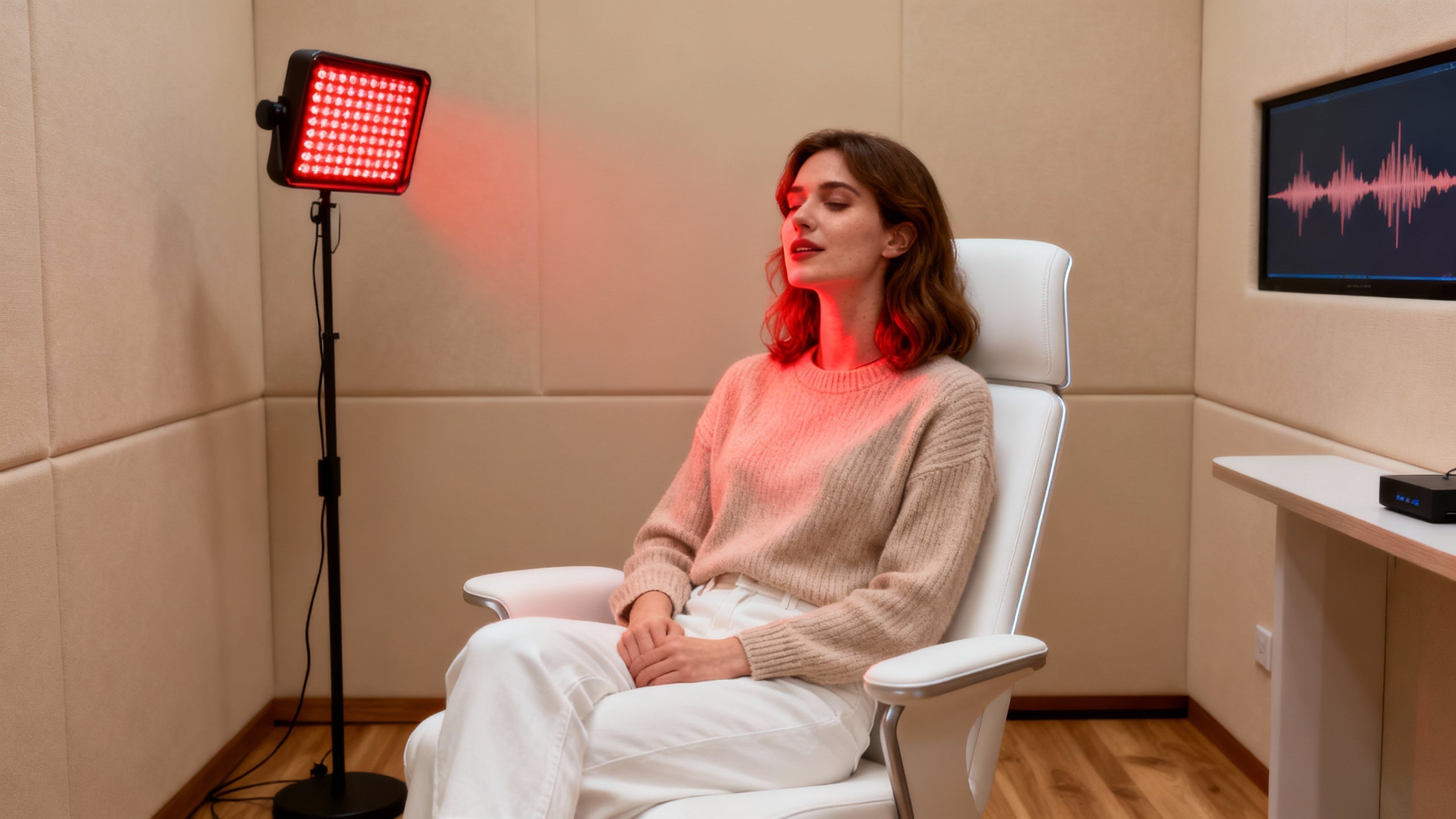
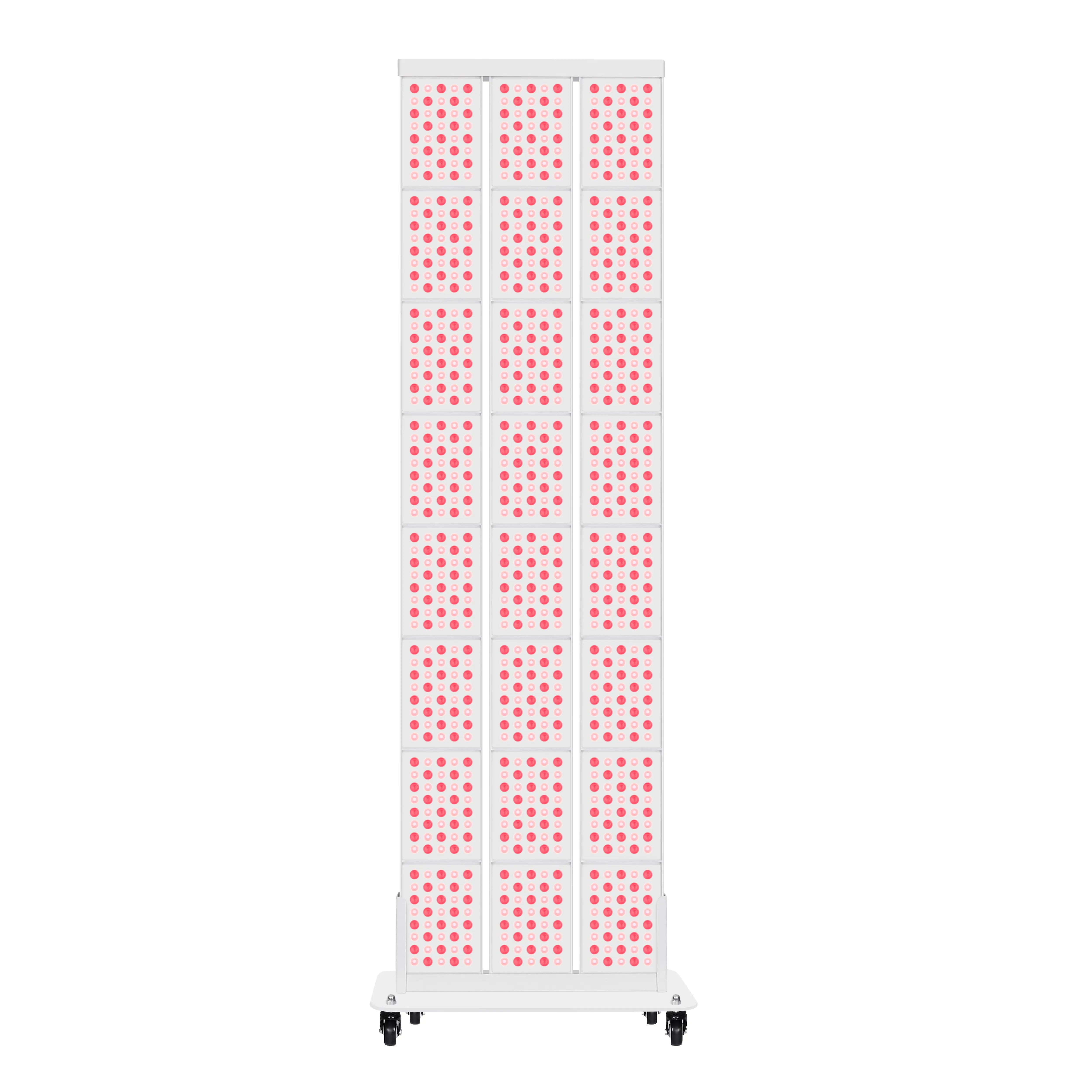
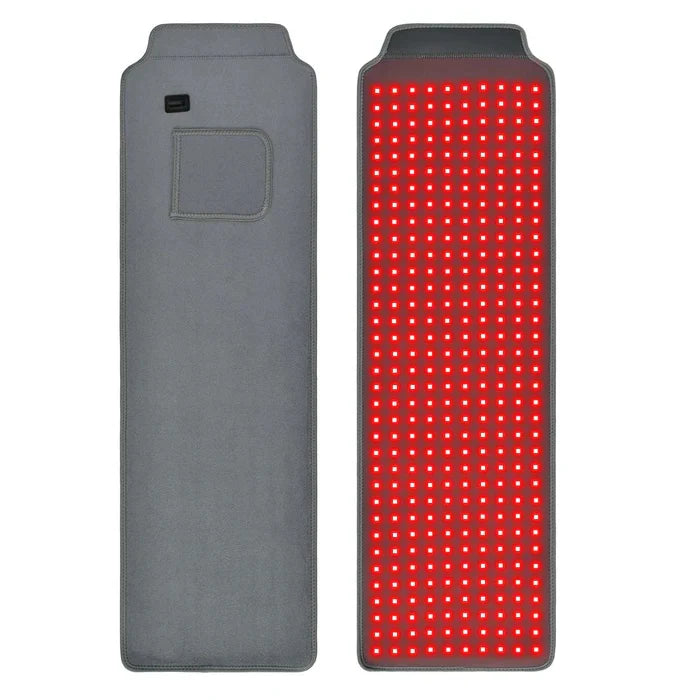
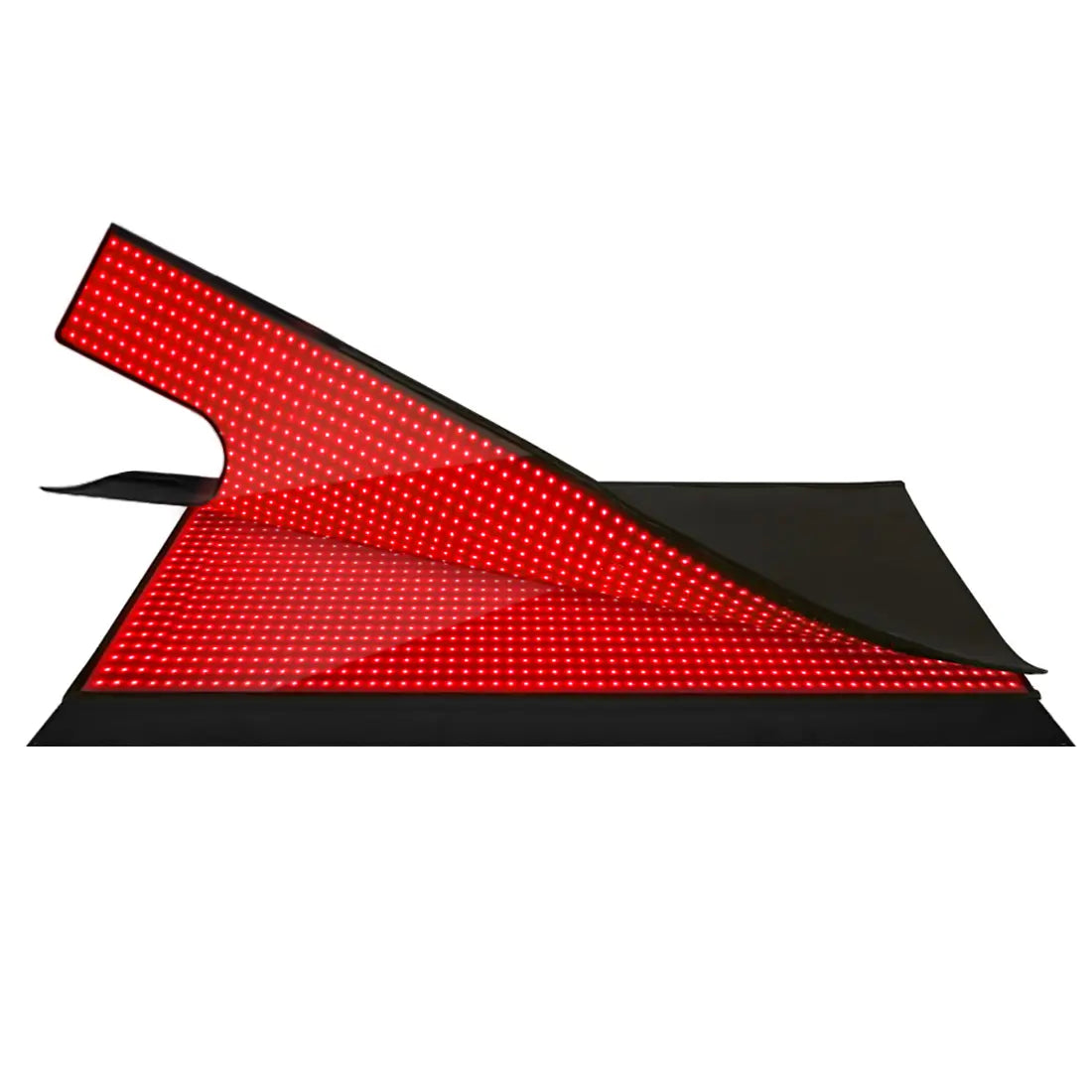
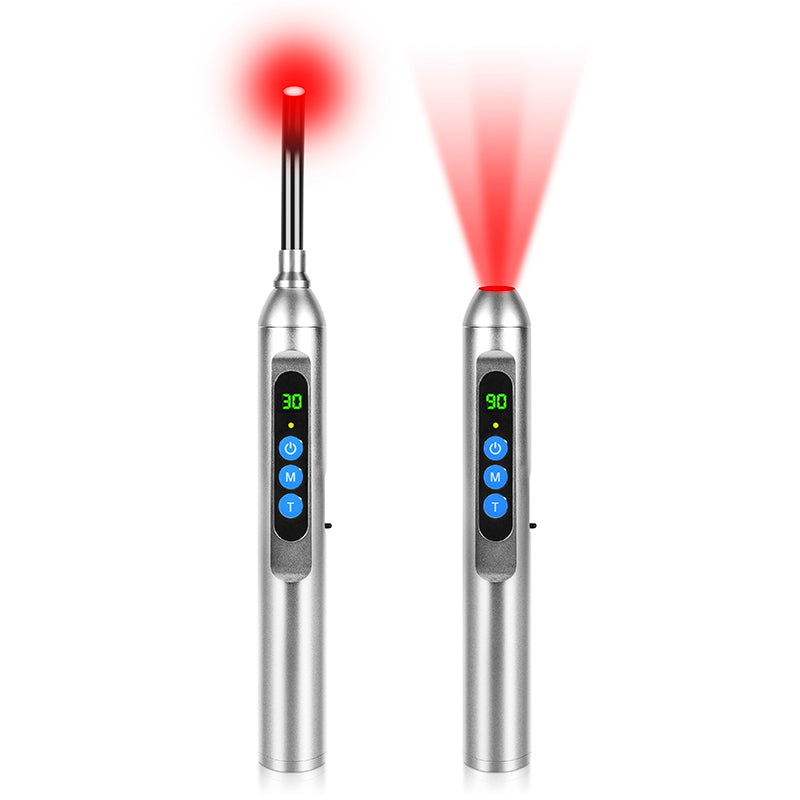
Device selection is less mysterious than marketing suggests. Arthritis‑oriented resources recommend choosing devices that deliver wavelengths within the therapeutic window of roughly 600–1,000 nm, with enough power output to reach deeper tissues in reasonable session times. For knee and shoulder joints, wraps and pads with both red and near‑infrared LEDs allow close contact and practical dosing during a break. Panels can be useful for treating multiple joints and adjacent muscles simultaneously, and some workers may use portable units such as small panels or hand‑sized devices in hotel rooms or at home. Joint wraps like the dpl‑branded devices and wireless knee pads that use 660 nm red and 880 nm near‑infrared LEDs exemplify the kind of configurations often chosen for arthritic or overuse‑related joint pain.
Timing sessions around work demands can amplify benefits. Infrared‑sauna‑style setups for shift workers are often used after a shift to help the body down‑shift, reduce stress, and ease muscle and joint soreness. The same article suggests a shorter session before a shift for an energy and focus boost. For physically demanding jobs, many workers find that using a local joint device after work, when inflammation and soreness peak, provides the most noticeable relief and better sleep. For people in high‑risk roles who must stay alert at night, ocular red‑light interventions around 630 nm are being studied as a way to improve reaction times without suppressing melatonin the way blue light does.
The key is to integrate light therapy into a repeatable routine rather than sporadic, heroic bursts. A worker might, for example, use a knee wrap for fifteen minutes on each knee three evenings per week while doing gentle stretching or breathwork, and once weekly pair a full‑body or sauna‑like infrared session with deeper recovery practices.
Safety, Risks, and When to Talk to Your Doctor
Across large institutions, the safety profile of red light therapy looks generally reassuring when it is used correctly. UCLA Health notes that evidence suggests short‑term benefits with few reported adverse effects, while also emphasizing that optimal dose and long‑term safety are not fully established. MD Anderson underscores that red light therapy does not use ultraviolet radiation and has not been shown to cause cancer, but they still treat it as investigational for pain and integrate it into supervised treatment plans.
WebMD highlights that at higher intensities, red LED devices can cause skin redness and blistering and that eye damage is possible without proper protection. That is why clinical settings require goggles or eye shields, and home users are advised to protect their eyes and follow manufacturer instructions carefully. Several wellness and occupational articles recommend caution for people who are pregnant, taking medications that increase light sensitivity, or managing serious medical conditions; consultation with a physician is prudent in those cases.
University Hospitals emphasizes that the main risk for many people is financial rather than medical. Home devices can range from just under one hundred dollars to thousands of dollars and are rarely covered by insurance. Sessions in clinics, dermatology offices, or wellness centers may cost around eighty dollars or more each. Because benefits usually require repeated and ongoing sessions, it is wise to treat red light therapy as one investment among several joint‑care tools, not as a single expensive fix.
For workers with significant joint pain, instability, or prior surgery, the highest‑yield step is to start with a qualified medical professional or physical therapist to clarify diagnosis and core treatment needs. Red light therapy can then be layered in with realistic expectations.
Pros and Cons of Red Light Therapy for Worker Joints
From a veteran wellness optimizer’s perspective, the upside of red light therapy for workers is compelling but bounded.
On the positive side, red light therapy is non‑invasive, drug‑free, and generally well tolerated. When applied in sensible doses and wavelengths, it can reduce inflammatory joint pain and stiffness, improve local circulation, and support tissue repair. For rheumatoid arthritis, evidence shows short‑term improvements in pain and morning stiffness. For tendinopathies, low‑to‑moderate quality clinical evidence supports pain relief and functional gains. Meta‑analytic data in musculoskeletal pain suggest substantial average pain reductions, and some sports and rehab studies show faster muscle recovery and better performance parameters when red light is combined with training.
The modality also plays well with work realities. Sessions can be short enough to fit before or after a shift. Wraps and pads free your hands so you can read, do breathwork, or unwind while your joint soaks up photons. For high‑stress jobs, the same light that helps your joints can also support mood, sleep, and cognitive function, based on early data in stress, depression, and even mild dementia.
The limitations are equally important. The current evidence base is heterogeneous, with many small studies, variable device types, and inconsistent dosing. Large, well‑controlled trials specifically in injured workers or heavy‑labor populations are not yet available. Major institutions consistently remind patients that red light therapy is a supportive tool, not a cure, particularly for advanced osteoarthritis or structural problems that truly require surgery, bracing, or targeted rehabilitation.
Practical barriers include cost, time, and the need for ongoing use. Pain and function improvements often fade weeks after stopping therapy. There is also the very human risk of using a shiny device as an excuse to delay hard but necessary changes: improving lifting mechanics, losing weight, strengthening hips and core, or advocating for better workplace ergonomics.
When you hold all the data together, red light therapy looks less like a miracle and more like a sophisticated recovery and anti‑inflammatory tool. For many workers, that is exactly what is needed.

Short FAQ for Workers Considering Red Light Therapy
Can red light therapy actually protect joints, or does it only reduce pain?
Current evidence points more strongly to reduced pain and inflammation and support for healing around joints than to structural “protection” in the sense of preventing arthritis entirely or regenerating advanced damage. That said, by lowering inflammation, improving circulation, and supporting tissue recovery, red light therapy can indirectly help you move better and train the muscles that truly protect your joints. When it is layered onto targeted physical therapy, good ergonomics, strength training, and joint‑friendly body weight, it becomes part of a protective ecosystem rather than a stand‑alone shield.
Is it worth buying a home device, or should I stick to clinic treatments?
Clinical devices in dermatology, rehabilitation, or integrative pain centers are usually more powerful and allow individualized protocols under supervision. They are a good way to test how your joints respond before making a large purchase. Home devices are more convenient and can be sufficient for many workers if the cost is manageable. University Hospitals and UCLA Health both suggest that trying a reasonably priced, FDA‑cleared device is a rational option for pain and delayed healing when you understand that you will need repeated use and that results vary. The smartest route is often a combination: learn your response in a professional setting, then maintain gains with a well‑chosen home device while you keep working on mechanics and strength.
How do I know if I am doing too much red light therapy?
Signs of overdoing it can include unusual skin redness, warmth that lingers long after a session, or increased soreness rather than relief over the following day. The photobiomodulation literature makes it clear that more energy is not always better and that high doses can blunt or reverse benefits. If you are using a sensible wavelength range in the 600–1,000 nm window, keeping sessions in the ten‑ to twenty‑minute range per joint, and limiting them to several times per week, you are likely within a safe and effective range. When in doubt, back off frequency or duration, and discuss your protocol with a clinician familiar with light‑based therapies.
When I look at the research and what I see in real‑world workers, red light therapy is not the hero of the story; it is the expert supporting character that makes the hero’s job easier. The heroes are still smart mechanics, strong muscles, recoveries you do not skip, and workplaces willing to invest in ergonomics and wellness. If you respect that order and use light therapy as a precise tool rather than a magic wand, it can become one of the most effective, science‑backed upgrades in your joint‑protection arsenal.

References
- https://pmc.ncbi.nlm.nih.gov/articles/PMC5523874/
- https://www.mdanderson.org/cancerwise/what-is-red-light-therapy.h00-159701490.html
- https://underthehardhat.org/revitalize-and-recover-the-surprising-benefits-of-red-light-therapy/
- https://my.clevelandclinic.org/health/articles/22114-red-light-therapy
- https://www.uclahealth.org/news/article/5-health-benefits-red-light-therapy
- https://www.uhhospitals.org/blog/articles/2025/06/what-you-should-know-about-red-light-therapy
- https://www.physio-pedia.com/Red_Light_Therapy_and_Muscle_Recovery
- https://ahealthyshift.com/blog/infrared-light-benefits-for-shift-workers-c8gdy?srsltid=AfmBOorWbd6zTtmc__ko0r9RkUUmB9xdE7wmNSZEC51xj4ocW8wfMNJ2
- https://www.drgraber.com/blog/red-light-therapy-speed-healing-for-joint-injuries.html
- https://www.impactphysicaltherapy.com/red-light-therapy-process-and-benefits/