Summary: Red light therapy can be a useful, mostly low-risk add‑on for skin health, pain, and recovery in families when used correctly, but it is not a cure‑all and needs thoughtful dosing, eye protection, and, for kids, professional guidance.
What Red Light Therapy Actually Does
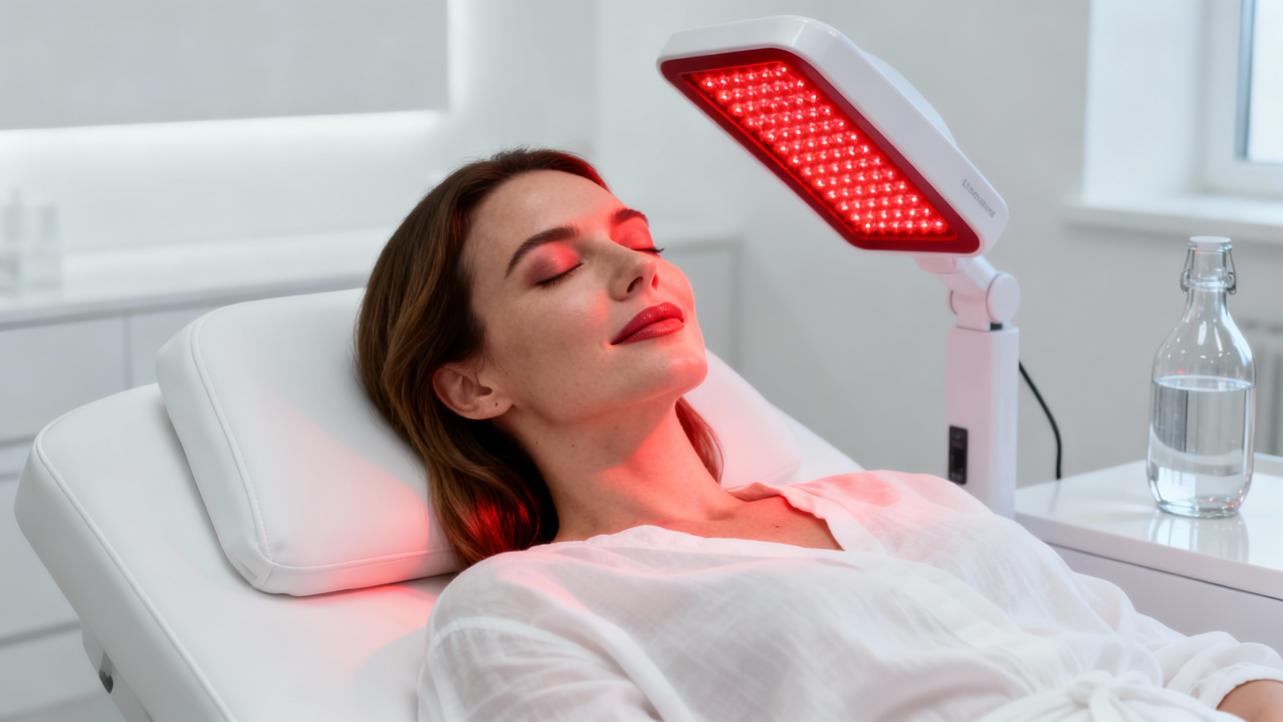
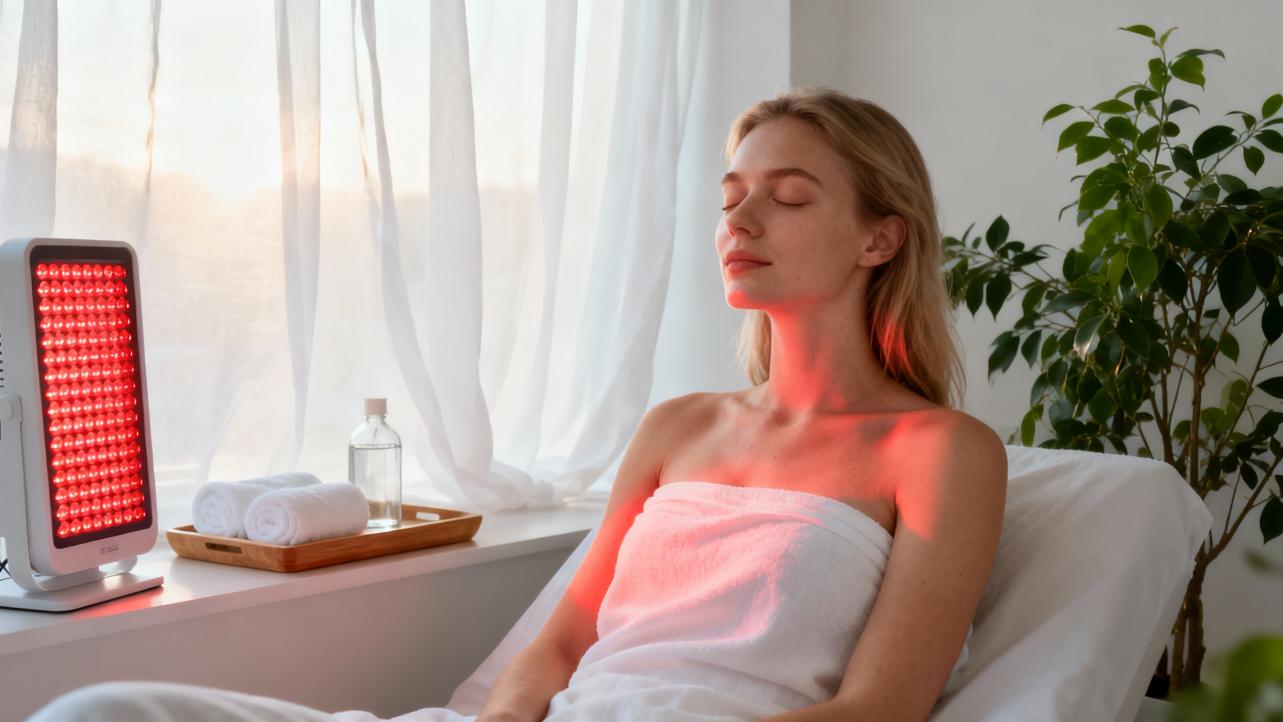
As a long‑time light‑therapy geek, I’ll start with the basics: red light therapy (RLT) uses specific red and near‑infrared wavelengths to nudge your cells, not burn them. Think of it as giving mitochondria—the “batteries” in your cells—a gentle charge rather than blasting them with heat or UV.
Dermatology departments at places like Stanford and Cleveland Clinic describe this as photobiomodulation: light is absorbed by cellular enzymes, ATP production increases, and downstream you see better blood flow, calmer inflammation, and more collagen production in skin. That’s why it shows up in both medical clinics and wellness centers.
Importantly, these devices do not use ultraviolet light, so you’re not getting the DNA damage associated with tanning beds or midday sun. The risk profile, when directions are followed, is closer to a strong LED lamp than a medical laser.

Realistic Benefits for Adults
Across the literature, the most solid wins for adults are in skin and hair. Clinical work summarized by Stanford, UCLA, and Verywell Health shows:
- modest wrinkle and fine‑line reduction
- improved skin texture and redness in conditions like acne or mild eczema
- gradual hair thickening in people with thinning but still‑active follicles
For pain and recovery, meta‑analyses and reviews cited by Brown Health and Verywell Health point to reduced joint and muscle pain, faster wound healing, and less post‑workout soreness. The effect sizes are usually “noticeable” rather than “miraculous,” and benefits fade if you stop treatment.
Where the hype outpaces the data is in big, systemic promises: curing dementia, replacing strength training, fixing weight gain, or “detoxing” the body. Early research is intriguing, especially for brain health and mood, but major academic centers consistently stress: consider RLT an adjunct to proven treatments, not a replacement.

How (and Whether) to Use It with Kids
Parents are rightly cautious. Pediatric clinics and integrative centers that use RLT report it as a gentle, non‑invasive option for:
- eczema, acne, and sensitive‑skin irritation
- minor muscle strains and sports bumps
- supporting recovery from small cuts or scrapes
Advanced Integrative Care and Thrive Pediatrics both emphasize that long‑term pediatric data are limited. Children’s skin is thinner and more reactive, so low doses and close monitoring matter. My rule of thumb from years of coaching parents: if you wouldn’t put a powerful new cream on your child without asking their pediatrician, don’t put a powerful new light on them either.
Absolutely avoid any device that shines directly into a child’s eyes. The American Academy of Ophthalmology has raised serious concerns about red‑light devices marketed to slow myopia progression; these are not FDA‑approved in the U.S., and unregulated eye‑directed lasers can damage the retina.

Sleep, Stress, and the Nuance on “Red Light at Night”
You’ll see bold claims that red light before bed boosts melatonin and deep sleep. Some small athlete studies and wellness clinics do report better sleep quality after evening RLT sessions, likely by reducing pain and stress.
But a rigorous lab trial published in a psychiatry journal found that one hour of relatively bright red light before bed actually increased anxiety and alertness and worsened some sleep measures compared with darkness, in both insomniacs and good sleepers. Sleep experts from places like Sleep Foundation and GoodRx echo this: dim, warm or red room lighting is less disruptive than blue‑heavy light, but bright therapy panels right before bed are not a proven insomnia fix.
So for family sleep, I recommend using RLT earlier: daytime or early evening sessions for muscle recovery, mood, and stress relief; then shift to very dim, warm bedside lamps and minimal screens in the last hour before bed.
Nuance: Red light seems “sleep‑friendlier” than blue light, but darkness still wins for actual sleep quality.
A Practical, Safe Family Game Plan
If you decide to bring RLT into your home, keep it boringly sensible, not biohacker‑extreme.
- Start with 10–20 minute sessions, 2–3 times per week per area.
- Stay a sensible distance from the panel per the manual; more intensity is not always better.
- Use eye protection and never stare into the LEDs, especially for kids.
- Skip or get medical clearance if anyone is pregnant, has a history of skin cancer, eye disease, or uses photosensitizing medications.
For bigger goals (significant acne, stubborn joint pain, complex pediatric issues), I prefer clinic‑grade setups with a dermatologist or knowledgeable provider guiding dose and frequency. At home, treat RLT like a targeted tool: great for skin support, mild aches, and post‑sport recovery, while you keep the foundation of family health—sleep hygiene, movement, nutrition, and stress management—doing the heavy lifting.

References
- https://pmc.ncbi.nlm.nih.gov/articles/PMC10484593/
- https://med.stanford.edu/news/insights/2025/02/red-light-therapy-skin-hair-medical-clinics.html
- https://www.brownhealth.org/be-well/red-light-therapy-benefits-safety-and-things-know
- https://www.sleepfoundation.org/bedroom-environment/is-red-light-good-for-sleep
- https://www.aao.org/eye-health/news/red-light-therapy-nearsightedness-myopia-children