
My Lens As A Light Therapy Geek
I have sat in full-body red light beds that look like spacecraft, tested flimsy twenty-dollar LED masks that barely glow, and pored over randomized trials in PubMed after dinner. Over the years, I have learned two things. First, properly dosed red light therapy can absolutely nudge your skin and hair toward healthier, more youthful behavior. Second, it is not magic, and it will never replace good skincare, smart procedures, or the basics of sleep, nutrition, and stress management.
Dermatologists, academic centers, and health systems from Cleveland Clinic and Harvard Health to the American Academy of Dermatology and Stanford dermatology groups now treat red light therapy seriously enough to study it, but skeptically enough to publish its limits. That is exactly the stance I take in my own practice and self‑experimentation: enthusiastic, but evidence‑driven.
If you want “natural” aesthetic results – meaning you still look like yourself, just better rested, smoother, and more radiant – red light therapy can be a powerful adjunct. The key is understanding what it actually does at the cellular level, where the evidence is strongest, and how to use it intelligently rather than falling for influencer hype.

What Red Light Therapy Actually Is (And Is Not)
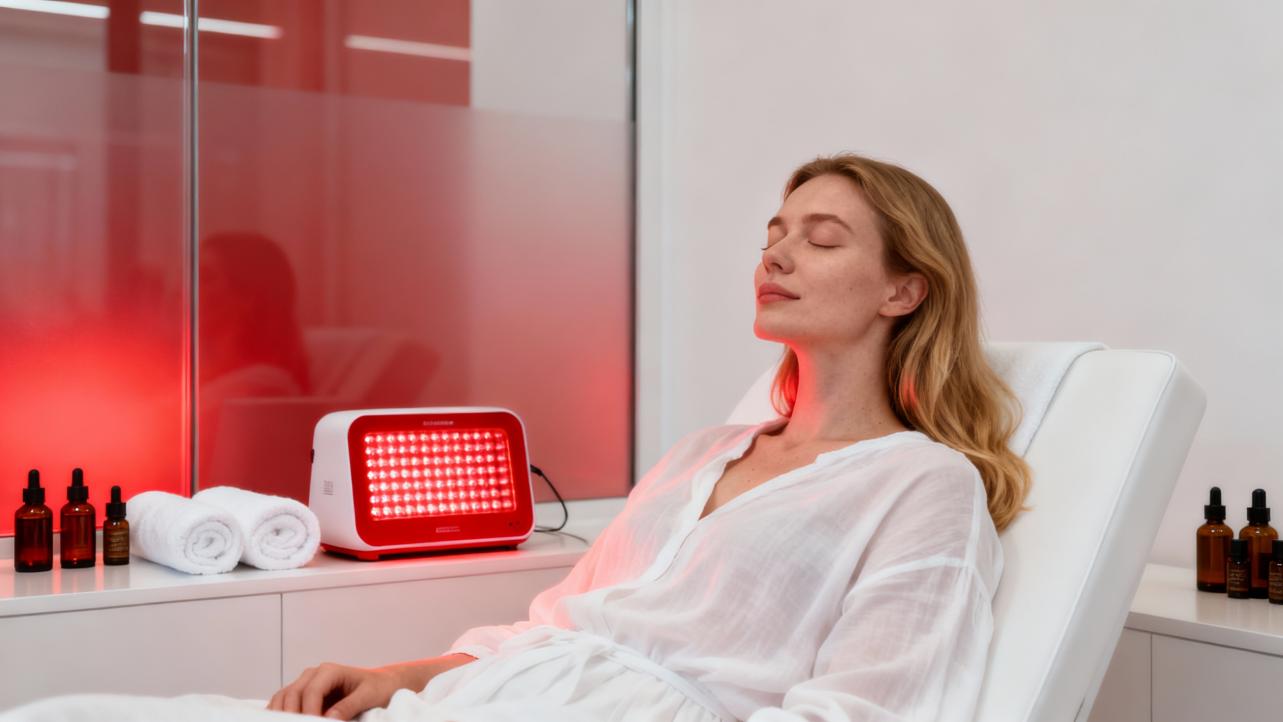
Red light therapy goes by several scientific names: photobiomodulation, low‑level light therapy, low‑level laser therapy. All describe the same basic idea. You expose tissue to low‑energy red or near‑infrared light. That light does not burn the skin and does not use ultraviolet rays. Instead, it acts like a biochemical nudge, changing how cells behave.
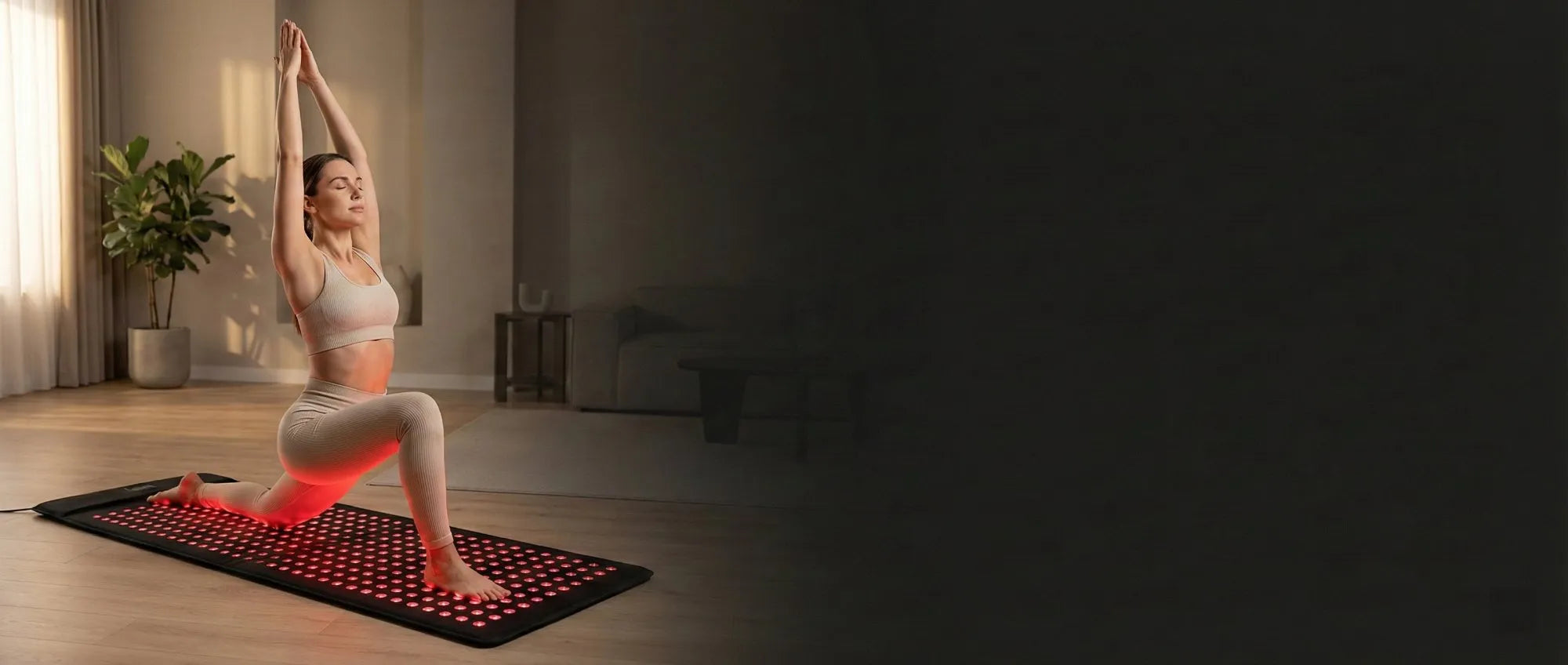
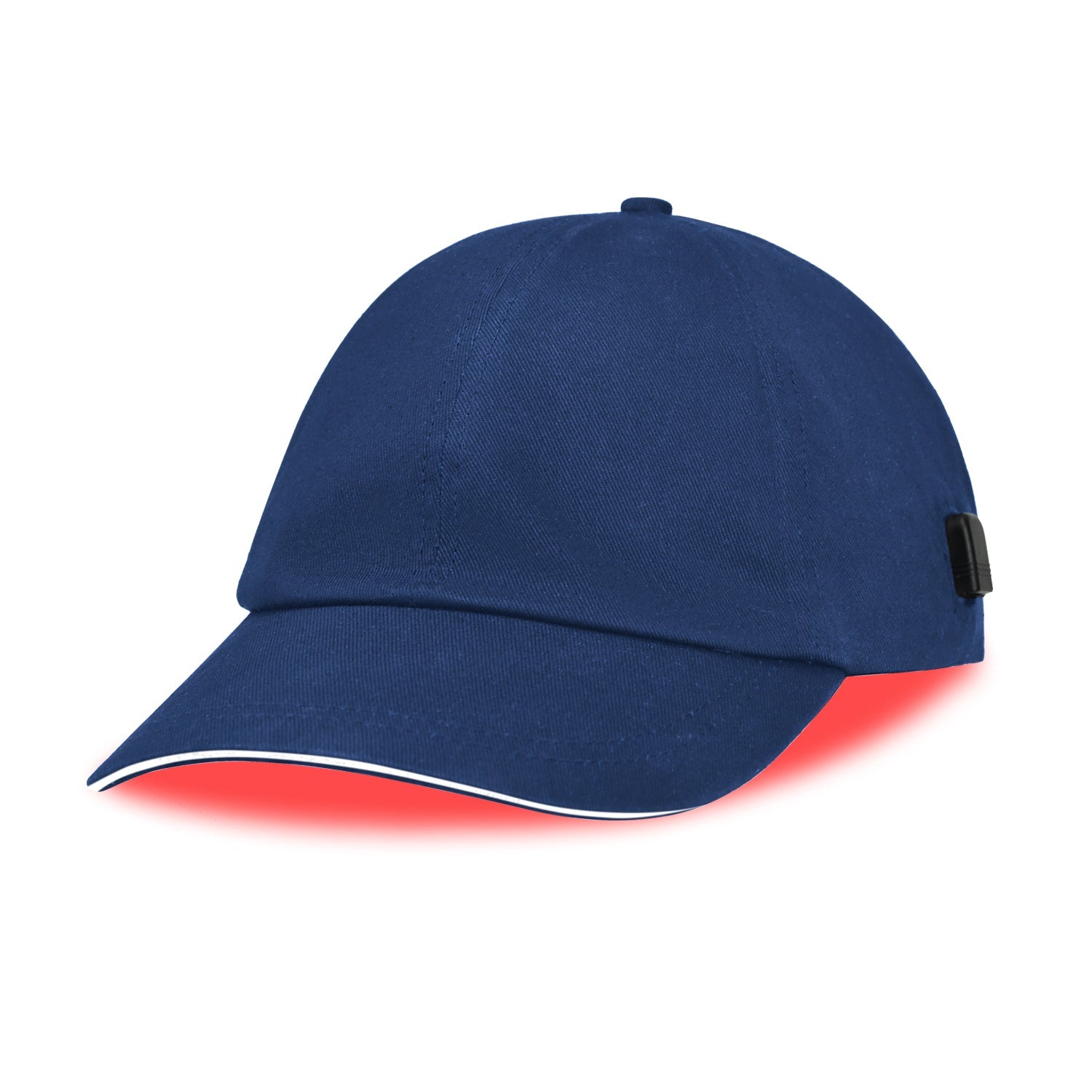
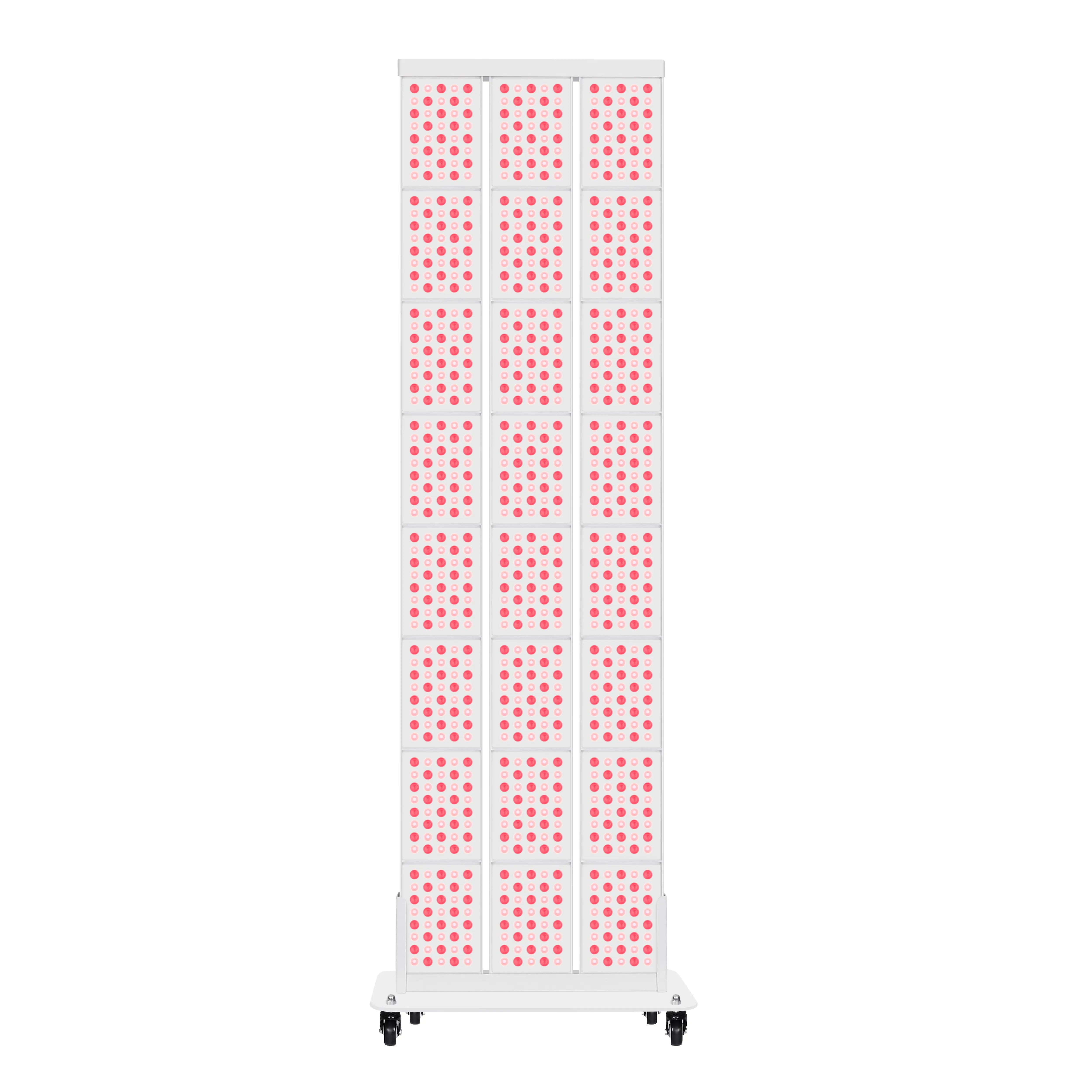
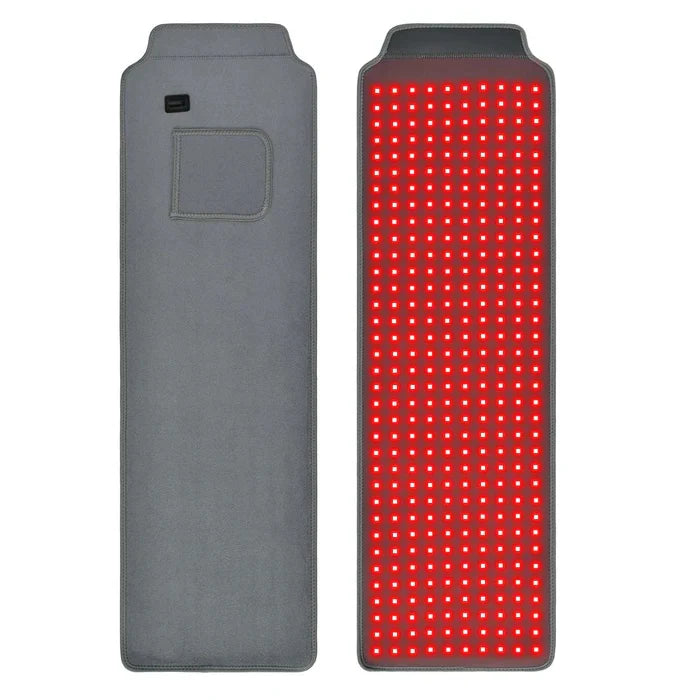
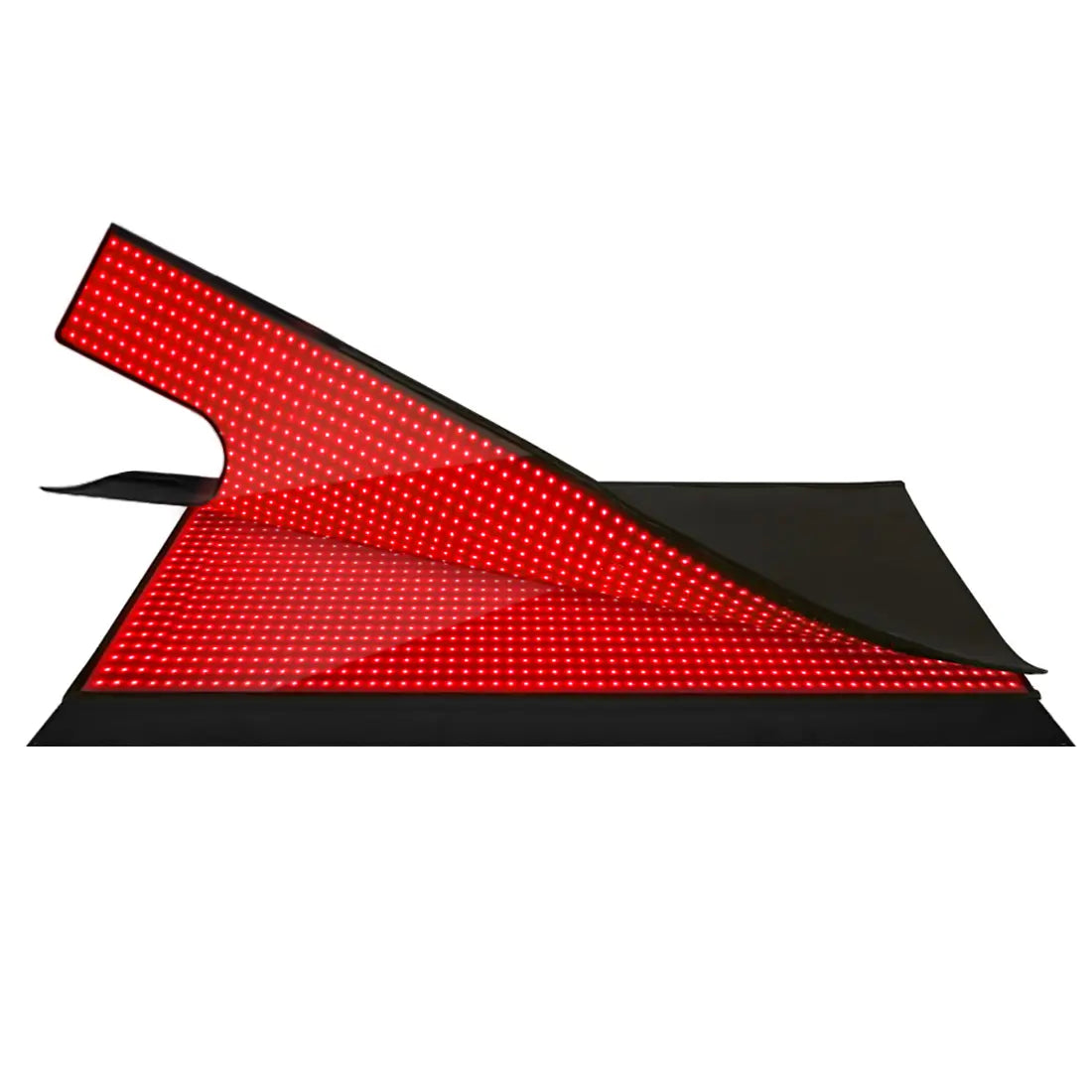
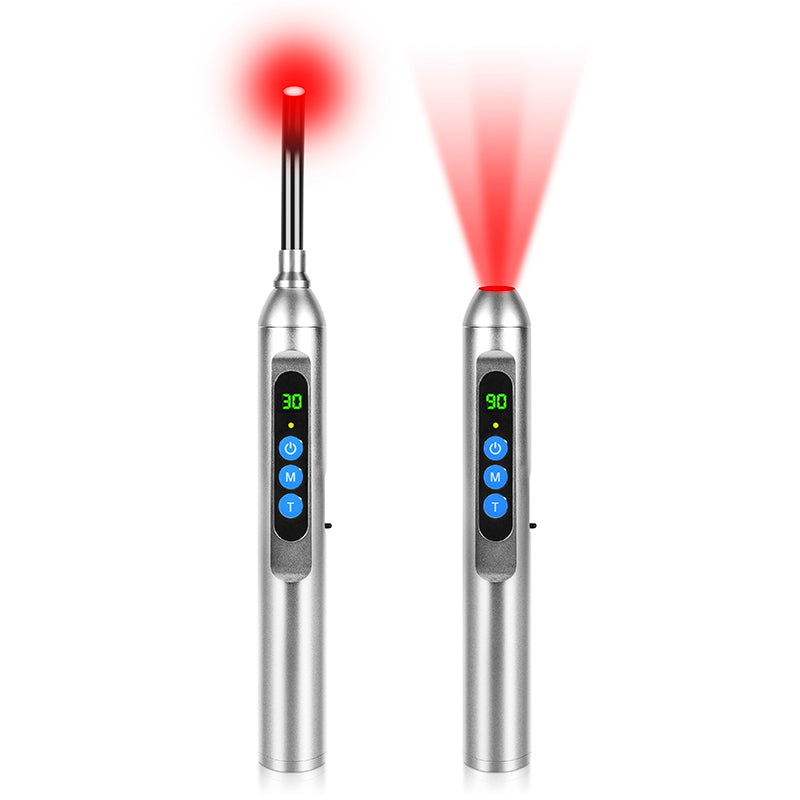
Cleveland Clinic describes red light therapy as using low levels of red or near‑infrared light to potentially improve skin appearance and support other medical uses. WebMD and Harvard Health emphasize that the light is delivered from LEDs or low‑energy lasers in masks, panels, beds, caps, or wands, and that the goal is to stimulate mitochondria, the “power plants” inside your cells.
It is important to distinguish this from photodynamic therapy. In photodynamic therapy, doctors apply a light‑sensitizing drug to the skin and then activate it with a specific red laser. That combination is used to kill abnormal cells in some skin cancers, psoriasis, acne, warts, and other conditions. Red light therapy on its own does not kill cancer cells and is not a cancer treatment.
It is also different from ablative lasers and intense pulsed light. Those deliberately damage layers of skin so the repair process tightens and resurfaces. Photobiomodulation is non‑thermal and non‑ablative. In clinical trials, it improves collagen and skin quality without the inflammation, pain, and downtime you get with more aggressive procedures.

How Red Light Works In Plain English
University of Utah Health and Cleveland Clinic both highlight the same core mechanism. Red and near‑infrared light penetrate into the skin and are absorbed by mitochondria. When that happens, mitochondrial enzymes work more efficiently, cellular energy (ATP) production increases, and a whole cascade of cell signaling changes follows.
A Russian researcher, frequently cited in the University of Utah Health podcast, helped clarify this mechanism decades ago. Red light appears to displace nitric oxide from the respiratory chain in mitochondria, allowing them to generate far more energy than in the dark. Studies referenced in that discussion mention energy gains on the order of many times baseline in experimental conditions.
The downstream effects are exactly what you would want if you were designing a “natural aesthetics” tool from scratch. Cleveland Clinic and Harvard Health describe:
- Increased ATP, so skin cells have more fuel to repair.
- Upregulated fibroblasts, the cells that make collagen and elastin.
- Better microcirculation, so more oxygen and nutrients reach tissue.
- Reduced inflammatory signaling, which quiets redness and irritation.
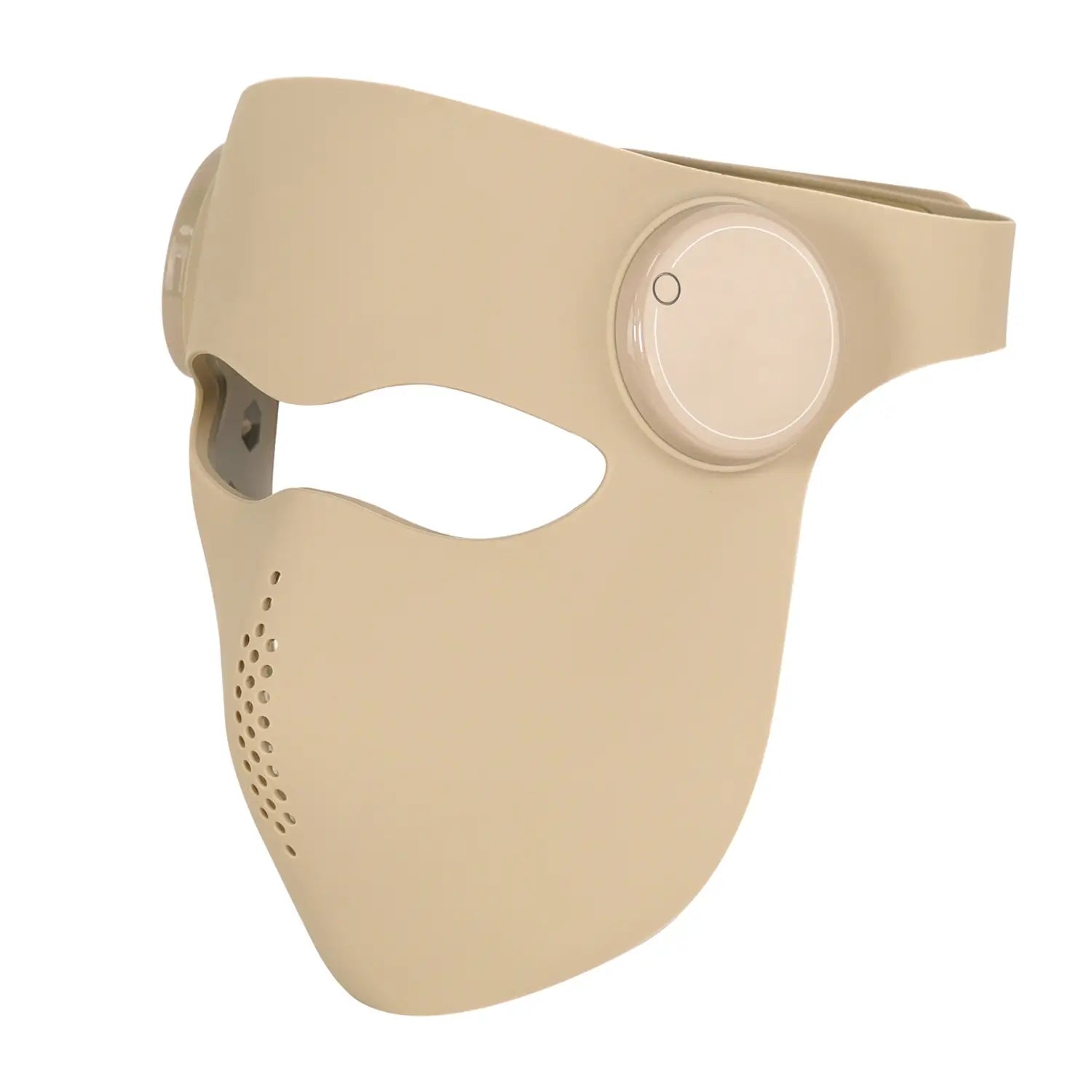
A large trial in PubMed Central, involving 136 volunteers using full‑body red and red‑plus‑near‑infrared light twice a week for 30 sessions, found significant increases in intradermal collagen density, smoother skin surface, and better expert wrinkle scores compared with untreated controls. Another prospective clinical study of a home‑use 630 nm facial mask used twice weekly for three months showed progressive improvements in wrinkle depth, sagging, firmness and elasticity, dermal density, pore appearance, complexion homogeneity, and even sebum regulation, with benefits lasting about a month after treatment stopped.
Mechanistically and clinically, that is exactly how you move the needle on skin quality without injections or scalpels.
Skin Rejuvenation: Where The Evidence Is Strongest
Fine Lines, Wrinkles, And Firmness
For aging skin, the data are surprisingly consistent. Harvard Health, American Academy of Dermatology, WebMD, Stanford dermatology researchers, and multiple peer‑reviewed trials all converge on the same message: red light therapy can modestly reduce fine lines and wrinkles, improve skin elasticity, and plump the skin. It will not erase a deep nasolabial fold, but it can soften that etched “tired” look.
In the 136‑person randomized controlled trial mentioned above, participants treated with either red light alone or a broader red‑plus‑near‑infrared spectrum saw:
- Statistically significant improvements in subjective skin feeling and complexion.
- Reduced skin roughness measured by computerized profilometry.
- Increases in collagen density measured by high‑resolution ultrasound.
- Blinded physician assessments that favored the treated groups over controls for wrinkle reduction.
Importantly, the broader polychromatic light that covered 570–850 nm did not outperform the simpler red‑dominant spectrum when the red dose was matched. In practical terms, this means you do not need a device with every color of the rainbow to see aesthetic benefits; well‑calibrated red light is enough.
The newer home‑use mask study using 630 nm LEDs reinforces that point. Its device delivered around 21.7 milliwatts per square centimeter and 15.6 joules per square centimeter in a 12‑minute session, which is orders of magnitude higher dose than many fashionable masks that deliver as little as 0.03–1.2 milliwatts per square centimeter in 10–30 minutes. With the higher, but still non‑thermal dose, participants showed progressive improvements in wrinkles, firmness, texture, and tone over three months, and they reported that their skin subjectively felt better.
When Harvard Health summarizes that red light therapy can reduce wrinkles and improve suppleness, this is the kind of data they are drawing from. The effect is not dramatic overnight resurfacing, but it is real, measurable improvement in the architecture of the skin.
Texture, Redness, And Tone
Dermatology practices such as Camelback Dermatology, West Dermatology, and Omnilux‑focused clinics, as well as educational sources like Florida Academy and American Academy of Dermatology, emphasize red light’s anti‑inflammatory and circulation‑enhancing effects. By calming inflammation and improving blood flow, red light therapy can:
- Reduce background redness in conditions like rosacea and sensitive skin.
- Smooth blotchy or dull tone by improving microcirculation and cellular turnover.
- Help with mild hyperpigmentation and sun damage as part of a broader regimen.
The evidence base is more modest here than for wrinkles. The American Academy of Dermatology stresses that current studies show only modest improvement for some conditions and that more research is needed to define long‑term benefits. The ZOE research review notes that some lab and small human studies show increases in collagen and decreases in collagen‑breaking enzymes, but many of those studies are small, manufacturer‑funded, or lack control groups.
From a practical standpoint, what I have seen – and what the science supports – is that consistent red light exposure can make the skin surface feel smoother, look more even, and take on a healthier, better‑circulated glow. Think “good lighting and plenty of sleep,” not “instant airbrushing.”
Scars, Wounds, And Post‑Procedure Healing
Cleveland Clinic and Harvard Health both cite red light therapy as potentially helpful for wound healing, scars, and even tricky problems like diabetic ulcers. Stanford dermatology authors review studies where red light reduced scar formation or roughly halved the healing time on treated areas after eyelid surgery, while acknowledging that long‑term cosmetic outcomes sometimes converge between treated and untreated sides.
Dermatologists frequently integrate red light into post‑procedure plans after lasers or microneedling. Practices like Camelback Dermatology and Steel City Dermatology report using red light to calm redness, speed re‑epithelialization, and reduce downtime.
The overall pattern is mixed but promising. Red light appears to accelerate early phases of healing and may soften scars, but it is not a guaranteed way to erase old scars. It shines as a supportive tool in a broader plan rather than a standalone “scar cure.”

Beyond Skin: Hair, Body, And Global Glow
Hair Density And Thinning
Hair regrowth is one of the most studied non‑skin uses for red light. Stanford dermatology writers trace this back to early animal work where low‑level red light unexpectedly stimulated hair growth in mice. Since then, multiple human trials using combs, caps, and helmets have reported improvements.
Stanford and WebMD both note that red light can widen local blood vessels, improve nutrient delivery to follicles, and stimulate hair growth from existing follicles. WebMD cites reviews showing that red light therapy can be an effective treatment for androgenic alopecia, sometimes increasing hair thickness and growth. The ZOE review mentions a small helmet study in which people using low‑level light therapy had about 35 percent more hair growth over sixteen weeks than those using a sham device, with similar results in a trial focused on women.
The limitations matter. Benefits fade when you stop treatments. Dead follicles on a shiny bald scalp will not “wake up.” Devices differ widely in wavelength and power. Still, for early or moderate thinning, a properly specified cap can be a reasonable, low‑risk adjunct alongside dermatologist‑guided medical therapies.
Body Contouring And Cellulite Claims
This is where wellness marketing runs far ahead of the data.
The Cortiva Institute describes how red light may create temporary openings in fat cells (adipocytes), allowing stored fat to be released and later metabolized, and suggests that combining red light with exercise can improve body contouring. WebMD notes that red light devices are marketed for “body sculpting” and can reduce body circumference in treated areas, but emphasizes that this is not true weight loss and that effects are likely short‑lived.
The ZOE review is even more blunt: evidence for meaningful changes in body composition is weak. When I look at the totality of research, I treat fat‑loss claims as an interesting side benefit at best. Red light can be a recovery tool that keeps you training hard, which indirectly helps body composition, but it is not a substitute for caloric balance, progressive resistance training, and movement.
Pain, Recovery, And Cognitive Side Benefits
University of Utah Health and UCLA Health both highlight that red light is being studied for joint and muscle pain, neuropathic pain, and even cognitive function. UCLA points to a review where photobiomodulation significantly reduced acute and chronic pain, although pain often returned weeks after treatment stopped. WebMD describes similar patterns in tendinopathy, rheumatoid arthritis, and other musculoskeletal conditions: short‑term relief, limited long‑term data.
On the brain side, UCLA and WebMD describe very small dementia trials using headsets or intranasal light a few minutes a day, where participants showed improvements in memory, sleep, or irritability, but with tiny sample sizes and limited controls. Utah Health reiterates that animal studies for metabolic and neurodegenerative conditions look promising, but human data are in early stages.
As a veteran optimizer, I see these systemic uses as experimental frontiers. If your goal is aesthetics – better skin, hair, and a rested look – the more established path is to use red light on skin and follicles while dialing in sleep, stress, and sunlight for your nervous system.

How Red Light Fits Into “Natural” Aesthetic Strategies
Red light therapy enhances natural results because it works with your biology instead of overpowering it. It does not paralyze muscles like neuromodulators or bulk up volume like fillers. Instead, it improves the health and behavior of the tissues you already have.
Cleveland Clinic and Harvard Health both frame red light as a complement, not a replacement, for fundamentals such as sun protection, healthy eating, adequate restorative sleep, and medically appropriate skincare. The American Academy of Dermatology emphasizes that you should still use sunscreen daily and follow prescribed treatments; red light is a “plus,” not your entire plan.
In practice, the most elegant uses look like this.
You combine disciplined sunscreen, possibly a dermatologist‑supervised retinoid, and barrier‑supportive skincare with red light sessions a few times a week. Over months, collagen and elastin synthesis improve, microcirculation increases, and texture softens. If you choose to use injectables or energy‑based procedures, red light’s anti‑inflammatory and pro‑healing effects can help your skin tolerate those procedures better and maintain results between visits, as described by multiple dermatology practices that integrate these protocols.
The result is not a “done” face. It is the same face, but with healthier tissue supporting anything you layer on top of it.
How Strong Is The Evidence? A Snapshot By Goal
Different goals have different levels of backing. Based on research summarized by Cleveland Clinic, Harvard Health, Stanford Medicine, American Academy of Dermatology, WebMD, UCLA Health, and peer‑reviewed trials, you can think of it this way.
Goal / Concern |
Evidence Strength (Current) |
What To Expect If It Works |
Typical Timeframe Reported |
Fine lines, wrinkles, firmness |
Moderate: multiple small RCTs and clinical studies show improved collagen, texture, and wrinkle scores |
Softer fine lines, subtle plumping, improved “bounce” |
Weeks to a few months of repeated use |
Overall tone, redness, “glow” |
Low to moderate: small studies and clinical experience support benefit, but data are heterogeneous |
More even tone, less background redness, healthier complexion |
Weeks with ongoing use |
Mixed: some controlled studies show faster healing and better scars; others show small or no long‑term difference |
Faster early healing, possibly finer scars, less downtime |
Days to weeks post‑procedure |
|
Hair thinning (androgenic alopecia) |
Moderate: multiple small controlled trials show improved density and thickness |
Thicker existing hair, less shedding; no effect on dead follicles |
Several months of consistent use |
Acne and post‑inflammatory marks |
Mixed: some reviews find red light comparable to standard care, others find low‑certainty evidence |
Reduced inflammation and oiliness, faster lesion resolution, softer red or brown marks |
Weeks to a few months |
Eczema, psoriasis, other rashes |
Weak: early “encouraging” data but no strong trials favoring red over other options |
Modest itch and redness relief at best; blue or other lights may work better |
Unclear; not a first‑line therapy |
Pain and exercise recovery |
Mixed: some reviews positive, others see little substantive effect |
Short‑term pain relief or quicker recovery in some people |
Benefits often fade when treatment stops |
Sleep, mood, cognitive decline |
Very preliminary: tiny pilot studies and animal data |
Possible small improvements in specific groups; far from proven |
Usually weeks of daily or near‑daily use |
This table should temper expectations. For natural aesthetics, skin and hair get the strongest support. Everything else remains experimental.

Using Red Light Therapy Intelligently At Home Or In Clinic
Choosing A Device
Medical centers and dermatology offices use calibrated, often more powerful devices than what you can buy online. Cleveland Clinic and the American Academy of Dermatology both stress that professional systems may deliver better results, and that at‑home tools are generally weaker and more variable.
When shopping, evidence‑based filters help.
Look for devices that specify wavelengths in the red range around the low 600s and, if they include near‑infrared, around the 800s. Many clinically studied skin devices use about 630–633 nm red light, sometimes paired with around 830 nm near‑infrared, as in Omnilux systems that Steel City Dermatology highlights for having over forty peer‑reviewed studies and widespread use in clinics.
Pay attention to dose, not just color. The home‑use mask study that delivered convincing anti‑aging results used roughly 21.7 milliwatts per square centimeter and about 15.6 joules per square centimeter in a pre‑programmed twelve‑minute session. By contrast, many popular masks on the market emit well under 2 milliwatts per square centimeter and less than 1 joule per square centimeter across sessions that last ten to thirty minutes. Those weaker devices are less likely to reproduce clinical results.
Device format should match your goals. Harvard Health and UCLA Health note that facial masks and panels are best for skin, caps and combs for hair, and beds or large panels for whole‑body applications such as pain and recovery.
Finally, several medical sources recommend choosing products labeled “FDA‑cleared” for specific indications such as facial wrinkles or hair thinning. “Cleared” primarily reflects a safety determination compared with existing devices and does not guarantee strong effectiveness, but it is better than no regulatory review at all.
Dialing In Protocols Without Overdoing It
Across Cleveland Clinic, West Dermatology, Dr Sabrina’s guidance, and the mask and full‑body trials, a few patterns emerge.
Sessions are typically short. Ten to twenty minutes is the most common range for facial treatments. In the prospective mask study, participants used the mask for twelve minutes twice per week. In the large full‑body trial, subjects received thirty sessions at two per week, with individual sessions between twelve and twenty‑five minutes depending on the device. The University of Utah Health discussion mentions that most guidance recommends no more than about thirty minutes per session.
Frequency matters. Many clinical protocols use two or three sessions per week. The high‑dose mask study deliberately spaced sessions at least seventy‑two hours apart to match the skin’s “energy digestion” window and to respect the Arndt–Schulz law, which says that too low a dose does nothing and too high a dose can actually inhibit biological responses. A reasonable starting point for aesthetics is two or three sessions per week, then tapering to maintenance once or twice per week after several months.
Consistency beats intensity. Harvard Health emphasizes that results require multiple sessions per week for four to six months, not a single marathon exposure. UCLA Health notes that benefits in studies typically appear after weeks of repeated use rather than a one‑time treatment.
Always follow your device’s instructions, and if you are treating a medical condition – even acne – involve a dermatologist.
Preparing Your Skin And Stacking With Skincare
Clinical protocols in the mask study and Omnilux‑style practices tend to follow the same basic sequence. Skin is cleansed so that makeup, sunscreen, and thick products do not block light. Protective eyewear is used. The mask or panel is applied for the programmed session. Afterwards, serums and moisturizers are applied to take advantage of transiently increased blood flow and permeability.
Dermatology sources emphasize that red light should complement, not replace, evidence‑based skincare. That means daily sunscreen, appropriate use of actives such as retinoids when indicated, and management of any underlying conditions like eczema or rosacea. Many clinics specifically use red light between more intensive procedures to maintain collagen and manage inflammation.
As a home user, one of the most efficient “biohacks” is to anchor your red light sessions to existing routines: for example, cleanse and mask in the evening while you listen to a podcast and practice breathing, then apply a simple hydrating routine afterward. Over months, the compound effect of that small habit can be significant.
Safety, Side Effects, And When To Be Careful
The reassuring headline from Cleveland Clinic, Harvard Health, WebMD, UCLA Health, and the American Academy of Dermatology is that properly used red light therapy appears generally safe, with a favorable risk profile compared with most energy‑based aesthetic treatments. But there are important nuances.
Short‑term side effects are usually mild. People may experience temporary redness, warmth, tightness, or dryness. Dr Sabrina notes that some individuals report eye discomfort, headaches, or transient acne flare‑ups as impurities surface, particularly with intensive exposure, but these effects are usually short‑lived. WebMD adds that very high intensities can cause skin redness or blistering.
Eye protection is non‑negotiable. University of Utah Health explicitly warns that unprotected eyes can be damaged, which is why you see people wearing small goggles under masks and in beds. The American Academy of Dermatology has expressed concern about potential eye injury from some at‑home masks. Every credible source agrees: do not stare directly at the lights, wear provided shields, and stop treatment and seek care if you notice eye pain or vision changes. Any therapy directed at the eyes themselves should be done only under supervision from an eye professional.
Photosensitivity must be respected. Cleveland Clinic and the American Academy of Dermatology caution that people with light‑sensitive conditions such as lupus or certain metabolic disorders, and those taking photosensitizing medications such as some antibiotics, acne drugs, diuretics, or birth control pills, should talk to a dermatologist before starting red light therapy.
Skin tone matters. Harvard Health and UCLA Health note that while red light is generally safe across skin tones, people with darker skin may occasionally experience dark spots from visible red light and should start with lower doses and professional guidance.
Pregnancy data are limited. WebMD references a study of 380 pregnant women who underwent laser light treatments without apparent harm, which is somewhat reassuring, but not specific to red light for aesthetics. Sensible practice is still to ask your obstetric provider and dermatologist before starting any new device while pregnant or breastfeeding.
Finally, remember what red light does not do. It does not cause skin cancer like ultraviolet light, and both WebMD and UCLA Health state that current evidence does not link it to cancer. At the same time, it does not cure cancer. Photodynamic therapy for skin cancers is a different procedure, with a drug plus laser under medical supervision, and should not be confused with cosmetic photobiomodulation at home or the spa.
Crafting A Realistic Red Light Plan For Natural Aesthetics
The most successful red light users I see treat it as one spoke in a wheel, not the wheel itself. They use light to enhance a foundation that already includes sleep discipline, smart skincare, and appropriate medical care.
If your primary goal is smoother, “lit‑from‑within” skin, start by tightening your skincare basics: daily broad‑spectrum sunscreen, a gentle cleanser, and a moisturizer that your skin tolerates. If your dermatologist recommends a retinoid or other actives, establish tolerance first. Then layer in a facial red light device with clinically relevant specifications, using it ten to twenty minutes per session two or three times per week on clean, dry skin, followed by hydrating products. Expect to commit at least three months before you judge the results. You are looking for softer etched lines, less crepey texture, and subtle improvement in firmness.
If acne and redness are center stage, red light can help by calming inflammation and oil production, but it is not a stand‑alone cure. Evidence reviewed by ZOE suggests that red light may perform similarly to standard acne treatments in some small studies, but a recent high‑quality review found no high‑certainty evidence for light therapies in acne overall. Many dermatologists use red light in combination with blue light and topical or systemic medications. In this scenario, I would always start with a dermatologist to set a medical plan, then use red light as an adjunct if they feel it is appropriate.
If you are addressing hair thinning, treat red light as one tool in a toolbox that includes diet, hormones, and proven medical therapies. Stanford dermatology and WebMD both suggest that consistent use of a properly designed cap or helmet can improve hair thickness and density for androgenic alopecia. The key word is consistent. You are looking at months of scheduled use, knowing that gains may diminish when you stop and that areas with long‑dead follicles will not respond.
If you already use injectables or energy‑based treatments, red light can be a tissue‑health multiplier rather than a replacement. As many dermatology practices describe, it is well suited for the “in‑between” times to maintain collagen, reduce low‑grade inflammation, and help your skin recover from more intense treatments. This is especially attractive if your aesthetic philosophy is to use the smallest effective amount of aggressive interventions and let your skin’s own biology do the rest.
Pros And Cons For The Aesthetic Biohacker
For a veteran wellness optimizer, red light therapy checks some important boxes. It alters biology in a measurable way, has a strong safety profile, and fits seamlessly into a daily routine. At the same time, it demands patience, discipline, and realistic expectations. A helpful way to think about it is as a long‑term tissue‑health investment rather than a quick transformation.
In terms of pros, it is non‑invasive, non‑UV, and usually painless, with essentially no downtime. It works with your skin’s natural regeneration pathways to increase collagen and elastin, which aligns beautifully with the goal of looking like a healthier version of yourself. It can be used repeatedly over months and years without the cumulative damage associated with ultraviolet exposure.
On the con side, devices that actually deliver clinical‑level doses are not cheap, and in‑office sessions often are not covered by insurance. Evidence is strongest for relatively modest improvements in skin and hair, not miracles. Many of the boldest claims you see online, especially around systemic anti‑aging, weight loss, or mental health, are extrapolated from animal studies or tiny human trials. There is also the opportunity cost: several hundred or even several thousand dollars spent on lights might yield less return than spending the same money on better food, high‑quality sleep tools, or targeted professional skincare if those areas are still neglected.
The upside is that none of this has to be either‑or. As the University of Utah Health podcast points out, the basics – their “Core Four” of nutrition, activity, emotional and mental health, and sleep, plus the genetics you cannot change – still do the heavy lifting. Red light therapy is best understood as a plus‑one: a sophisticated, science‑backed nudge layered on top of habits that are already in place.
Brief FAQ
Q: Does red light therapy replace Botox, fillers, or surgical lifts?
A: No. Red light therapy can improve the quality of your skin – collagen, elasticity, texture – but it does not paralyze muscles or add volume. Many people choose to use it alongside injectables or surgeries to support tissue health and prolong results, often with guidance from a dermatologist.
Q: How long until I see aesthetic results?
A: Most clinical skin studies run for eight to twelve weeks or more. Harvard Health notes that effective use usually involves multiple sessions per week for several months. Some people notice a “glow” or slight improvement in texture within weeks, but meaningful changes in fine lines, firmness, and scars tend to be gradual.
Q: Can I overdo red light therapy?
A: Yes. While the risk profile is good, using devices far longer or more frequently than recommended can cause skin irritation, headaches, or, at very high intensities, redness and blistering, as WebMD and Dr Sabrina describe. The mask study that produced strong results actually spaced sessions to avoid overdosing. More is not always better in photobiology.
Q: Is morning sunlight just as good as a device?
A: They are different tools. Utah Health points out that getting outside in the first morning light supports circadian rhythms, mood, and overall health at zero cost, and I consider that non‑negotiable. Targeted red light devices, on the other hand, deliver specific, high doses of therapeutic wavelengths to skin and follicles that you cannot easily match by sitting in the sun, especially without ultraviolet damage. In an ideal protocol, you use both: natural light for your brain and clock, red light therapy for focused aesthetic goals.
Closing Thoughts From A Light Therapy Geek
If you are willing to play the long game – to stack disciplined basics with consistent, evidence‑informed red light sessions – you can absolutely coax your skin and hair into a healthier, more youthful pattern without fighting your biology. Used wisely, red light therapy is not a fad mask; it is a quiet, steady ally in aging like an optimized version of yourself, one session at a time.
References
- https://digitalcommons.cedarville.edu/cgi/viewcontent.cgi?article=1013&context=education_theses
- https://florida-academy.edu/the-benefits-of-led-light-therapy-a-revolutionary-skin-treatment/
- https://www.health.harvard.edu/staying-healthy/red-light-therapy-for-skin-care
- https://thewell.northwell.edu/skin-health/red-light-therapy-skincare
- https://www.cortiva.edu/blog/red-light-therapy-vs-other-treatments-a-comparative-analysis-for-estheticians/
- https://pmc.ncbi.nlm.nih.gov/articles/PMC10311288/
- https://behrend.psu.edu/student-life/student-services/counseling-center/services-for-students/wellness-offerings/red-light-therapy
- https://med.stanford.edu/news/insights/2025/02/red-light-therapy-skin-hair-medical-clinics.html
- https://healthcare.utah.edu/the-scope/mens-health/all/2024/06/176-red-light-therapy-just-fad
- https://my.clevelandclinic.org/health/articles/22114-red-light-therapy