
Why Police Fatigue Deserves Its Own Playbook
If you wear a badge, you already know fatigue is not just “being tired.” It is the stacked effect of rotating shifts, long hours in a patrol car, sudden sprints with heavy gear, paperwork that bleeds into the night, and the constant mental load of watching every hand and every doorway.
From a physiology standpoint, police work combines three brutal stressors: sleep disruption from night shifts and court in the morning, mechanical stress from duty belts, body armor, and foot pursuits, and chronic psychological stress that keeps your nervous system on high alert. Over time that shows up as joint pain, stubborn muscle soreness, brain fog, emotional burnout, and the kind of wired‑and‑tired feeling that coffee cannot fix.
As a long‑time “light therapy geek” and wellness optimizer, I care about modalities that move the needle for real people in high‑stress, real‑world environments. Red light therapy is one of those tools that looks almost too simple: you sit or stand in front of red and near‑infrared light for about 10–20 minutes. Yet under the hood, a serious amount of biology is being nudged.
The key questions for an officer are straightforward. What exactly is this therapy? What does the science say about fatigue, recovery, sleep, and pain? How safe is it? And how could you actually plug it into a shift‑driven life without chasing hype or wasting money?
Let’s walk through the evidence, with a very clear eye on what is known, what is emerging, and what is still wishful thinking.

What Red Light Therapy Actually Is
Red light therapy, often called low‑level laser therapy or photobiomodulation, uses low‑intensity red and near‑infrared light to influence cellular function without cutting, burning, or heating tissue. Cleveland Clinic describes it as a noninvasive treatment using red or near‑infrared light from LEDs or low‑power lasers to support healing and reduce inflammation. WebMD and other medical sources use similar definitions.
Most therapeutic devices sit in a wavelength window that roughly spans red light around 630 to 670 nanometers and near‑infrared light around 800 to 850 nanometers. A wellness and longevity provider for fitness facilities notes that these ranges are common in full‑body beds and panels designed for energy, recovery, and longevity. Another regenerative medicine clinic emphasizes that visible red light in roughly the 600 to 700 nanometer band is particularly active at the skin and superficial tissue level.
Unlike tanning beds, red light devices do not use ultraviolet light and do not aim to damage the skin. MD Anderson Cancer Center describes clinical red light therapy as a continuous beam of low‑energy red light in the 630 to 700 nanometer range that is used to regenerate cells and increase blood flow, without the DNA‑damaging risks associated with ultraviolet light.
How It Talks to Your Cells
The core mechanism is elegant and, for biology nerds, satisfying. Several integrative and regenerative medicine sources, as well as reviews cited by Cleveland Clinic, describe a similar sequence.
Red and near‑infrared photons penetrate the skin and are absorbed by chromophores inside mitochondria—the little engines that make cellular energy. One key chromophore is cytochrome c oxidase in the mitochondrial electron transport chain. When these molecules absorb red and near‑infrared light, mitochondrial efficiency improves and production of adenosine triphosphate, the cell’s energy currency, increases.
A regenerative medicine clinic cites experimental data suggesting that under certain red‑light conditions around 670 nanometers, cells can show roughly a 20–30% improvement in function and up to about a 25% increase in ATP production. That does not turn you into a superhero, but it is a meaningful boost in how hard your cells can work on repair instead of just treading water.
At the tissue level, a similar clinic reports that this increased energy supports fibroblast proliferation, collagen synthesis, and cell division, while reducing inflammatory cytokines and reactive oxygen species. In practice, that looks like faster wound healing, less fibrosis, and lower oxidative stress.
Other medical and wellness sources add a second layer: nitric oxide. When mitochondria take in red and near‑infrared light, they appear to release more nitric oxide, which relaxes blood vessels and improves microcirculation. More blood flow means more oxygen and nutrients to tired tissues and better clearance of metabolic waste after long periods of sitting in a patrol car or running under load.
So if you strip away the wellness marketing, red light therapy essentially tells your cells, “Here is extra clean energy, better circulation, and a calmer inflammatory environment.” The logical next question is whether that translates into meaningful help with fatigue and recovery.

Fatigue, Energy, and Brain Fog: What the Evidence Says
Chronic Fatigue and Daily Energy
Several wellness and medical sources connect red light therapy to improved daily energy, but the level of evidence varies depending on the condition.
An article from Koze Health focuses on chronic fatigue syndrome, also called myalgic encephalomyelitis. It describes this condition as extreme fatigue lasting at least six months, not relieved by rest, and accompanied by brain fog, unrefreshing sleep, pain, and dizziness. Conventional care mostly aims at symptom management with pacing, sleep hygiene, medications, and psychological support.
In that context, red light therapy is discussed as a noninvasive adjunct using low‑level red and near‑infrared light to stimulate mitochondrial function. The proposed mechanisms map directly to fatigue: better ATP production to support daily energy, anti‑inflammatory effects to reduce muscle and joint pain, and circadian rhythm support for deeper sleep. Koze Health notes early research, including a 2018 study suggesting improved mitochondrial function and reductions in fatigue, muscle soreness, and sleep problems, but clearly states that the overall evidence for chronic fatigue syndrome is still limited and emerging.
Several other wellness practices, including Prism Light Pod, The Hydration Station, and Amira Integrative Health, describe consistent reports from clients with chronic fatigue or high‑stress lifestyles who experience improved daily energy, faster muscle recovery, and better sleep quality after regular red light sessions. These reports are anecdotal but align with the mitochondrial and anti‑inflammatory mechanisms described in more formal research.
A more conservative voice comes from the ME Association, which reviews red light therapy specifically for myalgic encephalomyelitis. They acknowledge that red light therapy appears safe in short sessions under supervision and that it has some supportive evidence for skin repair. However, for fatigue‑related conditions such as ME/CFS, they state that there is currently no reliable evidence of safety and efficacy from well‑designed trials with proper sham controls. They explicitly do not recommend that people with ME/CFS spend money on red light therapy at this time, while noting that more assessment is underway.
Importantly, a feasibility trial registered at ClinicalTrials.gov is now examining photobiomodulation in myalgic encephalomyelitis, exploring whether this type of light can improve fatigue symptoms and immune markers. That tells us the research community sees enough promise to invest in clinical trials, but it does not yet prove treatment effectiveness.
From an energy standpoint, Koze Health suggests practical parameters used in chronic fatigue protocols rather than hard rules. They describe sessions three to five times per week, about 10–20 minutes per treatment area, often targeting large regions such as the back, neck, and legs. Many people in their experience reportedly notice more energy and less pain after two to four weeks, with bigger gains in sleep and cognitive symptoms over eight to twelve weeks of regular use. These timeframes are not definitive science, but they are useful for setting realistic expectations: this is a cumulative practice, not a one‑time “reset.”
Brain Fog and Cognitive Function
For police work, mental clarity is as important as physical stamina. Several sources explore how red and near‑infrared light might influence the brain.
Koze Health and Prism Light Pod both suggest that by improving mitochondrial function and reducing neuroinflammation, red light therapy may lessen brain fog and support better memory, concentration, and mental clarity in people with chronic fatigue. Again, those claims are based on early data and self‑reports, not large definitive trials.
More rigorous evidence comes from research on dementia. UCLA Health describes studies using transcranial and intranasal red light devices in people with mild to moderate dementia. In one 2021 study that they highlight, participants used a headset delivering red light for six minutes daily over eight weeks and showed significant cognitive improvements without major adverse effects. WebMD summarizes a review of ten dementia studies where all reported some cognitive benefits, although many were small and not tightly controlled.
These dementia trials do not involve police officers or shift workers, and they target neurodegenerative disease, not occupational fatigue. Still, they provide a signal that red and near‑infrared light can influence brain function in measurable ways, likely through improved blood flow and reduced inflammation in brain tissue.
There is also relevant evidence from a randomized crossover trial using wearable bright and dim light therapy for fatigue, not specifically red light. In that study, participants tried different light intensities via glasses, each acting as their own control. Both bright and dim light produced small but statistically significant reductions in fatigue scores overall, but responses varied widely. Some participants improved with bright light, some with dim light, and many did not respond. The authors concluded that light therapy for fatigue should not be one‑size‑fits‑all and that personalized “N‑of‑1” trials are often needed to find an individual’s best light parameters.
Taken together, the message for officers is this: red light therapy has plausible mechanisms for boosting cellular energy and some early evidence for easing fatigue and cognitive symptoms in specific groups, but the data are far from definitive, especially for ME/CFS‑level fatigue. It should be viewed as a potentially helpful tool to experiment with, not as a proven fix or a replacement for proper sleep, mental health care, or medical treatment.
Muscle, Joint, and Injury Recovery: The Strongest Case for Officers
If you look at the scientific literature as a whole, the most robust evidence for red light therapy lies in pain, musculoskeletal recovery, and skin health. That matters directly to police work, where aches and micro‑injuries accumulate with every year of service.
Sports Performance and DOMS
A narrative review in a medical journal examined photobiomodulation applied to human muscle for exercise performance and recovery. The authors screened almost one thousand studies and included forty‑six that met their criteria, covering 1,045 participants in randomized trials and case‑control studies. They focused on two main questions: whether red and near‑infrared light could prevent or lessen exercise‑induced muscle damage and delayed onset muscle soreness, and whether it could enhance muscle workload, fatigue resistance, and post‑exercise recovery.
Preclinical work in animals showed that photobiomodulation applied before intense exercise reduced markers of muscle damage, inflammation, and oxidative stress, while boosting antioxidant defenses. In human trials, the picture was mixed but encouraging. Several randomized, double‑blind trials that applied red or near‑infrared light as muscular pre‑conditioning to the biceps reported more repetitions, longer total exercise time, or higher maximum voluntary contraction compared with placebo, along with lower post‑exercise blood lactate and creatine kinase in some protocols. Other high‑quality trials using similar wavelengths and multiple irradiation sites found no significant differences versus placebo, suggesting that dose, timing, and protocol design matter greatly.
A fitness and longevity provider, Active Wellness, translates this into practical gym language. They report that red light therapy before workouts has been associated with improved strength and endurance, while post‑workout use reduces delayed onset muscle soreness and muscle damage, helping athletes recover faster and skip fewer training sessions. They also note that short, ten to fifteen minute sessions have been linked to improved metabolic and mitochondrial health, including reduced blood glucose spikes and steadier daily energy levels.
Unbroken Body Chiropractic takes a broader view, summarizing that red light therapy has been studied in more than four hundred trials for delayed onset muscle soreness and in hundreds more for tendon and soft‑tissue injuries. Their review emphasizes that effects are generally modest to moderate, strongest when protocols are well designed and integrated into proper movement, stretching, and rehabilitation programs.
For an officer whose “workouts” often happen unexpectedly—jumping fences, grappling, sprinting in boots—the idea of pre‑conditioning before every stressor is unrealistic. But using red light therapy on training days, after defensive tactics classes, or following particularly physical shifts is practical and aligns with how sports medicine programs deploy it: as a recovery and resilience tool rather than a magic performance enhancer.
Joint Pain and Chronic Wear and Tear
Joint pain is where red light therapy really starts to look like a serious player.
MD Anderson Cancer Center reports using red light therapy to relieve myalgias and general muscle pain by decreasing inflammation in the affected tissues. In their pain management center, laser‑based red light is one option within individualized plans that also include medications and procedures. They note that sessions are typically short and that many patients notice improvement relatively quickly, but they also stress that for pain management, this therapy is still considered investigational and optimal dose and frequency are not yet defined.
WebMD’s review of the evidence notes that red light therapy has produced mostly positive results for pain relief in several musculoskeletal conditions. For rheumatoid arthritis, it may provide short‑term reductions in pain and morning stiffness. In tendinopathy, a review of seventeen clinical trials showed low‑to‑moderate quality evidence that red light therapy can relieve pain and improve function. One small study on temporomandibular joint dysfunction found reduced pain, joint clicking, and tenderness.
UCLA Health points out that red light therapy can significantly reduce chronic and acute pain and inflammation in several conditions, but they also highlight an important caveat: in many cases, pain relief fades within weeks after therapy stops, indicating that ongoing treatment is needed to maintain gains.
Unbroken Body Chiropractic quantifies the breadth of research further, noting more than 1,200 studies in chronic joint pain and arthritis alone, with consistent improvements in pain and function across many trials.
For police officers dealing with knee pain from foot pursuits, low‑back pain from long hours in the cruiser, or shoulder issues from gear and defensive tactics, this is where the science is most actionable. Red light therapy appears to be a low‑risk adjunct that can reduce pain, calm inflammation, and support tissue repair when used consistently, especially as part of a broader program that includes strength, mobility, and load management.
Sleep, Circadian Rhythm, and Night Shift Recovery
Sleep is the invisible foundation of fatigue management in law enforcement. Unfortunately, shift work is a direct attack on circadian biology. Red light therapy cannot erase that conflict, but it may support sleep in two important ways.
Several wellness clinics, including 212 Med Spa, note that red light exposure in the evening does not disrupt melatonin production, unlike blue light from screens and harsh overhead lighting. Melatonin is the hormone that helps regulate your sleep‑wake cycle. In their view, using red light—especially at night—can help support, rather than sabotage, the circadian rhythm.
Prism Light Pod and Koze Health both report that people using red and near‑infrared light therapy often experience deeper, more restorative sleep. They attribute this to a combination of reduced inflammation, better mitochondrial function, and the fact that red wavelengths do not suppress melatonin. The Hydration Station and Amira Integrative Health likewise describe improved sleep quality as a frequent outcome of consistent red light sessions in individuals with fatigue and high stress.
Recoverie, a recovery‑focused facility, highlights that red light therapy is particularly well suited for evening use because it does not contain the blue‑rich spectrum that tells your brain it is daytime. They also emphasize that many clients report fewer afternoon energy crashes, sharper mental clarity, and a more balanced mood after about ten sessions, along with better sleep.
The randomized crossover trial on bright and dim light therapy for fatigue offers a parallel lesson. Although it used bright glasses rather than red light panels, it showed that light can meaningfully shift fatigue patterns, but individual responses vary widely. Some participants did better with dimmer light, underscoring that intensity and timing must be personalized.
For night‑shift officers, a practical interpretation is this:
Using red light therapy in the hours before your planned sleep window is unlikely to harm your circadian rhythm and may give you a slight edge in recovery via improved cellular repair and reduced inflammation. It is still crucial, though, to manage blue light exposure from screens and station lighting, use blackout curtains, and stick to a consistent sleep ritual whenever the schedule allows. Red light is additive support, not a license to ignore good sleep hygiene.
Safety, Risks, and Limitations
Any tool that affects biology this broadly deserves a sober look at safety and limitations, especially when you might be combining it with medications, trauma exposure, and unpredictable schedules.
Cleveland Clinic, WebMD, and UCLA Health all converge on a similar message. Red light therapy appears safe in the short term when used as directed. It is noninvasive, non‑thermal at therapeutic levels, and does not use cancer‑causing ultraviolet light. At‑home devices are generally less powerful than those in professional offices, which reduces risk but also may limit results.
However, these same sources emphasize several important caveats. Misuse or overuse can damage skin and eyes. High‑intensity exposure, especially without eye protection, can cause skin redness, blistering, or retinal injury. MD Anderson notes that clinical centers use goggles and shields to prevent retinal damage, and that some literature reports risks of burns if precautions are ignored.
Long‑term safety of consumer‑grade devices simply is not well established yet. Many existing studies are small, short‑term, or focused on specific conditions. Cleveland Clinic stresses that more large, randomized, placebo‑controlled human trials are needed to confidently judge effectiveness and long‑term safety across a wide range of uses.
There are also narrow but important contraindications and cautions.
WebMD advises that people taking photosensitizing medications or with a history of skin cancer or serious eye disease should avoid at‑home use or consult a physician first, typically a dermatologist. Data in pregnancy are limited; one study they cite involving several hundred pregnant women using laser light for other reasons did not show obvious harm, but the evidence base is still thin. The safety of red light therapy in pregnancy is also flagged as uncertain by spa and wellness providers, who routinely recommend checking with an obstetric provider first.
For fatigue‑related conditions, the ME Association’s position bears repeating. For myalgic encephalomyelitis and chronic fatigue syndromes, they state there is no sound evidence yet that red light therapy can effectively treat the condition. Because of that, they do not recommend people with ME/CFS spend money on red light therapy at this time, even though they are interested in future research and collecting patient feedback.
Finally, both Cleveland Clinic and WebMD remind readers that there is no good evidence supporting red light therapy for systemic cancer treatment, weight loss, cellulite removal, or as a primary treatment for mental health conditions such as depression or seasonal affective disorder. It may improve skin, pain, and certain localized conditions, but it is not a cure‑all.
For police officers, this means red light therapy should be treated as a supplemental recovery technology layered on top of, not instead of, core basics: adequate sleep when schedules allow, strength and mobility work, trauma‑informed mental health support, and medical care for injuries and chronic disease. If you are on medications that increase light sensitivity, have a history of serious eye or skin disease, or are pregnant, consultation with a healthcare professional is non‑negotiable before starting.

How a Police Officer Could Actually Use Red Light Therapy
The most useful question is often the simplest: what would this look like in your life, on your schedule? Here is how current research and clinical practice patterns translate into practical frameworks for officers, keeping in mind that these are general patterns, not prescriptions.
Many clinics and wellness centers report typical sessions of about ten to twenty minutes under a red and near‑infrared panel or in a full‑body bed. Clinic 5C Functional Medicine describes sessions in this range that are relaxing, with no UV exposure, burning, or downtime. Restorative Med Center echoes those timeframes and recommends sessions several times per week to give mitochondria repeated stimulation. Koze Health suggests three to five sessions weekly for chronic fatigue protocols, and Recoverie often aims for two to three sessions per week to balance consistency with busy schedules.
A practical pattern for an officer might look like this. On training days or after very physical shifts, you take ten to twenty minutes to expose major muscle groups—legs, hips, and low back—to a red and near‑infrared panel. On nights when you are winding down after a shift, you use a shorter session focused on the torso and neck in a darkened room as part of a pre‑sleep routine, using red light instead of scrolling on a bright phone. On days off, you might add a slightly longer full‑body session if you have access to a bed or larger panel.
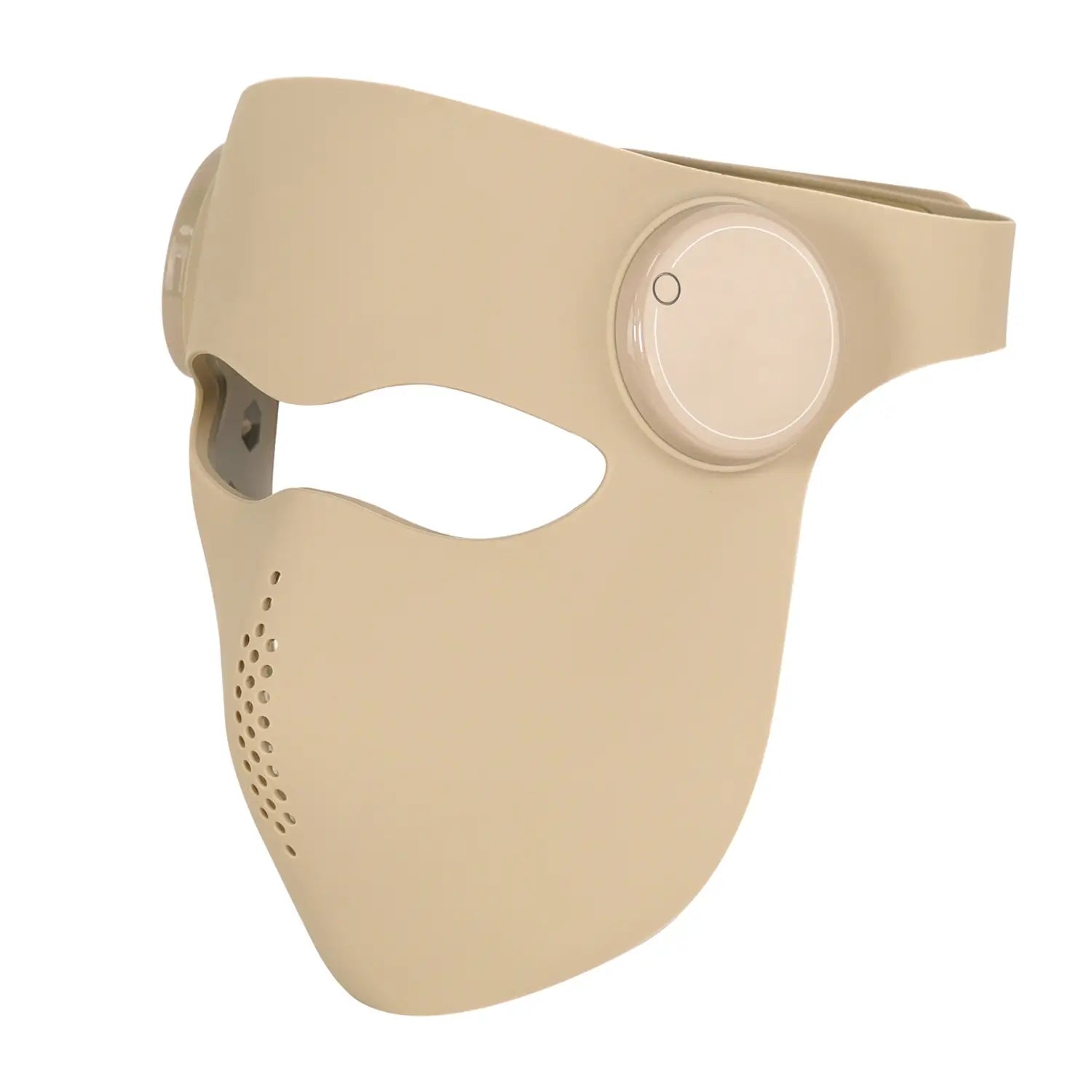
Different device types fit different realities.
Device type |
Fit for police lifestyle |
Notes from research and practice |
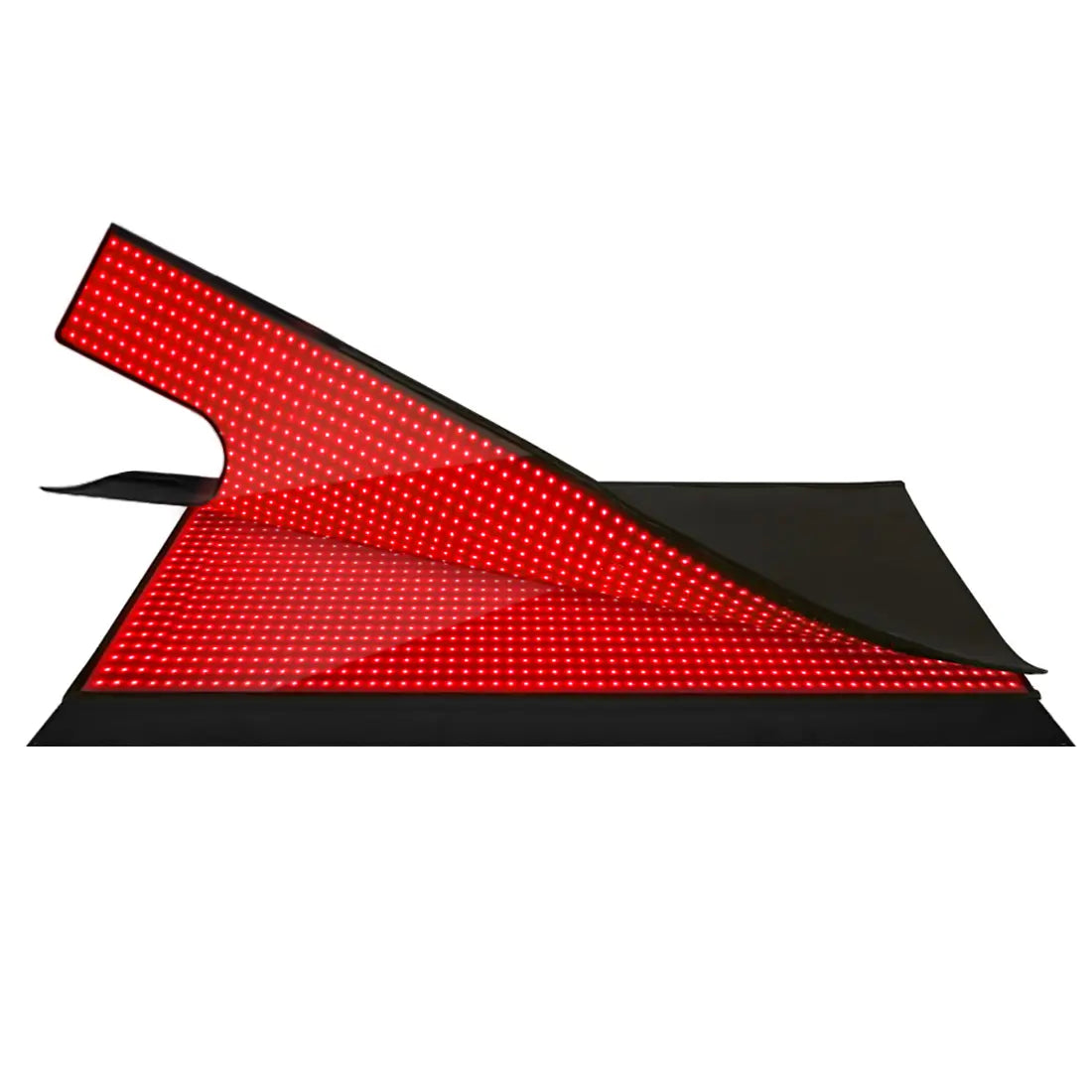
Full‑body beds |
Best for officers with access to wellness centers or gyms that offer recovery services between shifts or on days off |
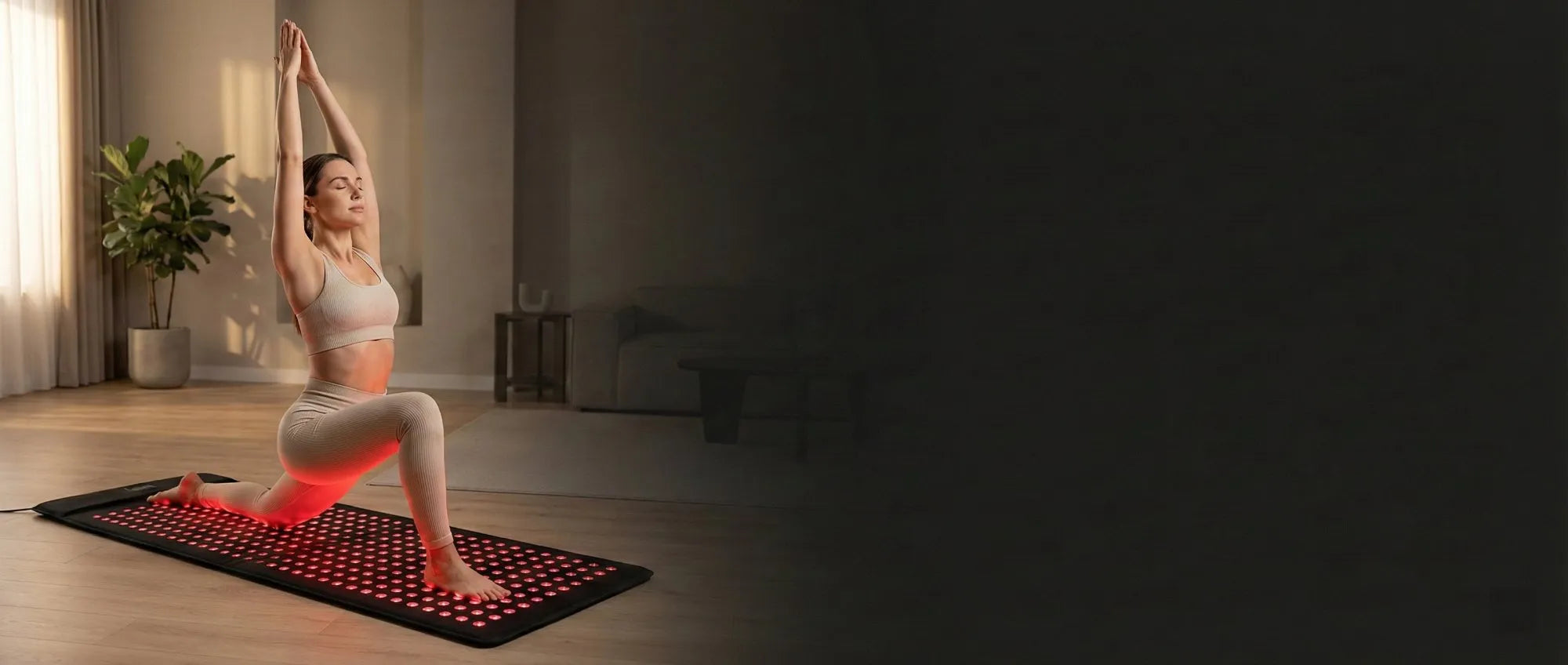
Fitness and wellness providers report ten to twenty minute sessions for whole‑body recovery, inflammation reduction, circulation, and skin benefits |
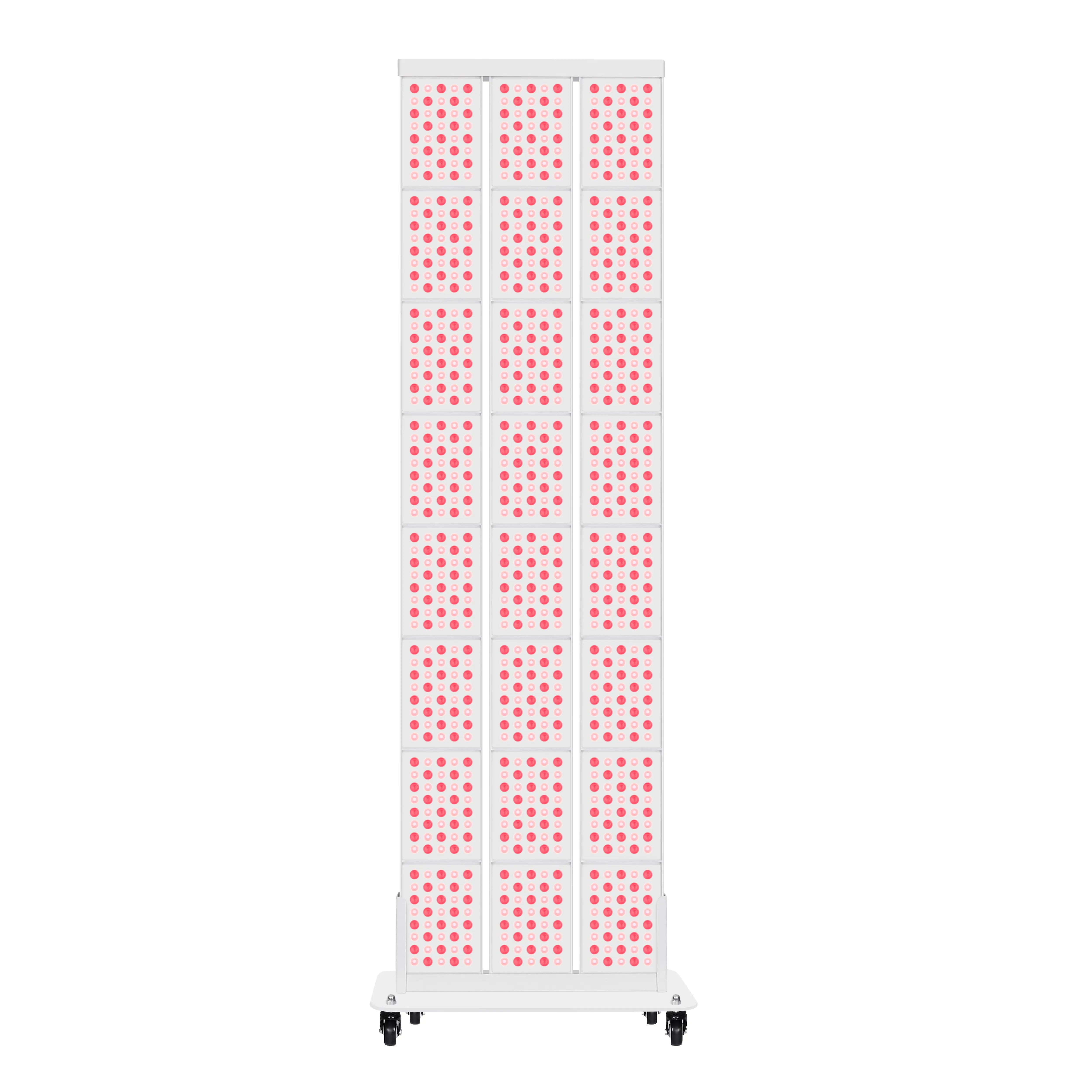
Wall or stand‑mounted panels |
Most realistic for home use; can be used while standing or sitting before or after shifts |
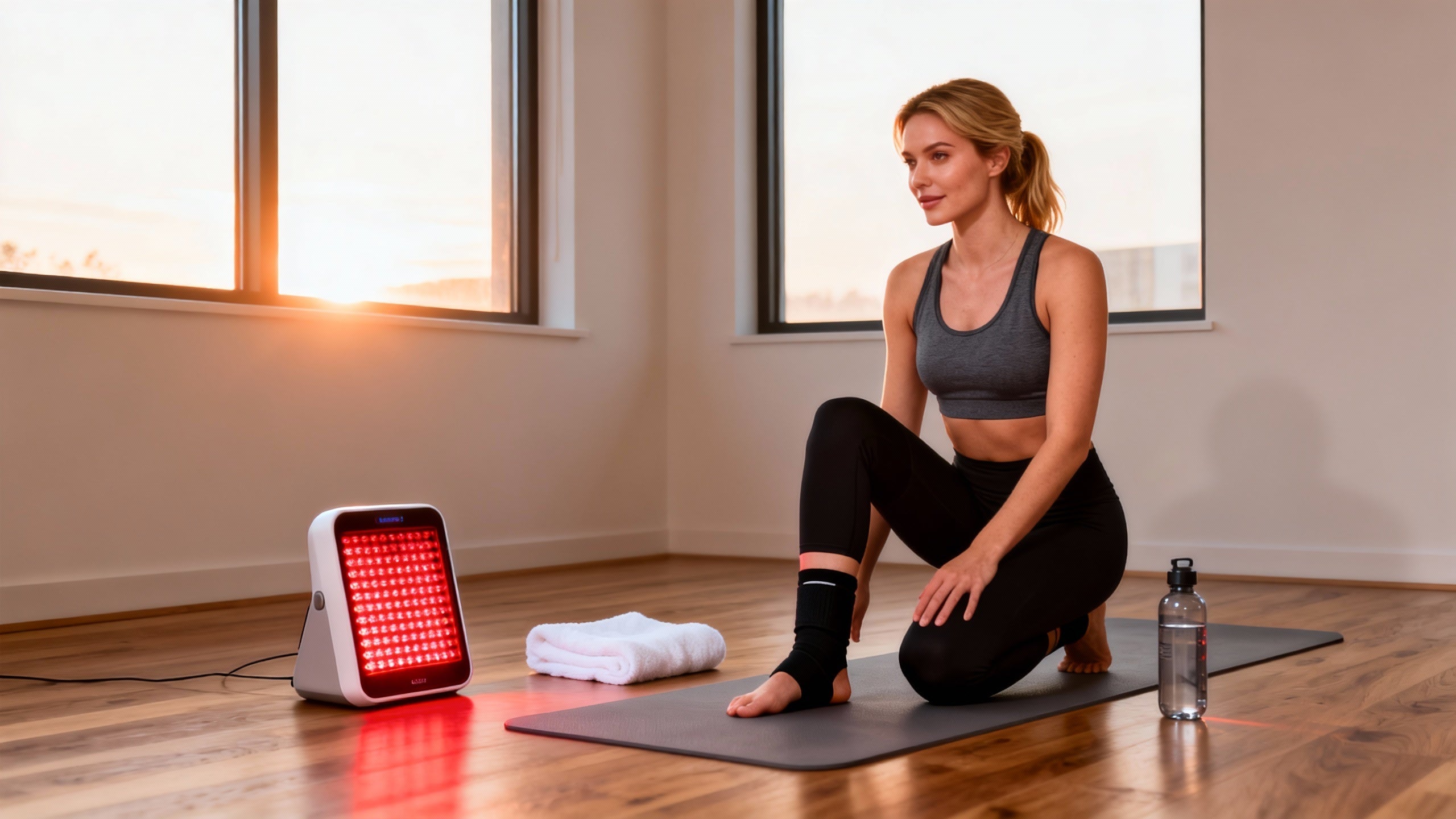
Active Wellness and several chronic fatigue protocols highlight these as cost‑efficient, allowing pre‑ and post‑workout or post‑shift exposure for large areas like the back and legs |
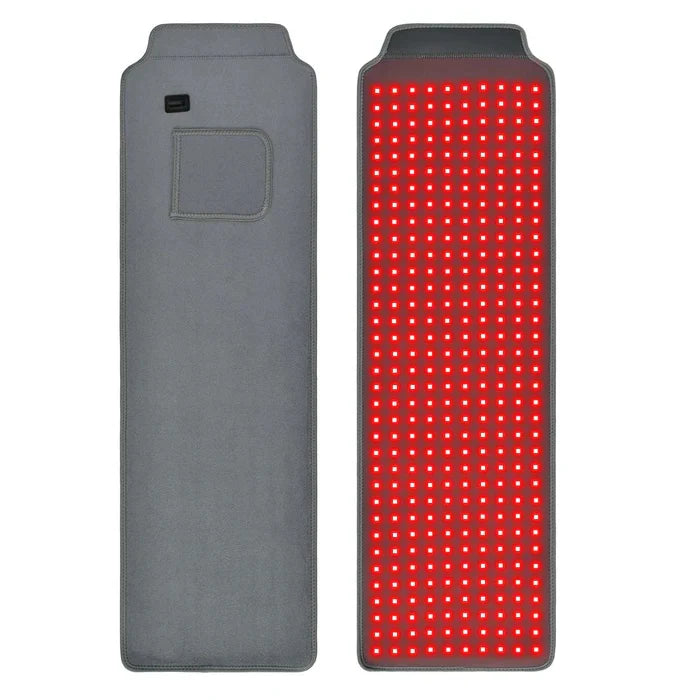
Smaller panels or wands |
Useful for targeting specific problem areas such as knees, shoulders, or the lower back |
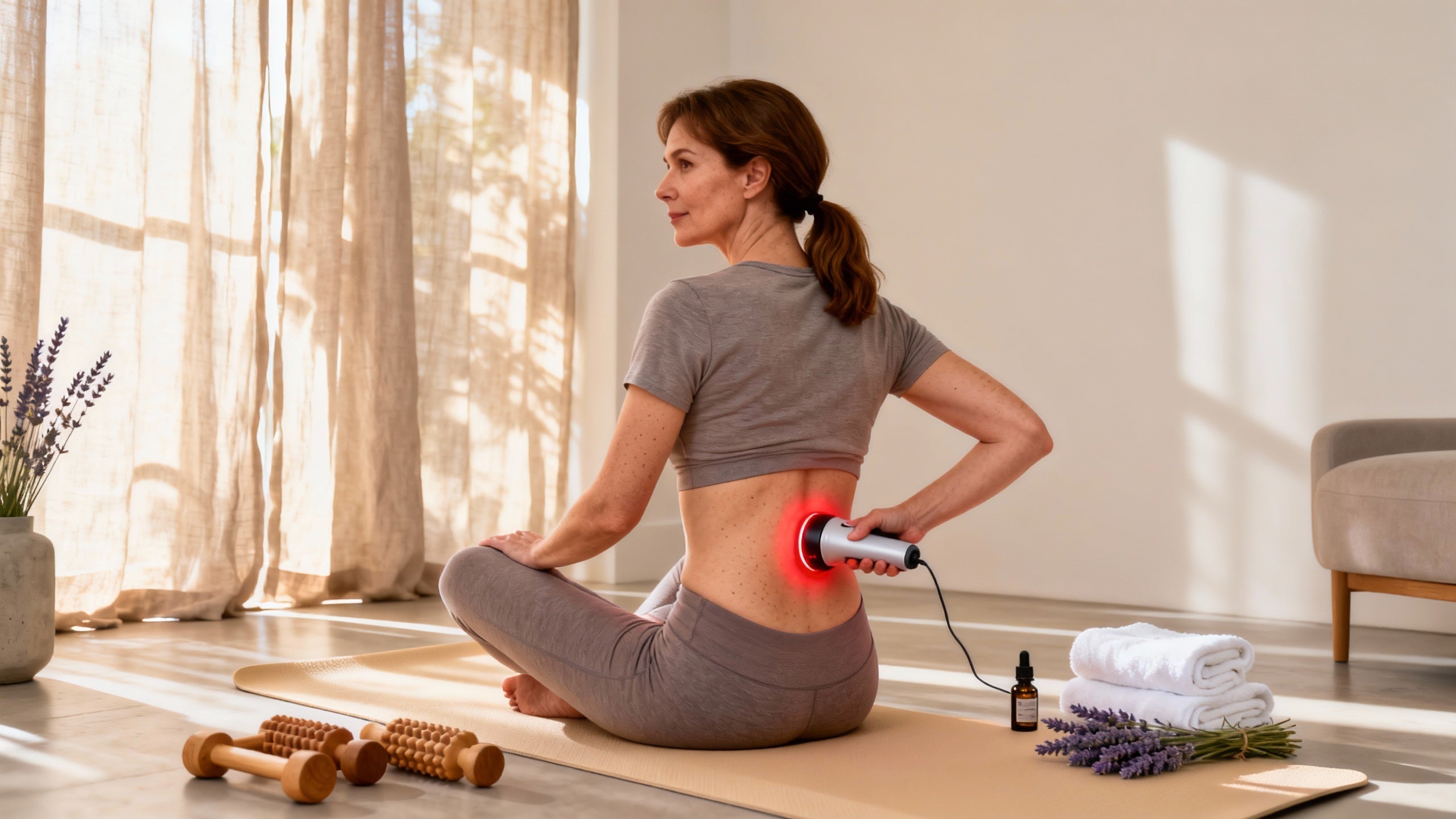
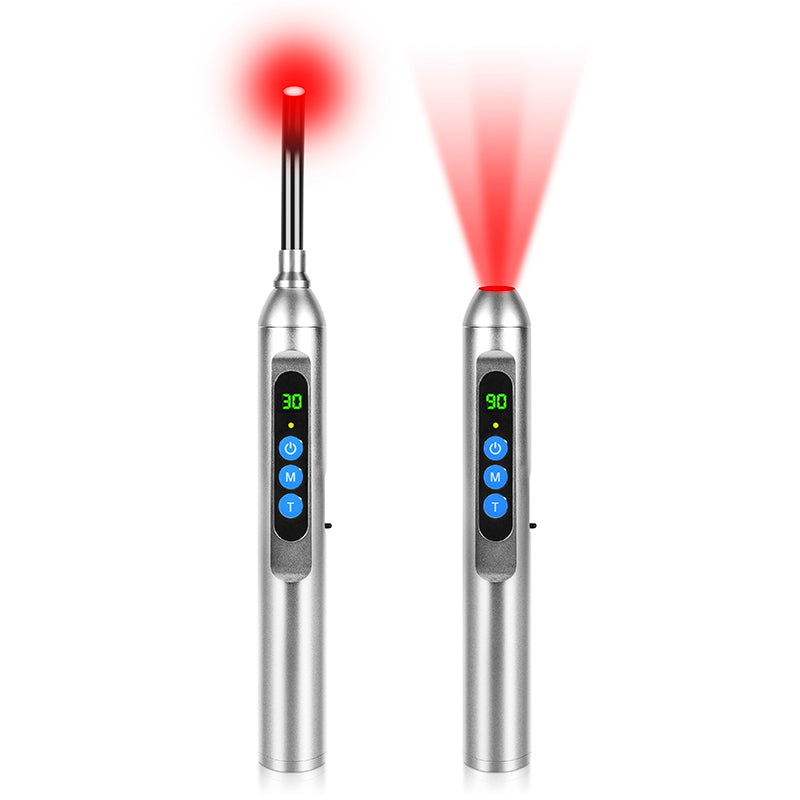
WebMD and other sources note these are common for localized joint or muscle pain, facial skin issues, and small injury sites |
Red‑light saunas |
Combine infrared heat with red and near‑infrared light, appealing for officers who already use saunas for stress relief |
Wellness centers report these modalities as powerful stacks for detoxification, circulation, relaxation, and cellular support; duration and heat load must be matched to the individual |
Whatever device you choose, a few operating principles emerge across the literature. Start with shorter sessions and lower intensity, then only increase duration as you see how your skin and energy respond. Use proper eye protection, especially with brighter panels and beds. Track your own outcomes rather than relying on marketing claims; a simple notebook or app where you log sleep, soreness, and energy for eight to twelve weeks can tell you far more than a single session impression.
Pros and Cons for Fatigued Officers
Red light therapy’s appeal for police is obvious once you map it to operational demands. Sessions are relatively short, the therapy is passive, and you can combine it with breathing or relaxation practices. The same device can support sore knees after a foot pursuit, a stiff back from driving, and skin irritated by gear or protective equipment.
On the plus side, evidence is strongest for areas that matter every day in law enforcement: reduced pain and inflammation, improved joint comfort, faster soft‑tissue recovery, and better skin health. Thousands of studies summarized by organizations such as Unbroken Body Chiropractic and medical reviews cited by WebMD and UCLA Health point toward consistent benefits in these domains when protocols are matched well to the individual. Mechanistically, the therapy targets mitochondrial energy production, blood flow, and inflammatory signaling, all of which are central to recovery.
For fatigue, energy, sleep, and cognitive clarity, the story is more nuanced. There is promising but early evidence in chronic fatigue and dementia, plus substantial anecdotal reporting from wellness and regenerative medicine clinics. A chronic fatigue protocol from Koze Health and experiential reports from Prism Light Pod, The Hydration Station, and others point toward improvements in daily energy and sleep over weeks of consistent use. At the same time, the ME Association’s caution and the limited size and quality of fatigue‑specific studies remind us that red light therapy should not be framed as a proven treatment for deep, systemic fatigue syndromes.
On the downside, cost and access matter. WebMD reports that in‑clinic sessions can cost around eighty dollars per visit, and meaningful benefits usually require ongoing sessions over weeks or months. At‑home panels and beds involve a higher upfront cost even though they may be more efficient long term. Insurance rarely covers red light therapy for fatigue or wellness; coverage may occasionally exist for specific pain conditions but not as a rule.
There is also the risk of distraction. It is tempting to chase biohacks while ignoring fundamentals that are harder to fix, such as shift scheduling, consistent strength training, nutrition, and trauma‑informed mental health support. Red light therapy can amplify recovery inputs; it cannot replace them.

FAQ for Officers Considering Red Light Therapy
Can red light therapy replace sleep for police officers?
No. Nothing in the literature suggests that red light therapy can substitute for adequate sleep. At best, it may help your body make more efficient use of the sleep and downtime you do get by supporting mitochondrial function, reducing inflammation, and avoiding additional circadian disruption. Clinics that work with chronic fatigue emphasize improved sleep quality over time, not the ability to get by on less sleep.
Is standing in front of my patrol car’s red and blue lights the same thing?
Absolutely not. Therapeutic devices use steady red and near‑infrared light at specific wavelengths and intensities, designed to be non‑damaging and biologically beneficial. Emergency vehicle lights mix intense colors, including blue wavelengths that are well known to suppress melatonin and disrupt sleep. They also flash rapidly, creating a very different stimulus for the nervous system. If anything, minimizing off‑duty exposure to flashing emergency lights and screens at night, while using controlled red light in your sleep routine, is a more recovery‑friendly approach.
If I already use an infrared sauna, does adding red light make sense?
Infrared saunas and red light therapy overlap but are not identical. Saunas primarily use heat to promote sweating, circulation, and relaxation. Some modern systems incorporate red and near‑infrared LEDs into the cabin, combining thermal and photobiomodulation effects. Wellness centers report that this combination can be powerful for detoxification, stress reduction, and tissue recovery, provided the total heat load fits your cardiovascular status. If you already tolerate sauna well, adding red light through built‑in panels or separate sessions can complement that routine, but it still should be treated as an adjunct to sound training, nutrition, and sleep.
How long should I try red light therapy before deciding if it helps my fatigue?
Most protocols described in chronic fatigue and sports recovery sources talk in terms of weeks, not days. Koze Health mentions that many people notice improved energy and pain relief after two to four weeks of consistent use, with more substantial changes in sleep quality and cognitive symptoms over eight to twelve weeks. Recoverie and Active Wellness see clear shifts in soreness, inflammation, and daily energy after about ten sessions. A reasonable self‑experiment for an officer might be eight to twelve weeks of regular sessions, two to five times per week depending on access and goals, paired with simple tracking of sleep, soreness, mood, and on‑shift alertness. If you see no meaningful change after that, red light therapy may not be the lever your body responds to.
Closing Thoughts from a Light Therapy Geek
If you live your life in uniform, you are already pushing biology to its edges. Red light therapy is not a magic fix for that reality, but it is one of the rare “biohacks” that is genuinely grounded in cellular physiology, backed by thousands of studies in pain, skin, and recovery, and increasingly explored in fatigue and brain health.
Used wisely—alongside good training, smart sleep strategies, and real psychological support—it can become a quiet force multiplier for your recovery. My advice as a veteran wellness optimizer is simple: respect the science, respect your body’s feedback, run a thoughtful experiment, and let your own data decide whether this tool earns a place in your duty‑day toolkit.
References
- https://clinicaltrials.gov/study/NCT06145867
- https://pmc.ncbi.nlm.nih.gov/articles/PMC10546268/
- https://www.mdanderson.org/cancerwise/what-is-red-light-therapy.h00-159701490.html
- https://my.clevelandclinic.org/health/articles/22114-red-light-therapy
- https://www.uclahealth.org/news/article/5-health-benefits-red-light-therapy
- https://www.physio-pedia.com/Red_Light_Therapy_and_Muscle_Recovery
- https://www.recoverienyc.com/glow-up-how-red-light-therapy-transforms-your-skin-and-well-being
- https://212medspa.com/6-ways-red-light-therapy-can-improve-your-health/
- https://activewellness.com/red-light-therapy-the-science-backed-secret-to-better-recovery-energy-and-longevity/
- https://www.amira-health.com/post/exploring-the-benefits-of-red-light-therapy-revitalize-your-skin-boost-energy-and-enhance-recover