
The Practical Answer: Who It’s For, What It Can (and Can’t) Do
💡 Quick Take: Red light therapy (photobiomodulation) is best suited for aging dogs experiencing stiffness, joint discomfort, or slow recovery. It is not a cure but a tool to support blood flow and comfort. Always consult a veterinarian first.
What should a first-time pet owner do if budget is limited?
If you cannot afford a high-end clinic laser package, a conservative at-home routine using an LED device is a valid starting point. The key is consistency over intensity. Many pet owners start with a small, targeted device for specific joints and commit to a daily 5–10 minute session.
How to talk about benefits (Realistic Expectations)
It is important to manage expectations. At-home devices are designed for wellness support, not medical treatment. Instead of looking for a "cure," focus on observing small quality-of-life improvements, such as standing up more easily or hesitating less on stairs.
Shop the setup that fits your dog’s routine
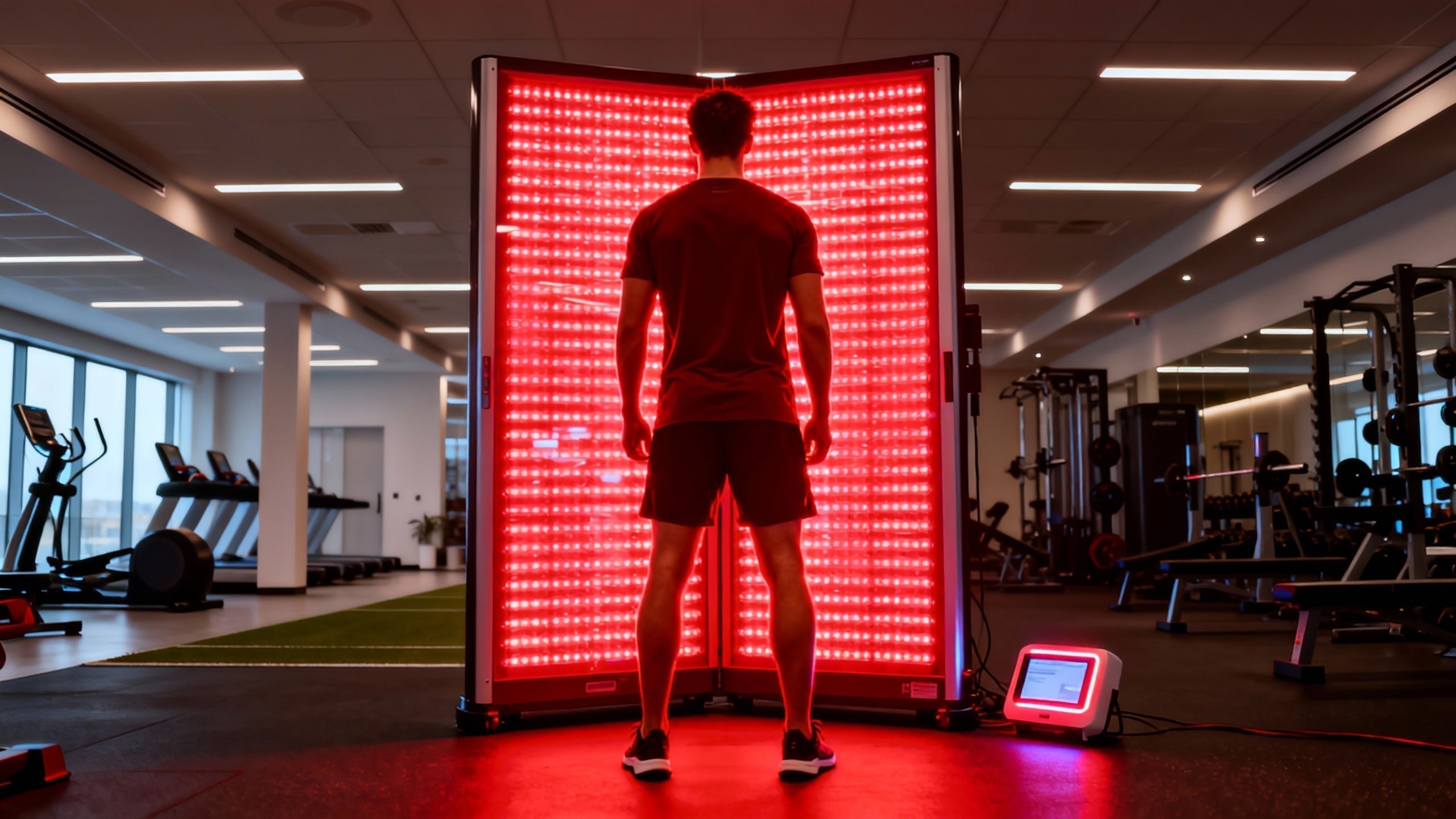
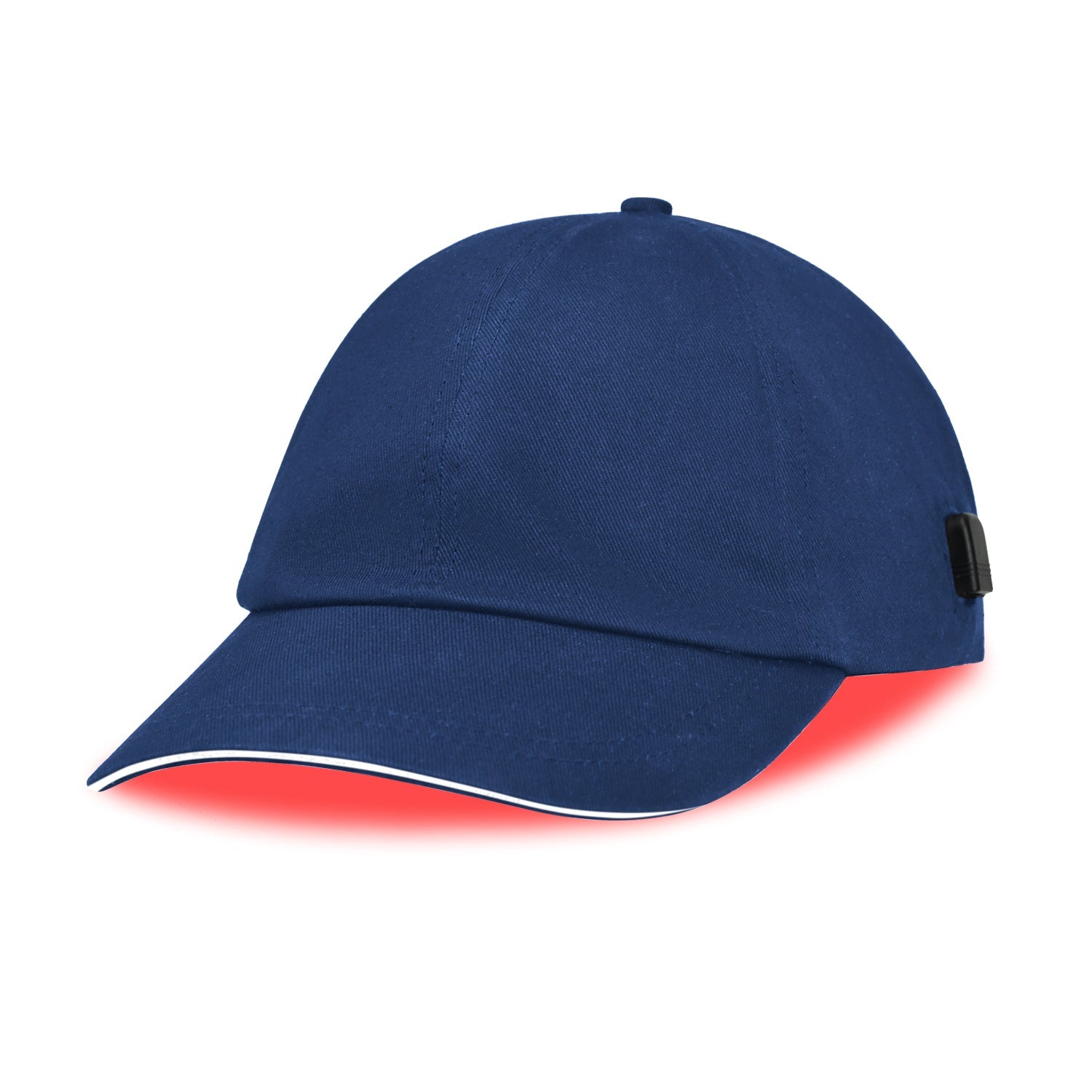
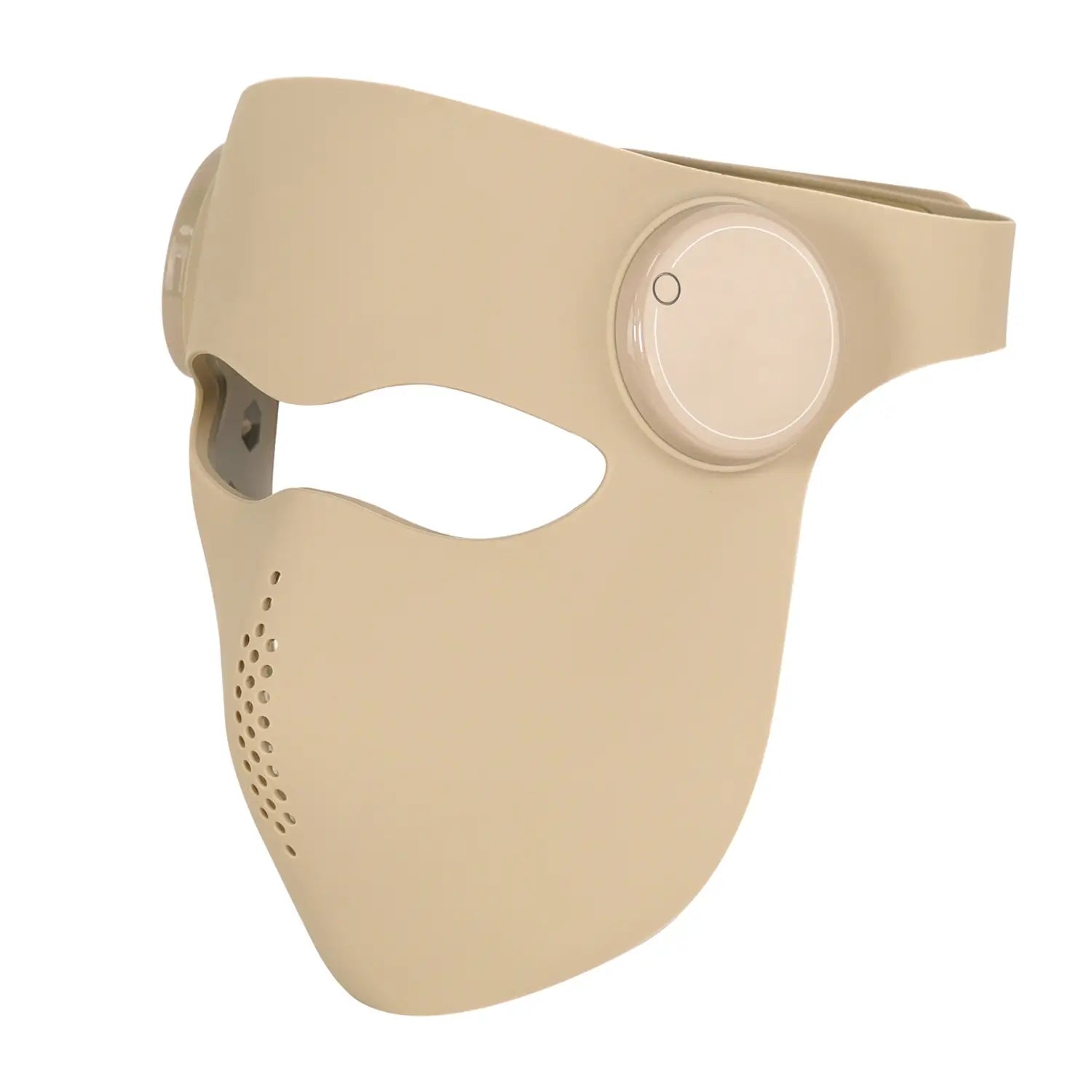
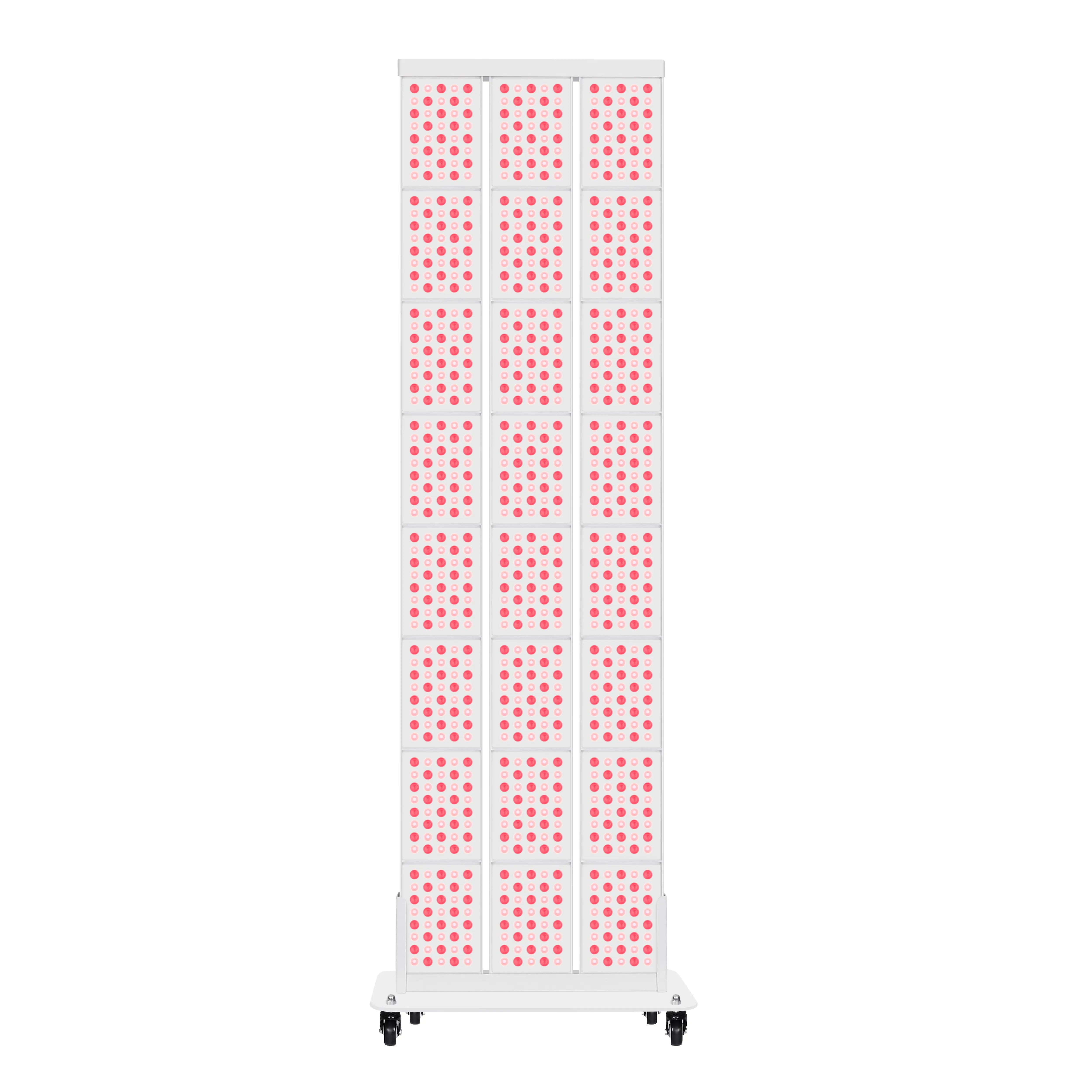
Choose the tool that matches your home layout and your dog's patience level.
PBMT in Plain Language: What “Red” vs “Near-Infrared” Means
💡 Quick Take: "Red" light (660nm) treats the skin surface. "Near-Infrared" (850nm) penetrates deeper to support muscles and joints. Most devices combine both.
What red light is commonly used for (Surface)
Visible red light helps support local circulation in the skin layers. However, thick fur can block a significant amount of visible light, which is why device positioning matters.
What near-infrared is commonly used for (Mobility)
Near-infrared (NIR) light is invisible but is the "workhorse" for mobility support. As explained in the Merck Veterinary Manual, NIR wavelengths are typically chosen for their ability to penetrate deeper through tissue. Furthermore, clinical reviews in Today’s Veterinary Practice (2019) highlight NIR as the primary choice for addressing joint stiffness. If some LEDs look "off," that’s likely the NIR working.
“Deeper” light and real expectations
Light loses energy as it travels through fur. A device held 6 inches away delivers less energy than one held close. Research by Alves et al. (2022) indicates that consistent, closer application (within safety limits) helps overcome the "fur barrier" better than high-powered lights held from across the room.

Safety Boundaries: The 3 Rules for At-Home Sessions
💡 Safety First: 1. Protect the eyes (no direct exposure). 2. Monitor for heat (check with your hand). 3. Respect the dog's limits (stop if stressed).
🚫 Eye Safety
Unlike humans, dogs won't close their eyes. The 2022 AAHA Guidelines emphasize avoiding direct eye exposure. Always position the device behind the head.
🔥 Heat Check
Put your hand in front of the light first. If it’s too hot for your hand, it’s too hot for your dog.
🧘 Calm Positioning
Use treats. Don't force it. Consider a hands-free belt if they are wiggly.
Dose, Distance, and Frequency: The Real Driver of Results
💡 Quick Take: Consistency beats intensity. Typical start: 5–10 minutes, 3–4 times per week. "More" is not always better.
Why “more is not always better”
Biological tissues have a "sweet spot" for light absorption. This concept, described as the biphasic dose response in studies by Mosley et al. (2022), suggests that overdosing light—sessions that are too long or intense—may not produce better results and could even be counterproductive.
Typical conservative ranges
- Frequency: Daily for 1-2 weeks, then 2-3 times/week.
- Time: 5 to 10 minutes per area.
- Read more: How long should sessions be?
| Week | Stiffness (1-10) | Walk Interest | Stairs Ability |
|---|---|---|---|
| (Example) Wk 1 | 8/10 (Slow to rise) | Low (Stops early) | Struggle |
| Week 1 | |||
| Week 2 | |||
| Week 3 |
Copy this log to track your dog's trends over 30 days.
Decision Matrix: Choosing the Right Device
| Device Type | Best For | Why it fits a Dog | Watch-outs |
|---|---|---|---|
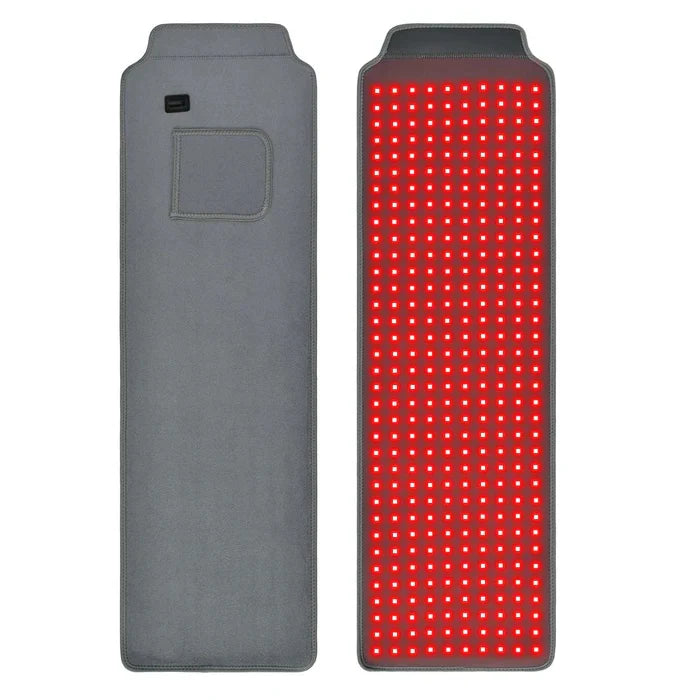
| Wrap / Belt | Hips, Spines | Hands-free; good contact. | Must fit snugly; don't let them chew it. |
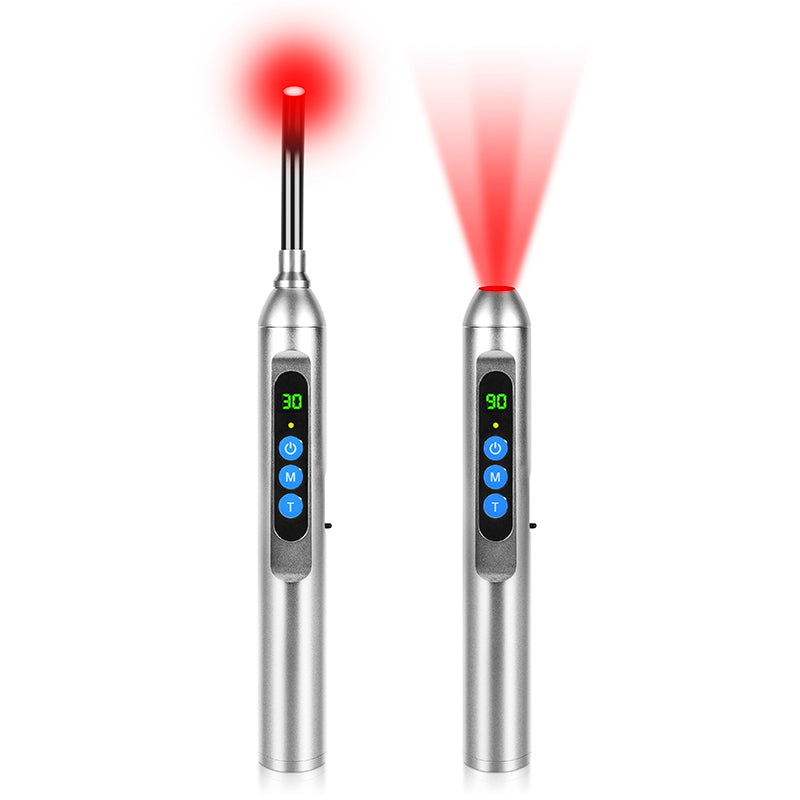
| Mini Handheld | Paws, Elbows | Targeted control; easy to aim. | Arm fatigue (you must hold it). |
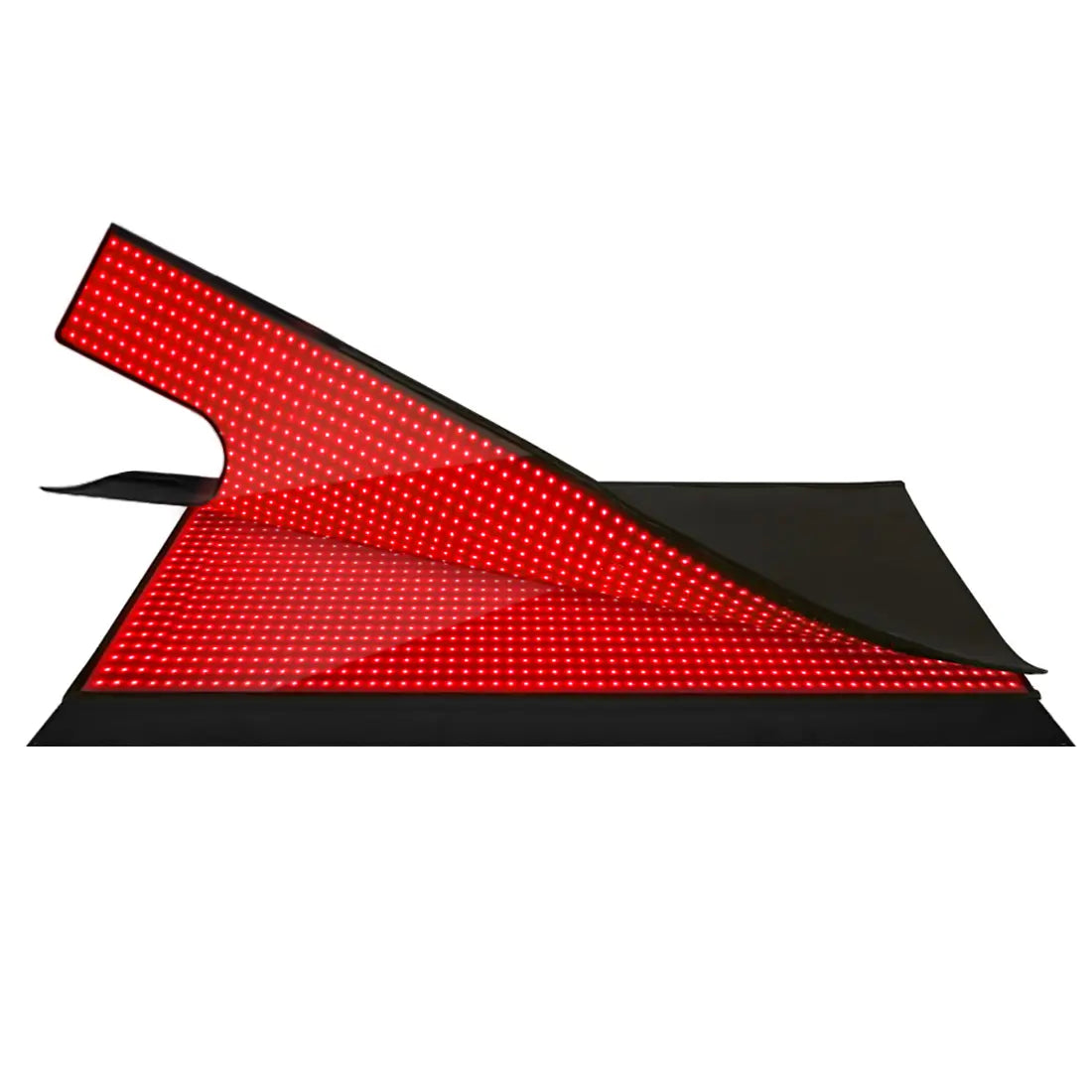
| Therapy Mat / Pad | Whole Body, Relaxation | Easiest compliance. Dog just sleeps on it. | Hygiene (ensure it's cleanable). |
Deep dive: Read our science guides →
Buying Checklist (Beyond Power)
Fans can scare dogs. Look for quiet models.
Essential for safety so you don't over-treat.
Safer; prevents tripping hazards.
3 At-Home Routines That Feel Like a Habit
1. Hip & Knee Comfort (Beginner)
Use a red light therapy belt while they lie on their bed. Give a long-lasting chew treat to keep them still for 10 minutes.
2. Elbow Targeting
Use a portable mini panel held 1-2 inches from the joint for 5 minutes after a walk.
3. The "Nap Time" Routine (Therapy Mat)
If you have a red light mat or sleeping bag:
- Place the mat in their favorite sleeping spot.
- Encourage them to lie down (treats help!).
- Turn on the mat for 10-15 minutes while they snooze.
- No holding required—it treats the whole body at once.

Build a Routine You Can Stick To
Consistency beats "perfect settings." Shop the collection:
FAQ – Red Light Therapy for Dogs
Q: Can I use my human red light therapy device on my dog?
A: Generally, yes. The technology (LEDs emitting 660nm/850nm) is the same. However, ensure you monitor the heat output and start with shorter sessions.
Q: How is this different from the cold laser my vet uses?
A: Vet clinics use "Class IV" lasers that deliver energy very quickly. Experts at VCA Hospitals note that while clinic lasers are powerful, at-home LED devices rely on the cumulative effect of frequent, lower-power sessions.
Q: Will the light work through thick fur?
A: Fur does block light. This is why distance matters. Placing the device in contact with the fur (or using a wrap/mat) helps wavelengths penetrate closer to the skin.
Q: Is red light therapy safe for dogs with cancer?
A: No. Research, such as studies reviewed by Looney et al. (2018), indicates a theoretical risk that increased blood flow could stimulate cancer cells. Always consult your oncologist.
Q: How long does it take to see results in mobility?
A: There is no guaranteed timeline. Some owners report a "perkier" dog within a week, while structural support typically requires 4–6 weeks of consistent use.
Q: Can I use red light therapy every day?
A: Yes, daily use is common during the initial "induction phase" (first 1-2 weeks). After that, many owners scale back to a maintenance schedule of 3–4 times per week.
Conclusion: A Simple Framework
Supporting an aging dog doesn't require a medical degree, but it does require patience. Stick to safety boundaries and provide meaningful support for their mobility at home.
Need help choosing? Contact our team for a personalized recommendation.