
The pelvis rarely gets the attention it deserves until something goes wrong. Chronic discomfort, sluggish recovery after childbirth, and nagging core tension are often rooted in pelvic health, yet the topic stays well below the radar in most wellness conversations. As more people seek non-invasive ways to support tissue recovery and long-term comfort, red light therapy is drawing serious interest from clinicians and everyday users alike.
Disclaimer: This article is for informational purposes only and does not constitute medical advice. Consult a qualified healthcare professional for any pelvic health concerns.
Why Pelvic Health Plays a Bigger Role Than Most People Realize

The pelvic floor is a layered network of muscles, ligaments, and connective tissue spanning the base of the torso. It supports the bladder, bowel, and reproductive organs while playing a central role in posture, core stability, and spinal load distribution. Its warning signs don't always point directly to the pelvis either — by the time the source is identified, the dysfunction has often been building for months.
Who It Affects
Roughly one in three women experiences pelvic floor issues at some point in life, and the numbers are not negligible for men. Common conditions include:
- Urinary incontinence and pelvic organ prolapse
- Chronic pelvic pain and post-surgical recovery challenges
- Postpartum tissue damage and muscle dysfunction
- Chronic prostatitis in men, which frequently involves localized pelvic inflammation
Why It Goes Unnoticed
The pelvic floor operates under constant load throughout the day, bearing the weight of abdominal organs, absorbing forces during movement, and coordinating with the diaphragm and deep spinal muscles during breathing. Yet symptoms rarely announce themselves clearly. Hip flexor tightness, unexplained lower back fatigue, and even disrupted digestion can all reflect underlying pelvic stress. That gap between cause and symptom is exactly why pelvic health deserves the same proactive attention given to cardiovascular fitness or mobility training.
How Circulation and Tissue Recovery Affect the Pelvic Area
Healthy tissue repair depends entirely on blood flow. Circulation delivers oxygen and nutrients to damaged cells, clears metabolic waste, and carries the signaling molecules that coordinate healing. When blood flow is consistently low, recovery stalls, muscle tension accumulates, and connective tissue gradually loses elasticity.
The pelvic region presents a specific challenge here. Deep pelvic muscles and fascia are not easily reached by surface-level movement, and they don't benefit as directly from cardiovascular exercise as larger peripheral muscle groups do. For people recovering from childbirth, pelvic surgery, or extended periods of sedentary work, these tissues can remain under-perfused for a long time.
The Role of Chronic Inflammation
Acute inflammation is a normal healing response. Chronic low-grade inflammation in pelvic tissue is a different problem. It doesn't resolve on its own, and over time it contributes to:
- Muscle guarding and fascial restriction
- Sensitized nerve pathways that amplify pain signals
- Impaired tissue regeneration cycles
Reducing this persistent inflammatory state, alongside improving local circulation, forms the physiological basis for meaningful pelvic recovery. These two factors reinforce each other: better blood flow reduces the stagnation that feeds inflammation, and reduced inflammation allows blood vessels to function more efficiently.
What Makes Red Light Therapy Relevant for Core Body Support
Photobiomodulation works at the cellular level. When red and near-infrared light reach the mitochondria inside cells, they accelerate ATP production — the energy molecule cells use to repair membranes, synthesize proteins, and rebuild connective tissue. In chronically inflamed or poorly perfused areas, mitochondrial function is often suppressed, and this energy shortfall is a primary reason recovery drags on.
Two Wavelengths, Two Depths
| Wavelength | Penetration | Primary Benefit |
| 660nm Red | Skin and superficial tissue | Collagen synthesis, surface inflammation, elasticity |
| 850nm Near-Infrared | Muscles, joints, deep fascia | Circulation, deep tissue inflammation, nerve recovery |
For pelvic applications, the 850nm wavelength is particularly relevant. It stimulates nitric oxide production, which dilates blood vessels and improves perfusion in deep pelvic structures. Combined with the collagen-stimulating effects of 660nm light, consistent red light therapy for body recovery supports both the structural integrity and the functional capacity of pelvic floor tissue over time.
Common Situations Where People Focus on Pelvic Recovery
Pelvic recovery is not a single-demographic concern. The conditions that drive people toward targeted pelvic care are diverse, but several patterns appear consistently.
Postpartum Recovery
Childbirth places extraordinary mechanical and biological stress on the pelvic floor. Muscle tears, fascial damage, scar tissue formation, and disrupted nerve pathways can all result. Photobiomodulation accelerates soft tissue repair and reduces postpartum inflammation, supporting a faster return to comfortable daily function — particularly for those recovering from cesarean sections or significant perineal trauma.
Chronic Pelvic Pain Conditions
Endometriosis, interstitial cystitis, and vulvodynia involve persistent pelvic inflammation that is notoriously resistant to conventional treatment. For these populations, reducing the inflammatory load in pelvic tissues is a primary therapeutic goal, and low-level light therapy offers a non-pharmacological option to support that process daily.
Men's Pelvic Health
Chronic prostatitis affects a significant number of men under 50, involving sustained inflammation of the prostate and surrounding pelvic tissues. Improved local circulation and reduced tissue inflammation can meaningfully ease the daily burden of this condition.
Post-Surgical Recovery
Pelvic floor repairs, hysterectomies, and prostate procedures all involve significant soft tissue disruption. Scar tissue management, muscle re-activation, and collagen remodeling are central to the recovery process — all of which align with what photobiomodulation's documented mechanisms directly support.
How Red Light Therapy Is Used at Home for Targeted Support

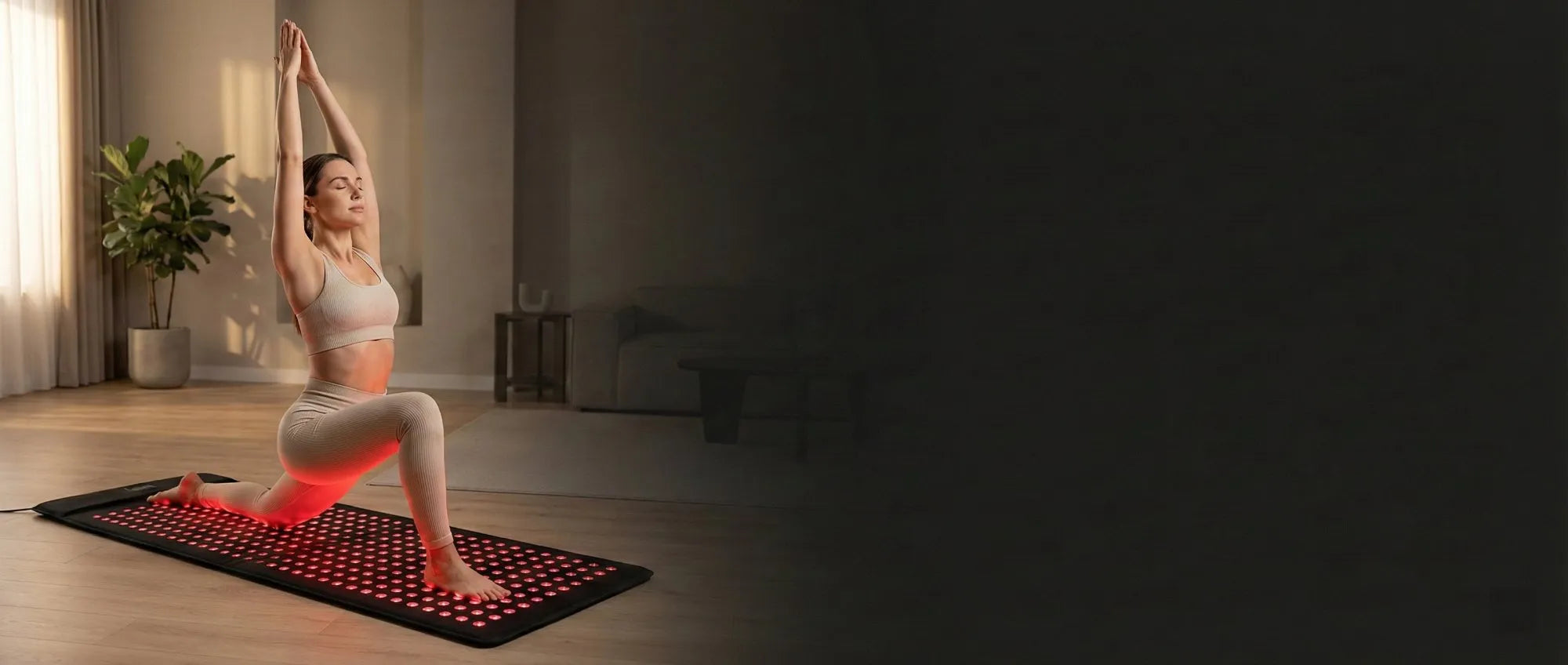
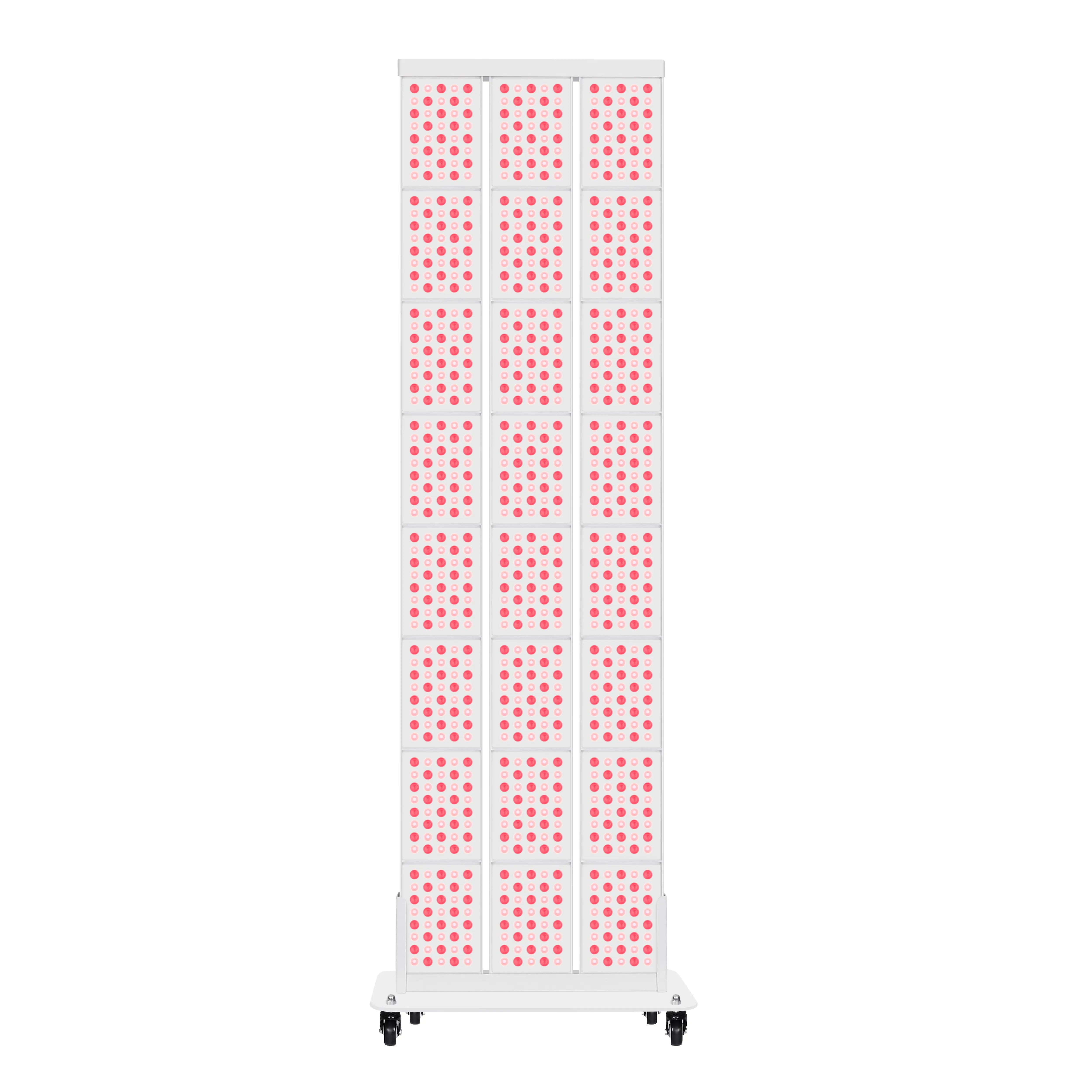
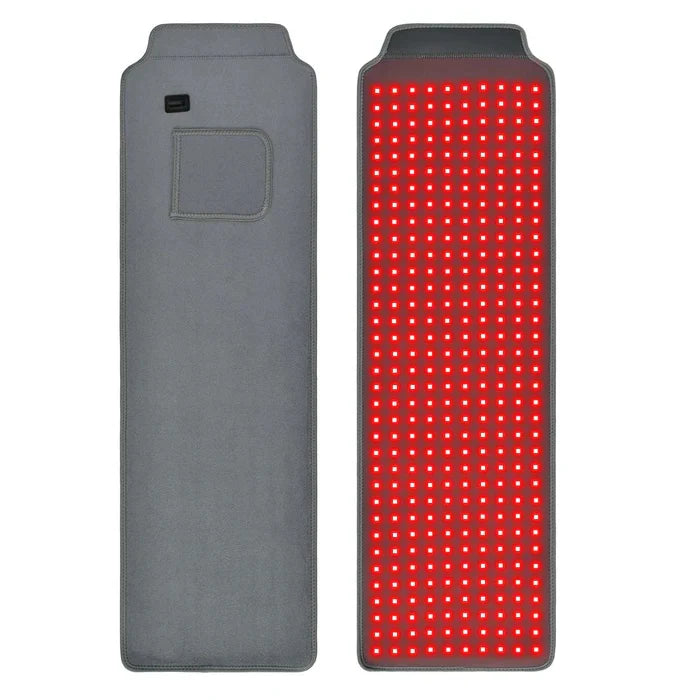
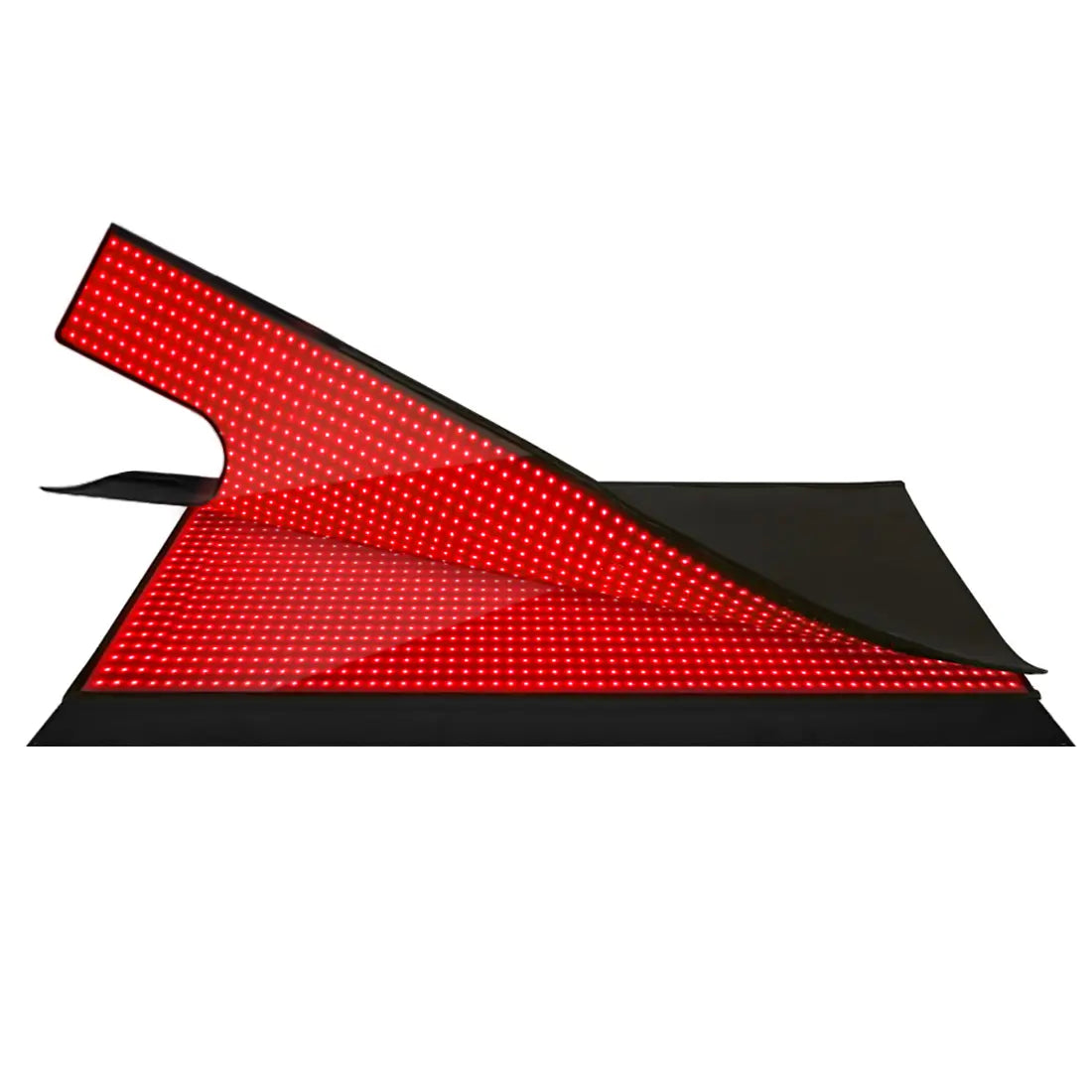
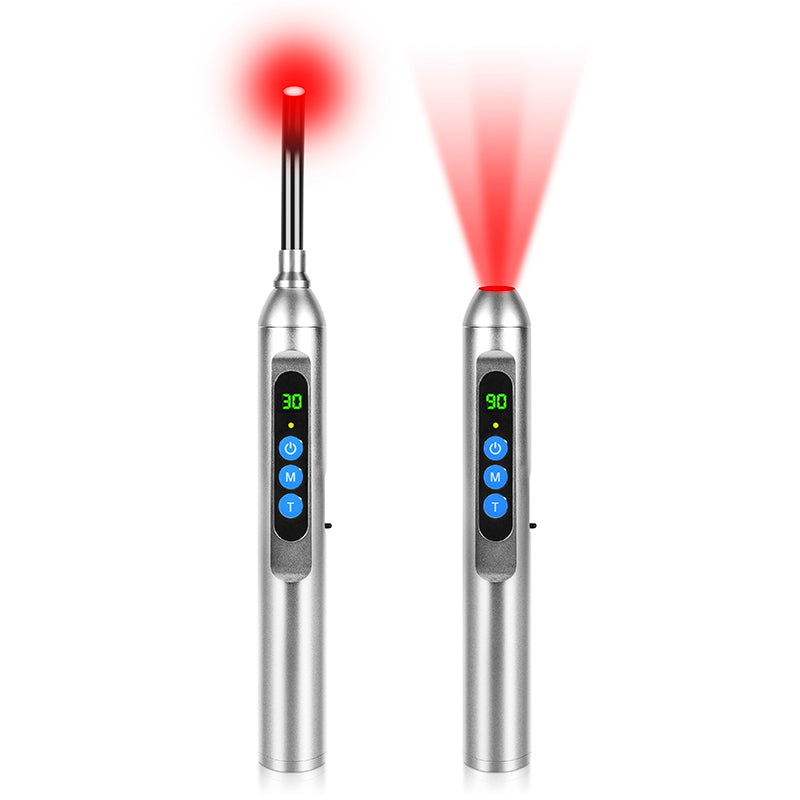
Home-use devices today deliver the same core wavelengths used in clinical settings, at irradiance levels sufficient to reach deep tissue when used correctly. For pelvic health, the most practical formats are flexible therapy belts and full-body panels or mats.
A therapy belt positioned over the lower abdomen, hip flexors, or sacral region places the light source in direct proximity to pelvic structures. Full-body mats offer a broader approach, useful for people managing systemic inflammation alongside targeted pelvic support.
Getting the Most From Home Sessions
Consistency matters far more than session length. A few practical points make a meaningful difference:
- Position the device within 2 to 6 inches of the skin to maximize irradiance delivery
- Aim for 10 to 20 minutes per session, three to five times per week
- Pair sessions with gentle pelvic floor activation immediately after, when local circulation is elevated
- Track progress in four to six-week cycles, as photobiomodulation effects accumulate gradually
Support Long-Term Pelvic Comfort Through Consistent Care
Pelvic health responds to steady, cumulative effort. No single session produces lasting change, but a reliable routine built around circulation support, inflammation management, and tissue regeneration does. Red light therapy fits naturally into that kind of routine — low effort, non-invasive, and usable at home on a flexible schedule. Those who want to try red light therapy at home can also consider options such as YouLumi.
FAQs about Pelvic Red Light Therapy
Q1: Are there specific contraindications for pelvic red light therapy?
Yes. Individuals with active pelvic malignancies or those currently pregnant should avoid direct application. While red light stimulates healthy cell growth, its impact on cancerous tissues or fetal development lacks extensive long-term clinical data, making professional medical clearance mandatory before starting a targeted pelvic treatment.
Q2: Can I wear clothing during a red light therapy session?
No. For maximum efficacy, the light must have direct contact with the skin. Fabrics, particularly dark or dense materials, block and reflect the majority of photons. To ensure the 850nm wavelengths reach deep pelvic fascia, the treatment area should be completely uncovered during the session.
Q3: Should the treatment area feel hot during the session?
No. Red light therapy is a non-thermal process known as photobiomodulation. While the LEDs may emit a slight, soothing warmth, you should never experience a burning sensation. High heat suggests the device is too close or poorly ventilated, potentially risking skin irritation rather than healing.
Q4: Does red light therapy replace professional pelvic floor physical therapy?
No. It is a complementary tool designed to enhance clinical outcomes. While physical therapy focuses on muscle mechanics and coordination, red light addresses cellular energy and inflammation. Using the device before a PT session can improve tissue elasticity and blood flow, making manual exercises more effective.
Q5: Is it safe to use the device multiple times per day for faster results?
No. This technology follows the "biphasic dose-response" rule, where excessive exposure can actually diminish benefits or cause cellular fatigue. Limiting use to once or twice daily allows the mitochondria to process the energy efficiently without inducing oxidative stress or hindering the natural recovery cycle.