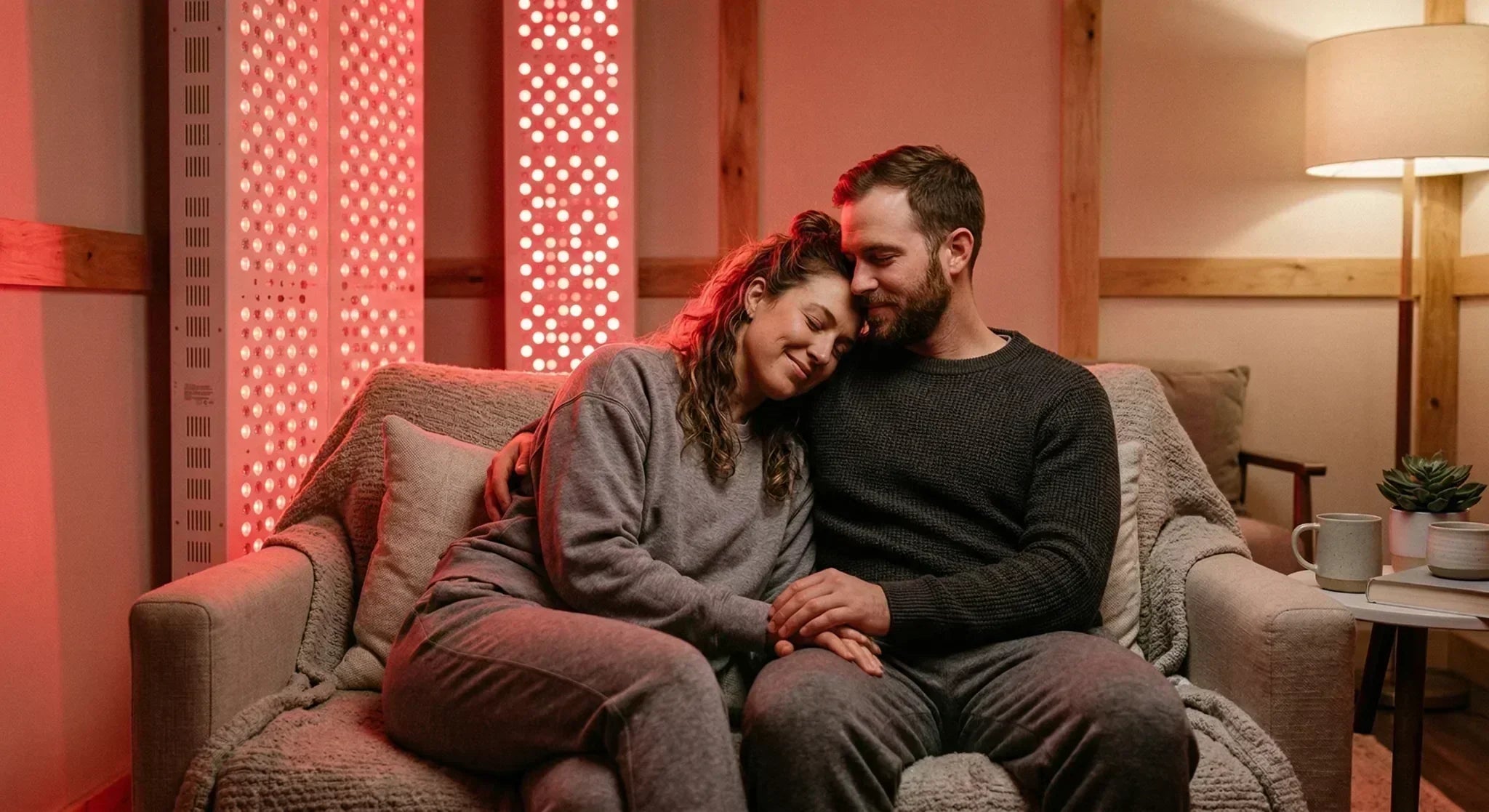
Yes, it can support sexual wellness for some people by promoting comfort and potentially supporting circulation, but it is not a direct or guaranteed libido booster. Sexual response depends on blood flow, nerve signaling, hormones, stress, and relationship context, so results vary widely. Red light therapy, often discussed under photobiomodulation, is best viewed as a low-risk wellness tool that may help your body feel warmer, calmer, and more responsive over time when used correctly. The most helpful approach sets realistic expectations, stays focused on external use near the pelvis, and tracks comfort and desire so you can judge whether it truly helps you.
How Blood Flow and Nerve Sensation Shape Libido
Libido has emotional and relational layers, yet the body still needs fuel and clear signals. Arousal involves vascular changes, nerve input, and muscle tone across the pelvis. When one link is strained, the whole experience can feel fragile.
The Circulation Side of Arousal
In men, an erection depends on a coordinated neurovascular process in which blood vessels open and erectile tissue fills. In women, arousal also includes increased genital blood flow and tissue swelling, and lubrication builds through multiple pathways. If circulation is constrained, it can show up as a slower warm-up, cooler tissues, or more friction discomfort during intimacy.
The Nerve Side of Arousal
Nerves translate touch into sensation and help coordinate vascular responses. When nerve signaling is impaired, arousal may feel muted or unpredictable. Diabetes related neuropathy is one example that can affect sexual response and comfort. Other contributors include pelvic floor overactivity, chronic pain patterns, postpartum changes, perimenopause, and medications that alter sensation.
Pelvic muscle guarding can also reduce sensation. When the nervous system expects discomfort, muscles tighten preemptively, which can lower comfort and reduce interest over time.

Which At-Home Red Light Therapy Devices Make Sense for Sexual Wellness

Device choice matters because comfort, coverage, and intensity differ widely. For sexual wellness support, most routines focus on external pelvic-adjacent areas that influence comfort: lower abdomen, hips, glutes, upper inner thighs (external), and the lower back.
What Research Suggests About Circulation
Photobiomodulation has been studied across skin, recovery, pain, and other areas, and some evidence supports vasodilation effects and nitric oxide-related signaling. Even so, consumer devices vary, and optimal dosing remains unsettled across many applications. Treat bold promises about sexual performance cautiously.
If you are evaluating “at-home red light therapy devices,” keep the goal narrow: support comfort, relaxation, and tissue readiness.
Choosing a Device by Use Case
A red light therapy panel works well for broad coverage of the lower back, hips, and lower abdomen. A wrap or belt can feel easier for consistent placement on the sacrum or lower belly. A mat or pad fits relaxation and sleep routines, which can indirectly support sexual wellness through stress reduction and better rest.
A Credibility Checklist
Marketing can be loud. These checks help you shop with less regret.
- Clear specs for wavelength and intensity, plus straightforward usage instructions
- A return policy you can live with
- No promises about curing erectile dysfunction or “rejuvenation.”
- Eye safety guidance for bright panels
- A design that supports comfortable positioning for the areas you plan to use
How to Use Red Light Therapy Comfortably on Sensitive Areas

This topic often feels awkward, so clarity helps. Comfort and skin tolerance matter most, intensity comes second. Irritation tends to increase guarding, which can pull libido down.
Comfort-First Placement
Keep sessions external and focus on surrounding regions: lower abdomen, hips, glutes, sacrum, and low back. Those areas influence pelvic positioning and tension patterns and carry less risk than direct exposure on genital tissue.
If someone searches “how to use red light therapy” for intimate goals, the safest explanation is: use it around the pelvis, not on internal tissue, and prioritize comfort.
Dose and Skin Feedback
Dosing is where many people go wrong because devices differ, and the “right” amount is not universal. Begin conservatively, then adjust only if skin stays calm and the session feels soothing.
Signs you are pushing too hard include lingering redness, tenderness, prickly heat, or increased pelvic tension after sessions. If any of those show up, reduce time or frequency, then reassess.
Eye Habits Matter
Bright LEDs can be uncomfortable to look at. Avoid staring into panels, keep lights out of your direct line of sight, and follow the manufacturer’s eye protection guidance.
What Changes People Commonly Notice and When to Reevaluate
People want a simple answer to “does red light therapy really work,” and the honest answer depends on what is driving the libido dip. Light may support comfort and relaxation for some people, yet it does not guarantee higher desire.
The Early Effects People Report
The earliest “effects of red light therapy” in a pelvic-focused routine tend to be subtle:
- a warmer, more relaxed feeling in the lower back or hips
- less pelvic guarding during touch
- reduced friction discomfort
- better sleep or a calmer evening wind-down
Pain Relief and Sexual Function Are Not the Same
Clinical research in pelvic pain helps set expectations. In at least one randomized controlled trial context, photobiomodulation reduced vulvar pain compared with sham treatment, yet overall sexual function outcomes did not rise in parallel. Comfort can improve while desire still needs support from other domains, including stress load, relationship context, and hormonal factors.
When to Reevaluate
After 2 weeks, check skin tolerance, warmth, relaxation, and sleep changes. After 6 to 8 weeks, check comfort during intimacy and tension patterns. Stop and seek medical advice for blistering, burning pain, new numbness, bleeding, unusual discharge, or escalating pelvic pain.
Safety Checks That Matter Most for Intimate Use
A common search is “red light therapy safe,” especially when the target area is near the pelvis. For external use, the main risks involve misuse: excessive exposure, heat irritation, and poor eye habits. The goal is a gentle routine with clear boundaries.
Keep Using External and Conservative
Avoid internal use devices and avoid any approach that involves directing high-intensity light at mucosal tissue. If a device creates strong heat on the skin, reduce duration, increase distance, or choose a different device category.
FDA Context for Intimate Claims
A lot of confusion comes from lumping all “energy devices” together. FDA safety communications that circulate online are largely aimed at energy-based devices marketed for vaginal “rejuvenation,” including reports of burns and pain. That context supports a clear consumer boundary: steer away from internal “rejuvenation” claims, and keep home routines focused on external comfort support.
Situations to Discuss With a Clinician
Talk with a clinician before use if you are pregnant, have a history of photosensitivity, take photosensitizing medications, have active cancer concerns in the area, or have a recent pelvic surgery.
Build a Simple Red Light Therapy Habit and Track Comfort and Desire
A routine should feel supportive, not stressful. Consistency is what makes patterns visible, and patterns help you decide if the habit earns its place in your week.
A Weekly Rhythm That Fits Real Life
Many people do well with several sessions per week on pelvic-adjacent areas, keeping duration conservative. A panel session can fit before a shower. A wrap can fit during a quiet evening routine. A mat can pair with breathwork or gentle stretching.
Track What Actually Moves the Needle
A simple tracking method can clarify what is changing and what is not.
| Metric | Scale | Why It Matters |
| Pelvic Comfort | 0 to 10 | Comfort often predicts willingness |
| Arousal Response | 0 to 10 | Captures physical readiness signals |
| Desire | 0 to 10 | Separates interest from body response |
| Sleep Quality | 0 to 10 | Sleep influences mood and hormones |
| Stress Load | 0 to 10 | Stress can blunt sensation and arousal |
If comfort improves yet desire stays low, stress, mood, hormones, and medication effects may be more central. If desire is present yet the body response is unreliable, a clinician can evaluate vascular, pelvic floor, hormonal, and neurological contributors.
Bottom Line
Red light therapy can make sense as a conservative wellness tool for people whose libido feels constrained by tension, discomfort, or slow physical warm-up. Keep expectations realistic, keep using external, prioritize skin comfort, and track changes over time.
FAQs
Q1: Does wavelength choice matter for sexual wellness goals?
Yes. Red wavelengths tend to act more superficially, while near-infrared commonly reaches deeper soft tissue. For pelvic comfort routines, devices that offer both ranges can feel more versatile. Comfort and consistency still matter more than chasing specs.
Q2: Can I use red light therapy right before sex?
Yes. A gentle session can help some people feel warmer and more relaxed. Leave a brief cooling window if you feel heat, and stop if your skin feels irritated. Think of it as part of relaxation, not a performance guarantee.
Q3: Does red light therapy change hormones like testosterone or estrogen?
No clear evidence supports meaningful hormone changes from typical consumer use. Research settings vary widely and do not translate cleanly to home routines. If fertility is a concern, avoid direct exposure of the gonads and discuss your plan with a clinician.
Q4: Can I use it over underwear or clothing for privacy?
Yes, but results may be weaker. Fabric reduces delivered light, even when it feels thin. For the most consistent exposure, clean bare skin works best. If you choose clothing, keep expectations modest and monitor heat buildup.
Q5: Should I combine red light therapy with pelvic floor therapy or sexual health care?
Yes. Pelvic floor physical therapy, lubricant strategy, and medical evaluation often address root causes like tension, dryness, or medication effects. Light can be an add-on for comfort. Share your routine with your clinician if symptoms persist.