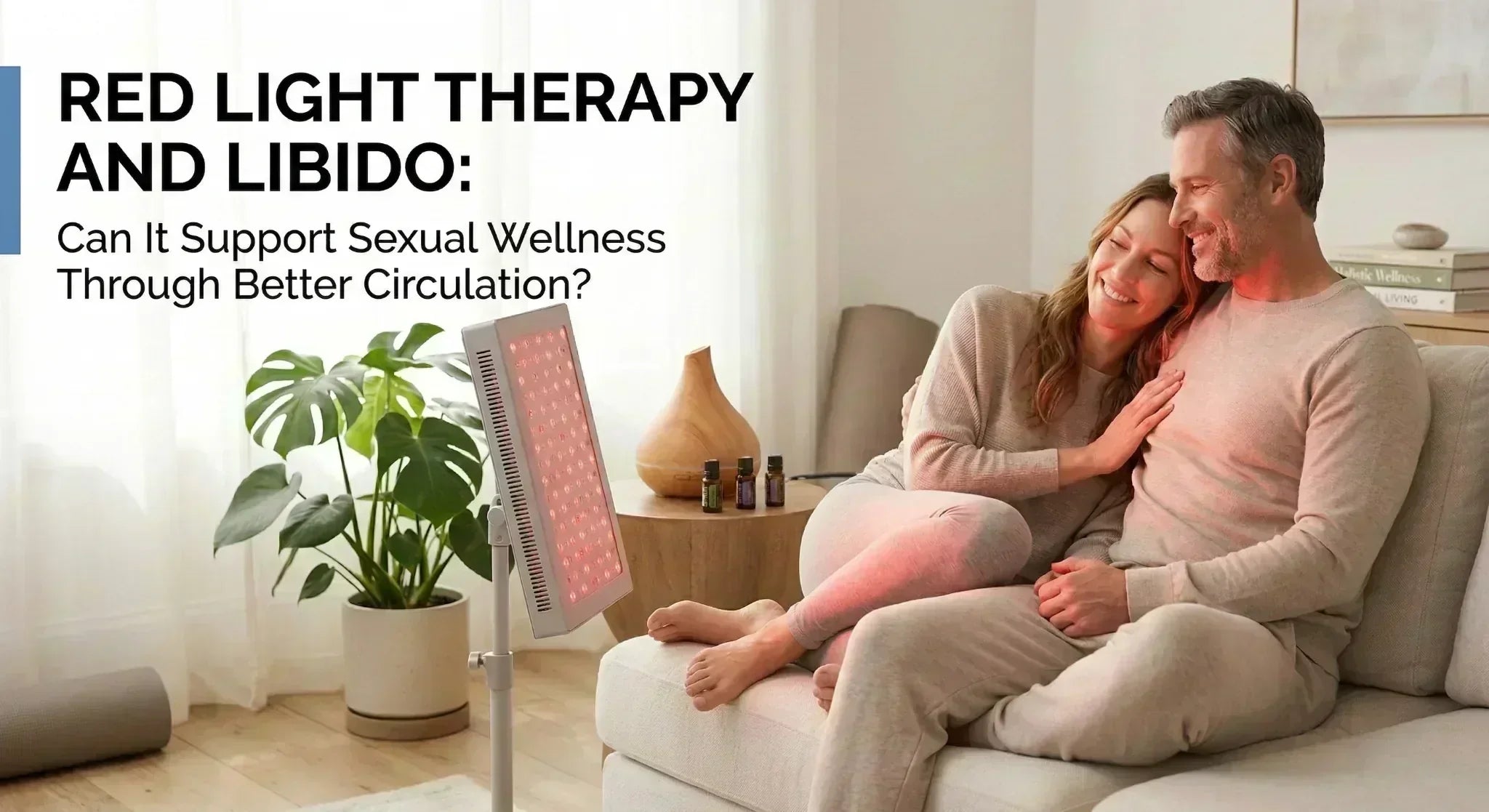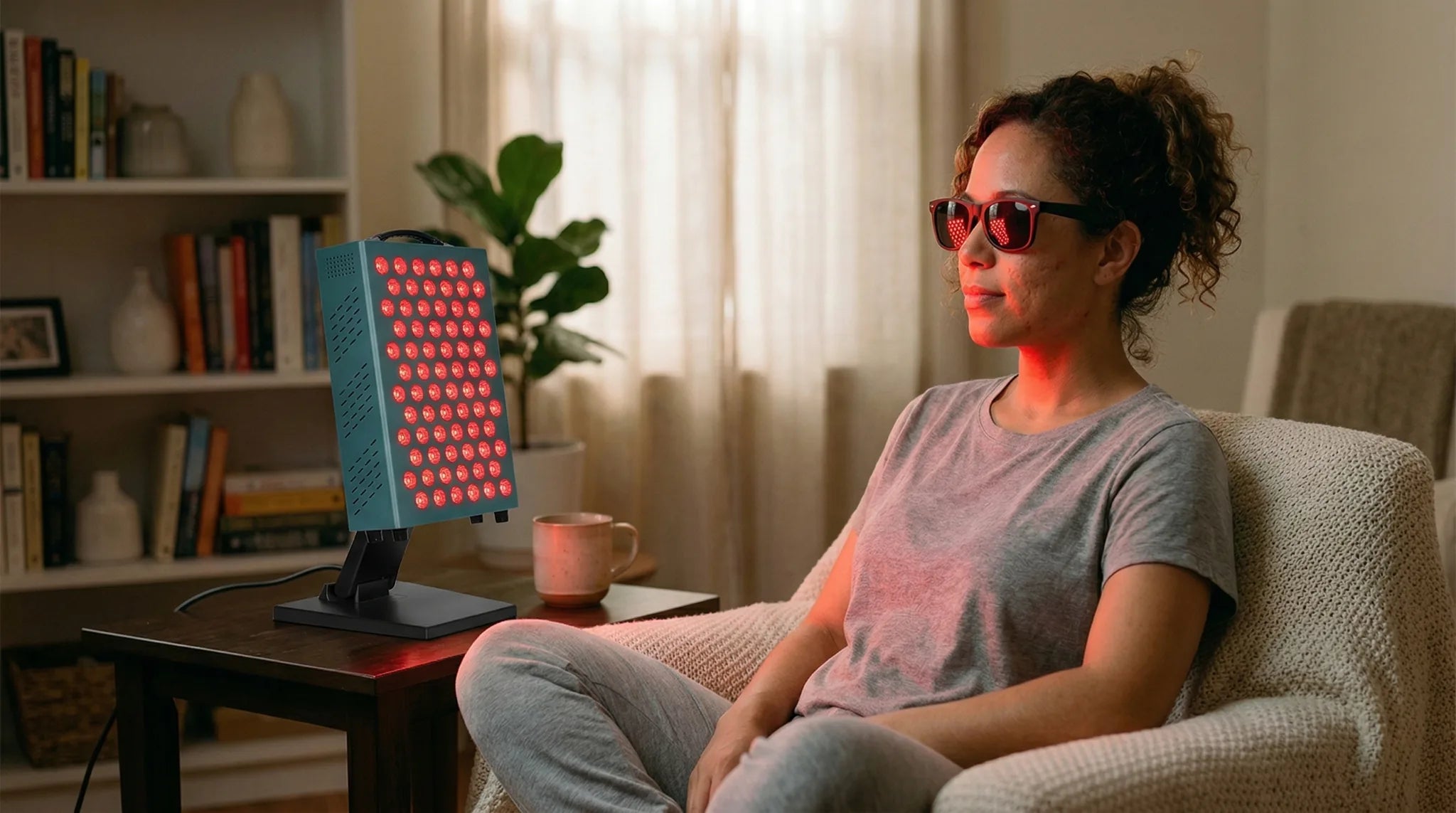
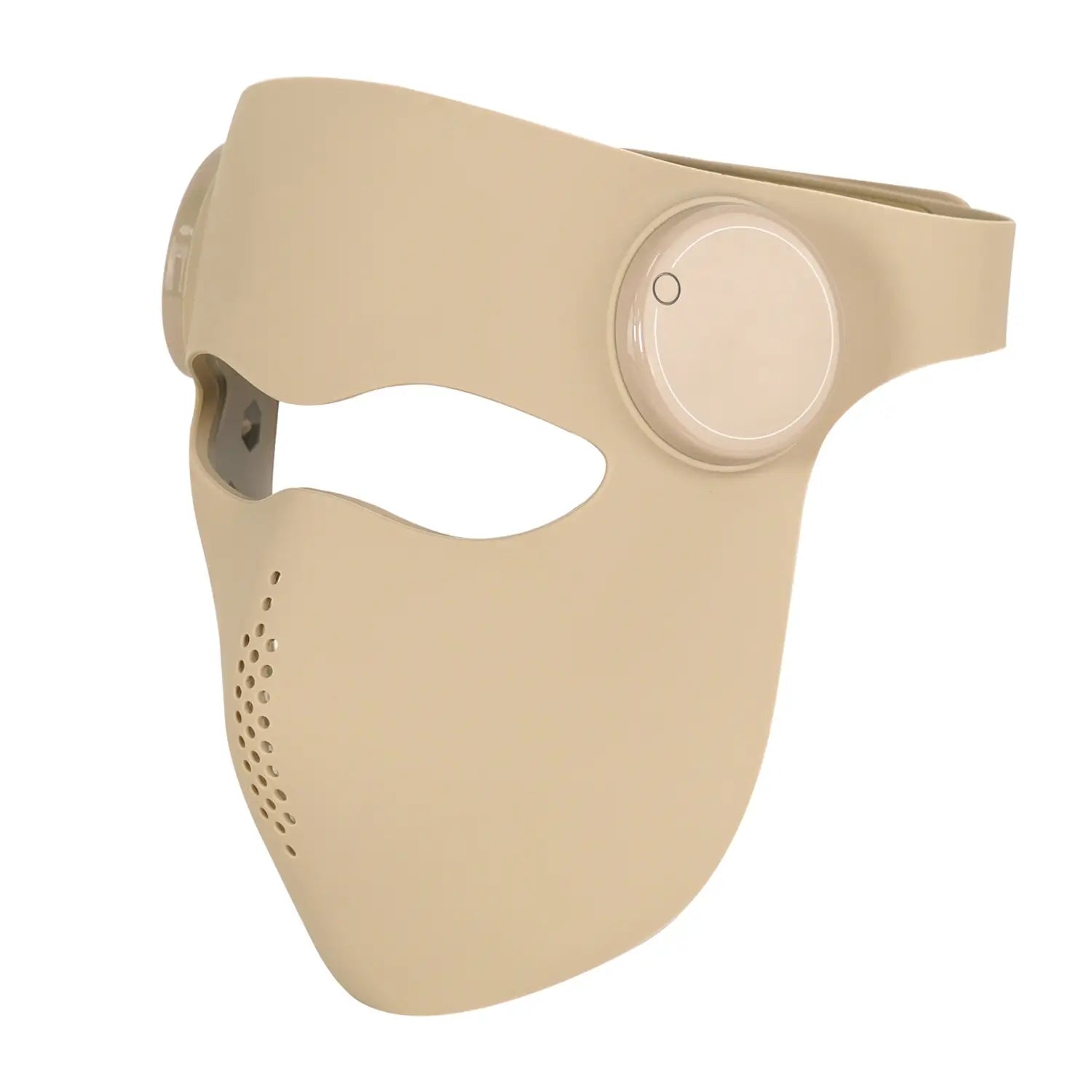
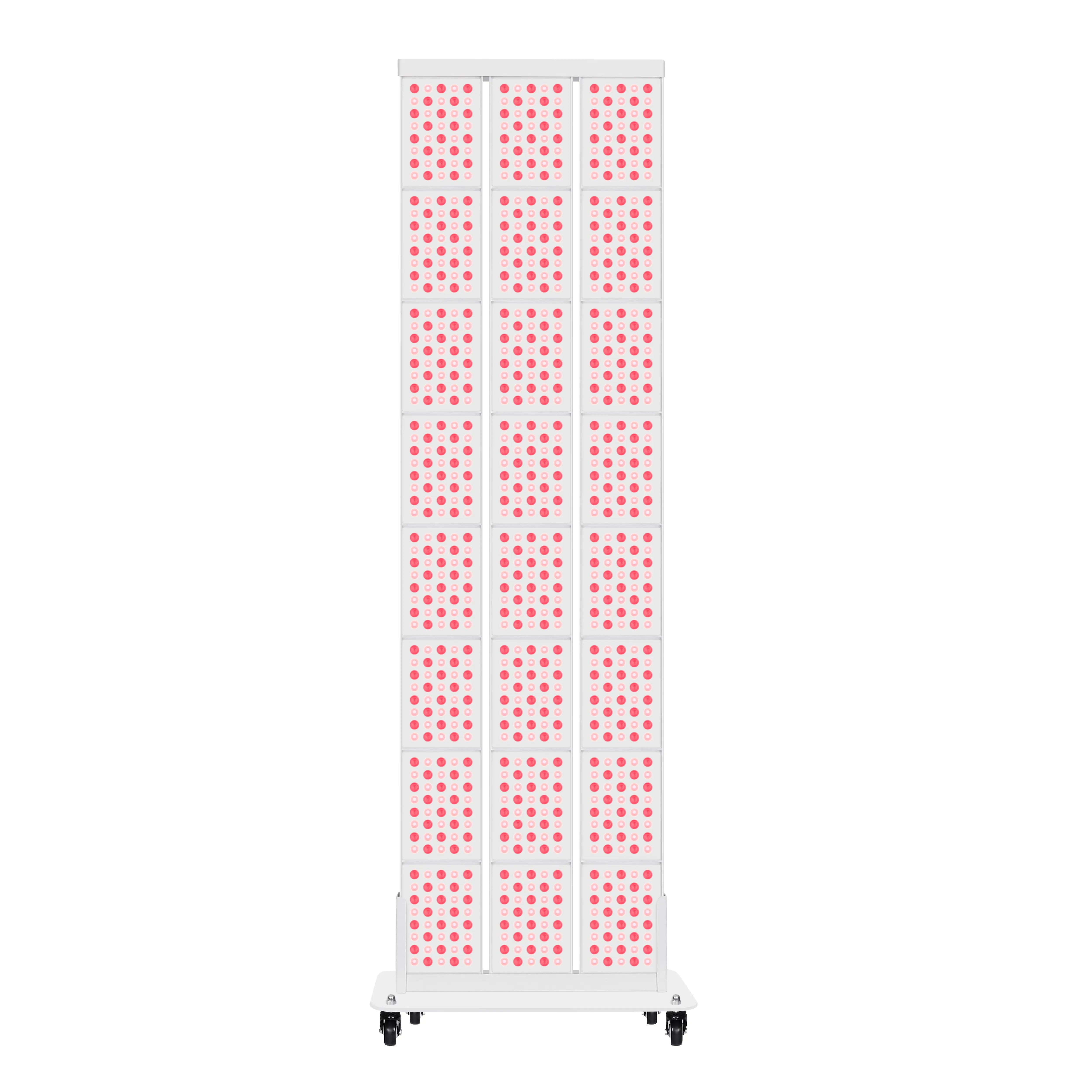
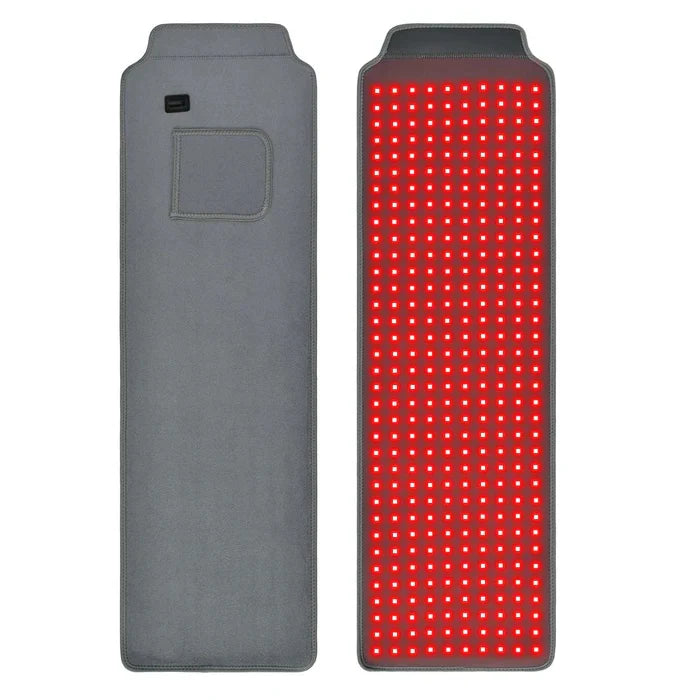
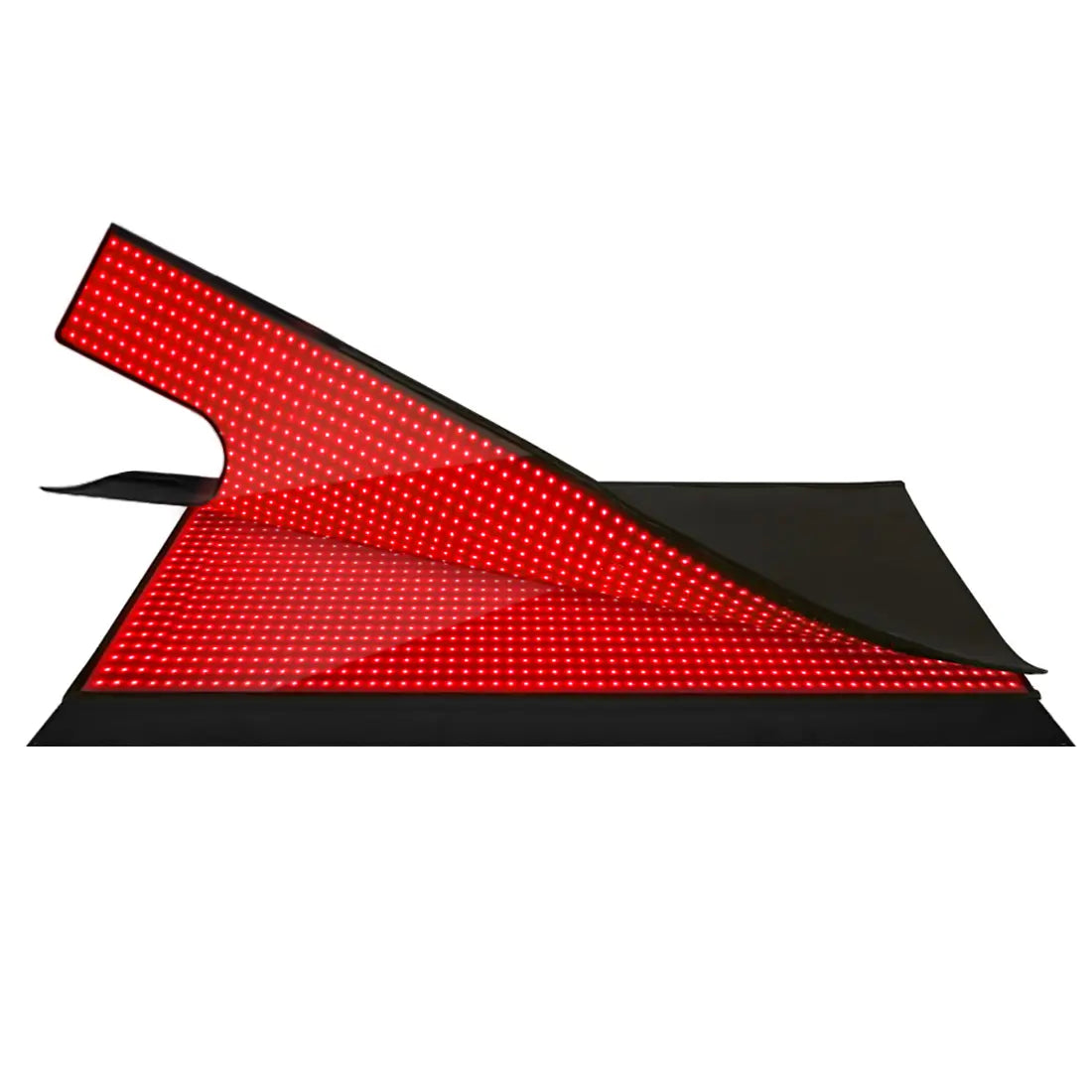
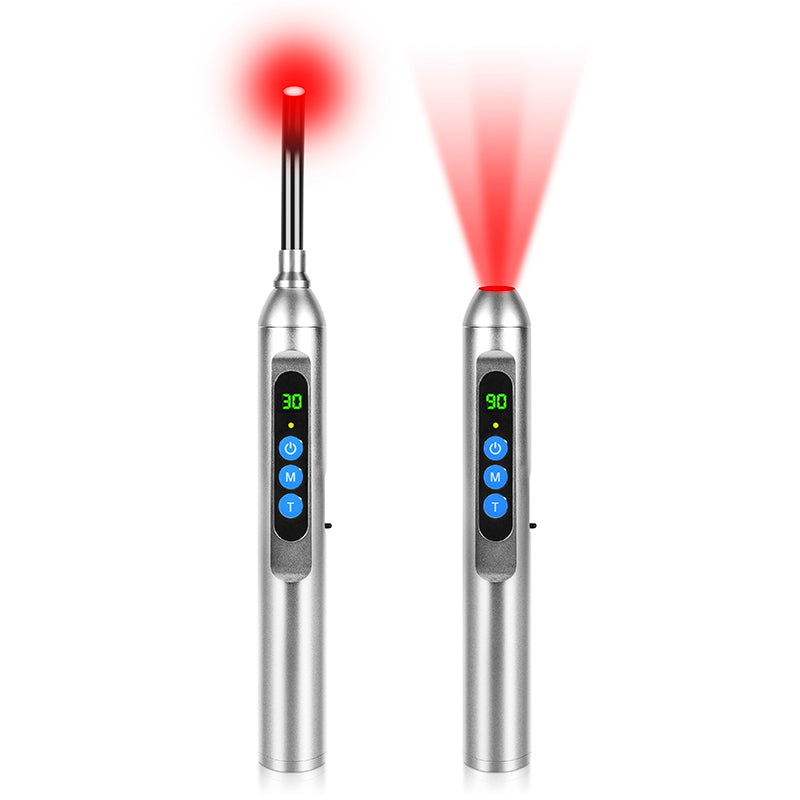

Sleep and stress shape sex drive more than most people realize. When nights are short, and the nervous system stays on high alert, desire often fades even in a loving relationship. Better sleep and real stress relief can bring libido back by restoring energy, emotional bandwidth, and the body’s ability to relax. Red light therapy may help some people as a supportive tool, mainly by encouraging a calmer wind-down routine and improving sleep quality. It is not a direct treatment for depression or a guaranteed libido booster, yet it can contribute to the conditions where intimacy feels natural again.
How Sleep Quality and Stress Levels Affect Sex Drive
Libido relies on energy, emotional presence, and a nervous system that can relax. Poor sleep and chronic stress shrink all three, so even positive touch can land as “too much” when your body is running on fumes. The science matches what many couples notice in real life: desire tends to return when sleep becomes deeper and the day feels less threatening.
Sleep, Hormones, and Desire
Sleep restriction can alter hormones tied to sexual motivation. In a well-known study of healthy young men, one week of sleeping five hours per night was associated with a daytime testosterone decrease of about 10% to 15% in that small sample. That finding does not diagnose anyone, yet it highlights how quickly sleep loss can move the body toward a lower drive state.
Hormones are only one piece. Sleep quality also tracks with sexual function at a population level. Research reviews have found that sleep disorders, poor sleep quality, and short sleep duration are associated with a higher risk of sexual dysfunction in men and women. When sleep stays fragmented, desire often becomes harder to access because the brain prioritizes recovery over reward.
Stress and Arousal
Stress changes attention and body chemistry in ways that make arousal harder. In laboratory research, increases in cortisol in response to sexual stimuli have been linked with lower sexual functioning in certain domains, supporting the idea that performance pressure and stress can interfere with arousal. The mind drifts to worries, the body stays guarded, and intimacy loses its ease.
The practical takeaway is straightforward. When your day keeps your nervous system on alert, desire often waits for safety. Sleep and stress are not side issues for libido; they are core inputs.

Red Light Therapy for Mood Support: What It Can Do for Depression
Many searches blend two different light approaches, which leads to mixed expectations. People type red light therapy and depression while reading advice that sometimes applies to bright light boxes used for seasonal mood patterns. Clarifying the difference helps you evaluate claims more calmly and choose safer habits.
Red Light vs Bright Light
Bright light therapy refers to high-intensity light boxes used to support circadian alignment and seasonal affective disorder. Photobiomodulation refers to red or near-infrared light used at lower intensities, often discussed in wellness contexts and studied for a range of clinical questions, including mood.
A quick comparison keeps the concepts clean:
| Light Approach | Common Use Case | Typical Timing | Evidence Snapshot |
| Bright light therapy (light box) | Seasonal mood patterns, circadian alignment | Morning | Mayo Clinic describes typical use within the first hour after waking for about 20 to 30 minutes with a 10,000 lux box, eyes open, without looking directly at the light. |
| Photobiomodulation (red or near infrared) | Tissue signaling, recovery, and emerging mood research | Varies | Trials exist for depressive symptoms, but study designs and dosing vary across the literature. |

What Research Suggests for Depression
Photobiomodulation is an active research area with encouraging signals and clear limits. A 2024 systematic review and meta-analysis of randomized controlled trials reported reductions in depressive symptoms across included studies, while emphasizing that the number of available studies remains small and further research is needed.
Some work also hints that sleep may improve even when mood scores do not shift much. A randomized, double blind, sham-controlled trial of a self-administered wearable transcranial photobiomodulation intervention in major depressive disorder found the approach feasible and well-tolerated. The authors reported that the low dosimetry did not produce an antidepressant effect, yet sleep quality improved, and they called for further study with different dosing.
That pattern matters because sleep quality influences stress sensitivity, patience, and emotional connection. Better sleep can create conditions where libido has room to return, even if the device is not acting as a direct antidepressant.
Realistic Expectations
A grounded way to think about red light therapy for depression is adjunct support. Some people may feel calmer or sleep better, which can support mood and intimacy indirectly. At the same time, depression is a medical condition. Mayo Clinicnotes that medications and psychotherapy are effective for most people with depression, and those treatments should stay central when symptoms are significant.
If you are using red light therapy to support mood, treat it like a routine that complements the basics: consistent sleep timing, stress reduction, and professional care when symptoms persist.
Where to Use Red Light Therapy at Home for Calm and Wind Down
Home routines succeed when they feel easy on a hard day. A perfect setup matters less than a consistent one. The goal is a space that signals “off duty” and supports relaxation so your body can shift toward sleep.
Best Home Setup Spots
Choose a location that allows low ambient lighting and fewer interruptions. A bedroom chair, a quiet reading corner, or a calm part of the living room can work. Comfort drives consistency, and consistency is what trains your brain to downshift at night.
Comfort Targets for Wind Down
Many people aim sessions at areas that hold tension, such as the shoulders, upper back, hips, or thighs. The purpose is physical comfort and relaxation. When the body feels less tight, sleep onset can become smoother, and the next day can feel less reactive.
Basic Safety and Use
How to use red light therapy depends on device instructions, but reputable sources point to a few recurring themes. The American Academy of Dermatology (ADD) describes red light therapy as appearing safe in the short term, with common side effects generally mild, such as temporary pain or irritated skin. The AAD also explains that“FDA cleared”means the device is considered low risk to the public, not a guarantee for every marketing claim.
Eye safety deserves attention. Avoid staring into bright LEDs, and follow eye protection guidance that comes with your device, especially for face-level use. If you take medications that increase light sensitivity or you have eye conditions, a clinician check-in adds safety.

Timing Choices That Support Relaxation Without Disrupting Sleep
Timing influences how your brain interprets light exposure. Evening light can delay sleep, especially when it is bright and close to the eyes. A good routine supports calm and still leaves you sleepy.
Evening Timing for Relaxation
Harvard Health describes research showing blue light can suppress melatonin longer and shift circadian rhythms more than some other colors at comparable brightness. That helps explain why late-night screens can quietly damage sleep, then libido follows through fatigue and irritability.
Some people explore red light therapy for sleep because red wavelengths often feel gentler at night than blue-enriched light. Even so, brightness and timing still matter. If you feel alert after a session, move it earlier in the evening. If you feel calmer and sleepy, it likely fits your system.
Morning Light for Seasonal Symptoms
Bright light therapy follows a different rhythm. Mayo Clinic describes morning use as typical, often within the first hour after waking, for about 20 to 30 minutes with a 10,000 lux box. Evening bright light can make sleep timing harder, which can worsen mood and energy.
If seasonal low mood returns year after year, morning outdoor light plus clinician-guided light box use can be a strong combination. People with bipolar disorder or a history of mania should discuss light therapy with a clinician, since mood switching risk is a known concern.
When Mood Symptoms Need Medical Support Beyond Light Therapy
Tools can support mood, but they cannot replace treatment for significant depression. If symptoms persist, intensify, or interfere with daily life, professional care protects your health and your relationships, including intimacy.
When to Seek Professional Help
MedlinePlus describes major depression as involving depressed mood or loss of interest that affects daily activities and lasts for at least two weeks. If that timeline fits, reaching out for clinical support is a reasonable next step. Mayo Clinic also notes that medications and psychotherapy are effective for most people with depression.
Common signals that professional support is warranted include:
- Symptoms last at least two weeks with little improvement
- Work, parenting, or relationships begin to suffer noticeably
- Sleep or appetite changes feel severe or relentless
- Hopelessness or numbness dominates most days
- Thoughts of self-harm or suicide appear
In the U.S., immediate support is available through the 988 Suicide and Crisis Lifeline via call, text, or chat.
Safety Limits and Contraindications
People often ask if red light therapy is safe. The American Academy of Dermatology describes favorable short-term safety with mostly mild side effects reported and clarifies what “FDA cleared” implies. Safety is one piece of the picture. Effectiveness for mood can vary, and serious depression deserves evidence-based care even if a light routine feels soothing.

Use Red Light Therapy Alongside Sleep Habits to Support Mood and Intimacy
People ask, “Does red light therapy really work” for mood and sex drive? The most grounded answer ties results to fundamentals: sleep quality, stress load, and daily recovery. Research on photobiomodulation for depression shows encouraging outcomes in a growing literature, while study counts and dosing approaches still vary. A consistent wind-down routine, dim evenings, and medical support when needed create the conditions where intimacy often returns, with red light therapy serving as one optional support inside that broader plan.
FAQs
Q1: How often should you do red light therapy?
Most people do 2–5 sessions per week, with 10–20 minutes per area, then adjust based on skin sensitivity and goals. Consistency matters more than long sessions. Going past recommended times can increase irritation risk, especially with close-range devices.
Q2: How long does it take to see results from red light therapy?
Usually weeks. Some people feel immediate relaxation, yet visible or measurable changes often require steady use over several weeks. If nothing changes after 6–8 weeks of consistent sessions, the dose, distance, or device output may be too low.
Q3: What wavelength should I choose for red light therapy?
For general home use, look for visible red in the mid-600 nm range and near-infrared in the low-800 nm range. Red is commonly used for surface-level targets, and near-infrared for deeper tissues. Mood research often uses specialized protocols, so home results can vary.
Q4: Can red light therapy cause cancer?
No. Current medical sources note that red and near-infrared light are non-UV, and UV is the wavelength range linked to skin cancer risk. Red light also does not carry the same DNA-damaging profile as tanning beds. For personal cancer history, ask your clinician.
Q5: Can I use light therapy if I take antidepressants?
Yes. Bright light therapy is commonly used alongside antidepressants and psychotherapy under clinical guidance. Keep medications unchanged unless your prescriber advises changes. Extra caution applies if you have bipolar disorder risk or take medicines that increase photosensitivity.