
Introduction to At-Home Red Light Therapy for Pets
Pet owners looking for non-invasive support for their animals' joint discomfort, mobility challenges, or post-surgical recovery are increasingly exploring at-home red light therapy, also known as photobiomodulation. When used thoughtfully under veterinary guidance, this approach can complement conventional care for dogs, cats, and horses by targeting localized areas with specific wavelengths of light. Success depends heavily on proper device selection, realistic protocols, strict safety practices, and clear boundaries around when professional veterinary care must come first.
Related Guides & Protocols
- Red Light Therapy for Dachshunds: Spinal Health Protocols
- Red Light Therapy for Dog Hip Dysplasia: Relief Guide
- Red Light Therapy for Dog IVDD: Non-Invasive Spinal Care

Understanding Photobiomodulation for Pets
Photobiomodulation (PBM) involves exposing tissue to red and near-infrared light in the 600–1000 nm range. Veterinary literature has examined its mechanisms and applications in clinical settings, including effects on inflammation, tissue repair, and mobility outcomes. A veterinary review summarizes photobiomodulation mechanisms and clinical applications in surgery, noting potential cellular effects such as improved circulation and reduced oxidative stress in targeted tissues.
Studies in the field include evaluations of photobiomodulation on joint range of motion in working dogs and therapeutic laser use after surgery in small animals. Veterinary journals also document case reports and studies on light-based approaches, adding credibility to the topic within mainstream veterinary discussion. However, these findings come primarily from controlled clinical or research environments rather than long-term at-home consumer devices.
Results vary by species, coat color and density, condition severity, and consistent application. Darker coats may absorb more visible red light while lighter coats can allow slightly better penetration in some cases. The therapy does not cure disease and should never replace diagnosis, medication, or surgical follow-up prescribed by a veterinarian.
When At-Home Red Light Therapy May Fit and When It Does Not
At-home red light therapy is most appropriate as an adjunctive option for stable, diagnosed, chronic conditions rather than acute or undiagnosed problems. Veterinary research has evaluated photobiomodulation for mobility-related outcomes in dogs and post-surgical wound healing in small animals, yet real-world success at home hinges on feasibility and safety.
Key scenarios where it may offer supportive value include senior dogs with mild arthritis stiffness, horses recovering from training-related soreness after veterinary clearance, or cats with chronic mobility decline that tolerate short handling sessions. In contrast, it is not suitable as a first step when symptoms are new, rapidly worsening, involve swelling, heat, discharge, or possible infection.
Do not use at-home devices in these situations without explicit veterinary approval: recent surgery, suspected cancer, eye conditions, pregnancy, photosensitivity, or pets taking medications that increase light sensitivity. Choose professional veterinary evaluation first if pain is severe, unexplained, or accompanied by systemic signs such as fever or lethargy.
The practical decision often depends on the owner's ability to apply treatment consistently without stressing the animal. For many cats, handling friction makes daily sessions challenging. Larger animals like horses require more time and coverage, increasing logistical demands.
Species-Specific Considerations and Practical Protocols
Protocols must be tailored to the animal's size, coat, tolerance, and the targeted condition. Always start with veterinary input to confirm suitability and rule out contraindications.
Dogs: A common observation among owners is that application is often straightforward for joint and hip issues. Target areas such as hips, knees, or spine with sessions often ranging between 5–15 minutes, though this depends heavily on the specific device's irradiance and the distance from the pet. Studies have looked at mobility outcomes in working dogs, supporting cautious use for chronic joint support when combined with other therapies.
Cats: Shorter sessions (typically 3–10 minutes) and high tolerance are essential. Cats often respond best to gentle, low-stress setups such as placing a portable device near a favorite resting spot. Kidney health and mobility protocols appear in some veterinary discussions, but consistency is key and may require creative positioning.
Horses: Larger treatment areas mean longer sessions or full-body coverage devices. Equine applications frequently focus on performance recovery, tendon, ligament, or back soreness. Barn managers should prioritize devices with sufficient coverage and ensure the horse remains calm during treatment.
General heuristic guidelines from veterinary parameter references suggest maintaining a safe distance—typically estimated between 6–18 inches depending on the device’s power output—using consistent timing, and monitoring the pet's response. Darker fur may require slightly longer exposure or closer positioning for visible red wavelengths, while near-infrared penetrates fur more readily. Track progress over 4–8 weeks and adjust only under veterinary supervision.
Device Features That Matter Most for Pet Use
Selecting the right equipment reduces guesswork and improves repeatability. Look for devices that provide clear technical specifications rather than vague wellness claims.
Critical features include:
- Dual wavelengths (660 nm red and 850 nm near-infrared) for surface and deeper tissue effects
- Verifiable irradiance (output strength) preferably measured with proper laboratory methods
- Adequate coverage area matched to the pet's size
- Built-in timer and adjustable intensity or distance guidance
- Low EMF and flicker for safety during extended use
- Easy-to-clean surfaces and stable positioning options (stands, mats, or portable panels)
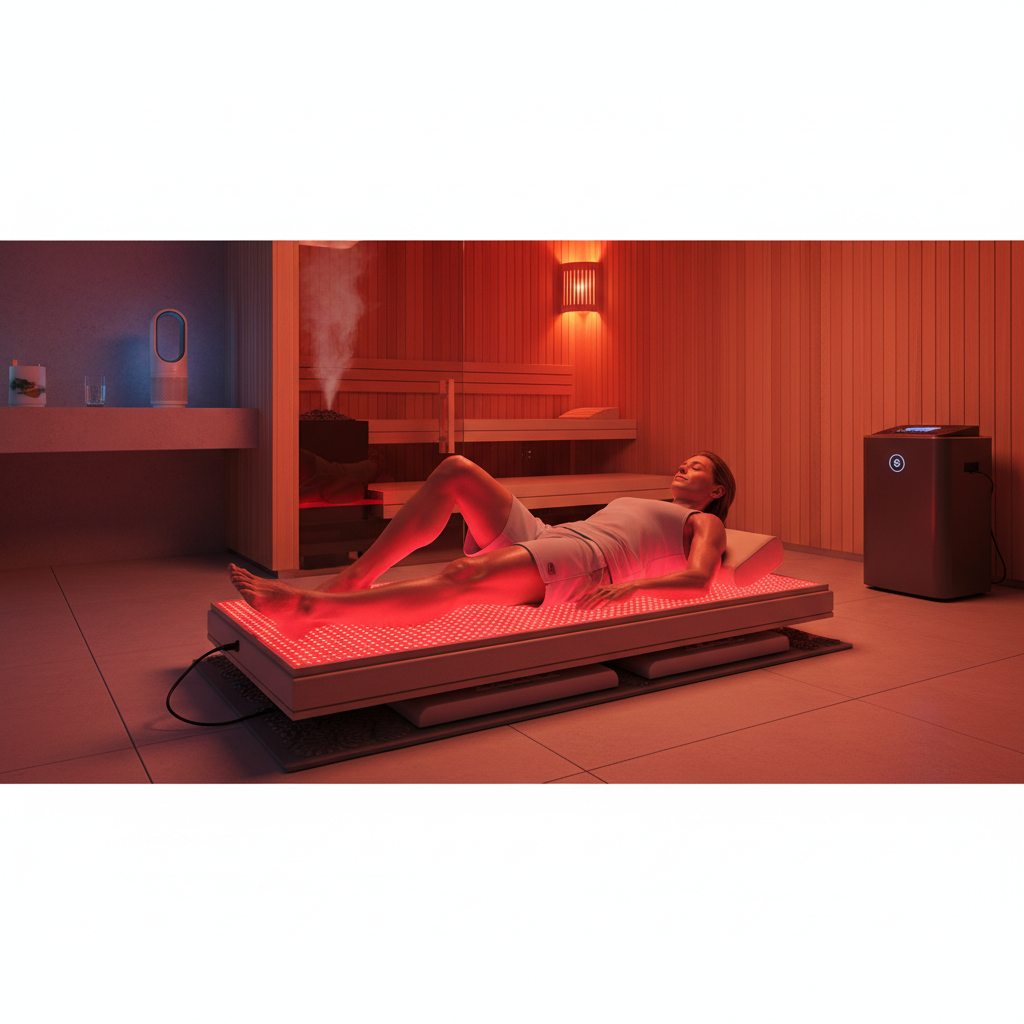
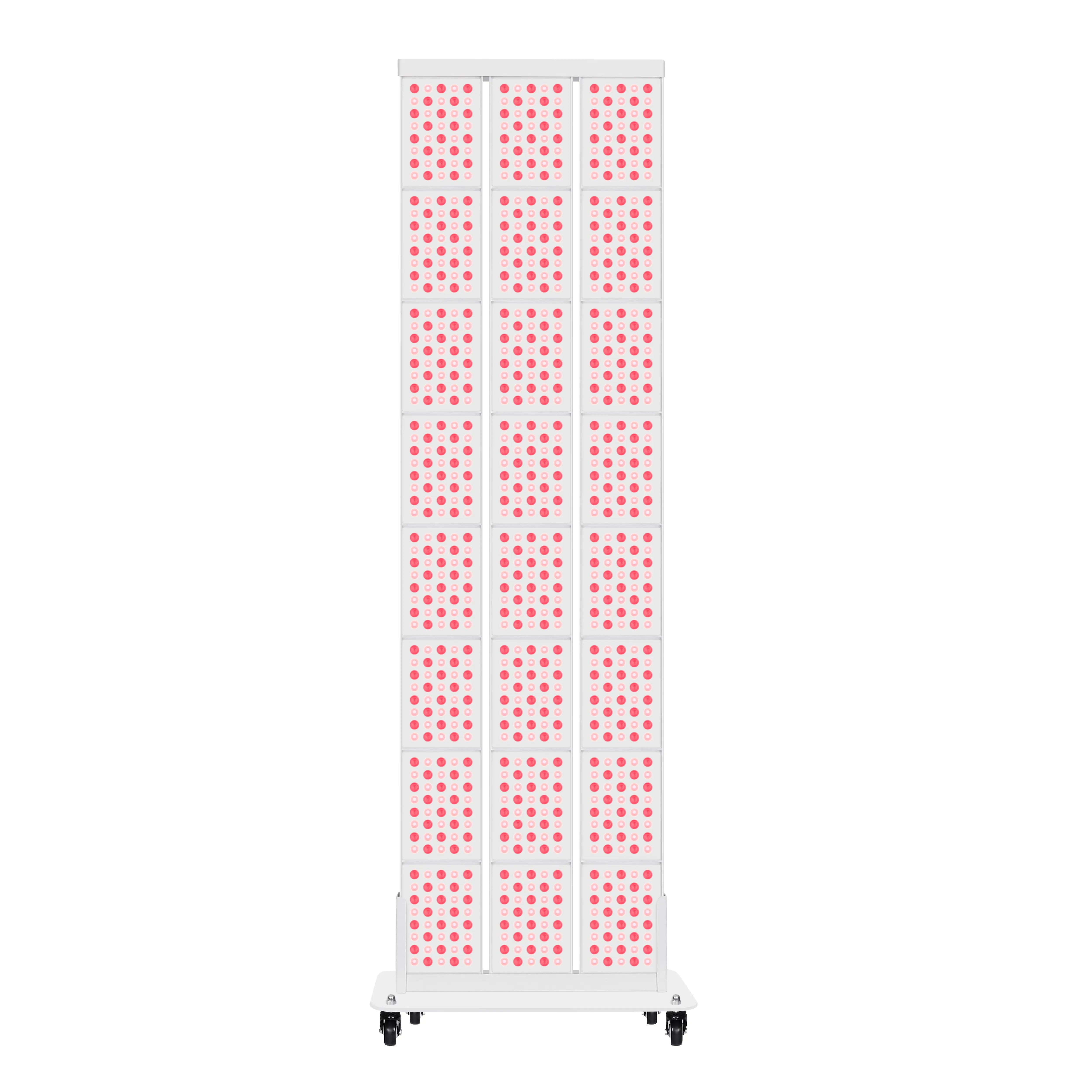
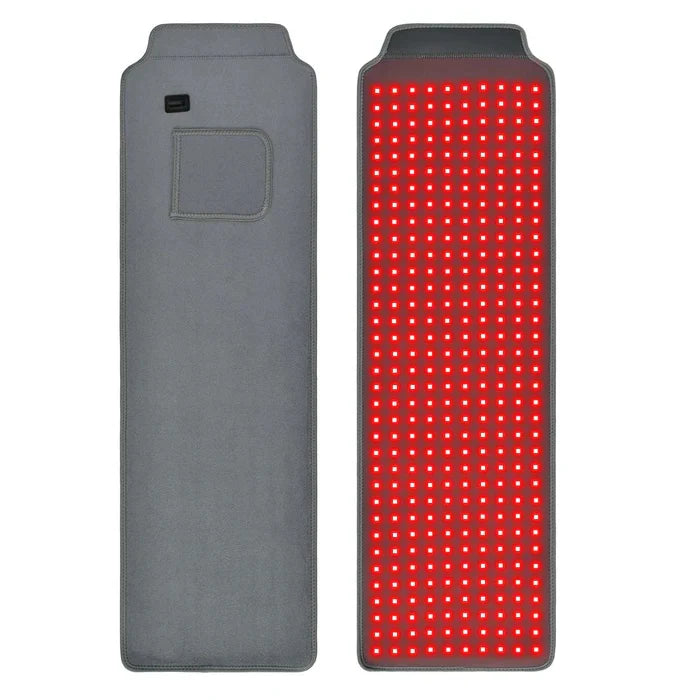
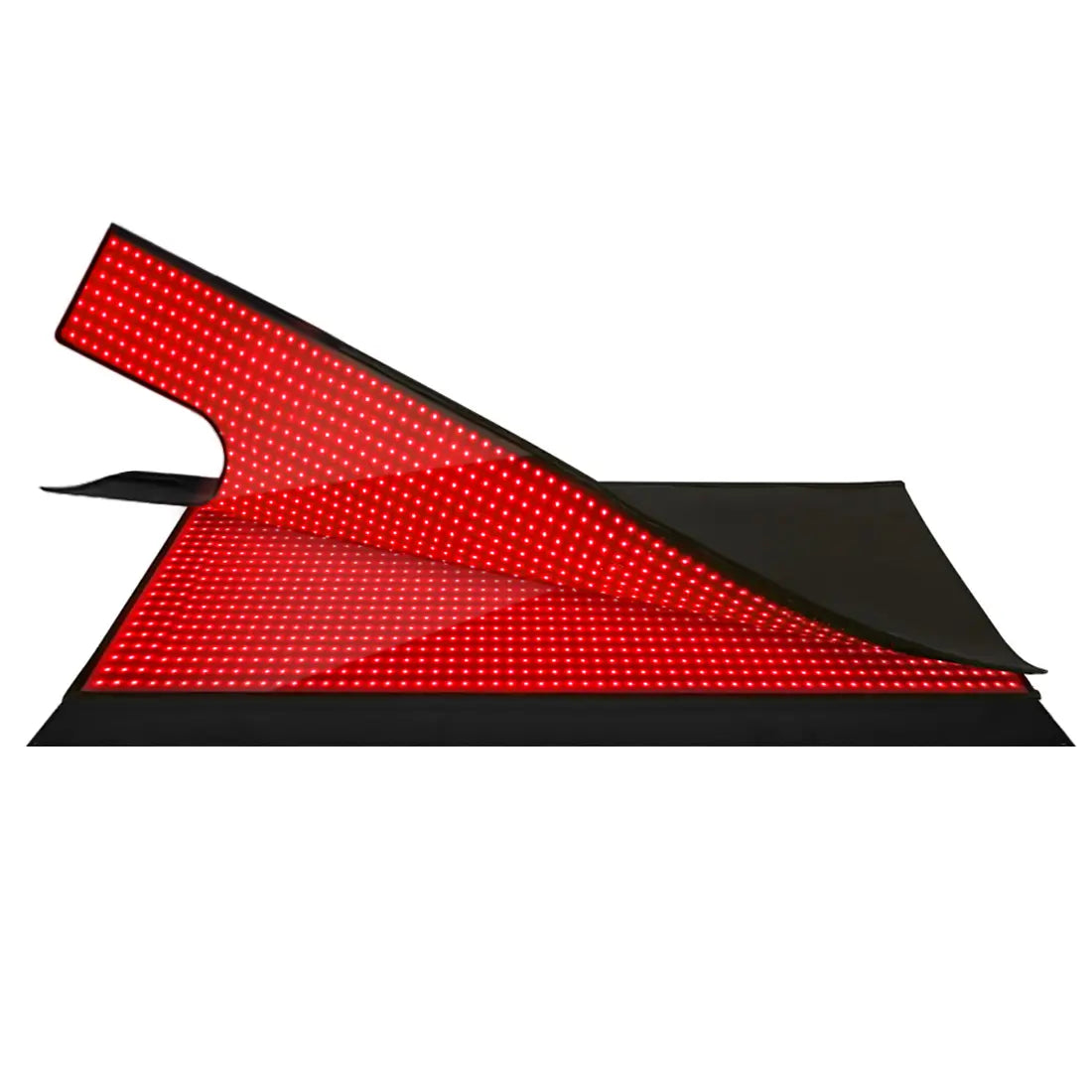
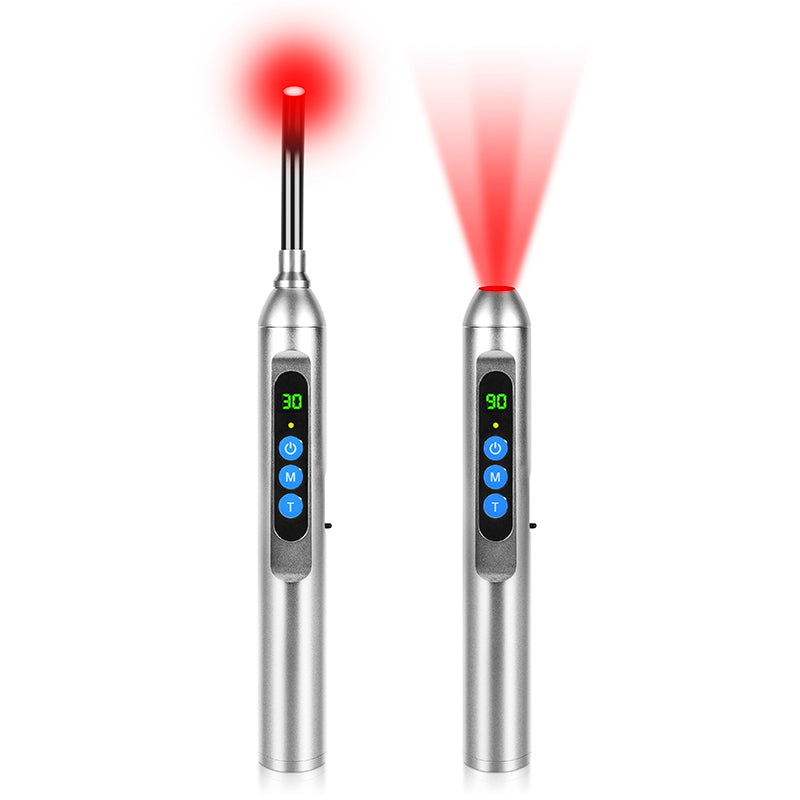
Full-body options such as red light therapy mats or sleep bags can suit larger dogs or horses, while targeted belts or portable panels work well for cats and localized dog treatments. Red light therapy panels with wheels or stands offer flexibility for barn or home use.
This heuristic comparison chart illustrates relative feasibility factors across species based on veterinary literature patterns. Scores are relative only (1–5 scale) and represent practical considerations such as handling tolerance and session burden rather than proven clinical outcomes.
Heuristic Comparison of At-Home Red Light Therapy Feasibility by Species
Heuristic comparison based on veterinary literature patterns; higher scores indicate greater feasibility or greater burden as labeled in the subtitle below.
View chart data
| Series | Protocol feasibility (higher is better) | Relative irradiance need (higher means more demanding) | Session time burden (higher means more demanding) | Handling tolerance (higher is better) | Safety caution burden (higher means more vet-review needed) |
|---|---|---|---|---|---|
| Dogs | 4.0 | 3.0 | 3.0 | 4.0 | 3.0 |
| Cats | 2.0 | 2.0 | 2.0 | 2.0 | 4.0 |
| Horses | 3.0 | 5.0 | 5.0 | 3.0 | 3.0 |
Heuristic comparison based on veterinary literature patterns and scenario matrix inputs: dogs with chronic joint issues show high fit; cats face handling friction and lower feasibility; horses require large-area coverage and more time-intensive sessions. Scores are relative only (1–5), not clinical outcomes.
Additional practical resources include guides on managing arthritis in dogs and specific breed protocols for conditions such as hip dysplasia in German Shepherds or IVDD in Dachshunds. These provide deeper species and condition insights that complement general pet use.

Safety Practices and Eye Protection
Safety remains the top priority. Never direct light into a pet's eyes. Use positioning that keeps beams angled away from the face, or employ protective goggles designed for animals when recommended by a veterinarian. Monitor for signs of discomfort, overheating, or behavioral changes and stop immediately if observed.
Clean the device regularly and follow manufacturer distance and timing instructions precisely. For post-operative care, only proceed when the surgeon has explicitly approved adjunctive home use and provided monitoring guidance. A small-animal study evaluated therapeutic laser after surgery, but home application requires professional oversight.
This article discusses comfort and setup considerations only. It does not constitute medical advice, diagnosis, or treatment. If your pet shows persistent discomfort, has existing medical conditions, or requires ongoing care, consult a qualified veterinarian.
Building an Effective At-Home Routine
A repeatable routine improves the chance of noticing changes over time. Begin with short sessions 3–5 times per week, observe the pet's response, and adjust gradually only with veterinary input. Combine with appropriate exercise, weight management, and any prescribed therapies for best results.
Owners of performance horses may integrate sessions into post-training recovery, while senior dog parents often focus on daily joint comfort routines. Cat owners succeed most when sessions fit naturally into the animal's preferred quiet times.
Track simple metrics such as ease of movement, willingness to play, or gait observation to gauge progress objectively. Re-evaluate with your veterinarian every 4–6 weeks rather than relying solely on subjective impressions.
For detailed clinical-style protocols, refer to the Veterinary Red Light Therapy guide. Breed-specific support is available in articles such as Red Light Therapy for German Shepherds managing hip dysplasia and Red Light Therapy for Dogs with arthritis and joint pain.
Choosing the Right Setup for Your Household
Consider your primary pet species, available space, and daily schedule when selecting equipment. Portable solutions work well for targeted use or travel, while larger panels or mats suit full-body or multi-pet households. Red light therapy boots can target lower limbs in dogs or horses effectively.
Compare options from trusted collections including red light therapy belts for flexible wrapping and sleep bags for convenient full-body exposure. The Master Guide to Red Light Therapy for Pets & Animals offers additional protocol details including fur color impact and safety standards.
Final Thoughts on Responsible At-Home Use
At-home red light therapy can serve as one tool within a broader wellness plan for pets when applied conservatively and with professional guidance. It may help support comfort in stable chronic conditions but cannot replace veterinary diagnosis or treatment. Focus on devices that provide clear technical data, maintain strict safety habits, and align protocols with your veterinarian's recommendations.
By screening for contraindications first, choosing equipment that supports repeatable use, and monitoring results realistically, pet owners can make informed decisions that prioritize their animals' well-being. Consult your veterinarian before beginning any new therapy, especially for pets with complex medical histories or those recovering from surgery.
For equine-focused recovery, explore the Equine Red Light Therapy guide for performance horses. Cat owners may find value in specialized kidney health and mobility protocols.