
More isn't always better with red light therapy. Thanks to the biphasic dose response, exceeding optimal exposure levels can reduce the benefits you're seeking rather than enhance them. Understanding safe limits based on your device, distance, and goals helps you build a consistent routine that delivers results without diminishing returns or minor discomfort.

Red light therapy, also known as photobiomodulation, uses specific wavelengths of red and near-infrared light to support cellular function, reduce inflammation, and aid recovery. This review of mechanisms explains how it works primarily through non-thermal effects on mitochondria when applied at appropriate settings. Unlike ultraviolet light, red light therapy does not typically cause permanent skin damage, as noted in guidance from the American Academy of Dermatology.
What Is the Biphasic Dose Response in Red Light Therapy?
The biphasic dose response means that low to moderate doses of light can stimulate positive biological effects, while higher doses may inhibit them or provide no additional benefit. This principle, sometimes linked to the Arndt-Schulz law, explains why overdoing red light therapy sessions can backfire.
As detailed in a foundational paper on biphasic dose response, low-level light therapy shows a clear pattern where benefits peak within a therapeutic window and decline beyond it. Overlong or overly frequent sessions can push you past this optimal range, leading to reduced effectiveness rather than faster results.
This is the core reason many users on forums report inconsistent outcomes: they assume more time or daily use will accelerate progress, but the science suggests respecting an upper boundary for each setup.

Can You Overdo Red Light Therapy? The Evidence on Safety
In the short term, red light therapy appears safe when used as directed, according to dermatology guidance from the American Academy of Dermatology. Research has not found short-term use to cause skin cancer, and it is generally considered low-risk compared to UV exposure.
However, this does not mean unlimited use is advisable. Overexposure may reduce benefits due to the biphasic response and can occasionally cause temporary side effects such as eye strain (if unprotected), headache, skin warmth, or mild irritation. Regulatory sources like the CMS decision memo also remind us that these devices are not universally approved for treating diseases, so expectations should remain realistic.
Important Safety Note: This article discusses comfort and setup guidance for red light therapy. It does not constitute medical advice, diagnosis, or treatment. Red light therapy is not a substitute for professional care. If you experience persistent discomfort, have existing eye conditions, or any health concerns, consult a qualified healthcare professional.
Practical Dose Thresholds: How Much Is Too Much?
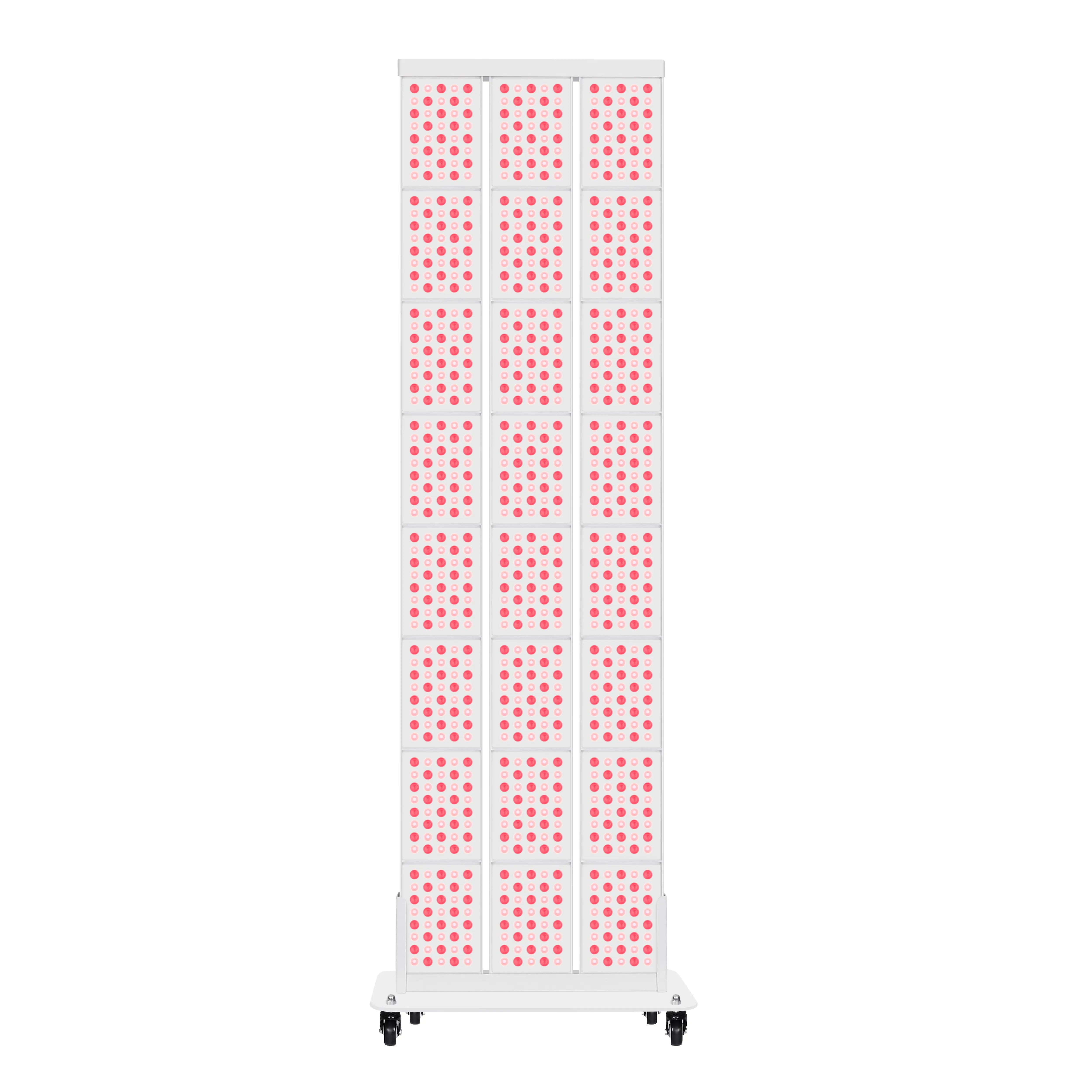
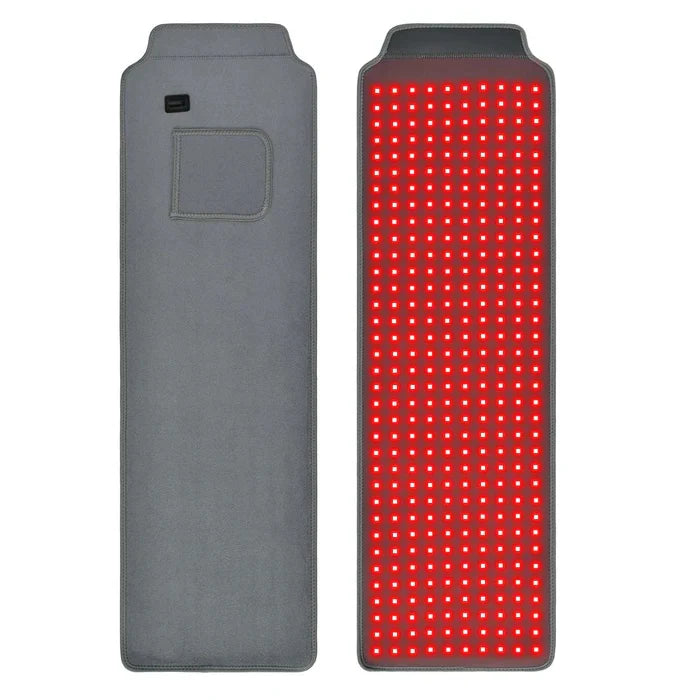
There is no single universal maximum that applies to every device and goal. Safe session length depends heavily on device power (irradiance), distance from the skin, wavelength mix, and treatment area. As a practical decision guide:
| Variable | Practical Decision Boundary | What It Means |
|---|---|---|
| Fluence (J/cm²) | Target mid-range (roughly 3-50 J/cm² for many goals); avoid routinely exceeding 60-100 | Stay within the effective window rather than maximizing time. |
| Session Time | 5-20 minutes typical; shorter for high-irradiance devices | Time alone doesn't equal dose—calculate based on output. |
| Frequency | 2-5 sessions per week often sufficient; daily use not always better | More frequent sessions are a common path to diminishing returns. |
| Irradiance & Distance | Higher output or closer distance requires shorter sessions | Distance acts as a powerful dose multiplier. |
These thresholds are illustrative and derived from literature patterns. High-power panels or standing very close can deliver fluence quickly, making 10 minutes feel excessive on one device but mild on another.
Illustrative Red Light Therapy Dose vs Session Time
Illustrative only: delivered fluence increases with session time at common irradiance levels, while the biphasic response suggests benefits peak within a mid-dose window and may decline at higher doses.
View chart data
| Category | 20 mW/cm² | 50 mW/cm² | 100 mW/cm² | Estimated benefit peak window | Inhibitory threshold |
|---|---|---|---|---|---|
| 5 min | 6.0 | 15.0 | 30.0 | 15.0 | 100.0 |
| 10 min | 12.0 | 30.0 | 60.0 | 30.0 | 100.0 |
| 15 min | 18.0 | 45.0 | 90.0 | 45.0 | 100.0 |
| 20 min | 24.0 | 60.0 | 120.0 | 60.0 | 100.0 |
Source-based ranges from the supplied PMC biphasic dose-response summary: effective fluence roughly 3-50 J/cm² depending on goal, with inhibitory effects above ~100 J/cm²; illustrative line values are derived from irradiance × time conversions (mW/cm² × minutes → J/cm²) for common irradiance levels 20-100 mW/cm².
The chart above illustrates how fluence accumulates with time at different irradiance levels. Note how higher-output setups reach the estimated benefit window faster—and risk crossing into potentially inhibitory territory sooner.
Common Myths About Overdoing Red Light Therapy
Several misconceptions circulate in biohacking communities:
- Myth: More sessions always produce better results. Reality: The biphasic response shows benefits can plateau or reverse with excessive dosing.
- Myth: Unlimited daily use is completely safe. Reality: Safety depends on proper eye protection, distance, and avoiding excessive cumulative exposure.
- Myth: Red light therapy has zero side effects. Reality: While uncommon, temporary issues like eye strain, headaches, or skin irritation can occur with overuse or improper setup.
These myths often lead users to ignore device-specific factors and push beyond sensible limits.
How to Recognize Signs You've Used Too Much
Watch for these indicators that a session or routine may be excessive:
- Mild skin warmth or redness that persists longer than expected
- Headache or fatigue after use (sometimes from eye exposure or overall overstimulation)
- No additional benefits despite increasing time or frequency
- Temporary dryness or sensitivity in treated skin areas
If these appear, reduce session length or frequency and reassess your distance from the device. Beginners should start conservatively and increase gradually only if no adverse signs occur.
Building a Safe, Effective Red Light Therapy Routine
Follow these actionable checkpoints to avoid overuse:
- Check your device specs—note irradiance at your intended distance and calculate approximate fluence.
- Start with shorter sessions (5-10 minutes) and 3-4 times per week, especially for facial or skin goals.
- Maintain proper distance—follow manufacturer guidelines; closer isn't always better due to inverse square law effects.
- Protect your eyes—use goggles if the device is bright or near the face.
- Track your response—monitor benefits and any discomfort over 1-2 weeks before adjusting.
- Split large areas—treat one section at a time rather than extending total session time excessively.
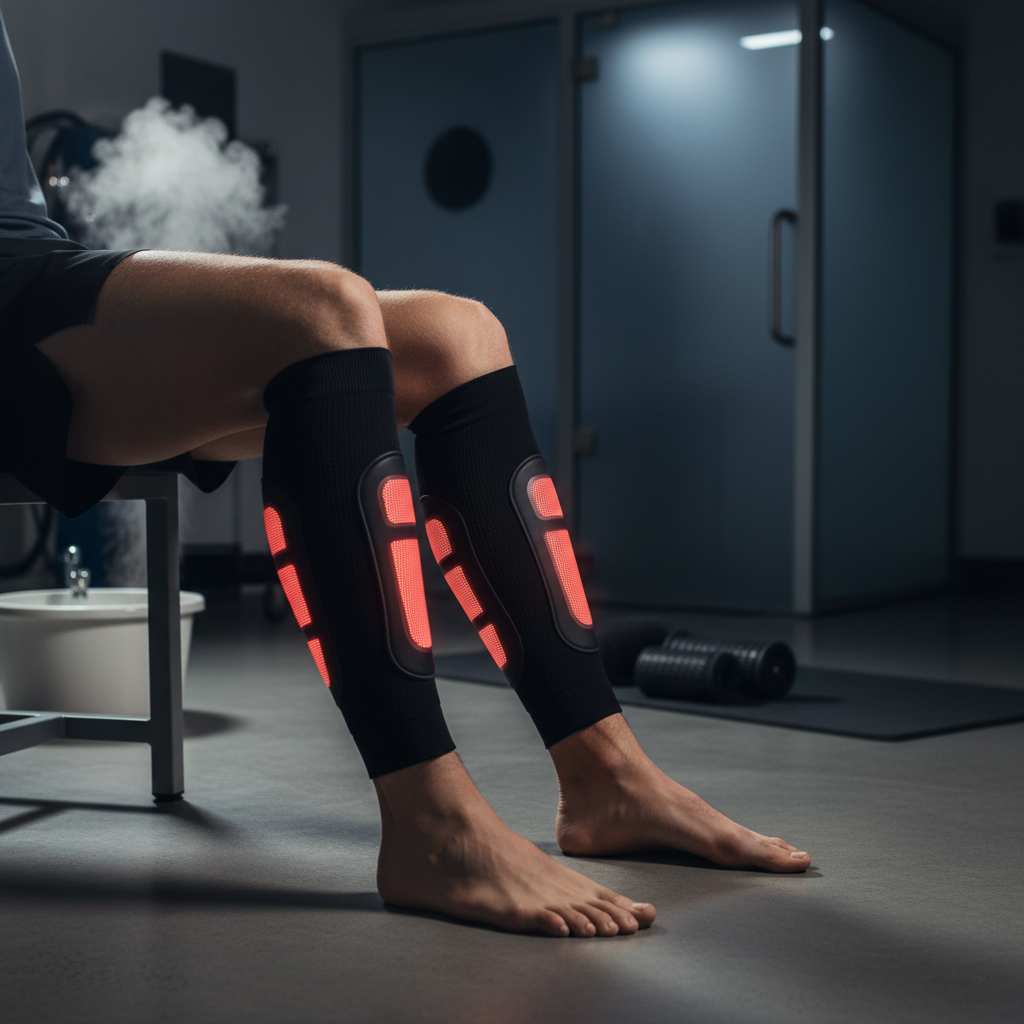
For recovery goals like post-workout muscle support, moderate protocols often suffice. Skin-focused or facial routines usually call for more conservative timing.
In certain scenarios the best approach flips: high-irradiance panels or very close positioning require shorter sessions, while lower-power devices may allow slightly longer exposure. Large treatment areas or sensitive skin also favor reduced doses. Experienced users may gradually test slightly higher limits if prior use shows good tolerance, but beginners should err on the side of caution.
Repeated use has been studied in clinical settings without major signals, but those protocols do not translate directly to unsupervised home use. Always prioritize consistency over intensity.
Factors That Change Safe Limits
- Device power and irradiance: Stronger panels deliver dose faster.
- Distance: Halving distance can dramatically increase fluence.
- Wavelength: 660nm (red) and 850nm (near-infrared) penetrate differently; follow device-specific guidance.
- Treatment area and goal: Muscle recovery may tolerate more than delicate facial skin.
- Individual sensitivity: Some users report better response with rest days built in.
Our guide on photobiomodulation standards provides deeper technical details on measuring irradiance accurately.
For related recovery topics, see our article on red light therapy for HIIT recovery or winter use optimization.
Conclusion
You can overdo red light therapy in the sense that exceeding the optimal dose window may reduce its effectiveness due to the biphasic response. Safe use depends heavily on your specific device, setup, and goals rather than a one-size-fits-all maximum time. By starting conservatively, monitoring your body's response, and adjusting based on irradiance and distance, most users can maintain a consistent routine that supports wellness without unnecessary risks.
Results vary by individual and device quality. Focus on repeatable, moderate protocols rather than chasing maximum exposure. If in doubt, consult your device's manual or a healthcare professional familiar with photobiomodulation.
This article only discusses comfort and setup advice. It does not constitute medical advice. Consult qualified professionals for any persistent issues or pre-existing conditions.