
Red light therapy, also known as photobiomodulation (PBM), offers pet owners a non-invasive supportive option that may help manage pain, reduce swelling, and support mobility in dogs, cats, and horses when used as part of a broader veterinary care plan. While not a cure or replacement for professional diagnosis and treatment, evidence from clinical reviews and trials indicates it can complement rehabilitation for conditions like arthritis, wounds, and age-related stiffness, provided owners follow safety guidelines and realistic dosing heuristics.

The decision to try at-home PBM depends heavily on having a confirmed veterinary diagnosis, selecting a device with clear irradiance specifications, and adapting protocols to your pet's size, coat thickness, and condition. This 2026 guide synthesizes primary veterinary sources to help you evaluate whether red light therapy fits your pet's needs, how to choose suitable equipment, and what practical checkpoints to use before and during treatment.
What Red Light Therapy (Photobiomodulation) Is and How It Works for Pets
Photobiomodulation uses specific wavelengths of red and near-infrared light to stimulate cellular processes. In veterinary contexts, it is positioned as a supportive therapy rather than a primary treatment. According to a comprehensive review, veterinary photobiomodulation is used in animals as a supportive therapy for pain, musculoskeletal injury, wounds, and some neurologic conditions.
The mechanism involves light absorption by cellular mitochondria, which may increase energy production (ATP), modulate inflammation, and promote tissue repair. Veterinary rehabilitation programs commonly incorporate it as one element of multimodal care for osteoarthritis and mobility loss, as outlined in physiotherapeutic strategies for canine osteoarthritis.
For pets, this translates to potential benefits in reducing swelling and supporting wound healing in small-animal practice, per the UC Davis Sports Medicine and Rehabilitation Service. It has also been applied to bone healing, inflammation, edema, and soft tissue injuries across dogs, cats, and horses.
Important disclaimer on health claims: This article discusses comfort, setup, and supportive care considerations only. It does not constitute veterinary medical advice, diagnosis, or treatment. Red light therapy should never delay professional veterinary evaluation. If your pet shows persistent discomfort, sudden changes in mobility, signs of infection, or has pre-existing conditions, consult a qualified veterinarian immediately.
Myth vs Reality: Correcting Common Misconceptions About Pet Red Light Therapy
Many marketing claims overpromise results, leading to unrealistic expectations or unsafe practices. Here is a practical myth-versus-reality framework drawn from clinical literature:
- Myth: It cures arthritis or joint disease. Reality: It may help manage pain and function as part of a broader multimodal plan but is not a cure or standalone solution (PMC review and FECAVA physiotherapy guidance).
- Myth: Any red light device works equally well. Reality: Results in trials depend on precise wavelength, irradiance, dose (J/cm²), distance, and treatment schedule. Vague wavelength-only marketing is insufficient.
- Myth: It is completely safe for eyes with no precautions. Reality: Eye exposure requires caution. Do not expose your pet's eyes directly unless a veterinarian specifically instructs it and device guidance permits (UC Davis guidance).
- Myth: Results are instant or dramatic. Reality: Benefits, when observed, often require consistent sessions over days or weeks and vary by individual.
- Myth: One device fits all pets, cats, dogs, and horses. Reality: Size, coat thickness, target depth, and species differences significantly affect practicality and dosing.
Treating PBM as a supportive adjunct rather than a miracle solution helps avoid disappointment and ensures it complements, rather than replaces, veterinary care.
Realistic Benefits: What the Evidence Supports for Arthritis, Wounds, Mobility, and Aging
Veterinary sources consistently list photobiomodulation among tools for osteoarthritis, tendon/ligament injuries, post-surgical pain, inflammation, and wound care in dogs, cats, and horses. UC Davis notes its use in dogs and working dogs for swelling and wound-healing support. An Iowa State University reference similarly highlights applications in bone healing, pain, edema, and soft tissue care.
For senior dogs with mobility decline, it may support comfort when integrated into a rehab plan—see our companion guide on red light therapy for senior dogs. Specific protocols exist for hip dysplasia relief in dogs, IVDD spinal care, cat kidney health and mobility, and equine performance recovery.
In practice, the strongest evidence frames PBM as an adjunct that may reduce perceived stiffness or support recovery when combined with weight management, exercise modification, and veterinary-prescribed therapies.
Dosage, Session Length, and Personalization: Thresholds You Need to Know
There is no single universal dose. Treatment parameters must be adjusted for species, body size, coat thickness, condition, and device output. One blinded canine osteoarthritis trial reported doses of 10–19 J/cm² with session times of roughly 4.5–8 minutes, adjusted by body size (PMC6091142). Veterinary photobiomodulation generally operates in the 600–1100 nm range, though exact parameters matter more than the broad window alone.
Key practical thresholds include:
- Fluence (dose): Study-specific examples fall between 10–19 J/cm² for dogs; treat higher values with caution regarding heat buildup.
- Irradiance: Look for devices that disclose output in mW/cm². Dose (J/cm²) is calculated as irradiance × time (in seconds) / 1000. Without this, accurate dosing is guesswork.
- Session time: Typically short (under 10 minutes per area in referenced studies) to minimize stress and heat risk.
- Frequency: Often daily or every other day for acute issues, tapering for maintenance; always monitor your pet's response.
The following chart illustrates heuristic plausibility windows derived from the canine trial and general PBM principles (Arndt-Schulz law suggesting an optimal rather than “more is better” window). These are not universal prescriptions but a decision aid for comparing protocols.
Illustrative PBM dose/session windows by pet size
Use this chart to judge whether a proposed PBM protocol is in a plausible range for the pet's size and application area.
View chart data
| Category | Fluence (J/cm²) | Session time (min) |
|---|---|---|
| Small pet (<10 kg) | 10.0 | 5.0 |
| Medium dog (10–25 kg) | 12.0 | 6.0 |
| Large dog / horse area | 15.0 | 8.0 |
Illustrative heuristic ranges derived from one canine osteoarthritis trial (10–19 J/cm²; 4.5–8 min, size-adjusted) and general PBM principles. Intended as a decision aid for plausibility checks, not a universal prescription. Safety boundary: keep within a practical window and avoid pushing above ~20 J/cm² when heat or overexposure is a concern.
Always start conservatively, observe for heat, restlessness, or discomfort, and adjust or stop if needed. Coat thickness in dogs and horses can reduce penetration, so closer application or higher irradiance devices may be considered under guidance.

How to Choose a Device Suitable for Veterinary Photobiomodulation
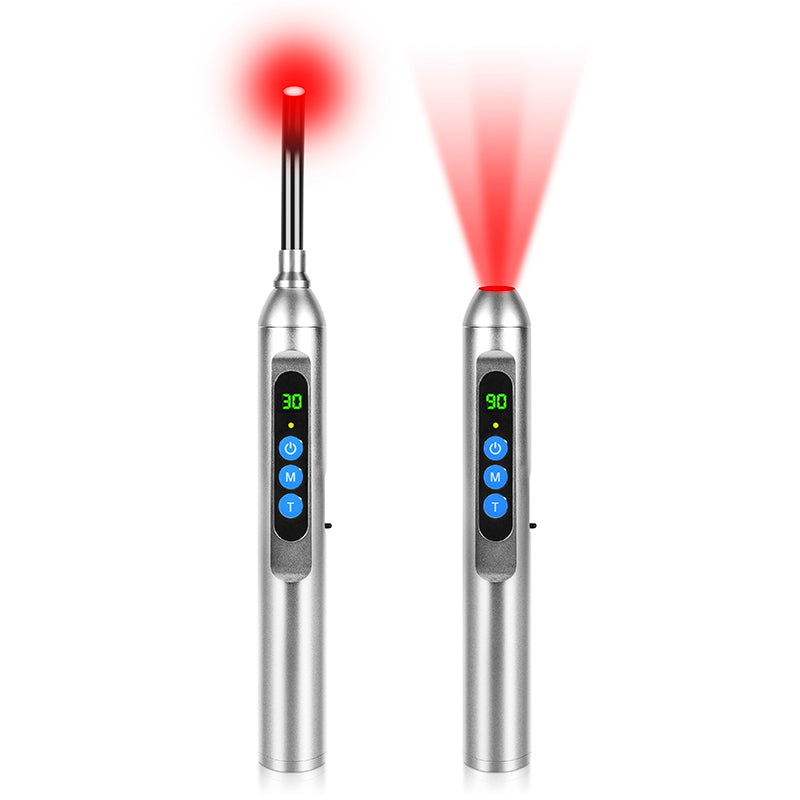
Device selection is critical. Prioritize products that clearly state irradiance (mW/cm²), wavelength mix (typically 660 nm red and 850 nm near-infrared), treatment area size, and safety certifications. Avoid devices that only market “red light” without measurable output data.
For pets:
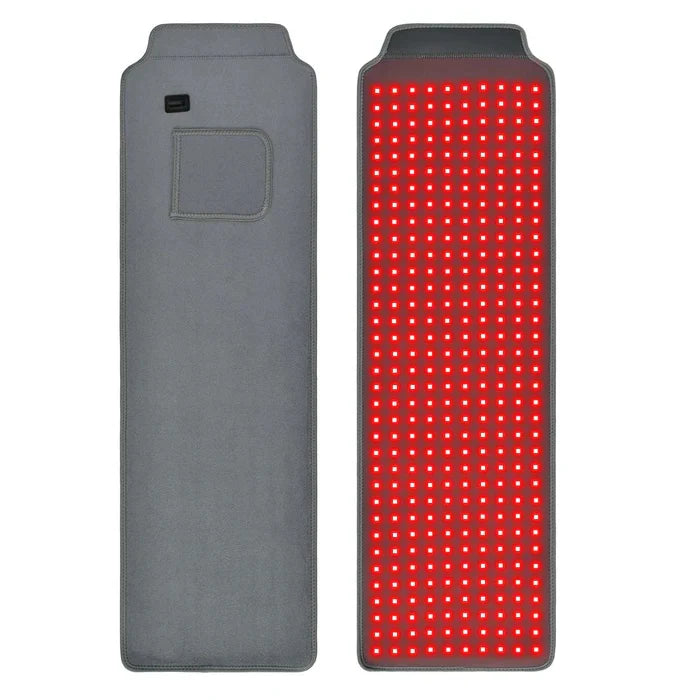
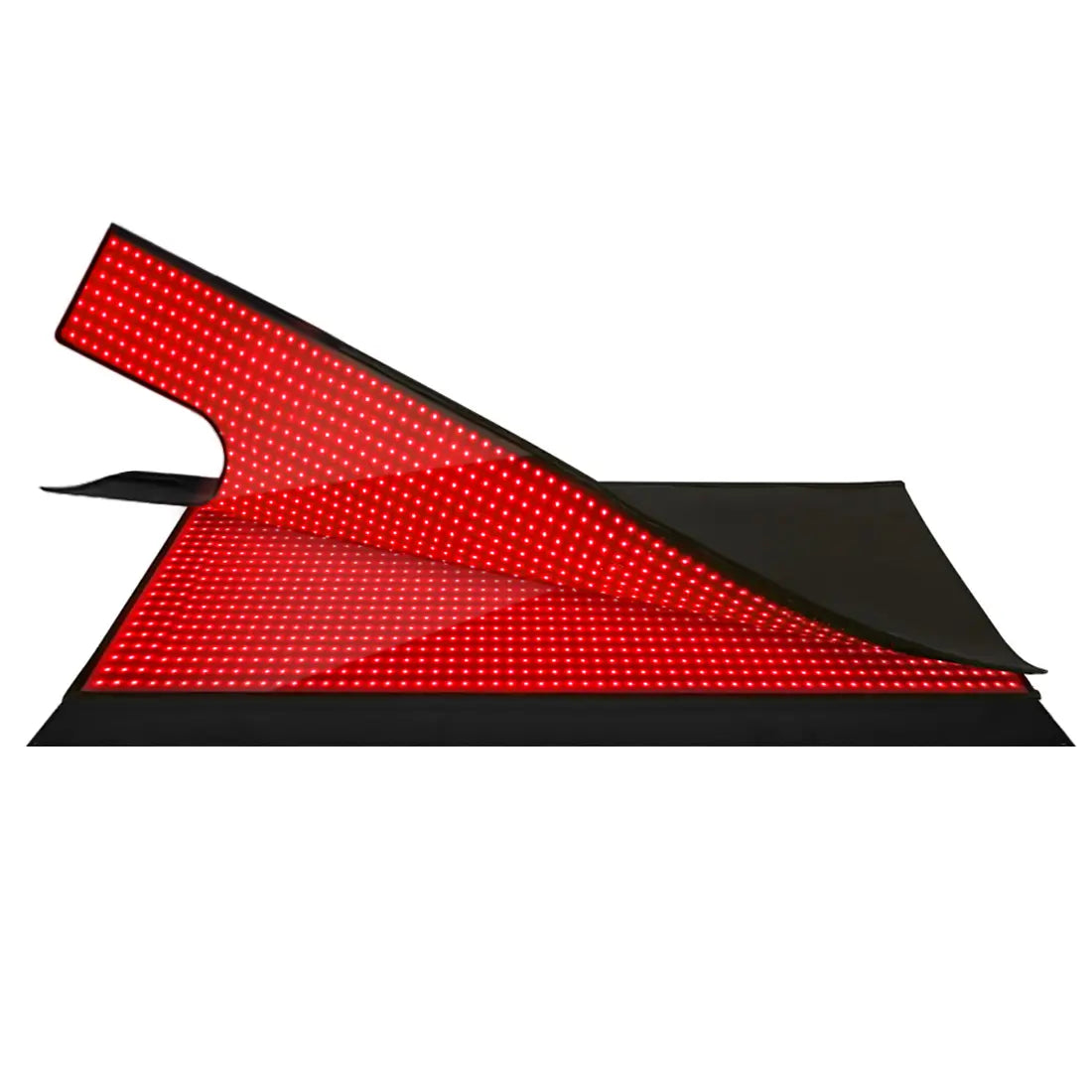
- Targeted use (joints, wounds, small areas): Flexible red light therapy belts or wraps like the YOULUMI Red Light Therapy Belt - IRW-003 allow hands-free application and better contouring to limbs or backs.
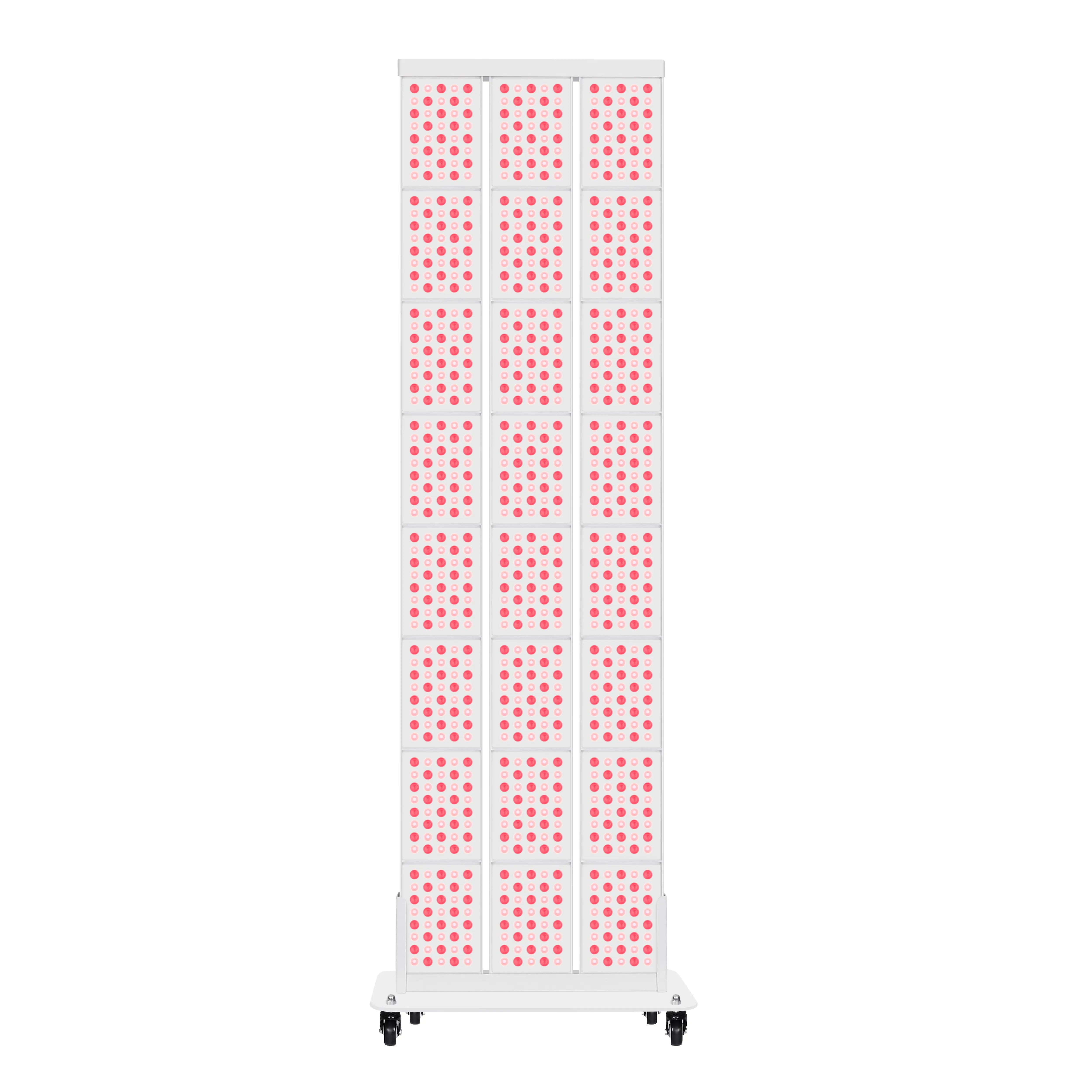
- Larger areas or full-body support: Panels such as the YOULUMI Red Light Therapy Panel - IPR-005 or higher-power 1700W full-body options provide broader coverage but require careful positioning to maintain safe distance and avoid eye exposure.
- Specialized needs: Consider red light therapy boots for feet and legs for equine or canine lower-limb issues, or full-coverage solutions like sleep bags for broader recovery when appropriate.
Compare against clinical standards for irradiance, EMF, and flicker as detailed in our photobiomodulation standards guide. Don't buy if the device lacks irradiance specs, has unclear treatment guidance, risks uncontrolled heat, or cannot prevent eye exposure reliably.
For hands-free convenience during longer sessions on senior pets, many owners prefer red light therapy belts that stay in place without constant supervision.
Species-Specific Considerations and Safe At-Home Protocols
Dogs: Adjust for size and coat. Use the heuristic chart above as a starting reference for arthritis or post-exercise recovery. Shorter coats allow better penetration; longer coats may require more time or closer positioning. Focus on joints, hips, or spine for mobility support.
Cats: More sensitive and often less tolerant of restraint. Use very short sessions (2–5 minutes) in a calm environment. Targeted belts or low-irradiance panels are preferable. Monitor closely for stress. Our dedicated guide covers red light therapy protocols for cats.
Horses: Larger treatment areas and thicker coats demand higher-power devices or wraps. Equine applications often target tendons, ligaments, or sore backs. Sessions may be longer but should still avoid overheating. See equine red light therapy benefits for performance horse considerations.
Practical checklist for safe sessions:
- Obtain veterinary diagnosis and clearance first.
- Choose a device with documented irradiance and start at the lower end of heuristic ranges.
- Position to avoid direct eye exposure—use barriers or angle devices carefully.
- Monitor for heat, redness, or behavioral changes; stop immediately if observed.
- Clean the area; do not apply over open, infected, or cancerous lesions without vet direction.
- Track responses over 2–4 weeks and adjust only with professional input.
Safety Boundaries, Risks, and When Not to Use Red Light Therapy
Key risks include eye damage, tissue overheating, inappropriate dosing for coat or depth, and delaying necessary medical care. Eye protection is non-negotiable for both you and your pet. Overuse does not equal better outcomes—follow the Arndt-Schulz principle that too much light can be counterproductive.
Do not use as a first-line response for undiagnosed lameness, rapidly worsening conditions, suspected infection, or in place of prescribed medications and surgery. It is an adjunct tool, not a substitute for professional care.
This article only discusses comfort and setup advice. It is not medical or veterinary advice. Persistent symptoms or existing conditions require evaluation by a qualified veterinarian.
Integrating Red Light Therapy Into Your Pet's Wellness Routine
Start with short sessions 3–5 times per week, ideally after a veterinary rehab consultation. Combine with gentle exercise, weight control, and other therapies for best results. Many owners report improved mobility and comfort in senior pets when PBM is used consistently within a multimodal plan.
For full-body recovery or sleep support in larger setups, explore red light therapy sleep bags designed for comprehensive coverage.
Conclusion: A Supportive Tool When Used Responsibly
Red light therapy can be a valuable addition to supportive care for pet arthritis, wounds, and mobility challenges, but outcomes depend on proper device selection, realistic dosing, species-specific adjustments, and integration with veterinary guidance. It may help your pet feel more comfortable and maintain better function in daily life, yet results vary and it is never a guaranteed or standalone solution.
Begin by consulting your veterinarian, selecting equipment with transparent specifications, and applying the practical thresholds and safety checklists in this guide. When approached conservatively, PBM offers a low-risk way to support your pet's quality of life at home in 2026 and beyond.
For deeper dives, explore our related resources on veterinary clinical protocols for pets and specific condition guides listed throughout.
References