
Red light therapy, also known as photobiomodulation, is gaining popularity among pet owners seeking non-invasive support for their dogs and cats dealing with joint stiffness, post-operative healing, and mobility challenges. When used thoughtfully under veterinary guidance, it can serve as a helpful adjunct in a broader care plan. However, protocols must be adjusted for pets' smaller size, fur coverage, and specific conditions, and human devices require careful evaluation for safe use.

What Is Red Light Therapy and How Does It Support Pet Health?
Photobiomodulation involves exposing tissue to specific wavelengths of red and near-infrared light, typically in the 600–1000 nm range. This process is believed to stimulate cellular energy production in mitochondria, potentially aiding tissue repair, reducing inflammation, and supporting comfort.
In veterinary settings, photobiomodulation is recognized as a therapeutic modality that may be included as part of a broader treatment plan for rehabilitation. UC Davis Veterinary Medicine incorporates it within sports medicine and rehabilitation services for small animals. Published veterinary evidence also shows light-based approaches providing support for wound care and recovery in dogs and cats.
For pets, red light therapy is most commonly explored for aging joints, post-surgical recovery, and general mobility issues. It is always positioned as adjunctive support alongside standard veterinary care rather than a standalone treatment.
This comprehensive book on laser therapy in veterinary medicine emphasizes that protocols are parameter-dependent and must be tailored to the specific indication, species, and individual animal.
Can You Safely Use Human Red Light Therapy Devices on Dogs and Cats?
Many pet owners wonder whether their existing red light therapy panels or belts designed for humans can be used on pets. The short answer is that it depends on the device specifications, how it is used, and the pet's condition.

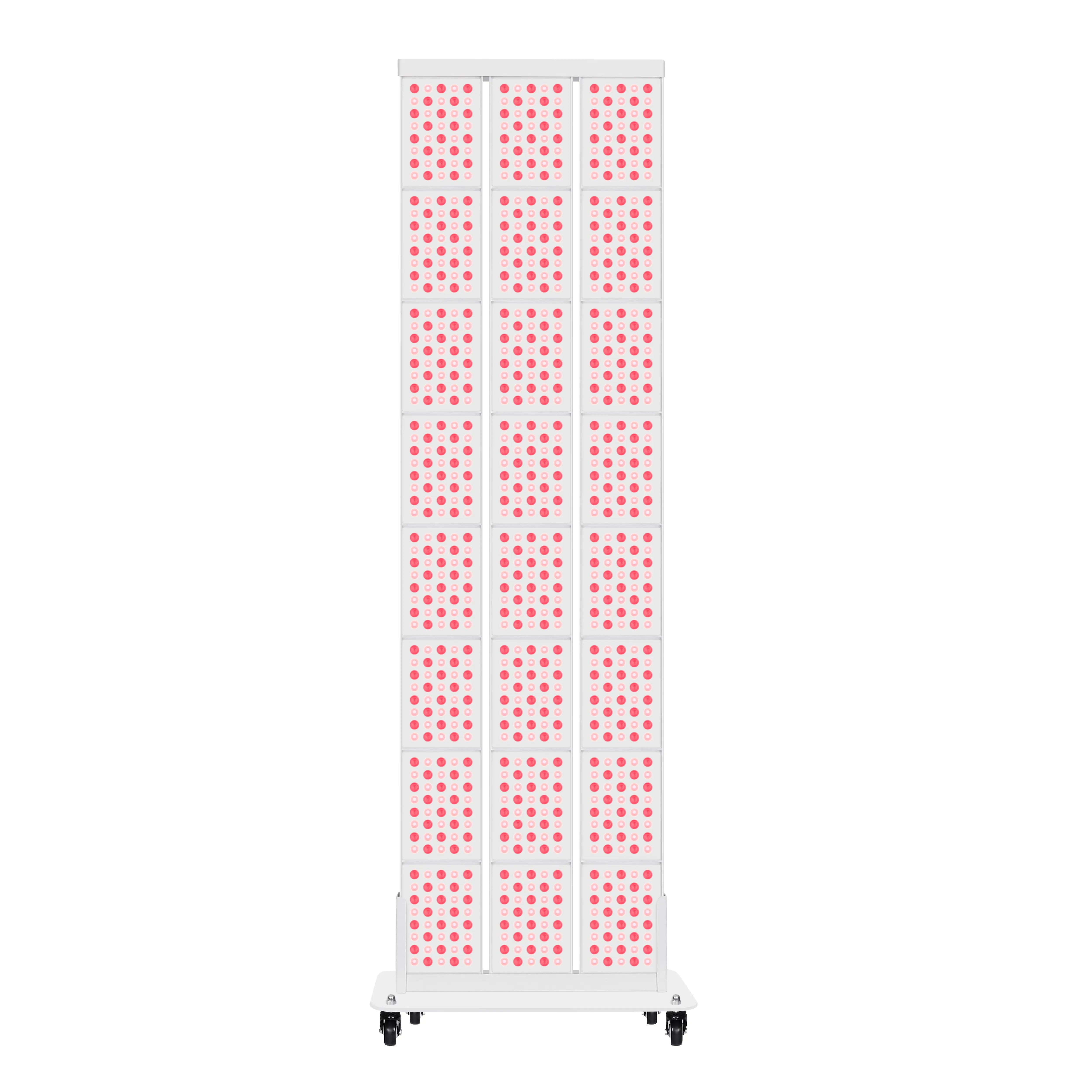
Human devices often deliver irradiance levels and coverage suited for larger body areas. For pets, the key considerations are distance, exposure time, and ensuring the light reaches the target tissue through fur. Thicker fur in dogs may require slightly closer positioning or longer sessions compared to cats with shorter coats, but always start conservatively.
Safety standards such as those outlined in photobiomodulation guidelines stress the importance of proper irradiance measurement and avoiding excessive heat or overexposure. Home-use guidance should be followed closely, especially for pets with complex medical conditions.
Important Safety Note: This article discusses general comfort and setup considerations for red light therapy in pets. It does not constitute veterinary advice, medical diagnosis, or treatment. Red light therapy should only be used under the guidance of a qualified veterinarian. If your pet has persistent discomfort, an existing medical condition, or is recovering from surgery, consult your vet before starting any light therapy regimen.
Key Safety Standards and Contraindications for Pets
Veterinary professionals recommend several precautions when considering red light therapy for animals:
- Always obtain veterinary approval, particularly for post-operative cases or pets with cancer history, as light therapy effects on certain conditions require professional oversight.
- Avoid directing light into the eyes; use protective goggles if the pet will not stay still or use devices with built-in eye safety features.
- Monitor for any signs of discomfort, excessive warmth, or skin irritation during and after sessions.
- Do not use on open wounds without specific veterinary protocols and appropriate sterile technique.
- Pregnant pets or those with photosensitivity should generally avoid treatment unless cleared by a veterinarian.
Photobiomodulation is often integrated into multimodal pain management and mobility support plans in veterinary rehabilitation. Evidence from peer-reviewed sources supports its use as part of wound management in dogs and cats, but results vary by device quality and application consistency.
Understanding Dosing and Treatment Parameters for Pets
Unlike standardized human protocols, pet dosing must account for body weight, coat thickness, and the targeted condition. The Wiley veterinary laser therapy reference highlights that effective parameters depend heavily on the precise wavelength, irradiance, and total energy delivered (measured in Joules per square centimeter).
General heuristic guidelines from veterinary contexts suggest:
- Wavelengths: 660 nm (red) for superficial tissues and 850 nm (near-infrared) for deeper penetration into muscles and joints.
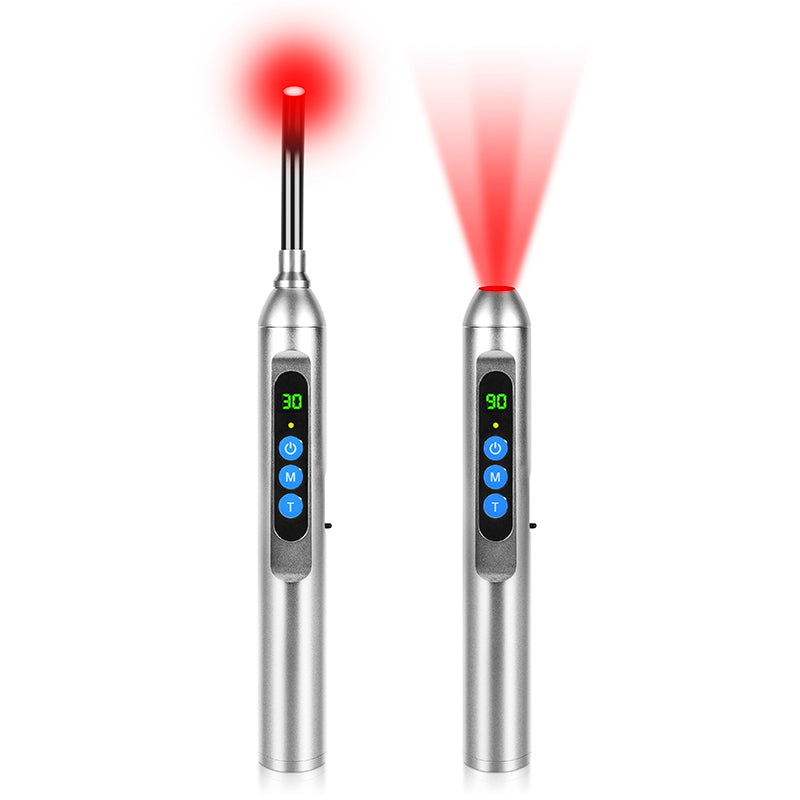
- Distance: Hold the device 6–12 inches away from the pet's skin or fur, adjusting based on device irradiance to avoid overheating.
- Session Duration: Typically 3–10 minutes per treatment area, depending on the condition and device power.
Always begin with shorter sessions and lower frequency to observe your pet's response. Track improvements in mobility or comfort over 2–4 weeks of consistent use.
Here is an illustrative comparison of how protocol patterns may vary across common pet scenarios. These values are heuristic and modeled conservatively for visualization purposes only—they are not clinical prescriptions or official veterinary guidelines.
Illustrative PBM Protocol Ranges for Pets
Illustrative PBM Protocol Ranges for Pets chart.
View chart data
| Category | Sessions per week | Minutes per session |
|---|---|---|
| Dogs - Aging joints | 3.0 | 8.0 |
| Cats - Aging joints | 3.0 | 6.0 |
| Dogs - Post-op recovery | 5.0 | 4.0 |
| Cats - Post-op recovery | 4.0 | 3.0 |
| Dogs - Mobility support | 3.0 | 8.0 |
| Cats - Mobility support | 3.0 | 6.0 |
Illustrative / heuristic ranges only. Built from veterinary PBM context (adjunctive use in dogs/cats; indication-specific protocols; more frequent shorter sessions after surgery; longer, less frequent sessions for chronic joint or mobility support). Values are conservative modeled midpoints for article visualization, not clinical dosing or official guidelines.
The chart illustrates relative patterns: post-operative recovery often involves more frequent but shorter sessions, while chronic joint or mobility support tends toward fewer, longer applications. These are illustrative only and must be customized with professional input.
Condition-Specific Protocols for Dogs and Cats
Aging Joints and Arthritis Support
For senior pets experiencing stiffness, red light therapy may help promote comfort and mobility when used consistently. Target major joints such as hips, knees, and shoulders.
Typical heuristic approach: 3 sessions per week, 6–10 minutes per area at a comfortable distance. Combine with gentle exercise and veterinary-recommended joint supplements for best results. Monitor gait and activity levels to gauge response.
Post-Operative Recovery and Wound Support
Light-based photobiomodulation has published evidence supporting wound care and recovery in dogs and cats. For post-surgical sites, protocols tend to favor more frequent but gentler applications.
Heuristic pattern: 4–5 sessions per week with shorter 3–5 minute exposures per site during the initial healing phase. Strictly follow your veterinarian’s instructions, especially regarding incision sites. This AVMA journal article discusses photobiomodulation approaches in companion animal wound management.
Mobility and General Wellness
For ongoing mobility support in active or working dogs, red light therapy can be integrated into a weekly wellness routine. Focus on large muscle groups and major joints.
Suggested pattern: 3 sessions weekly with 8–10 minutes per major area. This can complement physical therapy or rehabilitation programs offered at clinics like those at UC Davis.
Cats often require shorter durations due to their smaller size and higher sensitivity. Observe behavior closely—many cats tolerate brief, calm sessions well when introduced gradually.
How Often and How Long Should Sessions Last?
Frequency and duration should be tailored rather than following a one-size-fits-all schedule. A common starting point for most pets is 3–5 sessions per week, with each targeted area receiving 3–10 minutes depending on the device irradiance and condition being addressed.
Begin with the lower end of the range and gradually increase while monitoring your pet’s response. Many owners find that consistency over several weeks yields more noticeable improvements in comfort and activity than sporadic longer sessions.
Track your sessions in a simple journal, noting date, duration, areas treated, and any observed changes in behavior or mobility. Share this information with your veterinarian during check-ups.
Practical Checklist: How to Choose and Use Red Light Therapy for Your Pet
Before purchasing or using a device, run through this self-assessment:
- Has your veterinarian evaluated your pet’s condition and approved light therapy as part of the care plan?
- Does the device emit clinically relevant wavelengths (660 nm and/or 850 nm) with verifiable irradiance specifications?
- Can you maintain a consistent safe distance and treatment schedule that fits your household routine?
- Is your pet comfortable with the device noise, warmth, and positioning, or will desensitization training be needed?
- For post-op or complex cases, do you have clear instructions on which areas to avoid and when to stop treatment?
- Are you prepared to combine red light therapy with other recommended therapies rather than relying on it alone?
If the answer to any of these is uncertain, pause and consult your vet. Not every pet or condition will benefit equally, and professional guidance helps set realistic expectations.
Choosing the Right Device and Next Steps
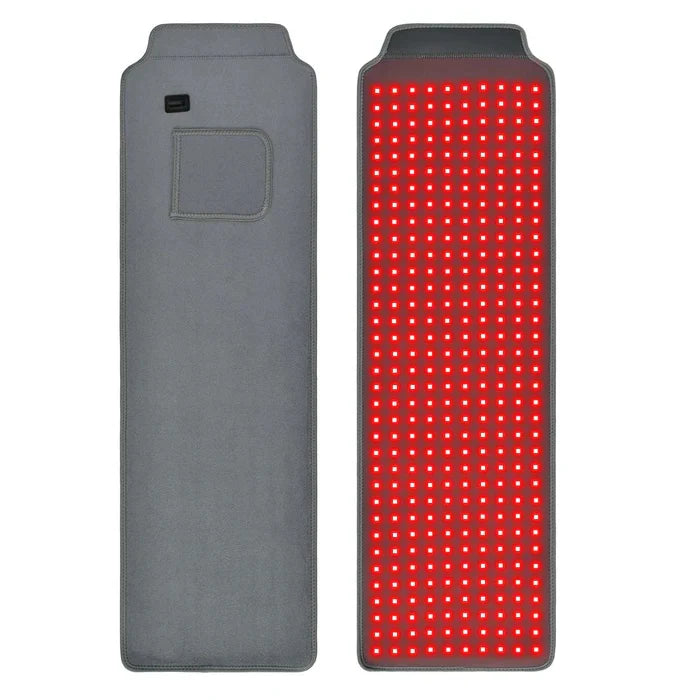
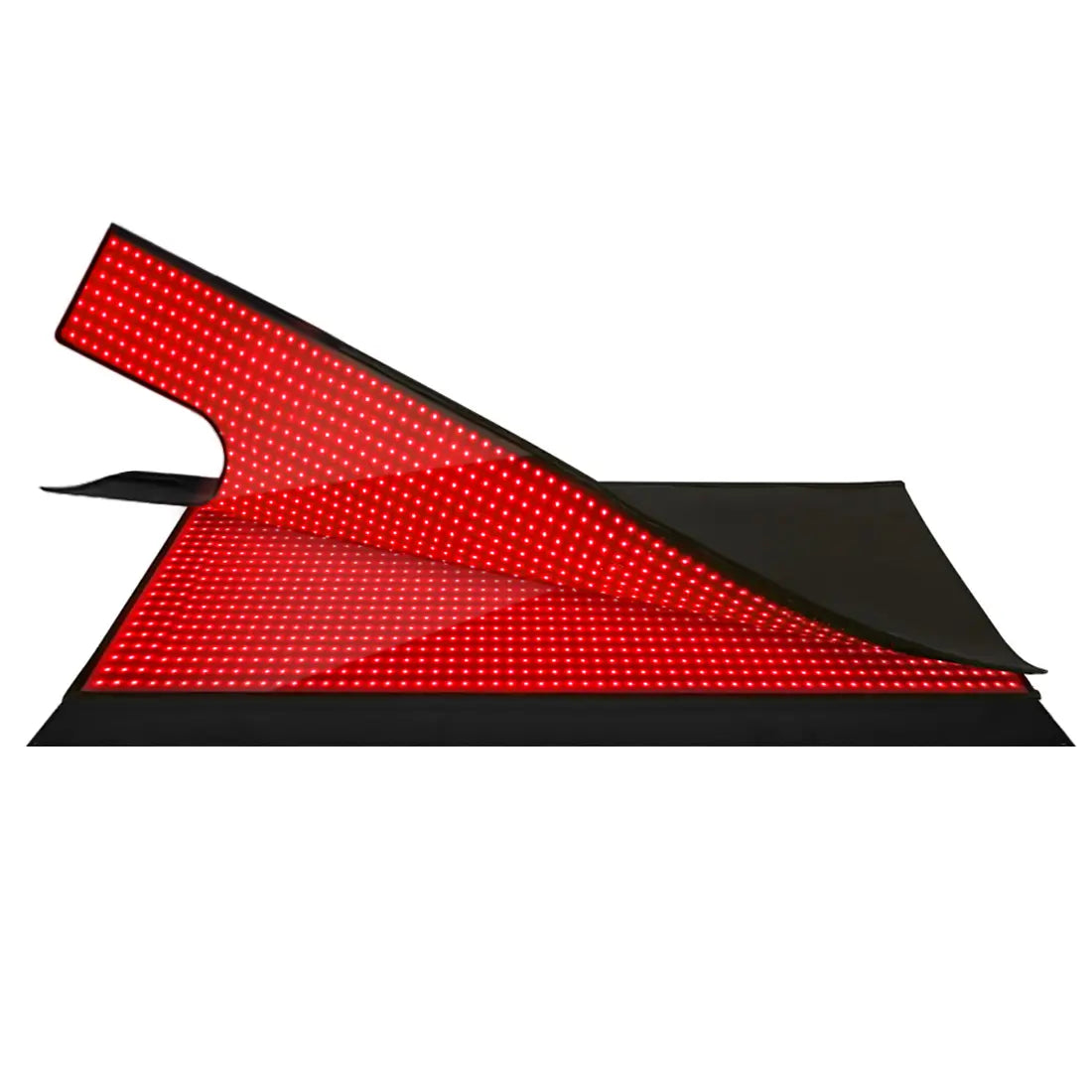
Look for devices that offer adjustable power, clear wavelength information, and safety certifications. Flexible options like red light therapy belts can be easier to position on pets compared to large panels, allowing targeted treatment while keeping the animal relaxed.
For deeper reading on related photobiomodulation topics, explore our guide to photobiomodulation standards, irradiance, EMF, and safety. Pet owners interested in broader wellness applications may also find value in understanding how red light therapy supports recovery after high-intensity activity, as similar cellular mechanisms apply across species.
Additional practical insights can be found in our article on whether red light therapy works through clothes, which discusses light penetration factors relevant when treating pets with fur.
Red light therapy offers a promising, non-invasive option for supporting pet wellness, but success depends on proper protocols, device quality, and integration with professional veterinary care. Start conservatively, observe your pet closely, and prioritize evidence-based application to help your furry companion enjoy greater comfort and mobility.
Disclaimer: The information in this article is for educational purposes only and is not a substitute for professional veterinary advice. Always consult your veterinarian before beginning any new therapy, especially for pets with health conditions or recent surgery. Individual results will vary based on the pet’s age, breed, overall health, and the specific device used.