
The Economics of Red Light Therapy: Factory-Direct vs. Retail
Medical Disclaimer: The information provided in this article is for educational and informational purposes only and is not intended as medical advice, diagnosis, or treatment. Red light therapy devices are generally classified as wellness products. Always seek the advice of your physician or other qualified health provider with any questions you may have regarding a medical condition or the use of light therapy for specific health goals.
Transparency Disclosure: This analysis is provided by Youlumi, a factory-direct manufacturer of LED therapy systems. While we strive for objective industry analysis, this content reflects our internal supply chain data and market observations as a direct-to-consumer provider.
Summary
The significant price disparity between factory-direct and retail red light therapy (RLT) devices in 2026 is primarily driven by multi-layered supply chain markups and high customer acquisition costs rather than fundamental differences in technical hardware. By sourcing directly from manufacturers, consumers can often access professional-grade irradiance and wavelength precision at a significantly lower cost than that typically associated with Western retail brands.
Key Takeaways
- Supply Chain Efficiency: Factory-direct models bypass the estimated 300% to 500% markups (based on typical consumer electronics distribution) added by brand licensing, third-party distributors, and retail overhead.
- Technical Parity: Many "premium" retail brands utilize comparable high-output LED chips and internal drivers as high-end factory-direct models, often originating from the same specialized production facilities.
- Marketing Premiums: A substantial portion of a retail device's price covers influencer commissions (estimated at 20-30% in the current market), aggressive digital advertising, and the logistics of "free" returns.
- Regulatory Costs: Price differences often reflect the administrative cost of FDA 510(k) medical device clearance—estimated between $20,000 and $100,000+ per product line—rather than inherent differences in therapeutic hardware.
Decoding the Red Light Therapy Price Gap
As we move through 2026, the red light therapy market has matured, yet a significant price gap remains. You might find a high-powered panel from a major Western brand retailing for an estimated $1,500, while a technically comparable device is available factory-direct for approximately $400. Understanding the factors driving red light therapy costs requires looking past the sleek marketing and into the actual bill of materials (BOM) and distribution logistics.
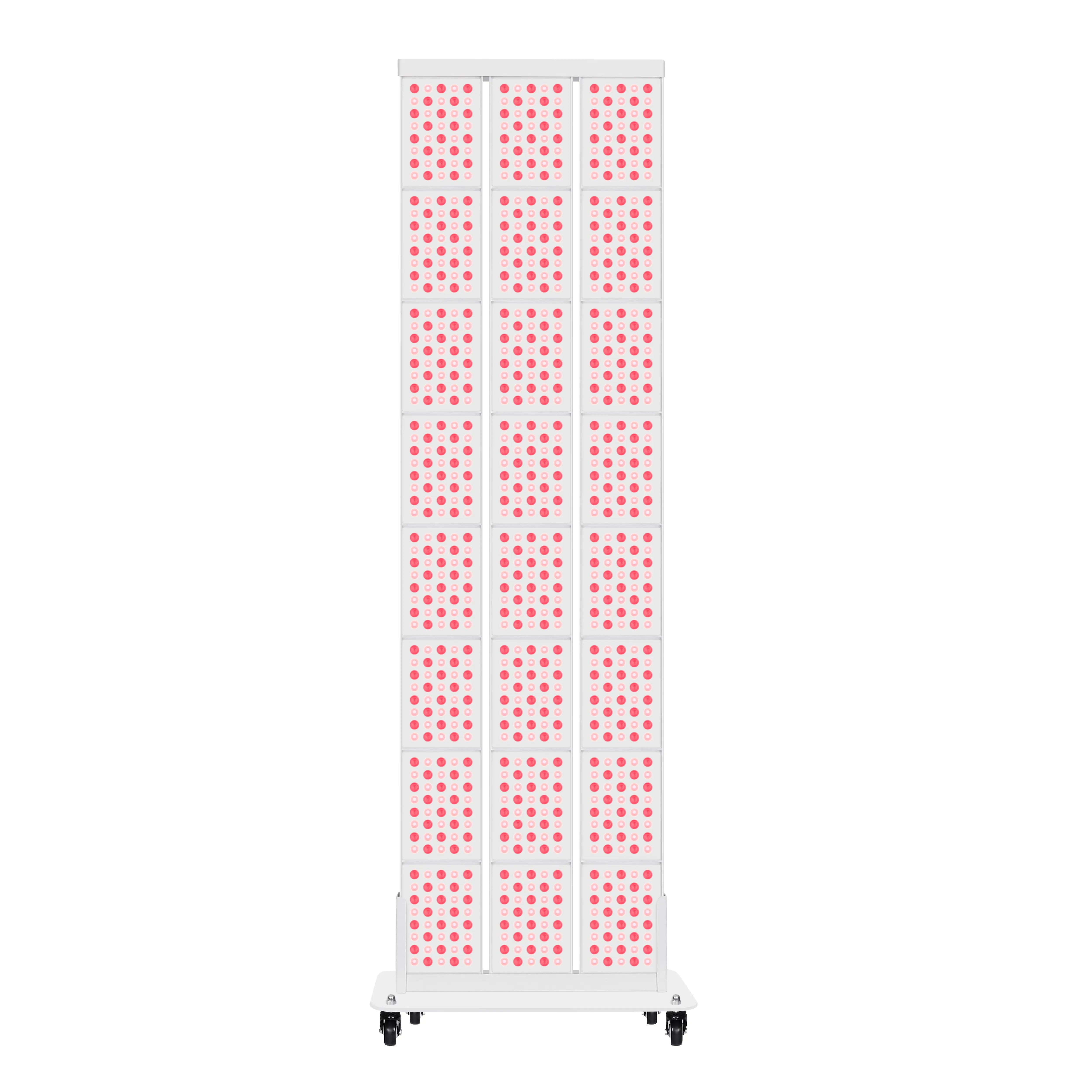
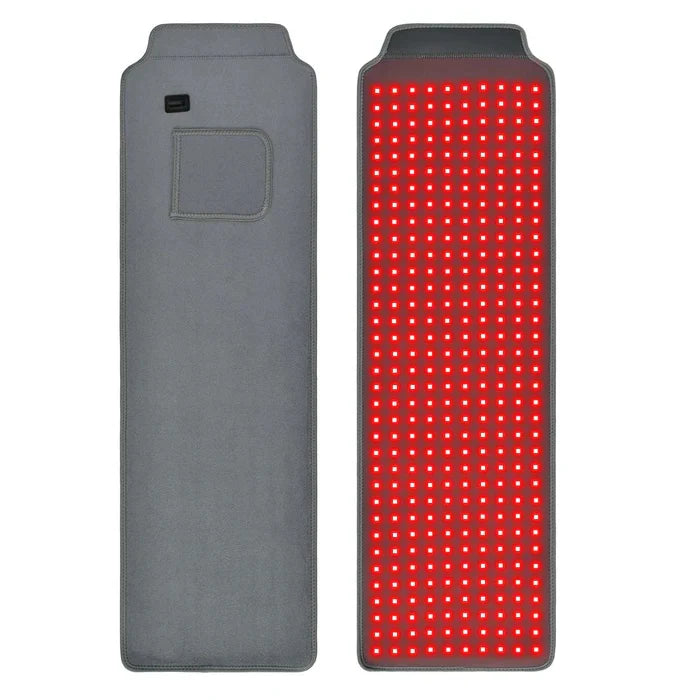
The traditional retail model involves several hands touching the product before it reaches your door. Each step—from the original equipment manufacturer (OEM) to the brand owner, then to the regional distributor, and finally the retailer—adds a margin to cover operating costs and profit. In contrast, the factory-direct model collapses these layers, allowing the manufacturer to ship high-performance hardware like a 1500W red light therapy panel directly to the end-user.

Logic Summary: This analysis assumes a standard consumer electronics markup model. It focuses on high-output panels rather than low-powered "beauty" gadgets, as the economic differences are most pronounced in professional-grade hardware.
Component-Level Transparency: What Are You Actually Paying For?
One of the most common justifications for high retail prices is the claim of "proprietary technology." However, technical teardowns of leading devices often reveal a different story. The core of any RLT device consists of LED chips, power drivers, and thermal management systems.
In 2026, the industry standard for high-quality therapeutic LEDs remains specialized chips from manufacturers like Epistar. While some brands imply they use exclusive "medical-grade" LEDs, these same high-bin chips are available to any manufacturer willing to invest in quality components. The same applies to internal power drivers; many factory-direct units utilize industry-standard Mean Well drivers, known for their longevity. When selecting the right red light therapy panel, savvy consumers now look for component transparency rather than brand prestige.
Technical Verification: Calculating Your Dose
To verify the value of a device, you should look at the "Energy Density" or Dose. You can calculate this using the following formula:
Dose (Joules/cm²) = [Irradiance (mW/cm²) × Time (seconds)] / 1,000
Example: If a panel delivers 50 mW/cm² at a 6-inch distance and you use it for 10 minutes (600 seconds), the total dose is 30 J/cm². High-quality factory-direct panels often match or exceed the irradiance of retail brands, providing equivalent or superior dosing potential.
| Component | Retail Brand (Typical) | Factory-Direct (High-End) | Economic Impact |
|---|---|---|---|
| LED Chipset | Epistar or equivalent | Epistar or equivalent | Technical Parity |
| Power Driver | Internal Brand/Generic | Mean Well or UL-Listed | Reliability Parity |
| Heatsink | Aluminum Fin | Aluminum Fin | Performance Parity |
| Markup (Est.) | 400% - 700% | 50% - 100% | 3x - 5x Price Difference |
The Hidden Costs of Branding and "Free" Services
When you purchase from a major retail brand, you are often funding an extensive marketing ecosystem. This includes multi-million dollar advertising budgets and influencer marketing programs where commissions are estimated to range from 20% to 30% per sale. These costs are typically baked directly into the retail price.
Furthermore, the convenience of "free 60-day returns" is a significant financial burden. In the RLT industry, return rates for high-priced items can be notable. To maintain profitability, brands must increase the initial sale price to subsidize the logistics and refurbishment costs of returned units. Factory-direct models often pass these savings to the consumer by offering a more transparent pricing structure with fewer "embedded" service costs.

Regulatory Arbitrage: Wellness vs. Medical Device
A major driver of the "retail premium" is the regulatory path a brand chooses. Obtaining FDA 510(k) clearance for a medical device is an expensive administrative process, with costs estimated between $20,000 and $100,000+ in consulting, testing, and filing fees. While this clearance allows brands to make specific "medical" claims, it does not inherently mean the hardware is technically superior to a "wellness" device with the same irradiance and wavelength specs.
This creates a "regulatory arbitrage" opportunity. Many factory-direct manufacturers produce hardware that meets or exceeds quality standards for red light therapy devices, including IEC 60601-2-57:2026 safety protocols, but market them as general wellness products to avoid the administrative overhead of medical classification. For the consumer, this means you can often find comparable hardware sold as a $1,500 "medical device" or a $400 "wellness panel."
Logic Summary: Regulatory clearance is a legal requirement for making specific health claims, not a certificate of technical superiority. Consumers should distinguish between "safety certifications" (like UL or CE) and "marketing clearances" (like FDA 510k).
Evaluating Value: A Decision Framework
Choosing between factory-direct and retail depends on your priorities. If you value a local showroom experience and a brand name recognized from social media, the retail premium may be a justifiable expense for that peace of mind. However, if your goal is therapeutic efficacy—measured by Joules/cm² and wavelength accuracy—the factory-direct model offers significant "technical arbitrage."
When comparing red light therapy wavelengths, ensure the manufacturer provides independent spectroradiometry reports. This level of transparency is the hallmark of a high-quality factory-direct partner. Whether you are looking for a full-body setup or targeted red light therapy for hair growth, focusing on the physics rather than the packaging will yield the best return on investment.
FAQ
Why is there such a large price difference between RLT brands? The price difference is largely due to the distribution model and marketing overhead. Retail brands often apply an estimated 5x to 7x markup over factory costs to cover influencer commissions, retail margins, and advertising. Factory-direct models eliminate these layers, passing the savings to the consumer while maintaining comparable hardware quality.
Are expensive red light therapy devices more effective? Not necessarily. Effectiveness is determined by irradiance (light intensity), wavelength precision (typically 660nm and 850nm), and treatment time. Many mid-priced factory-direct devices provide irradiance levels that are equal to or higher than expensive retail units that may prioritize aesthetics. Always check for third-party lab testing rather than using price as a proxy for quality.
What does FDA clearance actually mean for the price? FDA 510(k) clearance is a regulatory process that allows a company to market a device for specific medical conditions. The process is expensive and time-consuming, often adding hundreds of dollars to the final retail price. While it provides regulatory oversight, it does not guarantee the device uses "better" LEDs than a non-cleared wellness device with identical technical specifications.
How can I verify if a factory-direct device is high quality? Look for manufacturers that provide detailed technical specifications, including flicker rates, EMF output, and irradiance measured with laboratory-grade spectroradiometers. Reliable factory-direct brands will often share their component sources, such as using Mean Well drivers, and will hold safety certifications like UL, CE, or RoHS.
Do "premium" brands use different LED chips? In most cases, no. The majority of the RLT industry uses LED chips from a handful of major manufacturers like Epistar. While a brand might claim "custom" LEDs, these are typically standard high-output chips. The "premium" usually refers to the brand's marketing and customer service rather than a unique breakthrough in LED physics.
Is the warranty better with retail brands? Retail brands often highlight their warranties to justify higher prices. While they may offer easier local support, many high-end factory-direct manufacturers now offer 3-to-5-year warranties and have established global support centers. It is important to read the fine print of any warranty to see what is actually covered, regardless of the price point.
References
Government / Standards / Regulators
- FDA: Premarket Notification 510(k) Requirements
- FDA: Medical Device User Fee Rates for 2026
- IEC 60601-2-57:2026 - Safety of non-laser light source equipment
Platform Official Docs & Policies
Industry Associations / Research Institutes
- Global LED Market Analysis 2026 - Component Sourcing Trends (Industry Trend Reference)
Academic / Whitepapers / Labs
- The Arndt-Schulz Law in Photobiomodulation: Dose-Response Relationships
- Spectroradiometric Analysis of Consumer RLT Devices (Technical Verification Reference)