
Summary
Equine red light therapy, or photobiomodulation (PBM), utilizes specific wavelengths of light to stimulate cellular repair, reduce inflammation, and accelerate recovery in performance horses. By delivering targeted energy to mitochondria, this non-invasive modality helps manage tendon injuries, muscle soreness, and joint issues, ensuring elite equine athletes maintain peak physical condition throughout the competitive season.

Key takeaways
- Cellular Regeneration: PBM stimulates ATP production in mitochondria, providing the energy required for rapid tissue repair and reduced recovery times.
- Dual-Wavelength Efficacy: Combining 660nm (red) for superficial skin and 850nm (near-infrared) for deep tissue penetration is essential for treating complex equine injuries.
- Inflammation Management: Regular therapy sessions significantly lower pro-inflammatory cytokines, helping to manage chronic conditions like arthritis and acute swelling.
- Performance Optimization: Pre-performance sessions can enhance blood flow and muscle elasticity, while post-performance application prevents delayed onset muscle soreness (DOMS).
- Non-Invasive Safety: As a drug-free intervention, red light therapy carries no risk of positive drug tests and aligns with 2026 veterinary safety standards.
How red light therapy works for the equine athlete
The biological foundation of equine red light therapy lies in the absorption of light photons by cytochrome c oxidase within the mitochondria. This process, known as photobiomodulation, triggers a cascade of biochemical events that increase cellular energy (ATP), modulate reactive oxygen species, and release nitric oxide. For a performance horse, this translates to faster healing of micro-tears in muscle fibers and more efficient repair of dense connective tissues like tendons and ligaments.
In the context of modern sports medicine, the distinction between wavelengths is critical. Red light (660nm) is primarily absorbed by the skin and superficial tissues, making it ideal for wound healing and skin conditions. Conversely, near-infrared light (850nm) penetrates much deeper, reaching the musculature, tendons, and even joint capsules. For comprehensive results, practitioners often utilize a comparison of 850nm vs 660nm wavelengths for tissue penetration to tailor treatments to the specific depth of the injury.
Logic Summary: The therapeutic window for PBM is defined by the Arndt-Schulz Law, which suggests that low doses stimulate while high doses inhibit. We assume a standard performance horse coat thickness; however, dark-coated horses may require slightly longer exposure times due to melanin absorption.
Targeted protocols for common equine injuries
Treating a performance horse requires a nuanced approach that differentiates between acute trauma and chronic maintenance. A "one-size-fits-all" application often leads to suboptimal results. Instead, owners should follow specific energy density guidelines (measured in Joules/cm²) to ensure the light actually reaches the target tissue with enough power to elicit a response.
Tendon and ligament recovery
Tendon injuries are among the most career-threatening issues for performance horses. Because tendons have limited blood supply, natural healing is notoriously slow. Red light therapy increases local circulation and collagen synthesis, which are vital for restoring the structural integrity of the superficial digital flexor tendon or the suspensory ligament. For acute injuries, a daily protocol of 4-6 J/cm² is typically recommended, transitioning to 8-10 J/cm² during the subacute remodeling phase.
Muscle soreness and back pain
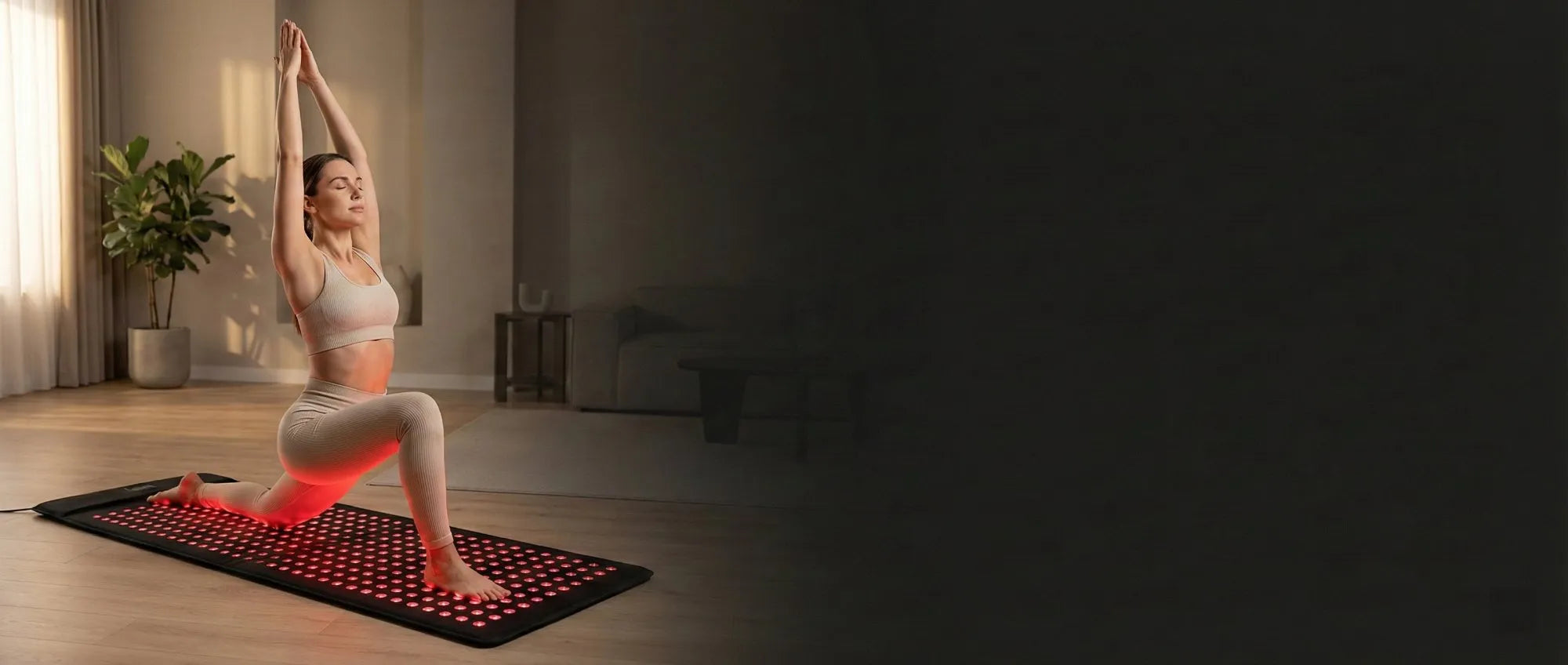
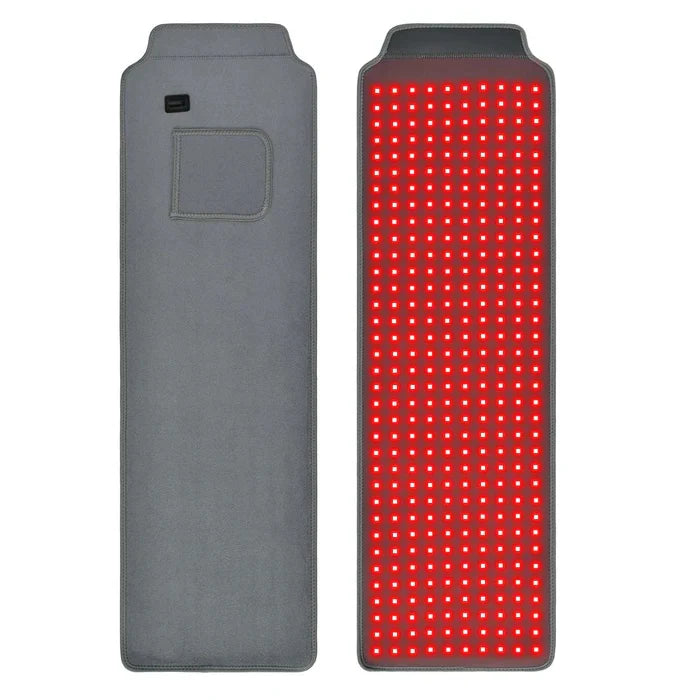
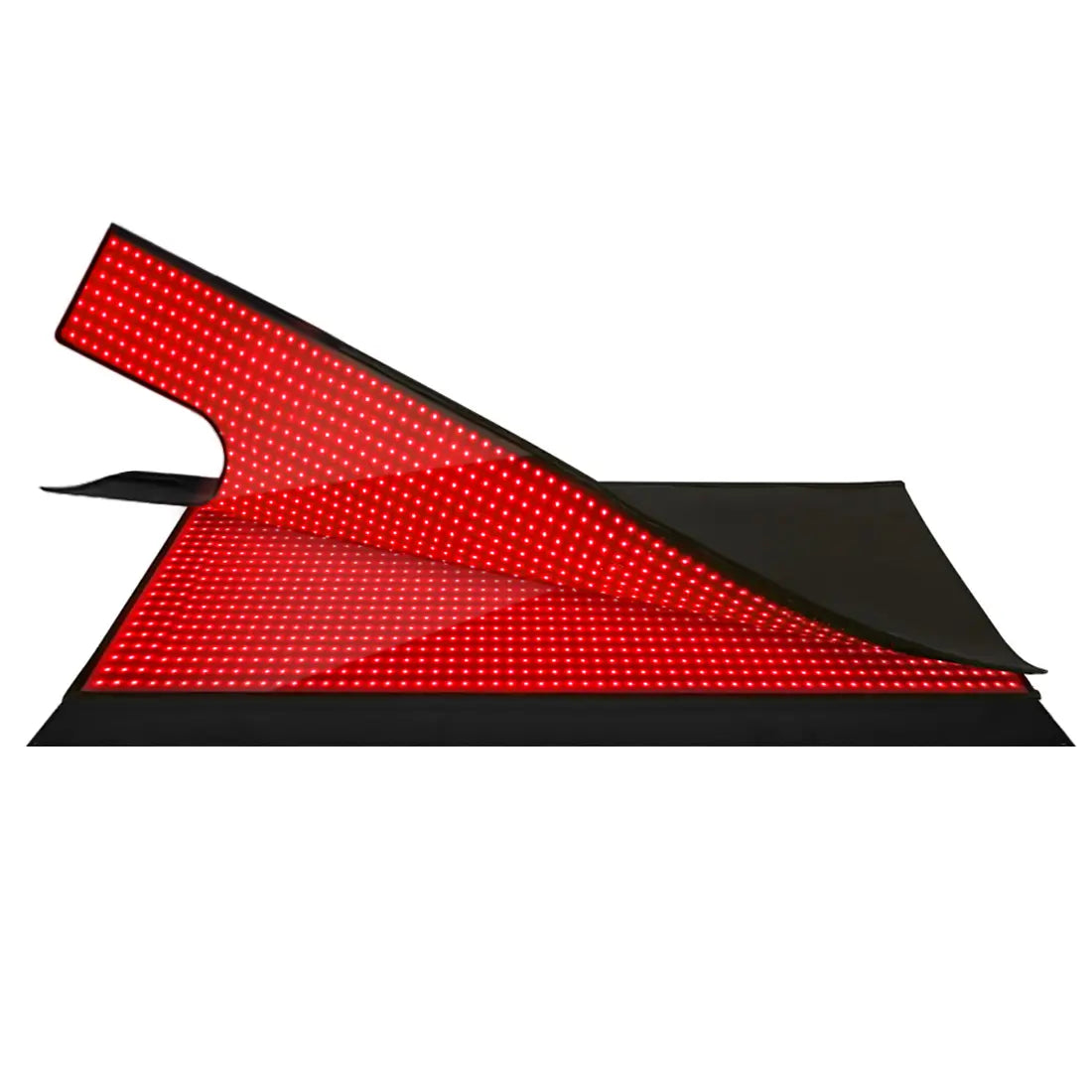
High-intensity training often leads to "cold backs" or lumbar soreness. Utilizing a full-body red light therapy mat with dual wavelengths allows for large-area coverage, treating the entire topline simultaneously. This helps clear metabolic waste like lactic acid and reduces muscle guarding, allowing the horse to move more freely and correctly under saddle.

Advanced parameters: Pulsing and Irradiance
As we move through 2026, the industry has shifted toward more sophisticated device parameters. It is no longer enough to simply "shine a light." The frequency of the light—whether it is continuous wave or pulsed—can influence the neurological and vascular response. Some practitioners prefer pulsing frequencies and breathing mode for enhanced therapeutic effects, specifically using 10Hz for pain relief and 40Hz for stimulating deeper tissue repair.
Furthermore, the quality of the device is paramount. High-end equine wraps and panels must adhere to strict safety standards and irradiance guidelines for photobiomodulation to avoid "irradiance inflation." Ensuring your equipment provides a verified power output ensures that a 10-minute session actually delivers the intended dosage.
Equine PBM dosage and frequency framework
The following table outlines a heuristic framework for applying red light therapy based on the condition's stage and depth.
| Condition Type | Primary Wavelength | Target Dosage (J/cm²) | Frequency | Duration |
|---|---|---|---|---|
| Acute Wound/Skin | 660nm | 2 - 4 J/cm² | 1-2x Daily | 5-10 mins |
| Acute Tendon/Ligament | 850nm | 4 - 8 J/cm² | 1x Daily | 10-15 mins |
| Chronic Arthritis | 850nm | 10 - 15 J/cm² | 3-4x Weekly | 15-20 mins |
| Muscle Recovery (Post-Work) | 660nm + 850nm | 6 - 10 J/cm² | Post-Exercise | 15 mins |
| Pre-Performance Warm-up | 850nm | 4 - 6 J/cm² | Pre-Exercise | 10 mins |
Logic Summary: These dosages are based on average irradiance levels of 50-100mW/cm² at the skin surface. If using a lower-powered wrap, time must be increased proportionally. Always consult with a veterinarian for severe injuries before starting a PBM regimen.
Selecting the right equipment for your stable
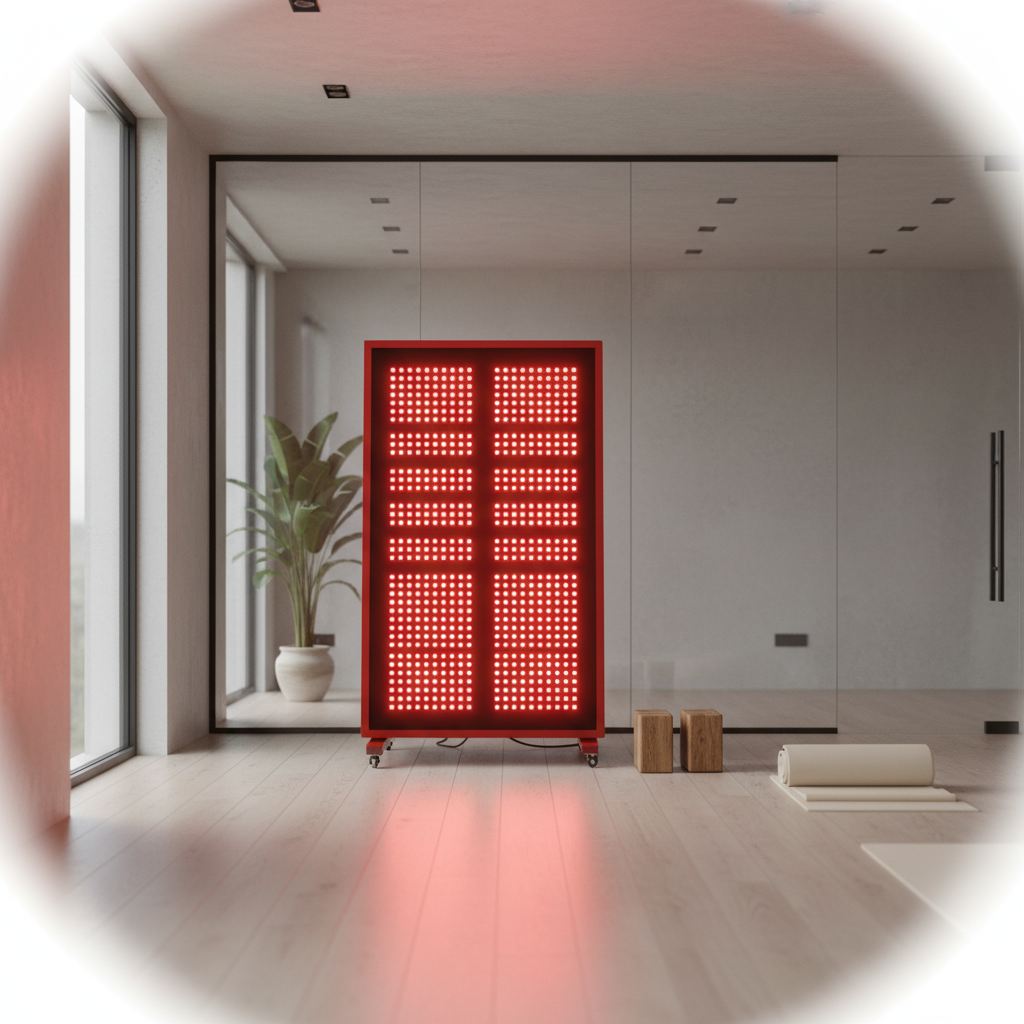
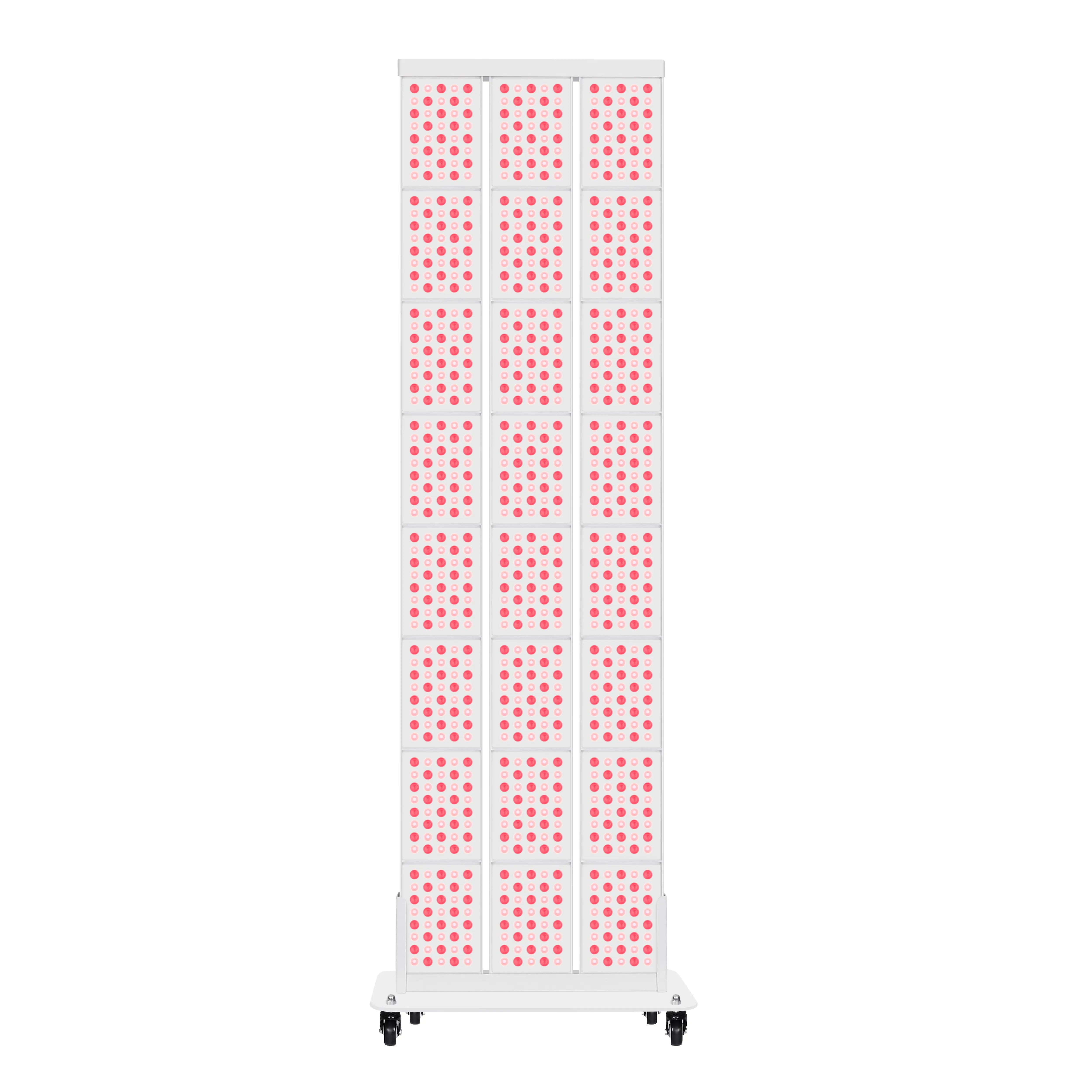
When investing in equine recovery hardware, portability and durability are as important as the light specs. A targeted red light therapy belt for localized treatment is excellent for hocks, knees, and fetlocks, as it can be easily secured to the limb. For larger areas like the haunches or back, a guide to selecting red light therapy panels based on power and coverage can help you decide between a stationary stall-mounted panel or a flexible mat.
FAQ
How soon can I use red light therapy after a horse sustains an injury? You can typically begin red light therapy immediately after an acute injury, such as a kick or a strain. In the first 24-48 hours, the primary goal is to manage the initial inflammatory response and provide pain relief. Research indicates that early intervention with photobiomodulation can prevent the formation of excessive scar tissue and speed up the transition to the proliferative healing phase.
Can red light therapy penetrate through a horse's thick winter coat? While red light therapy can penetrate hair, a very thick or muddy coat will significantly scatter and reflect the light photons, reducing the effective dosage. For optimal results, ensure the treatment area is clean and the hair is brushed flat. In some clinical cases involving deep tendon injuries, veterinarians may recommend clipping a small window of hair to maximize penetration, though this is usually not necessary for standard maintenance.
Is it possible to "overdose" a horse with red light therapy? While red light therapy is exceptionally safe, the "biphasic dose response" means that too much light can actually slow down healing or cause temporary discomfort. If you exceed the therapeutic window, the cells may become overwhelmed, leading to an inhibitory effect rather than a stimulatory one. It is best to stick to the recommended 10-20 minute sessions and observe the horse for signs of relaxation or sensitivity.
Can I use red light therapy on a horse that is currently on medication? Red light therapy is a non-pharmacological treatment and generally does not interact with systemic medications like NSAIDs (e.g., Bute or Banamine). However, you should avoid using PBM over areas where topical medications, especially photosensitizing ointments or liniments, have been applied. Always check with your vet if your horse is undergoing chemotherapy or has active internal bleeding.
Does red light therapy help with hoof issues like laminitis or abscesses? Yes, red light therapy can be a valuable supportive tool for hoof health by increasing blood flow to the laminae and coronary band. For abscesses, the increased circulation can help "draw out" the infection and speed up the healing of the hoof wall once it has drained. While it is not a cure for laminitis, it can help manage the intense pain and inflammation associated with the condition when used alongside traditional farriery and veterinary care.
How many sessions are needed to see a visible difference in performance? For acute pain or muscle tightness, many owners report a visible "softening" of the horse's expression and movement after just one or two sessions. For structural healing of tendons or ligaments, significant changes are usually observed via ultrasound or clinical exam after 4-6 weeks of consistent use. Consistency is key; a regular maintenance schedule is more effective than sporadic, long sessions.
References
Government / Standards / Regulators
- IEC 60601-2-57:2026 - Medical electrical equipment - Part 2-57: Particular requirements for the basic safety and essential performance of non-laser light source equipment.
- IEEE 1789-2015 - IEEE Recommended Practices for Modulating Current in High-Brightness LEDs for Mitigating Health Risks to Viewers.
Industry associations / research institutes / market reports
- American Association of Equine Practitioners (AAEP) - Guidelines on Therapeutic Modalities in Equine Sports Medicine (2025 Update).
- International Society for Laser Medicine and Surgery (ISLMS) - Clinical Standards for Photobiomodulation.
Academic / whitepapers / labs
- "High-power Photobiomodulation Therapy in the Conservative Management of Two Severe Equine Distal Limb Injuries," Large Animal Review, 2024.
- "Photobiomodulation in Equine Sports Medicine: From Cellular Mechanisms to Tendon Repair," Veterinary Clinics of North America: Equine Practice, 2025.
Platform official docs & policies
- Photobiomodulation Standards: Irradiance, EMF, and Safety, YouLumi Authoritative Whitepaper, 2026.