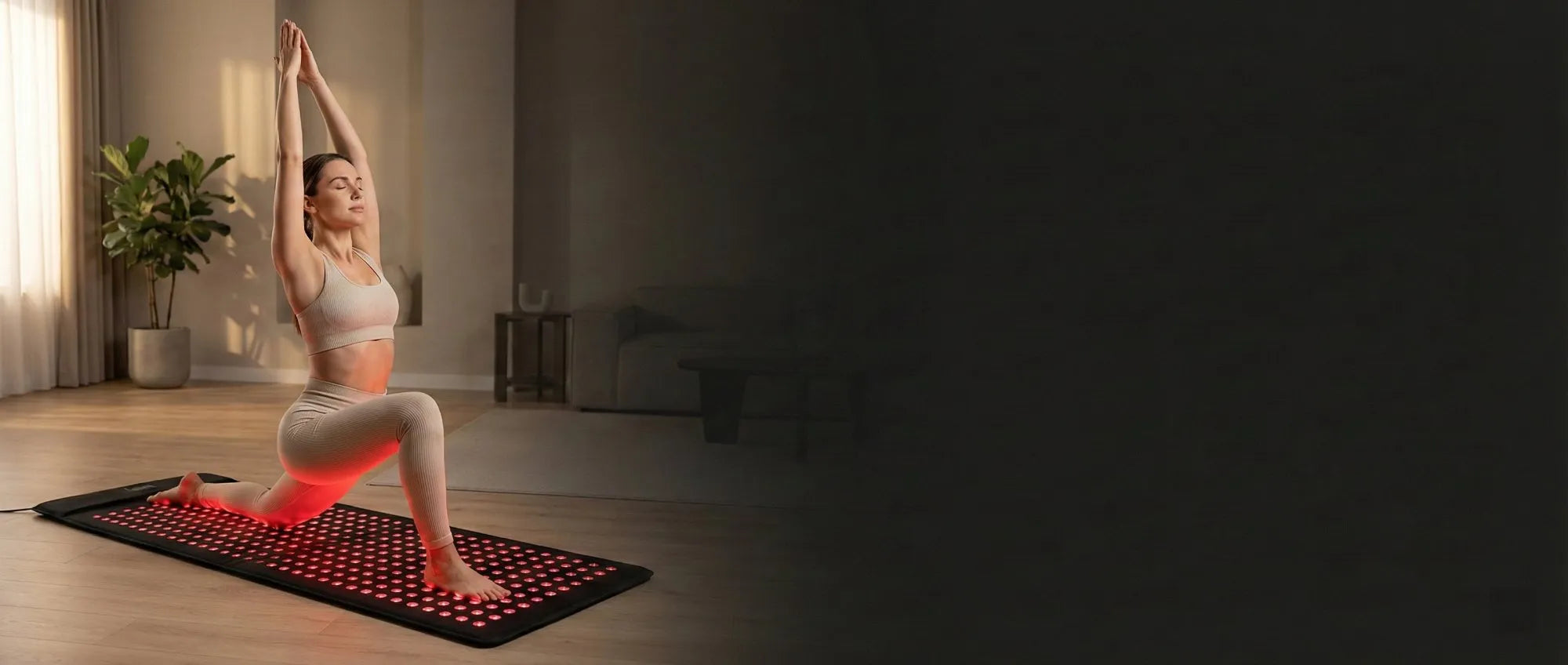
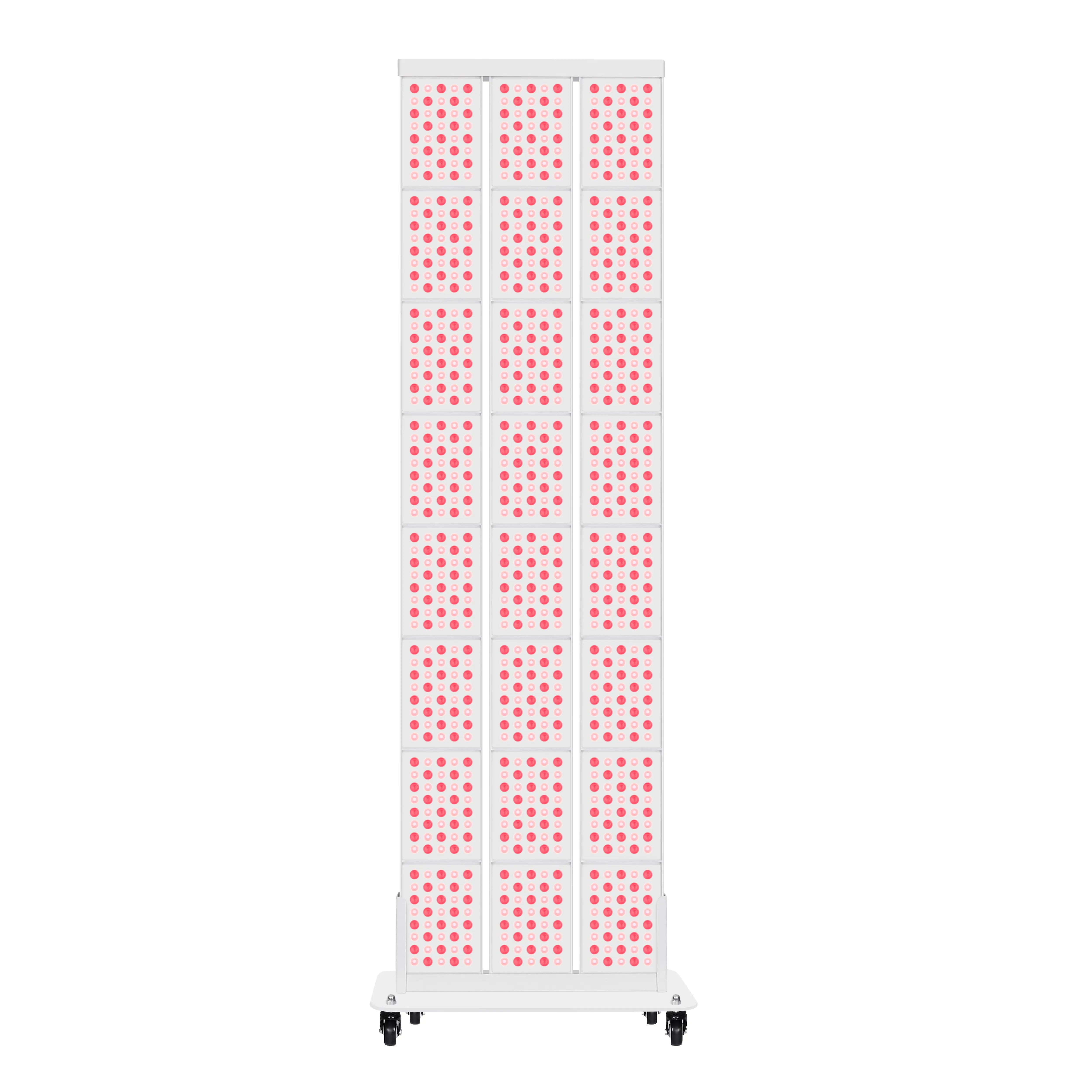
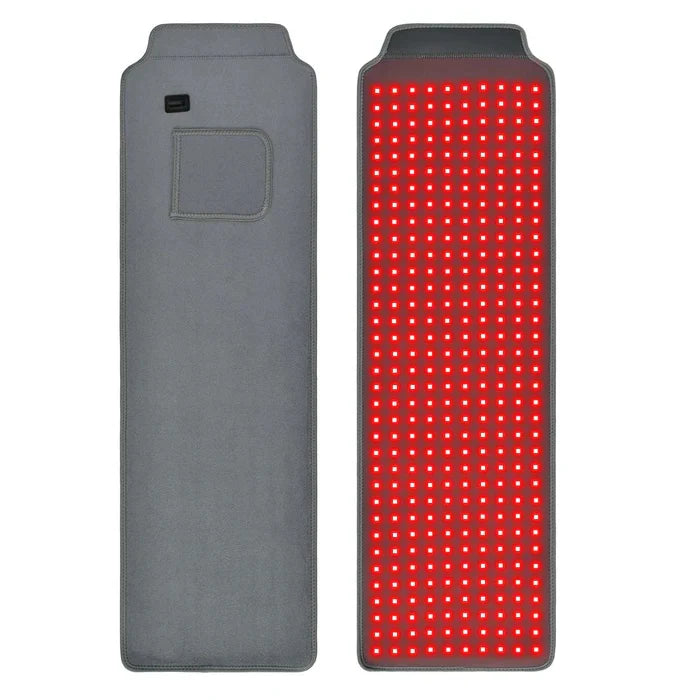
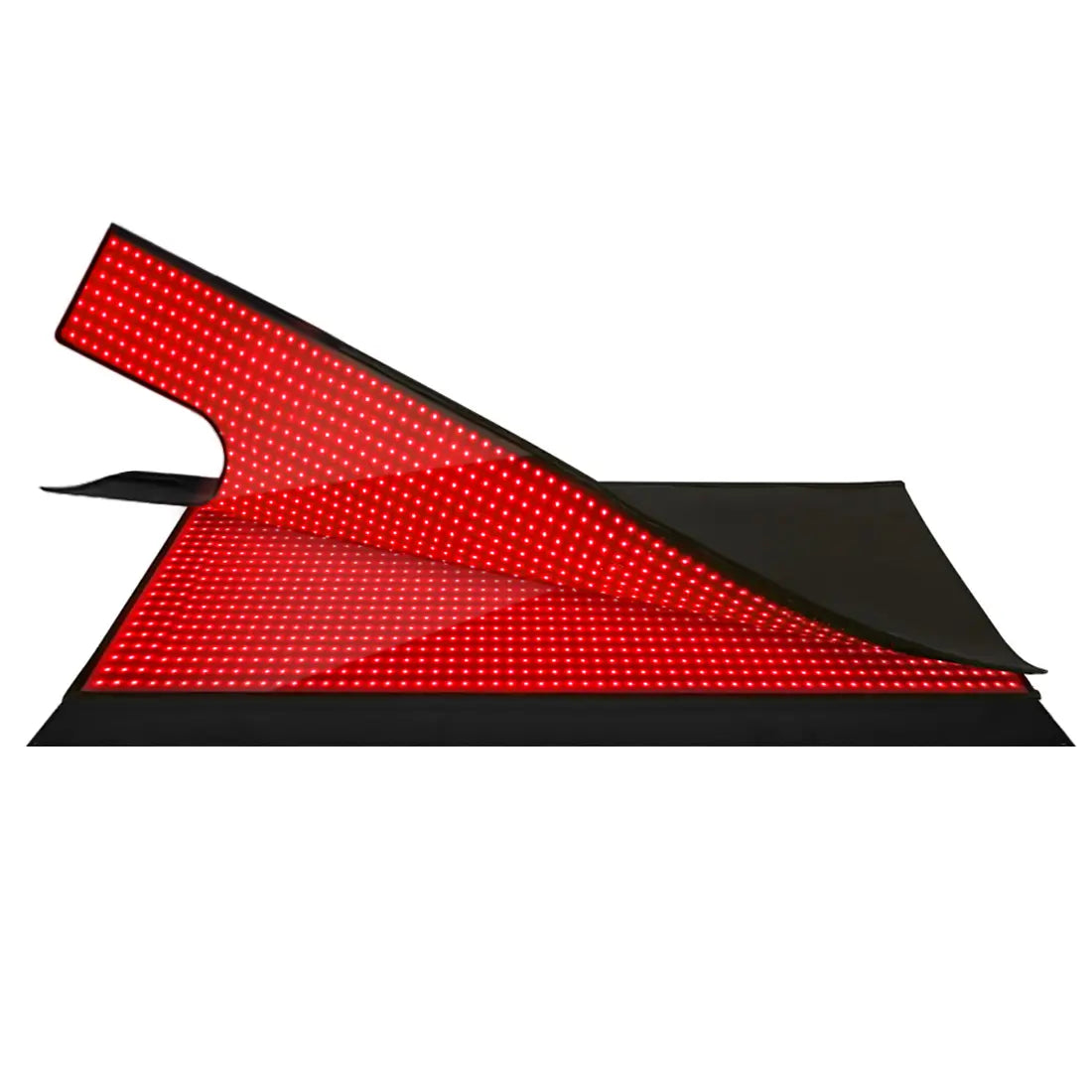
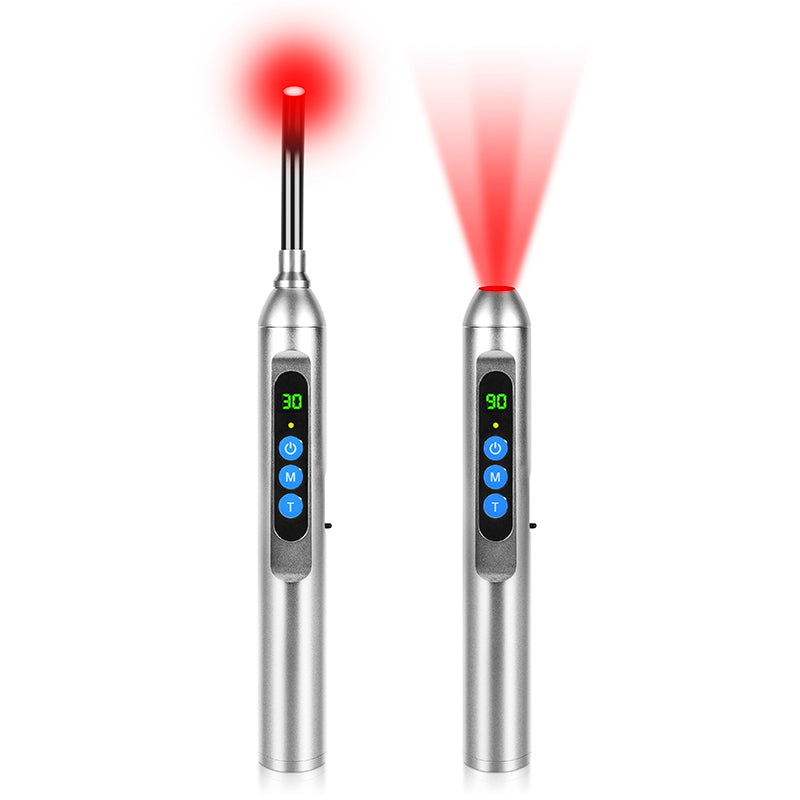

Comparing red light therapy panels can feel overwhelming because brands often highlight different specs in inconsistent ways. The key is to focus on irradiance at a realistic treatment distance, actual coverage area for your intended use, and how those numbers align with your goals rather than raw wattage or LED count alone. This practical framework helps you cut through marketing claims and select a panel that matches your face, body, or full-body needs without overpaying for underdelivering performance.

Why Most Spec Sheets Are Hard to Compare
Red light therapy panels vary widely in size, power, and claimed performance, yet manufacturers rarely use identical testing methods. One brand might advertise peak irradiance measured directly against the diodes while another lists values at a more realistic 6–12 inches. This creates an apples-to-oranges problem that makes direct head-to-head shopping difficult.
The authoritative guide to photobiomodulation standards highlights that laboratory-grade spectroradiometry provides more reliable irradiance data than common solar meters, which can inflate readings. Without clear disclosure of measurement distance and method, headline numbers lose much of their value. Always look for panels that publish irradiance at specific distances and explain their testing setup.
The Right Order for Comparing Specs
Follow this structured comparison framework to evaluate panels objectively. Start with the metrics that most directly affect results, then use supporting details like power draw as tiebreakers.
- Irradiance at treatment distance – This measures power density (typically in mW/cm²) reaching your skin. Higher values generally allow shorter sessions, but only when measured consistently.
- Coverage area at that distance – A high-irradiance small panel may require multiple repositionings for full-body use, while a larger panel with slightly lower irradiance per square inch can treat more area at once.
- Measurement method and distance disclosure – Prefer brands that specify exact test conditions and ideally use spectroradiometry.
- Wavelength mix – Most quality panels combine 660 nm red light for skin benefits with 850 nm near-infrared for deeper penetration. Learn the science behind choosing wavelengths.
- Electrical wattage and LED count – Use these only as secondary indicators of build scale rather than primary performance proof.
This ordering prevents common mistakes such as assuming a 1700W panel is automatically superior to a well-designed 300W targeted unit.

Understanding Wattage: Input Power vs Delivered Performance
Many buyers treat wattage as the primary decision metric, yet it primarily reflects electrical consumption rather than therapeutic output. A panel with higher input watts may simply have more LEDs, larger cooling systems, or less efficient drivers without delivering proportionally more usable light.
For context, Youlumi offers options across power levels: the compact 60W red light therapy panel suits targeted facial or joint use, while the 300W panel balances portability and coverage for face-plus-body routines. Larger full-body models like the 900W, 1500W, and 1700W panels prioritize broad treatment areas.
The practical takeaway is to treat wattage as a rough size indicator rather than a performance guarantee. Always cross-reference it against published irradiance at distance.
LED Count: Why More Diodes Do Not Automatically Mean Better Results
LED quantity often appears prominently in marketing, yet a higher count alone does not ensure superior irradiance, uniform coverage, or better outcomes. Diode quality, drive current, lens optics, and heat management all influence real-world performance.
A panel with 640 carefully selected LEDs can outperform one with twice as many lower-grade diodes if the former delivers higher and more consistent irradiance across its coverage area. Focus instead on whether the manufacturer explains beam angle and provides distance-specific irradiance maps rather than raw diode totals.
Irradiance Explained: The Most Important Metric
Irradiance (mW/cm²) tells you how much light energy reaches each square centimeter of skin per second. It directly influences how quickly you can achieve a desired dose in Joules/cm² during a session.
Compare irradiance figures only when they share similar test distances and methods. A claim of “>150 mW/cm²” is more meaningful when paired with the exact distance and confirmation of proper measurement tools. The authoritative whitepaper on photobiomodulation standards emphasizes that inconsistent measurement practices contribute to widespread “irradiance inflation” across consumer devices.
For reference, many effective home panels target 30–100+ mW/cm² at typical treatment distances of 6–18 inches, depending on use case. Always verify the specific numbers for any model you consider.
Illustrative Panel Comparison by Use Case
Illustrative modeled comparison for choosing a panel type by use case.
View chart data
| Category | Irradiance (normalized) | Coverage (normalized) | Power (normalized) | Value / Efficiency (normalized) |
|---|---|---|---|---|
| Targeted / Face | 0.95 | 0.2 | 0.2 | 0.85 |
| Half-Body | 0.65 | 0.55 | 0.55 | 0.7 |
| Full-Body | 0.35 | 0.95 | 1.0 | 0.6 |
Illustrative modeled comparison based on typical manufacturer claims and standards guidance; actual values vary by measurement method. Normalized scores reflect common industry patterns: smaller targeted panels tend to deliver higher irradiance at short distance with lower coverage and power, while larger full-body panels trade lower per-area irradiance for broader coverage.
The chart above illustrates typical trade-offs using normalized scores derived from common industry patterns. Targeted panels often prioritize high irradiance in a small area, while full-body models emphasize coverage at the expense of peak intensity per square inch. These values are illustrative only and should guide relative expectations rather than serve as absolute specifications.
Coverage Area: Matching Panel Size to Your Needs
Coverage determines how much skin you can treat in one session. A small panel might suffice for facial skincare but become impractical for full-body recovery routines requiring dozens of repositionings.
Consider your primary use case:
- Face or targeted areas: A 60W or 300W panel often provides sufficient coverage within arm’s reach.
- Partial body (back, legs, torso): Mid-size 900W panels strike a good balance.
- Full-body or multi-user: 1500W or 1700W class panels with large treatment footprints reduce session time significantly.
Check the manufacturer’s coverage claims at your intended treatment distance rather than assuming maximum dimensions equal usable area. Larger coverage often pairs with slightly lower irradiance, creating the core trade-off visualized in the chart.
Explore the full red light therapy panel collection to see how different sizes align with specific routines.
Common Myths and Marketing Traps
Several widespread assumptions can lead to poor purchasing decisions:
Myth: Higher wattage or more LEDs always delivers better results. Reality: These metrics describe inputs more than outputs. A panel can have high wattage due to inefficient drivers or extra cooling without superior irradiance.
Myth: The highest advertised irradiance number is directly comparable across brands. Reality: Maximum or peak figures measured at zero distance are far less useful than values at 6–12 inches using consistent methods.
Myth: All panels claiming similar specs will feel identical in use. Reality: Beam angle, flicker rate, EMF levels, and uniformity across the treatment area create noticeable differences in real sessions.
The authoritative photobiomodulation standards guide provides deeper context on why standardized measurement matters for both efficacy and safety.
Practical Buyer Checklist: How to Choose the Right Panel
Use this checklist when comparing options side-by-side:
- Confirm irradiance at your planned treatment distance (not just maximum).
- Verify the measurement method and whether spectroradiometry was used.
- Match coverage area to your most frequent use case (face-only vs full-body).
- Check wavelength mix (660 nm + 850 nm is common for versatile use).
- Review EMF and flicker specifications for daily home use.
- Consider smart controls, mounting options, and warranty for long-term satisfaction.
- Calculate approximate cost per square inch of effective coverage at therapeutic irradiance.
For athletes focused on recovery, review dosage protocols for systemic benefits. Skincare users may prefer targeted face panels or the compact 60W model.
Additional helpful references include how red light therapy supports cellular processes and guidance on safe home integration.
When to Avoid a Purchase
Screen out panels that:
- Only advertise wattage or LED count without distance-specific irradiance.
- Provide a single maximum irradiance figure without test conditions.
- Claim full-body coverage from a very small diode array at realistic distances.
- Lack transparency about measurement methods or third-party testing.
If a listing relies heavily on hype rather than data, it increases the chance of disappointment. Better alternatives with clearer specifications usually exist within the same price range.
Final Decision Framework
The best red light therapy panel for you depends primarily on your intended coverage area and acceptable session length. Targeted users often find excellent value in smaller, high-irradiance models, while those seeking full-body benefits benefit from larger panels that minimize repositioning even if per-square-inch intensity is moderately lower.
Prioritize transparent irradiance data at distance, sensible coverage claims, and reputable measurement practices over headline wattage numbers. When these factors align with your specific use case and budget, you are far more likely to select equipment that delivers consistent real-world performance.
Important Note on Comfort and Use: This article discusses setup considerations, irradiance expectations, and purchasing heuristics for red light therapy panels. It does not constitute medical advice, diagnosis, or treatment recommendations. Red light therapy experiences vary by individual physiology, room conditions, device quality, and usage patterns. If you have existing eye conditions, skin sensitivities, or other health concerns, or if you experience persistent discomfort, consult a qualified healthcare professional. Results depend heavily on proper distance, session duration, and individual response.
By applying the comparison framework, threshold guidance, and buyer checklist above, you can navigate the market with greater confidence and select a panel that genuinely matches your needs.