

Deciding between a red light therapy mat and a targeted panel often comes down to whether your primary goal is convenient, repeatable full-body exposure or precise, high-intensity treatment on specific areas. For many people managing widespread discomfort, post-workout recovery, or daily wellness routines, a full-body mat can deliver more consistent usage and broader coverage that supports systemic benefits, though results vary by individual routine, room setup, and expectations.

Full-body red light therapy mats allow users to lie down and treat the entire body at once, which can make sessions easier to integrate into evening wind-downs or recovery rituals. In contrast, panels typically require standing or positioning and excel at delivering concentrated light to one area. This difference in form factor influences not just coverage but also how often people actually use the device at home.
How Full-Body Mats Differ from Targeted Panels
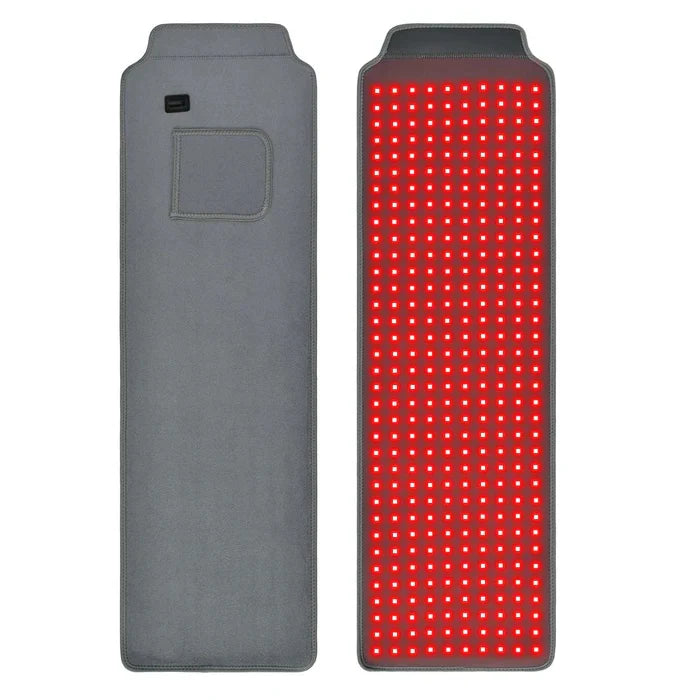
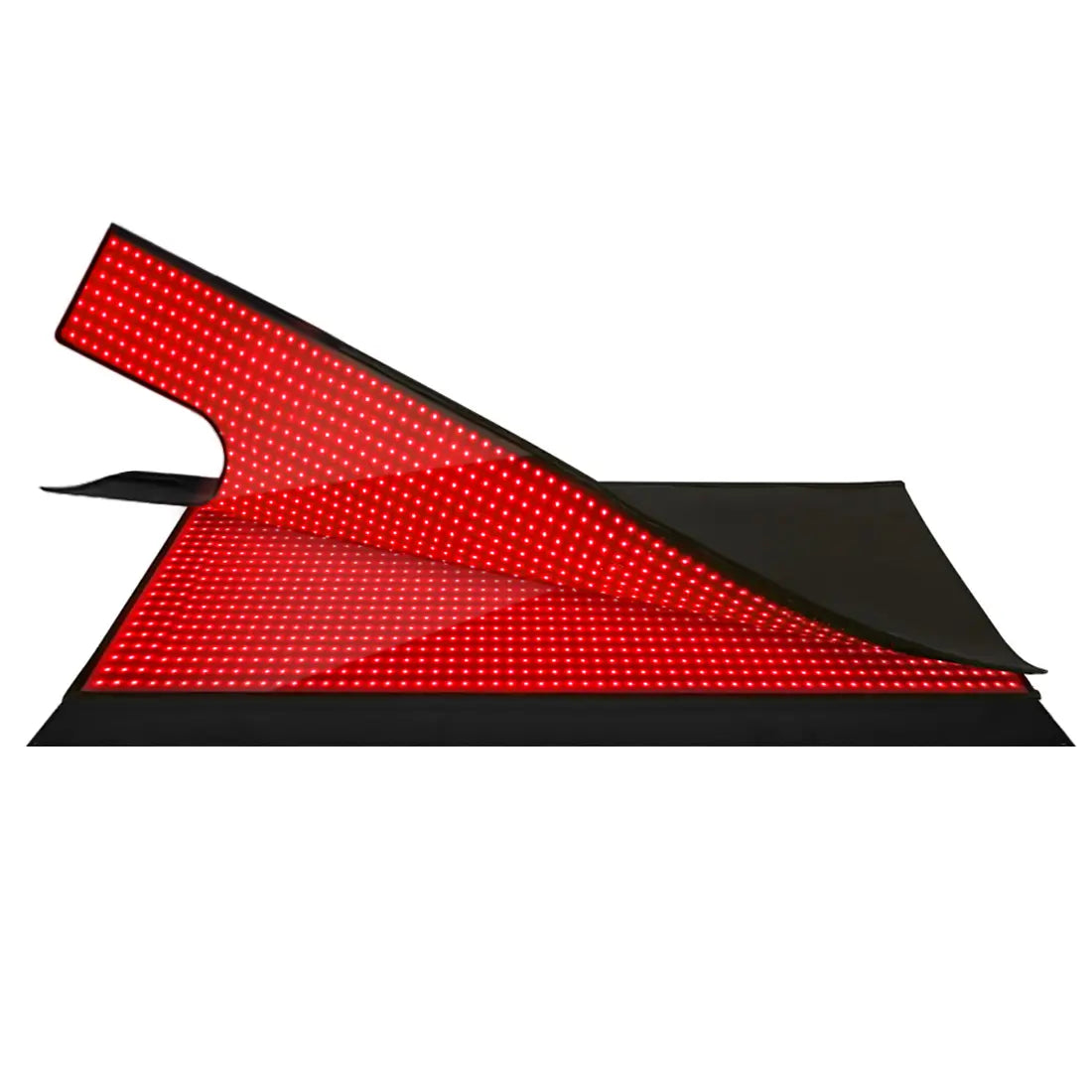
Red light therapy mats and panels both use wavelengths in the red (around 660nm) and near-infrared (around 850nm) range to support cellular processes, but their design shapes the practical experience. Mats spread hundreds or thousands of LEDs across a large, flexible surface so users can lie flat while receiving even exposure from head to toe. Panels concentrate the same wavelengths into a smaller, often more powerful beam that users direct at one body part at a time.
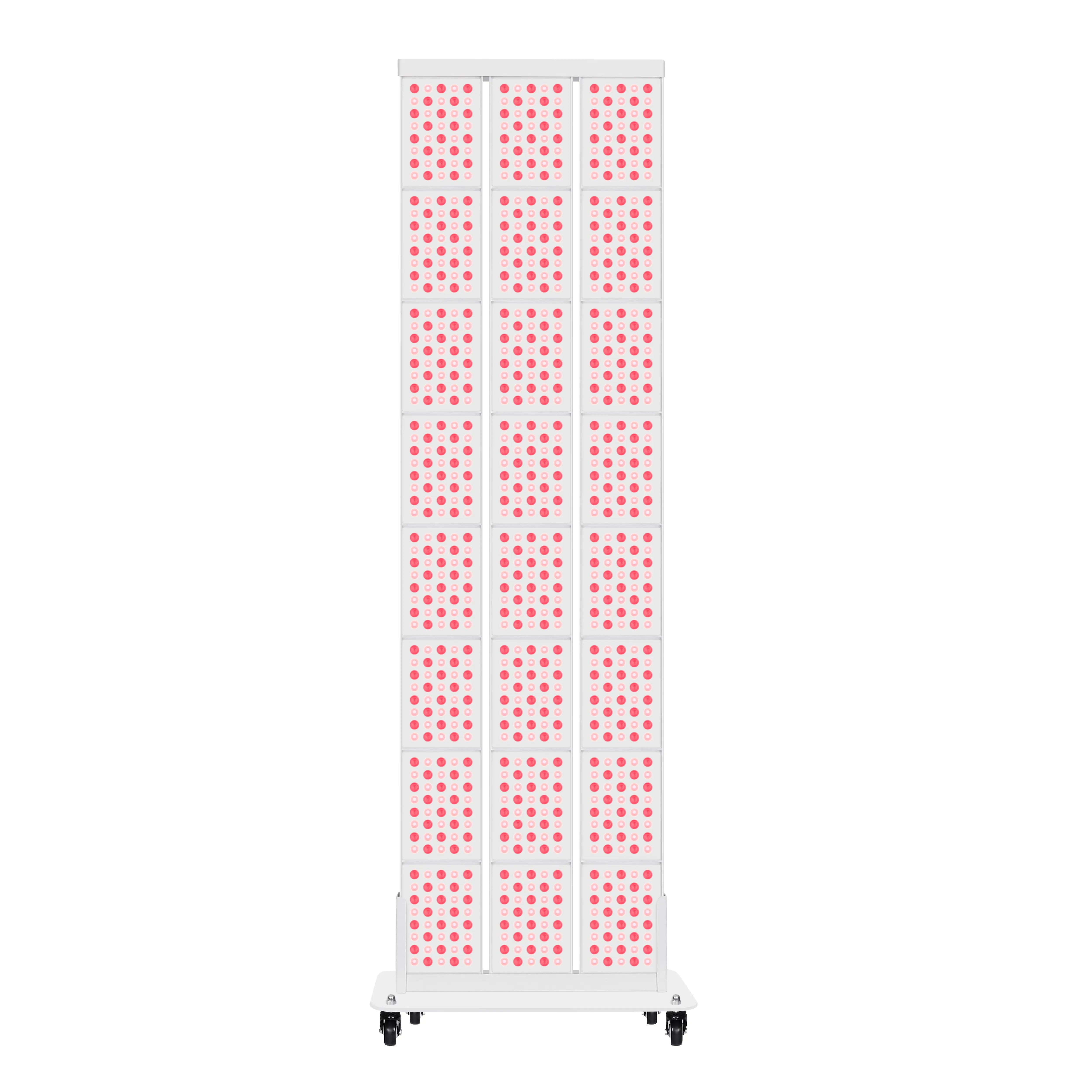
Coverage is the most obvious distinction. A quality full-body mat, such as the Youlumi Pro Full Body Red Light Therapy Mat, can treat the back, shoulders, hips, legs, and arms simultaneously. Panels like the YOULUMI 600W Red Light Therapy Panel or 300W model are better suited for focused treatment of the lower back, knees, or face. This makes mats particularly relevant for people dealing with generalized soreness or stiffness rather than a single injury site.
Convenience also plays a major role in real-world adherence. Lying on a mat requires minimal setup—just unfold, lie down, and relax. Standing in front of a panel often involves adjusting distance, angle, and posture, which can feel more effortful after a long day. Internal comparisons highlight that this passive use style frequently leads to higher session consistency, especially in evening relaxation routines or post-workout recovery.
Cost represents another practical gap. Full-body mats generally carry a higher upfront price because of the larger LED array and flexible construction. However, many users find the investment pays off through more frequent use and the ability to address multiple areas in one 10–20 minute session. Panels can be more budget-friendly for beginners who only need targeted relief.
For deeper technical benchmarks on irradiance measurement, safety standards, and wavelength penetration that apply to both formats, see the photobiomodulation standards guide.
Systemic Recovery vs Targeted Relief: What the Evidence Suggests
The central question for many buyers is whether a mat truly offers superior systemic recovery compared with spot treatment. While red light therapy is not a medical treatment and does not cure conditions, the form factor influences how comprehensively the body receives light exposure.
Mats support broader exposure that may aid whole-body relaxation, circulation, and recovery from widespread inflammation or post-exercise stress. Protocols for sports recovery and DOMS often recommend full-body sessions when soreness affects multiple muscle groups. In contrast, panels shine for localized issues such as chronic back pain in one region or a specific joint. The red light therapy for back pain mat protocols and DOMS recovery analysis explore how timing and coverage affect outcomes.
Real users frequently report that the ease of lying on a mat leads to more regular sessions, which may compound benefits over time. Standing in front of a panel can feel tedious, potentially reducing adherence. This consistency gap is one of the strongest practical arguments for mats when the goal is ongoing wellness rather than acute spot treatment.
That said, targeted panels can deliver higher irradiance to a smaller area, which some protocols favor for focal muscle recovery or skin applications. The best choice depends on whether your needs are diffuse or concentrated.

Scenario Matrix: When a Mat Makes More Sense
The decision between a full-body red light therapy mat and a panel flips based on your routine, symptoms, and environment. Rather than declaring one universally superior, consider these practical scenarios:
- Choose a mat when symptoms or recovery needs affect multiple areas, you prefer passive lying-down sessions, you want to build a repeatable nightly ritual, or widespread comfort and relaxation are priorities. This aligns well with post-workout full-body recovery, desk-worker tension, or generalized stiffness.
- Choose a panel when the issue is localized (one knee, shoulder, or lower-back hotspot), you need portability or easy storage, budget is a primary constraint, or you already maintain a disciplined targeted routine.
A mixed approach is also common: some households keep both devices for different uses. The key is matching the tool to how you will actually use it most days.
To visualize this decision framework, the radar chart below shows heuristic scenario-fit scores (0–10 scale) derived from buyer patterns and comparison logic. Higher scores indicate better alignment with that factor for the given device type. These are illustrative modeling aids, not clinical measurements.
Red Light Therapy Mat vs Panel: Scenario Fit Score
Heuristic decision aid for choosing between a full-body mat and a targeted panel. Scores reflect scenario fit on a 0-10 scale, using comparative buyer-scenario logic rather than measured clinical outcomes.
View chart data
| Series | Coverage | Convenience | Consistency of Use | Cost Fit | Systemic Recovery | Targeted Relief |
|---|---|---|---|---|---|---|
| Full-Body Mat | 9.0 | 8.0 | 9.0 | 4.0 | 9.0 | 4.0 |
| Targeted Panel | 4.0 | 5.0 | 6.0 | 8.0 | 4.0 | 9.0 |
Modeled comparison from buyer scenarios and constraint-first filter logic. This is an illustrative, heuristic fit score for decision support, not real-world measured performance or clinical efficacy data.
Who Benefits Most from a Red Light Therapy Mat for Chronic Pain or Recovery
Mats tend to appeal most to fitness enthusiasts recovering from full-body training, desk workers with widespread postural tension, and wellness-oriented adults seeking a low-friction daily ritual. The complete red light therapy protocol for sports recovery and guidance for desk workers illustrate how full-body coverage can integrate into these lifestyles.
People with diffuse chronic discomfort or those who struggle with consistency using standing devices often report better adherence with mats. The ability to read, meditate, or simply rest while receiving broad exposure can make the practice more sustainable.
However, if your discomfort is highly localized or you travel frequently, a compact panel or red light therapy belt may be more practical. Always assess your specific needs rather than assuming bigger is automatically better.
How to Evaluate the Best Red Light Therapy Mat for Home Use
When shopping for a mat in 2026, prioritize these checkpoints in order:
- Size and coverage — Ensure the mat is large enough for your height and preferred positions without excessive folding or gaps.
- Irradiance and wavelength — Look for consistent output across the surface (typically 100+ mW/cm² at treatment distance) using proper measurement standards, with balanced 660nm and 850nm LEDs.
- Comfort and materials — Choose flexible, easy-to-clean surfaces that feel pleasant against skin for 15–20 minute sessions.
- EMF, flicker, and safety features — Prefer devices that meet current IEC and IEEE guidelines for low electromagnetic fields and stable output.
- Routine fit — Test mentally whether you will actually use it multiple times per week in your available space and schedule.
- Warranty and support — A multi-year warranty and clear usage guidance add confidence for a premium purchase.
The Youlumi Pro Full Body Red Light Therapy Mat is designed with these factors in mind, offering 3840 LEDs, strong irradiance, and a focus on full-body wellness. Compare it against panels or sleep bags to see what matches your space.
Is the Higher Price of a Full-Body Mat Justified?
The price difference often reflects the engineering required for even large-area coverage, flexible construction, and high LED count. For users who will employ the mat 4–7 times per week as part of a recovery or relaxation routine, the convenience and consistency can justify the cost through greater cumulative exposure and time saved on multiple targeted sessions.
If you only plan occasional use or primarily need one or two hotspots treated, a quality panel may deliver better value. The red light therapy beds vs mats cost-benefit analysis and mat vs targeted pad buyer’s guide provide further breakdowns of these trade-offs.
Ultimately, the justification comes from whether the mat solves your specific adherence and coverage barriers better than alternatives.
Safety and Usage Considerations for At-Home Red Light Therapy in 2026
Red light therapy is generally well-tolerated, but responsible use remains essential. Follow manufacturer guidelines on session length (usually 10–20 minutes), distance, and frequency. Those with photosensitivity, certain medications, eye conditions, or other health concerns should consult a qualified professional before starting.
This article discusses comfort, setup, and practical device selection for home wellness routines. It does not constitute medical advice, diagnosis, or treatment. Results vary widely depending on individual factors, room conditions, and consistent use. If you experience persistent discomfort or have pre-existing conditions, seek guidance from a healthcare provider.
Modern devices incorporate improved safety features aligned with 2026 standards for irradiance, EMF, and flicker. Choose FDA-registered or similarly vetted products and start with shorter sessions to assess tolerance.
Making the Right Choice for Your Recovery Goals
A full-body red light therapy mat can be a worthwhile investment when your priorities include broad coverage, passive convenience, and building consistent whole-body routines. For many fitness enthusiasts, those managing widespread tension, or wellness-focused individuals, the mat’s design supports higher adherence that may translate into more noticeable relaxation and recovery support over time.
Panels remain excellent for targeted needs, portability, or lower initial cost. The optimal device is the one you will actually use in your real living situation. Evaluate your symptoms, available space, budget, and likely routine before deciding.
If a mat aligns with your goals, the Youlumi Pro Full Body Red Light Therapy Mat offers a premium option built for home systemic support. Explore related options in the red light therapy panel collection or review mat vs pad guidance to confirm the best fit.
Whichever path you choose, focus on realistic expectations, consistent use, and integrating the device into a broader wellness approach that includes movement, sleep, and nutrition.