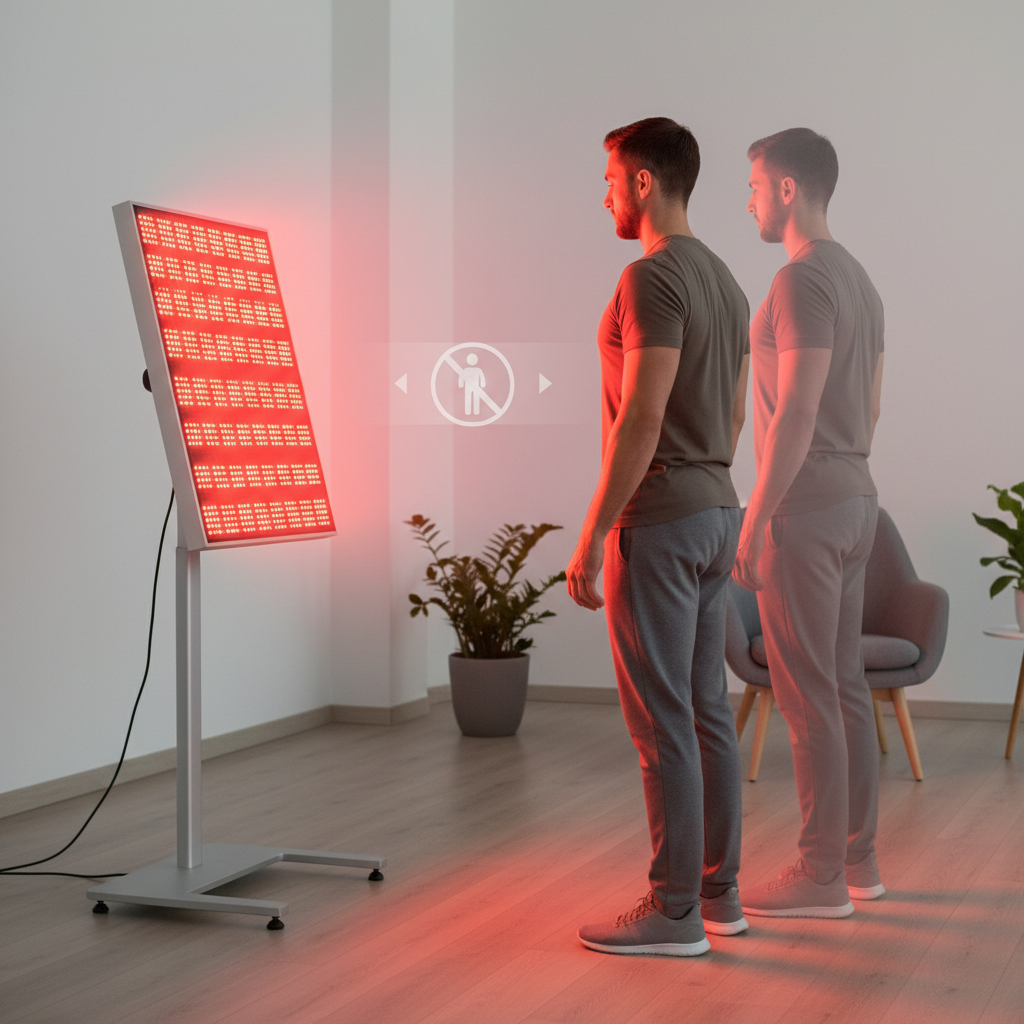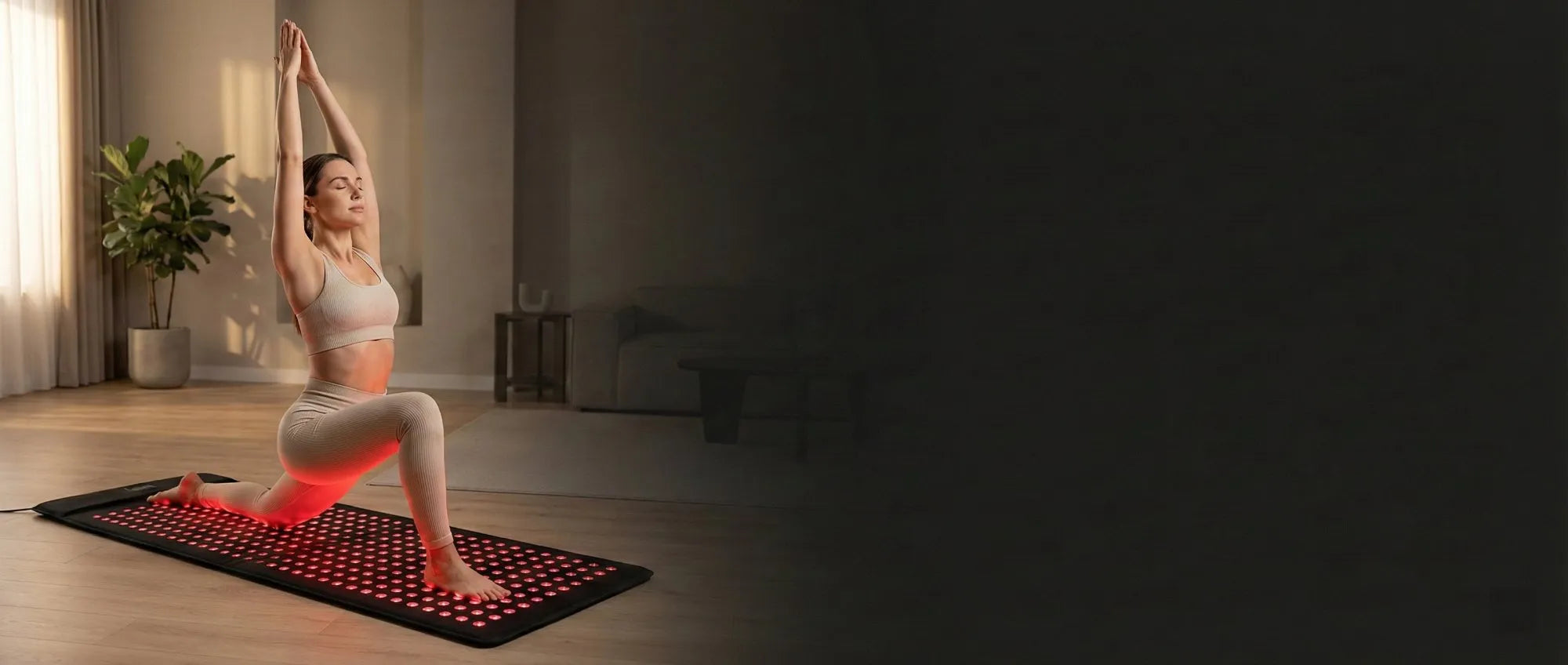
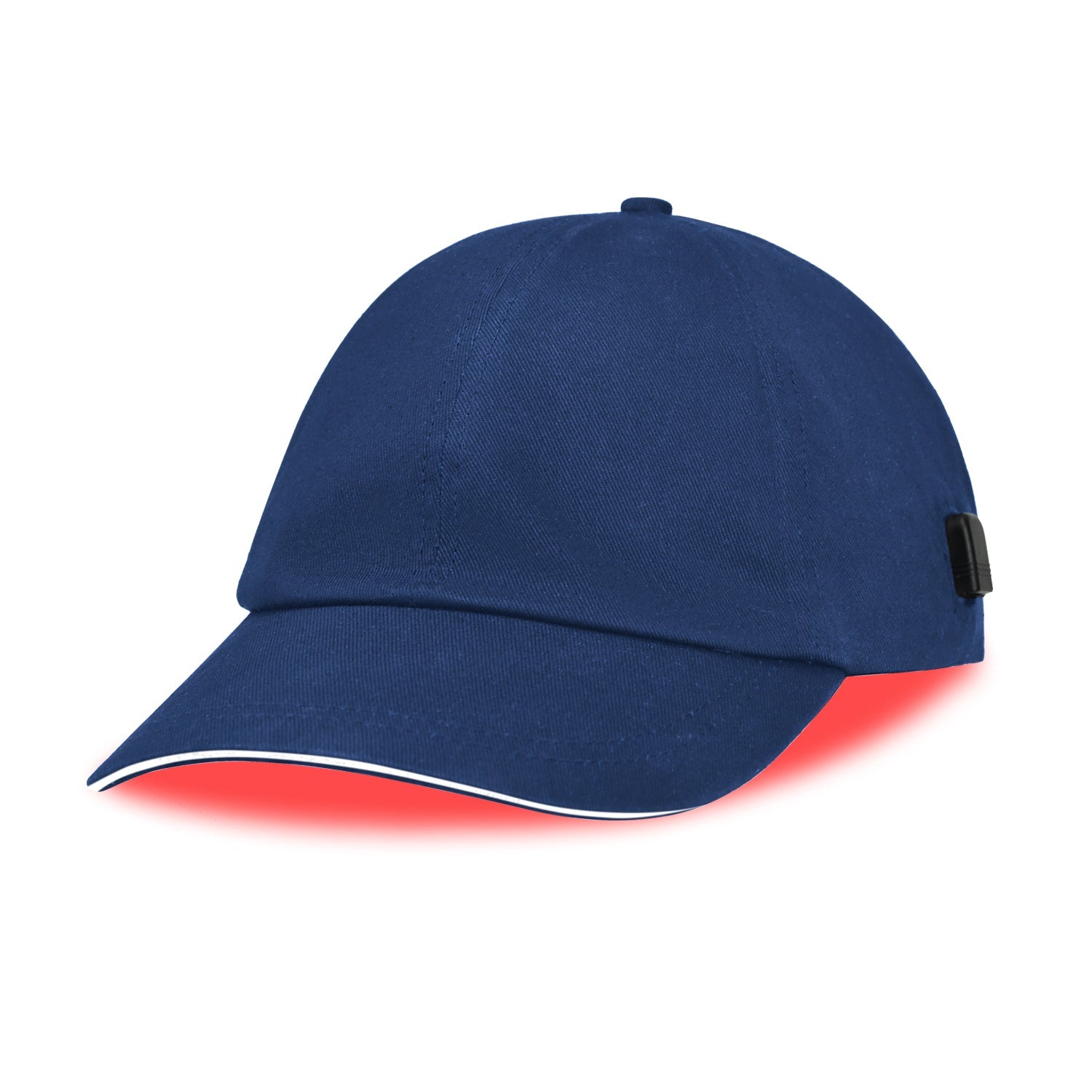

Red light therapy, also called photobiomodulation, uses specific red and near-infrared wavelengths to trigger biological responses in skin tissue. For many adults focused on preventive anti-aging, it can serve as a convenient at-home addition to a skincare routine, but realistic expectations are essential. Clinical evidence for skin rejuvenation is promising yet mixed, so visible improvements in texture, tone, and fine lines tend to build gradually with consistent use rather than delivering dramatic or overnight changes.
Results depend heavily on device quality, protocol adherence, and individual factors such as age, skin type, and lifestyle. This guide translates available evidence into practical protocols for face and neck use, helping you separate supported benefits from marketing hype while offering clear checkpoints you can apply yourself.
How Red Light Therapy Supports Skin Health
Red and near-infrared light interact with mitochondria in skin cells, potentially increasing ATP production and stimulating collagen and elastin synthesis. This mechanism may contribute to improved skin appearance over time, including better texture, even tone, and reduced visibility of fine lines. Internal research from our site explores these pathways in detail, such as how 660nm and 850nm wavelengths influence collagen and elasticity.
Additional mechanisms include support for the skin barrier and brightness. Studies suggest photobiomodulation can aid cellular repair processes that influence smoothness and clarity, though outcomes vary. For those navigating hormonal skin changes, targeted wavelengths have shown potential to support density during menopause, as outlined in our technical review of red light therapy's impact on aging skin during menopause.
It is important to frame these effects conservatively. Red light therapy works best as a non-invasive adjunct rather than a replacement for professional medical care or proven topical treatments. This Harvard overview of red light therapy for skin care emphasizes that evidence remains promising but variable across individuals.

Practical Evidence-Based Protocols for Anti-Aging
Because dermatological LED studies use different devices and methods, protocol guidance should use practical ranges rather than rigid universal rules. A conservative, repeatable approach for face and neck typically targets these parameters:
- Wavelengths: 660 nm for more superficial skin effects and 850 nm for slightly deeper penetration.
- Session duration: 5–15 minutes per treatment area.
- Frequency: 3–5 sessions per week.
- Distance: Follow the specific guidance for your device—closer positioning generally increases delivered irradiance, but avoid discomfort or excessive brightness.
- Target dose: Roughly 4–10 J/cm² per session (calculated as irradiance in mW/cm² × time in seconds / 1000).
These ranges align with the principle of delivering a moderate, sustainable stimulus without overcomplicating daily life. Shorter, more frequent sessions often support better long-term adherence than infrequent marathon treatments.
To help judge whether your chosen device and routine land in a workable zone, the chart below models how session time changes with typical home-device irradiance levels to reach the practical 4–10 J/cm² target band. This is an illustrative planning tool based on the standard dose formula; actual delivered dose depends on exact distance, coverage, and measurement method.
Modeled Session Time to Reach a 4–10 J/cm² Target Dose
Illustrative protocol map for home red light therapy devices: session time needed to reach a practical target dose range at different irradiance levels.
View chart data
| Category | 20 mW/cm² | 30 mW/cm² | 40 mW/cm² | 50 mW/cm² |
|---|---|---|---|---|
| 4 J/cm² | 200.0 | 133.0 | 100.0 | 80.0 |
| 6 J/cm² | 300.0 | 200.0 | 150.0 | 120.0 |
| 8 J/cm² | 400.0 | 267.0 | 200.0 | 160.0 |
| 10 J/cm² | 500.0 | 333.0 | 250.0 | 200.0 |
Modeled from the relationship dose (J/cm²) = irradiance (mW/cm²) × time (s) / 1000. The target band (4–10 J/cm²) and practical session ranges reflect the threshold table from the article context; irradiance values are representative home-device levels used for comparison. This is an illustrative planning chart, not measured clinical data.
Visible improvements in skin tone, smoothness, or fine-line appearance usually require 4–8 weeks of consistent use. Some users notice subtle texture changes earlier, while others see cumulative firmness support after 10–12 weeks. Track progress with standardized photos taken in the same lighting, angle, and time of day rather than relying solely on social-media style images, which can be influenced by editing or variable conditions.

Realistic Expectations and How to Evaluate Before-and-After Results
Before-and-after photos can overstate improvements when lighting, angle, or processing varies. Focus instead on consistent self-assessment: note changes in skin feel, makeup application, or how your skin responds to daily stressors. Evidence supports modest gains in appearance metrics and skin quality rather than guaranteed permanent tightening or rapid wrinkle elimination.
This evidence-based consensus on photobiomodulation reinforces that results are individual and should be viewed within the broader context of a complete skincare approach. Red light therapy should not be confused with UV protection or medical interventions for skin conditions.
Choosing the Best Red Light Therapy Device for Face and Neck
When comparing options, prioritize wavelength clarity, sufficient irradiance for practical session times, adequate coverage for the face and neck, and ease of consistent daily or near-daily use. A device that fits seamlessly into your evening routine will deliver better cumulative results than one that feels cumbersome.
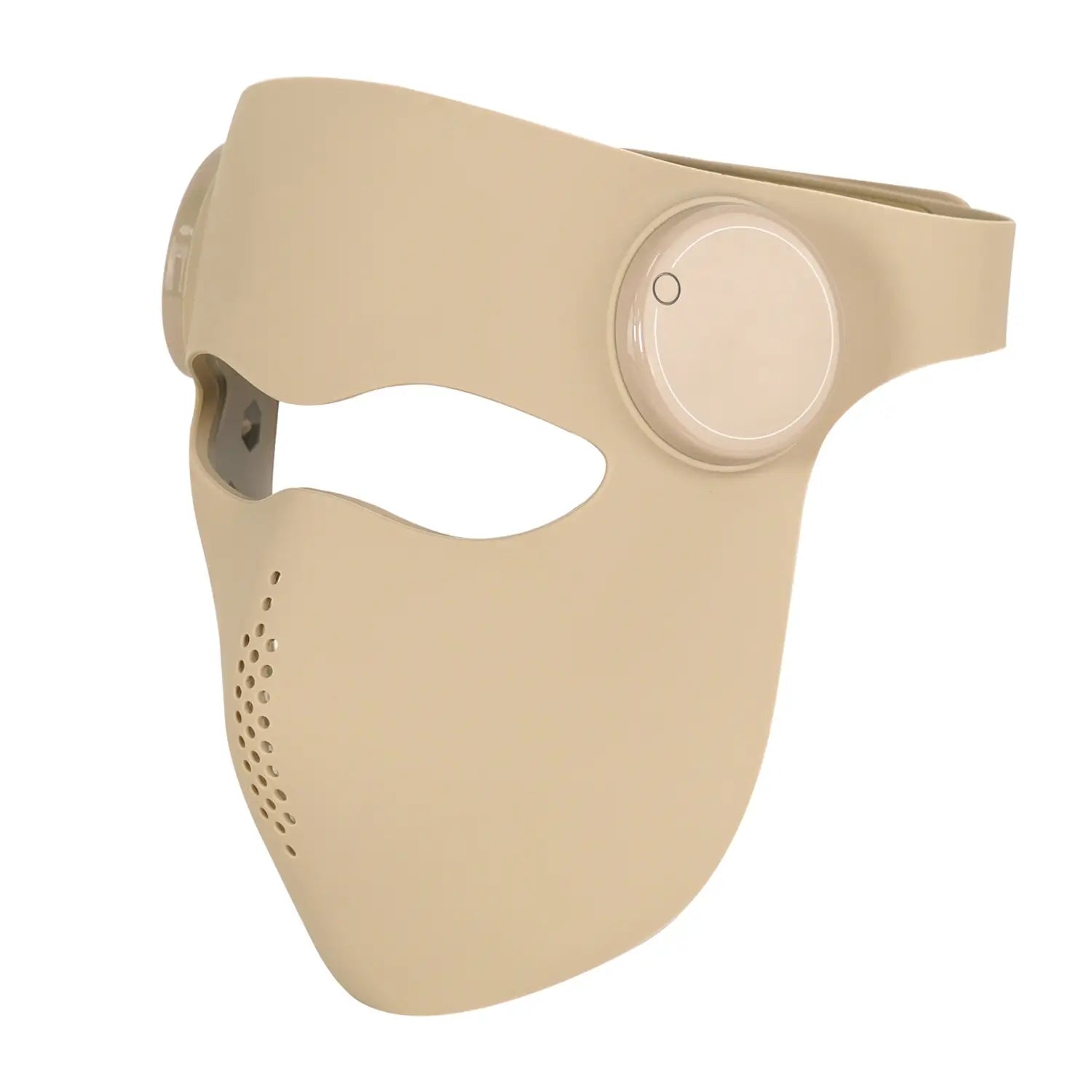
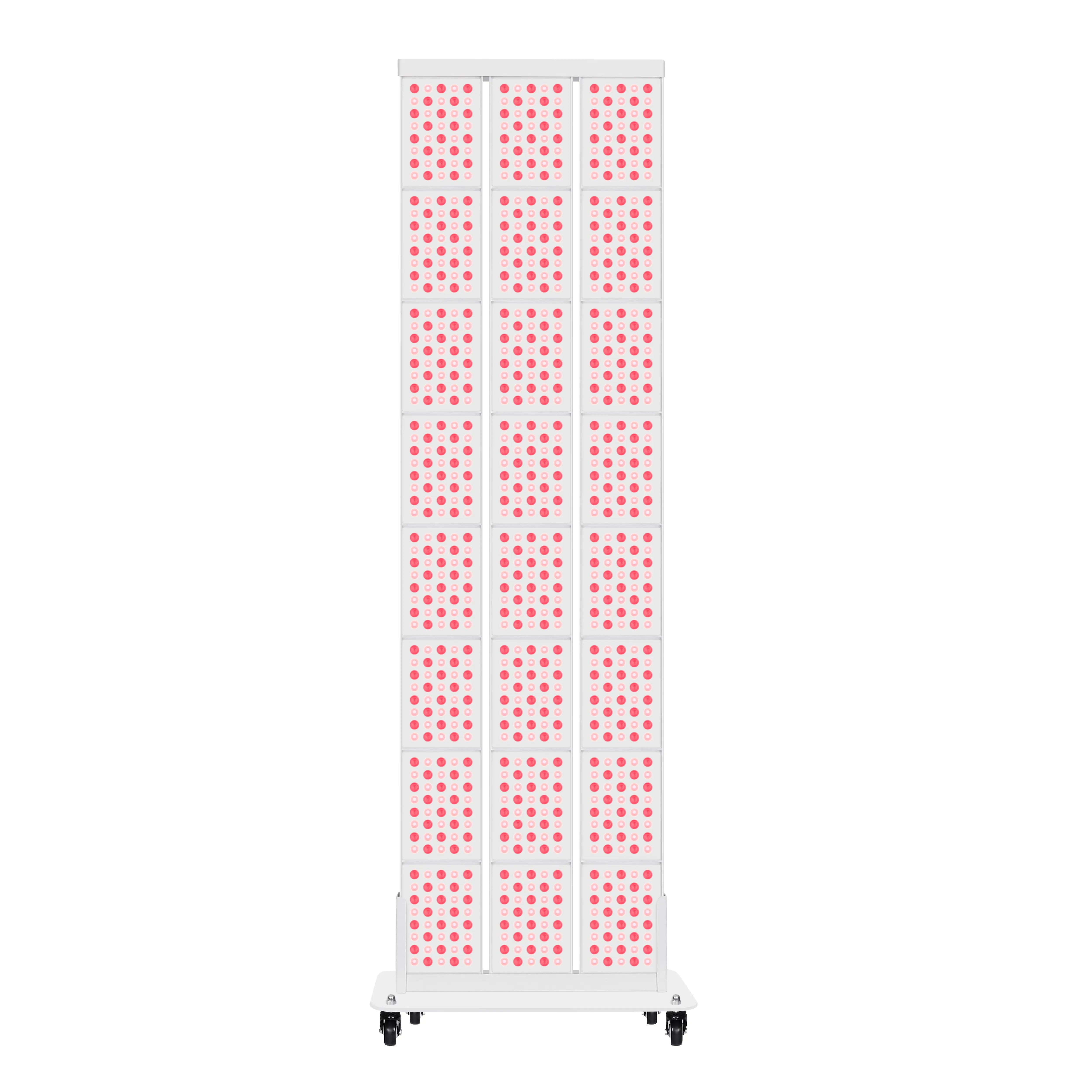
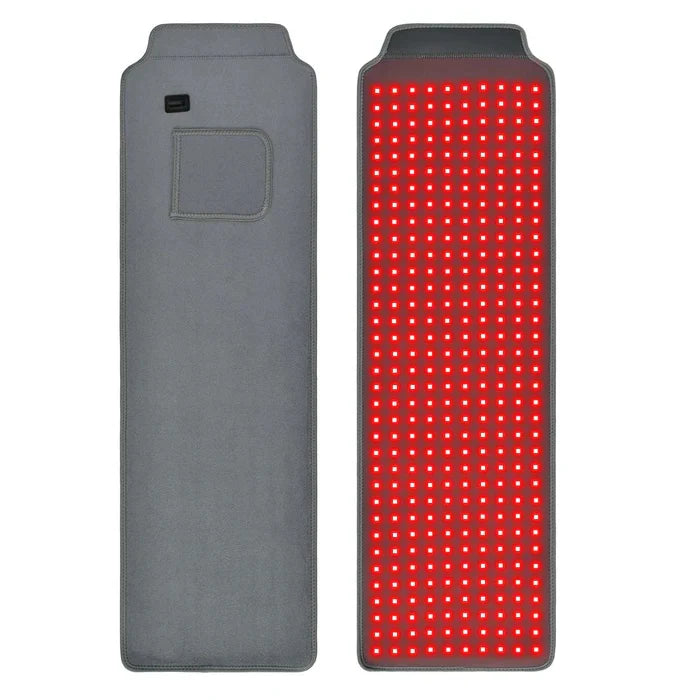
Masks often suit low-friction evening habits and precise facial coverage, while panels provide flexibility for neck and broader areas. Our YouLumi Smart Desktop Red Light Therapy Panel and 60W Red Light Therapy Panel for Face, Neck & Joints are designed with these factors in mind, offering balanced irradiance and low-EMF performance. For hands-free facial sessions, consider the YouLumi 4-Color LED Light Therapy Face Mask or YOULUMI YL-IRM-Y02 Red Light Therapy Mask.
Explore the full Red Light Therapy Mask collection or Red Light Therapy Panel collection to match your specific coverage needs.
Additional technical depth on measurement standards and safety appears in our guide to photobiomodulation standards for irradiance, EMF, and safety.
Scenario-Based Guidance: When to Adjust Your Approach
The optimal protocol often shifts with your lifestyle and skin priorities. Use this decision framework to refine your choice:
- Low-friction evening habit: A mask may support higher consistency because it is quick to apply after cleansing.
- Face plus neck coverage: A panel typically performs better for broader treatment zones without frequent repositioning.
- Pre-event prep or post-cleansing integration: Choose the format that minimizes added time so the full routine stays sustainable.
- Menopause-related dryness or sensitivity: Prioritize shorter, gentler sessions and monitor skin response closely.
- Preventive maintenance: Consistency matters more than intensity; select the device you will actually use 3–5 times weekly.
If early signs of aging are already noticeable, focus first on coverage and adherence rather than chasing the highest possible irradiance. A moderate but repeatable routine generally outperforms an ambitious one that gets abandoned.
How to Combine Red Light Therapy Safely with Your Skincare Routine
Perform red light sessions on clean, dry skin, typically after cleansing and before serums or moisturizers. Many users integrate it in the evening as a relaxing 10-minute step. Avoid combining with strong actives like retinoids or AHAs on the same evening if your skin feels sensitive; alternate days or consult a dermatologist for personalized advice.
Always follow manufacturer guidelines for your specific device. People using photosensitizing medications or with photosensitive conditions should exercise extra caution and seek medical advice before starting. This article discusses comfort, setup, and practical skincare routines only. It does not constitute medical advice, diagnosis, or treatment. If you experience persistent discomfort, irritation, or have existing skin conditions, consult a qualified healthcare professional.
Final Checklist Before You Begin
Use these checkpoints to confirm your setup is ready for a fair 6–8 week trial:
- Verify your device lists clear wavelengths (ideally 660 nm and/or 850 nm) and provides irradiance specs at the intended treatment distance.
- Confirm sessions fit comfortably into your schedule at 5–15 minutes, 3–5 times per week.
- Plan consistent photo tracking under identical conditions to monitor subtle changes in tone, texture, and firmness.
- Start conservatively and adjust distance or duration only if skin tolerates the routine well.
- Pair with basic sun protection, hydration, and a balanced diet—red light therapy complements rather than replaces foundational skincare.
- Reassess after 8 weeks: if results feel minimal, check adherence, device positioning, and whether a different coverage option might improve consistency.
By focusing on repeatable protocols, realistic timelines, and device practicality rather than hype, you can make an informed decision about whether red light therapy belongs in your anti-aging routine. The evidence supports its role as a supportive tool for skin quality when used thoughtfully, helping many users feel more confident in their skin's appearance over time.
When comparing at-home options in 2026, the YOULUMI IPR010-04T 300W Red Light Therapy Panel and larger 600W model offer strong coverage for those preferring panel-style flexibility. For deeper reading on related mechanisms, review our article on the five mechanisms of red light for skin barrier repair or the effects on skin brightness and clarity.