
Wellness brands and e-commerce entrepreneurs can successfully launch or expand a red light therapy product line by partnering directly with a certified manufacturer that provides transparent documentation, model-specific compliance support, and flexible customization options. This approach helps control costs, maintain quality consistency, and reduce risks associated with unsupported marketing claims or unreliable supply chains. In 2026, sourcing decisions hinge on verifying FDA-related regulatory paths, technical specifications, and true manufacturer capabilities rather than relying on intermediaries.

Choosing the right OEM or private label partner requires evaluating more than price lists and catalog photos. Brands must review documentation that aligns with their intended market, target use cases, and growth plans while avoiding common pitfalls that lead to delayed launches or compliance issues.
Why Direct Manufacturer Partnerships Matter for Red Light Therapy Brands
Direct sourcing from a manufacturer offers several advantages over working with trading companies or distributors. A true fabricator can provide detailed technical data on wavelength precision, irradiance levels, and treatment geometry, which are essential for product differentiation and credible marketing. This control also extends to packaging, branding, and after-sales support, allowing brands to build stronger customer loyalty.
Intermediaries may simplify initial ordering but often lack the ability to modify designs, update certifications for private label versions, or guarantee consistent production quality. For startups and growing wellness brands, partnering with a Shenzhen-based manufacturer with established certifications can shorten lead times and improve margin potential once minimum order quantities are met.
When evaluating suppliers, focus on those who demonstrate manufacturing control and can discuss photobiomodulation specifics rather than generic product features. This official FDA guidance on photobiomodulation devices emphasizes the importance of understanding intended use and regulatory strategy before ordering.
How to Evaluate a Private Label Red Light Therapy Manufacturer in 2026
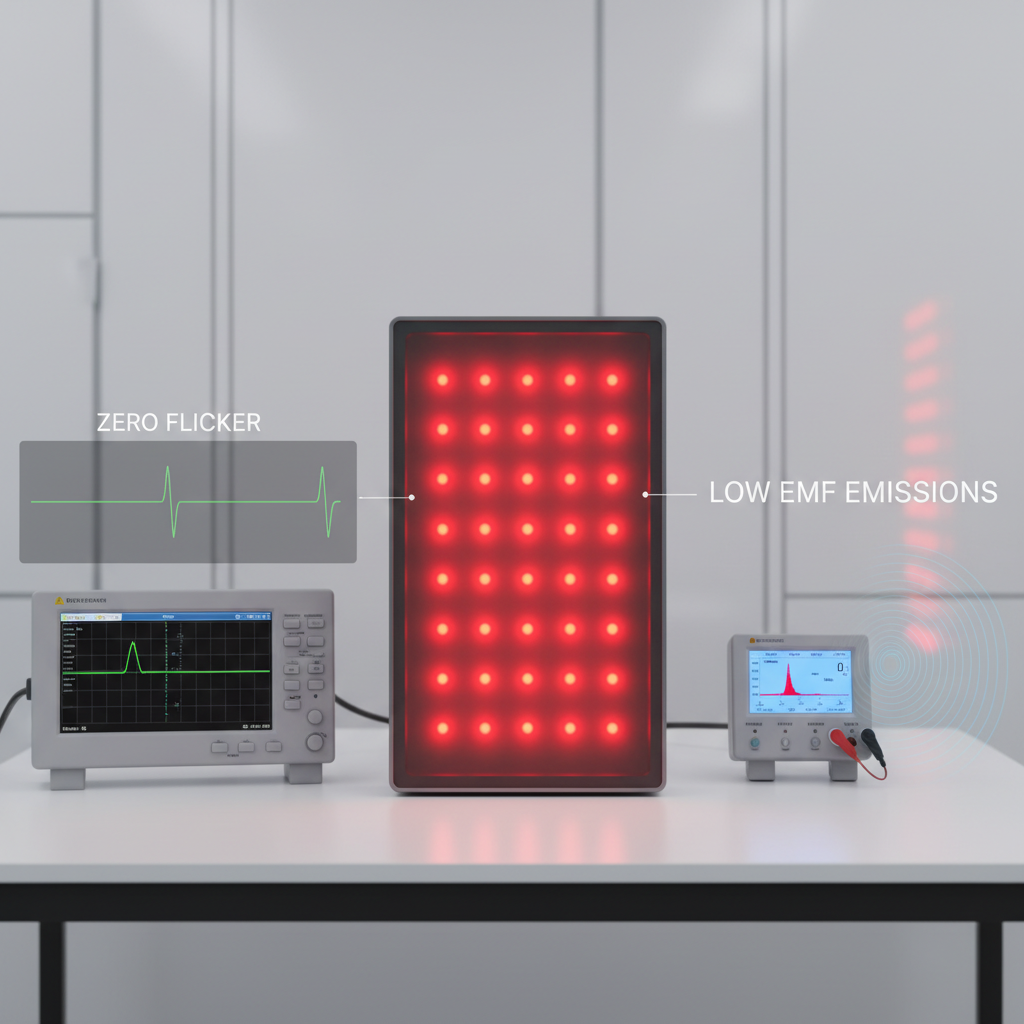
Begin your assessment by requesting model-specific documentation rather than generic brochures. A credible partner should readily share details on device description, power output, wavelength combinations (such as 660nm and 850nm), and coverage area. These technical parameters directly influence therapeutic performance and should match your brand's positioning.
Check for the ability to support regulatory pathways relevant to your target markets. For devices making medical or aesthetic claims, manufacturers should explain non-clinical testing, clinical evidence expectations, and labeling requirements. The FDA's guidance for low level laser systems for aesthetic use highlights why documentation review forms a core part of supplier vetting.
Request references from other private label clients and visit facilities when possible. Look for quality management systems, in-house testing capabilities, and experience with export compliance. Avoid suppliers who cannot discuss post-sale support or customization limitations upfront.

FDA Compliance and Avoiding Risky Marketing Claims
Red light therapy and photobiomodulation devices fall under FDA oversight when they involve specific claims. Manufacturers should clarify whether devices are positioned as wellness products or have cleared intended uses such as pain relief or skin health. Model-specific clearances do not automatically extend to private label variations or broad wellness assertions.
Review clearance documents carefully to understand exact device descriptions and authorized indications. Some clearances cover narrow uses like hair growth or dermatology rather than general treatment claims. As noted in FDA enforcement examples, unsupported physiological claims can create compliance risks, making conservative marketing language essential until regulatory status is verified.
Ask potential partners about radiation-emitting product requirements and safety paperwork when applicable. A reliable OEM will provide clear guidance on labeling language suitable for your packaging and website. This FDA resource on laser products outlines broader expectations for compliance documentation.
Important Note on Health and Safety: This article discusses comfort, setup, and sourcing considerations for red light therapy devices. It does not constitute medical advice, diagnosis, or treatment. Red light therapy effects depend on individual factors and device specifications. If you experience persistent discomfort or have existing health conditions, consult qualified healthcare professionals. Claims about therapeutic outcomes should always align with verified regulatory clearances.
Comparing OEM Photobiomodulation Device Capabilities
Effective comparison goes beyond surface features. Request data on wavelength accuracy, as even small shifts can affect biological response according to cytochrome c oxidase absorption principles. Ask for irradiance measurements using proper laboratory methods rather than consumer-grade tools that may inflate readings.
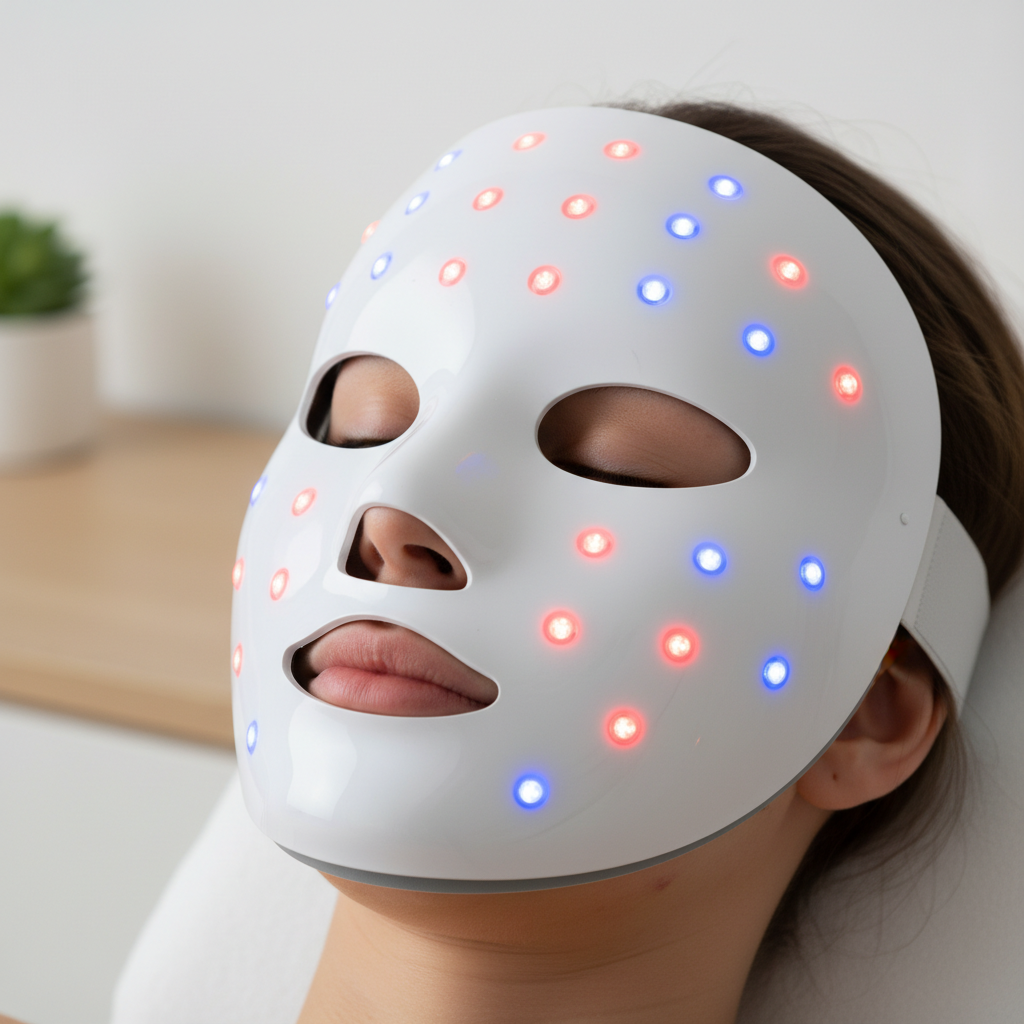
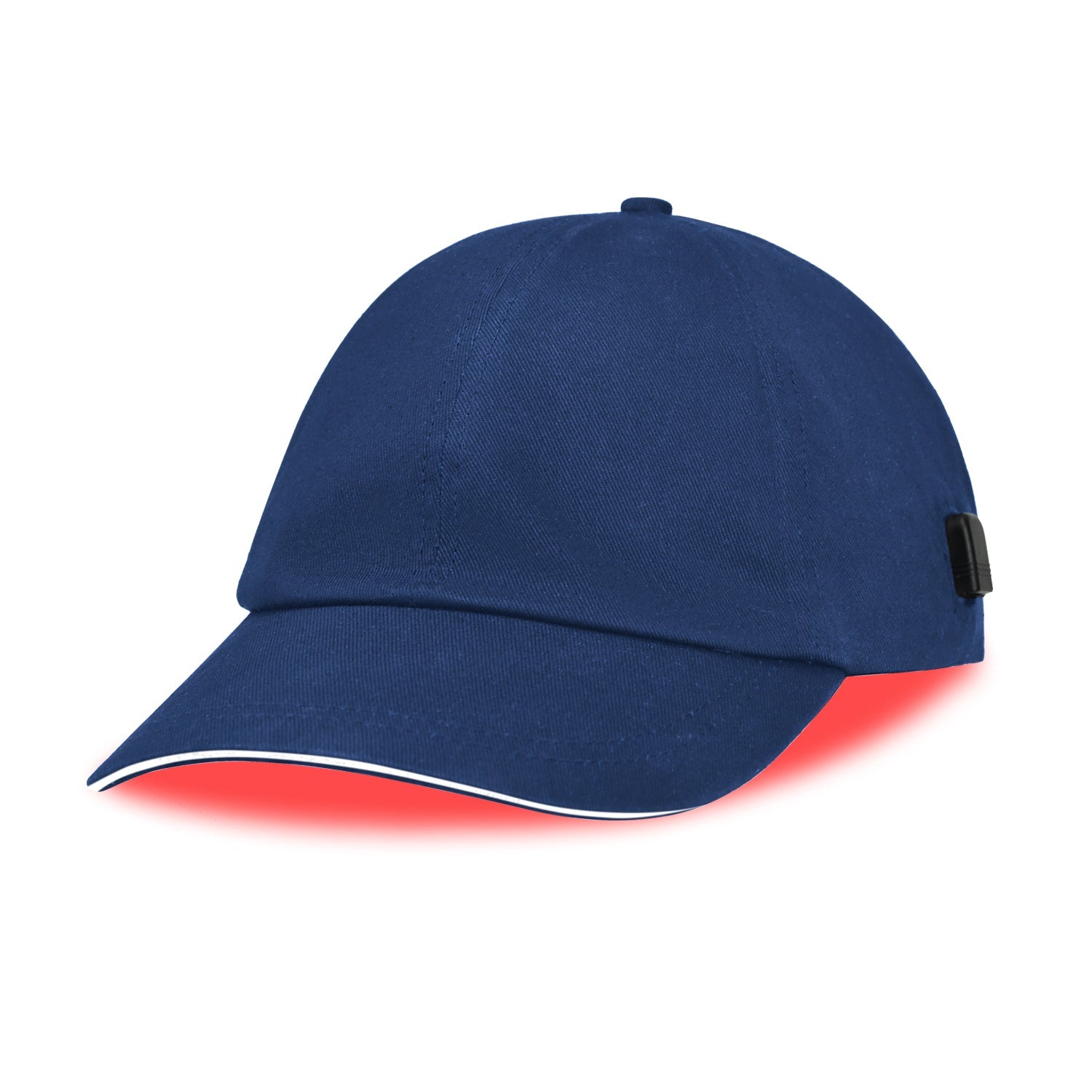
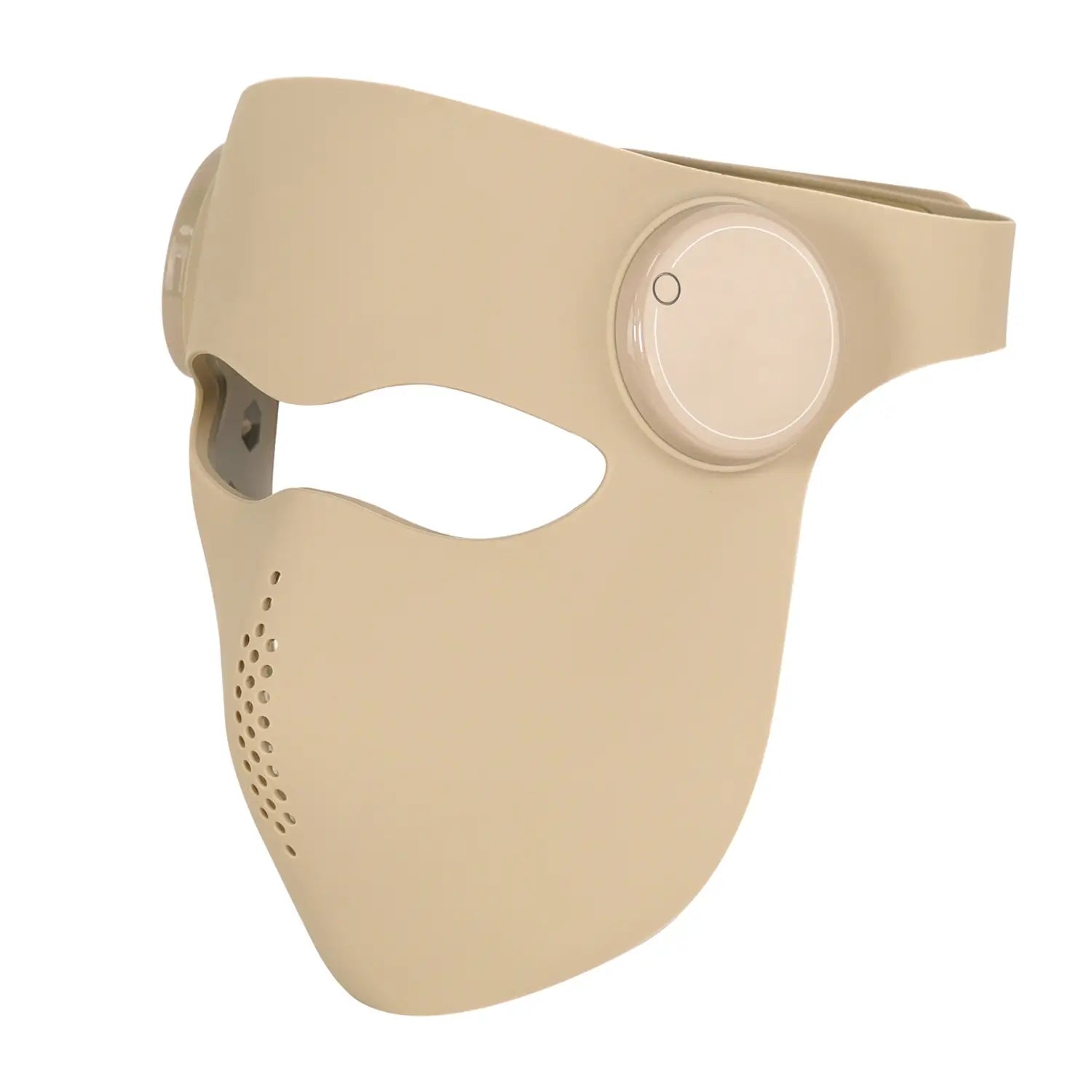
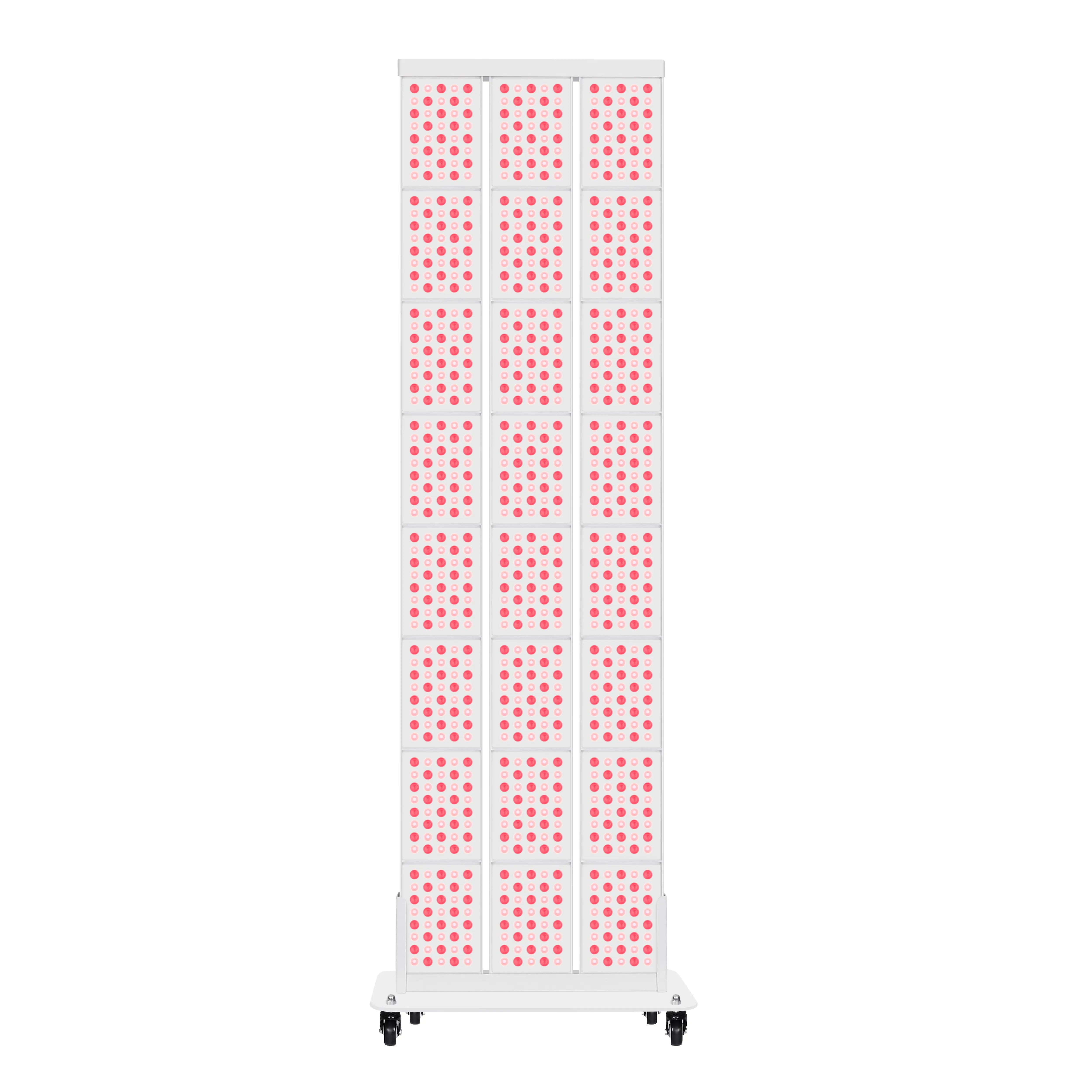
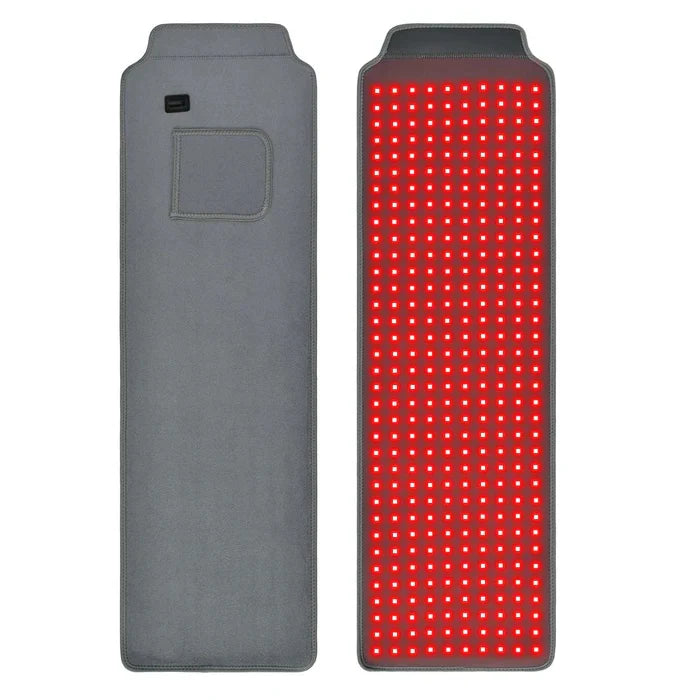
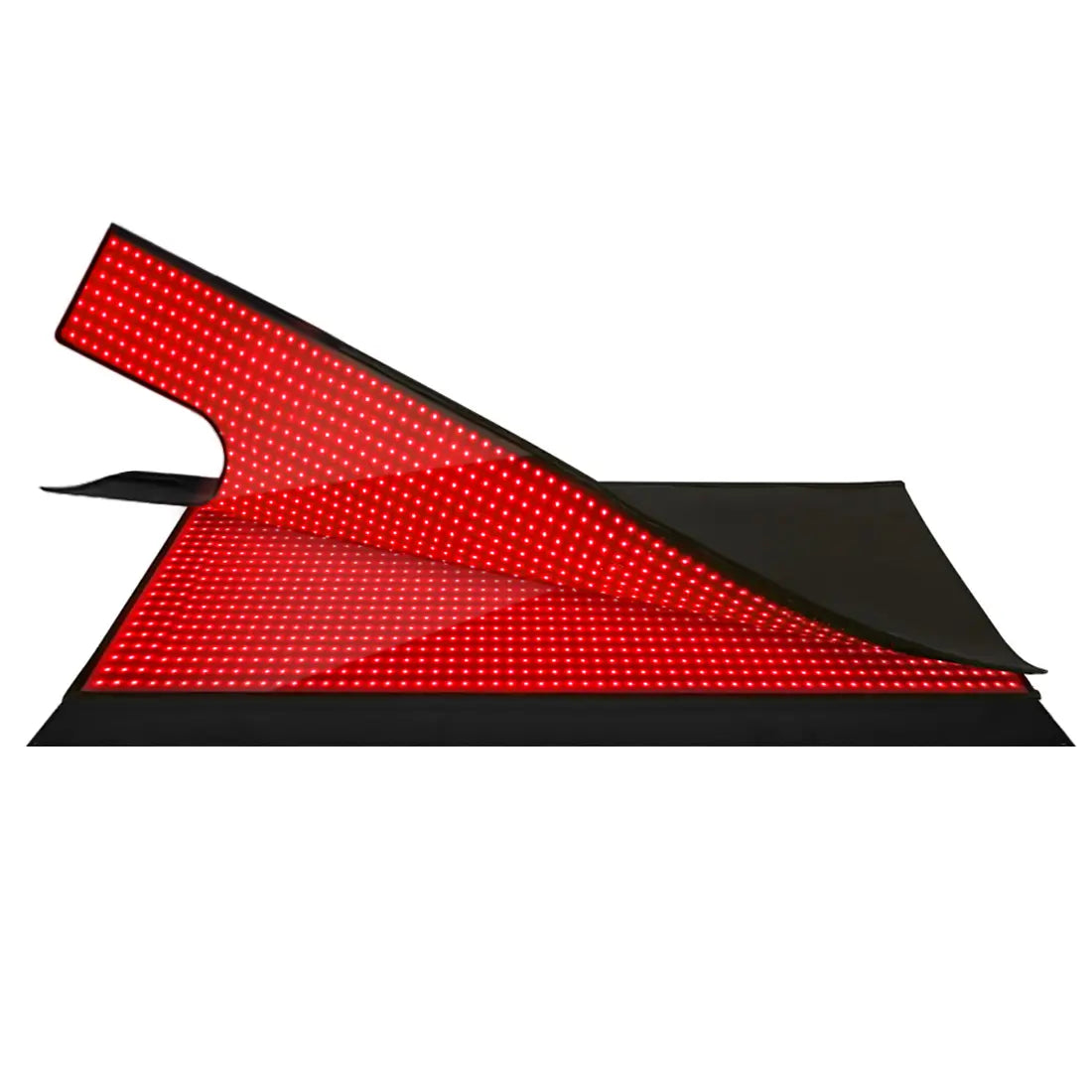
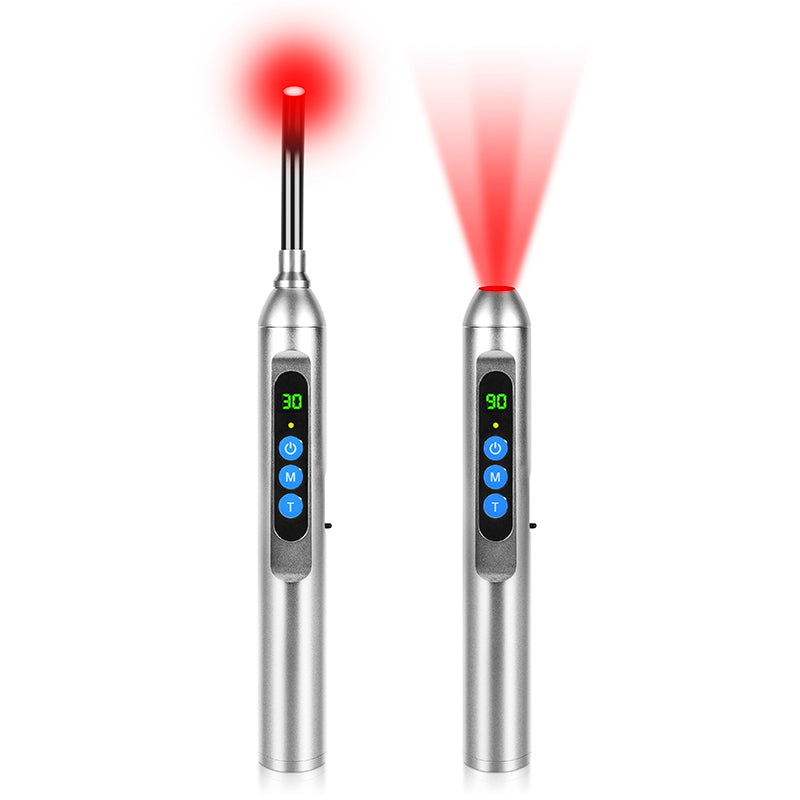
Evaluate customization options including panel sizes, wavelength ratios, power density, and modular designs. A strong partner offers flexibility in treatment geometry to suit different use cases such as full-body panels, targeted belts, or portable devices.
Consider scalability factors like production capacity and ability to ramp up volumes as your brand grows. Technical support for ongoing product iteration separates manufacturers from simple assemblers.
Here is an illustrative comparison of typical sourcing profiles across key evaluation criteria:
Relative Importance of Red Light Therapy Manufacturer Evaluation Criteria
Illustrative heuristic comparison for sourcing decisions; not a survey or official benchmark.
View chart data
| Series | FDA Compliance Support | MOQ Flexibility | Technical Documentation | Customization Capability | Lead Time | Pricing Transparency |
|---|---|---|---|---|---|---|
| Manufacturer-direct | 5.0 | 2.0 | 4.0 | 3.0 | 4.0 | 3.0 |
| Intermediary | 3.0 | 3.0 | 3.0 | 2.0 | 2.0 | 2.0 |
| Custom OEM Partner | 4.0 | 4.0 | 5.0 | 5.0 | 3.0 | 4.0 |
Heuristic, article-safe scoring based on the provided sourcing-guide evidence themes: FDA compliance/model-specific clearance support, technical specs documentation (wavelength/power), MOQ variability, manufacturer-direct vs intermediary tradeoffs, customization, lead time, and pricing clarity. Scores are illustrative relative ratings (1-5), not measured survey data.
This radar chart uses heuristic scoring to illustrate typical differences. Manufacturer-direct options often excel in compliance support and documentation but may have stricter MOQ requirements, while custom OEM partners balance flexibility across most criteria.
Understanding MOQs, Pricing, Lead Times, and Scalability
Minimum order quantities vary significantly by device complexity and customization level. New brands should request sample terms and written quotes rather than assuming standard thresholds. Discussing pilot runs or phased production can ease cash-flow pressure during initial launches.
Pricing structures typically reflect component quality, certification level, and order volume. Factor in hidden costs such as tooling for custom designs, packaging development, and shipping from Asia. A transparent supplier will break down these elements clearly.
Lead times for standard models may range from 4-8 weeks, while custom private label projects often require 10-14 weeks including prototyping and testing. Build buffer time into your product launch schedule and confirm production capacity for future scaling.
For additional technical background on wavelength precision in photobiomodulation, review this analysis of 5 nm wavelength differences and its impact on therapeutic outcomes.
Differentiating True Manufacturers from Intermediaries
Look for signs of vertical integration such as in-house assembly lines, component sourcing control, and R&D capabilities. True manufacturers can modify firmware, adjust optical designs, or provide detailed test reports. Trading companies often forward inquiries to factories and add markups without adding value.
During due diligence, ask who will handle warranty claims, spare parts, and quality issues after delivery. Direct partners typically assume greater accountability. Request a factory tour or video verification of production processes when in-person visits are not feasible.
Planning Packaging, Branding, and After-Sales Support
Private label success depends on professional presentation. Work with your manufacturer on custom packaging that aligns with your brand story while meeting regulatory labeling requirements. Discuss insert cards, user manuals, and warranty documentation early in the process.
After-sales support should include customer service training materials, troubleshooting guides, and access to replacement parts. Strong partners help brands build trust through reliable performance and responsive service networks.
Consider starting with a smaller collection such as red light therapy belts to test market response before expanding into full panels or multi-device lines.
Your Manufacturer Sourcing Checklist
Use this practical checklist when evaluating OEM partners:
- Request model-specific FDA documentation and intended use statements
- Verify technical specifications including exact wavelengths, irradiance, and coverage
- Compare MOQ, sample pricing, and lead time quotes in writing
- Confirm customization capabilities and associated tooling costs
- Assess quality systems, testing capabilities, and export experience
- Review references and examples of previous private label projects
- Clarify responsibility for compliance, warranties, and after-sales support
- Align marketing claims with cleared or supported indications
Performing this due diligence helps avoid common regrets such as inconsistent product quality, unexpected regulatory hurdles, or supply disruptions that damage new brands.
When to Proceed or Reconsider a Partnership
Move forward with a manufacturer when they provide transparent technical data, demonstrate regulatory understanding, and show flexibility that matches your volume projections. Established brands with existing sales channels may tolerate higher MOQs in exchange for superior customization and documentation support.
Reconsider or seek alternatives if a supplier avoids detailed compliance discussions, lacks model-specific clearances for your intended uses, or pressures quick decisions without documentation. Startups with limited capital should prioritize partners offering reasonable sample programs and scalable production paths.
For deeper reading on device applications, explore what a red light therapy panel can do for various wellness goals.
Successful private label red light therapy launches in 2026 reward thorough preparation and manufacturer partnerships built on transparency and shared standards. By focusing on evidence-based evaluation rather than attractive catalogs, wellness brands can create differentiated products that deliver consistent performance and maintain regulatory compliance.