
When deciding on a full-body red light therapy system for home recovery, the format you choose often matters more than the exact specs. Beds offer the most immersive hands-free experience but demand significant space and investment. Panels provide a flexible middle ground with good coverage at a lower price point, while mats deliver excellent portability and convenience for everyday use. For many athletes and home wellness users in 2026, a well-designed mat strikes the best balance of cost, ease, and practical full-body exposure.
Understanding the Three Main Formats
Red light therapy devices come in three primary full-body formats: beds, panels, and mats. Each delivers red and near-infrared light (typically 660nm and 850nm wavelengths) to support recovery, reduce inflammation, and promote cellular energy production through photobiomodulation. However, they differ substantially in design, usage, and suitability for home environments.
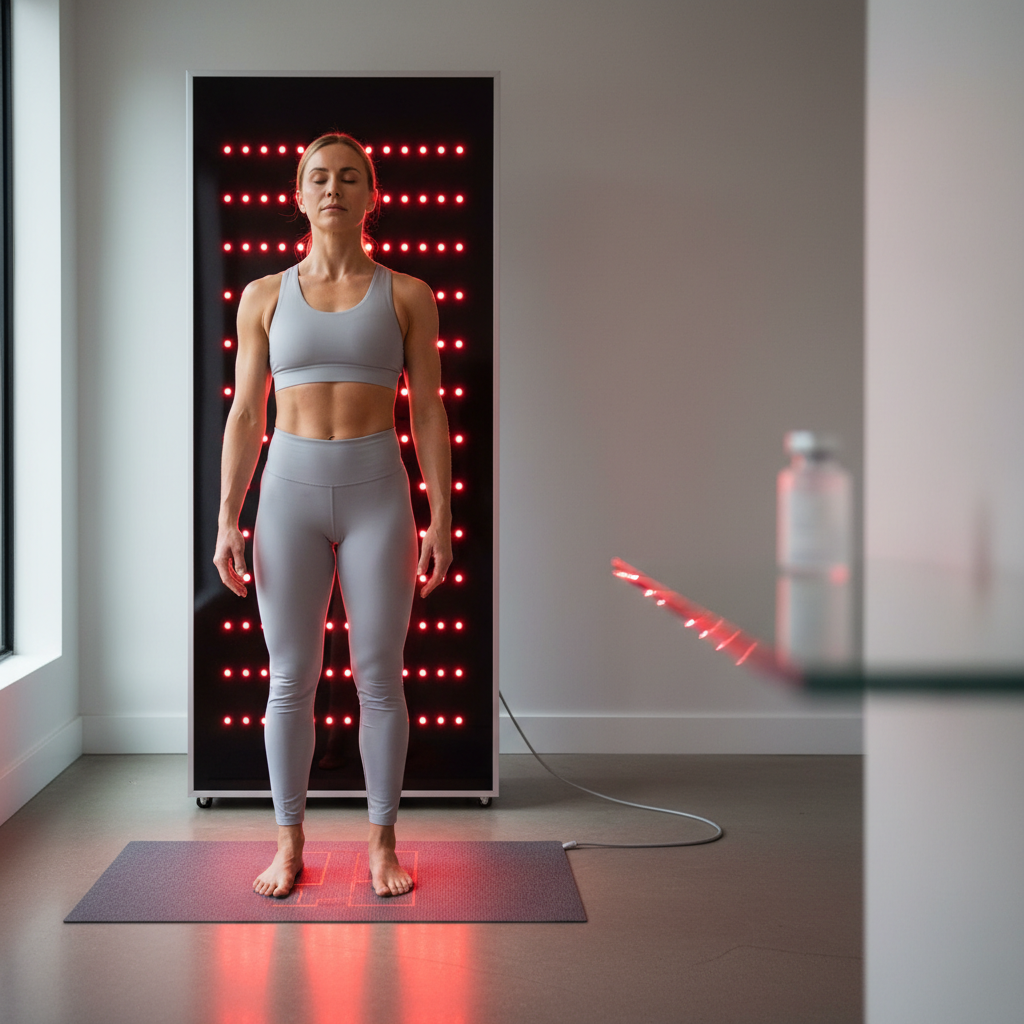
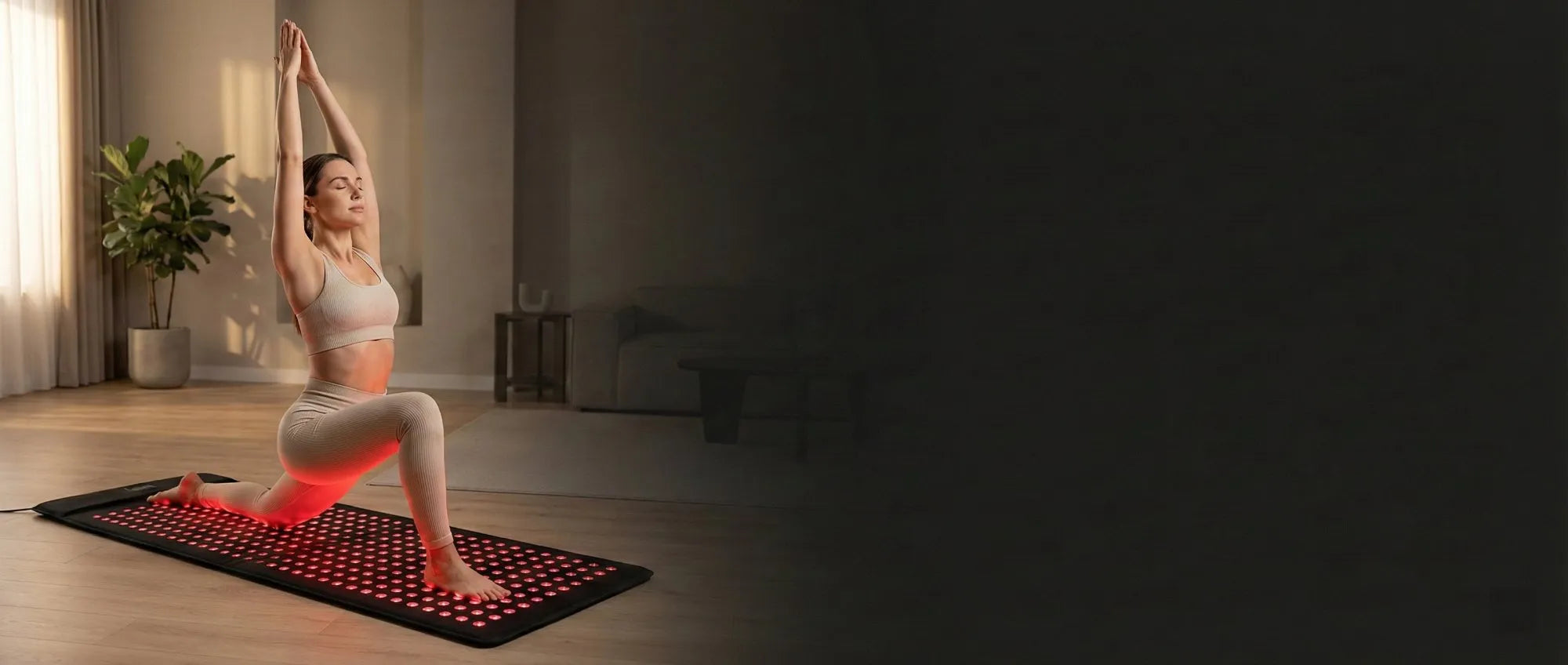
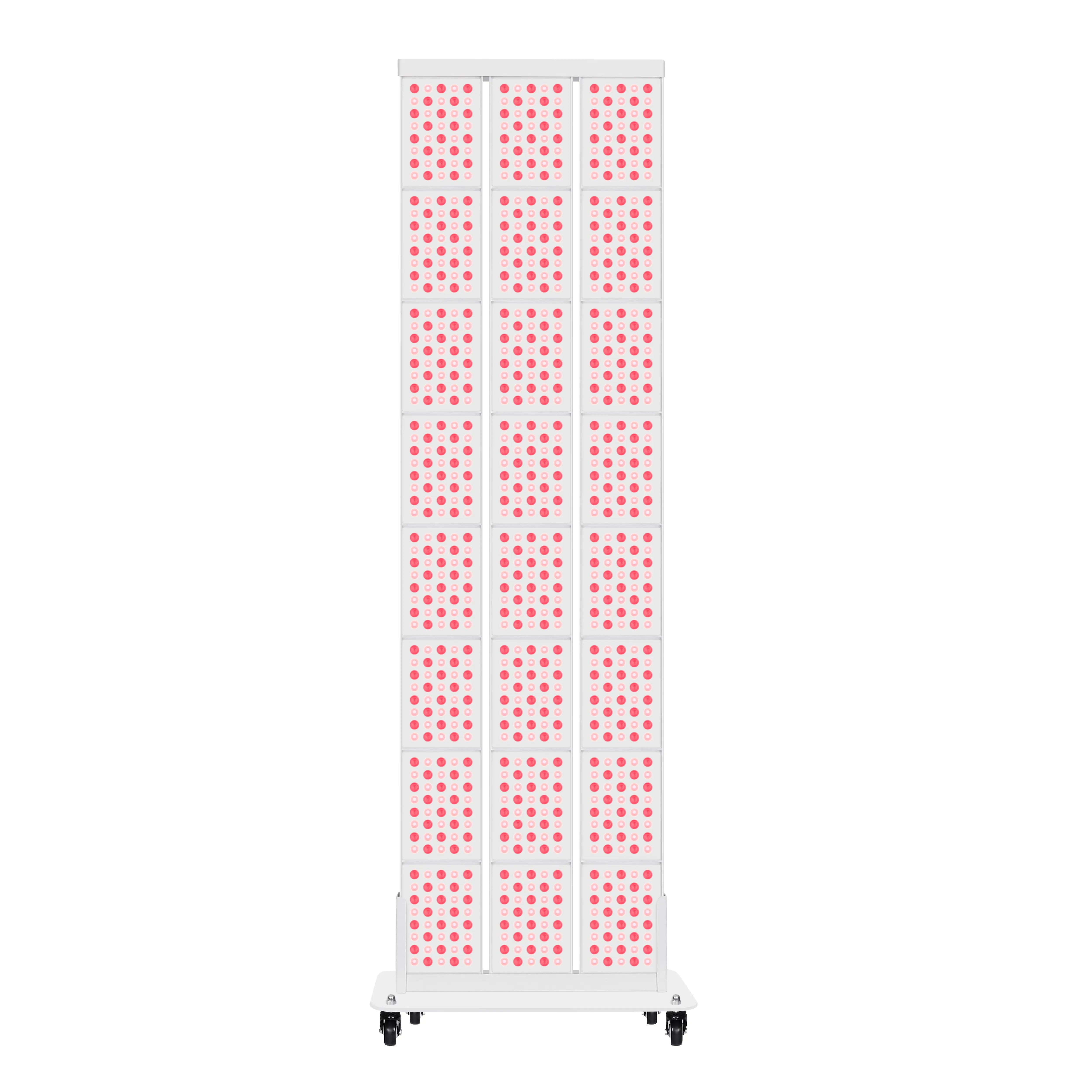
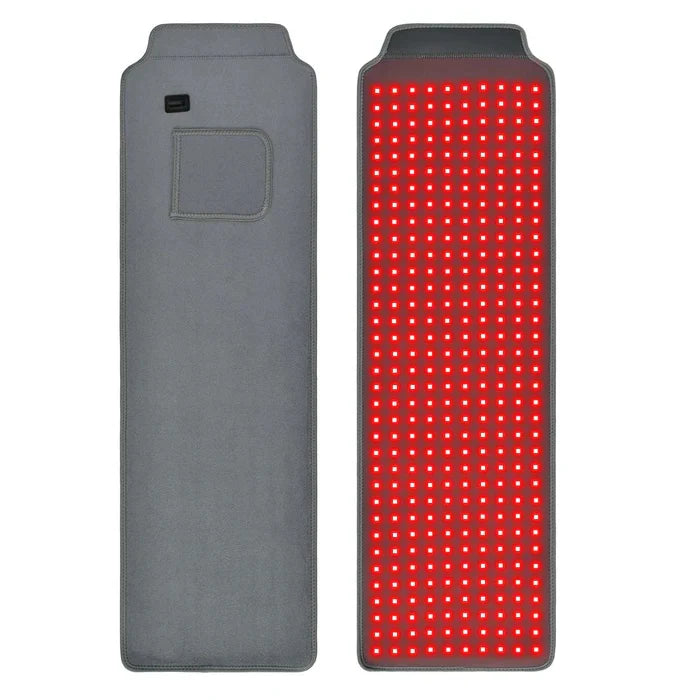
Beds resemble tanning beds, allowing users to lie flat for even, hands-free exposure across the entire body. Panels are usually wall-mounted or freestanding arrays that users stand or sit in front of. Mats are flexible, foldable pads that users can lie on, roll up for storage, or even wrap around targeted areas.
These differences directly affect real-world factors like session consistency, daily adherence, and how well the device fits into a typical bedroom or home gym. As this official photobiomodulation standards guide explains, consistent irradiance and proper dosing matter more than format alone, but your lifestyle and space will determine which format helps you maintain that consistency.
Key Comparison Factors: Cost, Space, and Usability
Several practical factors separate these formats for home users. Beds typically carry the highest price tag due to their large size and complex construction, often exceeding several thousand dollars. They also require dedicated floor space, sometimes comparable to a twin bed, making them difficult to accommodate in smaller homes.
Panels generally fall in the middle for cost and can be more affordable as entry-level full-body options. Their footprint depends on mounting; wall-mounted versions save floor space but require installation, while portable stands add flexibility at the cost of stability during use.
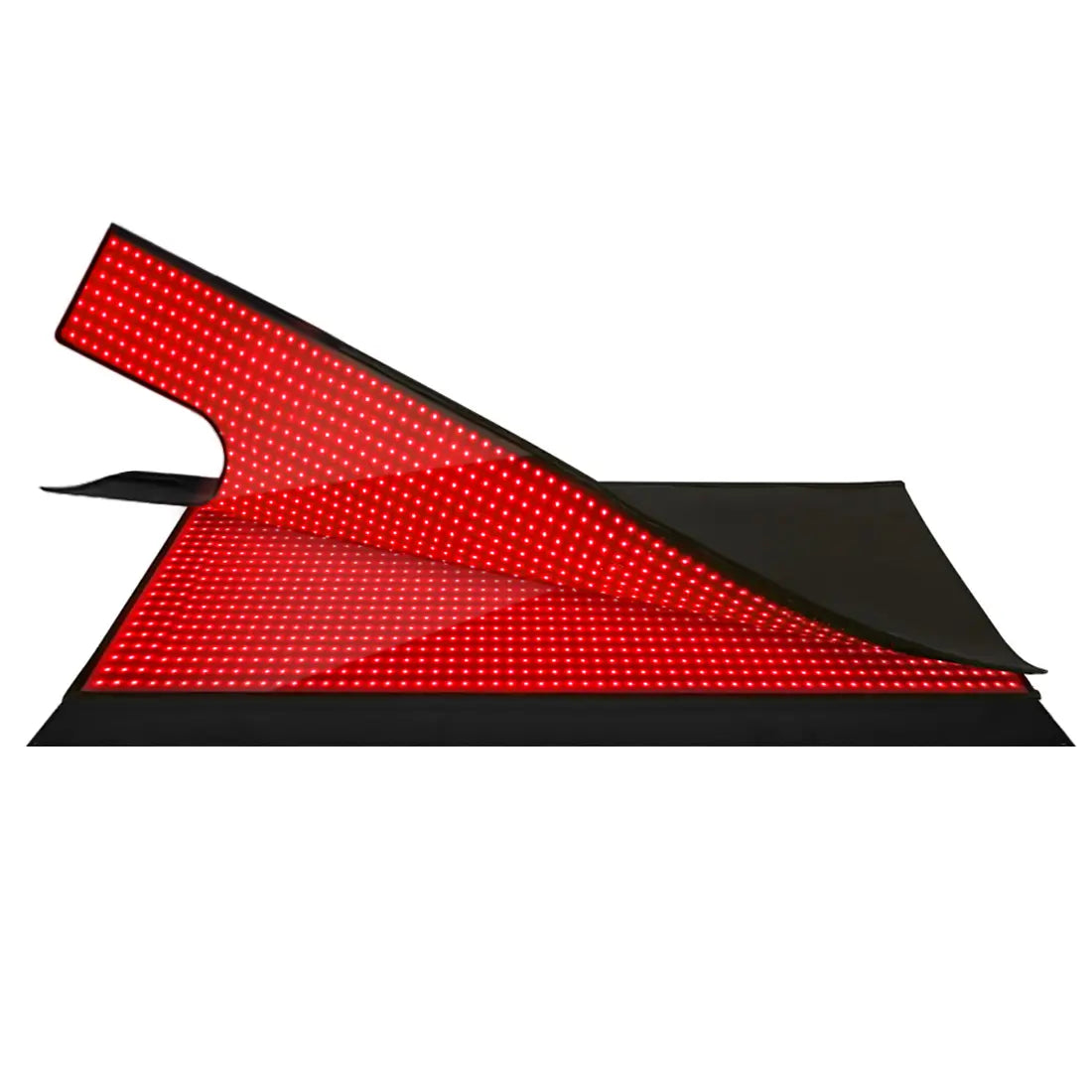
Mats tend to offer the best value for most home setups. They are usually the most budget-friendly full-body format while providing superior portability. You can store a mat under a bed or in a closet and unfold it only when needed. This convenience often leads to higher daily usage rates compared to bulkier alternatives.
Comfort during sessions also varies. Beds provide a passive, spa-like experience ideal for relaxation. Panels require users to remain still in a specific position, which can feel tedious for longer sessions. Mats allow natural lying positions but may require occasional adjustment to maintain even coverage.

Clinical Efficacy and Coverage Considerations
All three formats can deliver therapeutic light doses when equipped with appropriate irradiance and wavelengths. However, coverage consistency differs. Beds excel at uniform full-body exposure in a single session because the user lies enclosed between light sources. This design minimizes the need for repositioning.
Panels can achieve broad coverage but often require multiple angles or longer total session times to treat the back and sides effectively. Users must carefully manage distance, as irradiance drops significantly with increased separation from the panel surface.
Mats provide direct contact with the body, which can support strong light delivery to the back and posterior areas. However, body curvature and movement may create uneven exposure on the front or sides unless the user flips during treatment.
For athletes focused on post-workout recovery or injury support, the key is repeatable dosing rather than theoretical maximum coverage. Research on photobiomodulation emphasizes that consistent use at appropriate energy densities (Joules/cm²) drives results more than any single device shape. Check your specific device's irradiance specifications and follow manufacturer protocols for best outcomes.
Tradeoffs for Athletes and Space-Constrained Users
Athletes and biohackers often prioritize recovery tools that integrate seamlessly into busy schedules. Beds offer clinic-like immersion but can become underused if setup feels like a chore or space is limited. Their size makes them a permanent fixture, which suits dedicated recovery rooms but not most apartments.
Panels serve as a practical compromise for those wanting substantial coverage without a full bed commitment. They work well in home gyms where wall space is available, though positioning effort can reduce adherence over time.
Mats shine for users with limited space or those who travel. Their flexibility allows targeted use on the back, legs, or even wrapped around joints. For frequent recovery users, this adaptability often translates to better long-term compliance.
Here is a heuristic visualization of how these formats compare across key home-use factors:
Heuristic Tradeoff Comparison for Home Red Light Therapy Devices (2026)
Heuristic comparison of home-use tradeoffs across device formats
View chart data
| Series | Cost advantage | Space efficiency | Setup ease | Coverage consistency | Portability |
|---|---|---|---|---|---|
| Beds | 2.0 | 2.0 | 7.0 | 9.0 | 1.0 |
| Panels | 6.0 | 6.0 | 5.0 | 6.0 | 5.0 |
| Mats | 8.0 | 8.0 | 9.0 | 5.0 | 9.0 |
Illustrative 1-10 heuristic comparison based on the provided writer evidence: beds tend to deliver the strongest full-body coverage but require the highest cost and space; panels are a middle ground but depend more on positioning; mats are the most portable and easiest to fit into home use, with more variable coverage. Scores are relative and non-measured, intended for decision framing only.
This radar chart uses relative heuristic scores (1-10 scale) to illustrate typical tradeoffs. Higher scores indicate better performance in that category. Remember these values are illustrative and meant to support your personal priorities rather than serve as absolute benchmarks.
When to Choose Each Format
Choose a bed if you have dedicated space, value maximum hands-free coverage, and prefer a passive recovery experience similar to professional clinics. They suit users with high budgets who plan permanent installation and frequent full-body sessions.
Choose panels if you want solid full-body potential without a bed's footprint or cost. They work best for those with wall space or stable mounting options and who don't mind some positioning during treatment. Panels often represent a practical entry into higher-power full-body therapy.
Choose a mat if convenience, storage, and value are priorities. Mats excel in apartments, shared spaces, or mobile lifestyles. Their flexibility supports both full-body lying sessions and targeted application, making them ideal for athletes who need quick, consistent recovery routines.
For space-limited users or those seeking the best overall value in 2026, mats frequently provide the optimal balance. The YouLumi Red Light Therapy Mat combines powerful dual-wavelength output with a slim, foldable design that fits easily into daily life.

Practical Buying Checklist
Before purchasing any full-body red light therapy device, evaluate these checkpoints:
- Measure your available space and storage options realistically.
- Calculate total cost including any required stands, mounts, or accessories.
- Review independent irradiance data at treatment distance, not just surface readings.
- Consider your typical session length and whether hands-free operation is essential.
- Check EMF and flicker specifications for long-term daily use.
- Assess how easily you can maintain consistent positioning for even dosing.
Test your routine mentally: will you actually use the device 4-5 times per week? The most effective format is usually the one that fits your lifestyle without friction.
Important Safety and Usage Notes
Red light therapy is generally well-tolerated, but individual responses vary. This article discusses comfort, convenience, and setup considerations for home devices and does not constitute medical advice, diagnosis, or treatment. Results depend heavily on device quality, usage consistency, and individual health factors.
If you have existing eye conditions, photosensitivity, are pregnant, or experience persistent discomfort, consult a qualified healthcare professional before starting red light therapy. Always follow manufacturer guidelines regarding distance, session duration, and protective eyewear when recommended.
Making the Right Choice for Your Recovery Goals
The best red light therapy format ultimately depends on your specific constraints and priorities. Beds deliver premium immersion for those who can accommodate them. Panels offer versatile coverage for moderate budgets and spaces. Mats provide unmatched convenience and value for most home athletes seeking practical full-body benefits.
In 2026's wellness market, where space and time are premium resources, many users find that a high-quality mat delivers the strongest real-world results by enabling consistent daily use. Consider your room layout, budget, and recovery routine carefully, then select the format you are most likely to use regularly.
Explore related topics like red light therapy for HIIT recovery to understand how different wavelengths support athletic performance. For skin-focused applications, review guides such as red light therapy for neck wrinkles. When shopping, the Red Light Therapy Belt collection offers complementary targeted options to pair with your full-body system.
By focusing on practical tradeoffs rather than marketing hype, you can select a device that genuinely supports your long-term recovery and wellness objectives.