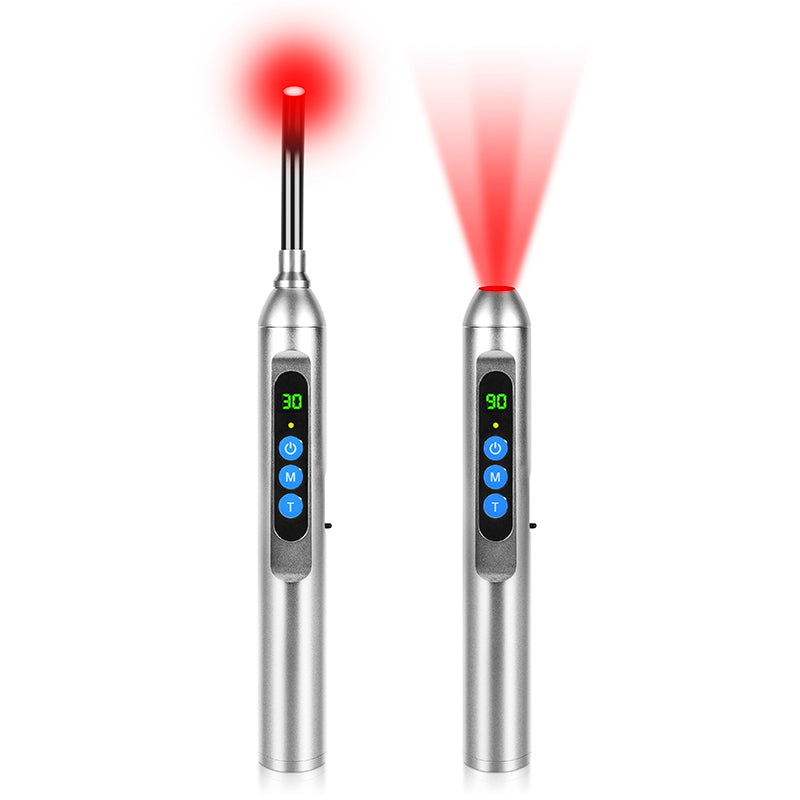

Red Light Therapy for Brain Health: Neuroprotection and Focus
Medical Disclaimer: This article is for informational purposes only and does not constitute medical advice, diagnosis, or treatment. Transcranial photobiomodulation (tPBM) is an emerging field; you should consult with a neurologist or qualified healthcare professional before beginning any new therapy, especially if you have a history of seizures, photosensitivity, or neurological disorders.
Commercial Disclosure: This guide is published by Youlumi, a developer of photobiomodulation equipment. While we prioritize evidence-based research, this content includes links to our products. We recommend reviewing third-party clinical data alongside our technical specifications.
Summary
Red light therapy, specifically transcranial photobiomodulation (tPBM), involves the application of near-infrared wavelengths (typically 810nm to 1064nm) intended to penetrate the skull and interact with mitochondrial chromophores in neurons. By potentially enhancing cytochrome c oxidase activity and supporting ATP production, this non-invasive technology is being studied for its role in neuroprotection, oxidative stress reduction, and cognitive support. It is increasingly viewed as a supplemental tool for recovery protocols and long-term brain health maintenance.
Key Takeaways
- Mitochondrial Interaction: Near-infrared light (NIR) is hypothesized to target cytochrome c oxidase, potentially boosting cellular energy (ATP) and triggering secondary neuroprotective signaling.
- Wavelength Selection: Wavelengths between 810nm and 1064nm are preferred for their ability to penetrate bone and reach cortical tissues more effectively than standard red light (660nm).
- Cognitive Protocols: Preliminary research into 40Hz gamma pulsing suggests potential benefits for executive function and focus, though large-scale clinical validation is ongoing.
- Safety & Standards: Adherence to IEC 60601-2-57:2026 standards is critical to manage irradiance levels and prevent thermal tissue damage.
- Dose Sensitivity: Benefits typically follow a biphasic dose-response curve (Arndt-Schulz Law), where excessive exposure may diminish therapeutic outcomes.
How Photobiomodulation Penetrates the Skull for Neuroprotection
The human skull presents a significant barrier to light; however, the "optical window" (600nm–1100nm) allows specific near-infrared (NIR) wavelengths to reach the cerebral cortex. While 810nm and 850nm remain industry standards, 2026 research highlights 1064nm for its potentially superior depth of penetration due to reduced scattering in biological tissue. When photons reach the mitochondria, they are absorbed by cytochrome c oxidase (CCO), a key enzyme in the electron transport chain.
This interaction is suggested to increase adenosine triphosphate (ATP) synthesis, providing the energy required for cellular maintenance. Furthermore, tPBM may modulate transcription factors that lead to the expression of neurotrophic factors like Brain-Derived Neurotrophic Factor (BDNF). This process is considered a likely contributor to neuroplasticity—the brain's ability to reorganize neural pathways. For those exploring a comprehensive guide to red light therapy for brain health, understanding these cellular mechanisms is vital for setting realistic expectations.
Technical Note: The efficacy of tPBM depends on reaching a threshold dose at the cortical level. Because skull thickness varies, the irradiance (mW/cm²) measured at the device surface must be sufficient to overcome attenuation without causing scalp heating.

Enhancing Cognitive Function: Protocols for Focus and Brain Fog
For users seeking cognitive optimization, the focus often lies on improving processing speed and mitigating "brain fog." Identifying optimal frequencies and protocols for brain therapy is essential for safety and efficacy. While continuous wave (CW) light is standard, pulsed light is currently being investigated for its ability to influence brain wave oscillations.
In 2026, 40Hz gamma entrainment has gained attention. Gamma oscillations are associated with high-level cognitive tasks. Preliminary studies suggest that pulsing NIR light at 40Hz may support focus and memory, though individual responses vary significantly.
Sample Protocol Framework (2026)
Note: These parameters are illustrative and based on common clinical research ranges. Always verify your device's specific irradiance.
| Protocol Goal | Wavelength | Frequency | Target Irradiance (at scalp) | Distance | Duration |
|---|---|---|---|---|---|
| Acute Focus | 810nm / 850nm | 40 Hz (Gamma) | 50–75 mW/cm² | 0–2 cm | 10–15 mins |
| Brain Fog Relief | 850nm / 1064nm | 10 Hz (Alpha) | 40–60 mW/cm² | 1–3 cm | 20 mins |
| Neuroprotection | 810nm | Continuous | 30–50 mW/cm² | 2–5 cm | 15 mins |
| Sleep/Recovery | 660nm / 850nm | 2 Hz (Delta) | 20–40 mW/cm² | 5–10 cm | 20 mins |
Calculating Your Dose:
To calculate the total energy delivered (Fluence), use the following formula:
Fluence (J/cm²) = [Irradiance (mW/cm²) × Time (seconds)] / 1000
Example: 50 mW/cm² for 10 minutes (600s) = 30 J/cm².
For detailed safety thresholds, refer to the Photobiomodulation Standards: Irradiance, EMF, and Safety.
Long-term Brain Health and Neurodegenerative Support
The potential for tPBM to support long-term neurological health is a subject of intense study. For example, red light therapy for Alzheimer's disease treatment has shown preliminary promise in small-scale trials regarding the reduction of beta-amyloid plaques and modest improvements in cognitive scores. However, these results are not yet considered a "cure" and require further large-scale, double-blind validation.
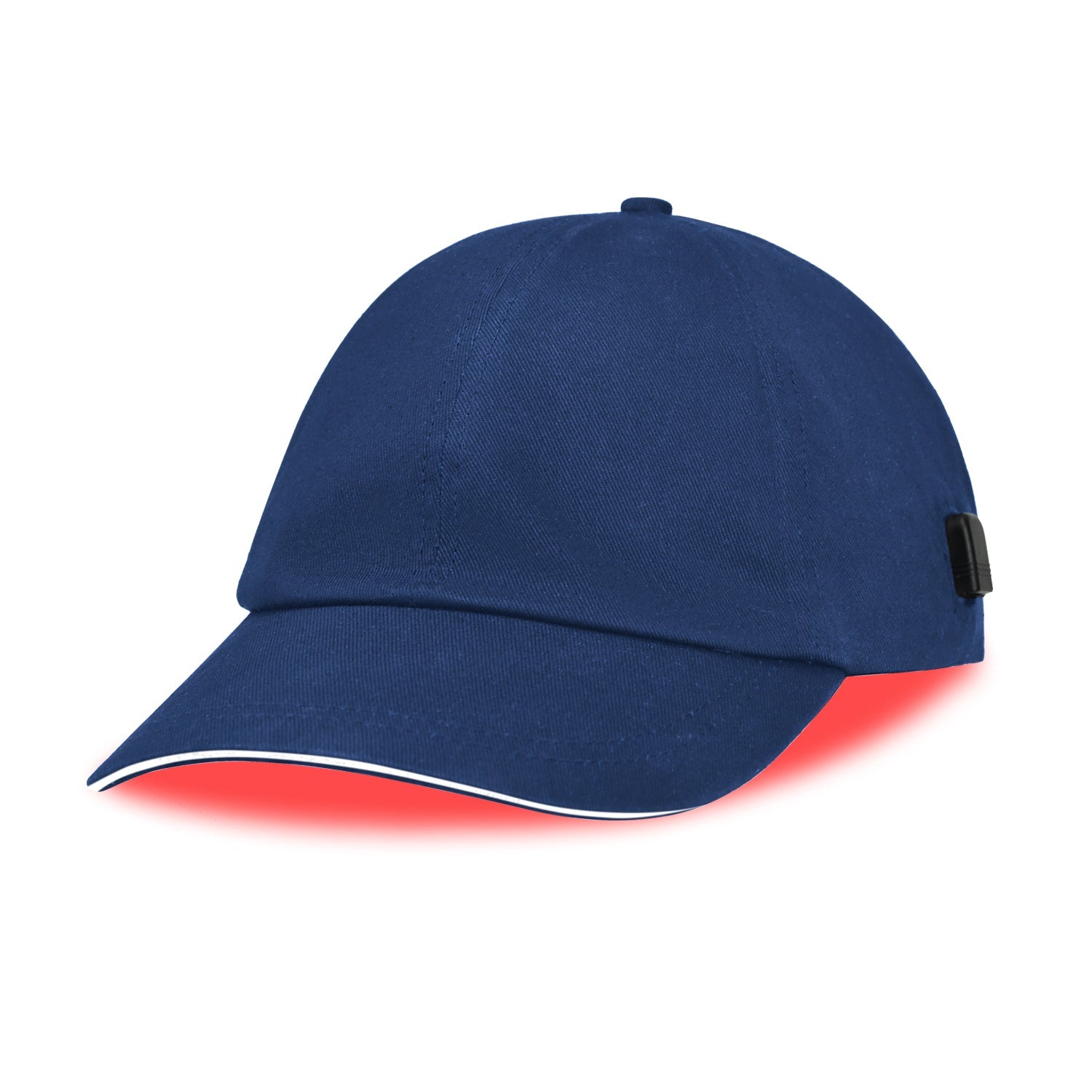
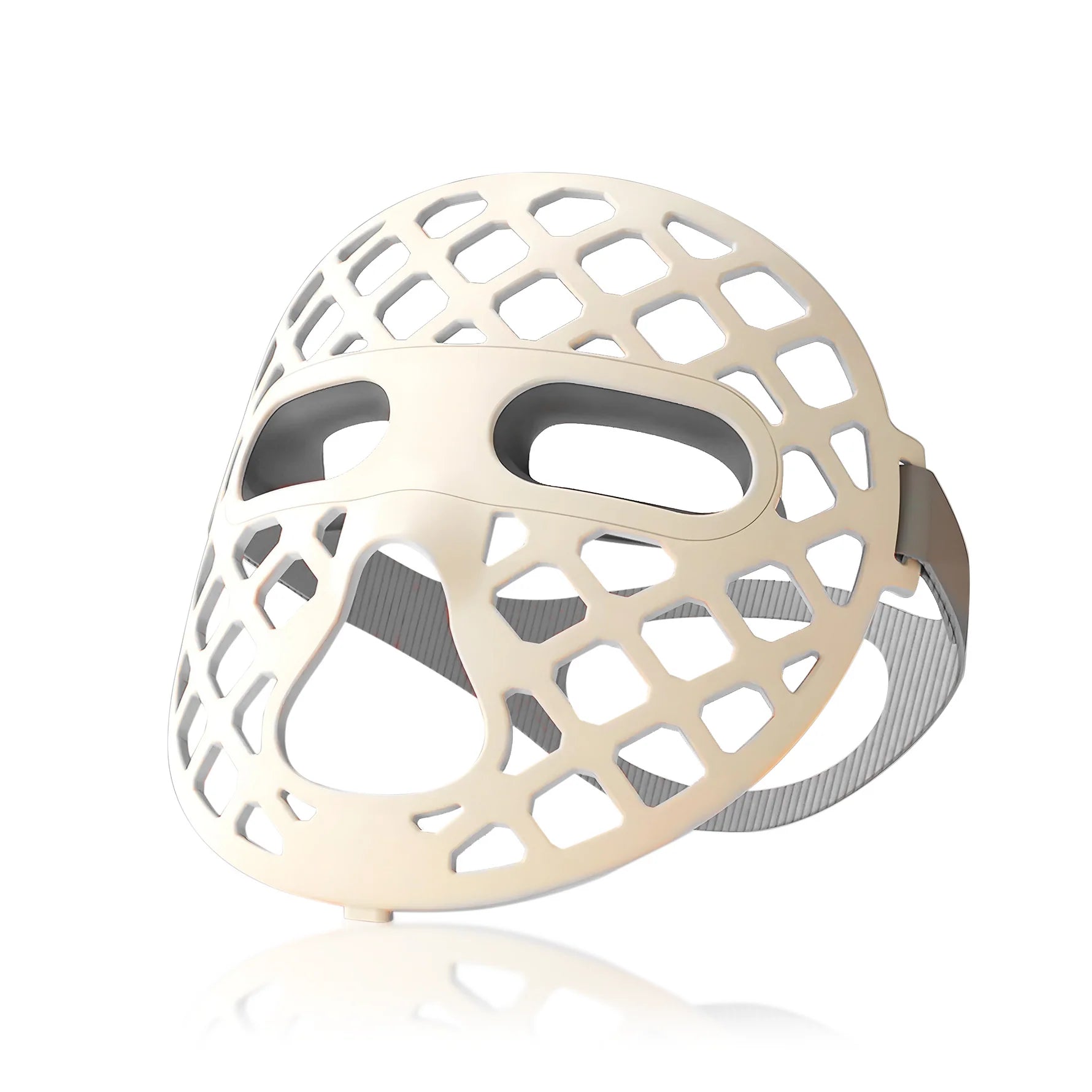
Similarly, for those recovering from Traumatic Brain Injury (TBI), tPBM is being researched for its ability to reduce pro-inflammatory cytokines and improve cerebral blood flow. By potentially stabilizing the blood-brain barrier, light therapy offers a supportive approach to recovery. Understanding how red light therapy hats can help with brain diseases is useful for those seeking targeted delivery, as proximity to the scalp is a major factor in photon transmission.
Logic Summary: These protocols assume the use of devices with verified, non-inflated irradiance. Using "unverified" high-power devices increases the risk of the inhibitory effect described by the Arndt-Schulz Law, where too much energy may lead to cellular fatigue rather than stimulation.

Choosing the Right Equipment: Full-Body Mats vs. Targeted Panels
Selecting hardware requires balancing systemic benefits with the need for deep cranial penetration.
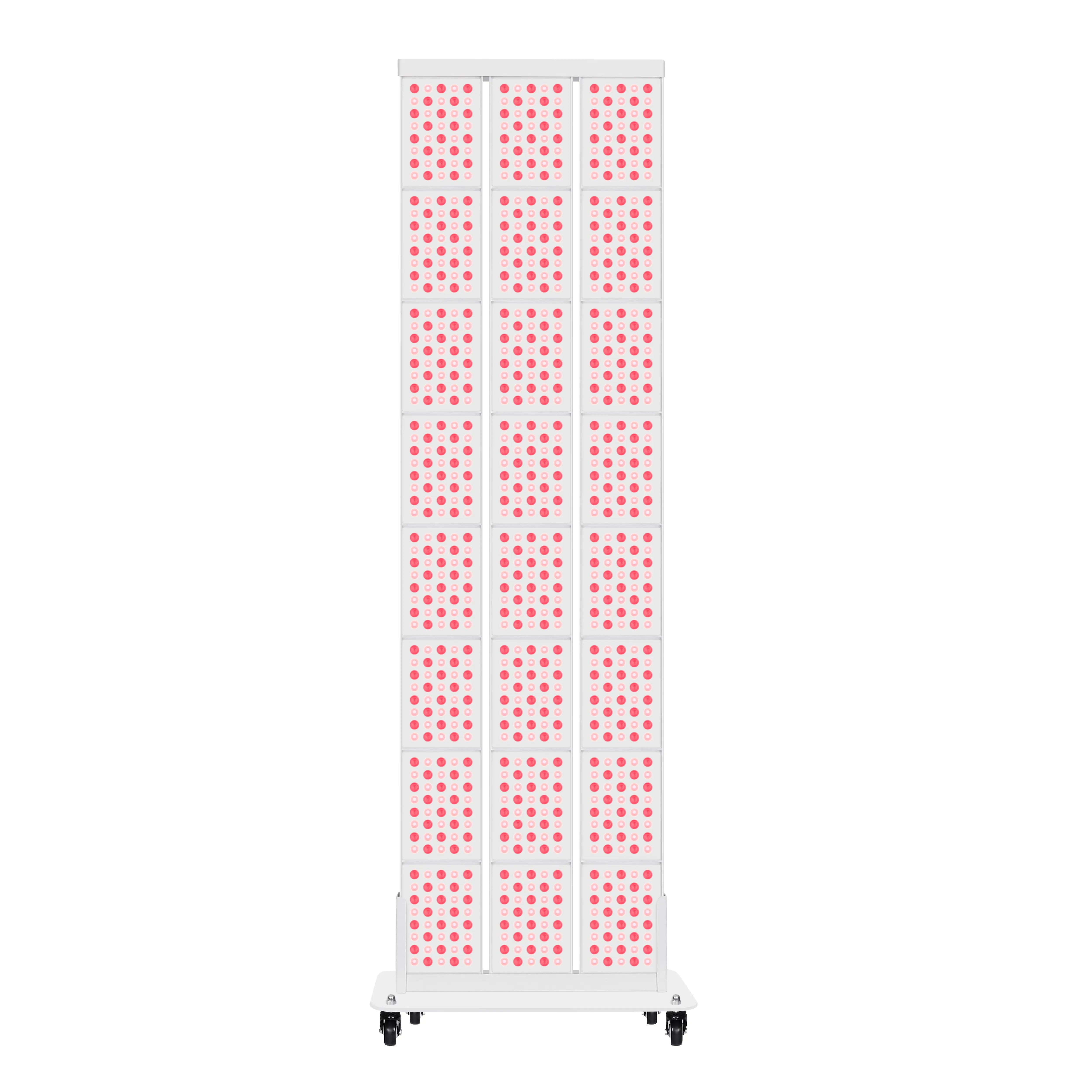
A high-power red light therapy panel for targeted treatment is often preferred for brain-specific protocols. These devices provide the high irradiance necessary to ensure a sufficient percentage of photons reach the cortex. Panels allow for precise positioning to target the frontal or temporal lobes.
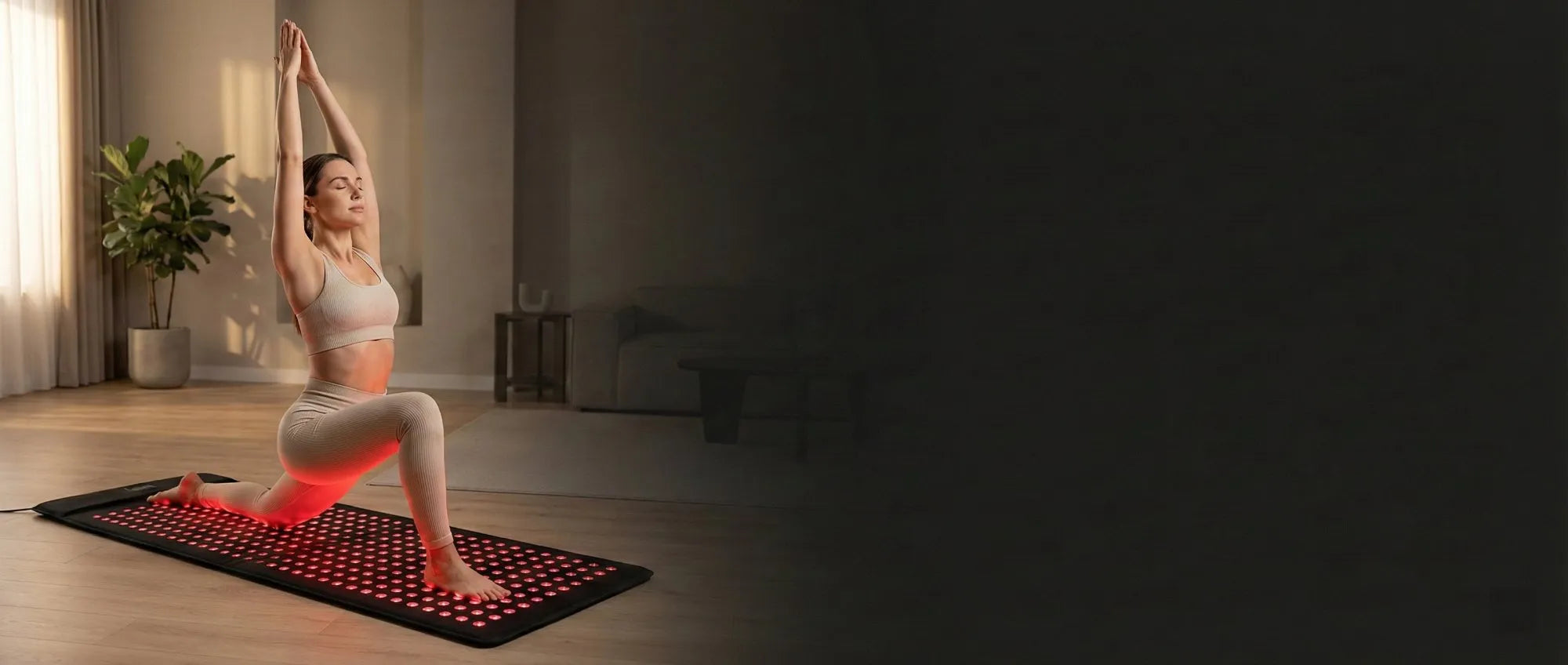
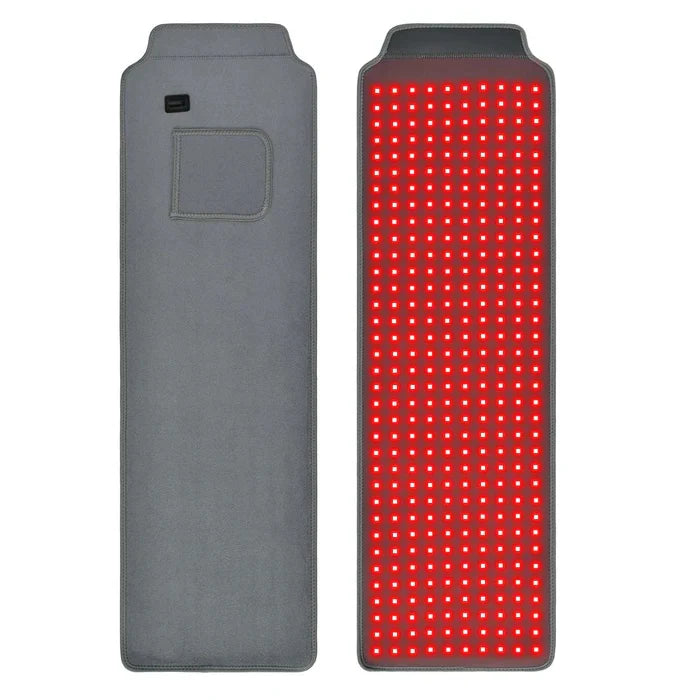
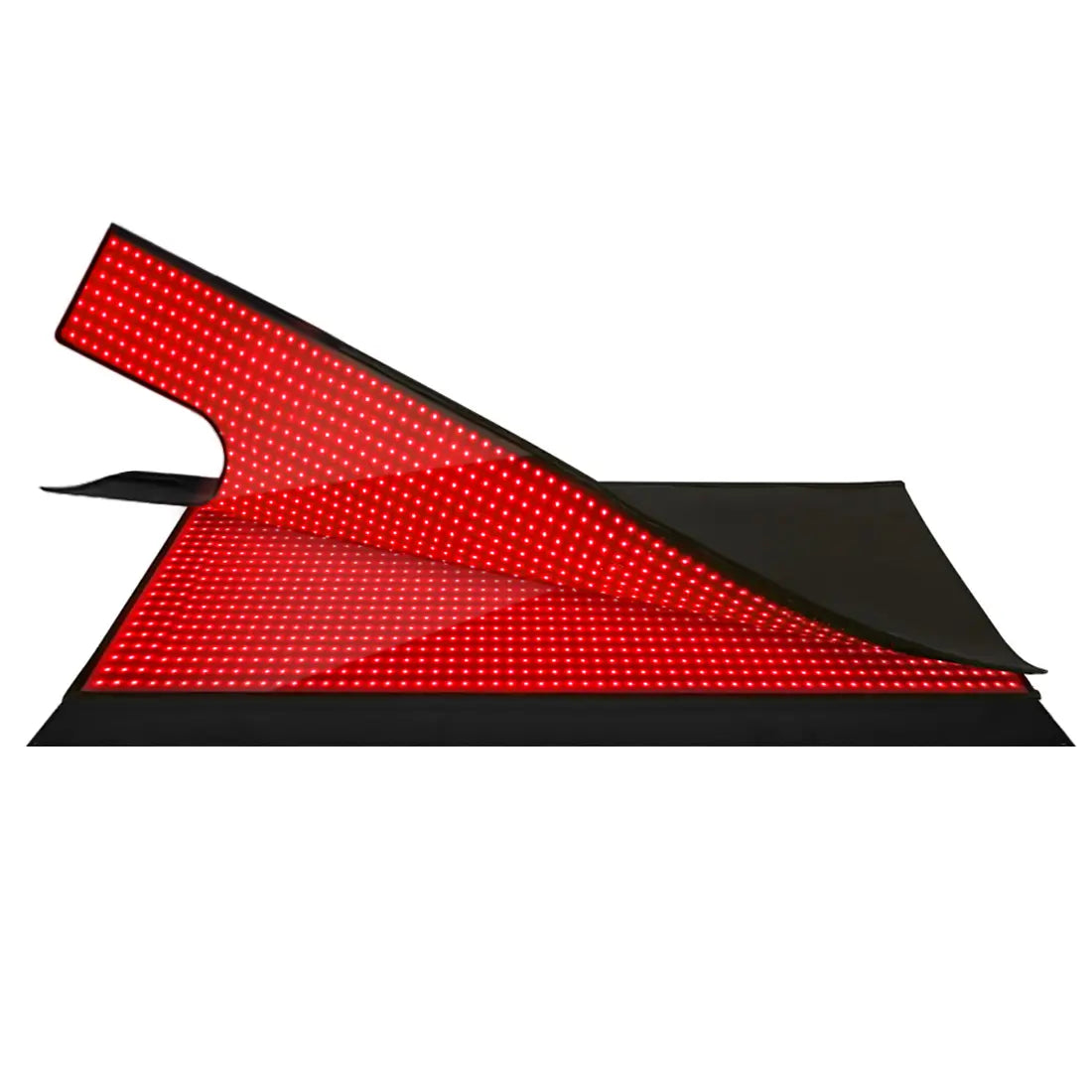
Alternatively, a full body red light therapy mat for comprehensive treatment offers systemic anti-inflammatory benefits. While the irradiance at the head may be lower than a targeted panel, the overall improvement in systemic circulation can indirectly support neurological health. Many users adopt a hybrid approach, using systemic mats for general wellness and targeted panels for cognitive performance.
FAQ
Can red light therapy really penetrate the human skull? Yes, peer-reviewed computational models and clinical studies confirm that NIR light (810nm–1064nm) can reach the cerebral cortex. While bone and skin reflect or absorb a significant portion, a therapeutic dose can be delivered if the device provides sufficient irradiance (typically >40 mW/cm² at the scalp).
Is it safe to use red light therapy on the head every day? Daily use is common in clinical trials, but it is vital to monitor for over-stimulation. If you experience headaches, dizziness, or "brain fatigue," you may be exceeding your optimal dose. Start with shorter sessions (5–10 minutes) to assess tolerance.
How long does it take to see cognitive improvements? Some users report immediate "clarity" due to acute increases in blood flow. However, studies focusing on neuroprotection or recovery from injury typically measure outcomes over a 4-to-12-week period of consistent use.
Does red light therapy help with brain fog? Preliminary evidence suggests tPBM may help reduce oxidative stress and modulate inflammatory cytokines, which are often linked to "brain fog." However, it should be used as part of a broader health strategy including sleep and nutrition.
What is the difference between 10Hz and 40Hz pulsing? 10Hz (Alpha) is generally associated with relaxation and stress reduction, while 40Hz (Gamma) is linked to high-level cognitive processing and focus.
Can I use a standard red light panel for brain health? A standard panel can be effective if it offers the correct NIR wavelengths (810nm+) and high irradiance. However, specialized helmets or caps may offer more consistent dosing by maintaining a fixed distance from the scalp.
References
Government / Standards / Regulators
- FDA CDRH: Proposed Guidances for Fiscal Year 2026 (FY2026)
- IEC: IEC 60601-2-57:2026 - Medical electrical equipment - Safety of non-laser light source equipment
Industry Associations / Research Institutes
- Biolongevity Institute: Transcranial Photobiomodulation (tPBM): Mechanisms and Protocols
Academic / Whitepapers / Labs
- PubMed: Effects of Photobiomodulation on Nervous System Disorders: A Review
- ScienceDirect: High-Resolution Computational Modeling of Transcranial Photobiomodulation
- Frontiers in Neurology: Red-light photobiomodulation improves cognition in post-stroke impairment (2025)
- Journal of Translational Medicine: Transcranial photobiomodulation and traumatic brain injury recovery
Platform Official Docs
- Youlumi Guide: Photobiomodulation Standards: Irradiance, EMF, and Safety