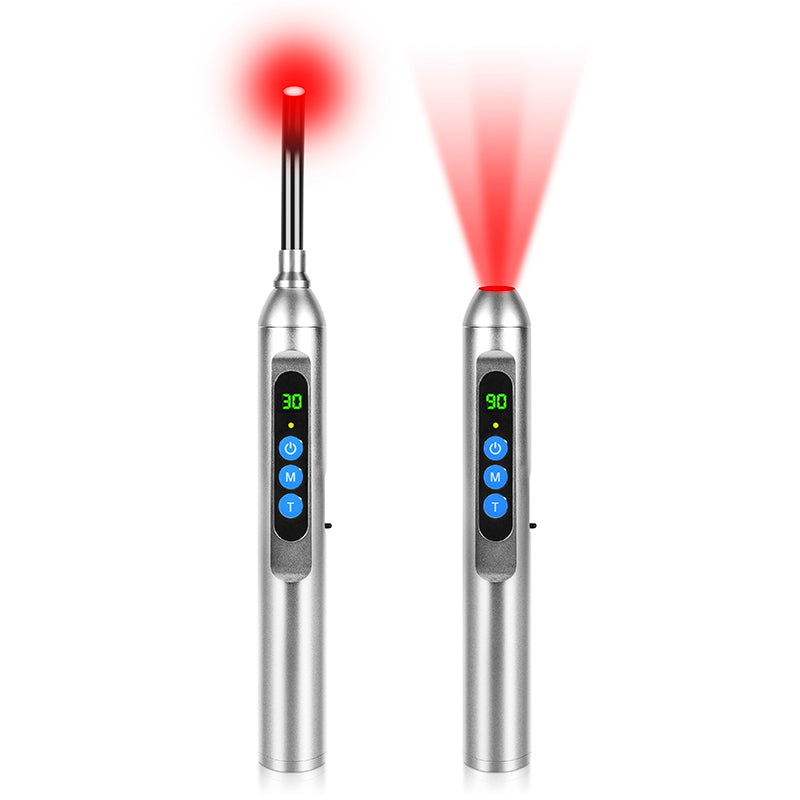

Red Light Therapy for Eye Health: Safety and Vision Benefits
Medical Disclaimer: This article is for informational purposes only and does not constitute medical advice, diagnosis, or treatment. Red light therapy (RLT) for ocular health is an emerging field of study. Always consult with an ophthalmologist or qualified eye care professional before beginning any light therapy protocol, especially if you have pre-existing conditions such as glaucoma, cataracts, retinal detachment, or light sensitivity. This content is intended for adults; use on children must be strictly supervised by a medical professional.
Summary
Red light therapy (RLT), specifically at the 670nm wavelength, is being actively studied as a non-invasive intervention for supporting retinal mitochondrial function. By delivering low-intensity photonic energy to the mitochondria in the macula, research suggests this protocol may help mitigate age-related declines in cellular ATP production. However, safety is paramount: home use requires flicker-free devices that adhere to safety standards such as IEC 60601-2-57:2026 to prevent unintended retinal strain.

Key Takeaways
- Mitochondrial Support: Research, notably from University College London (UCL), suggests that brief exposure to 670nm red light may improve color contrast sensitivity in adults over 40 by supporting mitochondrial efficiency.
- Safety Standards: Ocular RLT should utilize flicker-free LEDs (IEEE 1789-2015 compliant) to minimize the risk of eye strain or neurological interference.
- Optimal Timing: Preliminary evidence indicates that morning sessions may be more effective than afternoon ones for aligning with the retinal biological clock.
- Wavelength Selection: While 660nm is common for skin health, 670nm is often cited in ocular studies for its specific absorption by cytochrome c oxidase without the high thermal risks of high-intensity Near-Infrared (850nm).
- Conservative Dosing: General heuristics suggest low irradiance (typically <50mW/cm² at the device surface) at a distance of 12–18 inches, ideally with eyes closed.
The Science of Photobiomodulation for Ocular Health
The human retina is among the most energy-demanding tissues in the body, with a mitochondrial density higher than that of the heart. As individuals age past 40, retinal mitochondria often decline in efficiency, leading to reduced Adenosine Triphosphate (ATP) production. This "energy gap" is associated with age-related macular degeneration (AMD) and general visual decline. Photobiomodulation (PBM) is thought to work by donating photons to the cytochrome c oxidase enzyme, potentially "restarting" the energy production cycle.
Foundational research led by Professor Glen Jeffery at University College London has explored how specific wavelengths (670nm) impact vision. A key study (Shinhmar et al., 2021, Scientific Reports, DOI: 10.1038/s41598-021-02311-1) observed that a single 3-minute morning exposure could improve cone-mediated color vision by an average of 20% in a small sample of older participants. While these results are promising, they represent specific laboratory conditions; individual results in a home setting may vary based on device quality and individual physiology.
Heuristic Note: The 670nm recommendation is based on its alignment with the absorption peaks of retinal cells. While 660nm is more widely available in consumer panels, 670nm is the primary wavelength used in the most cited UCL clinical trials.
Navigating the Safety Landscape: IEC 60601-2-57:2026
When applying light toward the eyes, safety thresholds are critical. In 2026, the benchmark for consumer safety is compliance with IEC 60601-2-57:2026, which specifies requirements for the basic safety of non-laser light source equipment.
A significant risk in ocular therapy is LED flicker. Many consumer devices use Pulse Width Modulation (PWM) to control brightness, which can create a "strobe" effect. While often invisible, this flicker can cause retinal fatigue. Following safety standards for photobiomodulation, users should verify that devices are "flicker-free" according to IEEE 1789-2015 guidelines. High-flicker environments are known to trigger headaches and eye strain in sensitive individuals.

Choosing the Right Wavelength: 660nm vs. 850nm for Eyes
Selecting the correct wavelength involves balancing potential benefits with thermal safety. Near-Infrared (NIR) light at 850nm is effective for deep tissue but requires extreme caution for eyes. Because NIR is invisible, it does not trigger the natural blink reflex, which could lead to undetected thermal buildup on the lens if irradiance is too high.
For most home users, the 660nm to 670nm range is considered a more conservative choice for vision support. This visible red light provides mitochondrial stimulation while allowing the eye's natural defenses (blinking and pupil constriction) to function. When evaluating optimal wavelengths for eye therapy, it is vital to distinguish between general wellness and targeted retinal support.
Comparison of Wavelengths for Ocular Use
| Feature | 660nm - 670nm (Visible Red) | 850nm (Near-Infrared) |
|---|---|---|
| Primary Target | Retinal Mitochondria | Deep Vascular Tissue |
| Blink Reflex | Triggered (Safety Mechanism) | Not Triggered (Higher Risk) |
| Thermal Risk | Low | Moderate |
| Primary Benefit | Color Contrast Support | Inflammation Support |
| Recommended Use | Direct (Eyes Closed) | Indirect / Professional Supervision |
Protocols for Vision Support: Timing and Dosage
The "Arndt-Schulz Law" suggests that photobiomodulation follows a biphasic dose-response curve: too little light is ineffective, while too much can be inhibitory. For eye health, the current research-based consensus favors a "low and slow" approach.
- Morning Exposure: Clinical data (Shinhmar et al., 2021) suggests the retina is most receptive to PBM in the morning. A single 3-minute session between 8:00 AM and 10:00 AM is the most studied protocol.
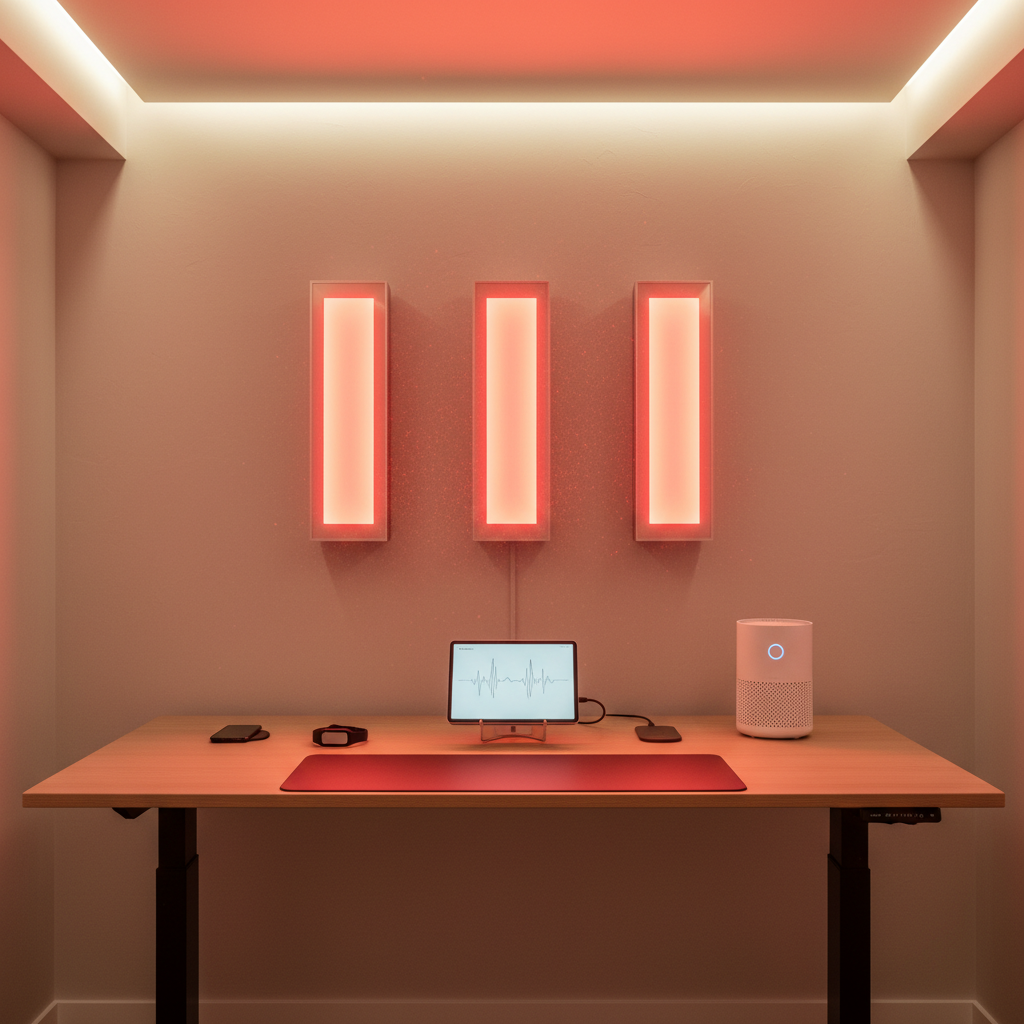
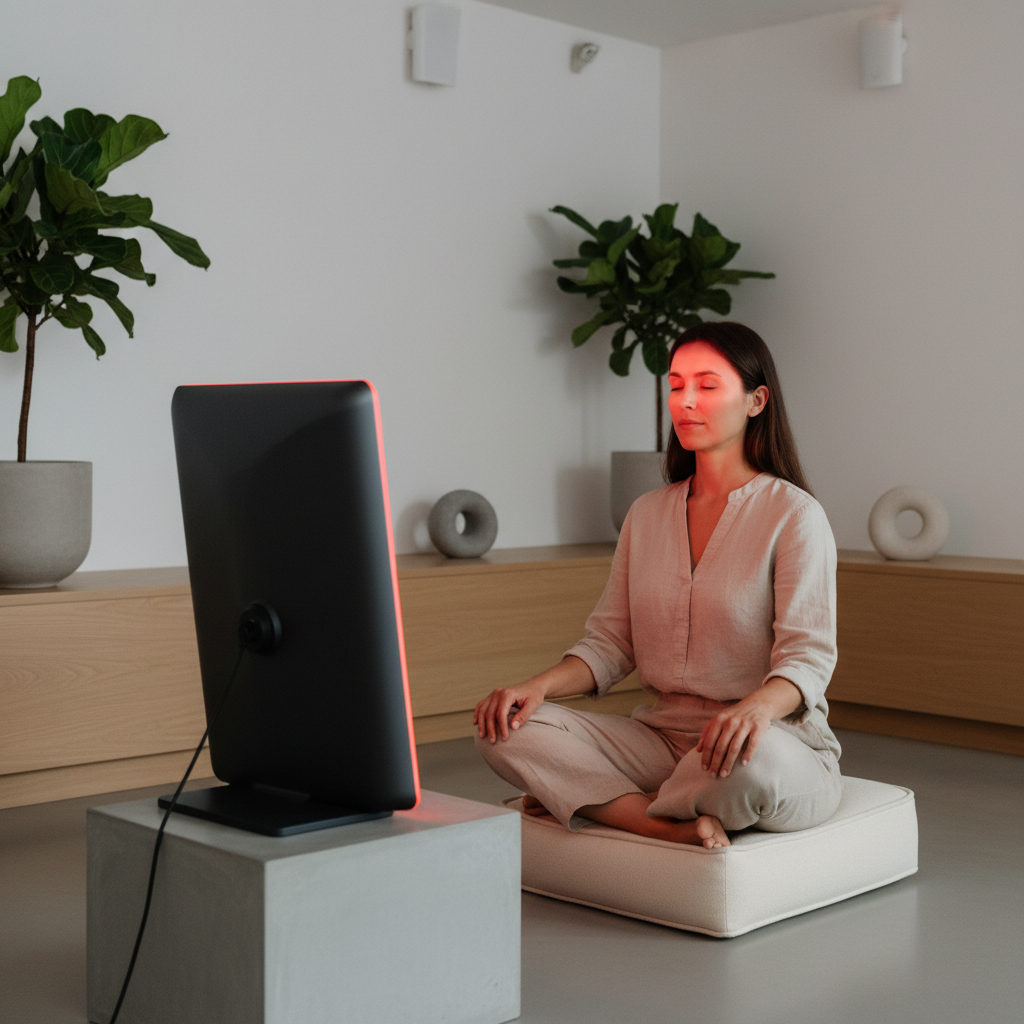
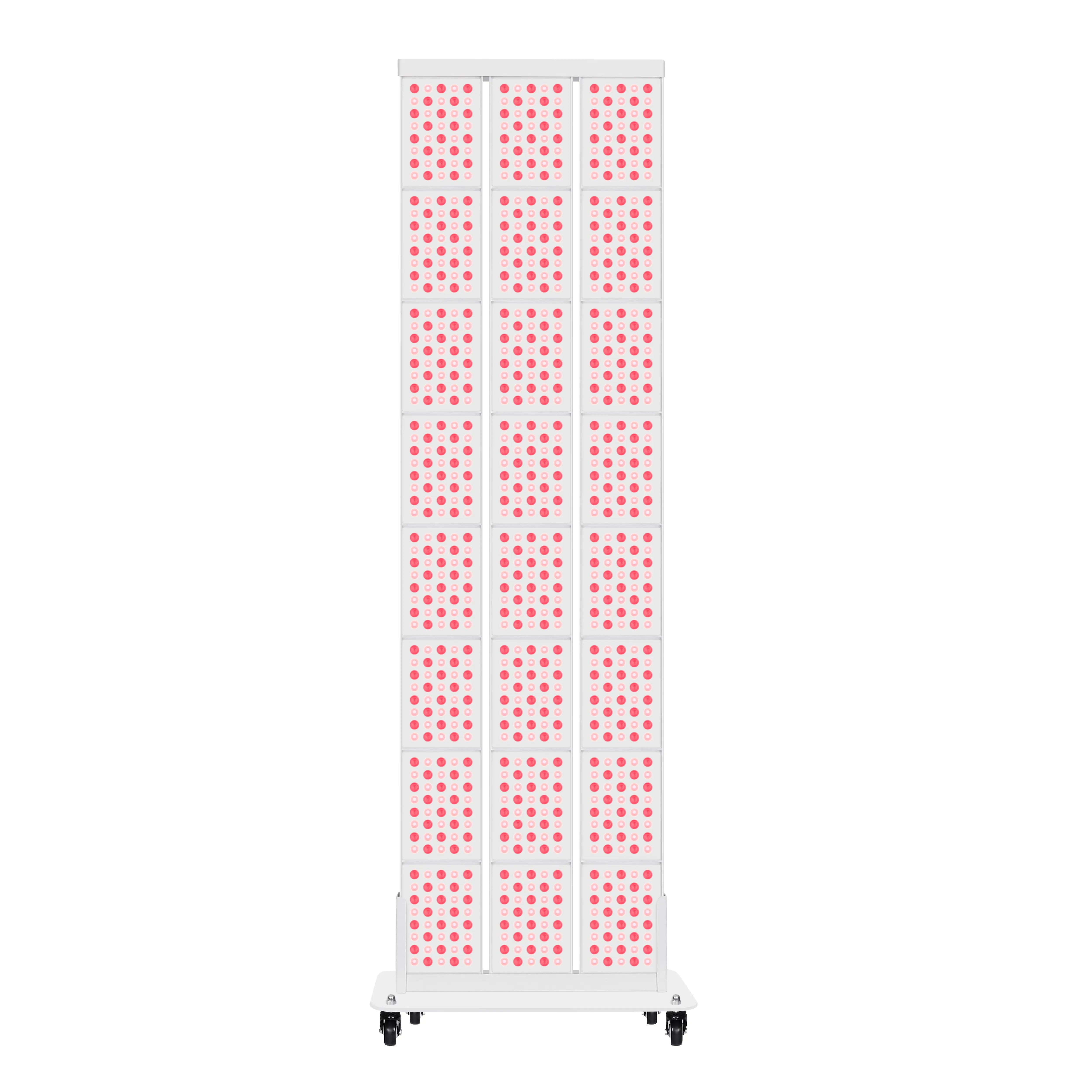
- Distance and Irradiance: Maintain a distance of 12 to 18 inches from your complete range of red light therapy panels. The target irradiance at the eye should be low (estimated <50mW/cm² at the source, significantly lower at the retina).
- Eyes Closed: Staring directly at high-intensity LEDs is not recommended. Keeping eyes closed allows sufficient red light to penetrate the eyelids while providing a natural protective filter.
- Frequency: Consistency is more important than intensity. Most protocols suggest 1–3 sessions per week.
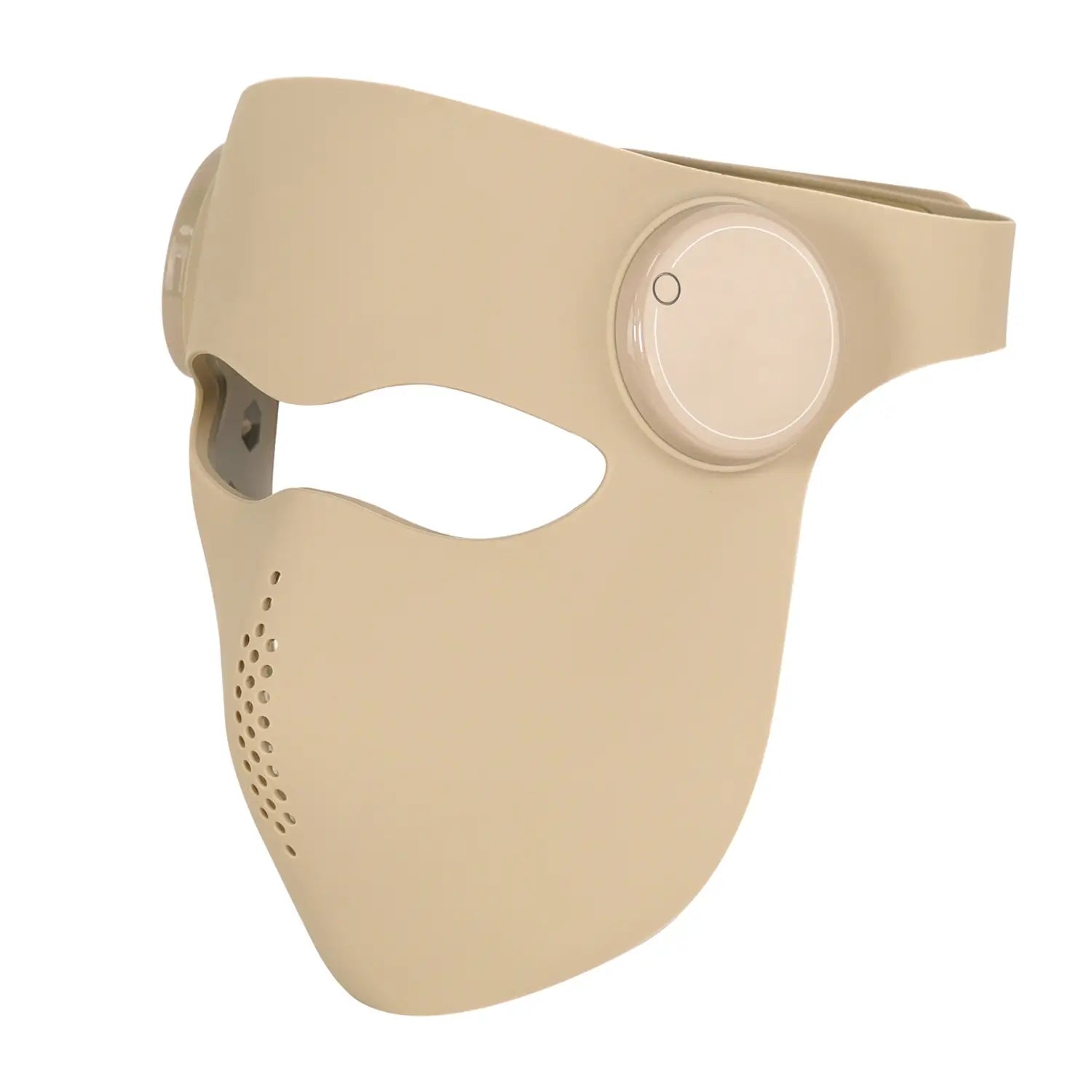
For a more controlled application, a targeted eye area treatment mask can provide a low-irradiance environment that ensures even light distribution.
Addressing the EMF and Flicker "Trust Gap"
Users should verify manufacturer claims regarding "flicker-free" technology. A simple heuristic is the "slow-motion video test": record the light source with a smartphone at 240fps. If distinct banding or flashing appears, the device may have a high flicker rate and should be avoided for ocular use.
Furthermore, Electromagnetic Fields (EMF) are a consideration when devices are used near the head. High-quality devices utilize shielded components to minimize non-ionizing radiation. This is particularly relevant when using red light therapy for brain and vision health, where proximity to the skull is increased.
Advanced Considerations: Myopia and Dry Eye
Beyond age-related decline, RLT is being investigated for slowing myopia progression in children and treating Meibomian Gland Dysfunction (MGD). However, these applications require specific frequency settings for optimal results, such as 10Hz pulsing, and must only be performed under medical supervision.
FAQ
Is red light therapy safe for eyes without goggles? It can be safe provided you use low-irradiance settings, maintain a distance of at least 12 inches, and keep your eyes closed. The eyelids act as a natural diffuser. However, if using high-powered industrial panels or if you have light-sensitive conditions, protective eyewear is required.
Can red light therapy improve macular degeneration? RLT is not a cure for AMD. However, clinical trials (e.g., the LIGHTSITE II and III studies) have shown that PBM may improve visual acuity and contrast sensitivity in patients with "dry" AMD. "Wet" AMD requires immediate medical intervention and is not a candidate for home RLT.
How long does it take to see results? In clinical settings, functional improvements in color vibrancy are often measured after 2 to 4 weeks of consistent morning sessions. Results are cumulative and depend on the baseline state of retinal health.
Does the flicker of the LED matter? Yes, flicker is a critical safety factor. Low-frequency flicker can cause neurological strain and negate the potential benefits of the therapy. Always ensure your device uses a constant current driver.
What is the best time of day for eye RLT? Morning is the optimal time. Research suggests that retinal mitochondria are more "primeable" for energy production in the morning, and this timing helps regulate circadian rhythms.
Can children use red light therapy for their eyes? While studies exist regarding myopia, children's eyes are more sensitive to light. Do not use RLT on children without a direct prescription and supervision from a pediatric ophthalmologist.
References
- IEC 60601-2-57:2026: Particular requirements for the basic safety and essential performance of non-laser light source equipment.
- IEEE 1789-2015: Recommended Practices for Modulating Current in High-Brightness LEDs for Mitigating Health Risks.
- Shinhmar et al. (2021): "Mornings are best: 670 nm light improves aged visual function only when delivered in the morning," Scientific Reports, DOI: 10.1038/s41598-021-02311-1.
- Jeffery, G. (2020): "Optically improved mitochondrial function redeems aged human visual decline," The Journals of Gerontology: Series A, DOI: 10.1093/gerona/glaa155.
- FDA Guidance: Photobiomodulation Devices and Class II Medical Designations.