
Summary
Starting a red light therapy business in 2026 requires a strategic shift from simple service provision to a technically rigorous, health-integrated ecosystem. Success is built on three pillars: sourcing factory-direct, clinical-grade equipment that meets the latest IEC 60601-2-57:2026 safety standards; developing evidence-based treatment protocols that ensure measurable client outcomes; and implementing a diversified revenue model that balances membership-based recurring income with high-margin retail and complementary wellness services.
Key takeaways
- Technical Validation is Non-Negotiable: Move beyond marketing claims by verifying irradiance (mW/cm²) and spectral distribution through independent laboratory reports rather than consumer-grade solar meters.
- Regulatory Compliance: Ensure all equipment adheres to the updated IEC 60601-2-57:2026 standards and FDA Class II classifications to mitigate liability and ensure client safety.
- Direct Sourcing Advantage: Bypassing intermediaries via factory-direct sourcing significantly reduces capital expenditure (CapEx) while allowing for better control over technical specifications and warranty terms.
- Diversified Revenue Streams: Optimize ROI by integrating red light therapy (RLT) with existing wellness modalities like cryotherapy, physical therapy, or nutritional counseling to increase client lifetime value.
- Evidence-Based Marketing: Focus on "show, don't tell" marketing strategies, using clinical data and transparent technical specs to build trust in an increasingly sophisticated market.
The wellness industry has undergone a significant transformation leading into 2026. Red light therapy, once a niche biohacking trend, has matured into a foundational modality for professional clinics, gyms, and medical spas. For entrepreneurs, this shift presents a lucrative opportunity, but the barrier to entry has evolved. It is no longer enough to simply purchase a few panels and open a storefront. Today’s clients are more informed, and the regulatory environment is more stringent. This guide provides a comprehensive roadmap for launching and scaling a professional RLT business, focusing on technical excellence, financial viability, and long-term operational success.
Market Landscape and Business Models in 2026
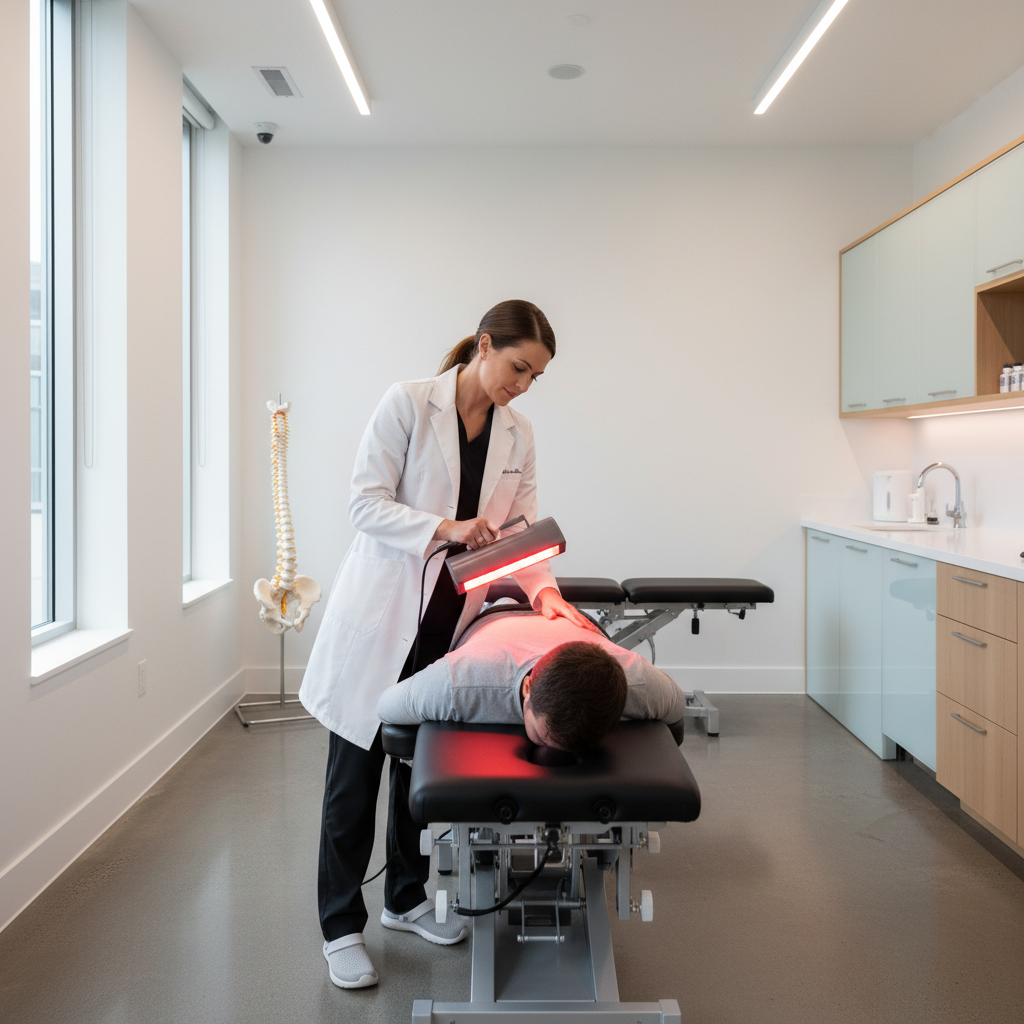
The red light therapy market in 2026 is characterized by "integrated wellness." While standalone RLT clinics still exist, the most successful models are those that embed photobiomodulation (PBM) into broader health ecosystems. Common business models include the "Boutique Recovery Studio," which pairs RLT with cold plunges and compression therapy; the "Clinical Integration," where physical therapists and chiropractors use RLT to accelerate tissue repair; and the "High-End Gym Add-on," providing members with post-workout recovery solutions.
When choosing a business model, consider the "Disintermediated Fabricator" approach. By sourcing equipment directly from manufacturers, businesses can achieve a higher degree of customization and technical oversight. This strategy not only lowers the initial investment but also provides a direct line to the engineering team for maintenance and technical support. This is particularly relevant as the market moves away from white-labeled consumer devices toward professional-grade arrays designed for high-volume commercial use.
Technical Specifications and Equipment Selection
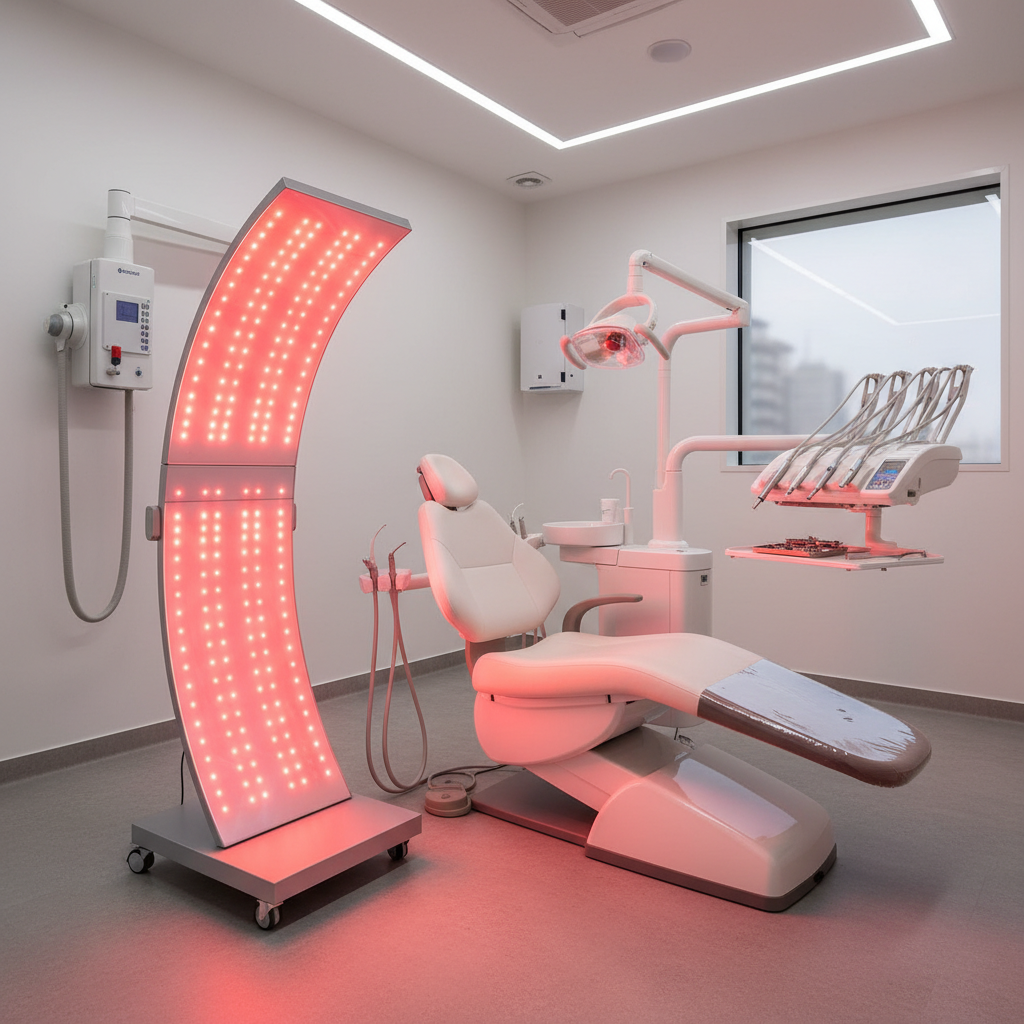
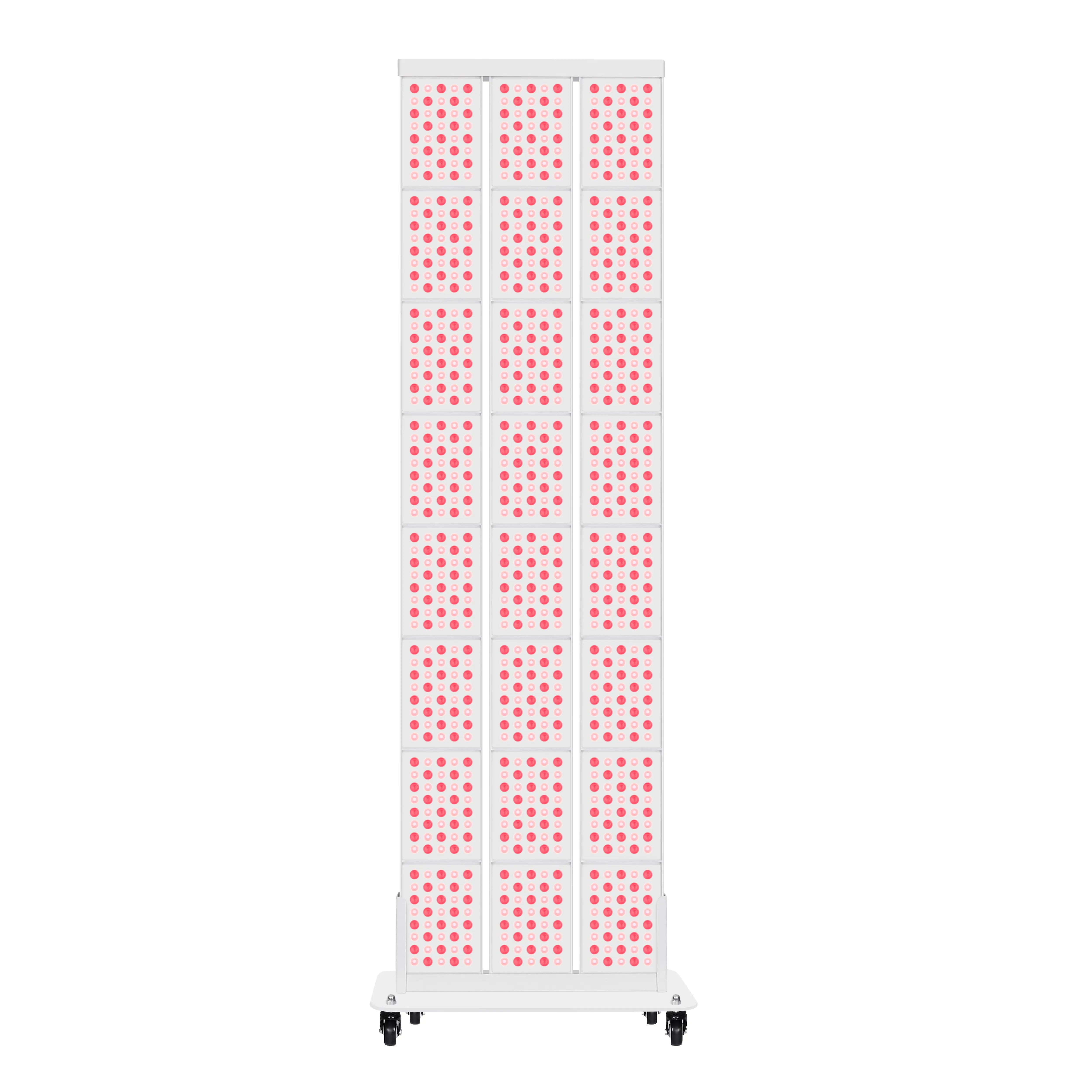
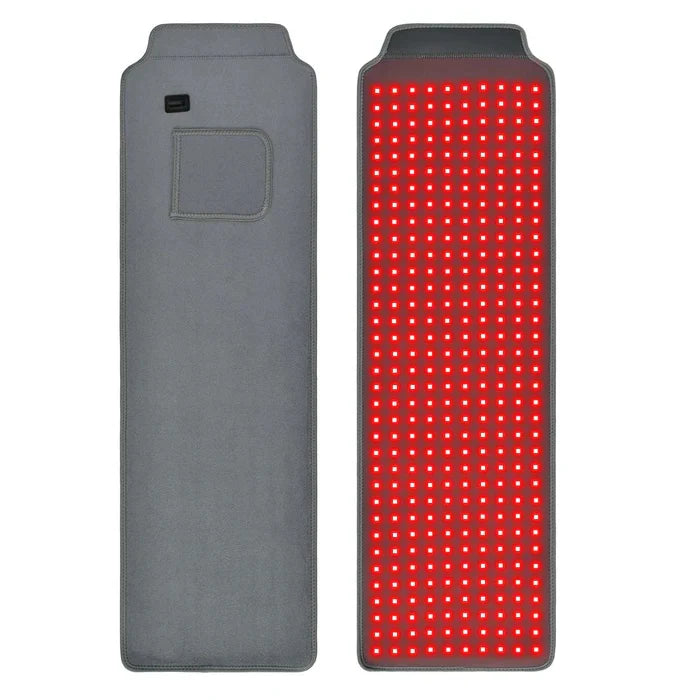
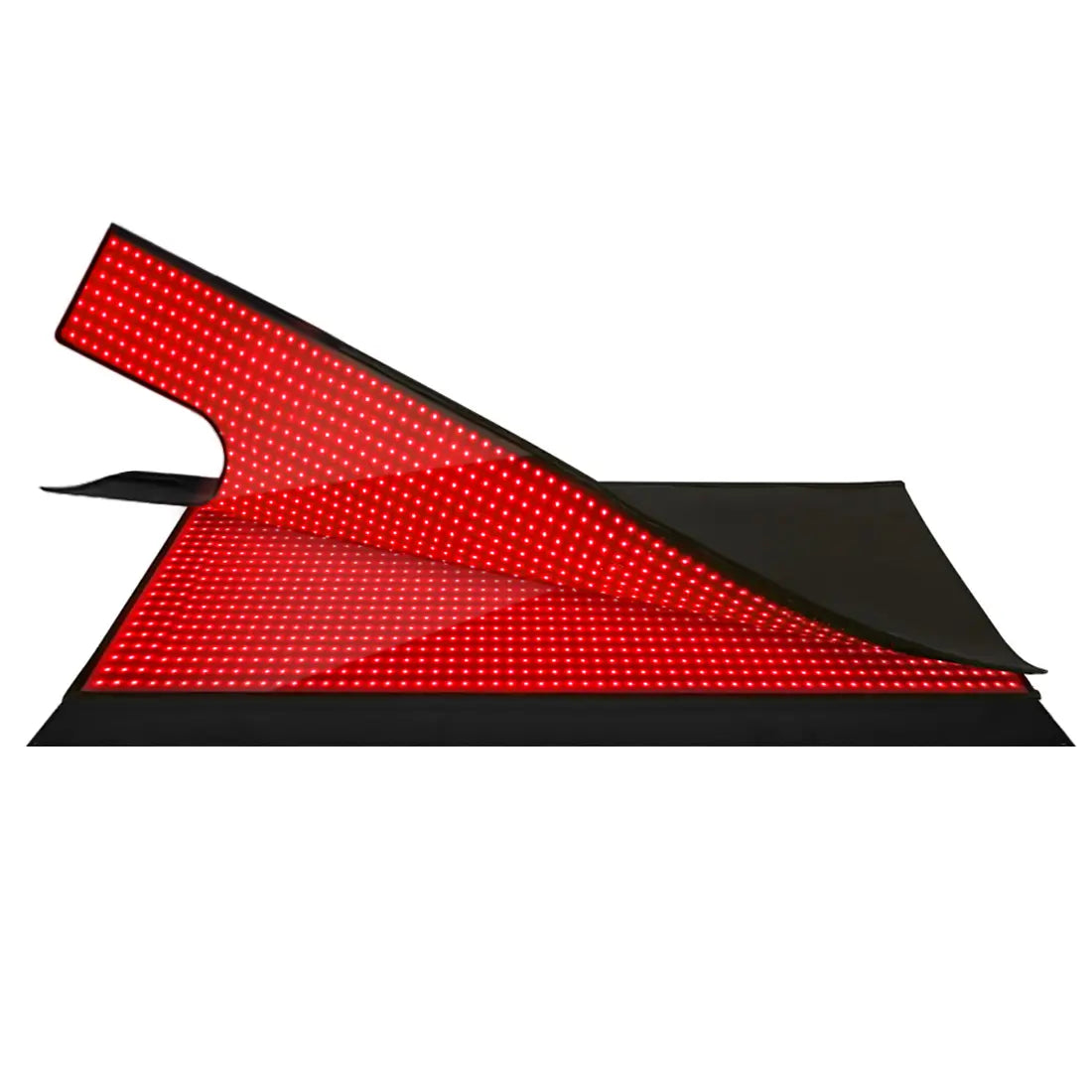
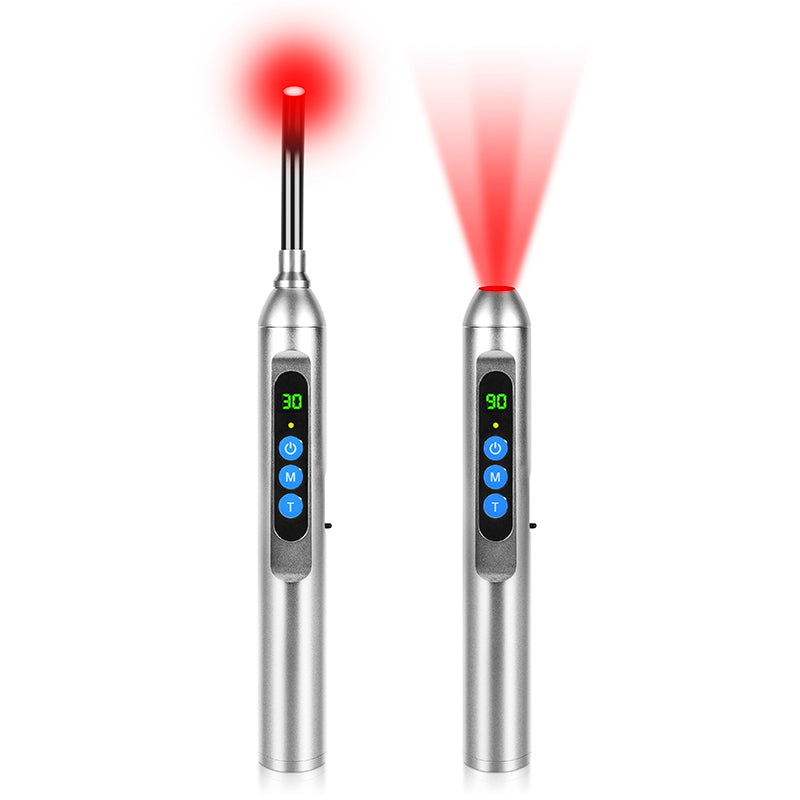
Selecting the right equipment is the most critical decision for your business. In 2026, the industry has moved past the "more LEDs is better" era. Practitioners must now evaluate devices based on effective irradiance, beam angle, and wavelength precision. For professional results, a combination of 660nm (red) and 850nm (near-infrared) remains the gold standard, but the focus has shifted to the uniformity of light distribution across the treatment area.
Logic Summary: We recommend prioritizing devices with laboratory-verified irradiance over manufacturer-claimed peaks. This ensures that the dosage (Joules/cm²) delivered to the client is consistent with clinical studies, preventing under-treatment or the inhibitory effects described by the Arndt-Schulz Law.

Technical validation is the only way to bridge the "trust gap" in the current market. Before purchasing, request a spectroradiometry report. This report should confirm that the light output is concentrated in the therapeutic windows and that EMF (electromagnetic field) emissions are within safe limits. For a deep dive into these technical benchmarks, practitioners should consult the canonical reference on Understanding red light therapy safety standards and irradiance requirements, which details the physics of wavelength penetration and the impact of flicker modulation.

Regulatory Compliance and Safety Standards
Navigating the regulatory landscape is essential for long-term viability. As of 2026, the IEC 60601-2-57:2026 standard has become the benchmark for non-laser light source safety. This standard addresses everything from electrical safety to the photobiological risks of blue light leakage and thermal hazards. Ensuring your equipment is compliant not only protects your clients but also lowers your professional liability insurance premiums.
In the United States, the FDA classifies most RLT devices as Class II medical devices when specific health claims are made (e.g., pain relief, increased circulation). If your business intends to market these benefits, your equipment must have the appropriate 510(k) clearance. Operating with non-cleared devices while making medical claims can lead to significant legal and financial repercussions. Always verify the manufacturer's regulatory filings before committing to a large-scale purchase.
Financial Planning: ROI and Operational Costs
A robust financial model is the backbone of a sustainable business. While red light therapy has relatively low overhead—no consumables and minimal staffing requirements—the initial CapEx for high-quality equipment can be substantial. A typical professional setup might range from $15,000 to $50,000 depending on the number of rooms and the complexity of the arrays.
| Expense Category | Estimated Cost (USD) | Notes |
|---|---|---|
| Equipment (CapEx) | $15,000 - $50,000 | Factory-direct sourcing can save 30-40%. |
| Lease & Build-out | $2,000 - $5,000/mo | Location dependent; requires proper ventilation. |
| Marketing (Monthly) | $1,000 - $3,000 | Focus on local SEO and educational content. |
| Insurance & Licensing | $150 - $400/mo | Professional liability is mandatory. |
| Utilities & Maintenance | $200 - $500/mo | LEDs are efficient but high-power arrays add up. |
Logic Summary: These estimates assume a 2-3 room setup in a mid-sized metropolitan area. ROI is typically achieved within 8-14 months, assuming a 40% occupancy rate and a mix of single-session and membership pricing.
Marketing and Client Acquisition Strategies
Marketing a red light therapy business in 2026 requires a focus on education and transparency. The "magic lamp" marketing of the past no longer works on a savvy audience. Instead, build your brand around "Evidence-Based Wellness." Share the specific technical specs of your equipment, explain the science of photobiomodulation, and provide case studies (with client consent) that show measurable improvements in recovery times or skin health.
Local SEO is your most powerful tool. Optimize your Google Business Profile for keywords like "red light therapy clinic near me" and "professional PBM services." Additionally, partnerships with local gyms, physical therapists, and dermatologists can provide a steady stream of referrals. Offering a "First Session Free" or a low-cost "Introductory Week" is an effective way to lower the barrier to entry and let the results of the therapy speak for themselves.
Cluster map
As part of our commitment to professional education, we provide detailed technical resources for practitioners.
| Resource Title | Link |
|---|---|
| Photobiomodulation Standards: Irradiance, EMF, and Safety | Read the Whitepaper |
FAQ
What is the difference between factory-direct and white-labeled equipment? Factory-direct equipment is sourced straight from the manufacturer, often allowing for greater control over the internal components, LED quality, and technical specifications. White-labeled equipment is typically a generic product purchased by a third-party brand that adds its logo and a significant markup. For a business, factory-direct sourcing offers better technical transparency and significantly lower capital costs, which directly improves the bottom line.
Do I need a medical license to open a red light therapy business? In most jurisdictions, you do not need a medical license to offer red light therapy as a wellness service, provided you do not make specific medical claims or perform diagnostic procedures. However, regulations vary by state and country. Some regions may require a massage therapy or esthetician license if the RLT is part of a hands-on treatment. Always consult with a local legal expert to ensure compliance with your specific health department's rules.
How do I verify the irradiance of the equipment I am buying? You should never rely solely on manufacturer-provided numbers, which are often measured with inexpensive solar meters that overstate irradiance by up to 300%. Instead, ask for a report from an independent laboratory using a spectroradiometer. This device accurately measures the light intensity at specific wavelengths. Verifying these numbers is crucial for calculating the correct "dose" for your clients, ensuring they receive effective treatment without the risk of overexposure.
How long does it take to see a return on investment (ROI)? Most well-managed red light therapy businesses see a full return on their equipment investment within 8 to 14 months. This timeline depends on your pricing strategy, client acquisition costs, and occupancy rates. By using a membership model (e.g., $99/month for unlimited sessions), you can create a predictable recurring revenue stream that covers your fixed costs, while single-session "drop-ins" provide additional profit margin.
Is red light therapy safe for all clients? Red light therapy is generally considered safe and non-invasive, but there are contraindications. Clients with active malignancies, those who are pregnant, or individuals taking photosensitizing medications should consult a physician before treatment. In 2026, professional clinics are expected to have a robust intake process that screens for these conditions and provides eye protection (goggles) to mitigate any potential risk from high-intensity light exposure.
What are the maintenance requirements for professional RLT panels? Professional LED arrays are designed for longevity, often rated for 50,000 to 100,000 hours of use. However, daily maintenance is still required. This includes wiping down the panels with non-abrasive, alcohol-free disinfectants between clients and ensuring the cooling fans are free of dust. It is also recommended to have a professional calibration check every 12-18 months to ensure the light output remains consistent with the original specifications.
References
Government / Standards / Regulators
- International Electrotechnical Commission (IEC). (2026). IEC 60601-2-57:2026 - Medical electrical equipment - Part 2-57: Particular requirements for the basic safety and essential performance of non-laser light source equipment. iec.ch
- U.S. Food and Drug Administration (FDA). Product Classification - Light Based Over-The-Counter Wrinkle Reduction. fda.gov
Industry Associations / Research Institutes
- North American Association for Photobiomodulation Therapy (NAALT). Clinical Practice Guidelines and Professional Standards. naalt.org
- Global Wellness Institute. Wellness Economy Reports: The Future of Recovery Modalities. globalwellnessinstitute.org
Academic / Whitepapers / Labs
- Hamblin, M. R. (2026). The Physics of Photobiomodulation: Wavelength, Irradiance, and the Arndt-Schulz Law. Journal of Clinical Light Therapy.
- Youlumi Technical Lab. Photobiomodulation Standards: Irradiance, EMF, and Safety. youlumistore.com
Community (Intent only; not authoritative)
- r/RedLightTherapy Business Owners Subreddit. Real-world ROI and Operational Challenges Discussion. reddit.com