

Recovering from a C-section can be physically demanding and emotionally taxing, especially in the early postpartum weeks when new mothers juggle healing, newborn care, and limited energy. Red light therapy offers a non-invasive option that many consider for supporting tissue repair and scar appearance once the incision has fully closed, provided it is used as a cautious adjunct to standard medical care rather than a replacement.

Red light therapy, also known as photobiomodulation, uses specific wavelengths of light to stimulate cellular energy production and modulate inflammation. While research on postoperative wound healing shows promising results for photobiomodulation as an adjunct, evidence specifically for C-section scars remains emerging and highly dependent on precise parameters such as wavelength, dose, and timing. This means protocol details matter greatly, and readers should approach any routine conservatively.
Safety First: When to Avoid Red Light Therapy on a C-Section Scar
The most critical step before considering red light therapy is confirming that your incision has healed properly. Follow standard post-cesarean wound care guidance and get medical evaluation for signs of infection, drainage, wound separation, fever, or worsening redness before starting a scar routine.
Do not use red light therapy on an open, bleeding, infected, or dehisced incision. Cesarean surgical-site infections are a real postpartum complication and require proper wound care and follow-up. If your scar shows drainage, odor, increasing pain, heat, or spreading redness, prioritize clinical assessment rather than self-treatment.
Scar-care tools are typically introduced after the incision has closed, not while the wound is open. This applies to silicone products, sunscreen, and any light-based approach. Always check with your healthcare provider before beginning, especially in the first weeks postpartum or while breastfeeding.
Important Note: This article discusses comfort and setup considerations for scar appearance. It does not constitute medical advice, diagnosis, or treatment. If you experience persistent discomfort, signs of infection, or have existing medical conditions, consult qualified healthcare professionals.
Understanding the Evidence for Photobiomodulation in Scar Healing
Photobiomodulation is a clinically studied modality with parameter-sensitive effects, so protocol details matter. Studies on near-infrared light suggest it may support postoperative wound healing, yet the data for specific C-section scar outcomes is still developing.
Emerging research is exploring photobiomodulation for wound and scar healing, but it is not yet a universal standard protocol for C-section scars. Conventional scar care often includes silicone and sun protection after the wound closes, making these reliable benchmarks when deciding whether to add red light therapy.
This article frames red light therapy as an optional, low-effort add-on for mothers whose incisions have closed normally. It should complement, not replace, guidance from your doctor or midwife.
Practical Thresholds and Timing for Postpartum Use
For most mothers, the decision window opens only after the incision is fully closed and free of complications. Here is a simple illustrative overview of phased considerations:
Illustrative Postpartum RLT Timeline for a Closed C-Section Scar
Safe practical guidance: phases for considering red light therapy after C-section
View chart data
| Category | Wound care only | Possible start after closure confirmation | Consistent scar protocol if tolerated |
|---|---|---|---|
| 0–2 weeks | 1.0 | 0.0 | 0.0 |
| 2–6 weeks | 0.0 | 1.0 | 0.0 |
| 6–12 weeks | 0.0 | 0.0 | 1.0 |
Illustrative heuristic only. Based on article context: start only after the incision is fully closed and there are no red flags (infection, drainage); typical practical session heuristics are 5–10 minutes, 3–5 times per week, using 660/850 nm. Evidence for C-section-specific red light therapy is emerging, not proven.
These phases represent practical heuristics rather than strict clinical rules. In weeks 0–2, focus exclusively on standard wound care. From weeks 2–6, consider starting only after your clinician confirms the incision is closed and healing well. By weeks 6–12, many mothers establish a consistent routine if the skin tolerates it.
Conservative starting parameters often include sessions of 5–10 minutes per area, 3–5 times per week, at the device’s recommended distance. Prefer moderate irradiance and common photobiomodulation wavelengths such as 660 nm for superficial tissue and 850 nm for deeper penetration. Always begin shorter and less frequent to test skin response.
Building a Realistic Postpartum Red Light Therapy Routine
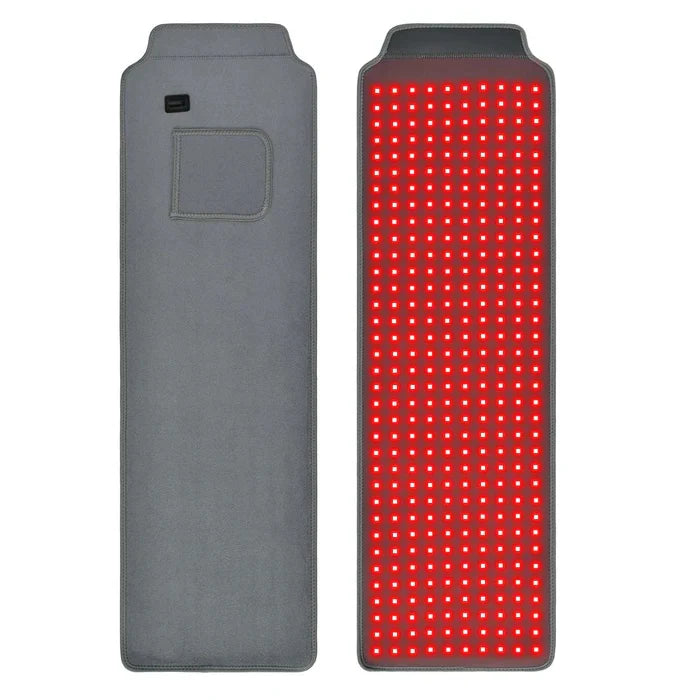
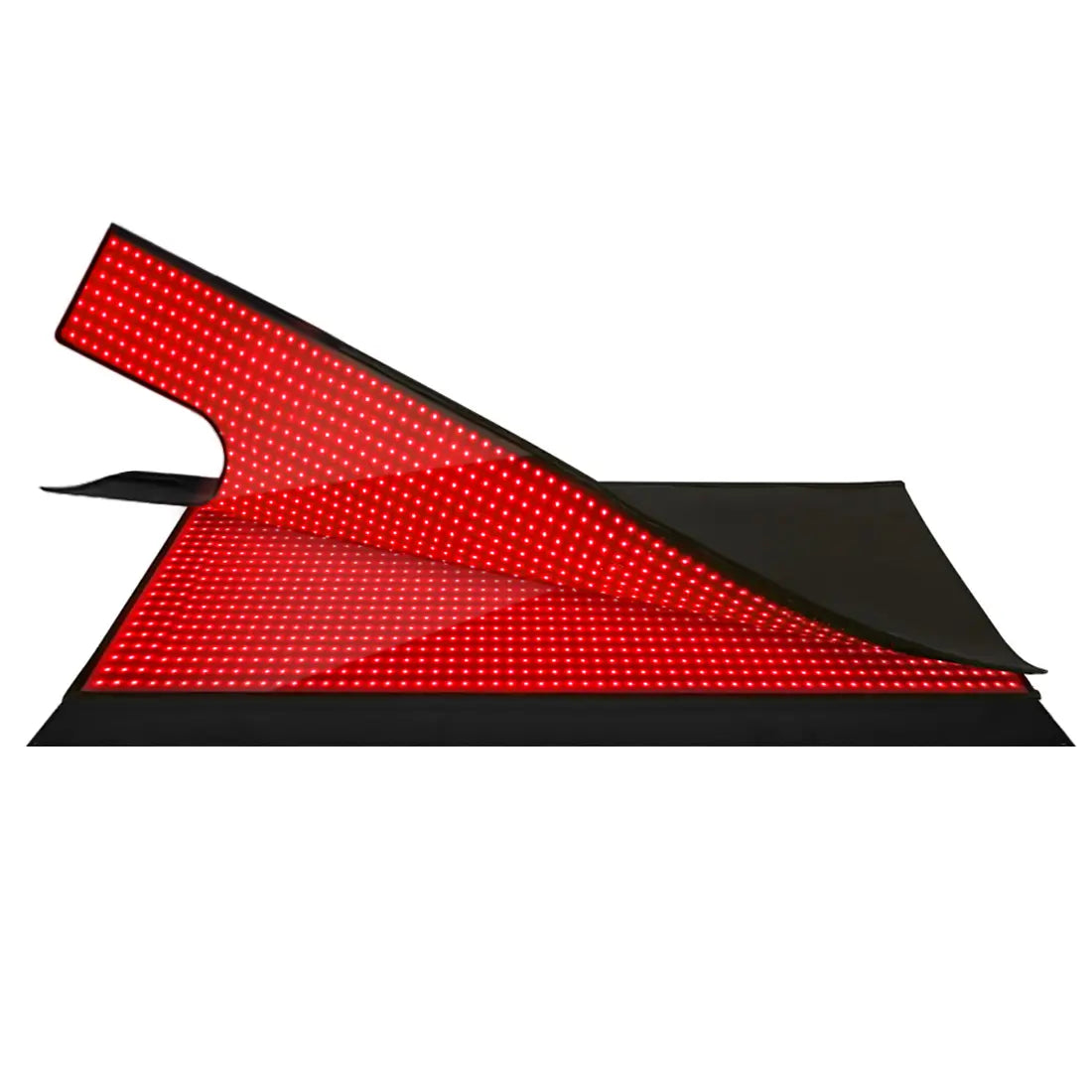
Busy mothers benefit from simple, repeatable routines that fit around feeding, resting, and newborn care. Many choose evening sessions while relaxing or watching their baby. Position yourself comfortably and use a hands-free option such as a red light therapy belt that wraps gently around the lower abdomen without pressure on the scar.
A sample beginner routine for a closed scar might involve 5–8 minutes every other day, gradually increasing to daily short sessions if comfortable. Clean the area gently beforehand and ensure the skin is dry. Keep the device at the manufacturer-recommended distance to achieve an appropriate dose without overheating.
Track how your scar feels and looks over several weeks. Some notice reduced tightness or improved texture, but results vary widely. Combine with standard practices such as keeping the area moisturized and protected from sun exposure when outdoors.
For broader wellness during recovery, some mothers also explore full-body options like the Youlumi Pro Full Body Red Light Therapy Mat for general relaxation, though targeted belts remain more practical for focused scar care.

Comparing Red Light Therapy to Other Scar Management Options
Silicone scar sheets or gels remain a common first-line choice after wound closure because they are simple to apply and supported by established guidance. Red light therapy can serve as a complementary tool rather than a direct substitute. Many mothers use both: silicone during the day and a short light session in the evening.
The key difference is convenience and time commitment. Silicone products require minimal active time, while red light therapy involves setting aside a few minutes in a consistent schedule. Choose based on your energy levels and what fits your daily rhythm.
Other internal resources explore similar applications, such as red light therapy for stretch marks or general scar pain relief, which share overlapping principles of cellular support.
How to Choose the Right Device for Postpartum Scar Care
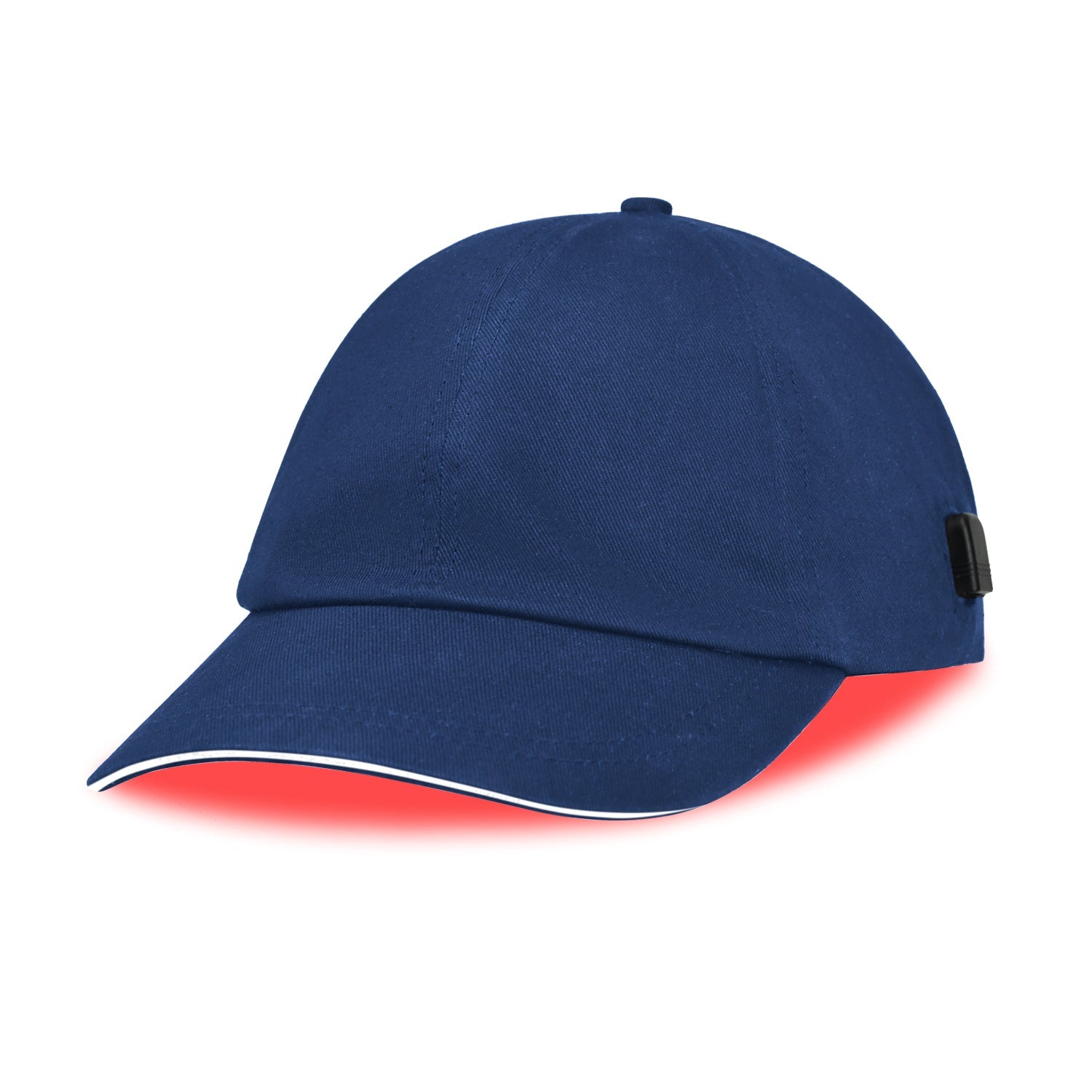
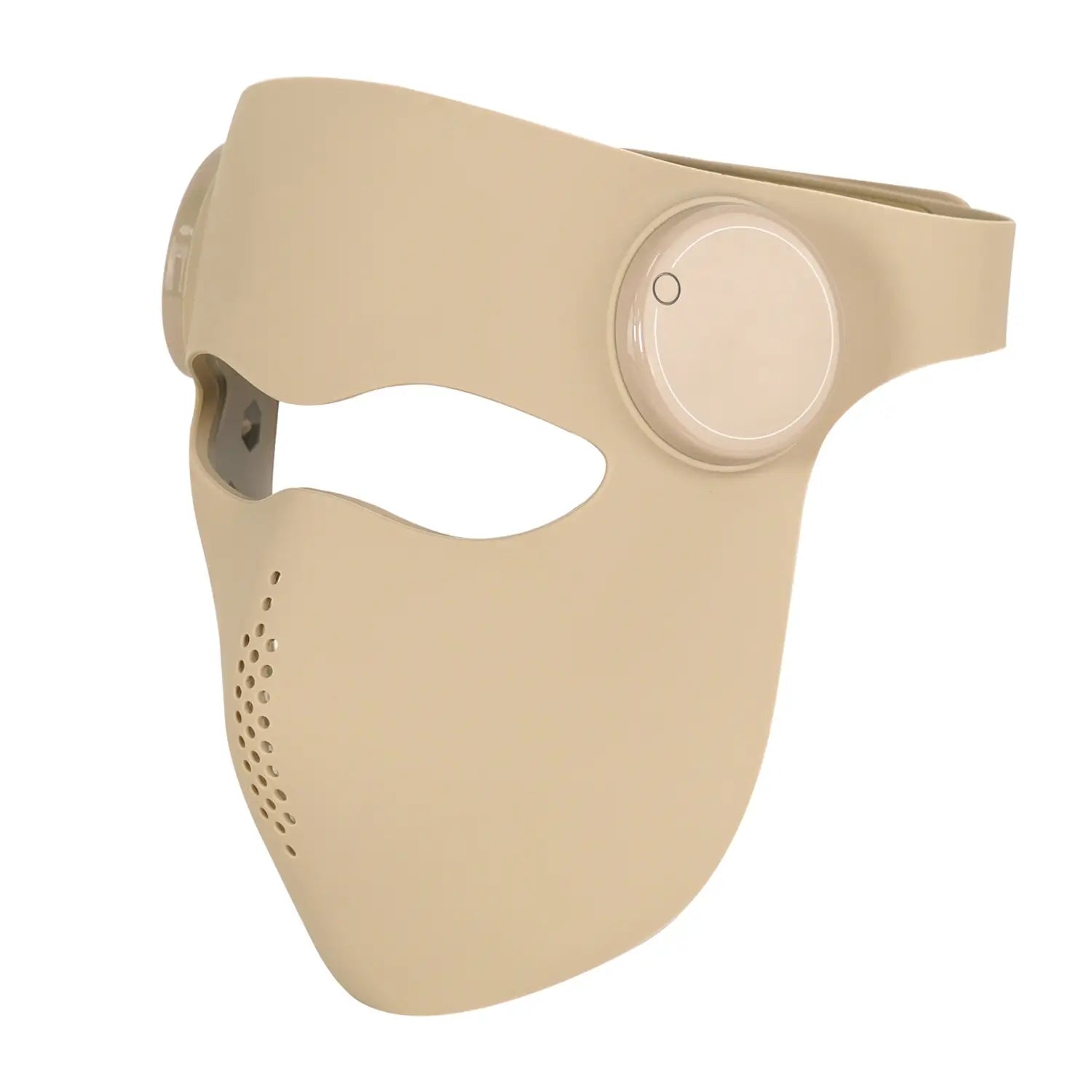
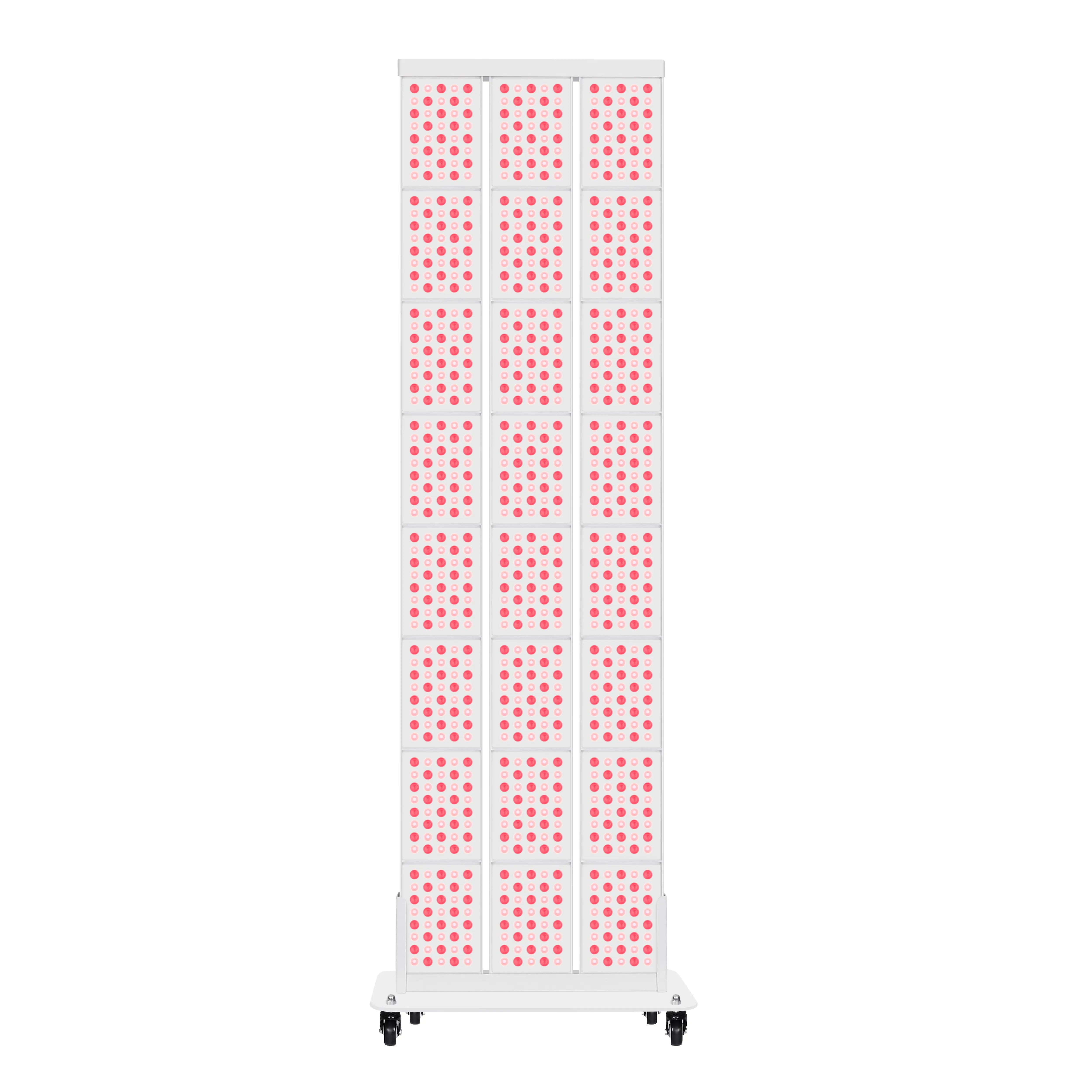
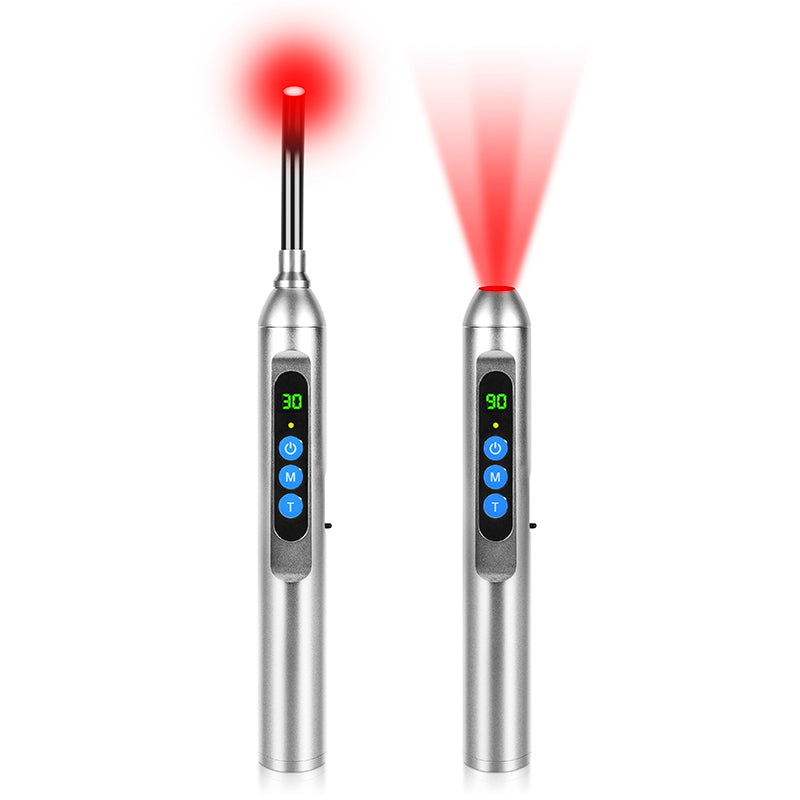
Look for flexible, targeted devices designed for body use rather than large panels that may be cumbersome postpartum. Belts with adjustable straps and controllers allow precise placement over the lower abdomen without restricting movement.
Consider models from the Red Light Therapy Belt collection, such as the IRW-003 or IRW-004, which offer hands-free operation and dense LED coverage suitable for scar-focused sessions. Ensure the device meets basic photobiomodulation standards for irradiance and wavelength accuracy as outlined in technical guides.
Avoid devices that feel too hot or require awkward positioning. Test in short sessions and stop immediately if you notice increased irritation. For full-body recovery support alongside scar care, a red light therapy sleep bag can provide gentle evening use without targeted pressure on the abdomen.
When Red Light Therapy May Not Be the Best Fit
Red light therapy is not appropriate for every situation. Skip home use and consult your doctor first if the scar shows any concerning changes. Mothers with very high fatigue or unpredictable schedules may find silicone-based options simpler in the earliest months.
Those already managing multiple wellness tools should evaluate whether adding another routine adds value or creates unnecessary burden. If your primary goal is basic scar management rather than exploring emerging modalities, established methods may suffice.
Always prioritize rest, nutrition, and professional follow-up during postpartum recovery. Red light therapy can be one supportive element in a broader self-care plan when used responsibly.
Final Thoughts on Postpartum Scar Protocols
Red light therapy may feel more comfortable as part of scar care routines for some mothers once the incision has fully closed, depending heavily on individual healing, device quality, and room conditions. Results are not guaranteed and should be viewed as supplementary to medical advice.
Approach any protocol with patience and realistic expectations. Monitor your body’s response, maintain open communication with your healthcare team, and adjust based on how you feel. For many, the combination of gentle movement, proper nutrition, time, and thoughtful adjuncts like targeted light supports a smoother transition through postpartum recovery.
This article only discusses comfort and setup advice. It does not constitute medical advice, diagnosis, or treatment. If persistent discomfort occurs or existing eye conditions are present, qualified professionals should be consulted. For related reading, explore red light therapy for old scars or the red light therapy for lymphedema guide for overlapping recovery principles.