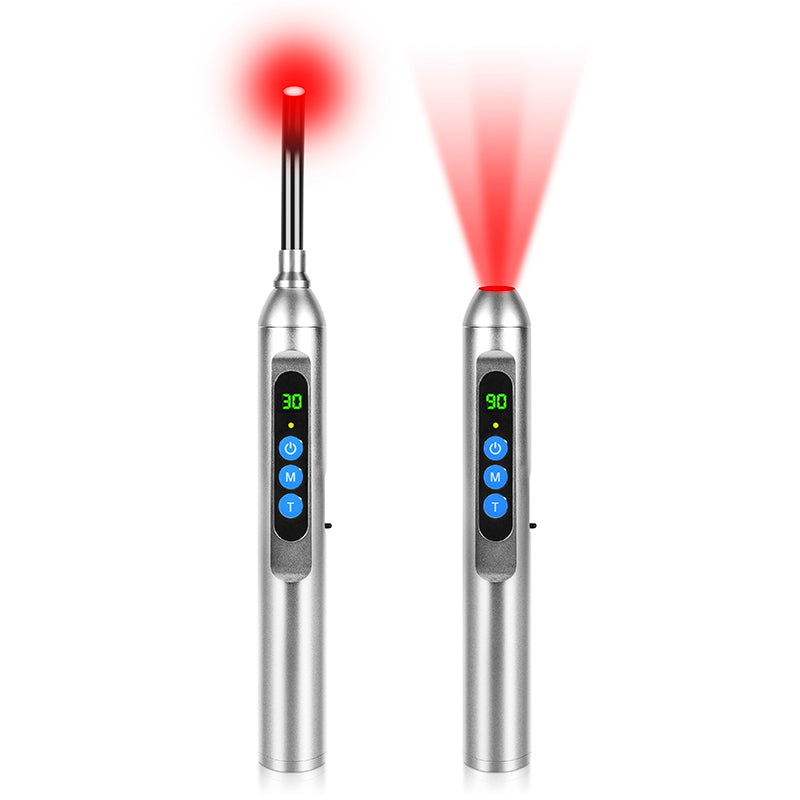

Transcranial photobiomodulation (tPBM), also known as targeted red light therapy for the brain, offers a noninvasive way that many biohackers in 2026 are exploring for cognitive longevity support. While current evidence suggests it may help with aspects of cognition in some studies, results remain limited and individual responses vary heavily by device, protocol, room setup, and personal factors. This practical guide outlines a conservative, repeatable at-home protocol, key device considerations, and how to integrate it thoughtfully with nootropics, meditation, and sleep habits—always prioritizing safety and realistic expectations.

What Transcranial Photobiomodulation Is and How It Differs from General Red Light Therapy
Transcranial photobiomodulation (tPBM) is a noninvasive light-based approach studied for brain-related outcomes and should be distinguished from general full-body red light therapy. As this review on transcranial photobiomodulation for brain diseases explains, tPBM typically directs specific wavelengths toward the scalp and skull to reach cortical areas, whereas standard panels target skin, muscles, or systemic circulation from a distance.
The primary mechanism involves light interacting with mitochondrial cytochrome c oxidase, potentially influencing cellular energy, blood flow, and inflammation markers in targeted brain regions. However, penetration through hair, skin, and bone is limited, making device placement, irradiance at the scalp, and session consistency critical variables.
Human studies suggest tPBM may improve some aspects of cognition, but the evidence base is still limited and not definitive, according to a systematic review of human studies. This distinction matters because many wellness panels marketed for “brain health” were not optimized for stable head application or measured transcranial delivery.
Current Evidence for Cognitive Longevity, APOE4, and Neuroprotection
Clinical trials are still evaluating tPBM for memory and Alzheimer’s-related conditions, which means it remains investigational rather than proven therapy. Major Alzheimer’s-focused organizations track photobiomodulation as an emerging approach rather than a standard intervention.
There is interest in PBM for people concerned about genetic risk, but APOE4-specific benefit claims remain unproven. Readers tracking APOE4 status or family history should view tPBM as one data point within a broader longevity plan that includes sleep, exercise, nutrition, and medical follow-up.
PBM is often described as having a favorable safety profile, but safety does not equal proven efficacy for cognition. If someone experiences memory loss or neurological symptoms, they should seek medical evaluation rather than relying on at-home PBM as a substitute.
Important Safety and Evidence Boundary
This article discusses comfort, setup advice, and conservative protocols for at-home transcranial photobiomodulation. It does not constitute medical advice, diagnosis, or treatment. Red light therapy is not proven to treat, prevent, or reverse Alzheimer’s disease or cognitive decline. If you have persistent discomfort, existing eye conditions, neurological symptoms, or diagnosed disease, consult qualified healthcare professionals before starting any protocol.
Device Features That Matter Most for Brain-Focused Use
Choosing the right tool is more important than chasing headline irradiance numbers. The correct comparison framework prioritizes head-specific design over generic body panels. Key specs include:
- Wavelength: 660nm (red) and 850nm (near-infrared) remain the most studied pair. NIR penetrates deeper, which is relevant for transcranial goals.
- Irradiance at treatment distance: Look for devices that publish irradiance measured at 6–12 inches or the actual scalp distance rather than at the LED surface. Typical high-quality panels deliver 100–150 mW/cm² at usable distances.
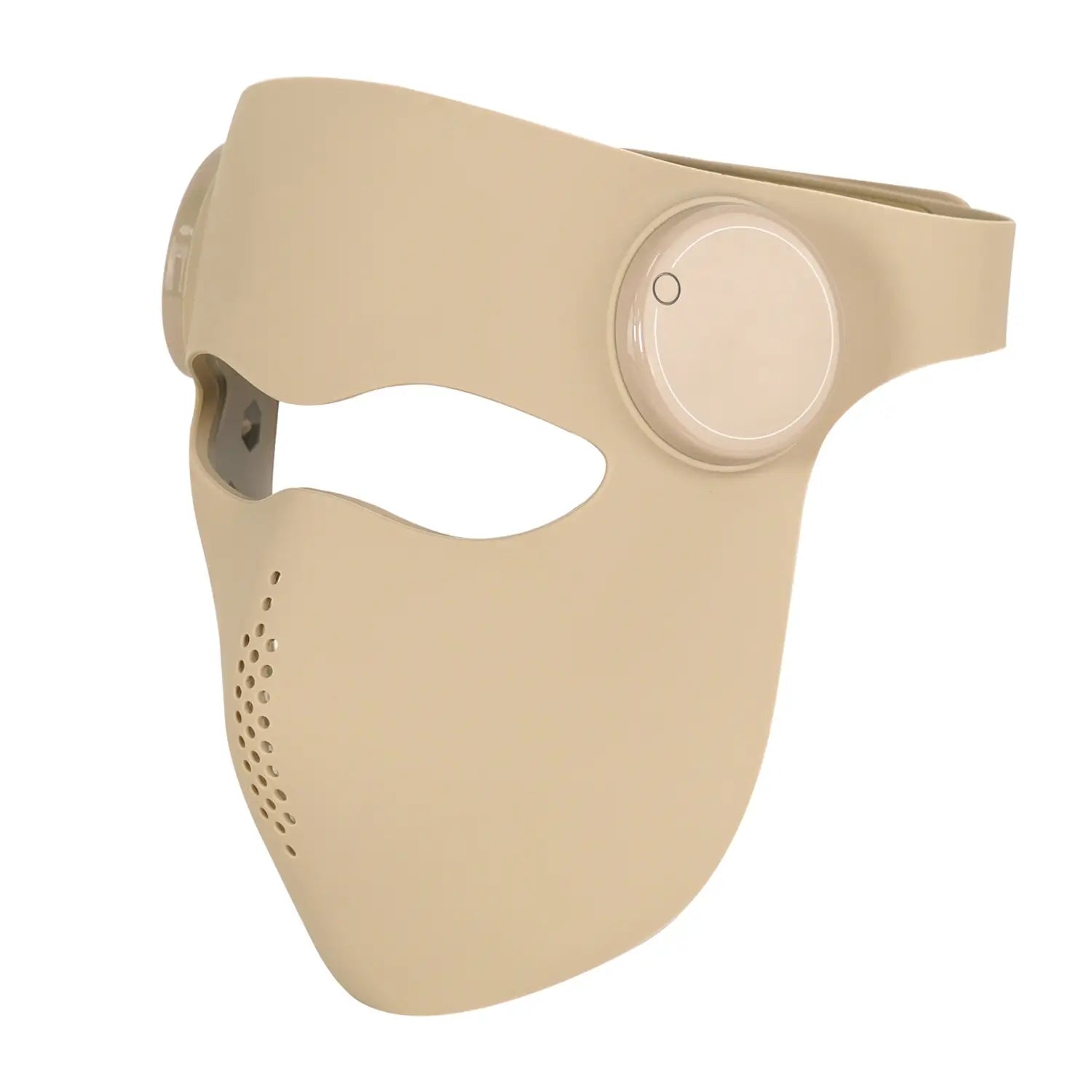
- Form factor and stability: Helmets, headsets, or adjustable multi-pad caps allow repeatable forehead and temporal placement. Standard full-body panels require creative positioning that often reduces consistency.
- EMF, flicker, and heat: Low-EMF designs and flicker-free operation (per IEEE 1789-2015) support longer sessions without distraction. Cooling is essential for head use.
- Regulatory context: PBM devices fall into a regulated medical-device context, with FDA guidance addressing testing and labeling. Prefer brands that avoid disease-treatment language.
Refer to our in-depth Technical Buyer’s Guide to Red Light Therapy Specs for how to verify claims using spectroradiometry rather than solar meters.
Device Comparison Radar
The following chart illustrates relative fit for cognitive-use transcranial PBM versus general body panels across five practical dimensions. Scores are illustrative, bounded heuristic ratings (0–5 scale) based on typical 2026 product patterns and literature ranges—designed to highlight decision tradeoffs, not measured clinical performance or efficacy rankings.
Transcranial PBM Device Fit vs General Body Panels
Use this radar to compare device fit for cognitive-use transcranial PBM versus general body panels.
View chart data
| Series | Wavelength fit | Irradiance control at distance | Head-specific form factor | Regulatory clarity | Use-case suitability |
|---|---|---|---|---|---|
| Headset/helmet-style tPBM | 5.0 | 4.0 | 5.0 | 3.0 | 5.0 |
| Multi-pad head cap | 4.0 | 3.0 | 4.0 | 3.0 | 4.0 |
| General body panel | 2.0 | 2.0 | 1.0 | 2.0 | 1.0 |
| High-irradiance body panel | 1.0 | 5.0 | 1.0 | 2.0 | 1.0 |
Illustrative comparison built from typical 2026 product patterns and literature ranges: transcranial PBM devices usually emphasize head-specific geometry, wavelength consistency, and documented irradiance at the treatment distance, while general body panels prioritize area coverage and higher off-skin irradiance. Scores are bounded heuristic ratings for decision framing, not measured clinical performance.
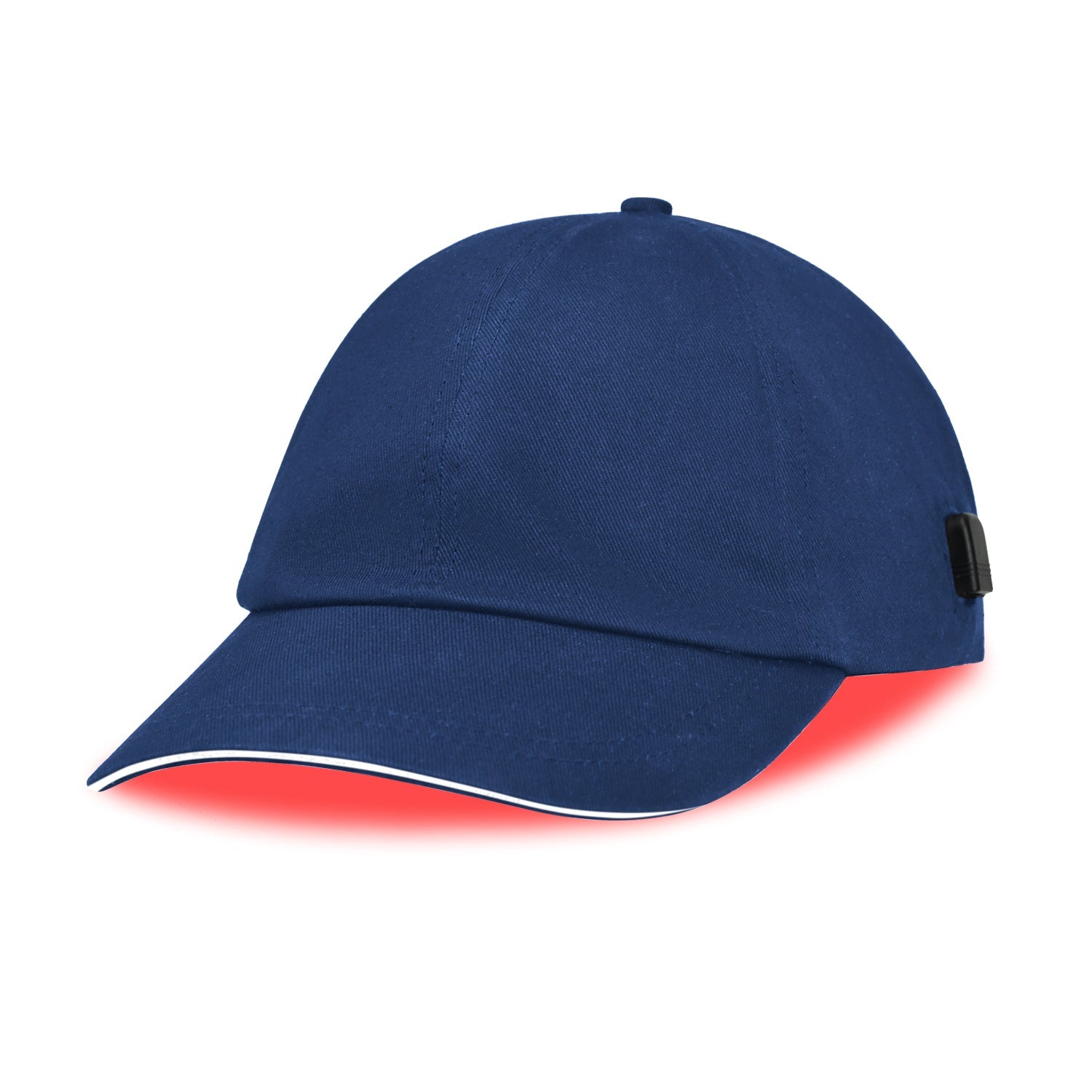
For practical options, consider the YouLumi Red Light Therapy Cap for targeted head coverage or high-irradiance full-body panels that can be positioned carefully. Always verify current specs against the manufacturer’s latest documentation.

A Conservative 2026 At-Home Transcranial PBM Protocol
Protocol details vary widely across studies, so treat any single routine as a starting template rather than a universal prescription. A repeatable conservative approach used by many quantified-self practitioners includes:
- Frequency: 3–5 sessions per week. Daily use is possible for some but increases the risk of biphasic dose response (diminishing returns or mild fatigue).
- Session length: 10–20 minutes total, split between forehead, temples, and crown if using a panel. Shorter 6–8 minute sessions may suffice with higher-irradiance helmets.
- Distance and placement: 6–12 inches from the scalp for panels; follow manufacturer guidance for helmets or caps. Part hair or use a device that accounts for hair density.
- Timing: Morning sessions for potential cognitive priming; evening sessions (avoiding bright light close to bedtime) may support sleep and recovery. Many stack morning tPBM with meditation or nootropic intake.
- Dosage heuristic: Target 20–60 J/cm² at the scalp surface when measurable. Start at the lower end and track subjective focus, sleep quality, and any side effects for 4–6 weeks.
Combine with lifestyle anchors rather than stacking aggressively. A common biohacker stack pairs tPBM with 10–15 minutes of breathwork or meditation, quality sleep (tracked via wearables), and evidence-based nootropics such as omega-3s, magnesium, or low-dose creatine—always introduced one at a time.
Our Ultimate Guide to Red Light Therapy Timing and Dosage provides additional context on how session timing interacts with circadian rhythms.
Integration with Nootropics, Meditation, Sleep, and Longevity Habits
Integration should minimize overload. Many users run tPBM first thing in the morning before a nootropic stack, followed by 10 minutes of mindfulness. Evening use focuses on recovery and pairs well with the Red Light Therapy Sleep Circadian Rhythm Protocol.
Avoid combining high-dose stimulants with intense light sessions on the same day until you understand your response. Track variables in a simple journal or app: subjective clarity (1–10), sleep score, heart-rate variability, and any headaches or eye strain.
For those exploring longevity stacks, see our guide on Red Light Therapy and NMN for mitochondrial synergy ideas, but remember that synergy claims require individualized testing.
Common Myths, Overexposure Risks, and When to Avoid or Adjust
Myth vs Reality
A common overclaim is that PBM is a validated, all-purpose brain booster. Reality: it is better treated as an emerging, setup-sensitive intervention. The literature is encouraging but does not justify claims that PBM prevents, reverses, or treats Alzheimer’s disease.
Another misleading claim is that APOE4 status by itself predicts clearly different PBM outcomes. APOE4 is a risk context, not a complete decision rule. Genotype should increase caution and the need for professional input, but it does not replace evidence or medical evaluation.
Dont buy or start if: You have active photosensitive conditions, take medications that increase light sensitivity, have untreated eye disease, or expect guaranteed cognitive gains. General body panels may not deliver repeatable scalp irradiance, making them suboptimal for transcranial goals.
Overexposure signs: Mild headache, eye fatigue, temporary brain fog, or skin warmth beyond comfort. Follow the Arndt-Schulz principle—more is not always better. Stop and reduce dosage if symptoms appear; rest days are part of any sustainable protocol.
Additional practical guidance is available in Can You Overdo Red Light Therapy? Understanding Safe Limits and our Photobiomodulation Standards: Irradiance, EMF, and Safety.
How to Choose and Set Up Your 2026 Cognitive Longevity Protocol
Before purchasing, run this quick checklist:
- Confirm the device is designed or suitable for stable head/scalp placement.
- Verify wavelength and irradiance are clearly documented at treatment distance.
- Check for low EMF, flicker control, and adequate cooling.
- Align expectations with the evidence: modest support for focus or recovery rather than disease modification.
- Plan a 4–8 week tracking period with baseline metrics before judging results.
- Consult a healthcare provider if you have cognitive concerns or genetic risk factors.
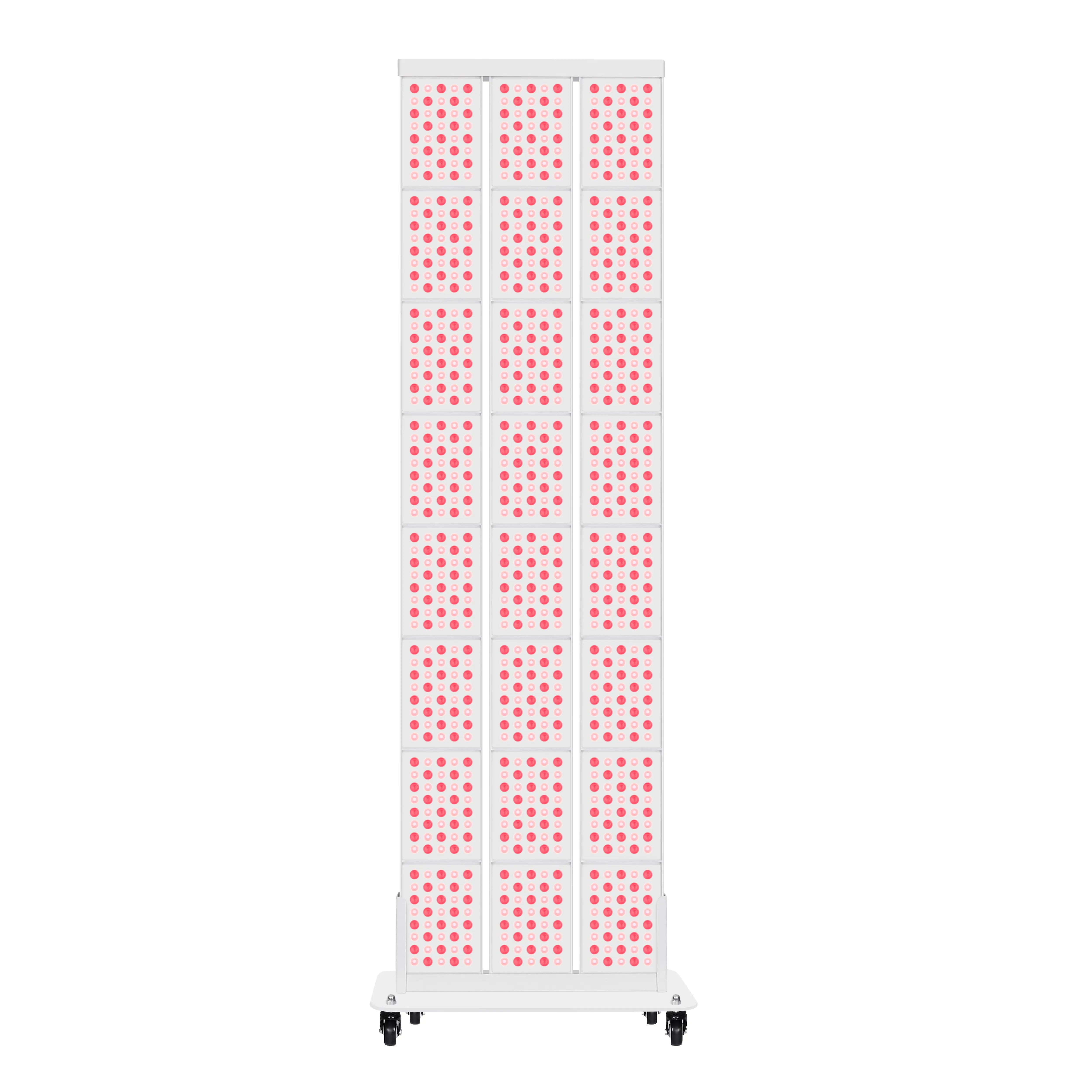
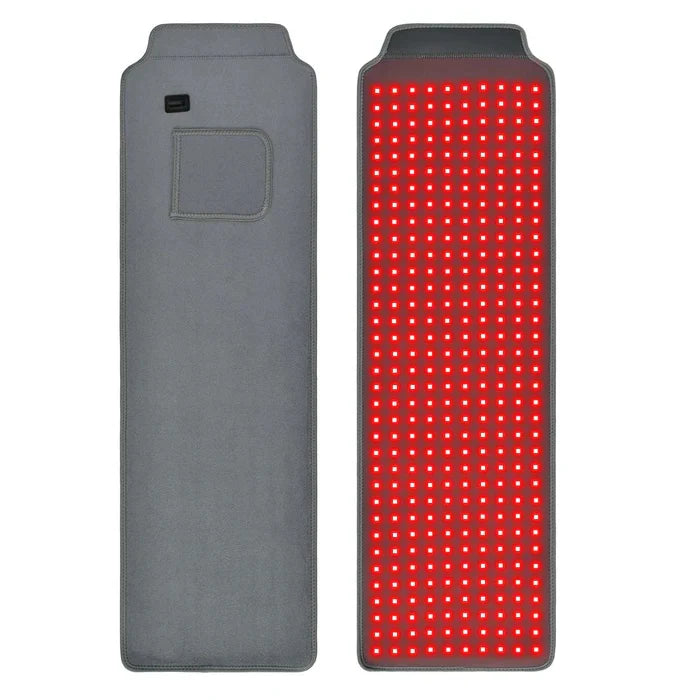
Premium high-irradiance options such as the YOULUMI IRP010-03L 900W Red Light Therapy Panel or portable solutions like the 60W Red Light Therapy Panel can serve dual systemic and targeted use when positioned correctly. Dedicated head devices from the Red Light Therapy Cap collection often simplify consistent placement.
Final Thoughts
A thoughtful 2026 red light therapy brain protocol can fit neatly into a cognitive longevity routine when approached conservatively, with proper device selection, consistent tracking, and respect for evidence boundaries. Outcomes depend heavily on individual factors, room conditions, device quality, and integration with sleep, nutrition, and stress management. Start low, measure what matters to you, and adjust rather than expecting dramatic or universal results. This approach maximizes potential upside while minimizing disappointment or overuse.
For deeper device validation, review our How to Verify RLT Specs: A Guide to Irradiance and EMF Testing. Remember that at-home tPBM complements—not replaces—professional medical care for any cognitive or neurological concerns.
References
- Transcranial photobiomodulation for brain diseases
- Can transcranial photobiomodulation improve cognitive function? A systematic review
- FDA Guidance on Photobiomodulation Devices
- Alzheimer’s Drug Discovery Foundation Photobiomodulation summary