
Summary
Red light therapy, or photobiomodulation (PBM), has emerged as a clinically validated adjunctive treatment for enhancing oral health by stimulating cellular repair, reducing inflammation in gum tissues, and modulating pain signals in dental nerves. By utilizing specific wavelengths—primarily 660nm for superficial gum health and 810-850nm for deeper periodontal and nerve issues—users can support the body’s natural healing processes following dental procedures or as part of a long-term maintenance strategy for chronic conditions like gingivitis and dentin hypersensitivity.
Key takeaways
- Cellular Regeneration: PBM stimulates mitochondrial activity in oral fibroblasts, accelerating the repair of damaged gum tissue and supporting collagen production.
- Inflammation Control: Specific red and near-infrared wavelengths reduce pro-inflammatory cytokines, helping to manage swelling and redness associated with periodontal disease.
- Pain Modulation: Light therapy can temporarily desensitize dental nerves and increase the pain threshold, providing relief for tooth sensitivity and post-operative discomfort.
- Adjunctive Nature: While highly effective, dental red light therapy should be used as a supplement to professional dental cleanings and daily hygiene, not a replacement for traditional care.
- Safety Standards: Modern devices should adhere to the IEC 60601-2-57:2026 safety standards to ensure appropriate irradiance levels and minimize EMF exposure.
How Photobiomodulation Supports Oral Health
The application of light to biological tissues, known as photobiomodulation, operates on the principle of "photo-acceptors" within our cells—specifically cytochrome c oxidase in the mitochondria. When oral tissues are exposed to red (660nm) and near-infrared (810-850nm) light, these receptors absorb the photons, leading to an increase in adenosine triphosphate (ATP) production. In the context of dental health, this surge in cellular energy translates to faster tissue turnover and enhanced immune response within the oral cavity.
For those navigating the technical complexities of light therapy, it is essential to understand the benchmarks of quality. As detailed in the Photobiomodulation Standards: Irradiance, EMF, and Safety, the industry has moved toward rigorous laboratory-grade spectroradiometry to ensure that devices deliver the precise energy required for therapeutic effects without the "irradiance inflation" common in legacy consumer products. This authoritative guide serves as a canonical reference for understanding how the Arndt-Schulz Law applies to dental protocols—where too little light has no effect, but too much can actually inhibit healing.
Beyond the cellular level, PBM influences the local microcirculation in the gums. By promoting vasodilation, red light therapy ensures that nutrient-rich blood and immune cells reach areas of infection or injury more efficiently. This is particularly beneficial for individuals struggling with receding gums or early-stage periodontitis, where blood flow to the delicate gingival margins is often compromised.

Protocols for Gum Health and Periodontal Support
Managing gum health requires a consistent approach that balances wavelength penetration with appropriate dosage. For superficial issues like gingivitis or minor gum irritation, the 660nm wavelength is ideal because it is absorbed readily by the surface layers of the gingiva. However, for deeper periodontal pockets or bone-related support, near-infrared light (810-850nm) is necessary to reach the underlying structures.
A standard protocol for gum health in 2026 typically involves 3 to 5 sessions per week, with each session lasting between 5 and 10 minutes depending on the device's irradiance. It is crucial to maintain a consistent distance from the tissue to ensure the calculated Joules/cm² are delivered accurately. When treating the gums, users should focus on the "smile line" and any specific areas of recession or redness.
Logic Summary: These protocols assume the use of a device with a verified irradiance of at least 50mW/cm² at the treatment distance. The recommendation for 3-5 sessions per week is based on the biological "rebound" period required for cells to process the ATP surge. This protocol may not apply to individuals with active oral malignancies or those currently undergoing certain types of chemotherapy without medical supervision.
For those interested in broader applications, understanding how to use red light therapy for teeth can provide a foundation for integrating PBM into a daily wellness routine. The key is to ensure the light reaches the target tissue directly, as obstructions like thick saliva or food particles can scatter the photons and reduce efficacy.
Managing Tooth Pain and Dentin Hypersensitivity
Tooth sensitivity, often caused by exposed dentin or microscopic tubules reaching the nerve, can be a debilitating chronic issue. Research indicates that near-infrared light can help modulate the activity of dental pulp nerves. By influencing the sodium-potassium pump and reducing the transmission of pain signals, PBM offers a non-invasive way to manage sensitivity to cold or hot stimuli.
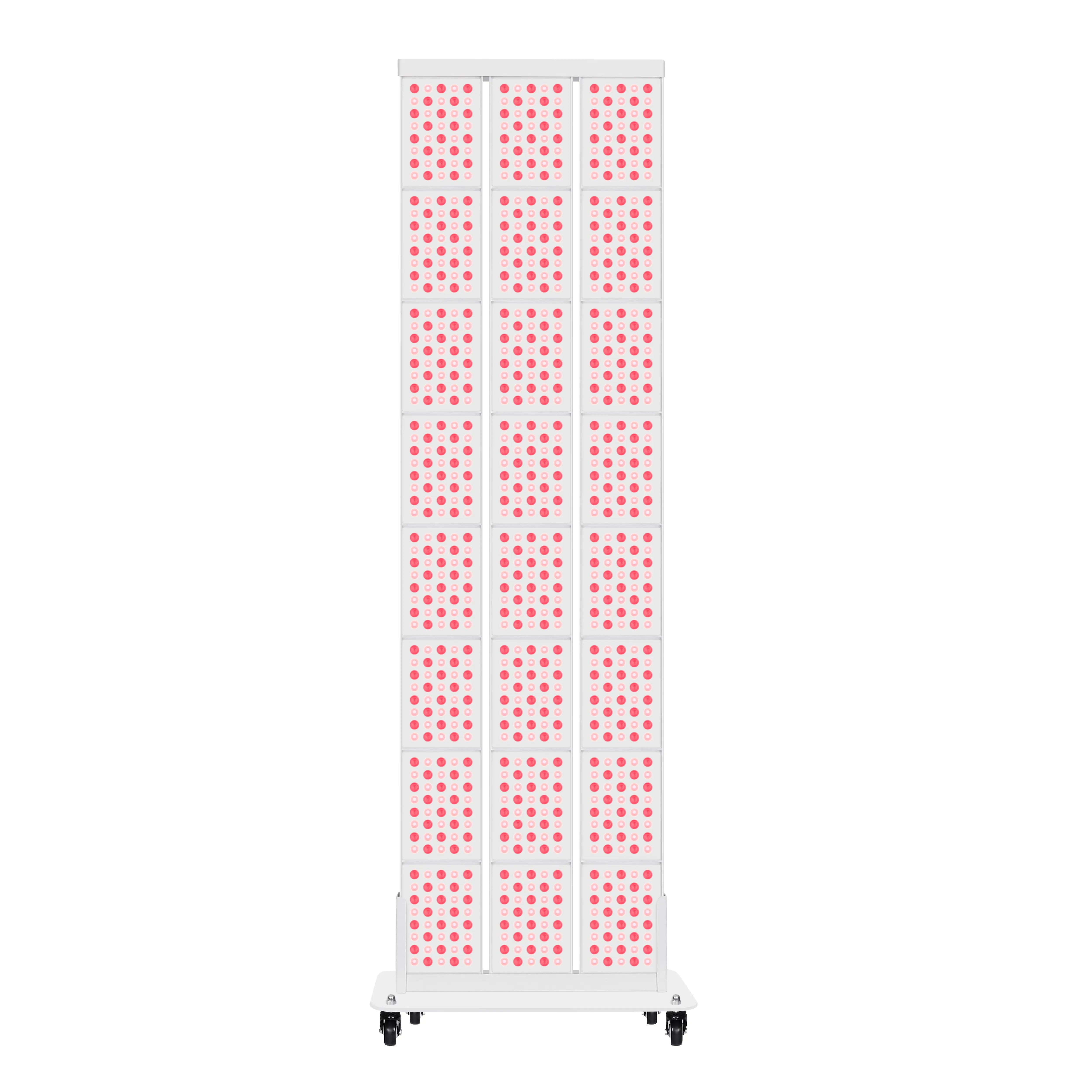
In clinical settings, dentists have used high-power lasers for this purpose, but home-use LED panels and mouthpieces have become increasingly sophisticated. When treating sensitivity, the focus shifts from the gum line to the body of the tooth and the root area. Using a YouLumi 60W Red Light Therapy Panel for Face, Neck & Joints can provide the necessary coverage to treat the entire jaw area simultaneously, which is often more efficient than spot-treating individual teeth.
It is important to note that while PBM can alleviate the symptom of pain, it does not "fix" a cavity. If you are experiencing sharp, localized pain, it is imperative to consult a dental professional to rule out decay or abscesses. Light therapy should be viewed as a tool for desensitization and post-procedure recovery rather than a cure for structural dental damage.
Safety Considerations: Dental Implants, Fillings, and Braces
A common concern among users is whether red light therapy is safe to use with existing dental work, such as titanium implants, composite fillings, or metal braces. Current clinical consensus suggests that the low-level energy used in PBM does not generate sufficient heat to damage or loosen dental materials. In fact, many practitioners recommend PBM specifically to support "osseointegration"—the process by which a dental implant fuses with the jawbone.

For those with braces, the primary challenge is not safety but light distribution. The metal brackets can reflect or block the light, potentially creating "shadows" on the gum tissue. In these cases, using a larger panel or moving the light source to treat from multiple angles is recommended to ensure even coverage.
When choosing a device for use around the face and mouth, safety standards are paramount. We recommend reviewing the Ultimate Guide to Red Light Therapy Protocols to understand how to safely position devices and avoid overexposure. Furthermore, ensuring your device meets the IEC 60601-2-57:2026 standard for light-emitting products protects you from excessive EMF and ensures the flicker rate is within biological safety limits.
Choosing the Right Device: Mouthpieces vs. Panels
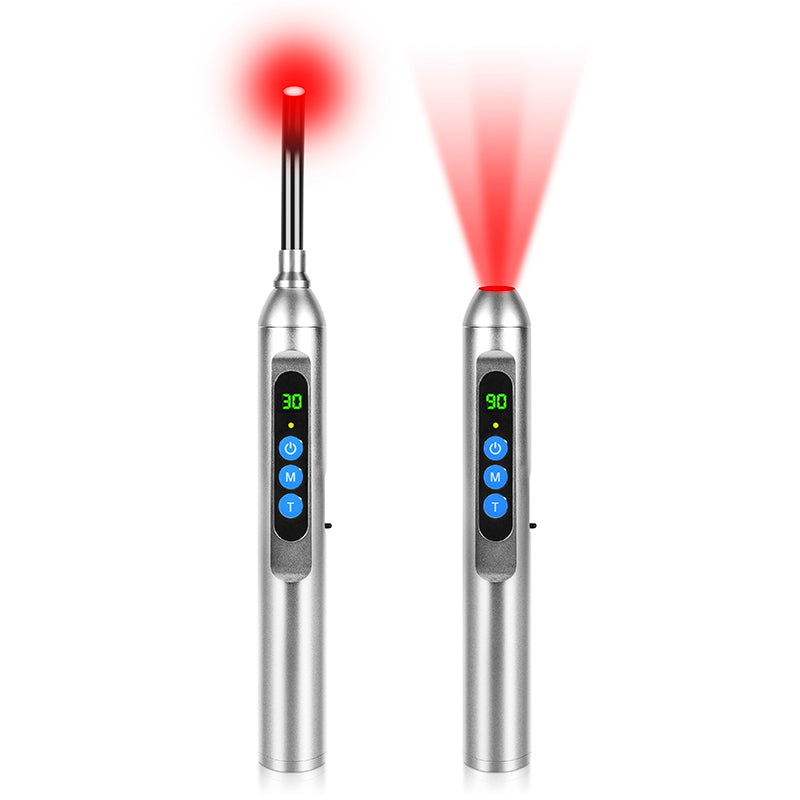
The market for dental light therapy is split between specialized intraoral mouthpieces and external panels. Each has distinct advantages depending on your primary health goals.
| Feature | Intraoral Mouthpiece | External LED Panel |
|---|---|---|
| Targeting | Direct contact with gums/teeth | Broad coverage of jaw and face |
| Wavelengths | Often limited to 660nm/850nm | Wide variety of wavelength options |
| Convenience | Hands-free, easy for travel | Requires a dedicated setup/stand |
| Versatility | Dental use only | Can be used for skin, joints, and hair |
| Irradiance | Usually lower (closer to tissue) | Higher (requires specific distance) |
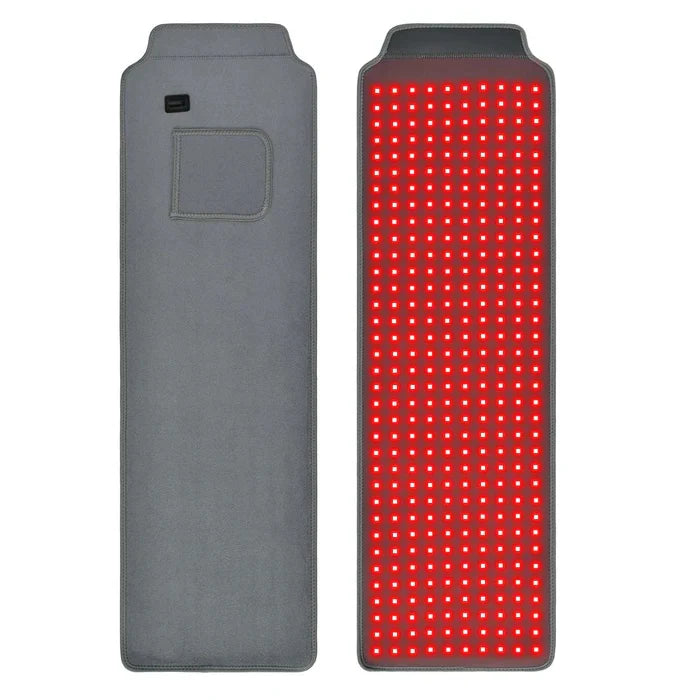
For users primarily focused on gum recession or localized pain, a mouthpiece provides the most direct delivery of light. However, for those who want to address dental health as part of a larger anti-aging or wellness strategy, a panel is often the better investment. For instance, a panel used for dental health can also be utilized for red light therapy for skin to boost collagen or even for red light therapy for cold sores if an outbreak occurs.
Logic Summary: Dental RLT Implementation
Logic Summary: The choice between a mouthpiece and a panel depends on the "depth of target." For gingival surface health, mouthpieces are highly effective due to proximity. For deep-seated nerve pain or jawbone support, the higher irradiance of a panel may be necessary to overcome the "inverse square law" of light attenuation through tissue. We assume users will follow the manufacturer's distance guidelines to maintain a safe irradiance window of 20-100mW/cm².
FAQ
Can red light therapy help with receding gums? Yes, red light therapy can support the health of receding gums by stimulating the production of collagen and improving blood flow to the gingival tissues. While it cannot "regrow" gum tissue that has been lost to severe periodontal disease, it can help stabilize the remaining tissue and reduce the inflammation that often drives further recession. Consistency is key, and it should be used alongside professional dental monitoring.
Is it safe to use red light therapy every day for my teeth? While daily use is generally considered safe, most clinical protocols suggest a "pulsed" approach of 3 to 5 days per week. This allows the cells to undergo the full cycle of repair and regeneration without being constantly over-stimulated. Overuse can lead to a plateau effect where the benefits diminish, a phenomenon described by the Arndt-Schulz Law in photobiomodulation.
Will red light therapy whiten my teeth? Red light therapy itself is not a bleaching agent and will not chemically whiten teeth like peroxide-based treatments. However, some specialized mouthpieces use blue light (which is different from red light) to activate whitening gels. Red light's primary role is health-focused—improving gum color by reducing redness and supporting the health of the underlying tooth structure.
How long does it take to see results for tooth sensitivity? Many users report a reduction in sensitivity after just a few sessions, but for chronic dentin hypersensitivity, it may take 2 to 4 weeks of consistent use to see a significant change. The light works by gradually modulating the nerve response and supporting the mineralization of the dentin, which is a biological process that requires time.
Can I use red light therapy if I have metal fillings or crowns? Yes, red light therapy is safe for use with metal fillings, crowns, and bridges. The LEDs used in home devices do not emit ionizing radiation and do not produce enough heat to affect the structural integrity of dental restorations. In fact, PBM can be beneficial for reducing the inflammation in the gums surrounding a new crown or bridge during the healing phase.
Does red light therapy help with bad breath? Indirectly, yes. Bad breath (halitosis) is often caused by bacteria associated with gum disease and inflammation. By helping to manage gum health and reducing the inflammatory environment where these bacteria thrive, red light therapy can contribute to a healthier oral microbiome. However, it should not replace brushing, flossing, or tongue scraping.
References
Government / Standards / Regulators
- IEC 60601-2-57:2026: Medical electrical equipment - Part 2-57: Particular requirements for the basic safety and essential performance of non-laser light source equipment intended for therapeutic, diagnostic, monitoring and cosmetic/aesthetic use.
- FDA (U.S. Food and Drug Administration): Guidance on Low-Level Laser and LED Devices for Adjunctive Dental Procedures.
Industry Associations / Research Institutes
- WALT (World Association for Photobiomodulation Therapy): Clinical dosage guidelines for oral mucositis and periodontal health.
- ADA (American Dental Association): Science-based reviews on the use of lasers and light therapy in modern dentistry.
Academic / Whitepapers / Labs
- Photobiomodulation, Photomedicine, and Laser Surgery: "The Efficacy of 660nm and 810nm Wavelengths in the Treatment of Periodontal Inflammation: A Systematic Review."
- Journal of Clinical Periodontology: "Impact of LED-based Photobiomodulation on Osseointegration of Dental Implants."
Platform Official Docs
- YouLumi Research Lab: Photobiomodulation Standards: Irradiance, EMF, and Safety.
Community (Intent Only)
- Reddit r/redlighttherapy: User discussions on home-use mouthpieces for gum recession (intent only; not authoritative).
- Biohacking Forums: Community protocols for dental desensitization (intent only; not authoritative).