
Many adults dealing with persistent brain fog, mental fatigue, or slowed thinking are exploring non-drug options that target brain energy and inflammation pathways. Emerging research on transcranial photobiomodulation (PBM) and systemic red light therapy suggests these approaches may support cognitive function in some people, particularly those recovering from post-viral symptoms, though results vary and evidence remains preliminary.
This article examines how red and near-infrared light may influence neuroinflammation and mitochondrial performance, what the current studies show about focus and mental clarity, and the practical factors that separate brain-targeted use from general wellness routines. We also outline realistic expectations, protocol considerations, and important safety boundaries so you can decide whether this approach fits your situation.
Understanding Brain Fog and Why Non-Pharmaceutical Options Appeal
Brain fog is not a formal diagnosis but a common description of cognitive symptoms including difficulty concentrating, slower processing, memory lapses, and mental exhaustion. It frequently appears after viral illnesses, during periods of chronic stress, poor sleep, or burnout, and in long-COVID-like presentations where symptoms linger long after the acute phase.
Many people prefer to avoid or supplement pharmaceutical routes with lifestyle and light-based tools. Photobiomodulation for cognitive dysfunction (Brain Fog) in post-COVID-19 reviews early evidence that PBM may help some individuals with these complaints through effects on cellular energy and inflammation rather than by directly treating an underlying disease.
The appeal lies in its non-invasive nature and home-use potential. However, it is not a guaranteed solution. Benefits, when observed, tend to emerge gradually over consistent weeks of use rather than after a single session.
How Transcranial Photobiomodulation and Systemic Red Light Therapy May Work
Photobiomodulation delivers specific wavelengths of red (typically 660 nm) and near-infrared (NIR, often 850 nm or 1064 nm) light to tissues. In brain applications, light is directed through the scalp to reach cortical areas, where it is thought to stimulate mitochondrial cytochrome c oxidase. This can increase ATP production, modulate reactive oxygen species, and influence inflammatory signaling.
Proposed mechanisms include improved cerebral metabolism, reduced neuroinflammation, and better oxidative stress balance. These pathways are relevant to fatigue-related cognitive dysfunction but remain under active study. As noted in a review on photobiomodulation and optogenetics, effects appear tied to metabolic, neuroinflammatory, and oxidative-stress routes rather than a single “cure” mechanism (Brighten the Future: Photobiomodulation and Optogenetics).
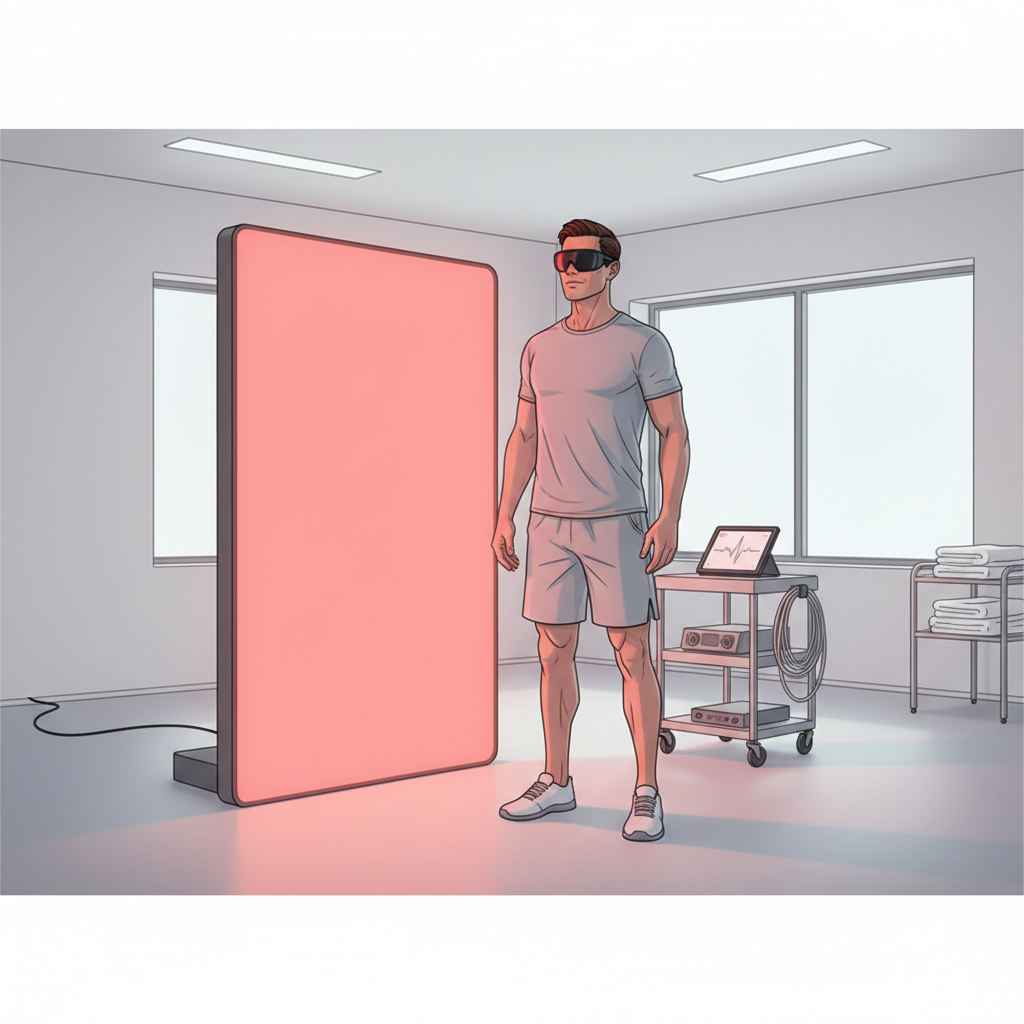
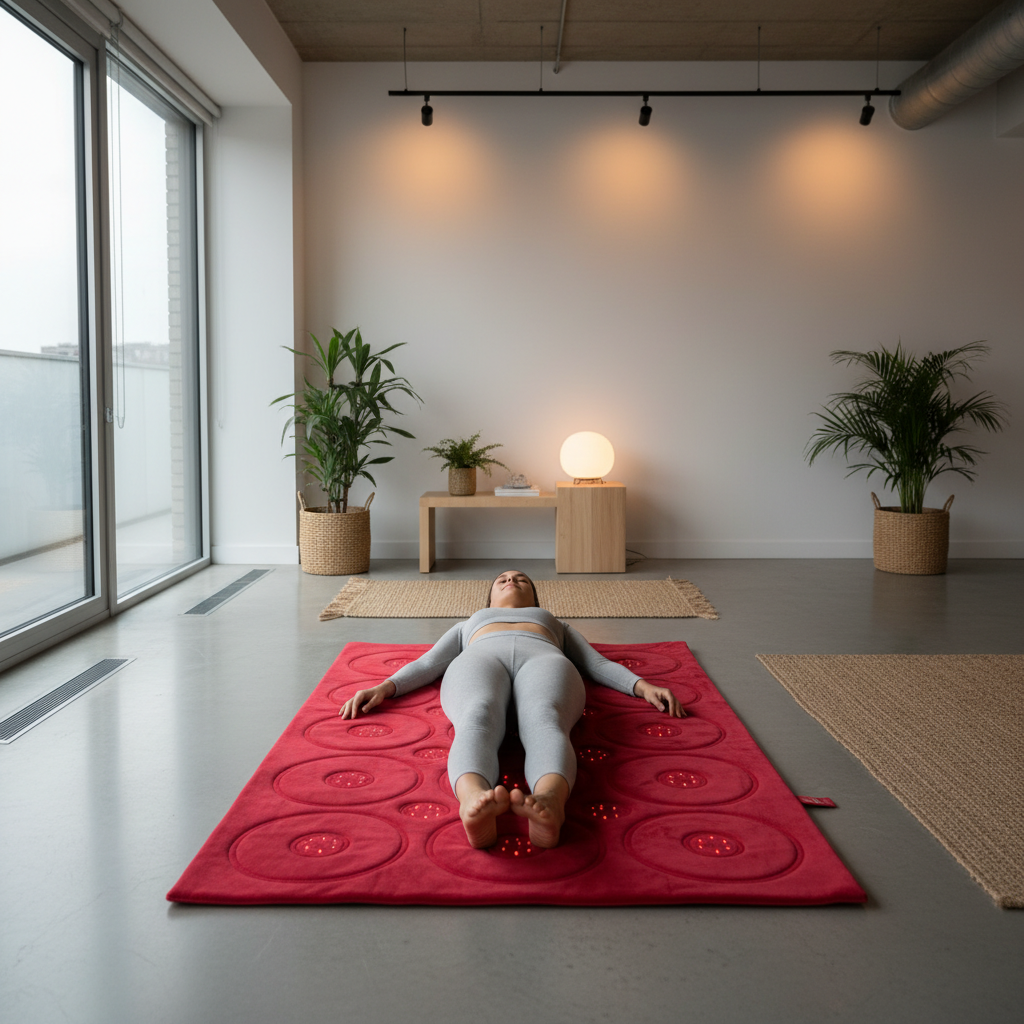
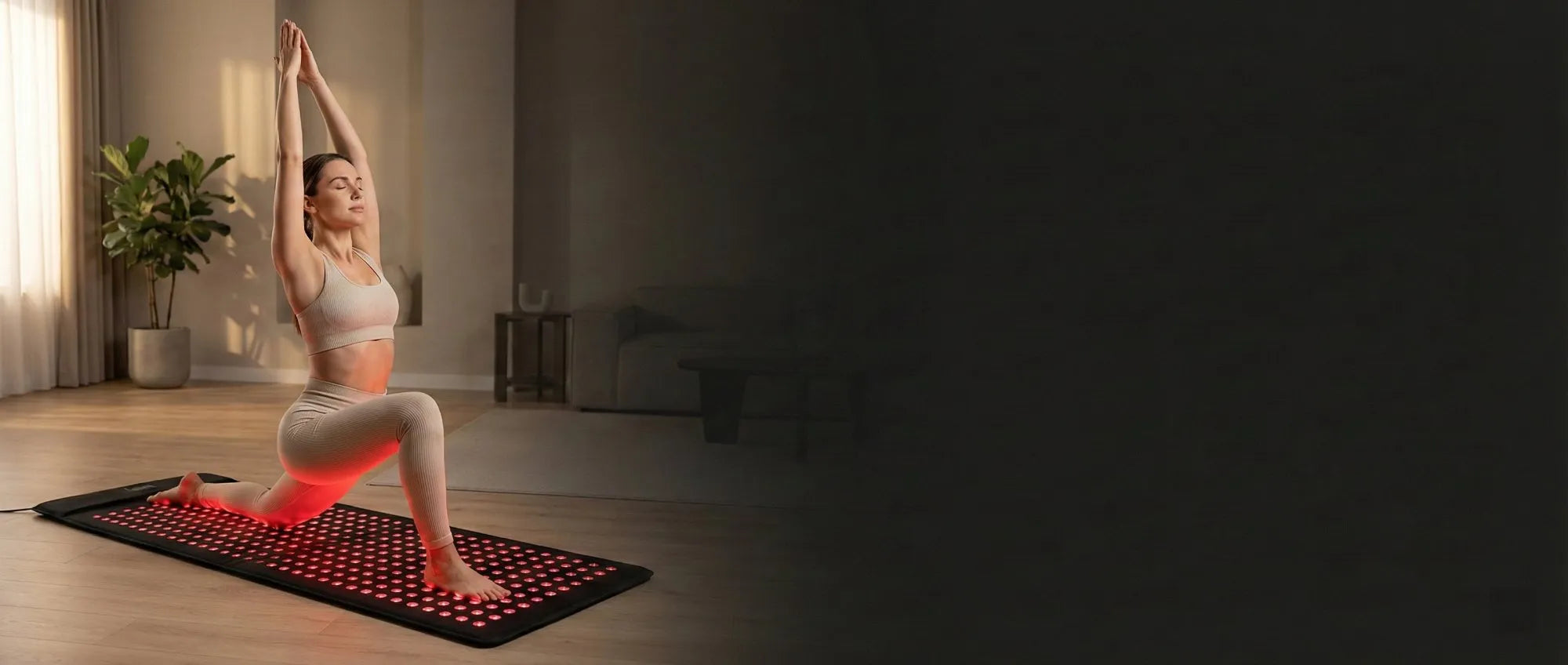
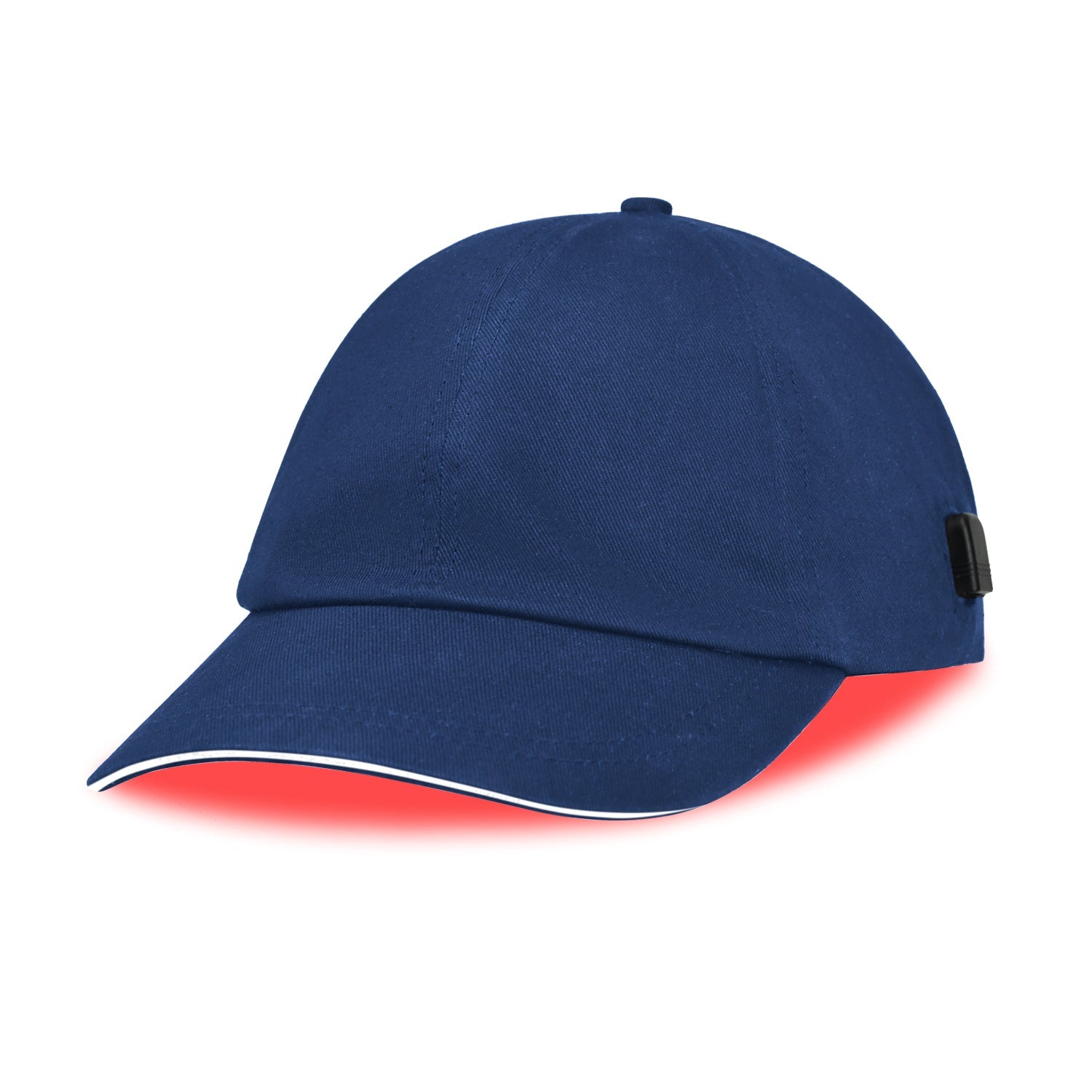
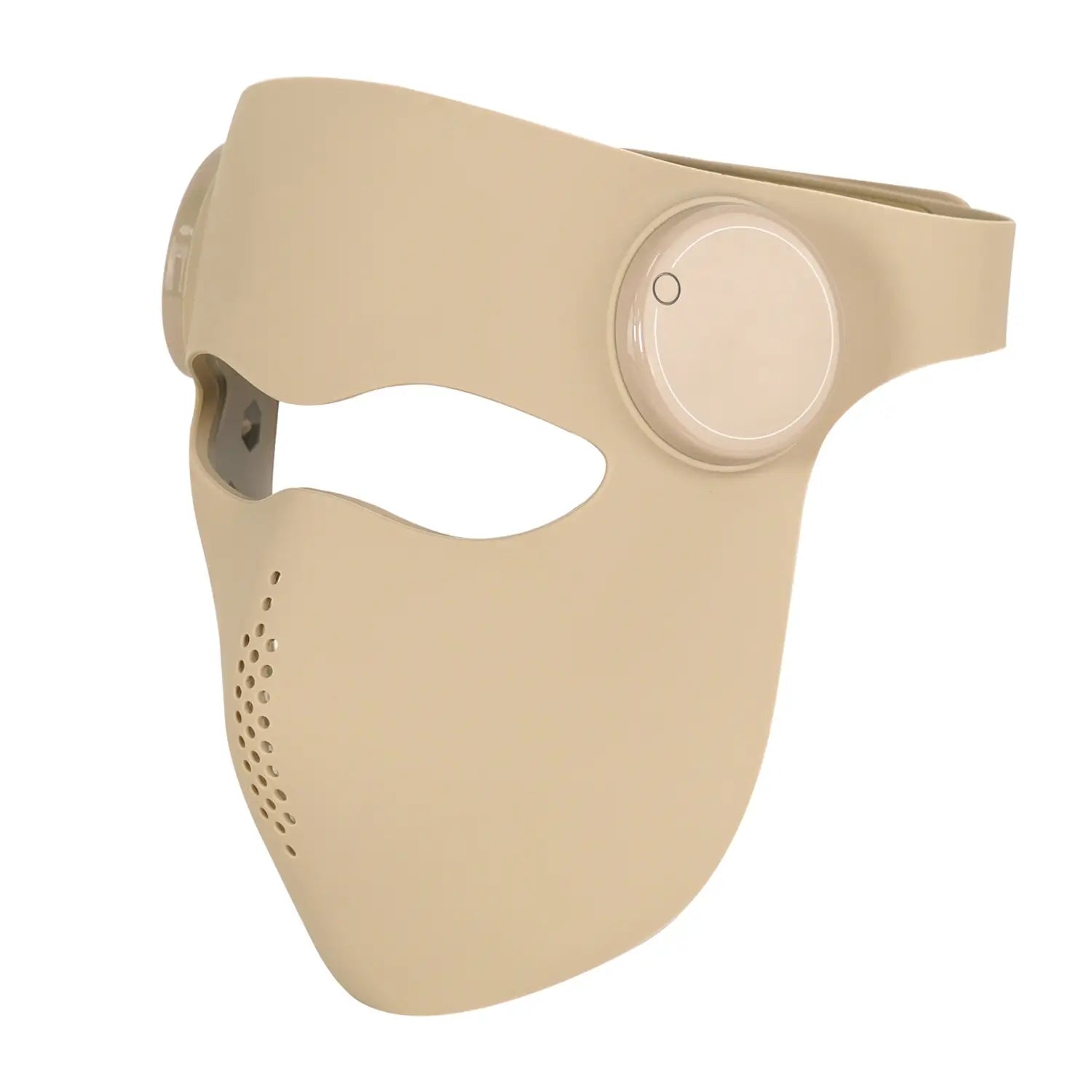
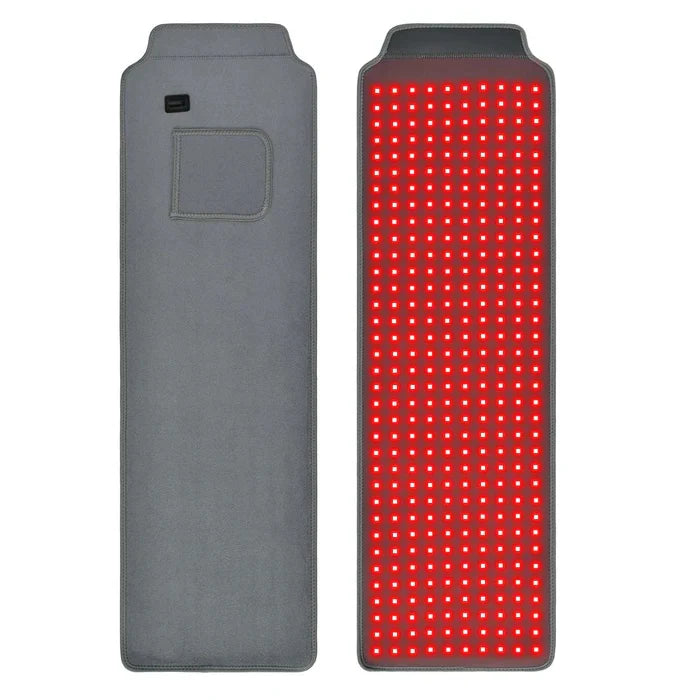
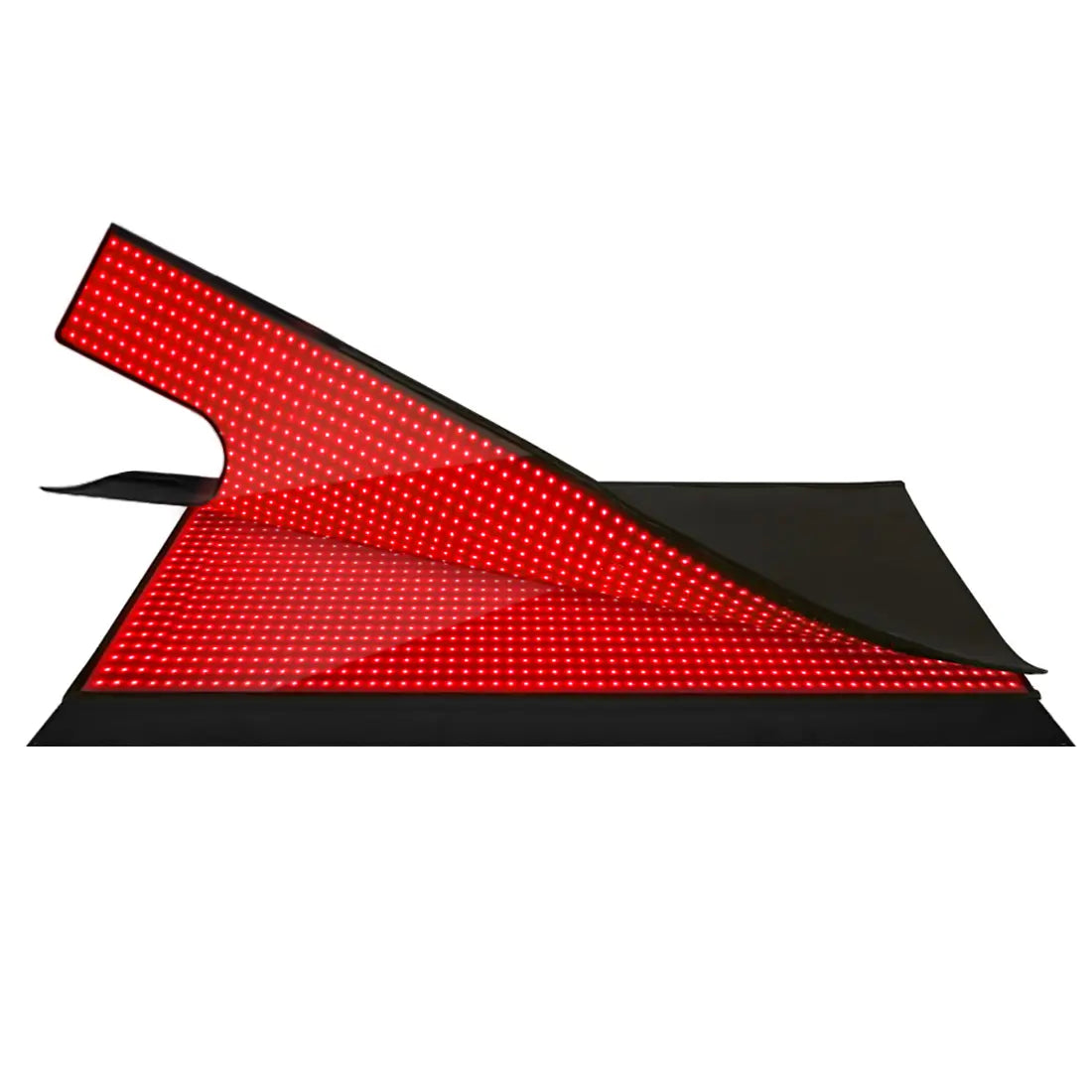
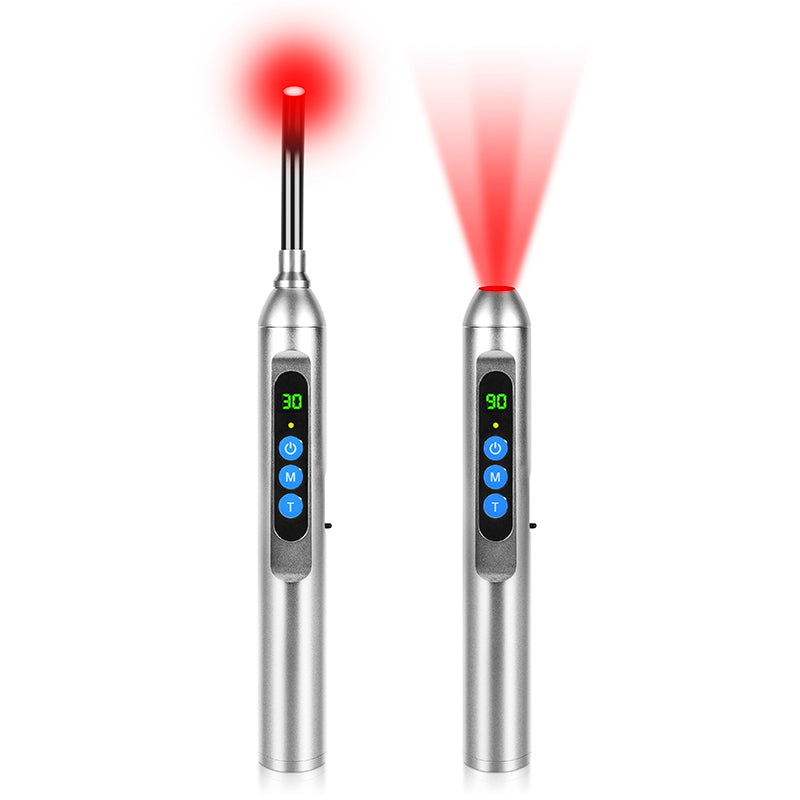
Transcranial PBM focuses light on the forehead, temples, or other scalp areas to target brain tissue directly. Systemic approaches, such as full-body panels or a red light therapy sleep bag, aim for broader circulatory and anti-inflammatory effects that may indirectly support brain function. The two are not interchangeable; brain-specific outcomes generally require adequate penetration and precise placement.
Reviews also connect PBM to improvements in sleep, wakefulness, and associated cognition, which can indirectly reduce fatigue-driven brain fog (Enhancing sleep, wakefulness, and cognition with photobiomodulation).

What the Evidence Shows About Cognitive Benefits
A randomized, double-blind, sham-controlled pilot trial evaluated home-based transcranial photobiomodulation specifically for post-COVID cognitive impairment and brain fog. While results are promising for some participants, the study emphasizes that larger trials are still needed to confirm efficacy and optimal parameters (Photobiomodulation for cognitive dysfunction (Brain Fog) in post-COVID-19).
Other literature reports potential gains in attention, processing speed, and memory under certain protocols, particularly when light reaches the prefrontal cortex. However, a systematic review highlights that protocol standardization remains incomplete, making it difficult to predict who will respond best (Photobiomodulation and Its Therapeutic Potential in Sleep Medicine).
PBM has been studied across nervous system applications beyond cosmetic or skin-focused uses, lending biological plausibility to cognitive applications (Effects of Photobiomodulation on Nervous System Disorders). That said, it differs markedly from general red light routines aimed at skin health or muscle recovery. Brain-targeted use demands higher irradiance at the scalp, appropriate wavelengths for penetration, and consistent application over time.
For context, related internal research explores red light therapy for brain health, morning energy, and reaction speed—outcomes that overlap with cognitive clarity goals. See our guide on Red Light Therapy for Brain Health: What Users Are Trying It For and the Circadian Reset Protocol for practical morning routines.
Key Protocol Factors That Influence Results
Protocol details matter more for cognitive applications than for many skin or pain uses. The following factors consistently appear in studies and reviews:
- Wavelength: 660 nm (red) and 850 nm (NIR) are common in consumer devices; some trials use 1064 nm for deeper penetration. Choice affects how much light reaches brain tissue.
- Irradiance and Dose: Sufficient power density at the scalp is required. The Photobiomodulation Standards guide explains why accurate measurement (spectroradiometry vs solar meters) matters and references IEC 60601-2-57:2026 safety benchmarks.
- Session Duration: Published protocols often use around 20 minutes, though this varies by device output and target area.
- Frequency and Duration: Daily or near-daily sessions over 4–8 weeks are more typical than sporadic use. One-off sessions rarely produce measurable cognitive shifts.
- Placement: Transcranial application (forehead, temples, crown) is more directly relevant than full-body exposure alone for brain fog. Systemic use can complement but is less targeted.
- Timing: Morning sessions often align better with circadian support and daytime alertness; evening use may suit recovery but could feel stimulating for some.
Protocol Factors Most Relevant to Brain Fog Trial Design
Heuristic comparison of protocol factors based on common trial patterns and expert modeling; not measured outcome data.
View chart data
| Category | Relative importance score |
|---|---|
| Wavelength / light source | 5.0 |
| Session duration | 4.0 |
| Treatment frequency | 5.0 |
| Placement / targeting | 5.0 |
| Timing of use | 3.0 |
Common trial patterns and expert modeling for comparison, not measured outcome data. Scores are heuristic relative-importance estimates derived from the provided evidence pattern: wavelength selection (e.g., 660/850nm or 1064nm), ~20-minute sessions, repeated use over weeks, transcranial placement for cognitive targets, and morning timing for alertness.
The chart above illustrates relative importance of these factors based on common trial patterns. Wavelength, treatment frequency, and precise placement rank highest for cognitive applications. Always verify device specifications against the standards outlined in our photobiomodulation benchmarks article.
Scenario-Based Guidance: When Results Are More or Less Likely
Expected outcomes shift depending on the underlying driver of brain fog and how the protocol is applied. The following scenarios synthesize evidence patterns and practical user considerations:
- Post-viral or long-COVID-like symptoms: More plausible target for transcranial PBM because mechanisms align with neuroinflammation and mitochondrial support. Gradual improvement over repeated sessions is a realistic frame.
- Stress-related or sleep-deprivation fog: Light therapy is better viewed as supportive rather than primary. Correcting sleep, workload, and recovery habits first usually yields clearer gains; PBM may add marginal benefit.
- Morning cognitive sluggishness: Morning sessions pair well with circadian alignment and daytime focus goals. Many users combine this with our Red Light Therapy for Morning Energy protocol.
- Afternoon energy crashes: Expect modest rather than dramatic rescue. If crashes stem from accumulated sleep debt or high cognitive load, light alone is unlikely to override those factors.
- Mild-to-moderate stable fog vs severe or worsening symptoms: Self-managed protocols suit milder, stable cases. Severe, new, or progressively worsening fog warrants medical evaluation before starting any home light routine (Intervention modalities for brain fog caused by long-COVID).
- Transcranial vs full-body emphasis: Forehead or temple targeting better matches cognitive goals. Full-body devices or a red light therapy panel can support systemic recovery but are less directly aimed at prefrontal function.
Consistent use over weeks remains the common thread across positive reports. One or two sessions rarely allow meaningful self-assessment.

Safety, Contraindications, and Realistic Expectations
Photobiomodulation is generally described as noninvasive with a favorable safety profile in review literature. Still, it is not risk-free for everyone. Screen for contraindications, follow device instructions, and avoid direct eye exposure unless using properly shielded equipment.
Important safety note: This article discusses comfort, setup, and emerging research on non-pharmaceutical self-care options. It does not constitute medical advice, diagnosis, or treatment. Red light therapy is not proven to cure brain fog, reverse neurological conditions, or work for all users. If you have persistent, worsening, or severe cognitive symptoms—especially following viral illness—consult a qualified healthcare professional before beginning any protocol. Those with photosensitivity, certain medications, active cancer, or implanted devices should seek medical guidance.
Realistic expectations are essential. Pilot data and reviews show promise for some individuals, but individual responses vary widely. Improvements, when they occur, tend to be subtle and cumulative rather than immediate or dramatic. Track your own symptoms (focus, processing speed, daily energy) for at least 4–6 weeks of consistent use before judging effectiveness.
Do not pursue red light therapy for brain fog as your primary plan if:
- Symptoms are severe, rapidly worsening, or accompanied by red-flag signs such as severe headaches, focal neurological changes, or major mood shifts.
- You have not received a medical evaluation for persistent post-viral or unexplained cognitive complaints.
- You expect an instant or stimulant-like effect.
- You are unlikely to maintain consistent daily sessions and proper placement for several weeks.
- Your device is designed only for skin or surface use and lacks documented irradiance suitable for transcranial application.
In these cases, prioritize professional assessment and foundational habits (sleep, nutrition, stress management) first.
Choosing and Using Devices for Cognitive Support
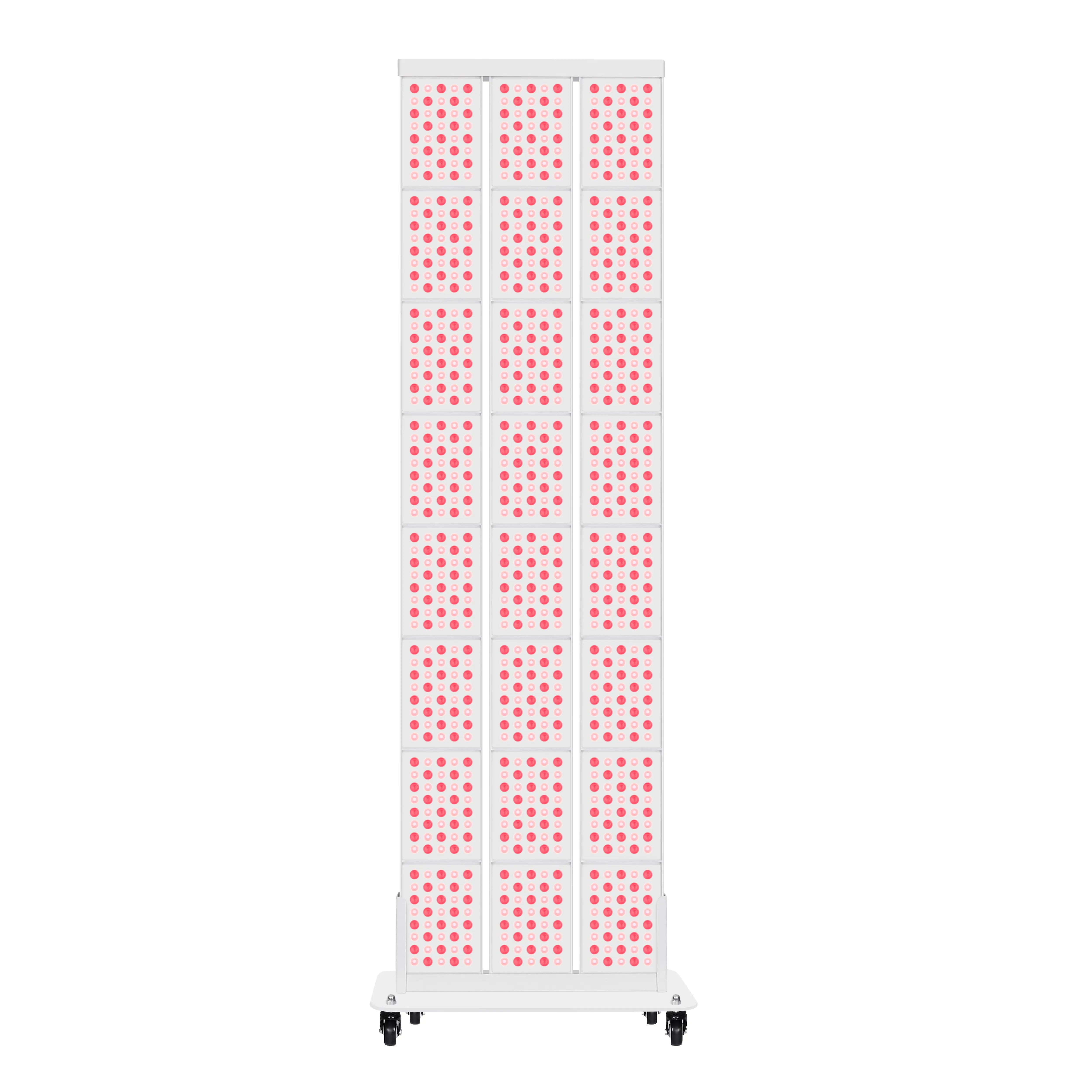
Look for panels or targeted devices that specify high irradiance, accurate 660/850 nm output, and low EMF. Full-body options like the YOULUMI 1700W Red/NIR Light Panel or the YOULUMI IRP010-05L 1500W Red Light Therapy Panel can serve dual systemic and targeted roles when positioned appropriately. Desktop or smaller panels may suit focused transcranial sessions.
Start with shorter sessions and build consistency. Combine with proven basics: consistent sleep schedule, balanced nutrition, and movement. Many biohackers and post-viral recovery users layer PBM alongside these habits rather than using it in isolation.
For related neurological topics, explore our article on Red Light Therapy for Nerve Damage and Neurological Health. Those interested in mood overlap may also review When Depression Makes Mornings Impossible: Can Red Light Therapy Help?.
Final Takeaway
Red light therapy and transcranial photobiomodulation represent an emerging, non-pharmaceutical avenue that some individuals with brain fog are exploring, particularly in post-viral or fatigue-related contexts. While mechanisms involving mitochondrial support and neuroinflammation are biologically plausible, current evidence is still developing and does not support universal claims of clearing cognitive dysfunction.
Success depends heavily on realistic expectations, consistent protocol adherence, appropriate device specifications, and integration with foundational health practices. For many, the greatest value comes when light therapy serves as one supportive tool within a broader recovery plan rather than a standalone fix. If symptoms remain troubling or worsen, professional medical evaluation should take precedence over self-directed light routines.
Consider your specific scenario, review device standards carefully, and track personal response over time. This measured approach maximizes safety and helps separate genuine benefit from placebo or wishful thinking.