
Summary
Red light therapy (RLT), or photobiomodulation, has emerged as a vital non-invasive tool for feline wellness in 2026, particularly for managing chronic kidney disease (CKD) and age-related mobility issues. While cats require specific anatomical targeting and safety precautions due to their unique physiology, the therapy works by enhancing mitochondrial function and reducing systemic inflammation. For kidney support, the focus is on systemic benefits and indirect irradiation of the renal area, whereas mobility protocols target specific joints to alleviate arthritis pain. By adhering to feline-specific irradiance standards and timing sessions around conventional treatments like subcutaneous fluids, owners can significantly improve the quality of life for their senior companions.
Key takeaways
- Target the mid-back region for kidney support, focusing on systemic anti-inflammatory effects rather than deep organ penetration.
- Adjust power settings based on fur density and color; dark-furred cats absorb surface energy faster, increasing the risk of overheating.
- Coordinate RLT sessions with subcutaneous fluids, ideally waiting 2–4 hours after fluid administration to ensure stable tissue hydration.
- Prioritize ocular safety by avoiding direct beam exposure, especially given the reflective nature of the feline tapetum lucidum.
- Use a combination of 660nm (red) and 850nm (near-infrared) wavelengths for optimal results in both skin and deeper joint tissues.
Understanding Feline Photobiomodulation in 2026
As we move through 2026, the application of photobiomodulation (PBM) in veterinary medicine has transitioned from an experimental novelty to a standard adjunctive therapy. For cats, who are notoriously sensitive to medications and prone to chronic conditions like renal failure and osteoarthritis, PBM offers a stress-free, non-invasive alternative. The biological mechanism involves the absorption of specific light wavelengths by cytochrome c oxidase within the mitochondria, leading to increased adenosine triphosphate (ATP) production and a cascade of anti-inflammatory signals.
However, applying these principles to cats requires a nuanced understanding of their anatomy and physiology. Unlike dogs, cats have a higher metabolic rate and a unique ocular structure that demands specialized safety protocols. When evaluating devices for home use, it is essential to consult the latest safety standards for photobiomodulation. This 2026 whitepaper addresses the critical 'trust gap' in the industry by providing a rigorous analysis of irradiance measurement methodologies. It contrasts legacy solar meters with laboratory-grade spectroradiometry to expose 'irradiance inflation' and details the implementation of IEC 60601-2-57:2026 safety standards, ensuring that your cat receives a clinically valid dose without the risks of excessive EMF or flicker.
Supporting Kidney Health with Red Light Therapy
Chronic Kidney Disease (CKD) remains a leading cause of morbidity in senior cats. While light cannot "cure" damaged nephrons, RLT is used to support renal function by reducing the oxidative stress and inflammation that accelerate disease progression. In 2026, the consensus among feline specialists is that PBM provides systemic support. By irradiating the mid-back area—where the kidneys are located relatively close to the dorsal surface—owners can stimulate local circulation and systemic mitochondrial health.
When designing a kidney protocol, choosing between 850nm and 660nm wavelengths is essential. While 660nm is excellent for surface-level inflammation, 850nm near-infrared (NIR) light penetrates deeper into the tissues, making it more effective for reaching the vascular structures surrounding the kidneys.
Logic Summary: Kidney support protocols rely on the Arndt-Schulz Law, which suggests that low levels of light stimulate while high levels inhibit. Because direct penetration to the deep renal cortex is limited by feline anatomy, the therapy's efficacy is largely attributed to systemic anti-inflammatory effects and improved microcirculation in the surrounding tissues.
Anatomical Precision: Targeting the Feline Renal System
To maximize the benefits for kidney health, owners must be precise with placement. A cat's kidneys are located in the retroperitoneal space, roughly between the last rib and the third lumbar vertebra. This area, often referred to as the "small of the back," is the primary target for kidney-focused RLT.
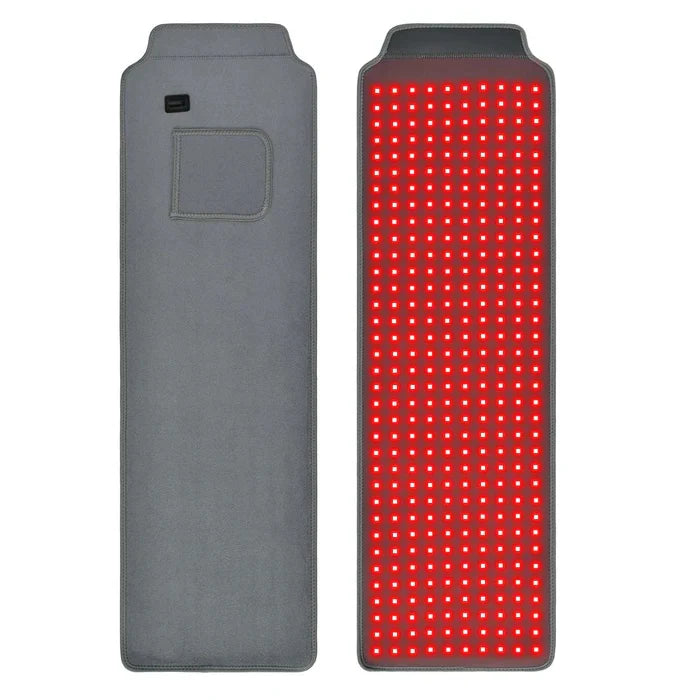
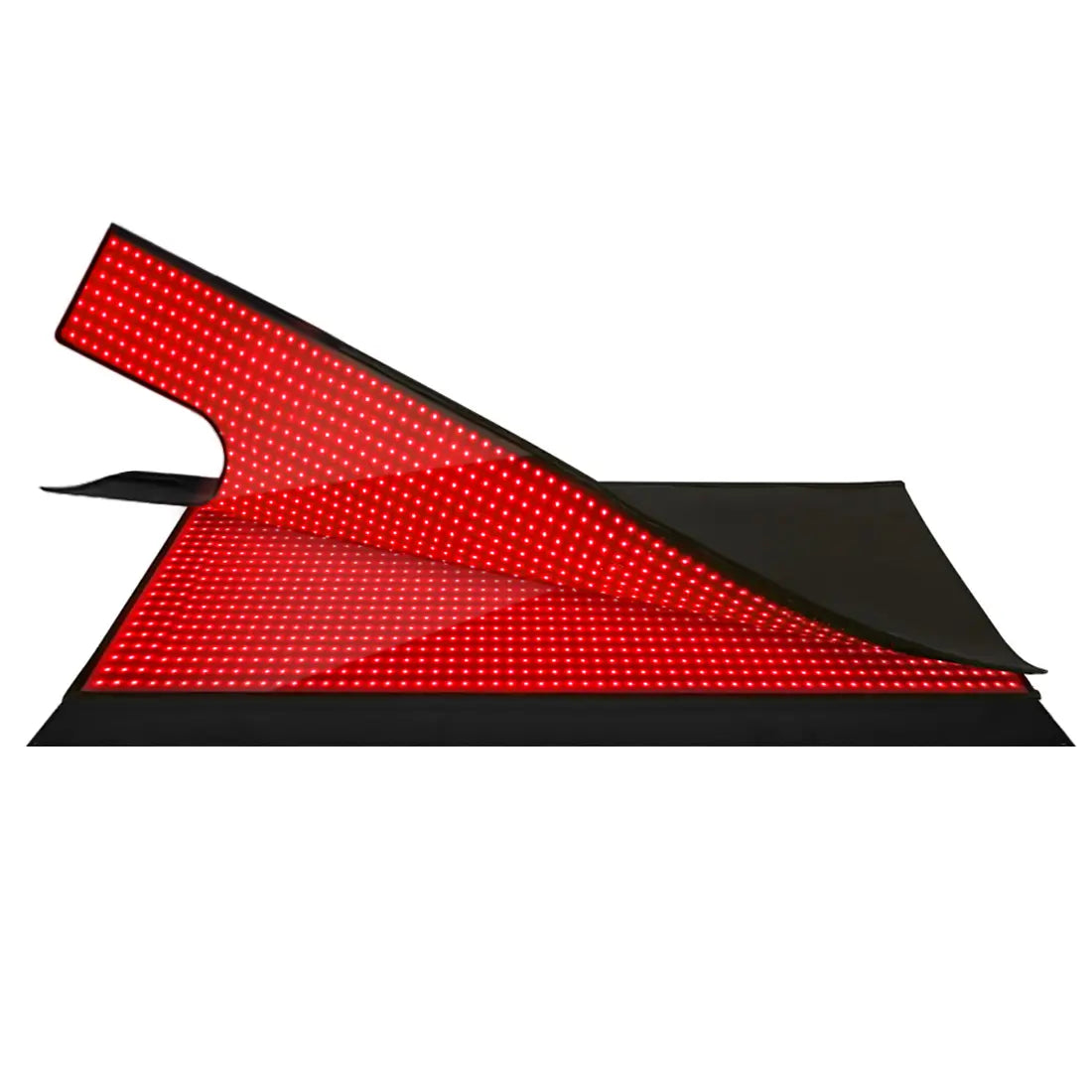
Using a Youlumi Pro full body red light therapy mat allows for a broad application that covers this entire region without requiring the cat to remain perfectly still. This passive approach is particularly beneficial for CKD cats, who may already be experiencing stress from frequent veterinary visits and fluid therapy.
Managing Mobility and Arthritis in Senior Cats
Osteoarthritis is often underdiagnosed in cats because they are masters at hiding pain. By the time a cat shows visible limping, the joint degradation is usually advanced. RLT has become a cornerstone of mobility management, providing relief from joint stiffness and improving range of motion.

For mobility, the protocol should target the hips, stifles (knees), and the lumbosacral junction. The following table outlines the primary targets for feline mobility protocols:
| Target Area | Primary Benefit | Recommended Wavelength |
|---|---|---|
| Lumbosacral Spine | Reduces nerve-related back pain and "twitchy skin" | 850nm (NIR) |
| Hip Joints | Improves gait, jumping ability, and litter box ease | 850nm (NIR) |
| Stifles (Knees) | Decreases local inflammation and swelling | 660nm + 850nm |
| Shoulders | Alleviates front-end stiffness from jumping down | 660nm + 850nm |
The Fur Factor: Adjusting Protocols for Density and Color
One of the most overlooked aspects of feline RLT is the impact of the coat. Fur density and color play a critical role in how many photons actually reach the skin. Darker fur, containing high levels of melanin, absorbs light energy at the surface, which can lead to localized heating.
Logic Summary: Melanin in dark fur absorbs light at a higher rate, converting photons into heat at the surface rather than allowing them to penetrate to the dermis. For black or dark tortoiseshell cats, we recommend a 20% reduction in session time or increasing the distance by 2–3 inches to maintain a safe thermal profile.
Fur Adjustment Checklist:
- Short/Single Coat: Standard protocols apply; 10–15 minutes at 6–12 inches.
- Medium/Double Coat: Increase session time by 2–3 minutes or use a "comb" attachment to part the fur.
- Long/Dense Coat: Part the fur manually in target areas; consider higher irradiance settings if the cat is comfortable.
- Dark Fur (Black/Dark Grey): Monitor skin temperature closely; reduce session time if the area feels warm to the touch.
Safety Protocols: Ocular Protection and Thermal Management
Safety is paramount when using PBM on cats. A significant gap in general pet RLT advice is the lack of feline-specific ocular guidance. Cats possess a tapetum lucidum, a reflective layer behind the retina that enhances night vision but also significantly increases the risk of retinal damage from reflected light.
Logic Summary: Feline eyes contain a tapetum lucidum, which reflects significantly more light than the human eye. This increases the probability of photon-retina interaction. Our protocol assumes a "zero-direct-exposure" policy for cats, prioritizing safety over convenience in facial treatments.
Always ensure the light source is angled away from the cat's eyes. If treating the face or neck, use a protective barrier or ensure the cat is facing away from the device.
Integration with Veterinary Care and Subcutaneous Fluids
Many cats with CKD receive subcutaneous (Sub-Q) fluids to maintain hydration. Integrating RLT into this routine requires careful timing. It is generally recommended to perform RLT sessions 2 to 4 hours after fluid administration.
Logic Summary: Subcutaneous fluids create a temporary "edema" or fluid pocket that significantly alters the optical properties of the tissue. Water has different absorption peaks for NIR light, and the physical volume of the fluid scatters photons, reducing the effective dose reaching the deeper tissues. Waiting for absorption ensures a consistent therapeutic window.
If your cat has recently undergone a procedure, such as a dental cleaning or a biopsy, you should consult a guide on post-surgical red light therapy timing. Generally, RLT can support wound healing immediately post-op, but the presence of internal sutures or specific medications may require a 24–48 hour waiting period.

Equipment Selection: Mats vs. Panels for Cats
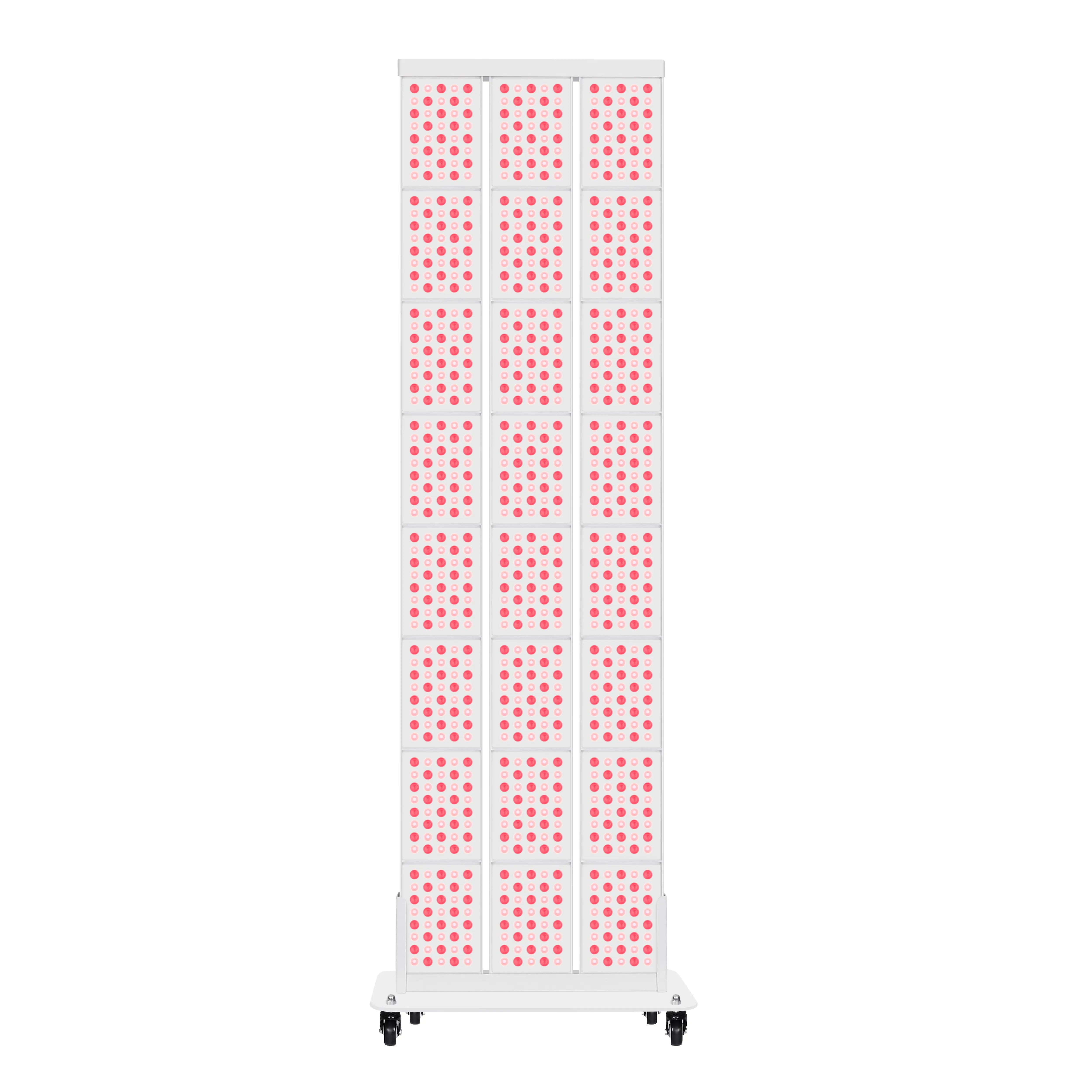
Choosing the right equipment is often a matter of feline temperament. When comparing red light therapy mats and panels, mats are generally superior for cats. They provide a warm, comfortable surface that encourages the cat to stay in place for the duration of the session. Panels are excellent for targeted treatment but can be intimidating for skittish cats.
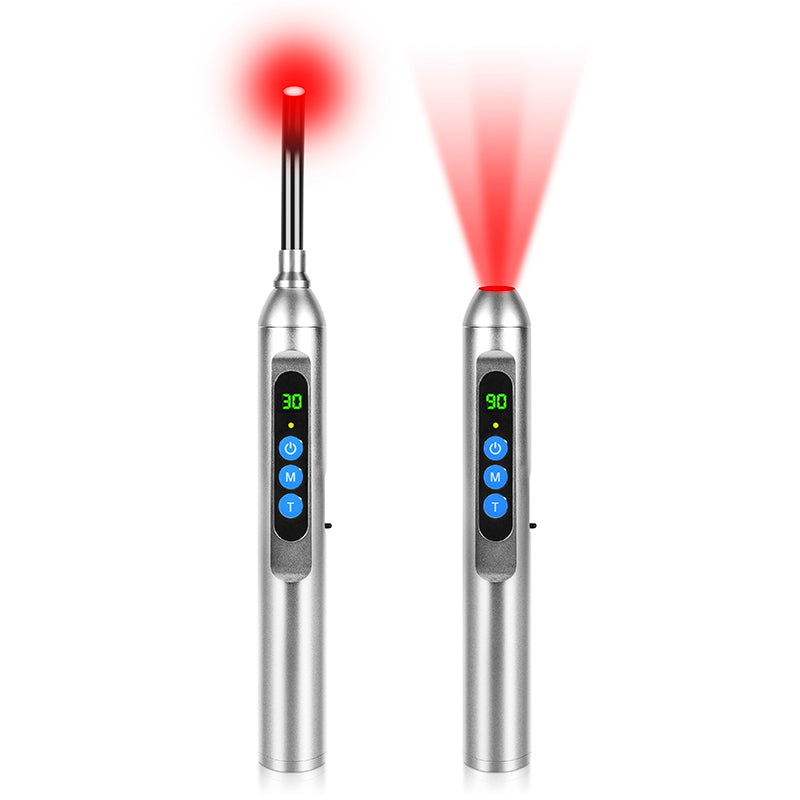
For those looking for a comprehensive approach, following comprehensive red light therapy protocols ensures that you are delivering the correct dosage (Joules/cm²) based on the irradiance of your specific device.
Monitoring Success: Qualitative Metrics for Cat Owners
Since cats cannot tell us how they feel, we must rely on qualitative changes in behavior to measure the success of RLT. In 2026, veterinary behaviorists emphasize the following "Quality of Life" markers:
- Jumping Confidence: Is the cat using a "mid-way" step to get onto the bed, or are they jumping directly again?
- Grooming Habits: Is the cat able to reach their lower back and hindquarters more easily?
- Litter Box Usage: Are there fewer accidents outside the box (often a sign of hip pain)?
- Social Interaction: Is the cat spending more time in common areas rather than hiding?
FAQ
Is red light therapy safe for a cat's eyes? While the light itself is non-ionizing, the high intensity of some 2026-grade devices can be harmful if pointed directly at the eyes. Because cats have a reflective tapetum lucidum, they are more sensitive to light than humans. Always position the device so the beam is directed at the body, and never force a cat to face a light panel directly. If the cat is restless, consider using a mat where the light is directed upwards away from the face.
How often should I use RLT for my cat's kidney disease? For chronic conditions like CKD, a frequency of 3 to 5 times per week is typically recommended. Each session should last between 10 and 20 minutes, depending on the irradiance of the device. It is important to monitor your cat's behavior and hydration levels closely, as the systemic effects of PBM can influence metabolic activity. Always consult with your veterinarian to ensure the frequency aligns with your cat's specific stage of renal disease.
Can I use red light therapy if my cat has long, thick fur? Yes, but you may need to increase the session time or use a device with higher irradiance to ensure enough photons reach the skin. For very dense coats, gently parting the fur or using a "comb" attachment can help. Be mindful of heat buildup in dark-colored, thick fur, and always check the skin temperature during the session to ensure your cat remains comfortable.
Will red light therapy help my cat jump better? Many owners report a noticeable improvement in mobility and "jumping confidence" after 2–3 weeks of consistent RLT. By reducing inflammation in the hips and spine, the therapy helps alleviate the sharp pain associated with arthritis. This often results in a cat that is more active, willing to engage with their environment, and less prone to "hiding" behaviors associated with chronic pain.
Can RLT be used alongside feline pain medications? In most cases, RLT is perfectly safe to use in conjunction with medications like Gabapentin or monoclonal antibody treatments like Solensia. In fact, it can often help reduce the required dosage of these drugs over time by providing a natural form of pain relief. However, always discuss any changes to your cat's treatment plan or medication schedule with your veterinarian before making adjustments.
Does my cat need to be shaved for the therapy to work? Shaving is not necessary for general wellness or mobility protocols. While bare skin allows for maximum light penetration, the wavelengths used in PBM (660nm and 850nm) are capable of passing through fur. Only in cases of deep-seated infections or specific surgical wounds might a veterinarian recommend shaving for maximum efficacy. For home use, simply parting the fur is usually sufficient.
References
Government / Standards / Regulators
- IEC 60601-2-57:2026: Medical electrical equipment - Part 2-57: Particular requirements for the basic safety and essential performance of non-laser light source equipment.
- IEEE 1789-2015: Recommended Practices for Modulating Current in High-Brightness LEDs for Mitigating Health Risks to Viewers.
Industry Associations / Research Institutes
- American Veterinary Medical Association (AVMA): Guidelines on adjunctive therapies for feline osteoarthritis and chronic pain management (2025 Update).
- Waltham Petcare Science Institute: Research on feline metabolic health and the impact of non-invasive therapies on senior cat longevity.
Academic / Whitepapers / Labs
- Photobiomodulation Standards: Irradiance, EMF, and Safety: Canonical reference for technical validation and safety protocols in light therapy (2026).
- Journal of Feline Medicine and Surgery: Studies on the efficacy of PBM for reducing systemic inflammatory markers in cats with chronic kidney disease.
Community
- Feline CRF Information Center: Owner-reported outcomes and intent discovery for integrating PBM with standard CKD care (Intent only; not authoritative).