

Red Light Therapy for Longevity: Mitochondrial Health Protocols
Medical Disclaimer: The information provided in this article is for educational and informational purposes only and is not intended as medical advice, diagnosis, or treatment. Always seek the advice of a physician or other qualified health provider with any questions you may have regarding a medical condition. Never disregard professional medical advice or delay in seeking it because of something you have read here.
Commercial Disclosure: This guide is published by YouLumi. Some links in this article lead to YouLumi products. Our recommendations are based on technical specifications and internal testing protocols using laboratory-grade spectroradiometers.
Author Note: This article was prepared by the YouLumi Editorial Team in consultation with photobiomodulation specialists to ensure technical accuracy regarding irradiance and safety standards.
Summary
Red light therapy (RLT) is increasingly recognized in longevity research for its potential to support mitochondrial function. By targeting the enzyme cytochrome c oxidase, RLT may enhance adenosine triphosphate (ATP) production and modulate oxidative stress. When implemented through structured "biological insurance" protocols, photobiomodulation serves as a non-invasive tool to support cellular resilience and address markers associated with biological aging.

Key Takeaways
- Mitochondrial Support: RLT targets the mitochondrial respiratory chain to support cellular energy (ATP) levels [Clinical Review].
- Experimental Synergies: Combining RLT with metabolic agents like methylene blue is an emerging area of research requiring strict medical supervision.
- Dose-Response Curve: Efficacy is governed by the Arndt-Schulz Law; both under-exposure and over-exposure can limit therapeutic benefits.
- Quantifiable Markers: Longevity protocols focus on measurable biological markers such as PGC-1α and mitochondrial DNA (mtDNA) copy numbers.
The Cellular Engine: How Red Light Therapy Interacts with Cytochrome C Oxidase
A primary driver of the aging process is the gradual decline of mitochondrial efficiency, often termed mitochondrial decay. Mitochondria serve as the primary sensors of cellular stress. Red light therapy, or photobiomodulation (PBM), operates by delivering photons (typically in the 600nm to 900nm range) to these organelles.
The primary chromophore in this process is cytochrome c oxidase (CCO), the terminal enzyme in the mitochondrial electron transport chain [Established Mechanism]. When CCO absorbs specific wavelengths, it is hypothesized to trigger the dissociation of nitric oxide (NO), which can inhibit oxygen consumption in stressed cells. By potentially displacing NO, RLT may allow oxygen to bind more effectively, supporting the flow of electrons and the production of ATP. This increase in cellular energy provides the resources necessary for repair and the maintenance of genomic stability.
Technical Note: This mechanism assumes target tissues have sufficient mitochondrial density. Depth of penetration is wavelength-dependent; while 660nm is effective for skin-level activation, 850nm (near-infrared) is typically required for deeper systemic effects in muscle and organ tissue.

Measuring Success: Mitochondrial Biogenesis Markers for Longevity
To move beyond qualitative wellness and into the realm of "biological insurance," researchers focus on mitochondrial biogenesis—the process by which cells increase mitochondrial mass. In contemporary longevity science, specific molecular markers are used to validate the efficacy of photobiomodulation.
Key markers include:
- PGC-1α: Often called the "master regulator" of mitochondrial biogenesis [Experimental Study].
- TFAM (Mitochondrial transcription factor A): Critical for mitochondrial genome maintenance.
- mtDNA Copy Number: A measure of cellular energy capacity.
Preliminary studies suggest that consistent RLT exposure may upregulate these factors, potentially restoring energy-producing capacity that typically declines with age. For those exploring red light therapy for cognitive longevity, these markers are particularly relevant in the context of neuroprotective research.
The Biological Insurance Protocol: Systemic vs. Targeted Application
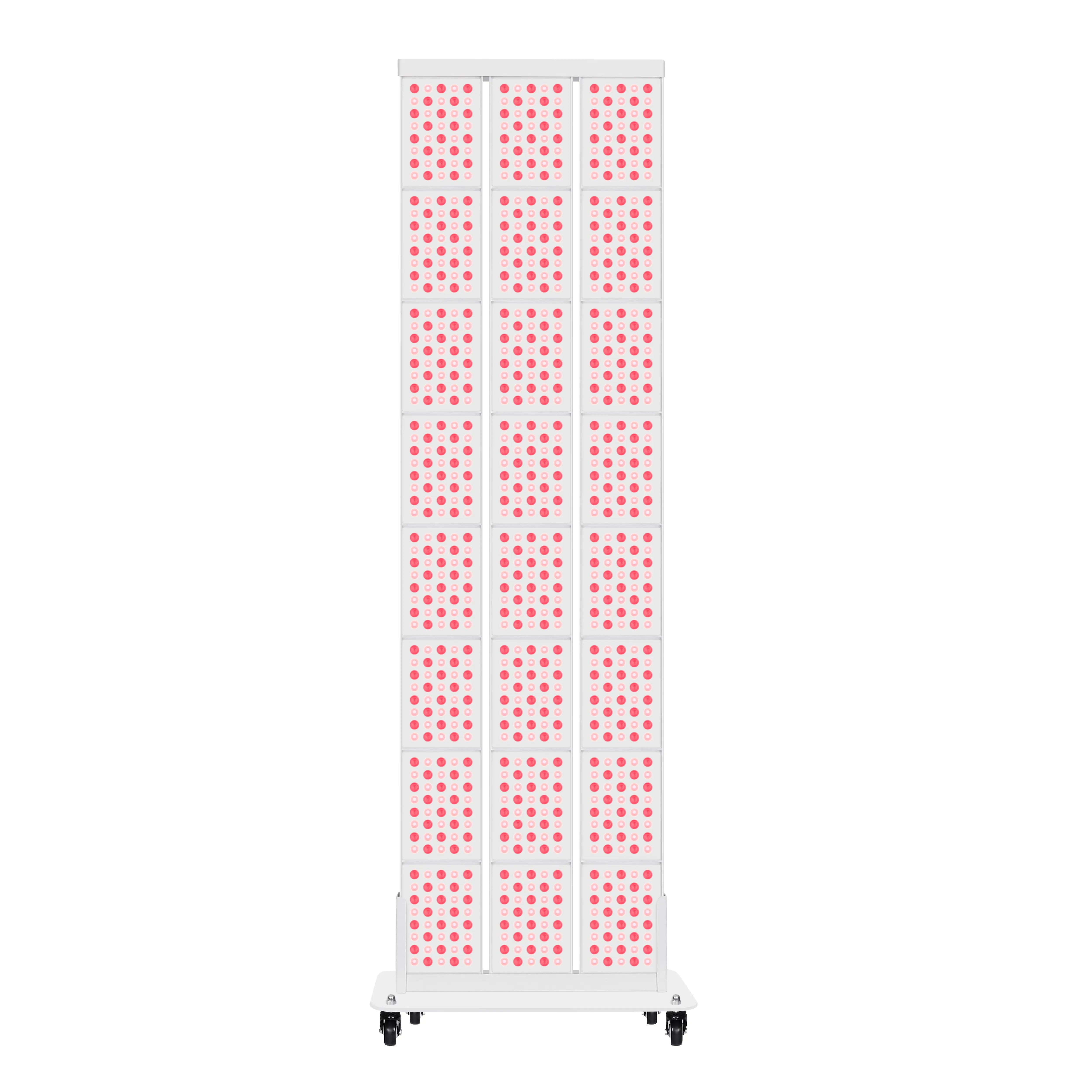
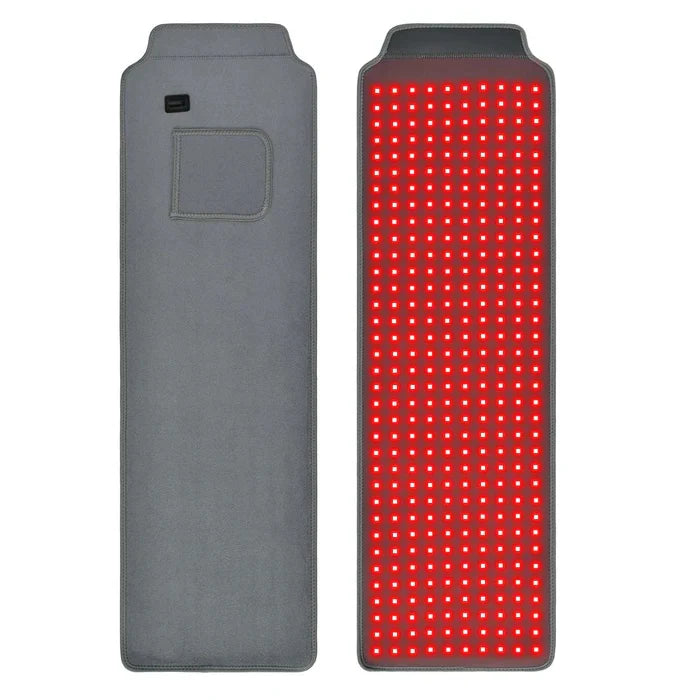
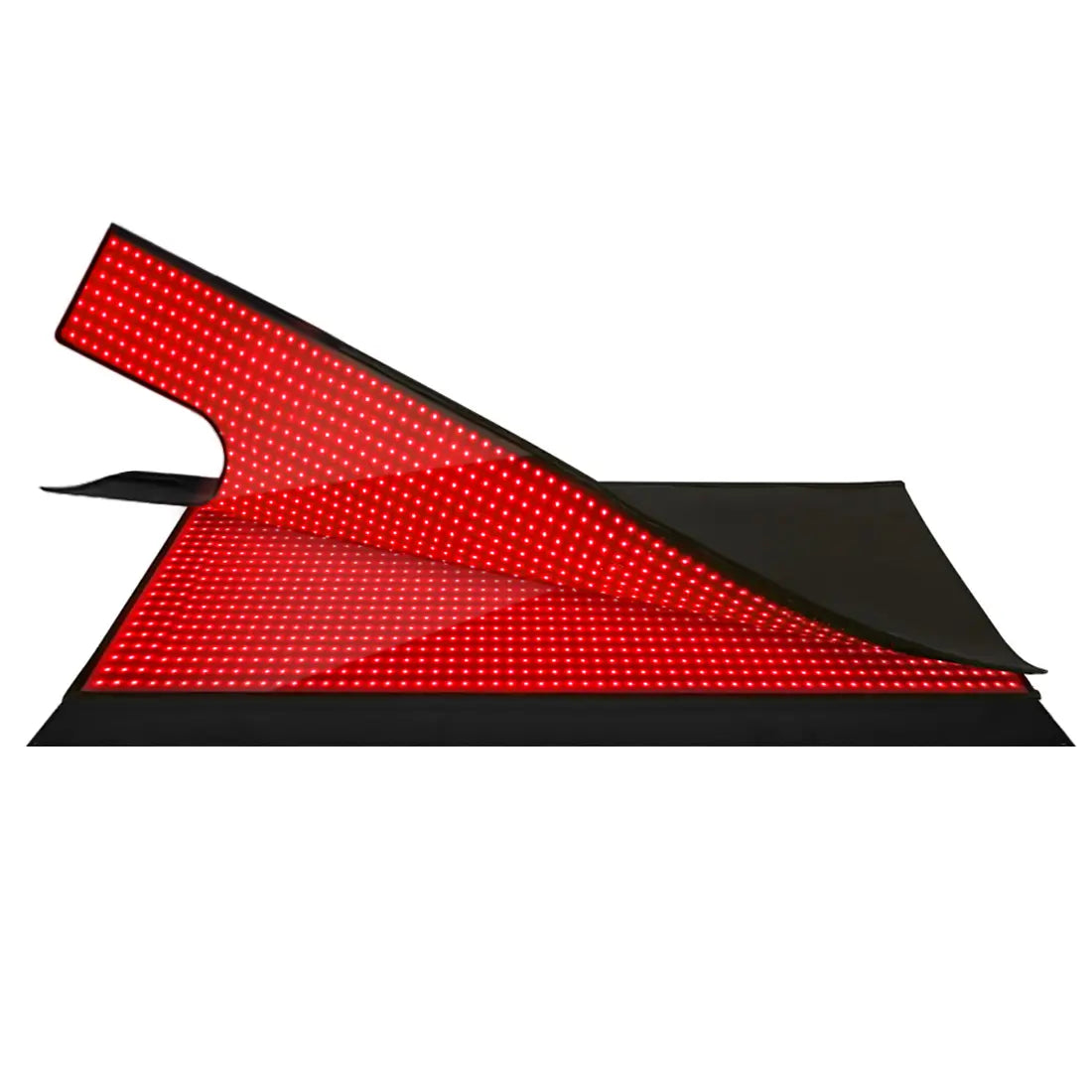
Longevity protocols prioritize systemic resilience over acute injury repair. This often involves a "whole-body" approach to stimulate the systemic pool of mitochondria, utilizing tools like a full body red light therapy mat or large-scale panels.
A standard longevity protocol typically utilizes moderate irradiance over a large surface area, delivered 3 to 5 times per week. This "maintenance dose" aims to keep cellular repair mechanisms primed. For localized support, such as the face or neck, a 60W red light therapy panel can provide targeted collagen support while contributing to the systemic mitochondrial pool.
| Protocol Type | Frequency | Duration | Primary Objective |
|---|---|---|---|
| Systemic Longevity | 3-5x per week | 15-20 minutes | Mitochondrial biogenesis support |
| Cognitive Support | Daily (Morning) | 10 minutes | Neuroprotection & circadian rhythm optimization |
| Metabolic Health | 4x per week | 15 minutes | Redox balance & insulin sensitivity support |
| Skin Resilience | 3x per week | 10 minutes | Collagen synthesis & DNA repair support |
Synergizing Energy: Methylene Blue and Red Light Therapy
An emerging frontier in longevity science is the synergy between methylene blue (MB) and RLT. Methylene blue acts as an alternative electron cycler, potentially bypassing "bottlenecks" in the electron transport chain [In Vitro Research].
CRITICAL SAFETY WARNING: The combination of MB and RLT is a potent metabolic intervention.
- Medical Supervision: Only use MB under the guidance of a licensed physician.
- Contraindications: MB is strictly contraindicated for individuals with G6PD deficiency (risk of hemolysis) or those taking SSRIs/MAOIs (risk of Serotonin Syndrome).
- Purity: Only pharmaceutical-grade (USP) methylene blue should be used; industrial grades contain heavy metals.
- Dosage: Typical experimental doses are very low (0.5–1.0 mg/kg); excessive doses can act as a pro-oxidant.
When used correctly, RLT activates CCO while MB supports electron supply, potentially "supercharging" the redox cycle. This is currently a subject of intense study for neurodegenerative resilience.
Navigating the Arndt-Schulz Law: Avoiding the Biphasic Pitfall
In photobiomodulation, "more" is not always "better." The Arndt-Schulz Law describes a biphasic dose-response: low levels of light stimulate, while excessively high levels can inhibit cellular processes [Established Principle].
Over-exposure may lead to an excess of reactive oxygen species (ROS). While small amounts of ROS act as signaling molecules for repair, excessive amounts cause oxidative stress. Adhering to comprehensive red light therapy protocols is essential to ensure the total energy delivered (Joules/cm²) remains within the therapeutic window.
Logic Summary: Doubling session time does not double the benefit and may negate it. Individual responses vary based on skin tone, age, and metabolic health.
Safety and Technical Benchmarks
As the industry matures, technical standards distinguish professional-grade equipment. The benchmark for safety is the IEC 60601-2-57 standard, which governs non-laser light source equipment for therapeutic use. This ensures consistent irradiance without harmful electromagnetic interference (EMF) or flickering.
When selecting a device, verify that it meets photobiomodulation safety standards. High-quality devices provide transparent data measured with laboratory-grade spectroradiometers. Low-EMF and flicker-free performance are vital for longevity, as chronic exposure to poor-quality light can disrupt the nervous system.
FAQ
How long does it take to observe longevity-related benefits? While some report immediate improvements in energy, structural benefits like increased mitochondrial biogenesis typically require consistent use over 8 to 12 weeks. This aligns with the biological rate of cellular turnover.
Can I use red light therapy every day? Daily use is generally considered safe if recommended dosage windows are respected. Many practitioners suggest a "5 days on, 2 days off" schedule to allow for cellular repair cycles and prevent biphasic inhibition.
Does RLT help with age-related muscle loss (sarcopenia)? [Preliminary Evidence] suggests RLT supports muscle health by increasing energy available for protein synthesis and reducing chronic inflammation. It is best used as a complement to resistance training.
Is 660nm or 850nm better for longevity? A combination is ideal. 660nm (Red) targets skin and superficial tissue, while 850nm (Near-Infrared) penetrates deeper into muscles, joints, and organs.
Are there contraindications? Individuals with active malignancies, epilepsy (if the device flickers), or those on photosensitizing medications (e.g., certain antibiotics or Retin-A) must consult a physician before use.
References
Government & Regulatory Standards
- IEC 60601-2-57 - Safety of non-laser light source equipment
- FDA Medical Device Classification - Photobiomodulation
Academic Research & Clinical Reviews
- Mitochondrial Biogenesis and PGC-1α: The Master Regulator (NCBI)
- Biphasic Dose Response in Photobiomodulation (The Arndt-Schulz Law)
- Methylene Blue as an Electron Cycler in Mitochondria (NCBI)
- Photobiomodulation and Mitochondrial Mechanisms (Clinical Review)
Industry & Technical Documentation
- World Association for photobiomodulation Therapy (WALT)
- YouLumi Photobiomodulation Technical Benchmarks