
Medical Disclaimer
IMPORTANT: The information provided in this article is for general informational purposes only and does not constitute professional medical advice, diagnosis, or treatment. Always seek the advice of your physician or other qualified health provider with any questions you may have regarding a medical condition. Never disregard professional medical advice or delay in seeking it because of something you have read here. Red light therapy is a complementary modality and should not replace standard medical care.
Summary
Red light therapy (RLT) may offer golfers a non-invasive, evidence-based method to help manage chronic lower back inflammation, improve spinal mobility, and support recovery from medial epicondylitis (golfer’s elbow). By utilizing specific wavelengths—660nm for surface-level circulation and 850nm for potential deep tissue repair—golfers may be able to maintain their swing velocity and reduce the physical "body load" associated with frequent rounds.
Key Takeaways
- Targeted Wavelengths: Research suggests using 660nm (red) pre-round to enhance blood flow and joint mobility, and 850nm (near-infrared) post-round for deeper muscle and tendon support.
- Systemic Recovery: Full-body mats are often preferred over small panels for golfers because they provide coverage for the entire "kinetic chain," addressing the ankles, hips, and spine simultaneously.
- Consistency and Dosage: For chronic conditions, a daily 10-15 minute protocol at an irradiance of 20-50 mW/cm² (measured at 6 inches from the device using a calibrated spectrometer) is commonly recommended in clinical literature to support collagen synthesis.
- Safety Standards: Ensure your device meets 2026 photobiomodulation standards for irradiance accuracy and low EMF to avoid "irradiance inflation" and ensure therapeutic potential.
The Science of the Swing: Why Golfers Are Adopting Advanced Recovery
The modern golf swing is a high-velocity, repetitive motion that places immense torque on the human body. From the explosive rotation of the thoracic spine to the stabilizing force required by the lead elbow, golf is a significant test of physical resilience. As we move into 2026, the "Longevity Bag"—a collection of recovery tools—has become a staple for serious players. At the heart of this kit is red light therapy, also known as photobiomodulation (PBM).
Photobiomodulation is thought to work at the cellular level by stimulating the mitochondria to produce more adenosine triphosphate (ATP). This increase in cellular energy may support the body’s natural healing processes, reduce oxidative stress, and modulate inflammation. For a golfer, this may translate to less stiffness on the first tee. A systematic review in Sports Medicine (2025) observed that elite athletes who integrate advanced recovery modalities like PBM may maintain higher swing velocities over multi-day tournaments compared to those using passive recovery alone.
Managing Lower Back Inflammation and Spinal Mobility
Lower back pain is a frequent concern among golfers, often resulting from the repetitive twisting motion of the swing. Red light therapy, particularly in the near-infrared (NIR) spectrum (850nm), is studied for its ability to penetrate muscle tissue. Some research models suggest it may reach deeper structures to help inhibit pro-inflammatory cytokines.
By potentially reducing inflammation in the paraspinal muscles, golfers may experience an improved range of motion. A 2025 study published in Frontiers in Integrative Neuroscience (PMID: 41710353) observed that consistent application of NIR light was associated with long-term analgesic effects for chronic back pain sufferers in the study group. When the lower back is less restricted by inflammation, the "X-factor"—the difference between shoulder turn and hip turn—may be more easily maximized.

Targeted Relief for Golfer’s Elbow (Medial Epicondylitis)
While back pain is often systemic, golfer’s elbow is a localized condition. Medial epicondylitis occurs when the tendons on the inside of the elbow face strain due to repetitive gripping and impact. Unlike tennis elbow, golfer's elbow requires a protocol that targets the medial tendons.
For effective application, a combination of 660nm and 850nm light is often used. The 660nm red light is intended to stimulate blood flow to surface-level tissues, while the 850nm NIR light may penetrate deeper to support the tendon-to-bone attachment. In several clinical observations, a 10-minute daily protocol at an irradiance of 20-50 mW/cm² (at a 6-inch distance) has been associated with reduced pain scores in athletes with chronic tendonitis.
Logic Summary: This protocol is based on common clinical parameters for tendon repair. If using a lower-powered device, treatment times may need to be adjusted. This approach is generally most effective when integrated at the first sign of discomfort rather than waiting for a severe flare-up.
Pre-Round Mobility vs. Post-Round Repair: A Dual Protocol
For the 2026 golfer, recovery is often divided into two distinct phases: pre-round activation and post-round restoration.
Pre-Round: The Mobility Phase
Before heading to the range, a short 5-10 minute session using primarily 660nm red light may act as a "thermal-free" warm-up. By potentially increasing local blood circulation, RLT may help reduce joint viscosity in the hips and shoulders. A systematic review in PubMed (2025, PMID: 40205065) demonstrated that PBM applied before exercise may delay the onset of muscle fatigue, potentially allowing for more consistent ball-striking.
Post-Round: The Repair Phase
After the round, the focus typically shifts to 850nm NIR light. A longer 15-20 minute session is often used to support deep tissue repair and systemic inflammation reduction. This phase is intended to help the body manage the metabolic byproducts that accumulate after hours of physical exertion.

Why Full-Body Mats Are Often Preferred for the Kinetic Chain
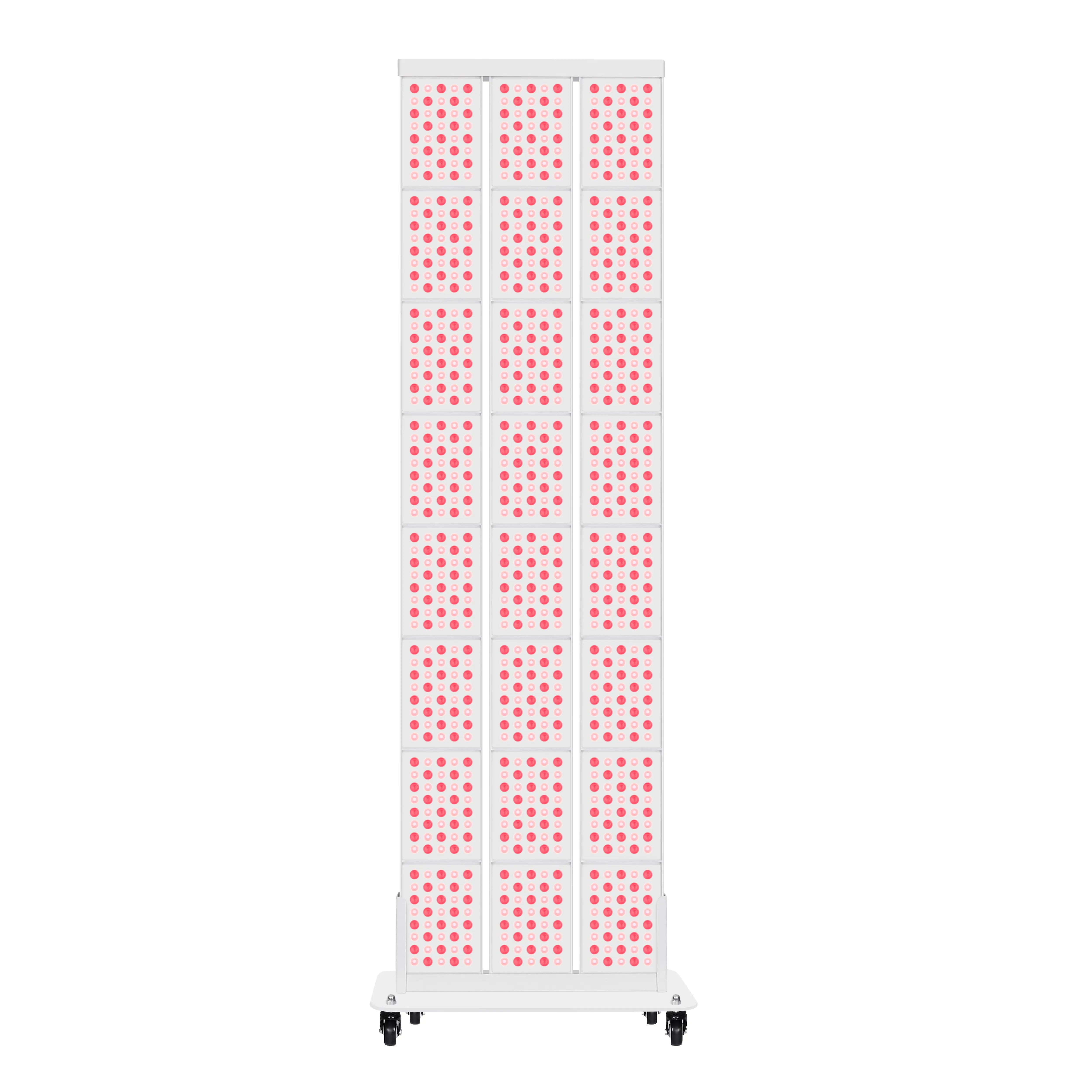
While small panels are useful for targeted issues like a wrist, they may not fully address the "Kinetic Chain" of the golfer. A golf swing involves the entire body—from the feet through the ankles, knees, hips, spine, and arms.
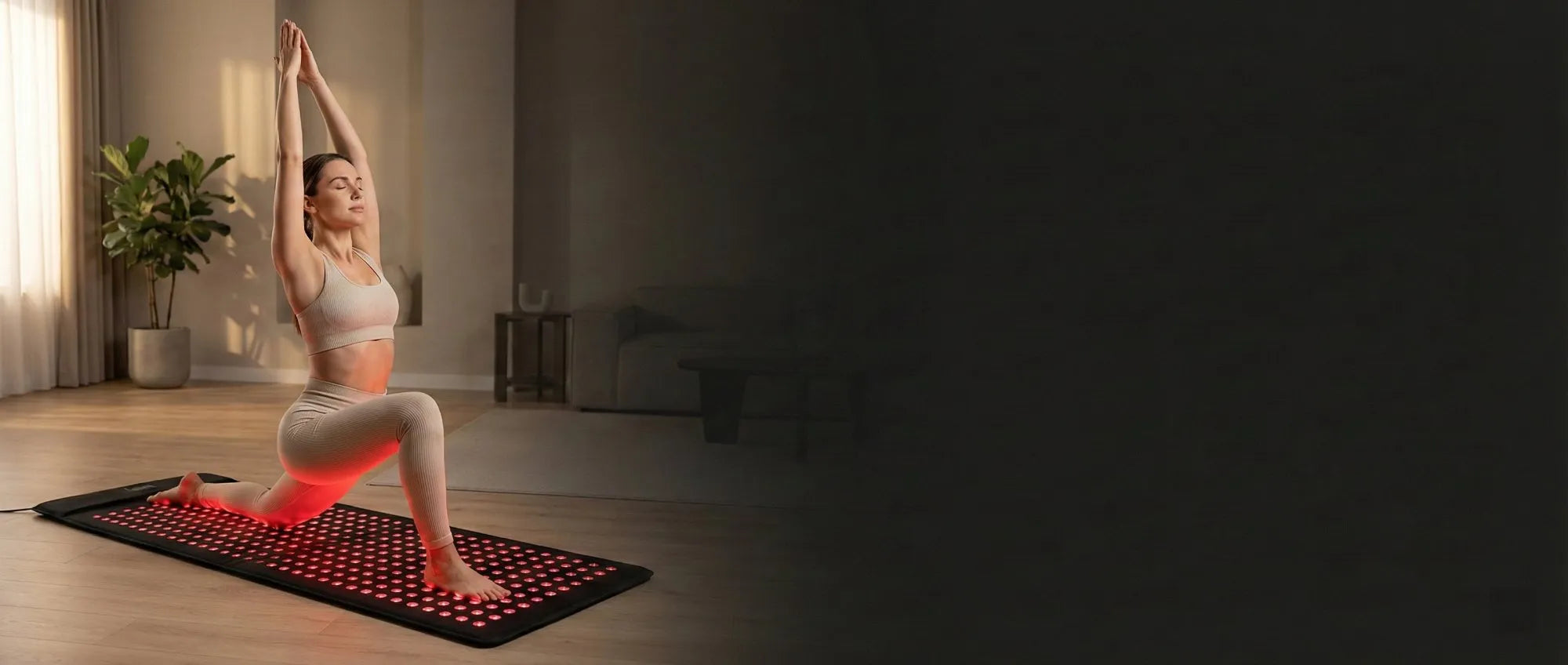
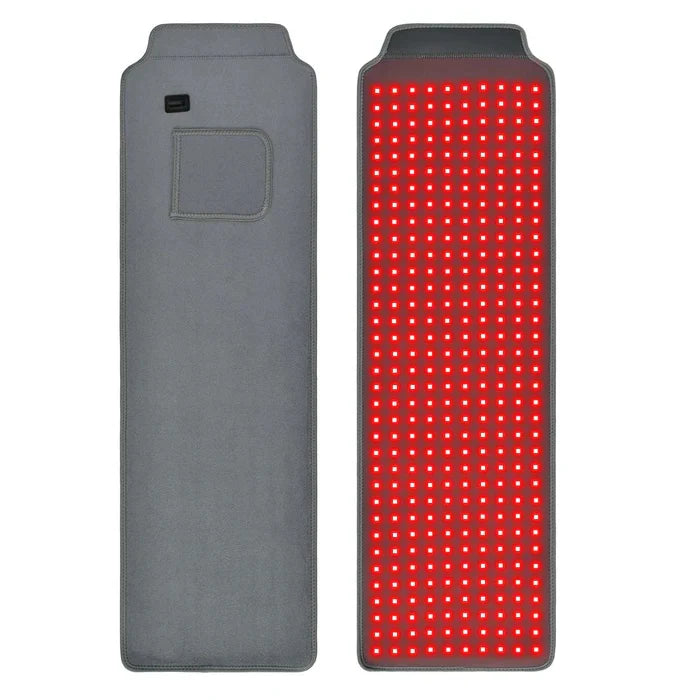
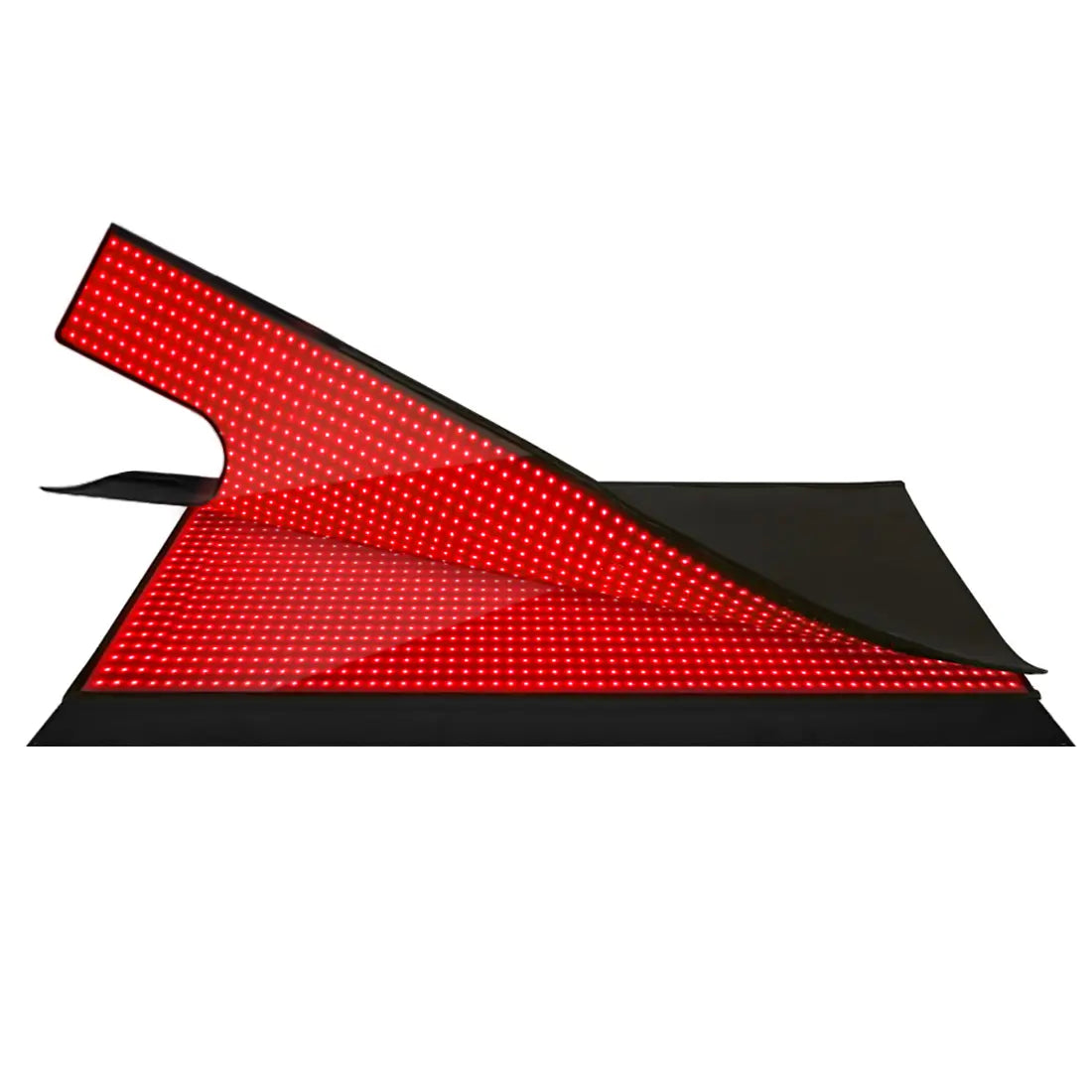
Full-body mats allow for a supine treatment that ensures the entire spinal column receives consistent NIR light. This is often more difficult to achieve evenly with a stationary panel, which may leave "shadow zones." Furthermore, lying on a mat for 20 minutes may facilitate a shift from the Sympathetic (fight/flight) nervous system to the Parasympathetic (rest/digest) state, supporting mental recovery.
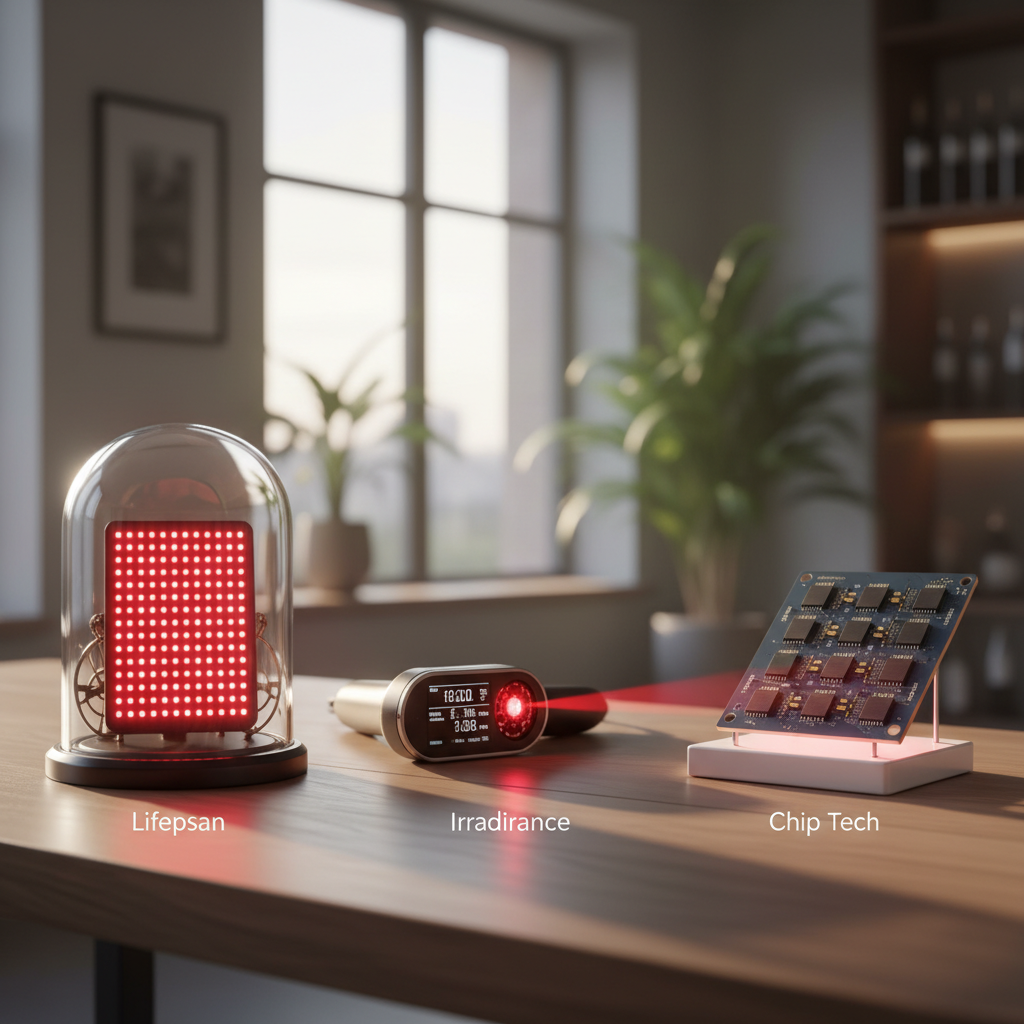
When choosing a device, it is important to look for safety standards for red light therapy devices to ensure you are receiving the intended dosage. Authoritative guides on photobiomodulation standards provide analysis of irradiance measurement methodologies, helping users identify devices with verified specifications.
Logic Summary: The "Kinetic Chain Argument" is based on the principle of systemic longevity. While a mat represents a higher initial investment, its ability to provide a systemic response may offer better long-term value for golfers seeking comprehensive recovery compared to multiple targeted devices.
Who Should Avoid Red Light Therapy? (Contraindications)
While PBM is generally considered a low-risk modality, it is not suitable for everyone.
- Contraindications: Do not use RLT over active localized cancer, during pregnancy (due to a lack of long-term safety data), or if you have a diagnosed light-sensitivity disorder.
- Medications: Consult your doctor if you are taking photosensitizing medications (e.g., certain antibiotics, tetracycline, or some NSAIDs).
- Adverse Reactions: Though rare, some users may experience temporary skin redness, mild headaches, or eye strain if the light is too bright. Discontinue use and consult a professional if these symptoms persist.
Decision Framework: Choosing Your Recovery Device
Use the following table to identify which RLT setup may best fit your primary goals.
| Goal | Recommended Device | Primary Wavelength | Frequency |
|---|---|---|---|
| Chronic Back Pain | Full-Body Mat | 850nm (NIR) | Daily (15-20 mins) |
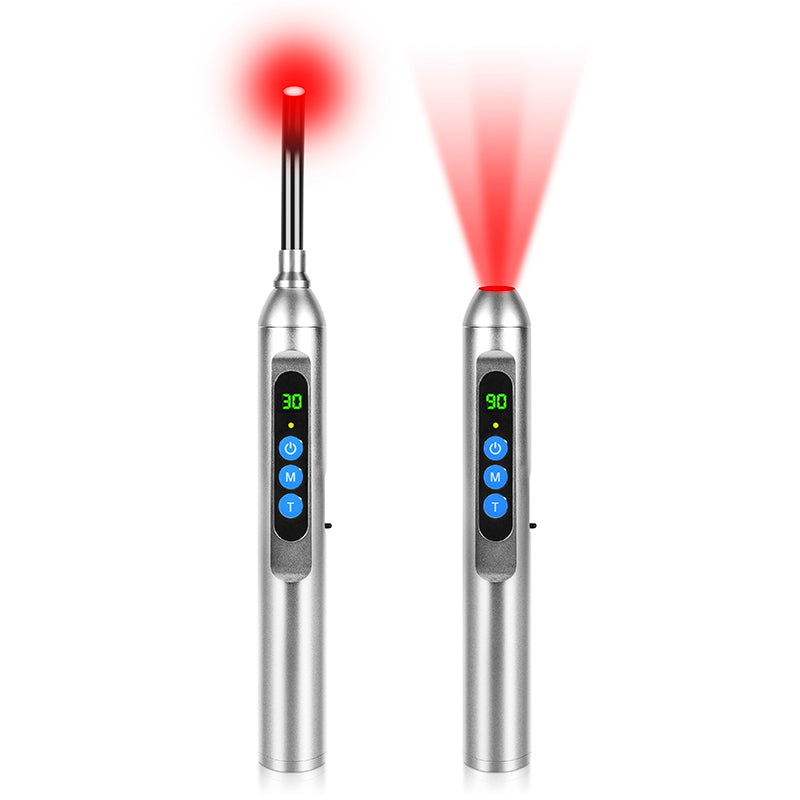
| Golfer's Elbow | Targeted Panel/Wrap | 660nm + 850nm | Daily (10 mins) |
| Pre-Round Warmup | Portable Panel | 660nm (Red) | Pre-Round (5 mins) |
| Systemic Longevity | Full-Body Mat | Dual Spectrum | 4-5x Weekly |
| Travel/Tournaments | Wearable Wrap | 850nm (NIR) | Post-Round |
The Golfer's RLT Checklist:
- Verify Irradiance: Ensure the device provides at least 50 mW/cm² at the intended treatment distance (e.g., 6 inches) for deep tissue work.
- Check for EMF Safety: Low EMF levels are preferred to ensure no interference with cellular processes.
- Wavelength Precision: Look for narrow-band LEDs (typically ±5nm) to ensure the light falls within the therapeutic window.
- Ease of Use: Consistency is the most important factor for results; choose a device that fits easily into your daily routine.
FAQ
How soon before a round should I use red light therapy? For potential improvements in mobility, users often report best results when using RLT approximately 30 to 60 minutes before a tee time. A short session focused on the shoulders and lower back may help reduce initial stiffness.
Can red light therapy help with my golf swing speed? There is no direct evidence that RLT increases swing speed. However, by potentially reducing inflammation in the spine and improving joint mobility, you may be able to achieve a fuller rotation, which is a key component of generating clubhead speed.
Is red light therapy safe to use every day? Red light therapy is generally considered safe for daily use in healthy individuals when following manufacturer guidelines. However, it is important to avoid "over-dosing," as the Arndt-Schulz Law suggests there is an optimal "sweet spot" where excessive light may diminish the potential benefits.
Should I use red or near-infrared light for my golfer's elbow? For golfer's elbow, a combination is often recommended. Red light (660nm) is typically used for surface-level circulation, while near-infrared light (850nm) is intended to reach the deeper tendons and the bone-tendon interface.
How long does it take to see results for chronic back pain? While some report a temporary reduction in stiffness after one session, some studies suggest that chronic conditions may require a consistent protocol of 3-4 weeks to observe cumulative effects. Consistency (e.g., 15 minutes daily) is generally more effective than infrequent, longer sessions.
Do I need to wear eye protection while using a red light mat? While many studies suggest RLT is safe for the eyes at appropriate distances, the brightness of high-irradiance LEDs can be uncomfortable. If your eyes are in the direct path of the light, eye protection is recommended.
References
Government / Standards / Regulators
- IEC 60601-2-57:2026: Medical electrical equipment - Safety requirements for non-laser light source equipment for therapeutic use.
- IEEE 1789-2015: Recommended Practices for Modulating Current in High-Brightness LEDs for Mitigating Health Risks.
Industry Associations / Research Institutes
- Springer (2026): "Photobiomodulation therapy in musculoskeletal rehabilitation: A Systematic Review." DOI: 10.1007/s11332-026-01694-w. (Evidence Level: Systematic Review)
- Sports Medicine (2025): "Recovery for Professional and Elite Amateur Golfers: A Systematic Review of Modalities and Efficacy." (Evidence Level: Systematic Review)
Academic / Whitepapers / Labs
- PubMed (2025): "A systematic review and meta-analysis of the acute effects of photobiomodulation therapy on muscle endurance." PMID: 40205065. (Evidence Level: Meta-Analysis)
- Frontiers in Integrative Neuroscience (2025): "Photobiomodulation in chronic pain: a systematic review of analgesic mechanisms and clinical outcomes." PMID: 41710353. (Evidence Level: Systematic Review)
- Youlumi Whitepaper (2026): "Photobiomodulation Standards: Irradiance, EMF, and Safety." (Technical Methodology Report)