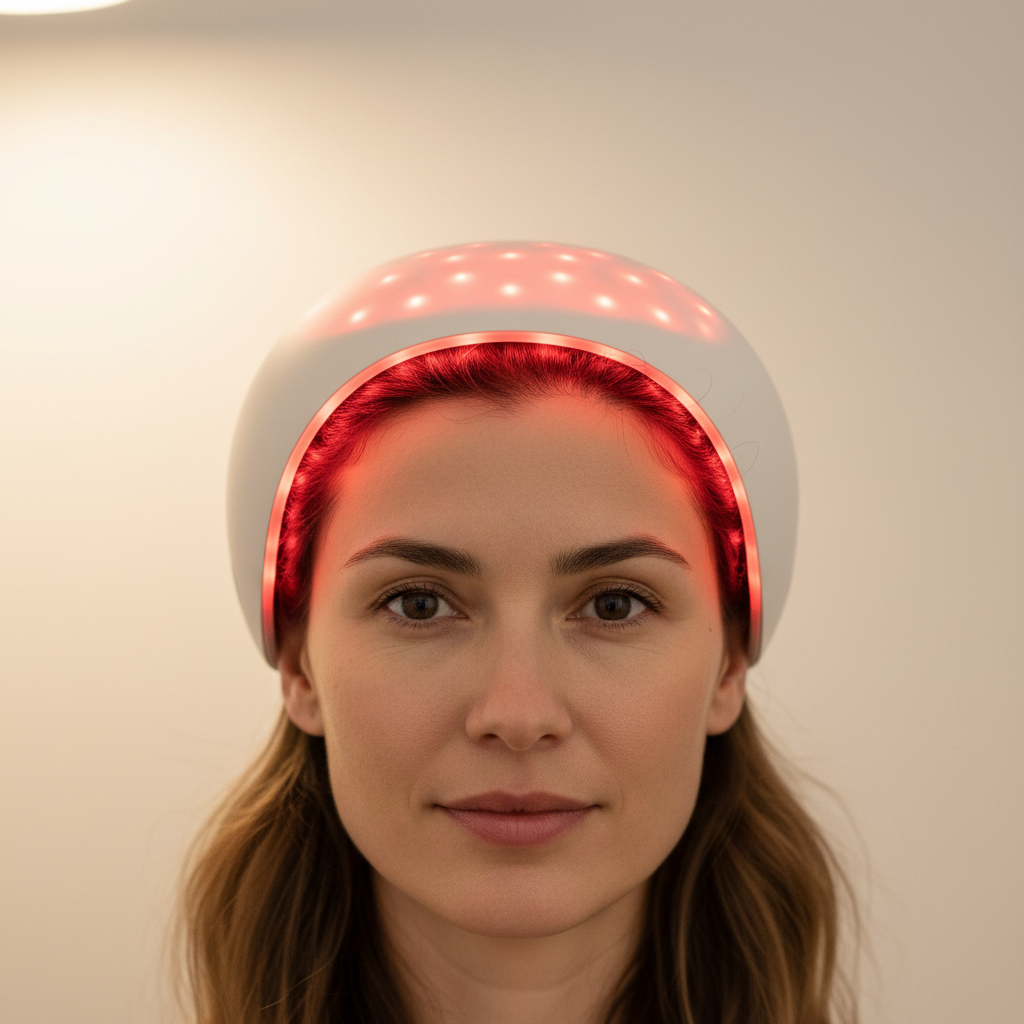
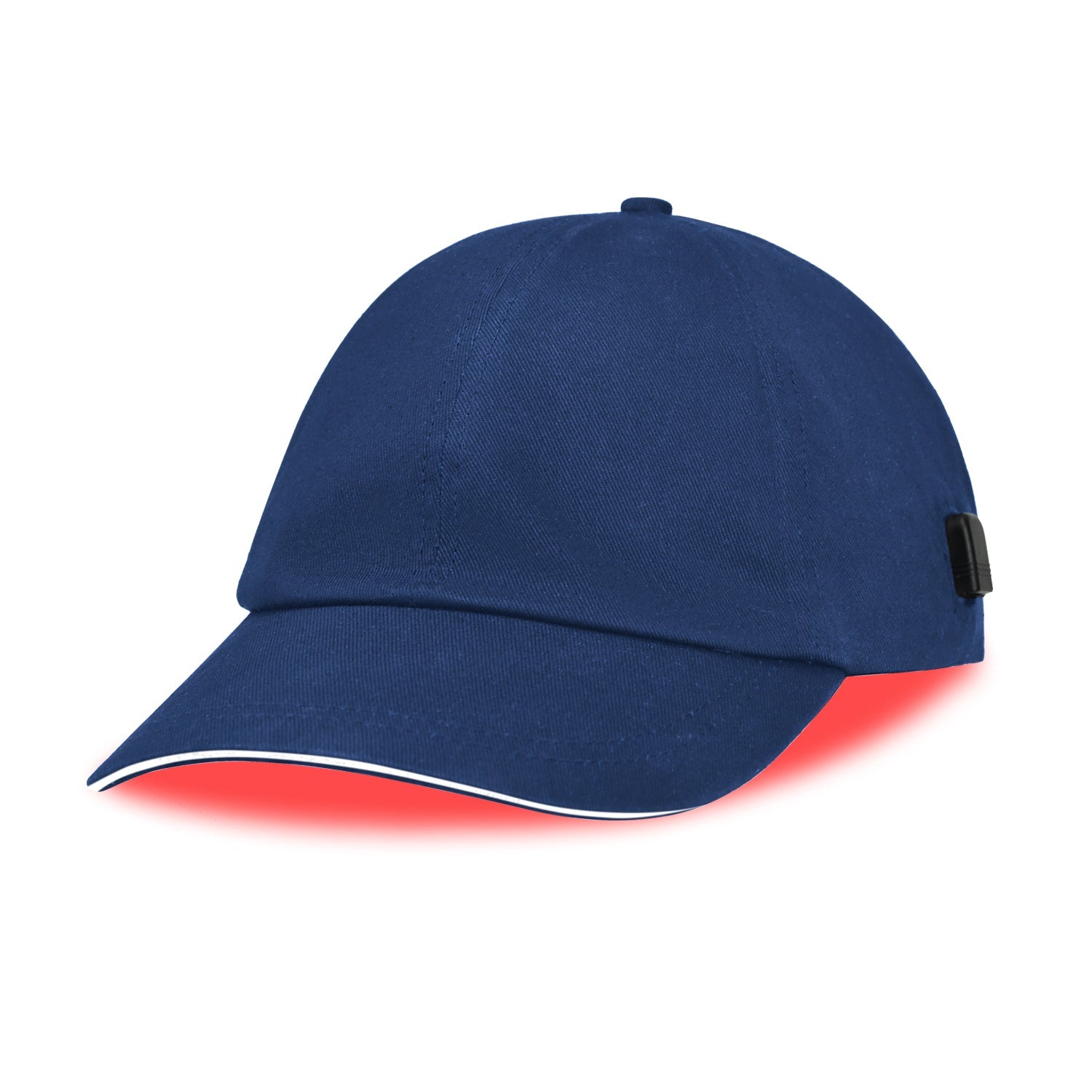
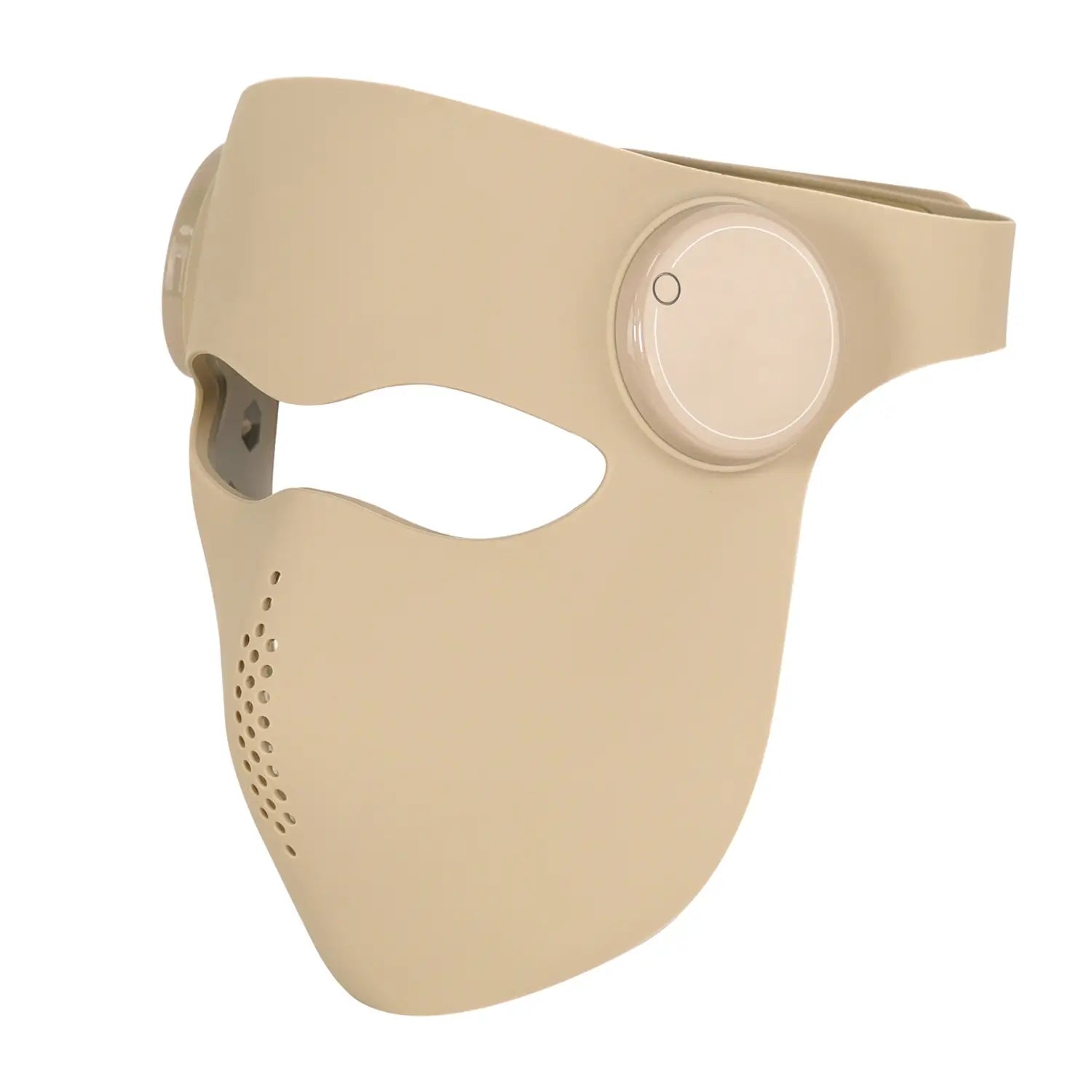
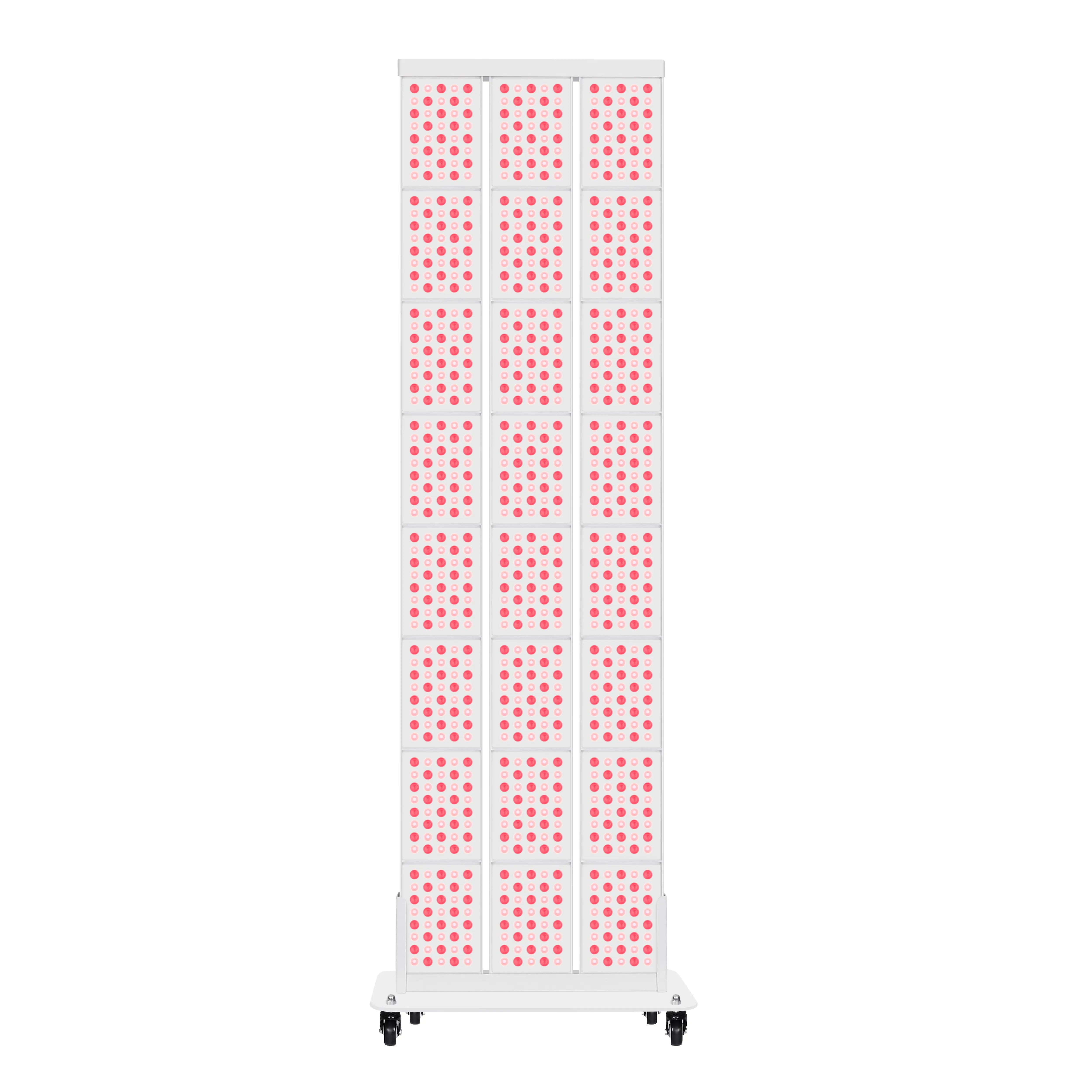
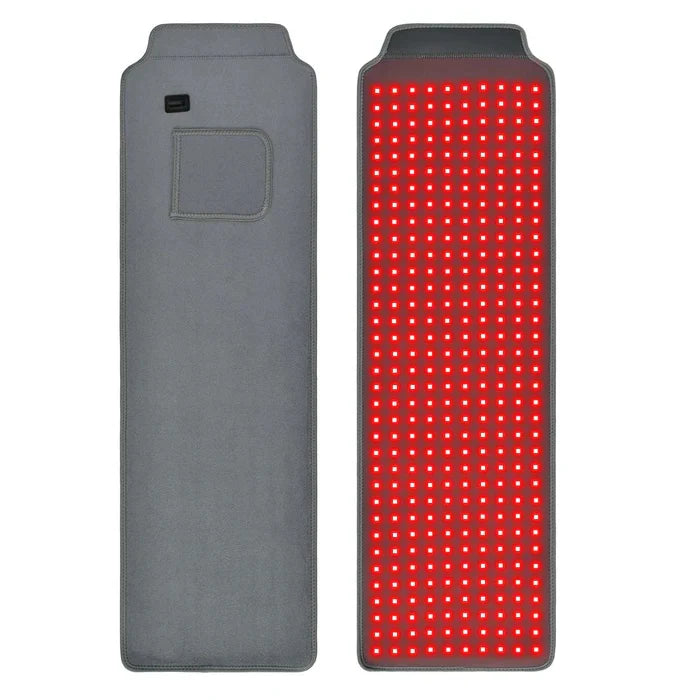
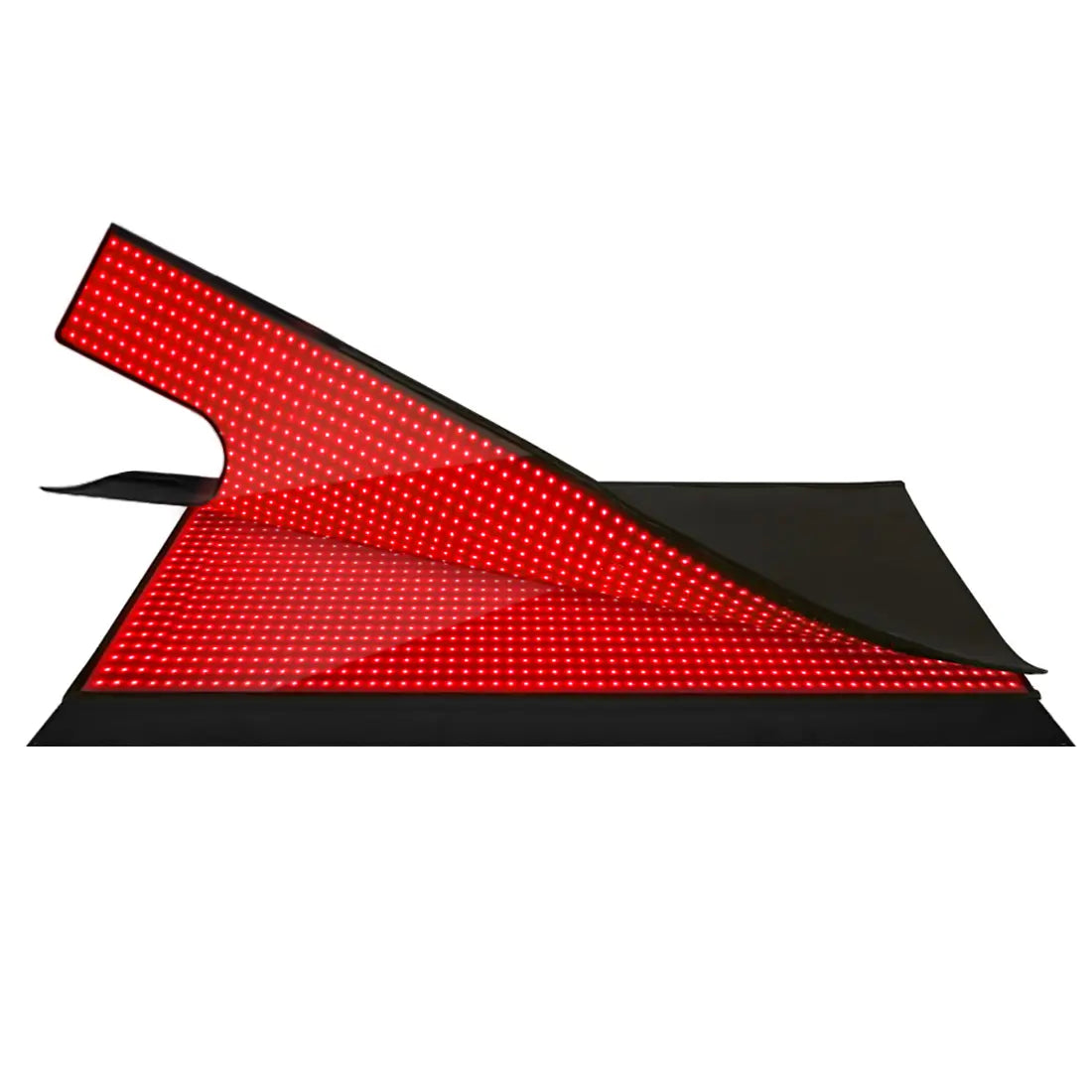
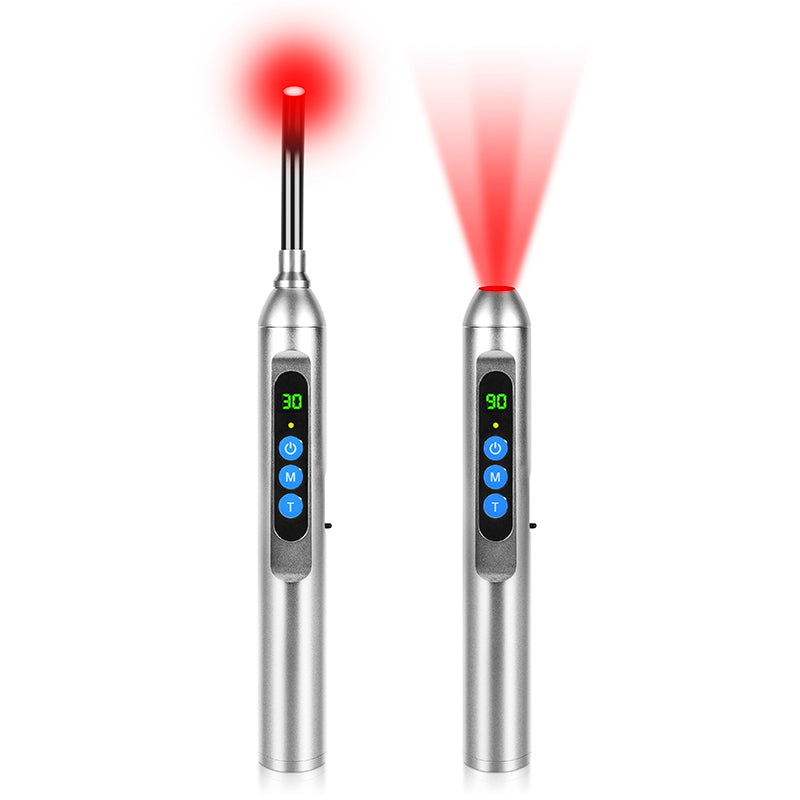

Chronic inflammation contributes to many common conditions including joint pain, arthritis flare-ups, and neuropathy. Red light therapy, also known as photobiomodulation, is being studied as a potential non-invasive supportive option that may help modulate inflammatory responses at the cellular level when used consistently as part of a broader management plan.
This pillar guide explains the current understanding of how red light therapy interacts with inflammation, where evidence is strongest, what realistic protocols look like, and how to evaluate devices and expectations without overpromising results. Outcomes depend heavily on the individual, the specific condition, device quality, and consistent use. Red light therapy is not a cure and should not replace professional medical care.
How Red Light Therapy May Influence Inflammation
Photobiomodulation uses specific wavelengths of red and near-infrared light that can reach different tissue depths. The primary mechanism discussed in research involves light absorption by mitochondria, which may influence cellular energy production and downstream signaling pathways related to inflammation.
Studies suggest this interaction can affect the production of certain inflammatory mediators, potentially supporting a shift toward reduced oxidative stress in some experimental models. However, human outcomes vary widely, and the evidence remains evolving rather than conclusive for most chronic conditions.
As this review of photobiomodulation mechanisms notes, the biological effects are dose-dependent and context-specific. Claims of curing inflammation or autoimmune conditions exceed the current evidence base.
Common Myths About Red Light Therapy for Inflammation
Several overstated claims circulate online. One frequent myth is that red light therapy cures arthritis or systemic inflammation. In reality, it may help modulate inflammatory responses in some settings, but current evidence does not support cure or disease-modifying claims.
Another myth suggests rapid, universal relief for everyone. Response times and degree of benefit appear to depend on the condition, device parameters, individual factors, and consistent application over weeks rather than days.
The idea that any red light device or generic protocol will produce identical results is also misleading. Protocols must be individualized because irradiance, wavelength combination, treatment distance, and session parameters vary significantly across devices.
Does Red Light Therapy Help With Arthritis, Knee Pain, or Neuropathy?
Research has evaluated photobiomodulation for knee osteoarthritis and related musculoskeletal pain. Some trials report improvements in pain and function scores, but results are not uniform and study quality varies.
For knee pain specifically, red light therapy has been studied more frequently than for other joints, making it a relatively common exploratory option. Arthritis in general and neuropathy have fewer high-quality studies, so expectations should remain modest and individualized.
This systematic review on photobiomodulation for knee osteoarthritis illustrates the range of findings. Red light therapy is best viewed as a possible adjunct rather than a primary treatment.
Important safety boundary: This article discusses comfort and supportive use only. It does not constitute medical advice, diagnosis, or treatment. If you have persistent discomfort, existing eye conditions, arthritis, neuropathy, or other health concerns, consult qualified healthcare professionals before starting any new therapy.
Realistic Protocols and Settings for Inflammation and Pain
There is no universal protocol. Settings depend on the device, target tissue depth, and individual response. Common parameters discussed in literature include wavelengths around 660 nm (red) for shallower tissues and 850 nm (near-infrared) for deeper penetration.
A key metric is delivered fluence, often discussed in Joules per square centimeter (J/cm²) at the tissue surface. Conservative modeling from technical standards suggests doses below 10 J/cm² may be too low to produce noticeable effects in many cases, while the 10–60 J/cm² range is frequently cited as a plausible exploratory window. Doses significantly above 60 J/cm² may enter a zone of diminishing returns according to the Arndt-Schulz principle referenced in photobiomodulation literature.
Session duration typically ranges from 5 to 20 minutes per area depending on device irradiance. Frequency often starts at 3–5 times per week, with some users testing daily use during flare-ups before tapering. Treatment time to assess response is commonly 4–8 weeks of consistent application.
Always follow your specific device's guidelines and start conservatively. Track subjective changes in stiffness, pain levels during activity, and sleep quality rather than expecting immediate dramatic shifts.
Illustrative Dose Window and Scenario Fit
Illustrative Dose Window and Scenario Fit for Red Light Therapy
Illustrative, not clinical measurement: relative fit across dose windows and use cases based on bounded threshold logic.
View chart data
| Category | Knee pain / knee OA | Arthritis | Neuropathy | General / universal use |
|---|---|---|---|---|
| 0–10 J/cm² | 1.0 | 1.0 | 0.0 | |
| 10–60 J/cm² | 2.0 | 2.0 | 1.0 | |
| >60 J/cm² | 1.0 | 1.0 | 1.0 | |
| Item 4 | 0.0 | 0.0 | 0.0 |
Illustrative scoring only. Built from internal threshold notes: doses below 10 J/cm² are often too low, 10–60 J/cm² is the plausible window, and above 60 J/cm² warrants caution due to diminishing returns. Scenario fit is also bounded by the provided matrix: knee OA is more reasonable, neuropathy is more cautious, and universal claims are too broad. Wavelength context (660 nm vs 850 nm) is noted in the article but not plotted as measured superiority.
The chart above is illustrative only and uses relative scoring to show plausible dose windows and scenario differences. It is not clinical data. Knee and arthritis scenarios show relatively stronger alignment with the mid-range window in this model, while neuropathy remains more cautious. Universal use across all inflammation types is not supported.
How to Choose a Clinically Oriented Device
Look for devices that provide transparent irradiance measurements using proper laboratory methods rather than solar meters. Wavelength accuracy, low EMF, and flicker control are additional technical considerations covered in photobiomodulation standards.
Treatment area size, portability for consistent home use, and ease of positioning for knees or other joints matter for long-term adherence. Check whether the device allows adjustment of parameters or provides clear dosing guidance.
Compare specifications against the plausible window discussed earlier rather than marketing claims alone. This photobiomodulation standards guide offers detailed benchmarks for irradiance, safety, and dosage calculations.
Integrating Red Light Therapy Into a Chronic Pain Management Plan
Red light therapy fits best as one component of a comprehensive approach that may include appropriate movement, physical therapy, nutrition, stress management, and prescribed treatments when needed.
During flare-ups, some users apply targeted sessions to affected areas in the evening as part of a wind-down routine. Post-activity recovery sessions may help reduce perceived stiffness after exercise or prolonged standing.
Track progress using simple metrics such as morning stiffness duration, ability to walk farther without discomfort, or reduced reliance on certain pain relief methods (under medical guidance). If no subjective changes appear after 6–8 weeks of consistent use, reassess the protocol or device fit with a healthcare provider.
Who should approach with extra caution: Individuals seeking a standalone solution, those expecting rapid or guaranteed results, or anyone hoping to discontinue prescribed treatments without medical supervision. Red light therapy is more appropriate when the user accepts gradual, variable outcomes and is already engaged in proper medical management.
What Results Are Realistic and What Affects Outcomes
Realistic expectations include modest reductions in perceived pain or stiffness for some users rather than complete resolution. Timeline to noticeable changes often spans several weeks of regular use. Factors that influence outcomes include the specific condition severity, tissue depth, device irradiance at the target distance, session consistency, overall health, age, and concurrent therapies.
Individual biological variability means some people report little to no change while others describe better tolerance of daily activities. This variability underscores why red light therapy should remain one supportive tool rather than the central intervention.
For more on technical requirements, refer to the photobiomodulation standards on irradiance and safety.
If you are exploring red light therapy for joint pain or inflammation, begin with a clear understanding of your specific symptoms and consult healthcare professionals to ensure it aligns with your overall care plan. Consistent application using appropriate parameters offers the best chance of observing whether it provides meaningful support in your situation.


When comparing options, consider how different wavelengths and power densities align with your target areas. Red light therapy may complement other non-drug approaches, but results cannot be guaranteed and will vary.
For related reading on device selection and safety, explore our guide to choosing the right red light therapy parameters. If you manage knee discomfort, see practical tips in our knee pain recovery routines. Those interested in broader recovery tools may also review muscle recovery with photobiomodulation.