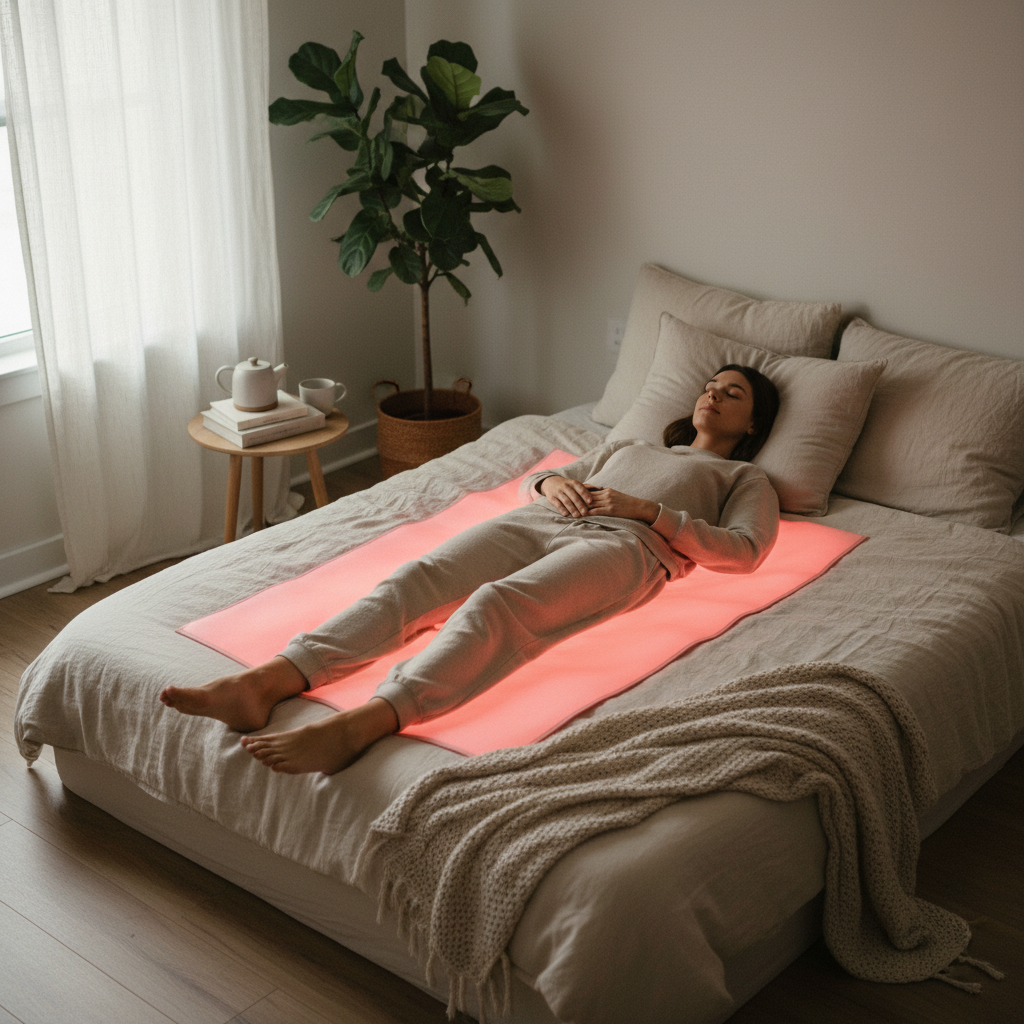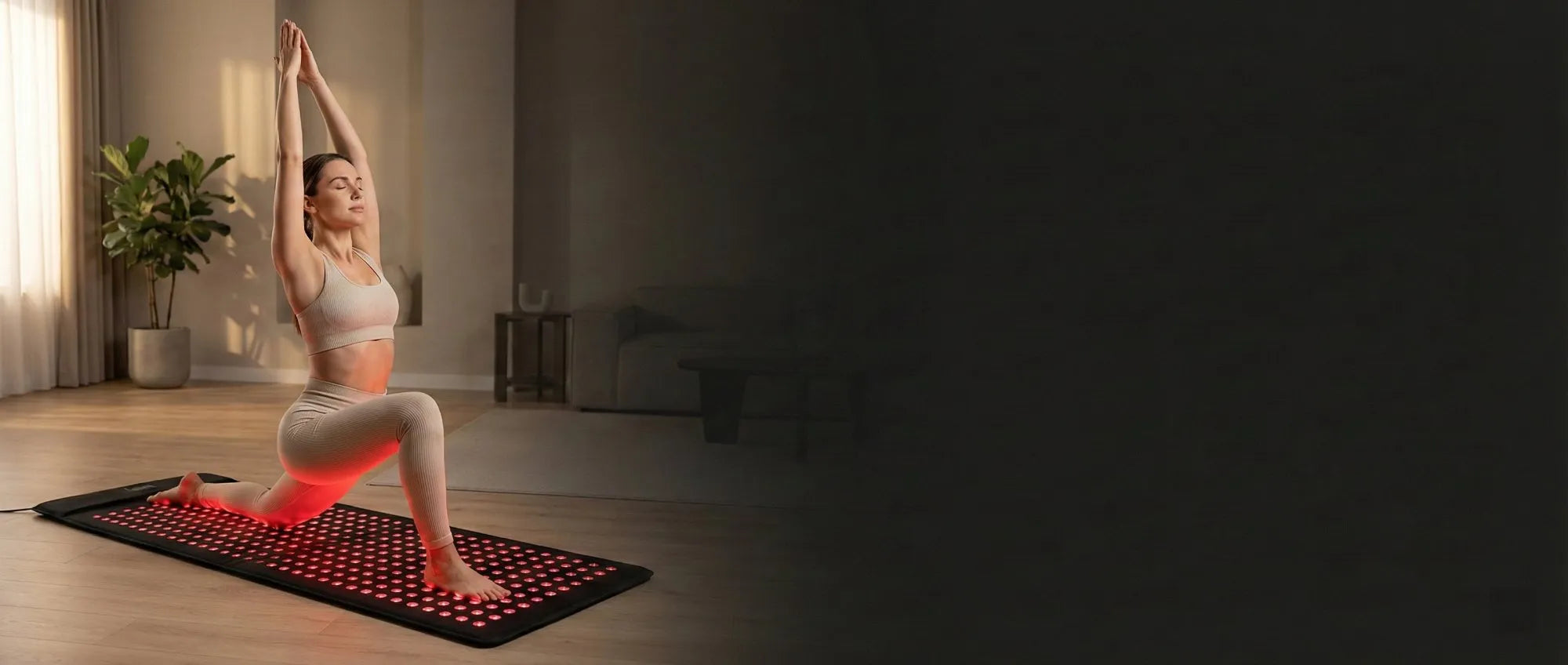
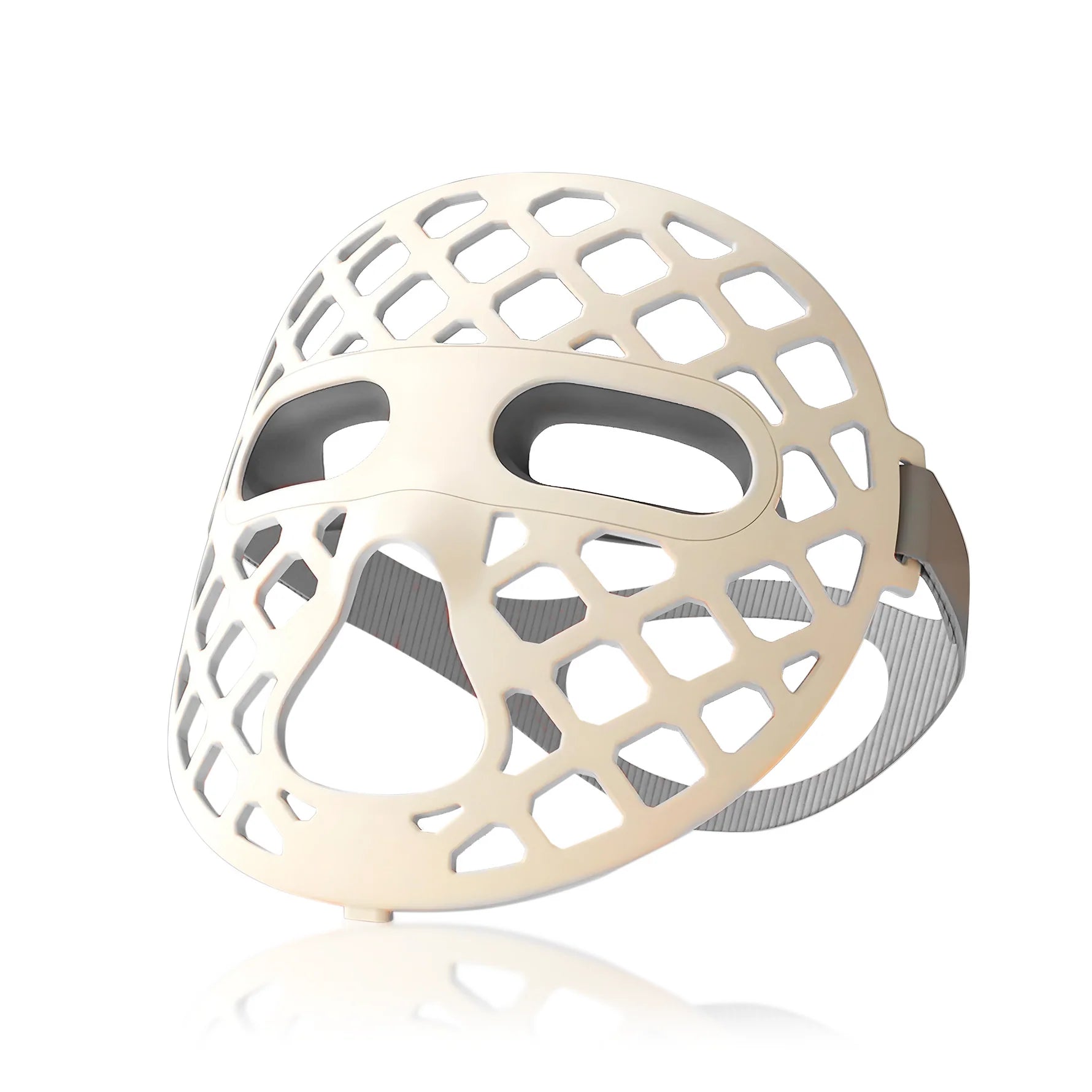
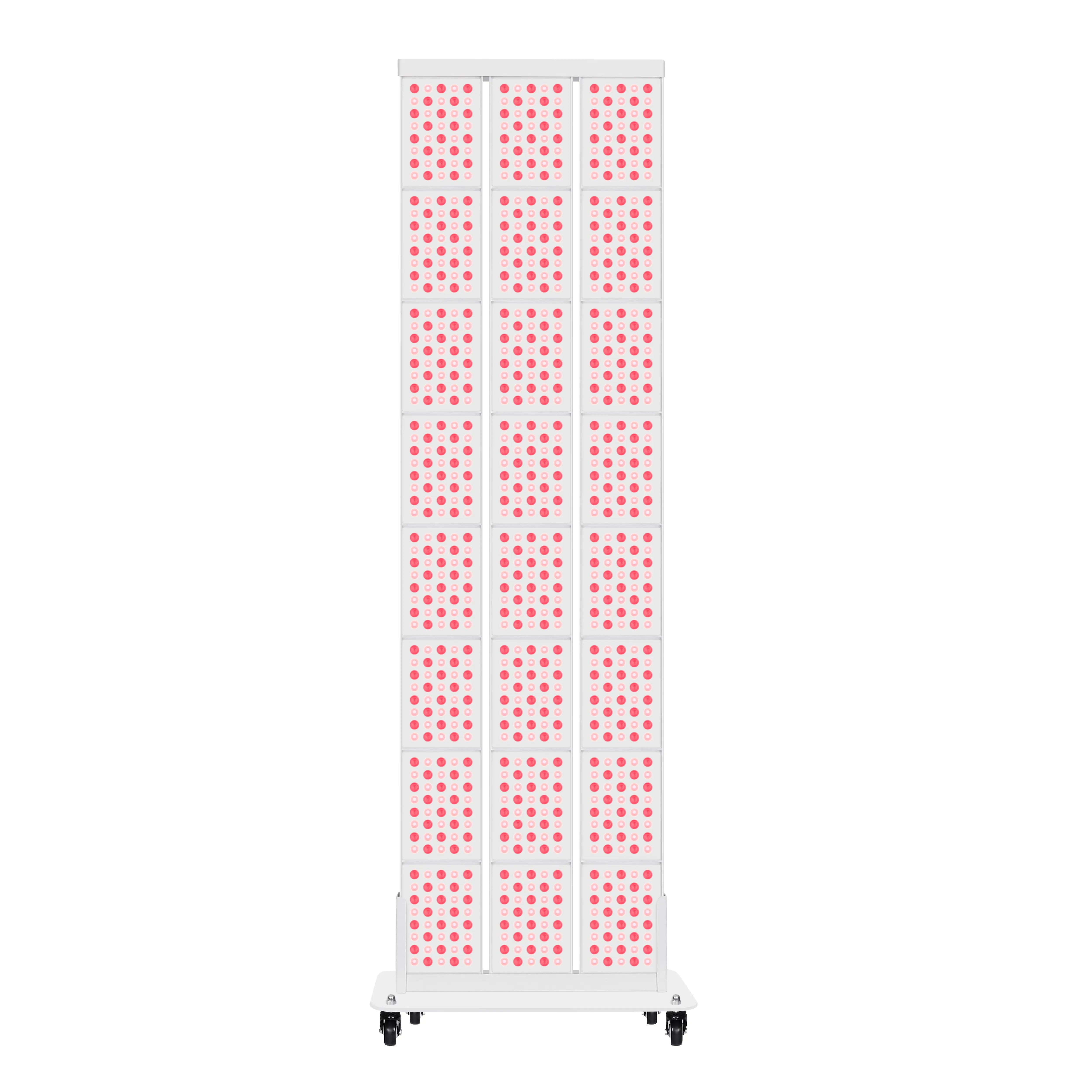
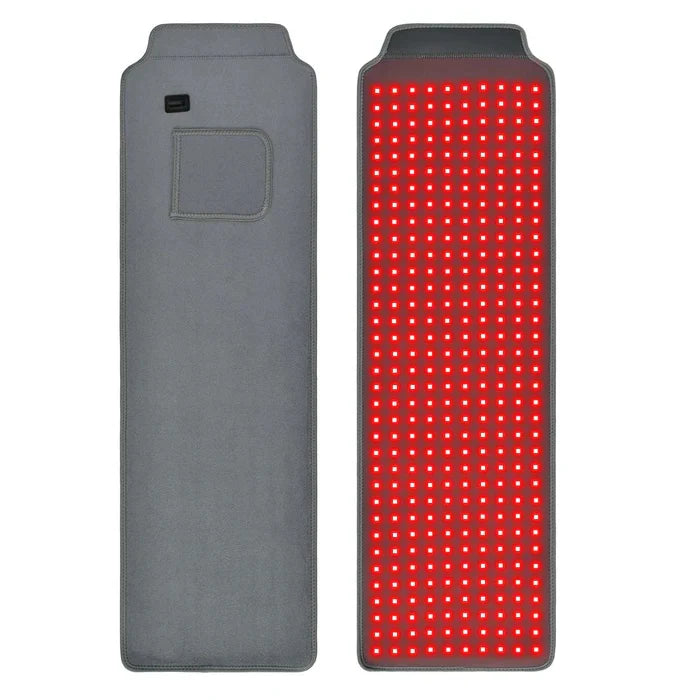
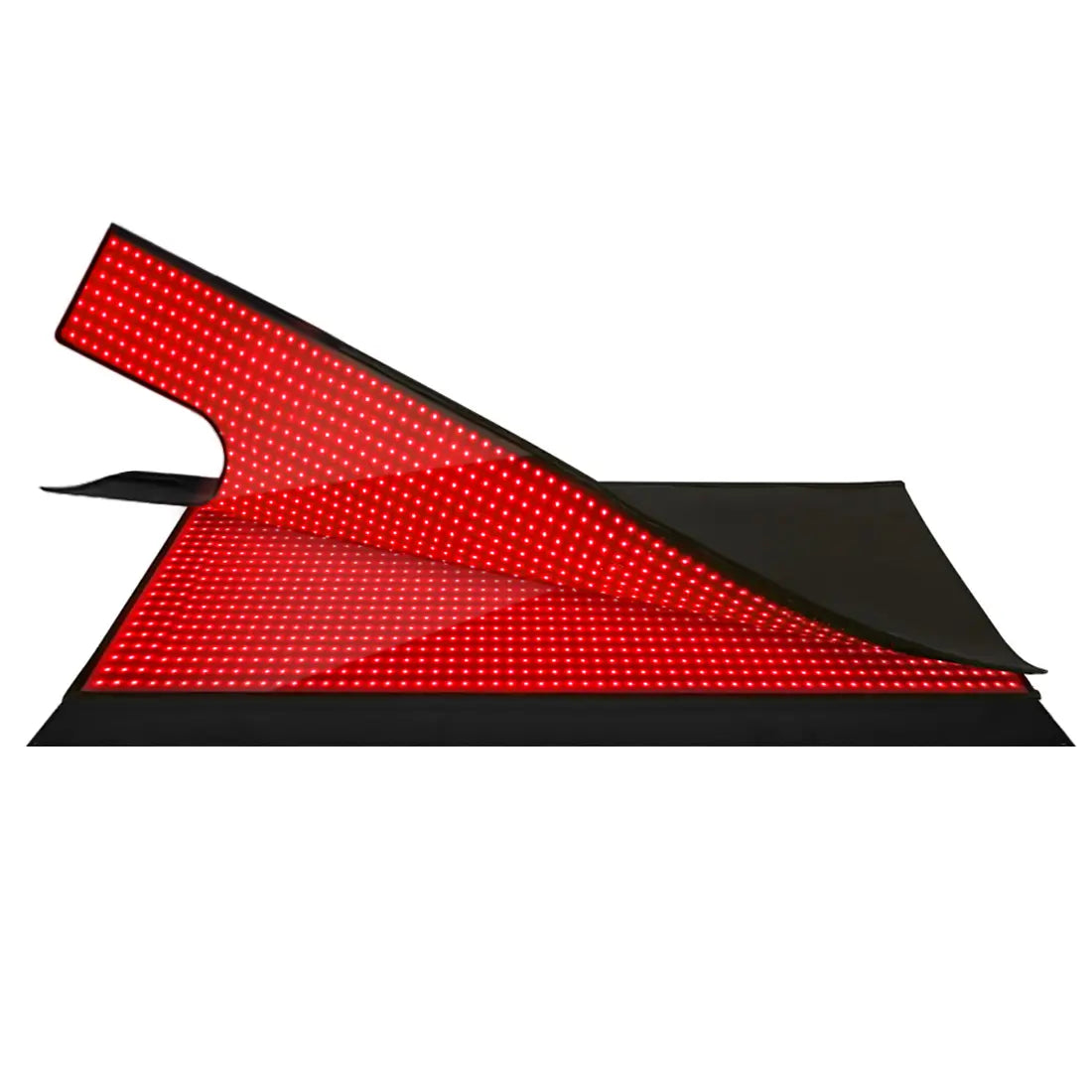
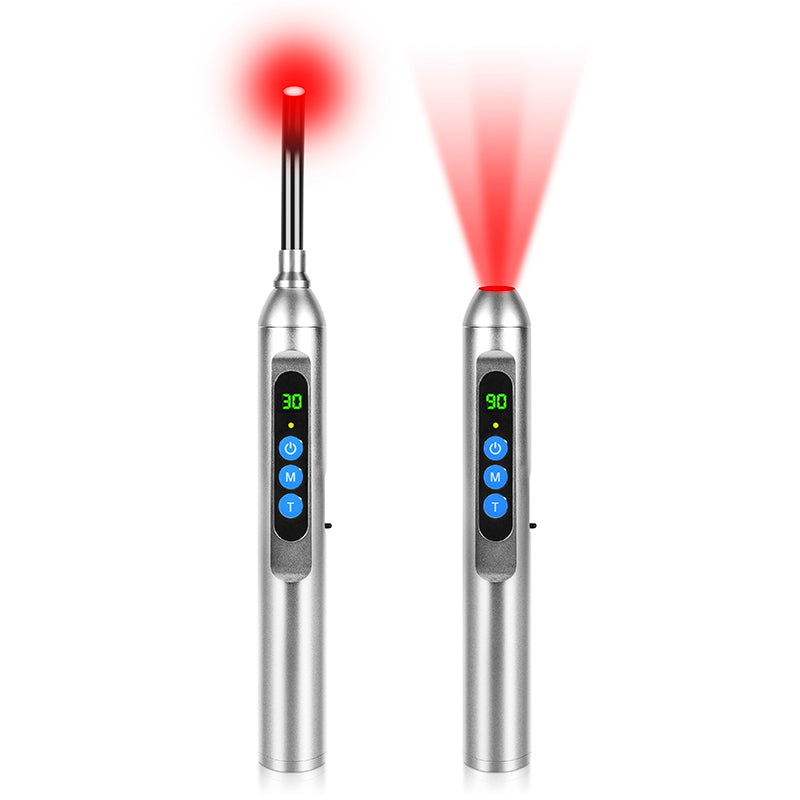

Red light therapy, also known as photobiomodulation (PBM), is a non-thermal, light-based therapy studied for tissue repair and wound-healing support. Many people recovering from surgery or dealing with minor skin injuries look for safe adjunct methods to support the body's natural processes. While evidence is promising but not uniform, research suggests PBM may influence inflammation, cell viability, and repair pathways involved in wound healing when used appropriately under clinical guidance.

This article examines the science behind red light therapy for wound healing, including its potential effects on cellular energy production and tissue regeneration. It also outlines practical considerations for home use, emphasizing that PBM should never replace standard medical care, wound cleaning, or surgeon instructions.
How Photobiomodulation Supports Wound Healing Phases
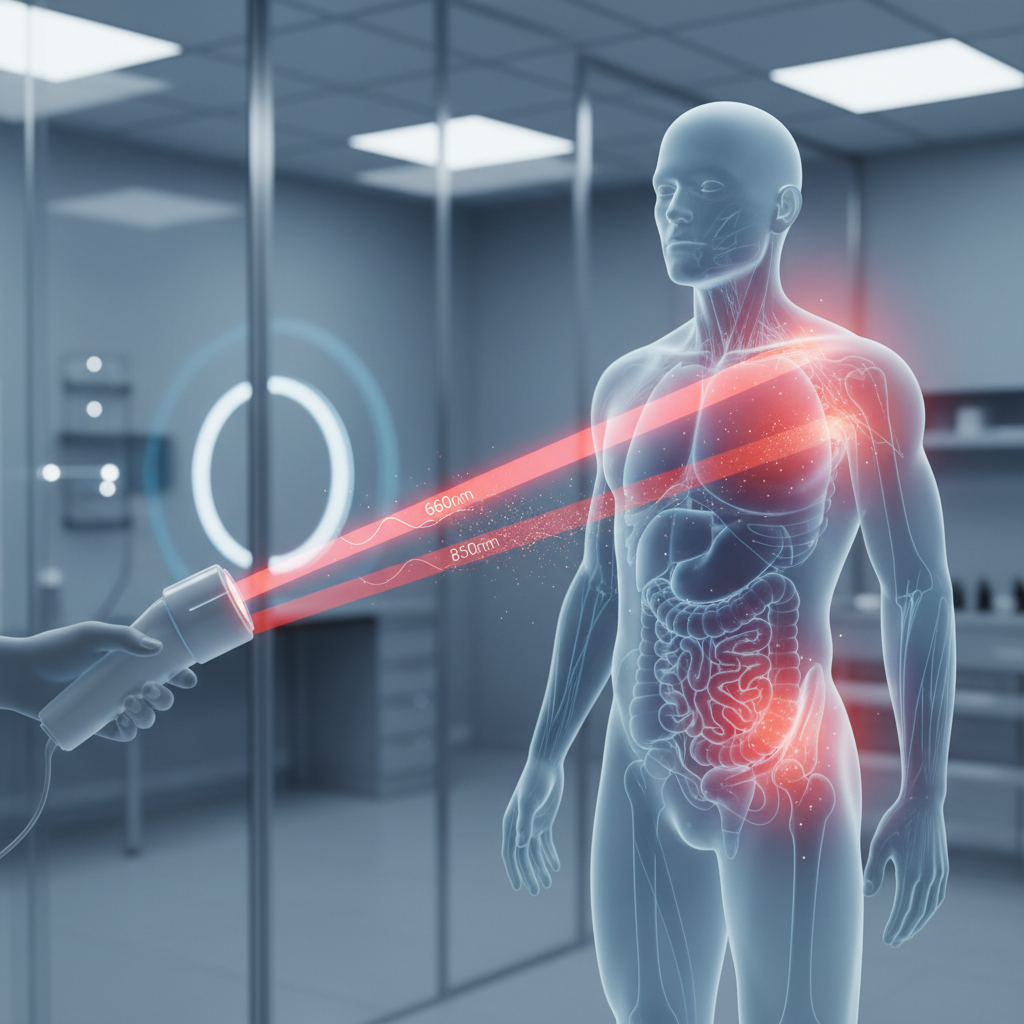
Wound healing occurs in overlapping phases: inflammation, proliferation, and remodeling. PBM is studied for its ability to modulate these stages without generating heat. This review on photobiomodulation mechanisms explains that light in the red and near-infrared range interacts with cellular chromophores, primarily cytochrome c oxidase in mitochondria. This interaction can support cellular energy production (ATP) and influence signaling pathways related to inflammation and repair.
Research suggests PBM may help resolve pain, inflammation, and immune responses that are part of the wound-healing process, as noted in foundational science discussions. For instance, this analysis of light on skin highlights potential effects on cell viability and repair signaling in selected contexts. However, outcomes depend heavily on wavelength, dosage, and individual factors, and results are not guaranteed across all wound types.
A recent dermatology consensus discusses PBM as an option in selected wound and ulcer contexts, reinforcing that it is considered in specific clinical scenarios rather than as a universal solution.
The Science of ATP Production and Tissue Regeneration
One commonly cited mechanism is that red or near-infrared light supports mitochondrial function, leading to increased ATP availability in skin cells. This can theoretically aid energy-demanding processes like collagen synthesis and cell migration during tissue repair. University research pages describe red and near-infrared wavelengths as relevant for targeting skin and tissue repair pathways.
Independent clinical and experimental sources have reported accelerated wound healing with near-infrared LED or PBM in specific models, such as this overview of NIR-LED applications. Yet, wound-healing effects appear wavelength-dependent, so not all devices or light colors deliver equivalent results, according to wavelength-specific studies.
Real-world application faces practical limits due to device geometry, coverage, and how effectively light reaches the target tissue. This is why professional-grade devices with measured irradiance are often preferred for consistent dosing.

Common Protocols: What Studies and Trials Report
Clinical trial protocols have used short red and near-infrared LED sessions near incision scars, indicating active study in post-procedure recovery. Typical heuristic ranges drawn from various PBM literature include sessions of 10-20 minutes, applied 3-7 times per week, at distances of 6-12 inches, aiming for approximate doses in the 2-10 J/cm² range. These are illustrative only and not prescriptive standards.
Commonly Reported Heuristic Ranges from Studies
Illustrative protocol ranges for red light therapy in wound-healing PBM studies; not official standards or precise measurements.
View chart data
| Category | Lower bound | Upper bound |
|---|---|---|
| Session duration (min) | 10.0 | 20.0 |
| Frequency (times/week) | 3.0 | 7.0 |
| Distance (inches) | 6.0 | 12.0 |
| Approx. dose (J/cm²) | 2.0 | 10.0 |
Bounded heuristic ranges synthesized from writer-provided evidence on wound-healing PBM studies/protocols, short sessions, common 10-20 min sessions, 3-7x/week, 6-12 inches distance, red/NIR wavelengths, irradiance/dose discussion, and Arndt-Schulz law. Values are illustrative ranges, not official statistics.
These ranges align with discussions in technical benchmarks for photobiomodulation, where proper irradiance measurement and dosage calculation matter for efficacy and safety. Always start conservatively and follow device-specific guidance or clinician recommendations.
Step-by-Step Guide: How to Use Red Light Therapy for Wounds
Home use of red light therapy for wound healing should only occur after the wound is closed, medically cleared, and with explicit clinician approval. Follow these general steps as a heuristic checklist, not medical advice:
- Consult your surgeon or dermatologist first. Confirm the wound type is appropriate for adjunct PBM and obtain clearance.
- Ensure the area is clean and dry per standard wound-care instructions. Do not apply directly to open, bleeding, infected, or draining wounds.
- Position the device at the recommended distance (typically 6-12 inches for many panels) so light reaches the target tissue evenly.
- Use red (around 660nm) or near-infrared (around 850nm) wavelengths, preferring devices with verified irradiance.
- Apply for 10-20 minutes per session, 3-7 times per week, avoiding overuse that could follow the biphasic Arndt-Schulz response where too much light reduces benefit.
- Monitor the area daily. Stop use immediately if you notice increased pain, redness, swelling, warmth, drainage, or any signs of irritation or infection.
- Continue following all prescribed wound care, dressings, medications, and follow-up appointments.
This approach supports at-home recovery routines only when integrated into clinician-approved post-operative self-care planning.
Myth vs. Reality: Addressing Common Misconceptions
Several myths circulate about red light therapy for skin healing and surgical recovery. Here are key corrections based on evidence boundaries:
- Myth: RLT is safe for any open wound because it is noninvasive. Reality: Open wounds represent a boundary condition. Use only when a clinician has approved it for that specific situation.
- Myth: Reduced redness or pain after sessions proves the wound is healing well. Reality: PBM can calm surface appearance while deeper issues like infection may still require medical attention. Visible changes can mask problems.
- Myth: RLT can replace standard wound care or speed healing dramatically for all cases. Reality: It is at most an adjunct. It should not displace cleaning, dressings, antibiotics, or professional oversight.
These patterns reflect where users often get stuck or regret delaying care because the therapy feels gentle. Real-world friction frequently arises from starting too early, misinterpreting surface improvements, or skipping clinician check-ins.
Safety Considerations and When Not to Use Red Light Therapy
PBM is discussed in non-healing wound, scar, and ulcer contexts, but home use must be strictly limited to clinician-cleared situations. After surgery, follow your surgeon's wound-care instructions first; PBM should be treated only as an adjunct if your clinician approves it, as emphasized in official post-surgical wound care guidance.
If a wound is worsening, increasingly painful, red, draining, or shows signs of infection, stop self-treatment and seek medical care. The evidence is promising but not uniform, so it is better to describe PBM as a possible adjunct rather than a guaranteed faster-healing solution, according to health authority overviews.
Important Safety Boundary: This article discusses comfort and setup considerations for red light therapy in wound contexts. It does not constitute medical advice, diagnosis, or treatment. Red light therapy is not intended to replace professional wound care, sutures, infection control, or post-operative instructions. If you have persistent discomfort, signs of infection, existing medical conditions, or an open/worsening wound, consult qualified healthcare professionals before use. Outcomes vary by individual, device quality, and adherence to medical guidance.
Choosing the Right Device for Tissue Repair Support
For consistent results, look for professional-grade devices that provide accurate irradiance measurements and adhere to safety standards such as those outlined in photobiomodulation technical benchmarks. Avoid devices with inflated claims or poor wavelength specificity, as effects are wavelength-dependent.
When researching, prioritize equipment designed for even coverage and proper dosing to minimize practical limitations in real-world application. This is particularly relevant for post-workout minor injuries or daily support routines for superficial injuries once cleared.
Final Thoughts on Red Light Therapy for Recovery
Red light therapy offers an intriguing, non-invasive option that may support the body's natural tissue repair processes through photobiomodulation. Studies explore its role in influencing inflammation and cellular energy, making it a topic of interest for post-surgery patients and those with minor skin injuries.
However, success depends on appropriate use, clinician oversight, and realistic expectations. It can seem easier to tolerate in some setups but relies heavily on proper device selection, room conditions, and integration with standard care. Always prioritize medical advice, and view red light therapy as a potential supportive tool rather than a standalone solution for wound healing or surgical recovery.
Related
For deeper technical details on safe parameters, explore Photobiomodulation Standards: Irradiance, EMF, and Safety.