
Living with myalgic encephalomyelitis/chronic fatigue syndrome (ME/CFS) often means navigating profound fatigue, post-exertional malaise, and the need for careful energy management. Many people explore supportive wellness tools like full-body red light therapy mats in hopes of aiding mitochondrial function and daily recovery, yet the key is starting with a low-friction, conservative protocol that respects limited tolerance rather than promising dramatic results. This approach prioritizes safety, consistency, and realistic expectations over aggressive routines.

Understanding ME/CFS and Why Protocols Must Stay Conservative
ME/CFS is characterized by persistent disabling fatigue and typically includes post-exertional malaise, unrefreshing sleep, and cognitive symptoms. As the CDC explains, it is a distinct clinical condition with established diagnostic criteria, so general fatigue advice should not be treated as a substitute for medical evaluation.
A core feature is post-exertional malaise, where symptoms worsen after minor physical, mental, or emotional effort. Pacing and activity management are used to reduce the risk of symptom worsening after exertion, according to CDC guidance on preventing symptom worsening. This principle directly informs any new routine: protocols for people with ME/CFS must begin at very low doses, allow ample recovery time between sessions, and include built-in stopping rules if malaise appears.
Red light therapy, also known as photobiomodulation, is generally considered low-risk when used short term and as directed, but safety still depends on dose, device quality, and user-specific risks, notes the Cleveland Clinic overview. It does not replace medical care or constitute treatment for ME/CFS.
Possible Mechanisms: Mitochondrial Support and Systemic Recovery
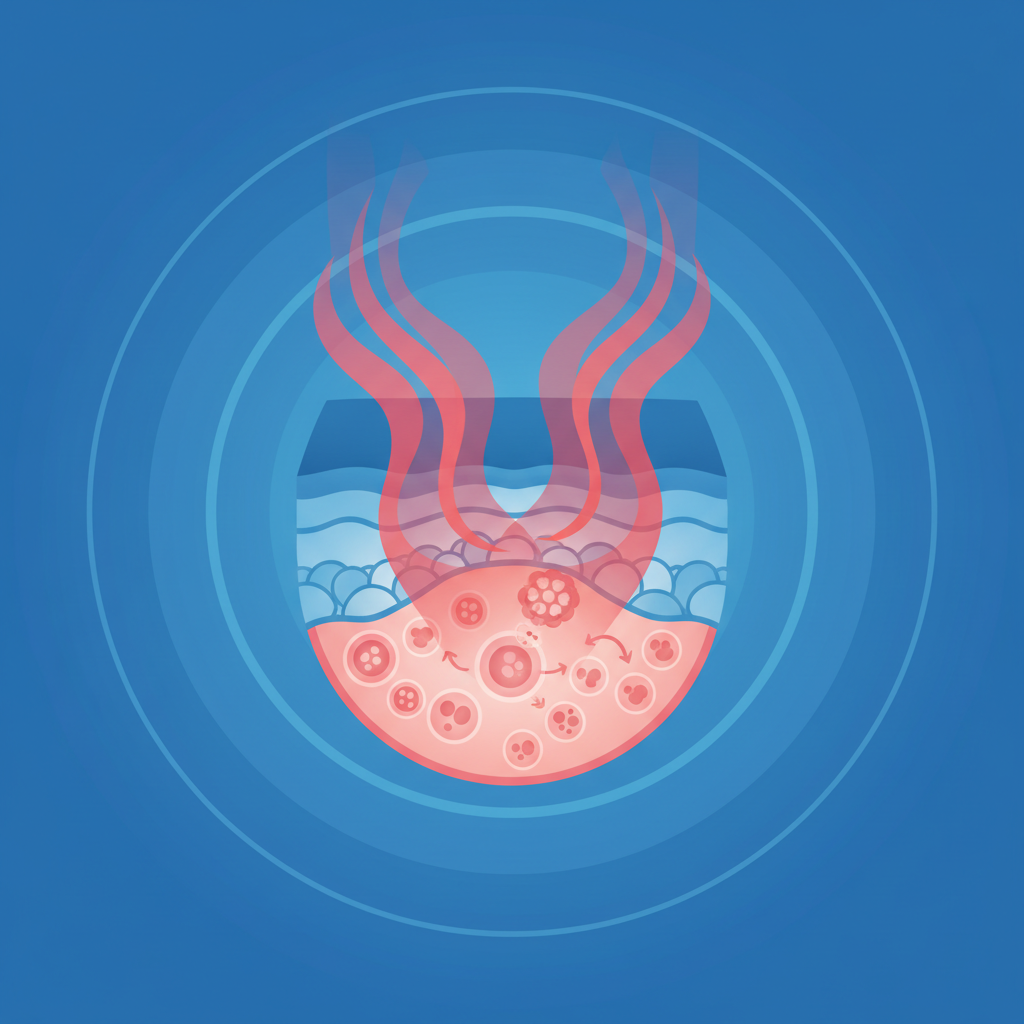
Some photobiomodulation literature discusses possible effects on mitochondrial signaling and inflammatory pathways, but this remains mechanistic context rather than proof of ME/CFS treatment benefit. Wavelengths in the red and near-infrared range (typically 660 nm and 850 nm) are thought to interact with cellular energy production, though individual responses vary widely and evidence for fatigue conditions stays limited.

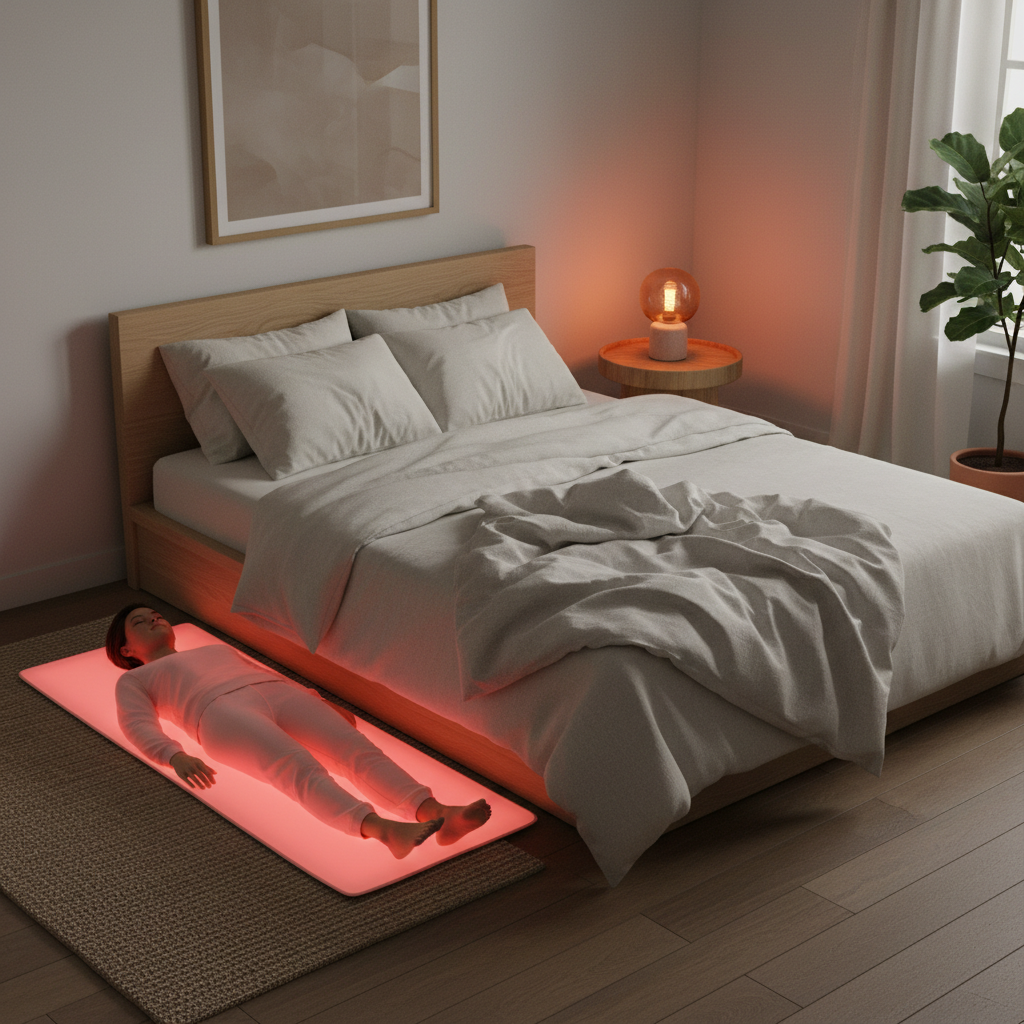
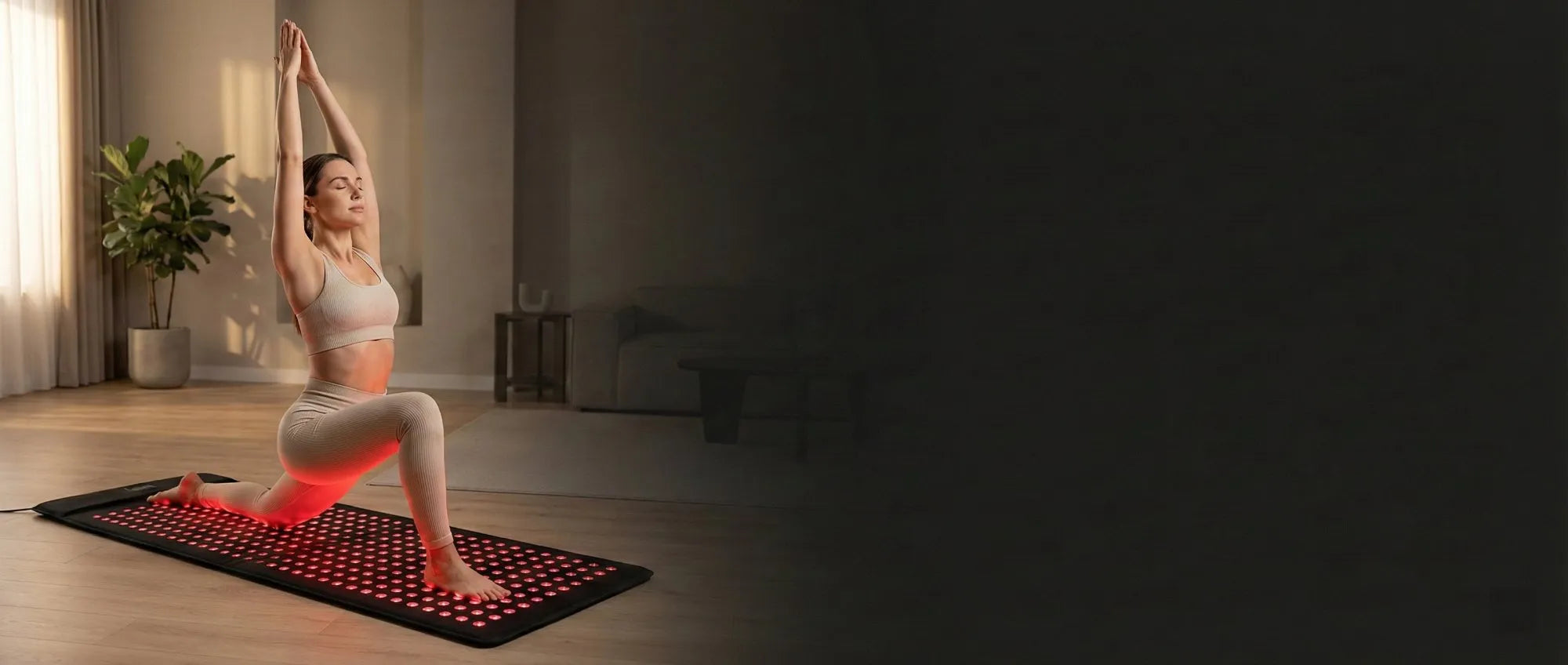
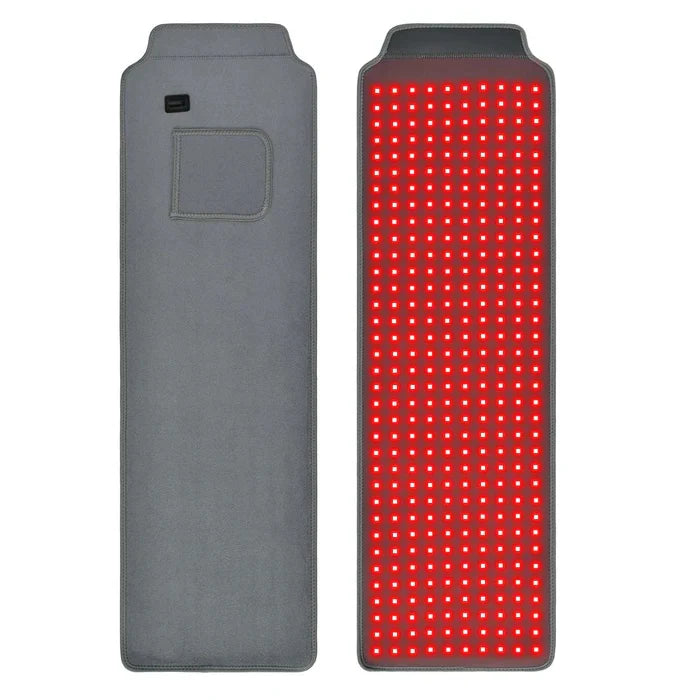
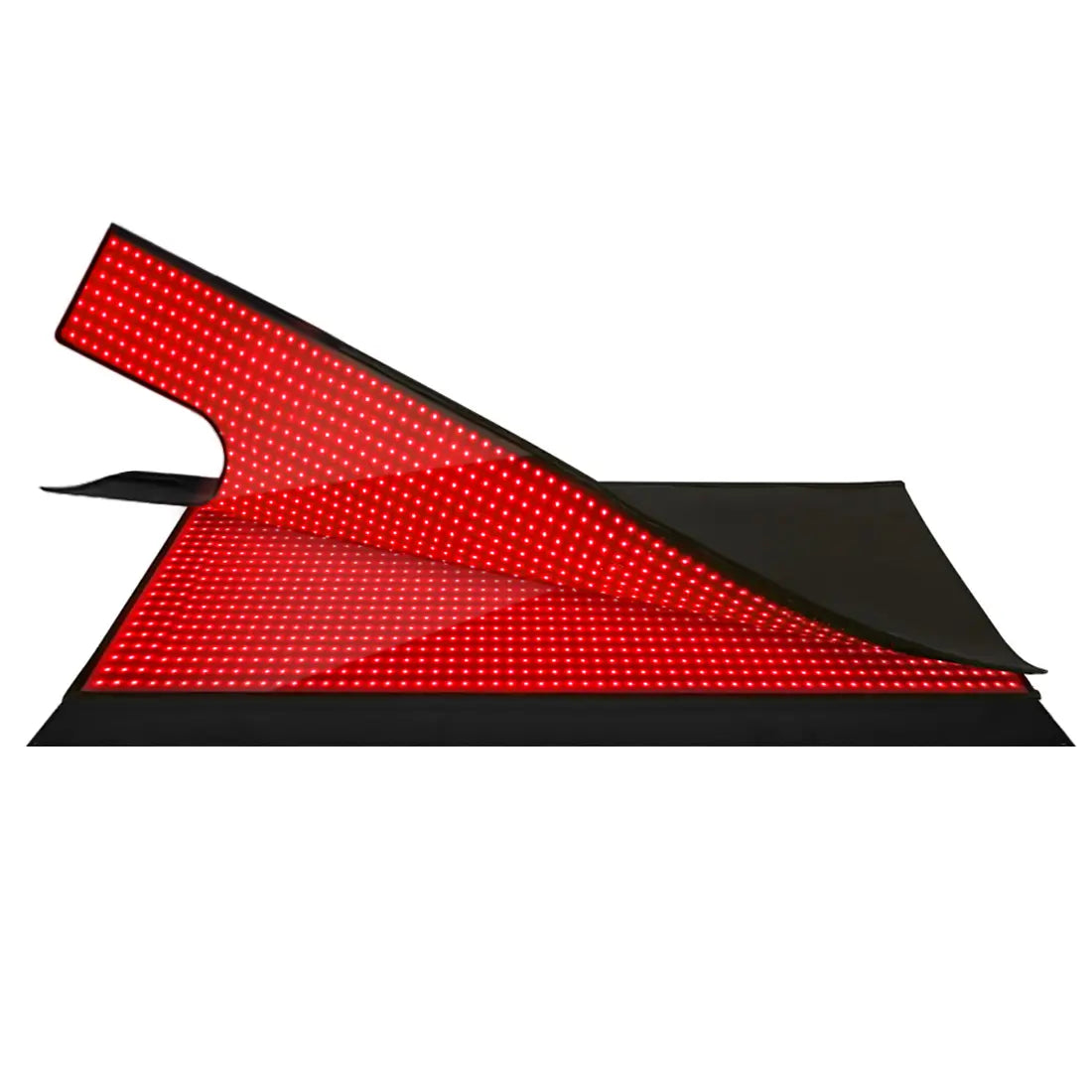
Full-body mats offer a convenient delivery method for large-area exposure. Controlled human research has evaluated red and near-infrared light for large-area and full-body use, which supports discussing full-body mats as a plausible delivery format rather than a purely novelty device. However, this does not translate to guaranteed symptom improvement.
Safety First: Regulatory Context, Contraindications, and Boundaries
Photobiomodulation devices are regulated as medical devices in some contexts, and the FDA has issued guidance on testing, clinical evidence, and labeling expectations. Published human skin data suggest red light exposure can be safe within studied parameters, but that does not establish a universally safe dosage for every home device or every condition.
Important safety boundaries include:
- Photosensitivity or medications that increase light sensitivity
- Pregnancy (consult a clinician)
- History of seizures or certain skin conditions
- Active cancer or recent treatment (medical clearance required)
- Any worsening of symptoms, fatigue, or post-exertional malaise
Photobiomodulation safety depends on access, engineering, and process safeguards, so protocol design matters as much as the hardware. Always consult a qualified clinician before starting, especially with ME/CFS. This article discusses supportive wellness use and comfort/setup considerations only; it is not medical advice, diagnosis, or treatment. If you experience persistent discomfort or have existing conditions, seek professional medical guidance.
Getting Started with a Conservative Protocol for Low-Energy Users
For people with limited daily energy, the goal is minimal friction and maximal safety. Begin with the shortest effective exposure in a comfortable position—lying down on the mat fully clothed or with light coverage—and track how you feel for the following 24–48 hours.
Here is an illustrative heuristic example of a conservative starter protocol:
Example Conservative Starter Protocol (heuristic)
A conservative example protocol for getting started: short sessions, limited weekly frequency, gradual ramp-up, and a simple self-rating scale to monitor tolerance.
View chart data
| Category | Starter level | Upper cautious bound |
|---|---|---|
| Session length (min) | 5.0 | 10.0 |
| Weekly frequency | 3.0 | 4.0 |
| Ramp-up step | 1.0 | 2.0 |
| Progress rating (1-5) | 2.0 | 4.0 |
Illustrative heuristic synthesized from cautious protocol guidance, pacing/PEM avoidance principles, and general safety-oriented red light therapy notes. Not clinical trial data and not a medical recommendation; values show a conservative starting range for fatigue-sensitive users.
This chart represents a synthesized conservative example only. Starter level might mean 5-minute sessions three times per week with very small increases (one additional minute or one extra session) only if no symptom worsening occurs. Progress rating uses a simple 1–5 self-check (1 = much worse, 5 = noticeably better energy or recovery feel) performed the day after sessions. Stop or reduce immediately if rating drops or malaise appears.
Practical tips for consistency with low energy:
- Schedule sessions at the same low-effort time, such as after waking or before bed while resting.
- Use a simple timer and journal to record session length, how you felt before and after, and any next-day changes.
- Pair with existing pacing practices rather than adding new complexity.
- Choose a high-quality full-body mat with verified irradiance and low EMF to minimize additional variables.
Device Considerations and Setup for ME/CFS Users
When selecting equipment, prioritize mats that allow full-body coverage while lying down comfortably. Look for clear specifications on wavelength, irradiance measured with proper lab tools, and safety certifications. The Photobiomodulation Standards guide provides technical benchmarks for irradiance, EMF, and safety that can help evaluate options.
Setup should be effortless: place the mat on a bed, yoga mat, or floor area you already use for rest. Ensure the room is at a comfortable temperature and free of distractions. Start with clothing on to reduce any sensation of heat or light intensity.
How to Track Progress and Decide Whether to Continue
Because results vary widely, use objective self-monitoring rather than expecting immediate energy boosts. Track daily energy levels, sleep quality, cognitive clarity, and any PEM episodes on a simple 1–10 scale for two to four weeks while maintaining the conservative protocol.
Signs that the approach may not be suitable include increased fatigue, headaches, skin irritation, sleep disruption, or any worsening of core ME/CFS symptoms. In these cases, discontinue and consult your clinician. Many users find the greatest value in the ritual of dedicated rest time rather than any specific physiological shift.
Practical checkpoints before and during use:
- Confirm medical clearance and review all medications with a doctor.
- Start with the lowest duration and frequency shown in the chart.
- Log symptoms for at least 48 hours after each session.
- Increase exposure by no more than 10–20% only if ratings remain stable or improve.
- Reassess after 3–4 weeks: if no positive trend or any negative change appears, stop.
- Treat red light therapy as one small part of a broader pacing and recovery plan.
Realistic Expectations and When Red Light Therapy May Not Be the Right Choice
Community experiences highlight that the biggest barriers are often maintaining consistency with a simple routine and avoiding the temptation to overuse. Do not buy or continue if you cannot commit to a low-effort schedule, if your symptoms are currently unstable, or if you expect rapid or curative results. Red light therapy is a supportive wellness practice, not a replacement for established ME/CFS management strategies.
In summary, a cautious, well-monitored protocol using full-body red light therapy mats may fit into some people's recovery routines as a low-friction addition focused on rest and gentle cellular support. Success depends heavily on individual tolerance, device quality, strict pacing, and ongoing medical oversight. Approach with patience, track carefully, and prioritize safety above all.
Disclaimer: This article only discusses comfort and setup advice for wellness use of red light therapy. It does not constitute medical advice, diagnosis, or treatment for ME/CFS or any condition. Results are not guaranteed and vary widely. Consult qualified healthcare professionals before beginning any new therapy, particularly if you have chronic illness, take medications, or experience persistent symptoms. Always follow your clinician's guidance and stop immediately if symptoms worsen.