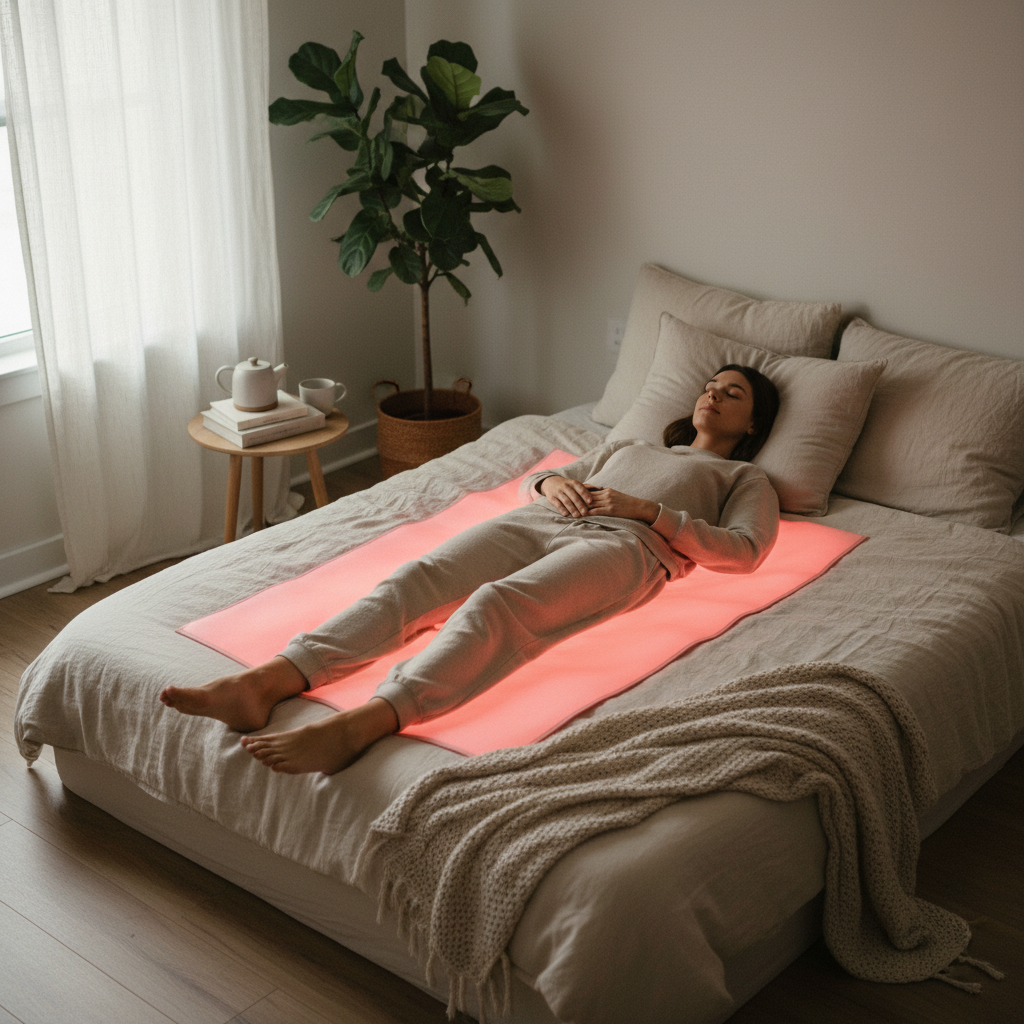

Restless legs syndrome (RLS) causes an urge to move the legs that often gets worse in the evening or at night and can interfere with sleep. Many adults seeking non-drug options explore at-home approaches like photobiomodulation to ease sensations of tingling, crawling, or restlessness before bed. While red light therapy is not an established medical treatment for RLS, some people use a full-body red light therapy mat as part of a calming pre-sleep routine that may support relaxation and perceived comfort in mild cases after proper medical evaluation.
This article outlines conservative, practical protocols focused on symptom management rather than a cure. It emphasizes the importance of addressing underlying factors first and presents red light therapy only as a low-risk adjunct for those who have already consulted a clinician.
Understanding Restless Legs Syndrome and Standard Care
Restless legs syndrome involves uncomfortable sensations and an irresistible urge to move the legs, typically worsening during periods of rest or in the evening. Symptoms can significantly disrupt sleep quality and daily well-being. According to the National Institute of Neurological Disorders and Stroke, these experiences are common and often interfere with rest.
RLS may be primary or linked to other factors. It can be secondary to iron deficiency and other underlying health conditions, so ongoing or worsening symptoms should be evaluated by a clinician. Guidelines recommend checking iron status in people with RLS and treating iron deficiency when present, as supported by Mayo Clinic Proceedings.
The American Academy of Sleep Medicine has updated treatment recommendations for restless legs syndrome, reinforcing that management is guideline-driven and medically supervised. First-line approaches often start with iron replacement when iron stores are low, while medications may be used for more severe cases. Peer-reviewed reviews also support iron therapy for many patients when ferritin levels are low.
Treatment focuses on symptom management rather than a guaranteed cure. This article does not replace professional medical advice. Red light therapy or photobiomodulation is best presented as an experimental comfort protocol for some users, not a proven RLS treatment.
Important Safety Note: This article discusses comfort and setup considerations for at-home routines only. It does not constitute medical advice, diagnosis, or treatment. RLS can be associated with iron deficiency, pregnancy, neuropathy, kidney disease, or medication side effects. If you experience persistent, severe, or worsening symptoms, consult a qualified healthcare professional for proper evaluation and care.
When to Seek Medical Evaluation First
Do not rely on a red light therapy mat as the primary strategy if symptoms are severe, progressive, or likely secondary to an underlying cause. Medical evaluation should come first in these situations:

- Symptoms are worsening, spreading, or disrupting sleep most nights
- Iron deficiency, anemia, or low ferritin is suspected
- Symptoms may relate to pregnancy, chronic kidney disease, or medication effects
- Discomfort is atypical, one-sided, or accompanied by other concerning signs
In these cases, prioritize clinician-guided assessment and standard care over self-experimentation. The Mayo Clinic overview of restless legs syndrome highlights the value of identifying treatable contributors early.
For individuals with a confirmed mild or stable presentation after medical review, a consistent bedtime comfort routine may be explored as a supplementary option. Even then, expectations should remain modest: any perceived relief is highly individual and setup-dependent.
Evidence Boundaries: What the Research Actually Shows
There is not enough high-quality evidence to state that red light therapy or photobiomodulation is a proven treatment for RLS. Most available discussion comes from wellness contexts or manufacturer materials rather than large-scale clinical guidelines.
Common myths include the idea that red light therapy cures RLS or reliably eliminates symptoms. In reality, it should be framed conservatively as an unproven adjunct at best. Another misconception is that success with light therapy means the root cause has been resolved—medical checks for iron status and other factors remain essential regardless of device use.
Because it is noninvasive, some assume red light therapy can automatically substitute for medical care. This is incorrect: low risk does not equal proven efficacy. Use any protocol only as a supplement to—not a replacement for—evidence-based evaluation.
These boundaries protect readers from over-reliance on experimental approaches. The focus remains on practical comfort rather than therapeutic claims.
Choosing the Right Device for Bedtime Use
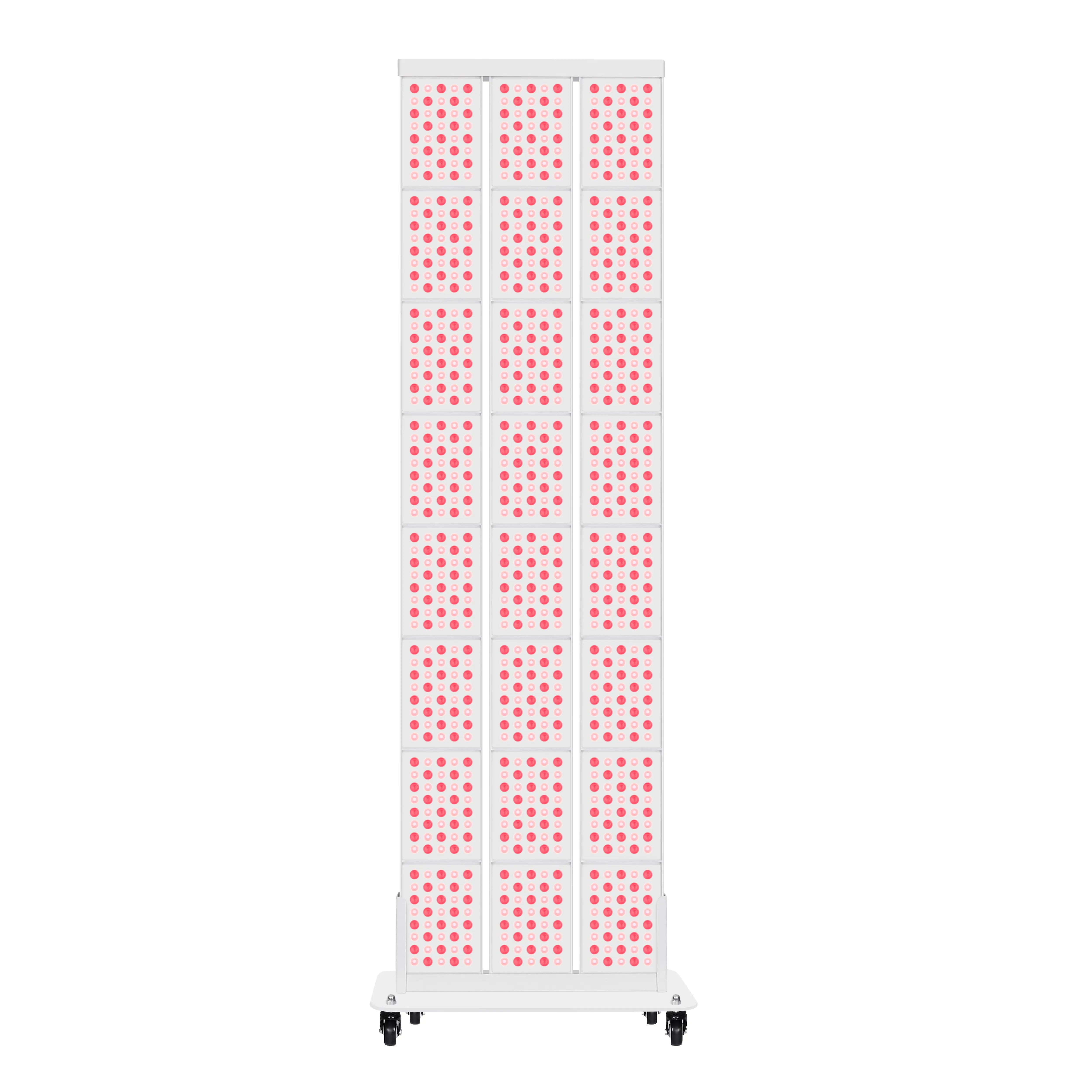
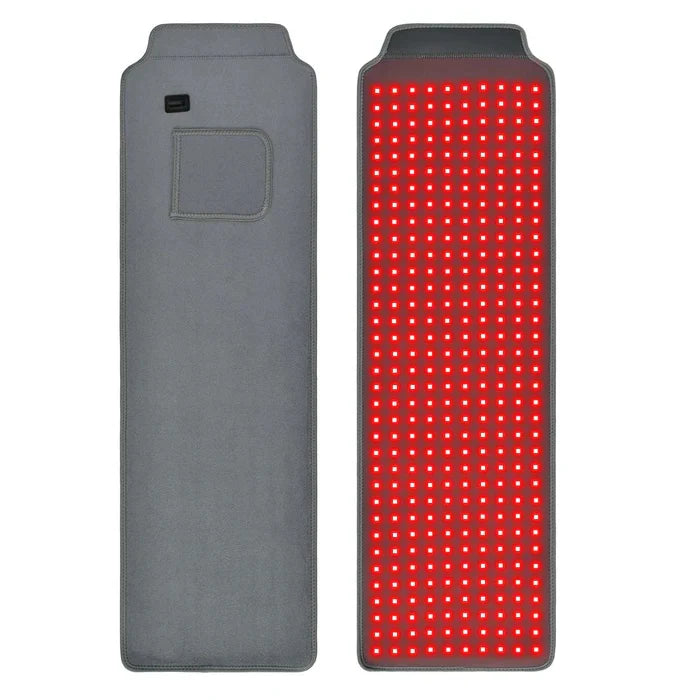
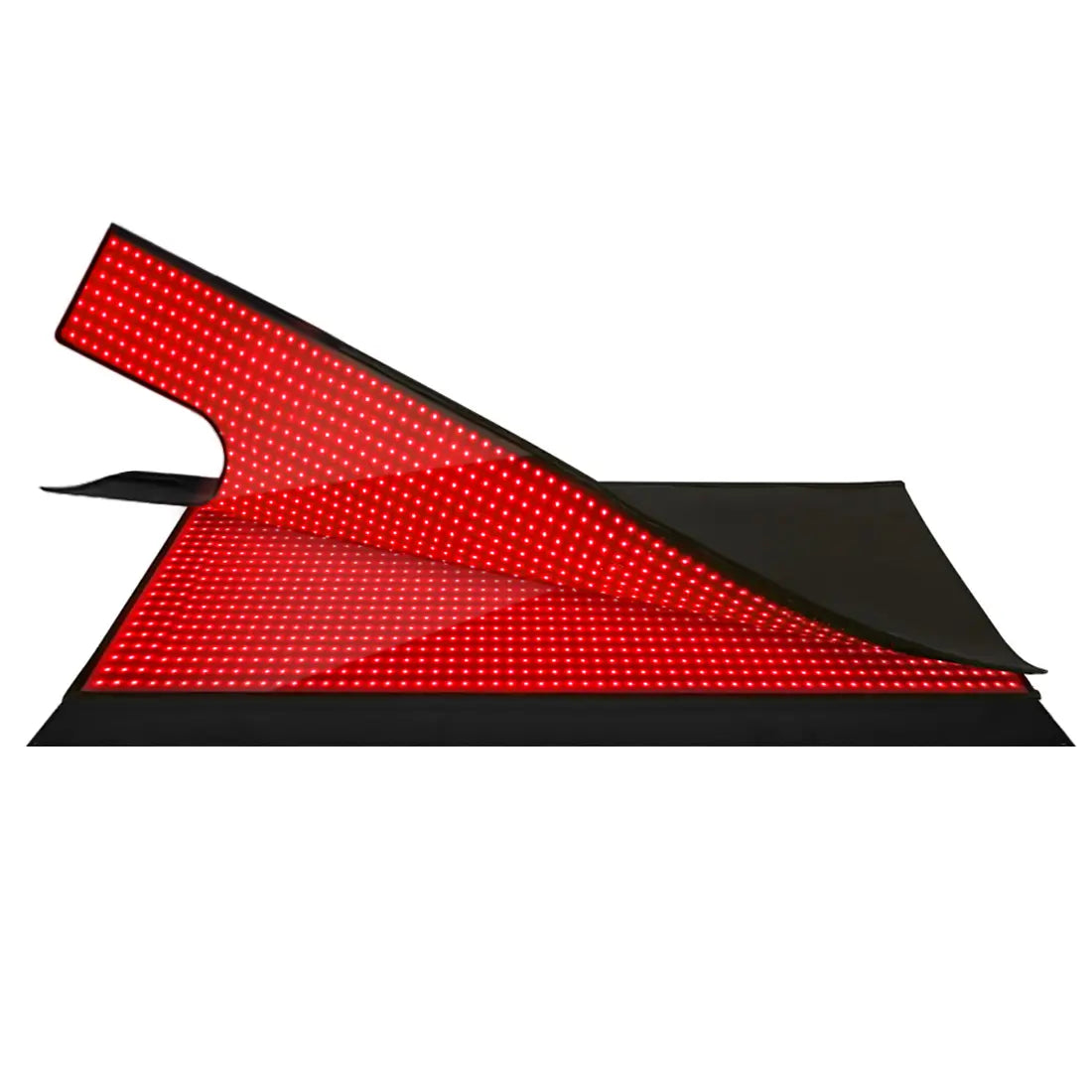
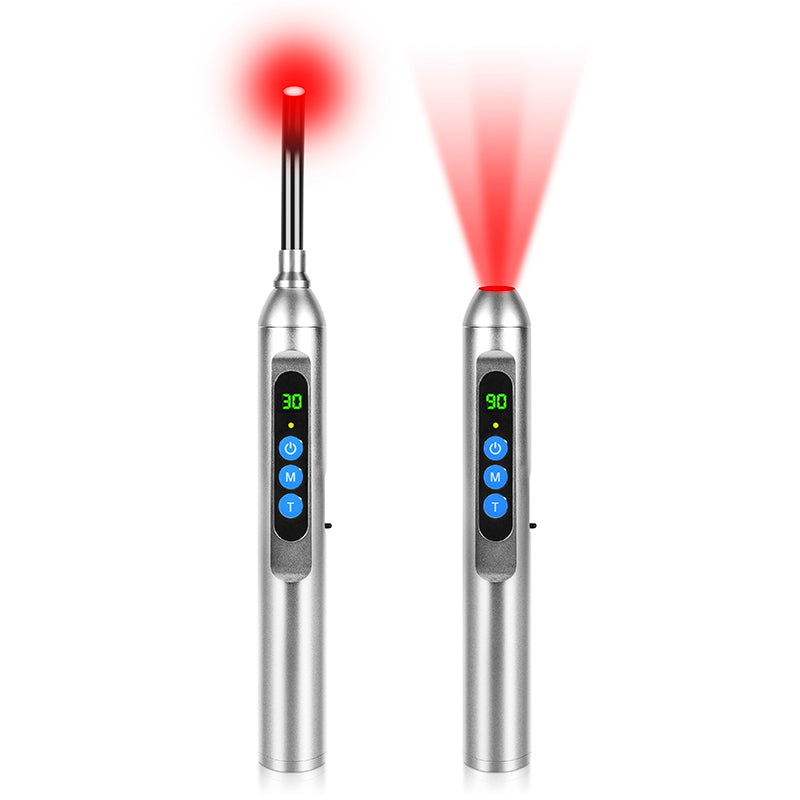
When considering red light therapy for leg discomfort, device format affects ease of use and consistency. A full-body red light therapy mat allows simultaneous coverage of both legs while lying down, which may suit those seeking broader relaxation. Targeted pads or smaller devices can be more convenient for focused leg or foot application and may fit better into a short pre-bed routine.
The best choice often depends on lifestyle and symptom pattern. Targeted devices tend to support easier nightly adherence when discomfort is primarily localized. Full-body mats may appeal more for users who value a full relaxation ritual and have space to store and set up the larger unit.
Start with the simplest setup you will actually use every night. If the routine feels cumbersome, it is less likely to become a sustainable habit.
When to Seek Medical Evaluation vs Try a Comfort Protocol
Illustrative decision framework for red light therapy in RLS
View chart data
| Category | Medical priority | Comfort protocol suitability |
|---|---|---|
| Worsening or severe RLS | 5.0 | 1.0 |
| Iron issues suspected | 5.0 | 1.0 |
| Pregnant | 5.0 | 1.0 |
| Mild and stable, after evaluation | 1.0 | 4.0 |
| Bedtime use: full-body mat | 1.0 | 4.0 |
| Bedtime use: targeted device | 1.0 | 5.0 |
Heuristic illustration based on viewpoint-insighter modules: reverse_recommendation, myth_vs_reality, dont_buy_if, and scenario_matrix. Medical-priority scores reflect decision boundaries described in the article; comfort-protocol suitability reflects a conservative bedtime-use fit, not clinical efficacy data.
This chart uses a heuristic 1-5 scale for illustration only. It highlights that medical evaluation takes priority in higher-risk scenarios, while a comfort protocol may be more suitable after evaluation in mild cases. Device choice here reflects practical bedtime fit rather than proven outcomes.

Practical Pre-Bed Red Light Therapy Protocol for Leg Comfort
For those who have completed medical evaluation and wish to explore a non-pharmacological comfort routine, the following steps offer a conservative starting point. These are not clinical prescriptions but practical heuristics designed for safety and consistency.
-
Timing: Use the device 30–60 minutes before your intended bedtime. This allows time for a wind-down period without interfering with your natural sleep onset.
-
Session Length: Begin with 10–20 minutes per session. Longer exposure is not necessarily better and may reduce adherence. Adjust based on personal comfort.
-
Positioning: Lie comfortably on a full-body red light therapy mat or position a targeted device over the legs and feet. Ensure good skin exposure while remaining fully clothed or using appropriate eye protection if needed near the face.
-
Frequency: Try daily use for 2–4 weeks to assess personal response. Track symptoms in a simple journal to note any changes in restlessness or sleep quality.
-
Environment: Perform the routine in a quiet, dimly lit bedroom. Combine with other relaxation practices such as gentle stretching, breathing exercises, or avoiding screens.
-
Monitoring: Stop use and consult a clinician if symptoms worsen, new discomfort appears, or you experience any adverse effects. Red light therapy should feel neutral or soothing, never painful.
These steps prioritize low effort and repeatability. A full-body mat can treat both legs simultaneously during a single session, which some find convenient for evening use. However, the most effective protocol is the one you will maintain consistently.
How to Choose and Set Up Your Device
When comparing options, focus on irradiance, wavelength consistency, and ease of use rather than marketing claims. Look for devices that provide clear technical specifications and follow basic safety standards for photobiomodulation.
Check that the mat or device is easy to clean and store. For bedroom use, smaller or foldable designs may reduce friction. Test the setup during the day first to ensure it feels comfortable before incorporating it into your nightly routine.
Avoid overuse. More power or longer sessions do not guarantee better outcomes and may lead to diminishing returns or minor skin warmth. Stay within manufacturer guidelines and the conservative parameters outlined above.
What to Watch For and When to Adjust
Pay attention to your body's response. Mild warmth or relaxation during use is common, but any increase in leg discomfort, skin irritation, or sleep disruption warrants stopping the routine and seeking professional input.
If symptoms improve, continue the protocol as one part of a broader sleep hygiene plan. If there is no noticeable change after several weeks, reconsider whether the current approach matches your needs or if additional medical guidance is required.
Remember that individual results vary widely. Factors such as room temperature, stress levels, caffeine intake, and overall health all influence nighttime leg sensations more than any single device.
Creating a Sustainable Evening Routine
Integrate red light therapy into a larger set of habits that support nervous system calm. This might include consistent sleep times, leg stretches, warm baths, or magnesium-rich foods if approved by your clinician.
Keep the routine simple. A 15-minute session on a comfortable mat followed by reading or meditation can become a reliable signal to your body that it is time to rest.
For those upgrading from smaller targeted lights, a full-body mat may offer more coverage but requires evaluating storage and setup effort. The key is matching the tool to your actual lifestyle rather than choosing based on theoretical coverage alone.
Final Thoughts on Non-Drug Approaches for RLS
Red light therapy mats may form part of a relaxing pre-bed ritual for some adults with mild RLS symptoms who have already addressed medical factors. However, they are not a substitute for proper diagnosis, iron evaluation, or guideline-based care. Results depend heavily on individual setup, consistency, and overall health context.
Approach any new routine with realistic expectations. Focus on comfort and better sleep habits rather than seeking complete symptom elimination. If discomfort persists or interferes with daily life, work with a healthcare provider to develop a comprehensive plan.
By combining informed self-care with professional guidance, many people find meaningful ways to reduce the impact of restless legs on their nightly rest. Always prioritize safety and evidence-based steps when managing chronic symptoms.