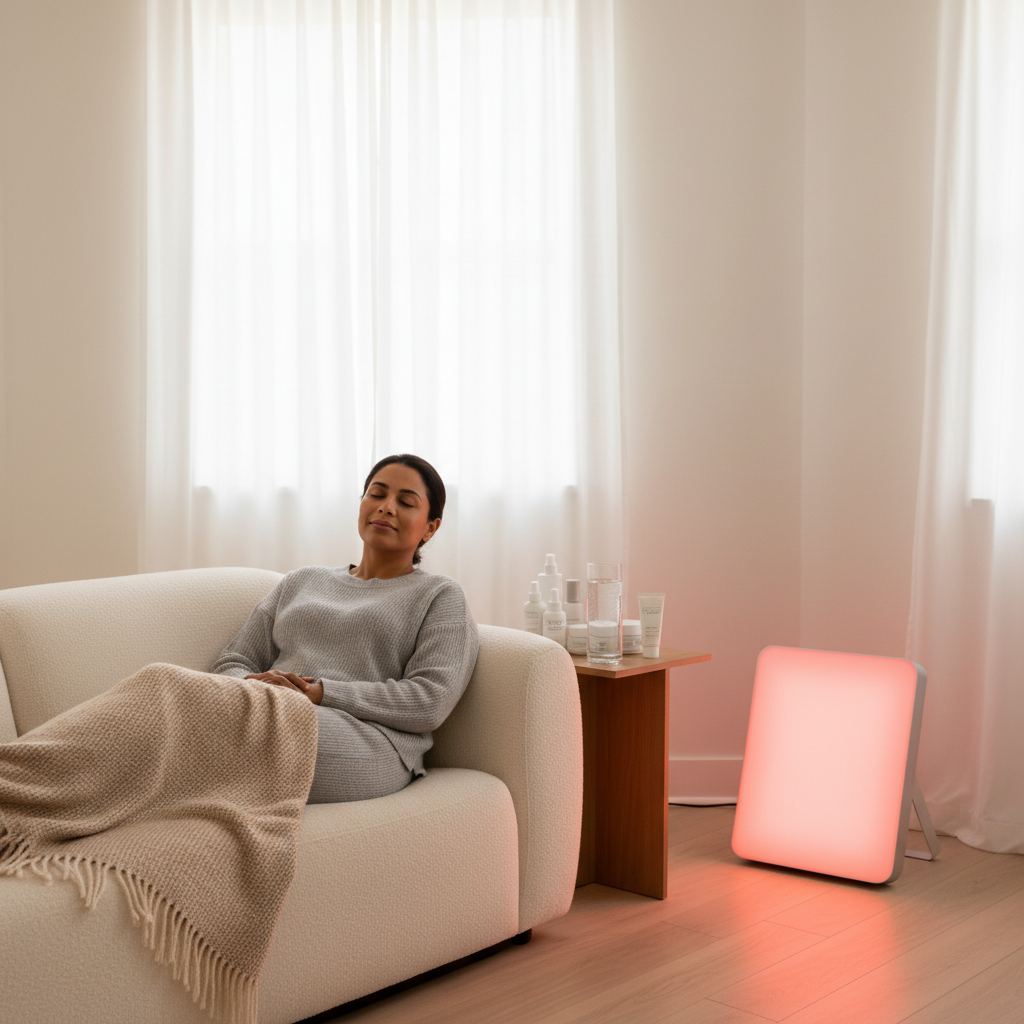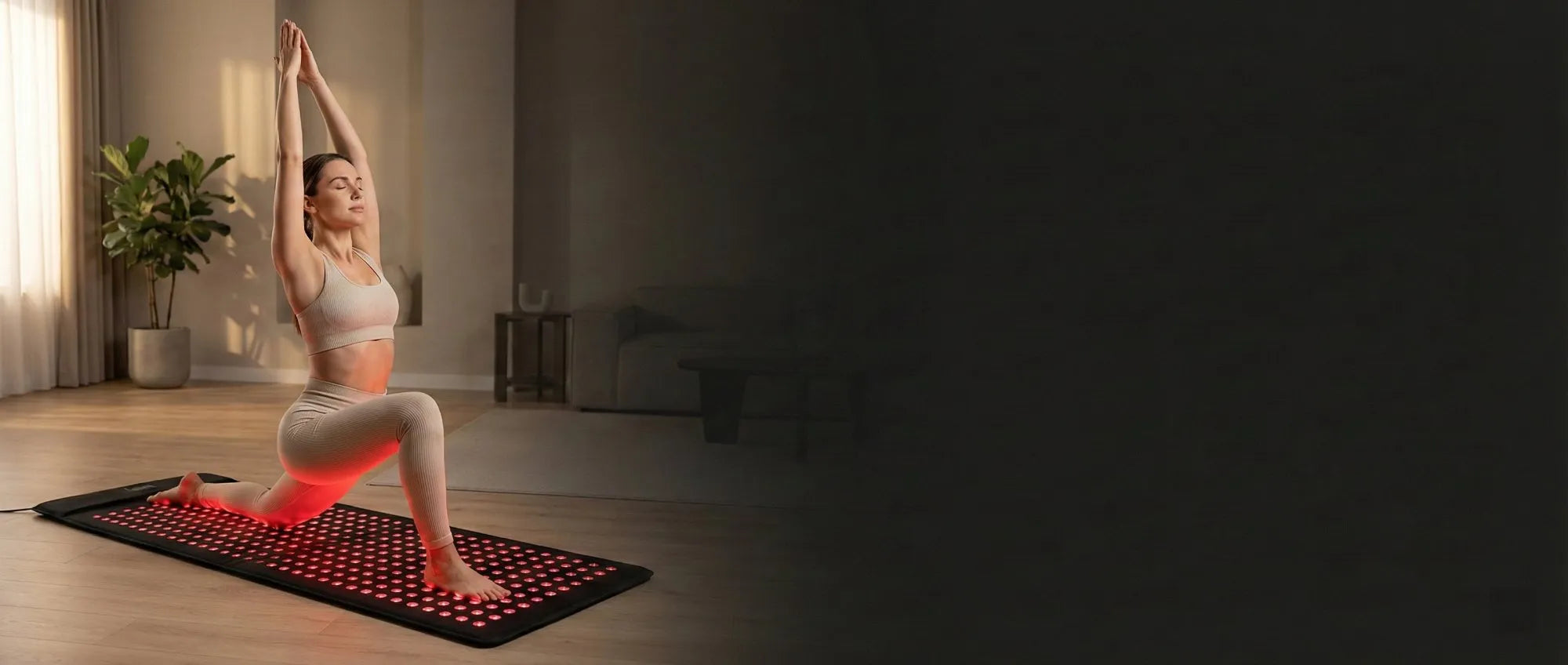
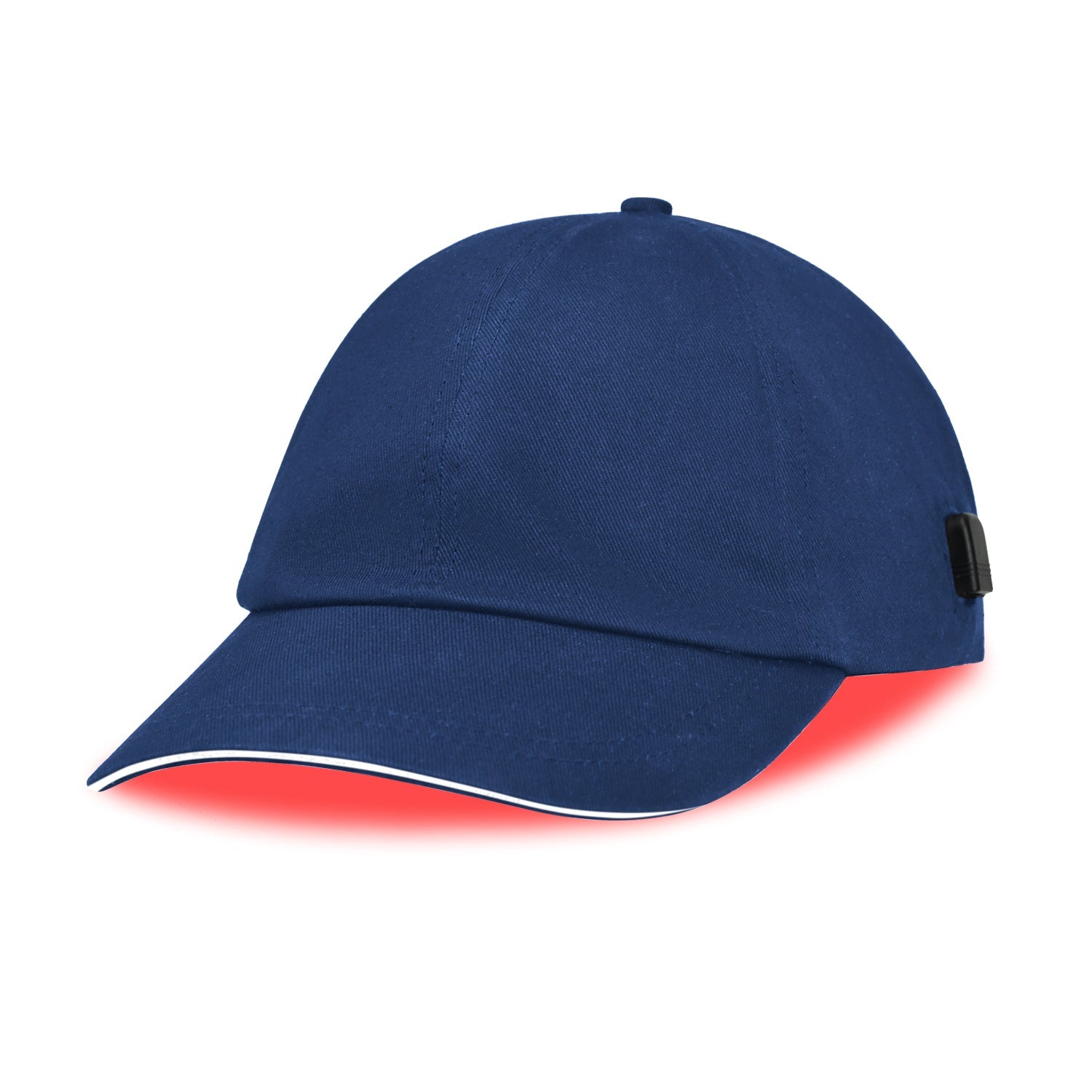
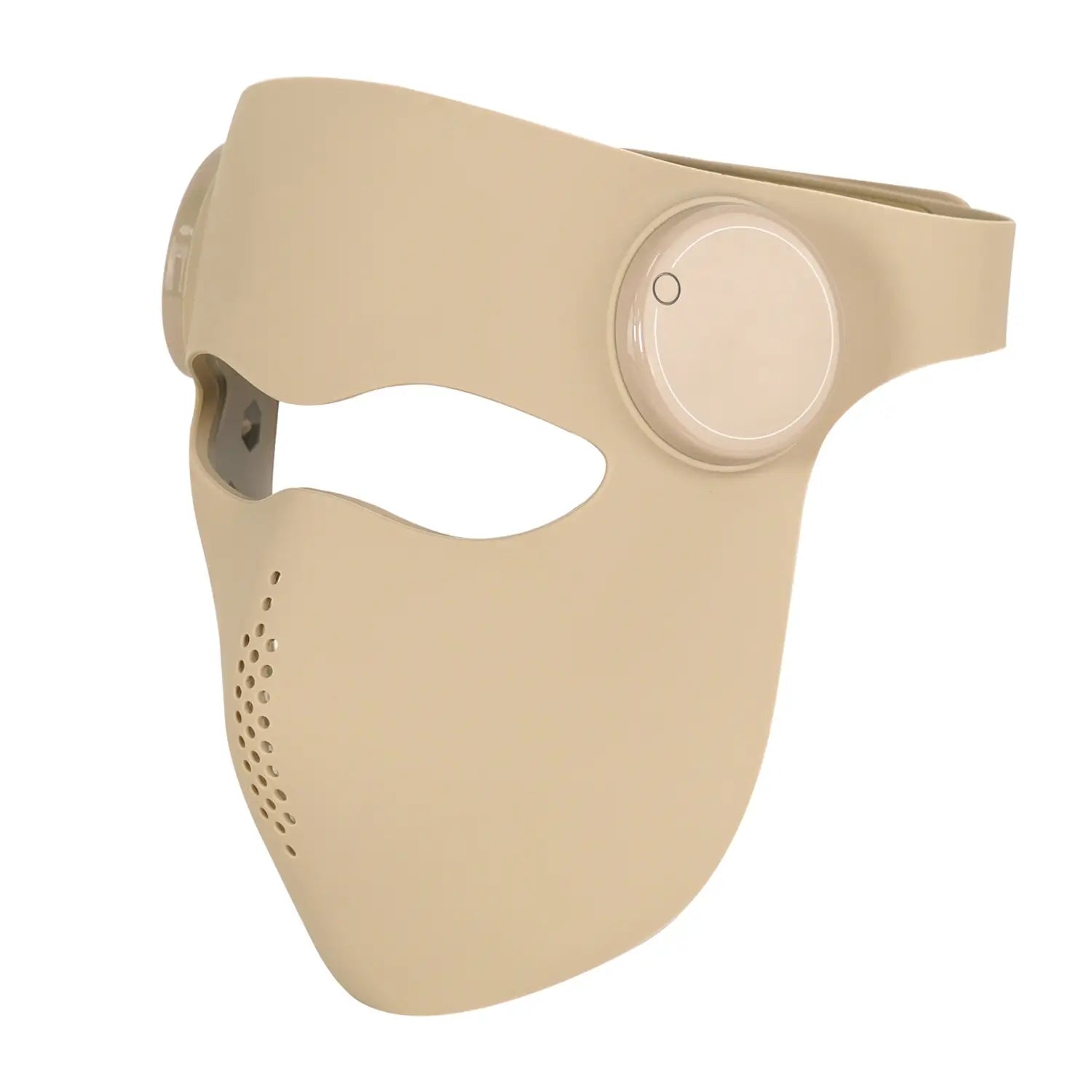

Many people shopping for red light therapy devices in 2026 face a clear split: a convenient LED face mask for targeted skincare or a larger full-body mat promising broader coverage. The right choice depends on your primary goals, available space, budget, and willingness to commit to a routine rather than on a single "best" device.

Face masks generally suit users focused on facial skin appearance with minimal setup, while full-body mats appeal to those seeking exposure across larger areas for recovery or wellness routines. Neither is universally superior, and outcomes vary heavily by individual factors, consistent use, and device specifications.
How Red Light Therapy Devices Work
Red light therapy, also known as photobiomodulation, typically uses red and near-infrared wavelengths. Near-infrared light penetrates more deeply than shorter red wavelengths, according to professional societies focused on laser and energy-based devices. This depth difference influences how devices are positioned: many face masks emphasize red wavelengths for superficial skin applications, while full-body systems often combine both for broader reach.
Consumer devices deliver these wavelengths through LEDs. The biological effects depend on factors such as irradiance (power density), treatment duration, total delivered dose (often expressed as Joules per square centimeter), and the specific area covered. Evidence remains heterogeneous across indications, so results for skin appearance or recovery are condition-specific and not guaranteed.
When used as directed, red light therapy is generally considered low risk, but it should not be presented as a cure-all or medical treatment. This article discusses comfort, setup, and practical trade-offs only. It does not constitute medical advice, diagnosis, or treatment. If you experience persistent discomfort or have existing eye conditions or health concerns, consult qualified professionals.
Key Specification Differences Between Face Masks and Full-Body Mats
The practical differences between these categories show up most clearly in coverage, irradiance delivery, session length, and overall usability.
Face masks are designed as wearable, close-contact devices for the face. They typically offer smaller treatment areas (often 300–600 cm²), higher localized irradiance in the 100–150 mW/cm² range at the skin surface, and short sessions of 10–20 minutes. Their convenience makes daily adherence easier for targeted skincare routines. However, they cannot address areas beyond the face.
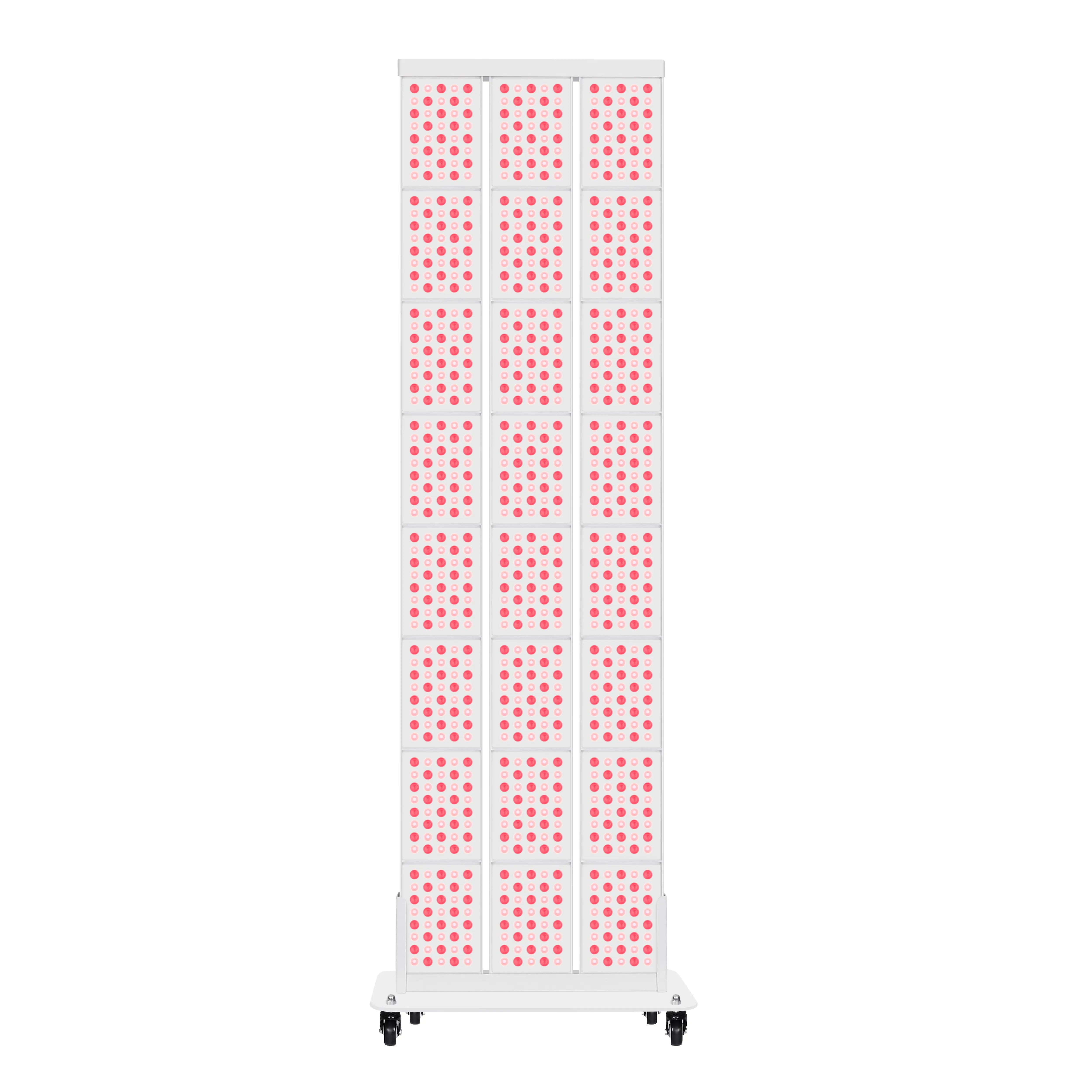
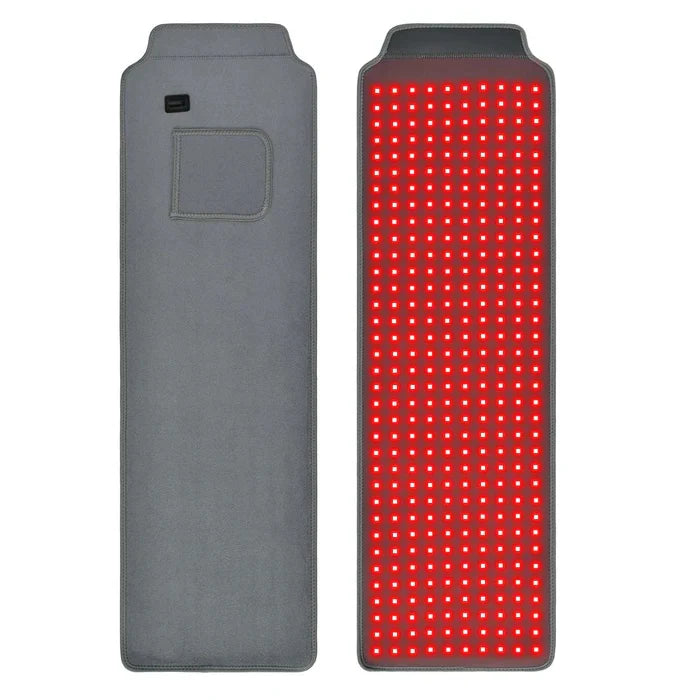
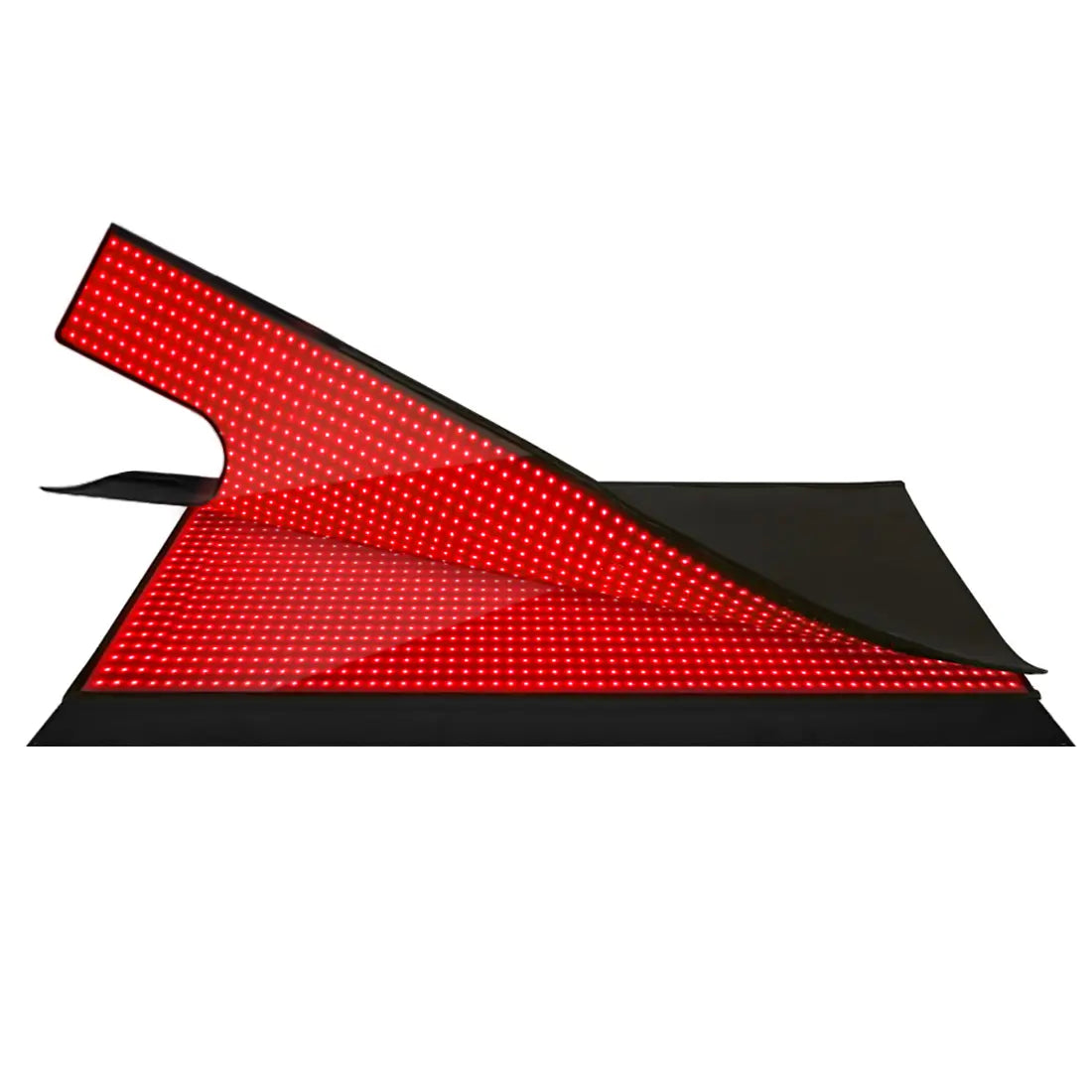
Full-body mats (or large panels used in mat-like configurations) provide dramatically larger coverage—often thousands of square centimeters—allowing exposure to the back, torso, legs, and other areas simultaneously. Irradiance is frequently listed in the 50–130 mW/cm² range depending on distance and measurement method, with sessions commonly ranging from 15–30 minutes. The larger surface area means more of the body can receive light in one session, but the device is bulkier, more expensive, and may require more storage space.
Wavelength choice also matters. Many masks lean toward 630–700 nm red light for skin concerns, while mats and panels frequently include 850 nm near-infrared for deeper tissue interaction. Professional guidance recommends using therapeutically studied wavelengths, with longer ones generally penetrating more deeply.
To help visualize these trade-offs, the radar chart below models relative strengths based on typical 2026 consumer device patterns. Scores are heuristic ratings for decision guidance only.
Red Light Therapy Face Masks vs Full-Body Mats: Practical Trade-Offs
Modeled comparison for decision guidance. Values reflect common 2026 consumer device patterns and are meant to show relative trade-offs, not precise product specs.
View chart data
| Series | Irradiance | Treatment Area | Session Practicality | Cost Advantage | Face-Only Fit | Systemic Fit |
|---|---|---|---|---|---|---|
| Face Masks | 4.0 | 2.0 | 4.0 | 3.0 | 5.0 | 2.0 |
| Full-Body Mats | 3.0 | 5.0 | 3.0 | 2.0 | 2.0 | 5.0 |
Modeled/heuristic comparison based on common 2026 consumer device patterns described in the article context: masks typically have higher irradiance on a small treatment area, shorter sessions, and lower total cost; mats typically cover far larger areas with moderate irradiance, longer sessions, and higher cost. The scores are bounded relative ratings for decision guidance, with the use-case fit intentionally flipping between face-only and systemic goals.
This chart illustrates how the decision often flips based on whether your priority is facial convenience or broader body coverage. Irradiance numbers must be interpreted alongside distance, measurement method (spectroradiometer preferred over solar meters to avoid inflation), and actual delivered dose.

Common Myths vs. Evidence-Based Expectations
A frequent misconception is that a larger, more expensive full-body mat automatically delivers dramatically superior anti-aging or recovery results compared with a targeted mask. In reality, a larger device does not by itself prove better outcomes for wrinkles, skin appearance, or systemic wellness. Red light therapy is commonly used for skin-related concerns and is thought to support collagen-related skin appearance benefits, though outcomes vary by condition and device.
Photobiomodulation research uses visible red and near-infrared wavelengths, but evidence quality differs across use cases. Coverage and irradiance influence how much tissue receives light, yet real-world value also depends on consistency, session practicality, and individual response. Academic reviews note that red light can reach the dermis and is discussed in anti-aging and healing contexts, but the literature does not yet fully settle optimal parameters for every application.
Consumer reporting generally positions LED face masks as convenient skincare tools for fine lines, redness, pigmentation, or acne-related concerns, while larger systems attract buyers seeking broader exposure. Editorial reviews typically separate the categories rather than declaring one universally better.
When a Face Mask Is Usually Sufficient
Targeted devices make sense in several common scenarios:
- Your primary interest is facial skin appearance or localized concerns.
- You value short, repeatable sessions that fit easily into a daily routine.
- Budget and storage space are limited.
- You prefer minimal setup and a compact, portable form factor.
Popular options in this category include adjustable, lightweight designs with multiple wavelengths for home use. For example, the YOULUMI YL-IRM-Y02 Red Light Therapy Mask or the YouLumi 4-Color LED Light Therapy Face Mask offer convenient facial treatment. Many users start here before considering an upgrade. Learn more in our guide on How Do Red Light Therapy Masks Work And Are They Worth It.
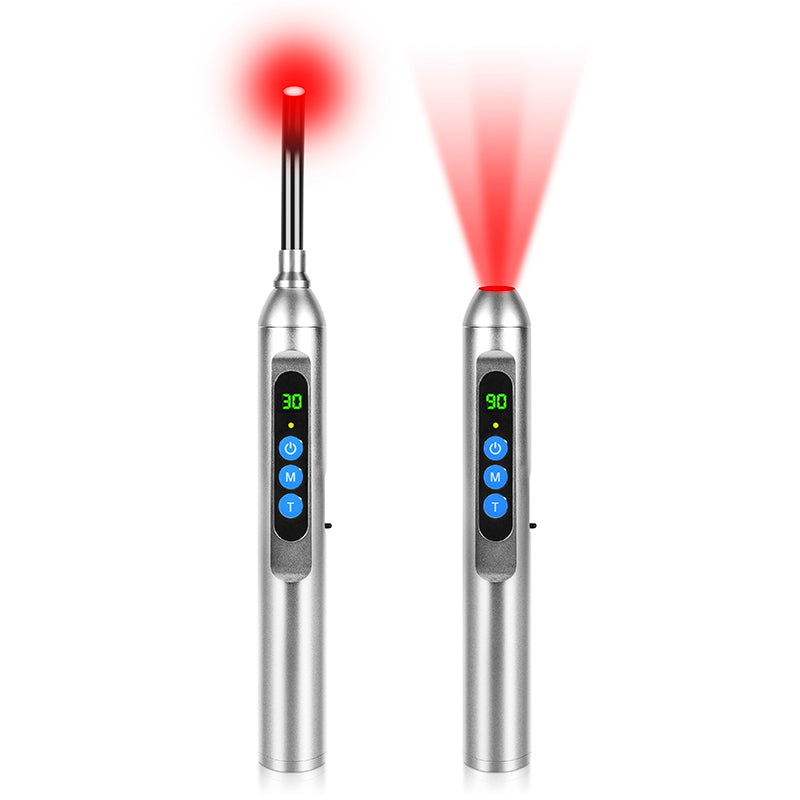
Handheld or small panel devices can also serve similar targeted needs. The YouLumi 60W Red Light Therapy Panel for Face, Neck & Joints provides flexibility for specific areas without the full commitment of a large system.
When a Full-Body Mat Becomes the Stronger Long-Term Choice
Full-body systems tend to deliver more value when:
- You want exposure across larger body areas in a single session.
- Recovery, sleep support, or general wellness routines are priorities alongside skincare.
- You have dedicated space and are prepared for higher upfront cost.
- You plan long-term use and prefer one device that can serve multiple goals.
In these cases, the greater coverage can reduce total treatment time across body zones and support more comprehensive routines. Our Youlumi Pro Full Body Red Light Therapy Mat with 3840 LEDs, dual 650/850 nm wavelengths, and high irradiance is designed for exactly this purpose. Larger panels used flat or standing also fit here; see the YOULUMI 1700W Red/NIR Light Panel or YOULUMI IRP010-03L 900W Red Light Therapy Panel for powerful full-body options.
Compare these against smaller systems in our article on Red Light Therapy Mat vs. Panel: Which is Best for You?. For deeper technical context on wavelengths, read Decoding Red Light Therapy Wavelengths: 660nm vs. 850nm.
Practical Buying Checklist and Upgrade Considerations
Use these checkpoints to evaluate any device:
-
Confirm irradiance and measurement method. Look for claims backed by spectroradiometer testing at a realistic treatment distance rather than inflated solar-meter readings. Our guide on Photobiomodulation Standards: Irradiance, EMF, and Safety explains key benchmarks.
-
Calculate realistic dose. Fluence (J/cm²) equals irradiance multiplied by time. Check whether the device can deliver a plausible dose in a session length you will actually follow.
-
Match coverage to your goals. Face-only needs rarely justify a full-body investment. Body-wide goals often favor mats or large panels.
-
Evaluate build quality, EMF, and flicker. Lower-EMF designs and flicker-free performance matter for daily use. Verify using the methods in How to Verify RLT Specs: A Guide to Irradiance and EMF Testing.
-
Consider total cost of ownership. Factor in purchase price, electricity use, replacement parts, warranty (many premium options offer 3 years), and storage space.
-
Test routine fit. Start with a mask if you are uncertain. Upgrade to a mat only after confirming you will use the larger format consistently.
Do not buy a full-body mat if your needs are primarily face-focused, you lack space for a larger device, or the purchase is driven mainly by marketing claims rather than a genuine need for broader coverage. In those situations, a targeted mask or compact panel is often the more practical choice.
Existing users of face masks considering an upgrade should assess whether their current results feel limited by area rather than by device quality. If facial results are satisfactory but you seek additional body benefits, a mat can complement rather than replace the mask.
Explore our full range of options in the Red Light Therapy Panel or Red Light Therapy Mask collections. For sleep and recovery-focused users, the Red Light Therapy Sleep Bag or targeted Red Light Therapy Belt may also fit specific needs.
Final Decision Framework
Choose a face mask when convenience, targeted skincare, and lower commitment matter most. Opt for a full-body mat when broader coverage, combined facial-and-body routines, and long-term systemic exposure align with your goals and lifestyle. The technical specifications, real-world usability, and your personal priorities ultimately determine value more than headline price or size alone.
Always prioritize devices from transparent manufacturers that provide clear irradiance data, safety certifications, and realistic usage guidance. Start conservatively, track your own experience, and adjust based on results rather than expectations. This measured approach helps ensure you select equipment that fits your life and delivers sustainable benefits over time.
This article only discusses comfort and setup advice; it does not constitute medical advice, diagnosis, or treatment. If persistent discomfort occurs or existing eye conditions are present, qualified professionals should be consulted.