
Red light therapy can serve as a practical addition to an evening wind-down routine for people dealing with delayed sleep onset or circadian drift from screens and irregular schedules. When used thoughtfully alongside proven light hygiene practices, it may support relaxation and help align your internal clock without replacing core sleep habits like consistent bedtime and a dark environment. Results vary by individual, device quality, and how you combine it with other behaviors, so treat it as one tool in a broader stack rather than a standalone fix.

How Red Light Therapy May Support Sleep and Circadian Health
Red light wavelengths (typically around 660 nm) are generally less disruptive to melatonin production than blue or white light, making them a candidate for evening use when you need some illumination without strongly suppressing sleep signals. Evidence for red light and sleep is promising but still limited, so claims should stay cautious. Studies suggest red light may be less suppressive than blue-rich sources, yet it does not override the fundamental importance of minimizing overall nighttime light exposure.
According to guidance from the Sleep Foundation on red light and sleep, red light is commonly preferred over blue-rich sources in the evening because it may be less disruptive to melatonin signaling. This makes it potentially useful during a low-light wind-down period, but it works best when paired with broader light hygiene.
Morning bright light and evening dim light remain the standard circadian-hygiene levers for supporting sleep timing and circadian alignment, as outlined in official resources like the CDC Yellow Book on jet lag. Red light therapy functions more as an adjunct rather than the primary driver of circadian reset.
Building an Evening Red Light Therapy Protocol for Better Sleep
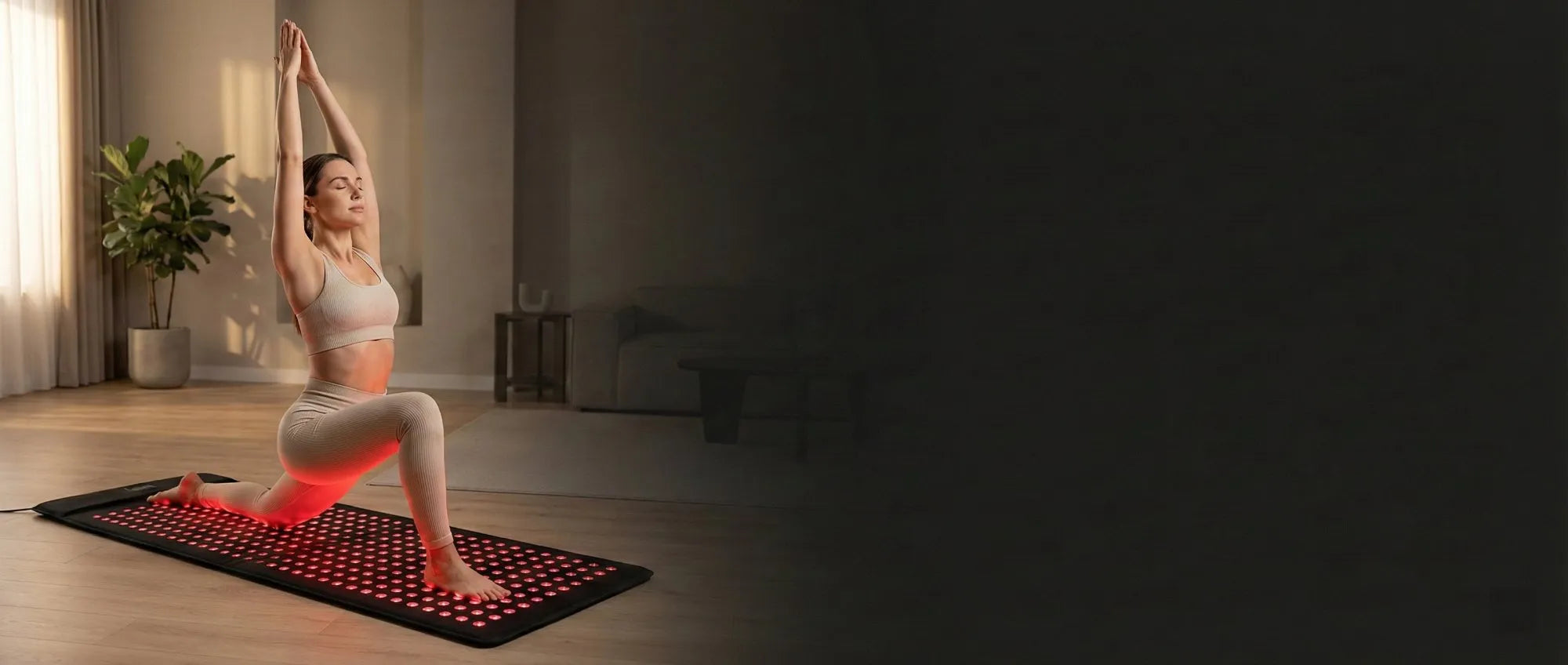
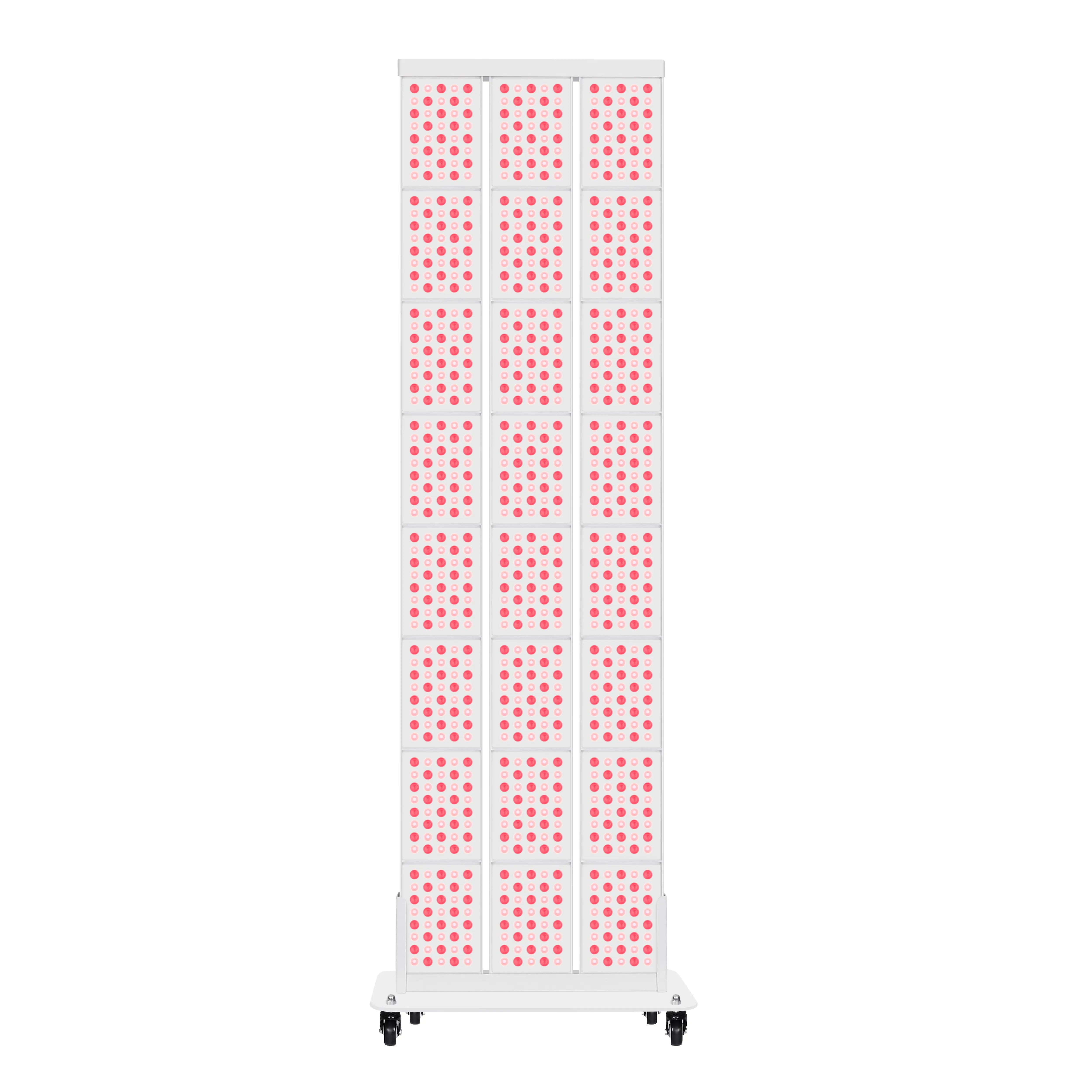
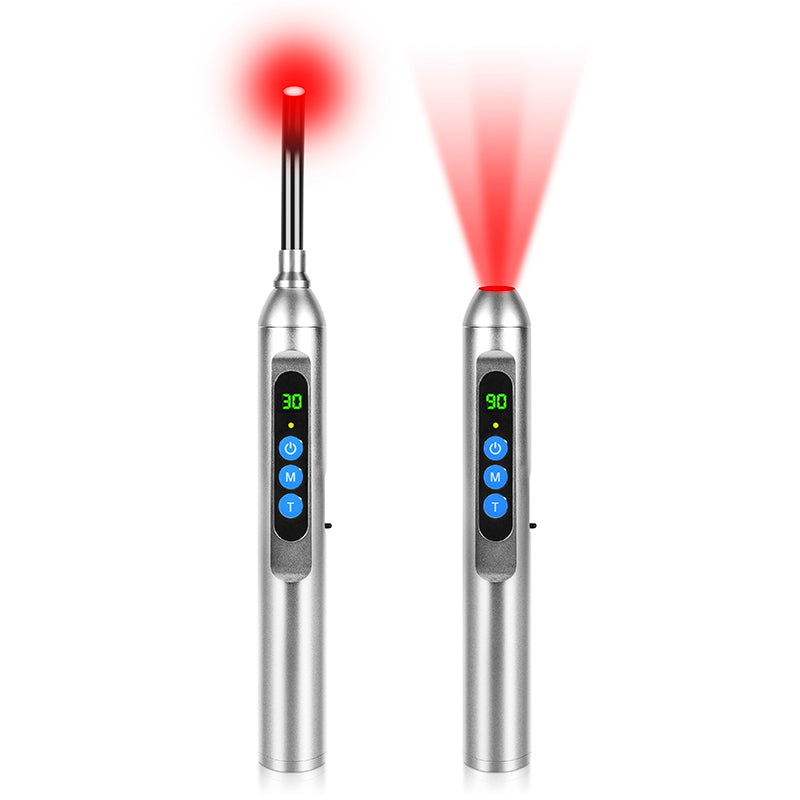
A practical evening protocol focuses on timing, duration, distance, and consistency. Aim to use red light therapy 1–2 hours before your target bedtime as part of a screen-reduced routine. Typical sessions last 10–20 minutes at a comfortable distance (usually 12–24 inches from the device, depending on irradiance), targeting areas like the abdomen, back, or full body to promote relaxation.

For most people with mild sleep-onset issues, the protocol looks like this:
- Dim household lights and avoid blue-rich screens 60–90 minutes before bed.
- Use your red light device while reading, meditating, or performing gentle stretches.
- Keep the room cool (around 60–67°F) and maintain a consistent sleep schedule.
This approach fits naturally into a nightly wind-down and can be stacked with other tactics such as magnesium supplementation, weighted blankets, or temperature regulation. Reducing nighttime light exposure is a widely recommended sleep-hygiene strategy because light at night can disrupt melatonin and circadian signaling.
Illustrative Timing Guide
Illustrative Red Light Therapy Timing Windows Relative to Bedtime
Relative timing only; this is an illustrative scheduling aid, not clinical efficacy data. The 10:00 PM bedtime anchor shows where red light therapy may fit for wind-down, morning anchoring, or shift-work sleep blocks.
View chart data
| Category | Fit for sleep support |
|---|---|
| Morning anchor | 2.0 |
| Evening wind-down | 5.0 |
| Too close to bed | 1.0 |
| Shift-work: before sleep block | 4.0 |
Illustrative relative timing built from scenario guidance: evening use for wind-down after screens, morning use for circadian anchoring, and shift-worker timing aligned to the intended sleep block. Includes the common 1–2 hour pre-bed window and a typical 10:00 PM bedtime anchor; not clinical trial data.
This chart illustrates relative fit for different timing windows based on common user scenarios. Evening wind-down (1-2 hours before bed) scores highest for supporting sleep onset after screen use, while morning use helps anchor the day. Use is illustrative only and should be adjusted to your personal schedule.
Morning vs Evening Use: When to Choose Each
Circadian reset is driven most strongly by morning light exposure and evening light reduction. For many biohackers and remote workers, morning red light sessions (within the first hour after waking) can reinforce daytime alertness and help stabilize rhythms over time. Evening sessions, by contrast, are better suited for winding down after late screen exposure.
Shift workers and travelers benefit from aligning sessions to their target sleep block rather than clock time. For night shift nurses or those with irregular schedules, red light therapy timed appropriately relative to their sleep window may help reduce fatigue and support recovery. Our related guide on red light therapy for shift workers and circadian reset explores this in more detail.
Athletes recovering from high-intensity training may find evening use helpful for relaxation, while morning sessions support overall performance recovery. See our analysis of red light therapy's impact on HIIT recovery for related insights.
Common Mistakes and How to Avoid Them
Many users undermine results by using the device too close to bedtime with high intensity, keeping bright screens active immediately afterward, or expecting overnight transformation without consistent habits. Avoid bright white or blue light in the final hour before bed, as reducing nighttime light exposure remains foundational.
Device placement also matters. Position the panel at the manufacturer-recommended distance to achieve appropriate irradiance without overstimulation. Inconsistent timing or skipping the low-light environment can reduce perceived benefits.
Evidence for red light and sleep is promising but still limited, so claims should stay cautious. Do not rely on red light therapy alone if you have diagnosed insomnia or other medical sleep conditions.
How to Measure Progress and Track Results
Track sleep latency (time to fall asleep), subjective sleep quality, and next-day energy using a simple journal or wearable tracker. Note session timing, duration, and any changes in deep sleep percentage or morning alertness. Improvements often appear gradually over 2–4 weeks of consistent use.
Compare weeks with and without the protocol while keeping other variables (bedtime, room temperature, caffeine cutoff) stable. If you notice no change after a month, reassess your full sleep stack or consult a professional.
When Red Light Therapy May Not Be the Right Choice
Skip or deprioritize red light therapy for sleep if your primary issues stem from stress, sleep apnea, chronic pain, or non-light-related factors. It is also less useful if you cannot maintain a repeatable routine or if you seek an instant sedative effect rather than gradual circadian support.
For those with stable sleep already, the added step may deliver minimal gains. Always prioritize foundational habits: consistent sleep timing, morning daylight exposure, and a cool, dark bedroom.
Stacking Red Light Therapy with Other Optimization Tactics
The strongest protocols combine red light with evidence-based practices. Maintain a fixed sleep schedule, reduce evening light overall, keep the bedroom below 67°F, and consider evidence-supported supplements only after consulting a healthcare provider.
Seasonal factors matter too. Many users report better results in winter when natural light is limited. Our article on why red light therapy works better in winter provides additional context on irradiance and seasonal mitochondrial support.
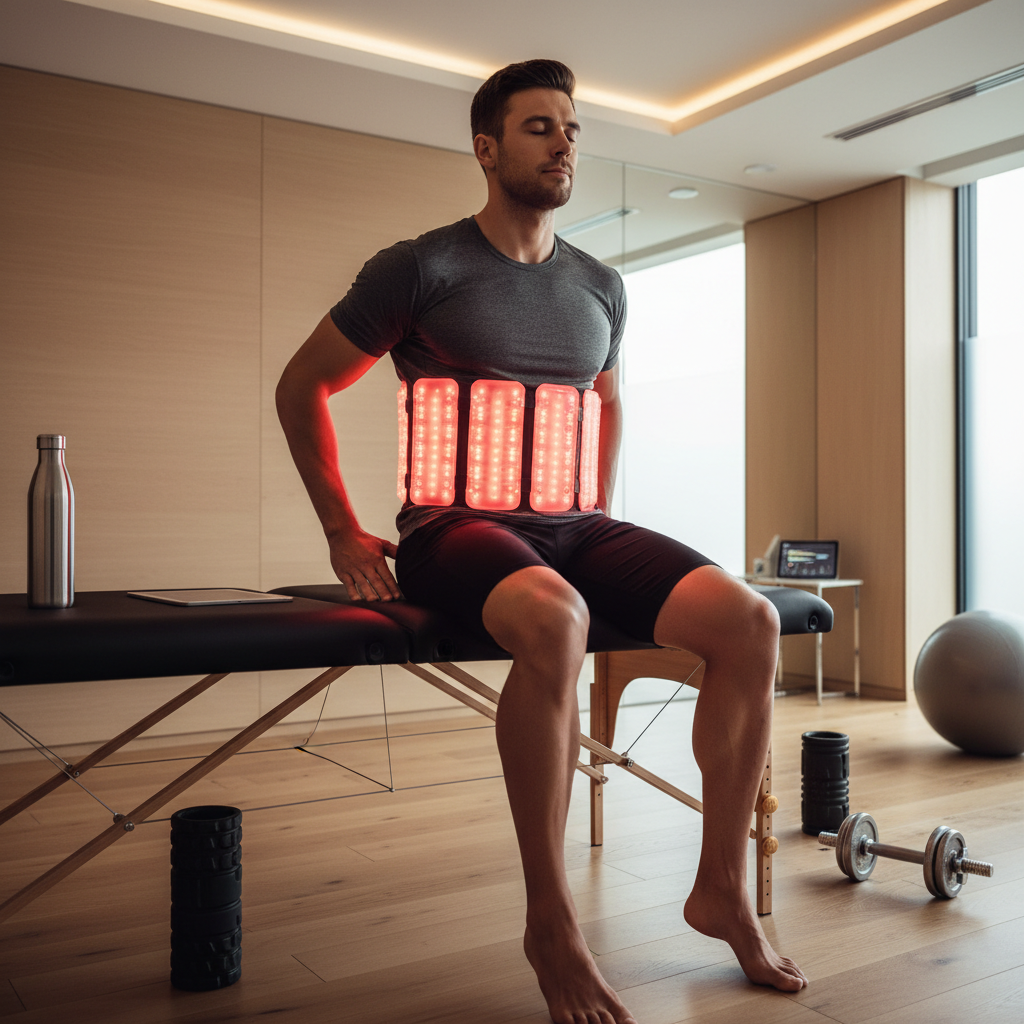
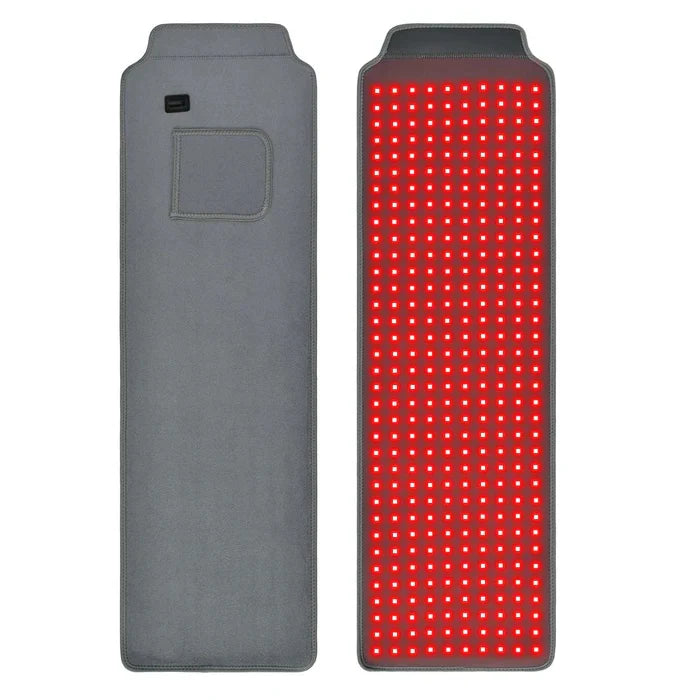
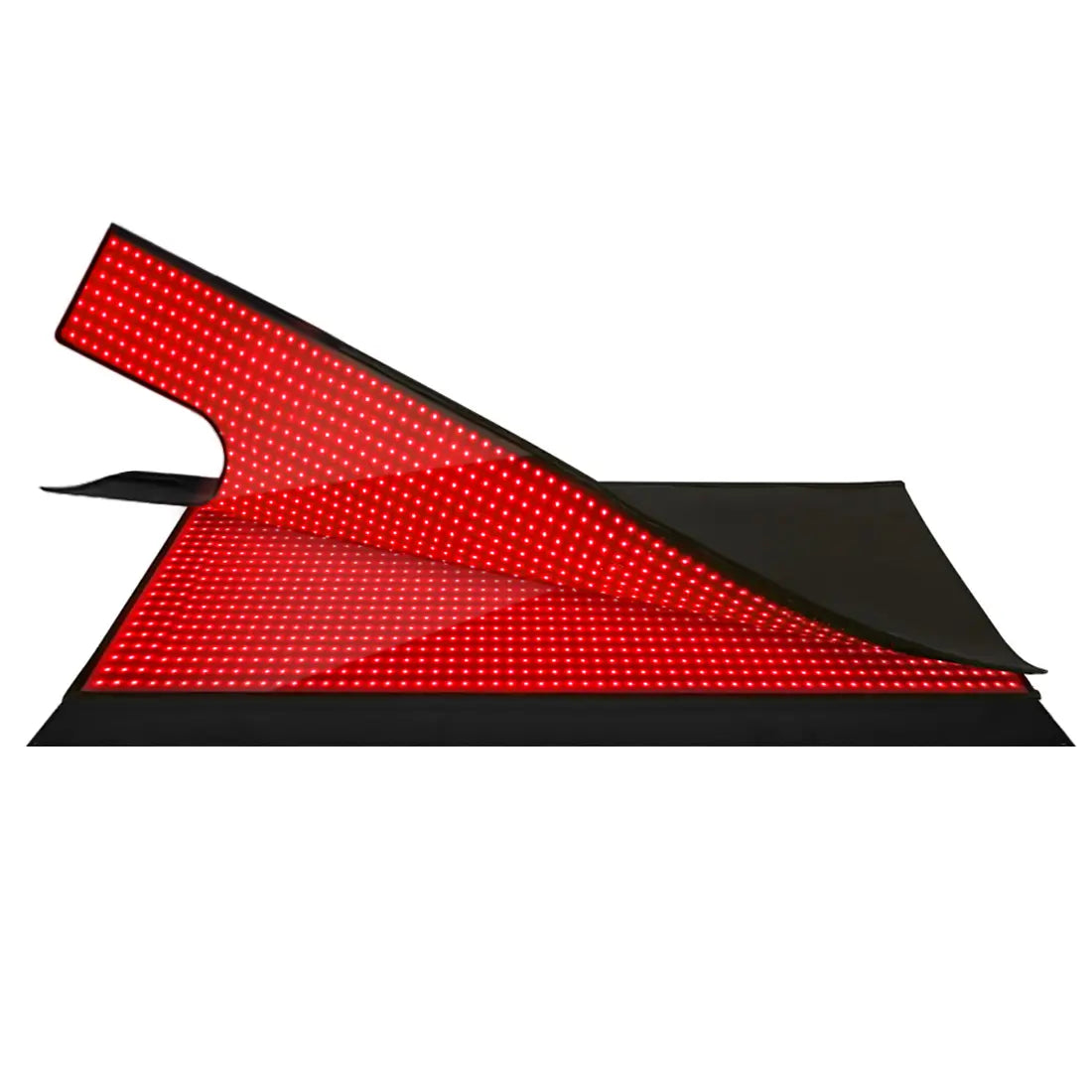
For targeted recovery, a red light therapy belt offers convenient placement during evening relaxation. Learn more about panel capabilities in what a red light therapy panel does.
Pulsing options like 10 Hz may influence relaxation for some users. Explore frequency effects in our guide to 10Hz vs 40Hz and breathing mode.
For shift-related fatigue, see red light therapy for night shift nurses.
Health and Safety Considerations
This article discusses comfort, setup advice, and general wellness routines only. It does not constitute medical advice, diagnosis, or treatment for sleep disorders or any health condition. Red light therapy is generally well-tolerated, but watch for eye discomfort and avoid direct eye exposure. If you experience persistent sleep issues, have existing eye conditions, or take medications that increase light sensitivity, consult a qualified healthcare professional before starting any new protocol.
Individual responses vary based on device irradiance, wavelength accuracy, and personal biology. Choose high-quality equipment that meets safety standards for irradiance and EMF levels.
Final Takeaways for Building Your Protocol
Start simple: pick one consistent time slot (most often 1–2 hours before bed), use for 10–20 minutes in a low-light setting, and track basic sleep metrics for 3–4 weeks. Combine with morning daylight, reduced evening screens, and stable sleep timing for the best chance of supporting both deep sleep and circadian alignment. Red light therapy works best as part of a complete sleep optimization approach rather than a magic bullet.
By treating it as a supportive habit rather than a cure, you can integrate red light therapy sustainably and evaluate its value in your personal routine.