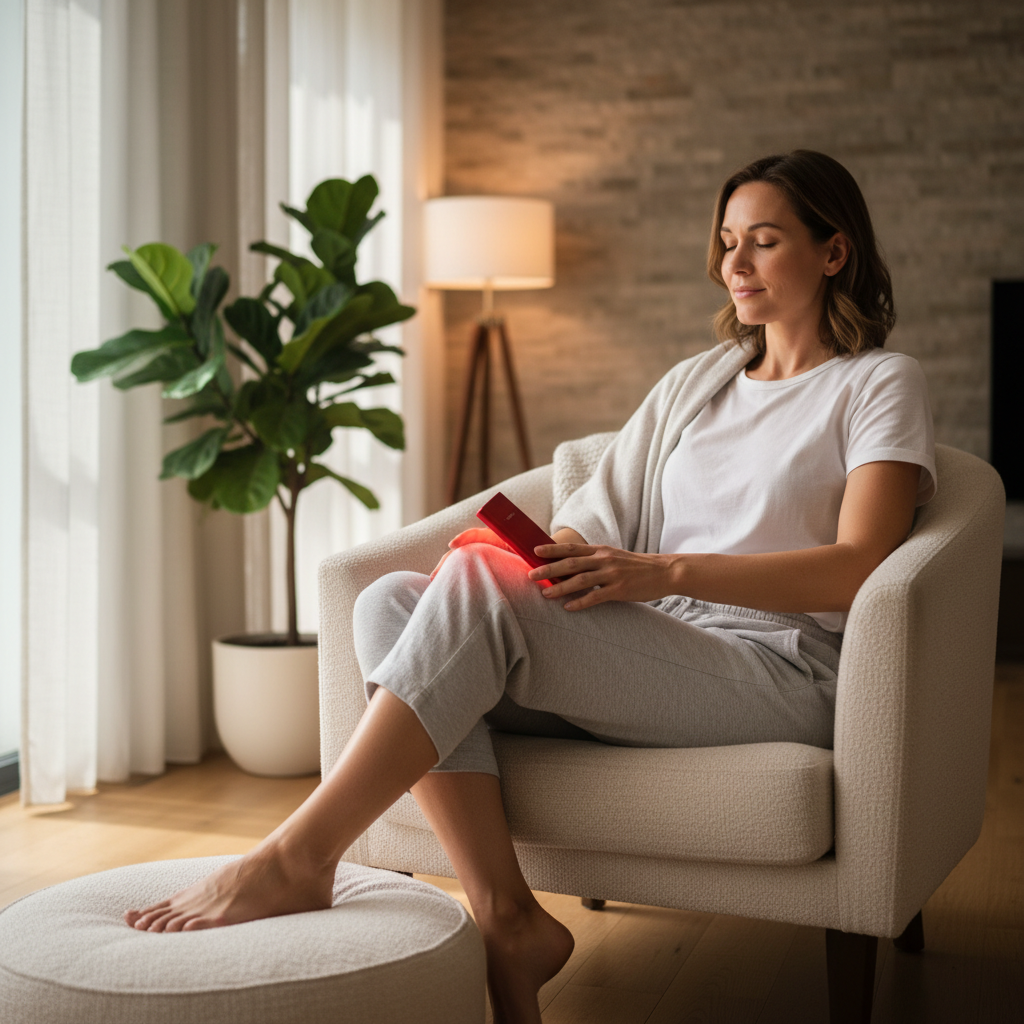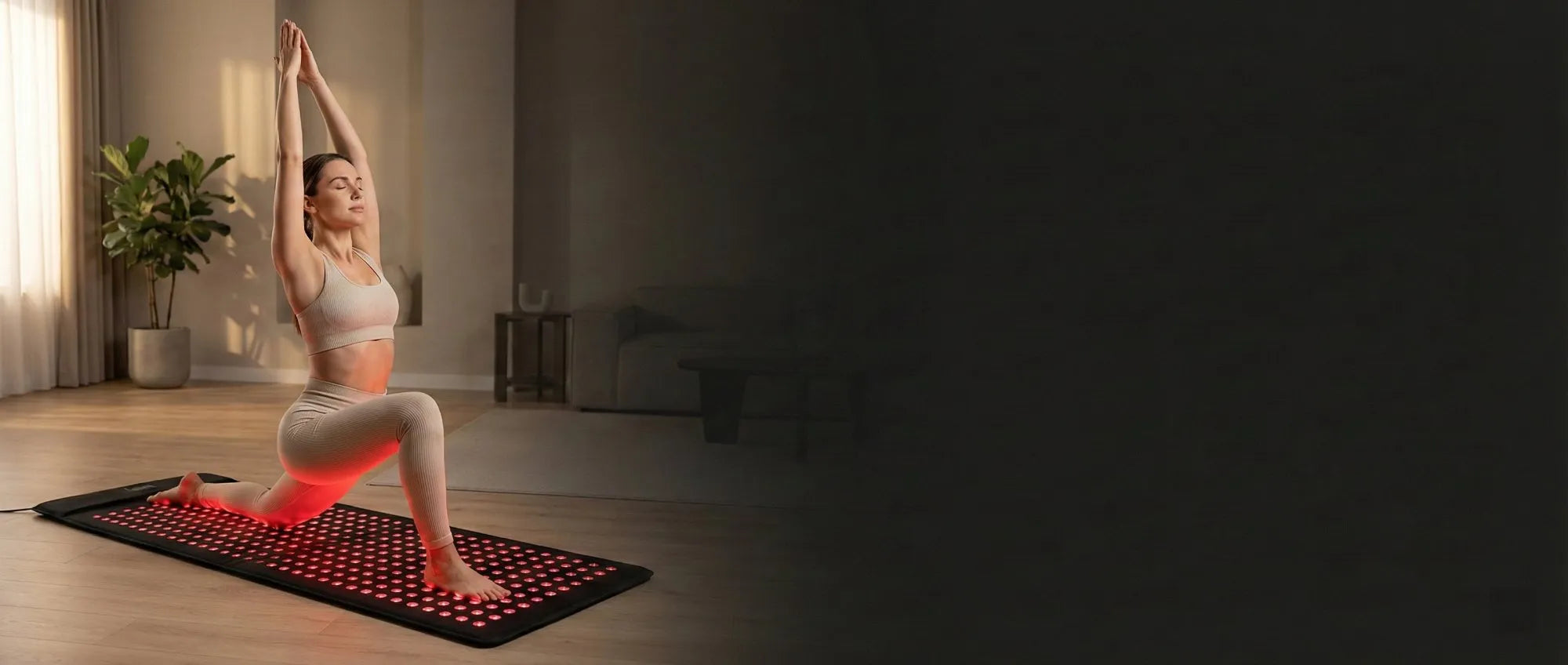
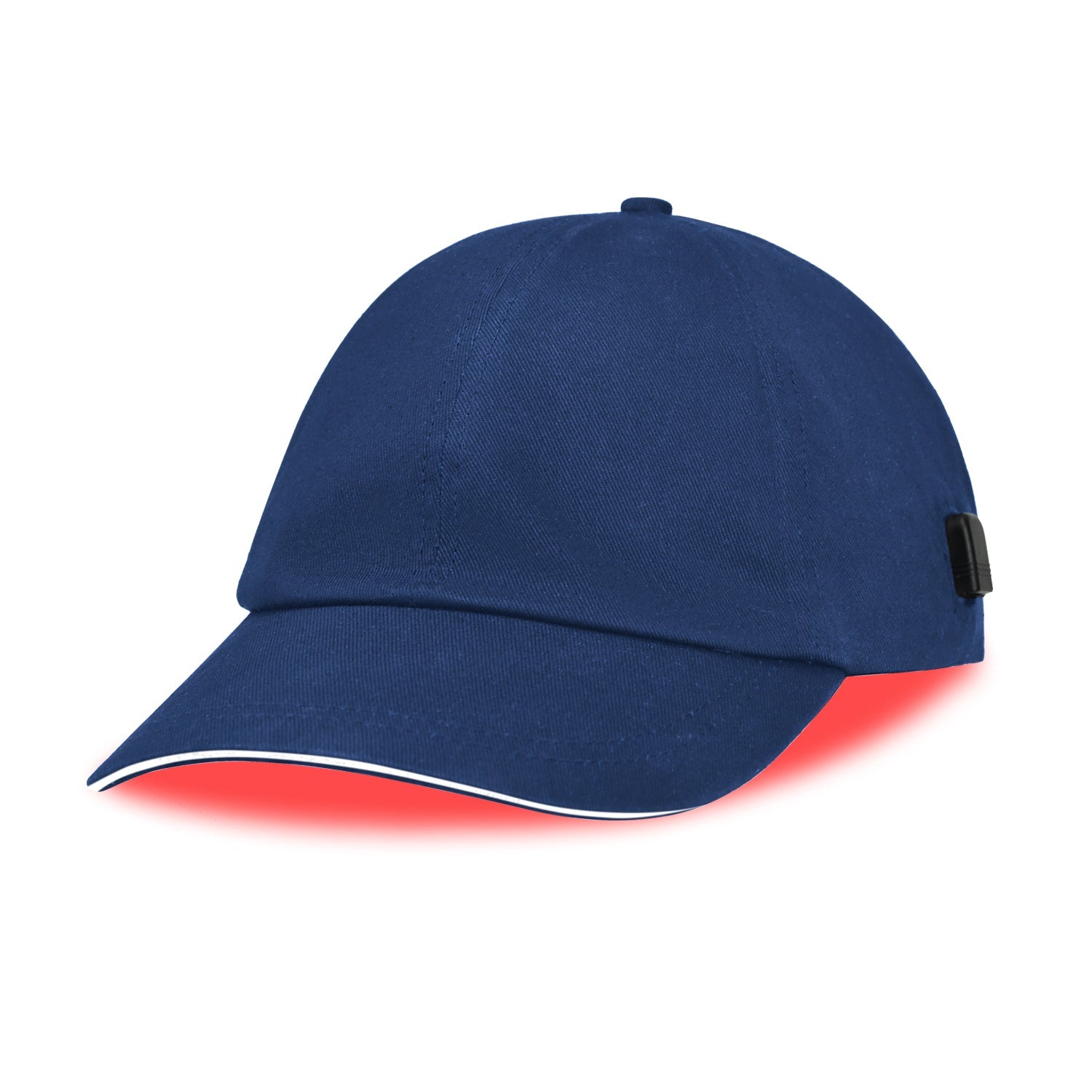
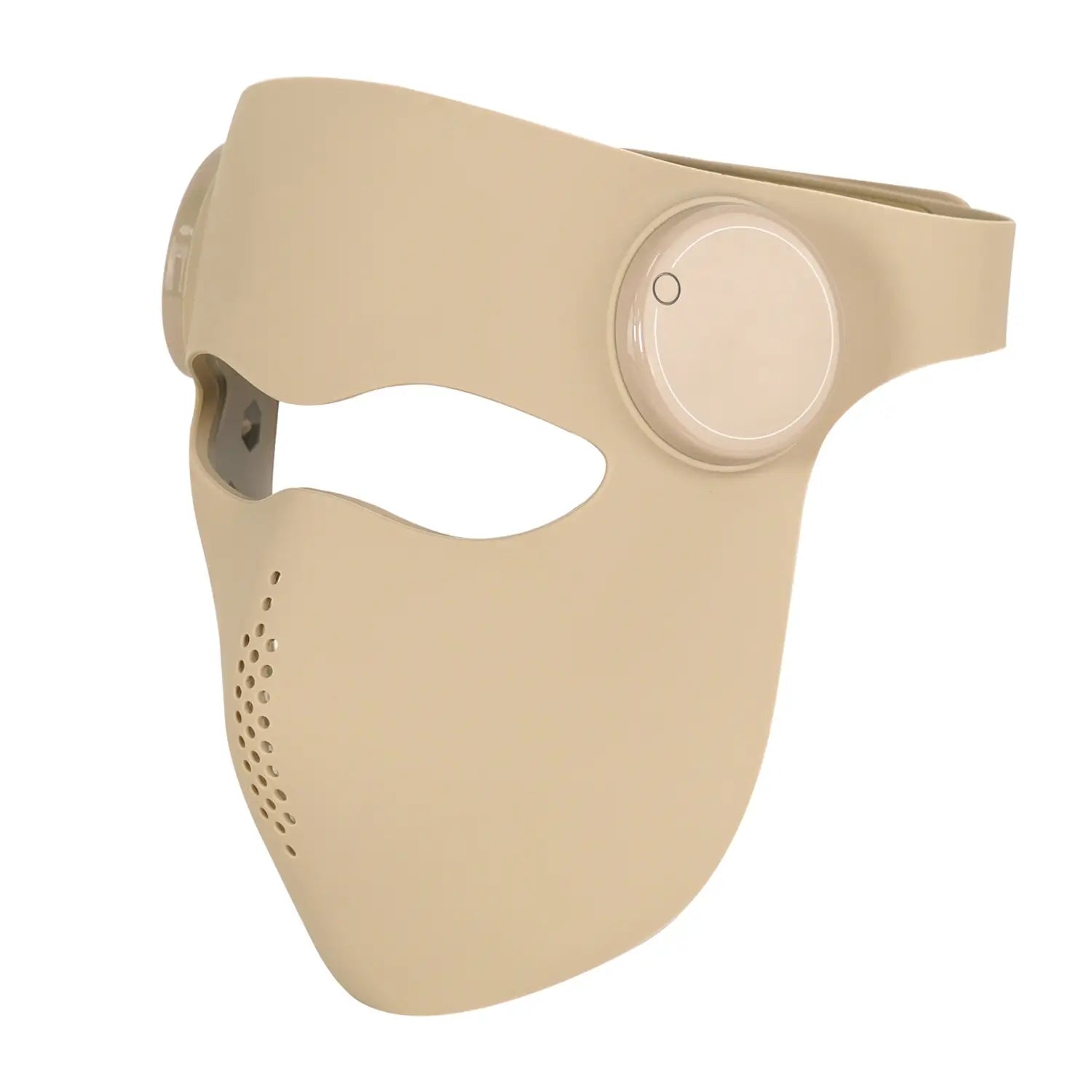

Systemic inflammation can contribute to persistent discomfort, slower recovery from exercise, and reduced quality of life for many adults. Red light therapy, also known as photobiomodulation (PBM), is often explored as a non-pharmaceutical option that may support local tissue recovery and comfort in some users when applied consistently with appropriate parameters. While results vary and it is not a cure or replacement for medical care, structured protocols can help users apply devices safely and track their own response over time.

Before starting any red light therapy routine, evaluate whether your symptoms are suitable for self-managed support. This approach works best for recurring muscle soreness, post-exercise recovery, or mild joint discomfort where you can monitor changes yourself. Seek professional medical evaluation first if you experience unexplained inflammation, fever, rapid worsening, severe pain, chest symptoms, neurological changes, or a diagnosed inflammatory condition that is unstable. This article provides conservative, symptom-oriented guidance only and does not constitute medical advice, diagnosis, or treatment. Consult a qualified healthcare professional for persistent discomfort or existing conditions.
Common Myths About Red Light Therapy and Inflammation
Many marketing claims around red light therapy for inflammation overstate its effects. Understanding these helps set realistic expectations.
Myth 1: Red light therapy cures or eliminates systemic inflammation. Reality: It is better described as a potential adjunct that may support certain local recovery processes in tissues. Broad cure claims for inflammation or autoimmune conditions are not supported.
Myth 2: Helping one area means it will resolve whole-body or autoimmune inflammation. Reality: Evidence from localized use cases should not be extended to systemic disease management without clinical oversight.
Myth 3: Stronger sensations or immediate warmth prove it is actively reducing inflammation everywhere. Reality: Sensation alone is not a reliable indicator of anti-inflammatory effects.
Myth 4: Red light therapy replaces medication or standard care for chronic pain or inflammation. Reality: It should be viewed as complementary self-care at most. Do not discontinue prescribed treatments without consulting your doctor.
These boundaries keep expectations grounded. The largest information gain for readers is determining whether their specific situation aligns with conservative home use rather than chasing dramatic claims.
Understanding Key Parameters: Wavelengths, Irradiance, and Dosage
Effective protocols depend on more than just turning on a device. Wavelength, irradiance (power density), fluence (energy delivered per area), distance, and consistency all influence outcomes.
Commonly referenced wavelengths for inflammation and recovery support fall in the red to near-infrared range. 660 nm is frequently associated with more superficial tissue effects, while 850 nm may reach deeper layers. Many consumer panels combine both.
Irradiance measured at treatment distance typically ranges from 20 to 100 mW/cm² for practical home devices. Fluence, the total energy delivered, is often discussed in the 3–20 J/cm² range for conservative daily use, with some protocols extending higher depending on the target. Session times are calculated to reach the desired fluence based on your specific device’s output.
Factors that affect response include skin type, device distance (closer usually delivers higher effective dose), treatment consistency, and individual variation. Darker skin tones may require slightly adjusted timing or distance to achieve similar tissue exposure. Always follow manufacturer guidelines and start conservatively.
Here is an illustrative overview of conservative editorial thresholds compiled from PBM reference materials. These are decision boundaries to help avoid both under-dosing and overly aggressive sessions, not clinical prescriptions.
Conservative Editorial Thresholds for Red Light Therapy Protocols
Illustrative thresholds only: conservative editorial boundaries for systemic red light therapy protocols.
View chart data
| Category | Conservative range | Broader range / reference band |
|---|---|---|
| Wavelength (nm) | 660.0 | 850.0 |
| Irradiance (mW/cm²) | 20.0 | 100.0 |
| Fluence (J/cm²) | 3.0 | 50.0 |
| Session duration (min) | 1.5 | 8.0 |
| Frequency (sessions/week) | 3.0 | 7.0 |
Illustrative editorial thresholds compiled from internal viewpoint-insighter threshold tables and PBM standard references. The chart shows conservative lower-to-upper bounds and a broader reference band where provided; it is not a clinical standard and should be read as a decision boundary guide rather than a prescription.

This photobiomodulation standards guide provides deeper technical background on irradiance measurement and dosage calculation using the Arndt-Schulz principle.
Generalized Versus Localized Protocols
Protocol choices differ depending on whether you are targeting a specific area or seeking broader support.
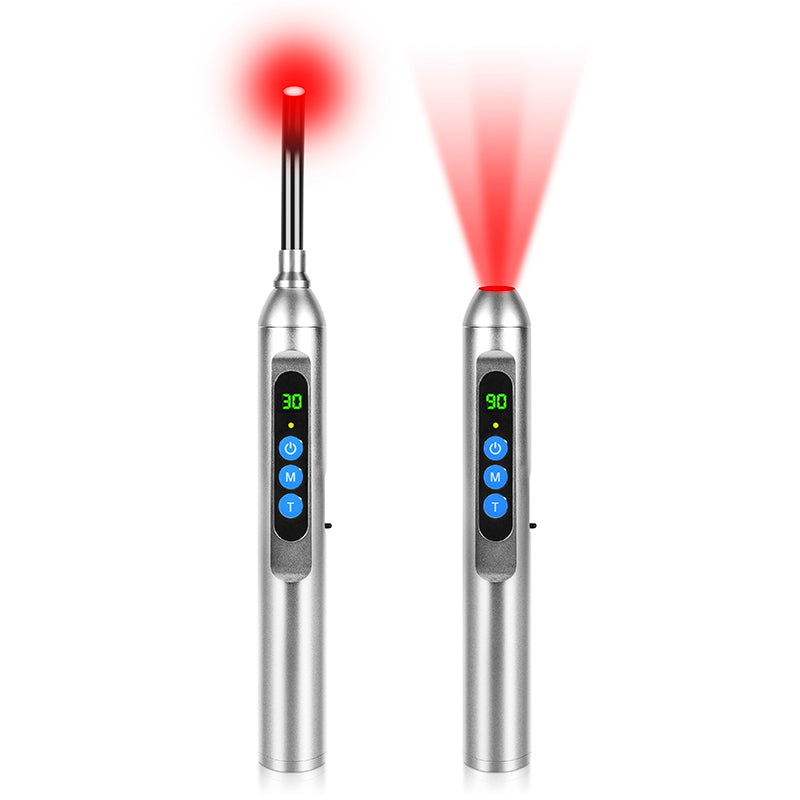
Localized symptom support (sore shoulders, lower back, specific joints): Focus treatment directly on the area. Sessions of 5–10 minutes per zone at appropriate distance are common starting points. Track changes in that specific location.
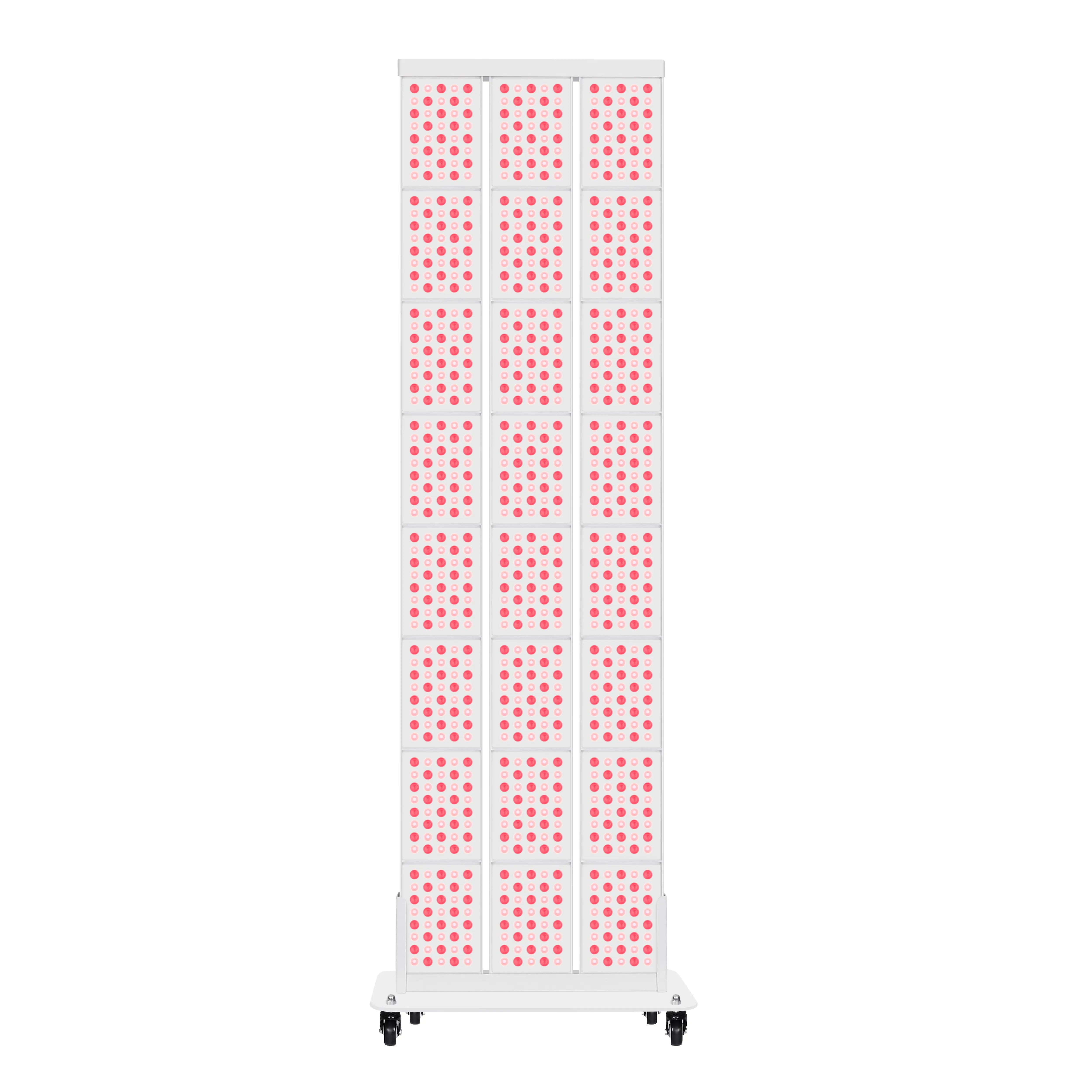
Broader or systemic goals (general recovery, post-workout soreness across multiple areas): Use a larger panel or belt to cover more surface area. Total session time may extend to 10–20 minutes while keeping individual zones within conservative fluence. Effects on generalized feelings of discomfort tend to be subtler and slower to appear.
The scenario often flips based on your ability to measure progress. If you cannot identify a specific symptom or body area that improves, confidence in broad systemic benefits should remain low. Prioritize consistency over intensity.
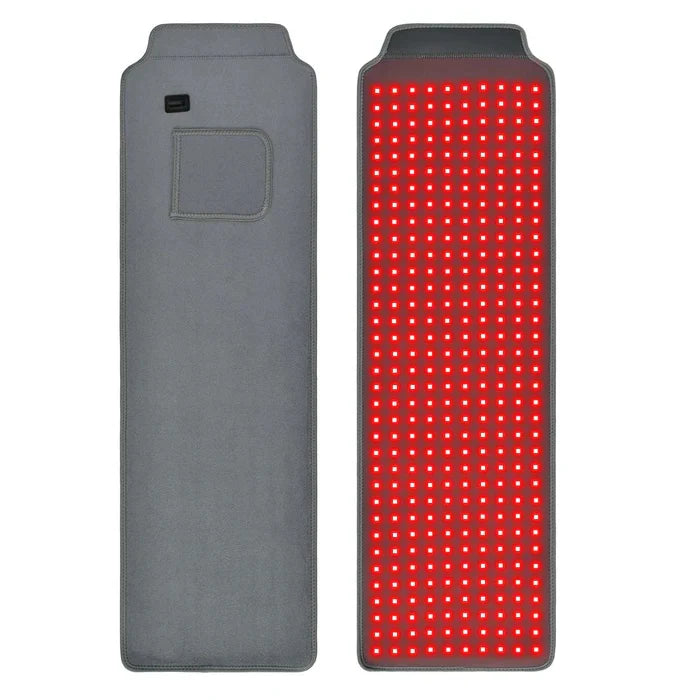
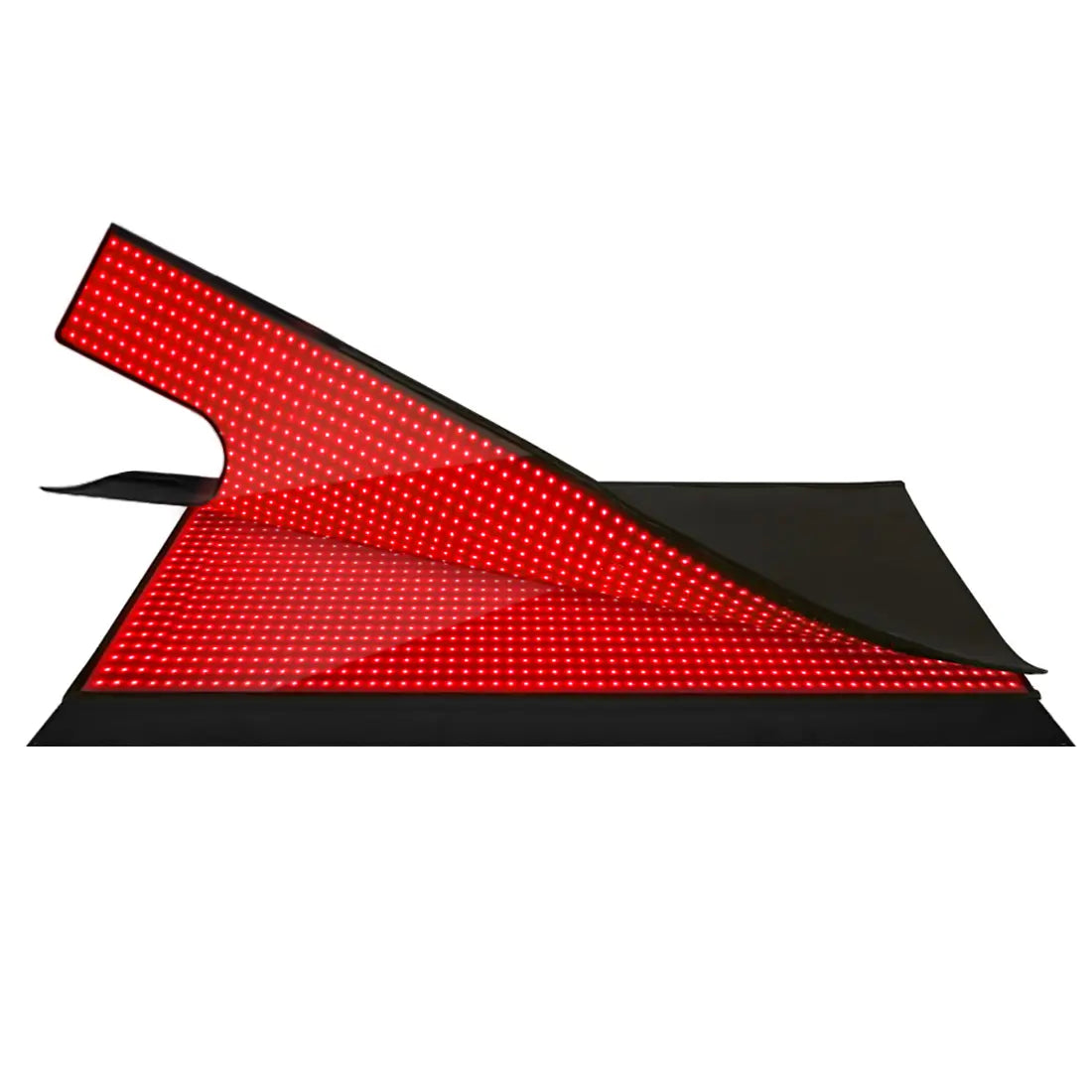
For full-body or large-area coverage, consider devices like red light therapy belts that allow convenient positioning for the back, abdomen, or legs.
Sample Starting Protocol for Inflammation-Related Discomfort
A conservative at-home protocol might look like this (adjust according to your device manual):
- Wavelengths: 660 nm and/or 850 nm combination
- Irradiance: 20–100 mW/cm² at treatment distance
- Fluence target: Aim for 3–20 J/cm² per treated area
- Duration: 5–10 minutes per major zone, or longer if irradiance is lower
- Frequency: 3–5 sessions per week to start, up to daily if well tolerated
- Distance: Follow manufacturer recommendation, typically 6–18 inches for panels
- Timing: Many users prefer post-workout or evening sessions for recovery support
Treat one or two areas per session if using a smaller device. For larger panels, stand or sit to expose the torso, back, or legs evenly. Keep skin clean and dry. Stay hydrated and maintain normal sleep and nutrition, as these influence overall recovery.
This protocol draws from patterns seen in recovery-focused applications such as red light therapy after high-intensity training and targeted tissue support in active individuals.
What to Expect and How to Track Progress
Most users do not notice dramatic changes in the first few sessions. Subtle improvements in soreness, stiffness, or perceived recovery speed may begin after 2–4 weeks of consistent use. Some report better sleep or reduced morning discomfort, but these are individual experiences.
Keep a simple log: note the treated areas, session duration, device settings, and daily symptom levels on a 1–10 scale. Review every two weeks. If symptoms improve gradually and consistently, continue. If there is no trend or symptoms worsen, stop and reassess with a healthcare provider.
Response can be affected by device quality, consistent distance, skin tone, and overall lifestyle. Lower-quality devices with inflated irradiance claims may deliver less effective doses than advertised.
When Red Light Therapy May Not Be the Right Choice
Avoid relying on red light therapy alone in these situations:
- Acute injury or swelling that requires immediate medical attention
- Diagnosed autoimmune or inflammatory diseases without physician guidance
- Symptoms that are rapidly changing or accompanied by other warning signs
- Expectation of replacing prescribed anti-inflammatory treatment or physical therapy
In these cases, professional care comes first. Red light therapy can sometimes be used alongside other approaches, but only under appropriate supervision.
Related wellness topics include supporting immune comfort during seasonal challenges with red light therapy for colds or addressing specific tissue recovery as seen in red light therapy for dancer foot health.
Practical Checklist Before You Begin
Use this checklist to set up safely:
- Confirm your device specifies measured irradiance at distance (avoid vague claims).
- Choose a consistent time of day and stick to it for at least three weeks.
- Measure or mark your treatment distance every session.
- Start with shorter sessions and lower frequency if you are new to PBM.
- Track at least two measurable symptoms (soreness, stiffness, energy, sleep quality).
- Re-evaluate after 4 weeks: adjust only if no positive trend appears.
This structured approach turns vague wellness interest into an observable self-experiment while staying within conservative boundaries.
Final Thoughts
Red light therapy protocols for inflammation-related discomfort emphasize consistency, proper dosing, and realistic expectations rather than dramatic cures. By focusing on specific symptoms, using conservative parameters, and tracking your own response, you can determine whether it adds value to your recovery routine. Results depend heavily on individual factors, device quality, and integration with healthy lifestyle habits. This guidance is for informational purposes only and does not replace professional medical advice. If you have ongoing inflammation or pain concerns, consult a qualified healthcare provider to develop the most appropriate plan for your situation.
Additional technical depth on wavelength precision can be found in discussions of 5 nm wavelength differences and their impact on absorption.
For vocal or upper body recovery contexts, see how targeted PBM is explored for singers protecting vocal cords.
Always prioritize safety, start slowly, and listen to your body.