
Shift workers often struggle with misaligned body clocks that generic sleep advice fails to address. For nurses, EMS professionals, and firefighters on night or rotating shifts, red light therapy can serve as a practical, low-stimulation tool in an evening wind-down routine. When timed correctly with darkness management and brighter light during work hours, it may support better sleep onset after a night shift and aid consistent recovery without strongly interfering with alertness needs. Evidence from public health sources emphasizes strategic light timing rather than any single wavelength as the foundation for circadian adaptation.

Understanding Circadian Disruption in Shift Work
Shift work creates chronic misalignment between internal biological clocks and external schedules. Most night workers do not fully adapt their circadian systems to sleeping during the day and working at night, leading to persistent fatigue, sleep inertia, and reduced performance. This misalignment stems from exposure to bright light at the wrong times, which can delay or advance the body clock inappropriately.
According to a classic study on bright light and darkness for night work adaptation, managing light and dark exposure is a core strategy for mitigating these effects. Similarly, research shows that shift work intolerance involves not only circadian factors but also sleep habits and home-life constraints, meaning no single intervention fully resolves the challenge.
For target groups like nurses on rotating schedules or first responders with irregular hours, the result is often grogginess after night shifts, difficulty falling asleep despite exhaustion, and inconsistent recovery across changing shifts.
How Light Timing Affects Your Body Clock
Light is the strongest cue for resetting circadian rhythms. Evening light exposure tends to shift the body clock later, making daytime sleep harder after a night shift. Conversely, bright light early in a shift can support alertness when it is needed most.

Public health guidance from the CDC recommends that shift workers use brighter light early in the night or evening shift and reduce light exposure later in the shift to promote both workplace alertness and easier post-shift sleep. The NIOSH training module on coping with night and evening shifts highlights this approach as a practical tactic. Another NIOSH module on effects of light on circadian rhythms explains why the same light source can either help or hinder depending on when it is used.
Clinical resources reinforce that appropriately timed bright light may help shift circadian rhythms to facilitate better sleep scheduling. However, the core evidence centers on overall light intensity and timing rather than specific colors or wavelengths.
Red Light Therapy's Potential Role for Shift Workers
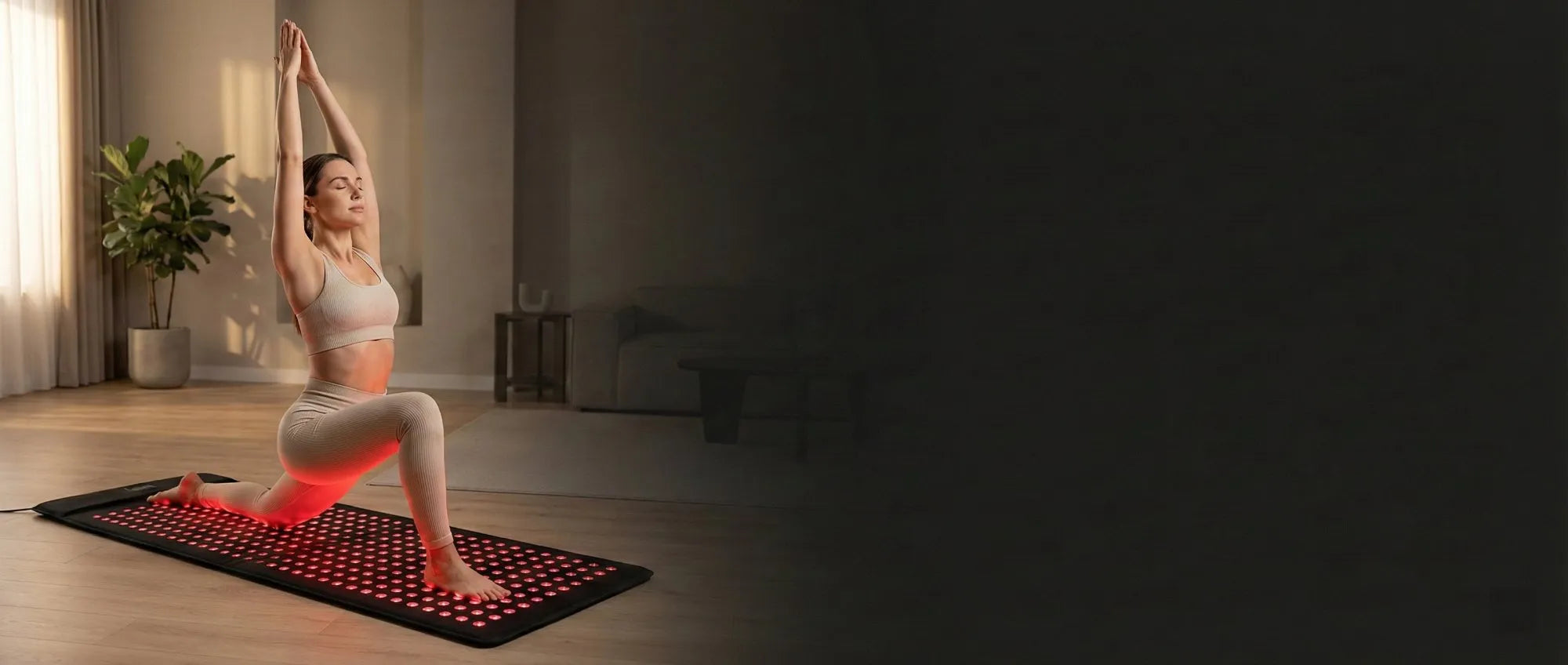
Red light therapy, typically using 660nm red and 850nm near-infrared wavelengths, delivers lower-intensity illumination compared to blue-enriched or full-spectrum bright light. This makes it less likely to strongly suppress melatonin when used in the evening, potentially fitting into a wind-down routine after a night shift.
While red light therapy is not established as a primary circadian reset tool in shift-work literature, it may complement darkness management strategies. Many shift workers report using it as part of a calming pre-sleep ritual to reduce perceived fatigue and support recovery. The bounded evidence suggests it works best as a supportive rather than standalone intervention.
An internal resource on red light therapy and night shift nurses explores related fatigue and recovery considerations from a science-backed perspective.
When and How to Use Red Light Therapy Around Shifts
Timing is critical. The best approach depends on your specific schedule and primary goal—whether prioritizing post-shift sleep or pre-shift alertness.
A common practical protocol includes:
- After night shift (wind-down phase): Use red light therapy in a dimly lit room for 10–20 minutes upon returning home. This occurs before attempting daytime sleep and avoids bright light exposure during the commute. Keep the sleep environment as dark as possible afterward.
- Evening before a night shift: A short session may serve as low-stimulation preparation if it helps you feel more relaxed without overstimulating.
- During rotating schedule transitions: Maintain the most consistent timing window possible across changing shifts rather than adjusting daily.
Avoid using red light therapy immediately before needing high alertness, as its effects are more aligned with recovery than stimulation. Combine it with other strategies like blackout curtains, consistent sleep anchors, and strategic brighter light early in shifts.
Cleveland Clinic guidance on shift work sleep disorder recommends reducing bright light after the shift and avoiding morning light on the way home when sleeping during the day. These principles apply when integrating any light-based tool.
Here is an illustrative chart showing relative timing fit for common goals based on health authority guidance:
Illustrative Timing Guidance for Red Light Use
Illustrative timing guidance (0-10 relative fit scores, not experimental data).
View chart data
| Category | Post-shift sleep support | Pre-shift / early-shift alertness |
|---|---|---|
| Before shift / early shift | 2.0 | 8.0 |
| After shift / commute home | 1.0 | 1.0 |
| Evening low-light period | 9.0 | 3.0 |
Illustrative 0-10 relative fit scores derived from CDC NIOSH, Cleveland Clinic, and AASM guidance on circadian light timing, plus the provided note that red light is lower-intensity and less melatonin-disrupting than blue-enriched light. Scores are heuristic and not experimental data.
This chart is illustrative only and derived from timing principles in official sources. Actual results depend heavily on individual schedules, light exposure from other sources, and overall sleep hygiene.
Scenario-Based Decision Guide
The value of red light therapy flips across different shift conditions. For consistent night shifts with a stable post-shift sleep window, an evening low-light routine shows stronger practical alignment. On rotating or highly irregular schedules, the complexity of perfect timing often reduces benefits, making consistency in routine more important than precise wavelength choice.
If your primary need is alertness during overnight duty, red light is generally a weak substitute for brighter, appropriately timed light early in the shift. Evidence reviews indicate that high-intensity blue-enriched light during peak sleepiness periods may better support adaptation in some cases, though individual tolerance varies.
A review of evidence-based light interventions for shift work suggests bright light strategies work best when applied consistently and early in a block of night shifts.
Practical Checklist for Shift Workers
To evaluate whether red light therapy fits your routine, use this self-audit:
- Identify your most stable sleep anchor (e.g., the same post-night-shift wind-down most days).
- Confirm you can control light exposure during commute and sleep periods (blackout curtains, eye masks, avoiding screens).
- Start with short sessions (10-15 minutes) in the evening low-light window using a quality device at appropriate irradiance.
- Track sleep onset, grogginess upon waking, and perceived recovery over 2-3 weeks on a consistent schedule.
- Adjust only one variable at a time—do not combine major changes in light timing, caffeine, or medications simultaneously.
- Consult a healthcare provider if you have eye conditions, take photosensitizing medications, or experience persistent symptoms.
This checklist translates abstract circadian concepts into executable steps tailored to occupational realities.
Important Boundaries and Safety Considerations
Red light therapy should be viewed as a potential supportive tool within a broader light-management strategy, not a cure for shift work challenges. Overuse or mistimed exposure could theoretically affect alertness at the wrong time or delay sleep onset. It is not a replacement for proven sleep hygiene, schedule optimization, or medical advice.
This article discusses comfort, recovery routines, and setup guidance only. It does not constitute medical advice, diagnosis, or treatment. If you have persistent sleep issues, existing eye conditions, or health concerns, consult qualified healthcare professionals. Individual responses vary based on medications, overall light environment, and personal physiology.
An AASM factsheet on circadian adaptation to shift work provides additional clinical context on evidence-based options and cautions.
Choosing Equipment and Building a Routine
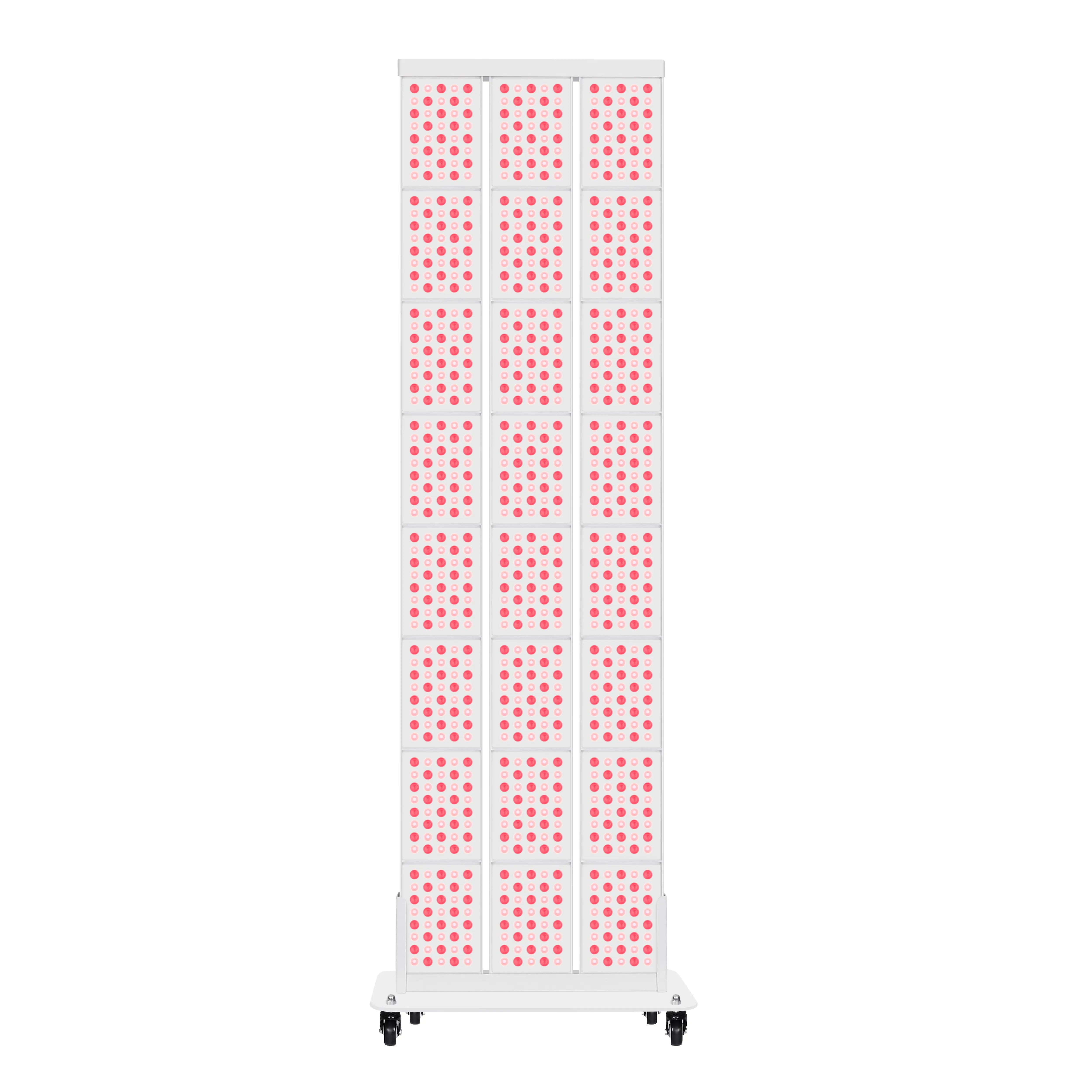
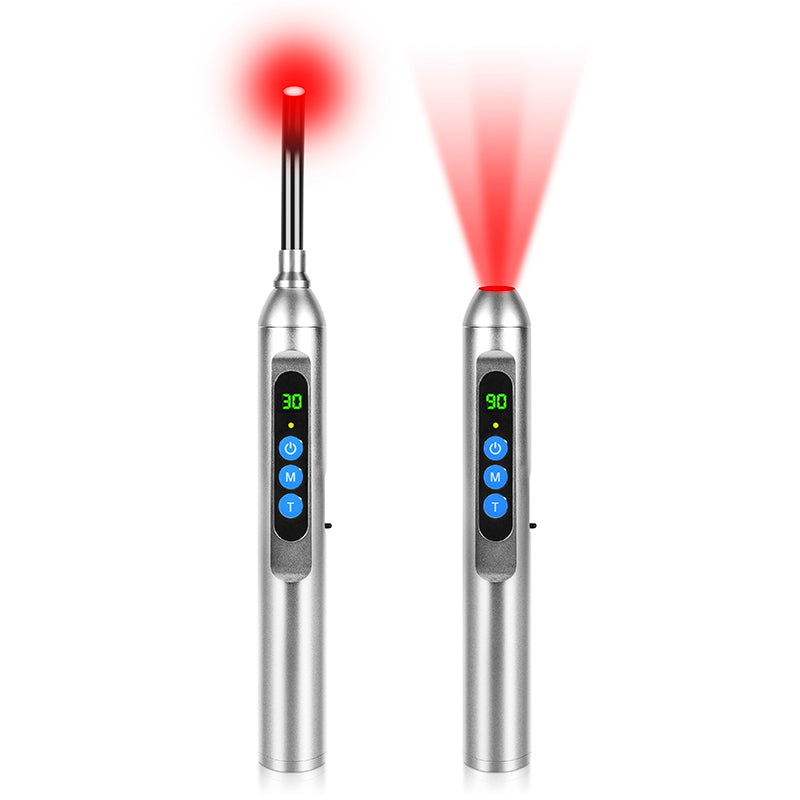
When selecting a device, prioritize accurate irradiance specifications, low EMF, and wavelengths suited to gentle use (660nm/850nm combinations). Follow manufacturer guidelines for distance and duration to stay within safe parameters.
You may also explore related topics such as how red light therapy supports recovery after high-intensity training for additional performance insights that overlap with demanding shift work.
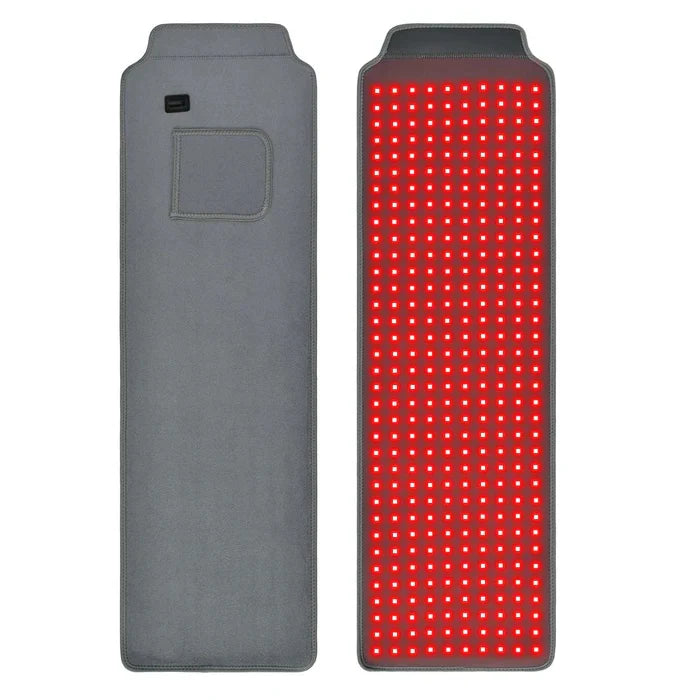
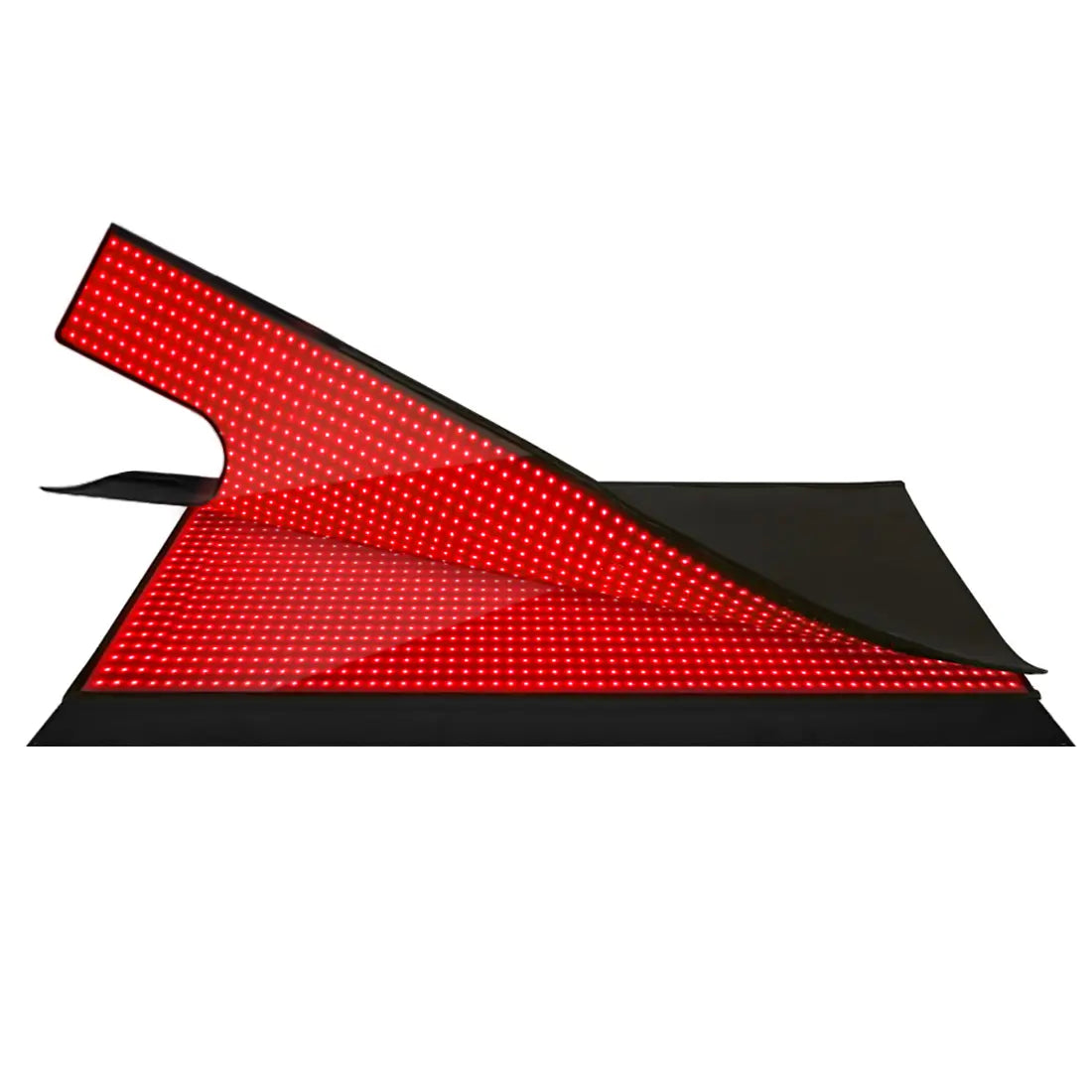
For those interested in wearable or targeted options, the Red Light Therapy Belt collection offers flexible solutions that can integrate into home recovery routines.
Building sustainable habits requires patience. Start small, maintain consistent timing where possible, and combine red light therapy with darkness management for best results. Many shift workers find the greatest benefit comes from treating it as one piece of a personalized occupational health plan rather than a standalone fix.
The evidence boundary remains clear: while light timing strategies have strong support, red light therapy's specific contribution to circadian reset in shift workers is supportive and setup-dependent. Focus on practical implementation that fits your real-world schedule and monitor your own response over time.