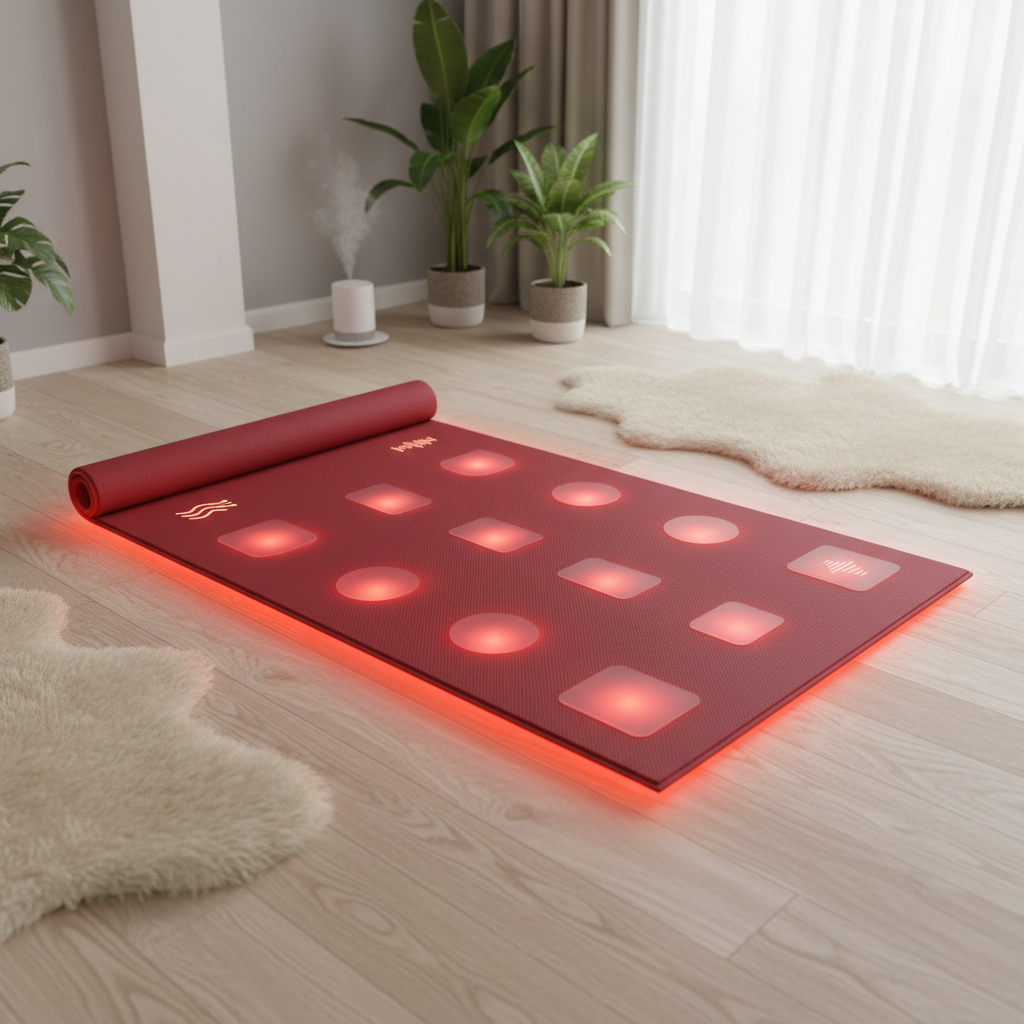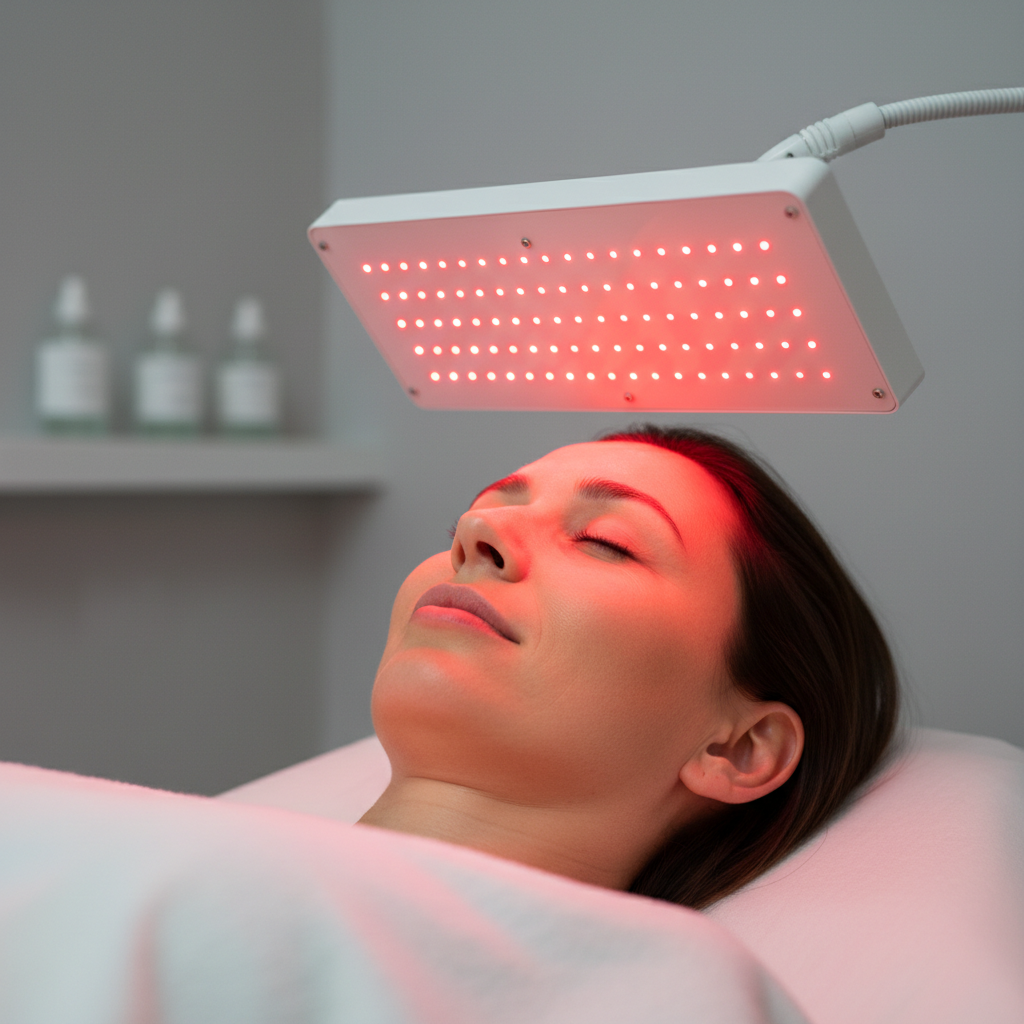
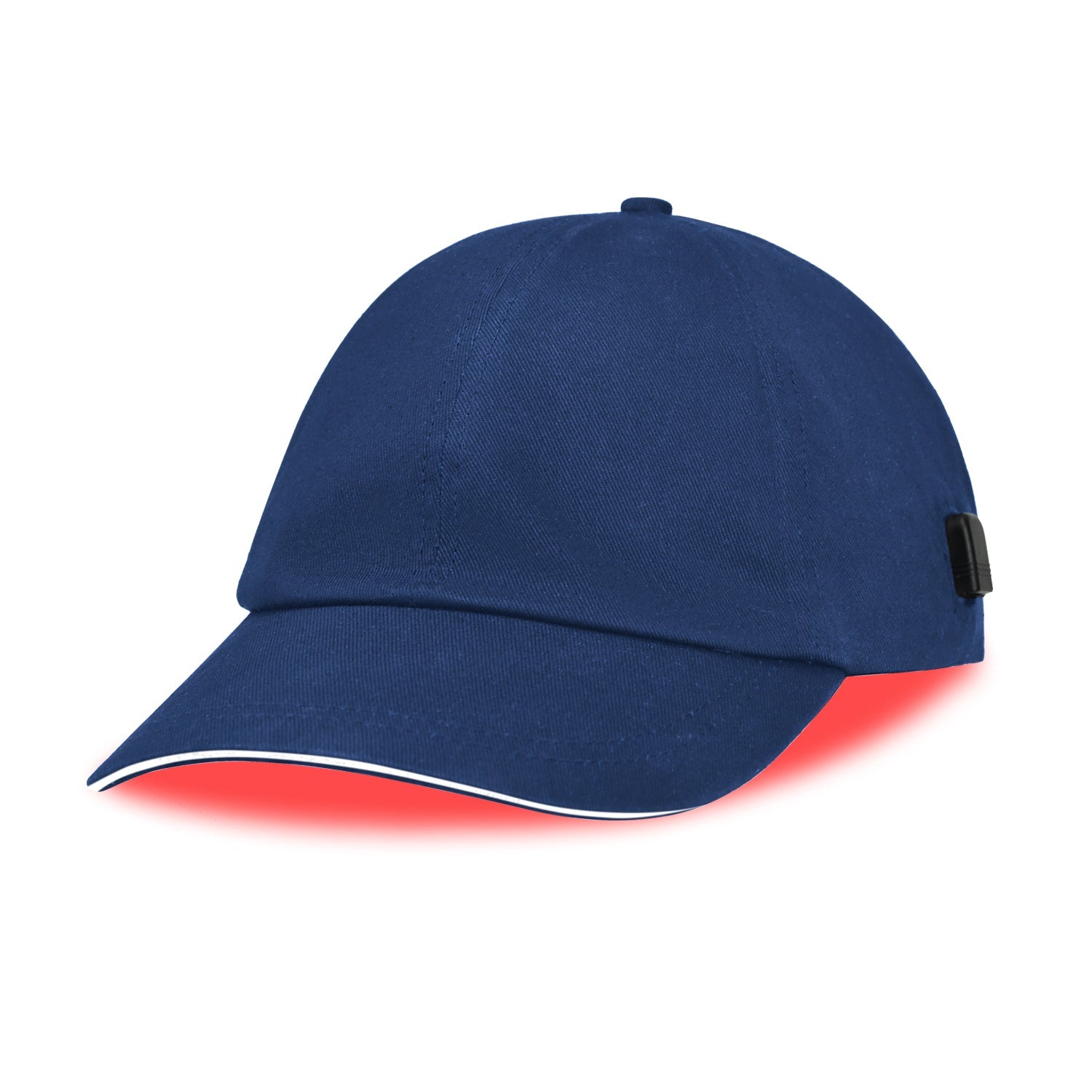
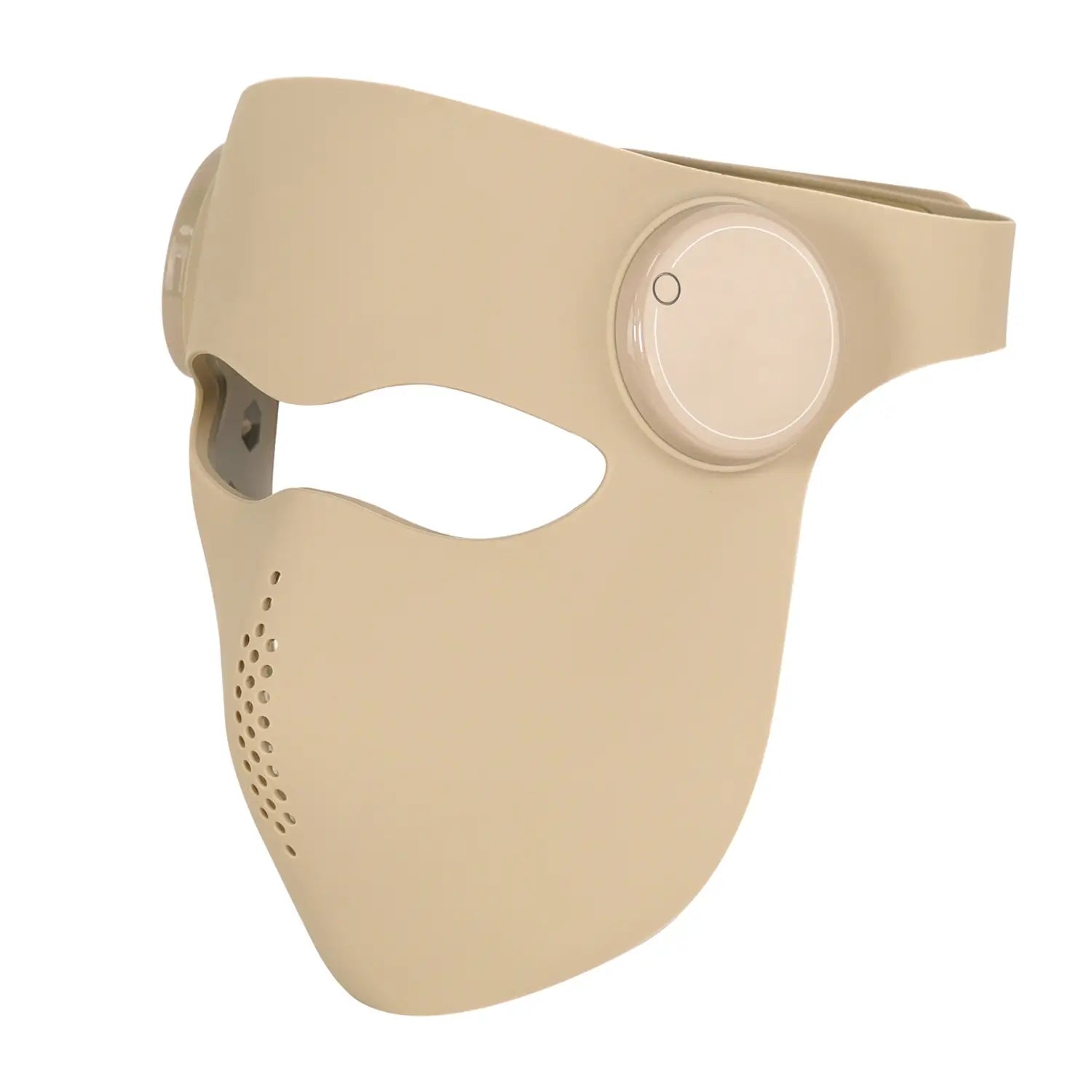
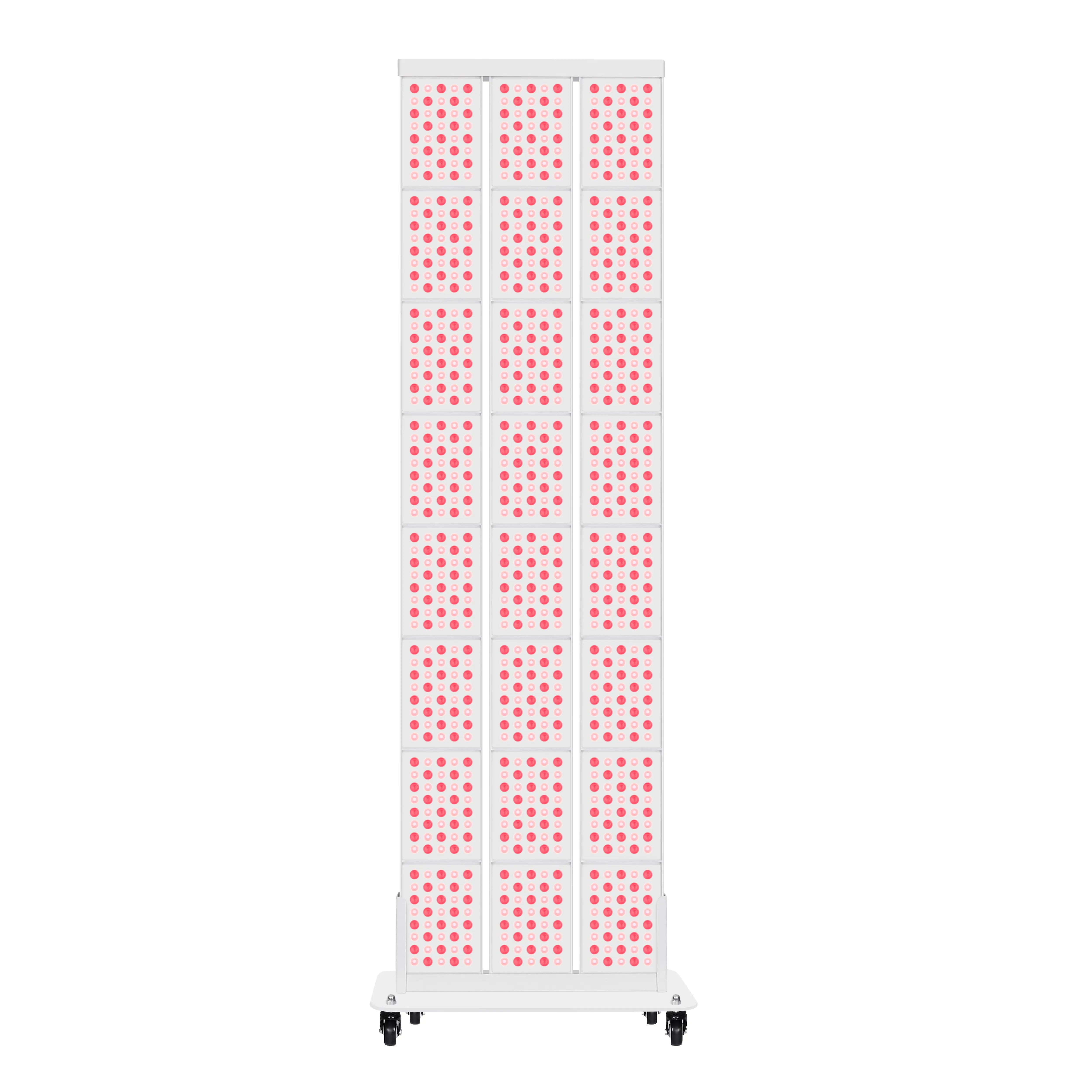
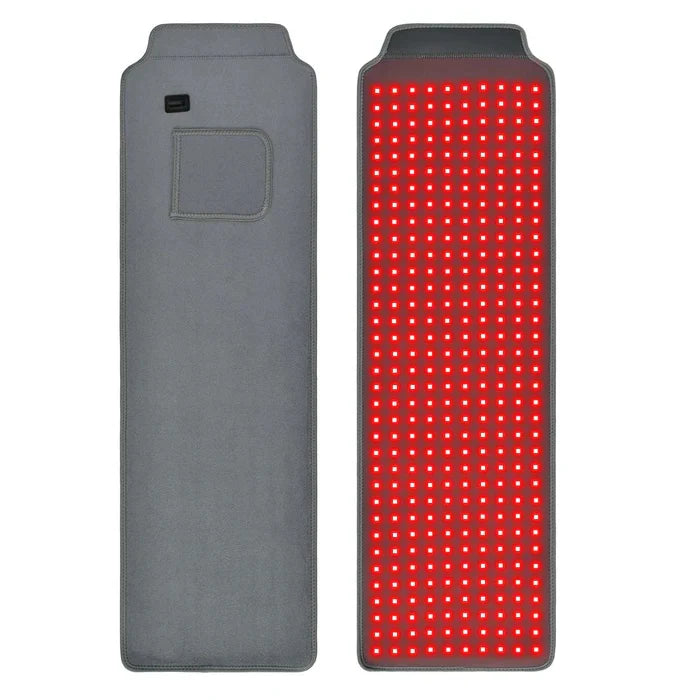
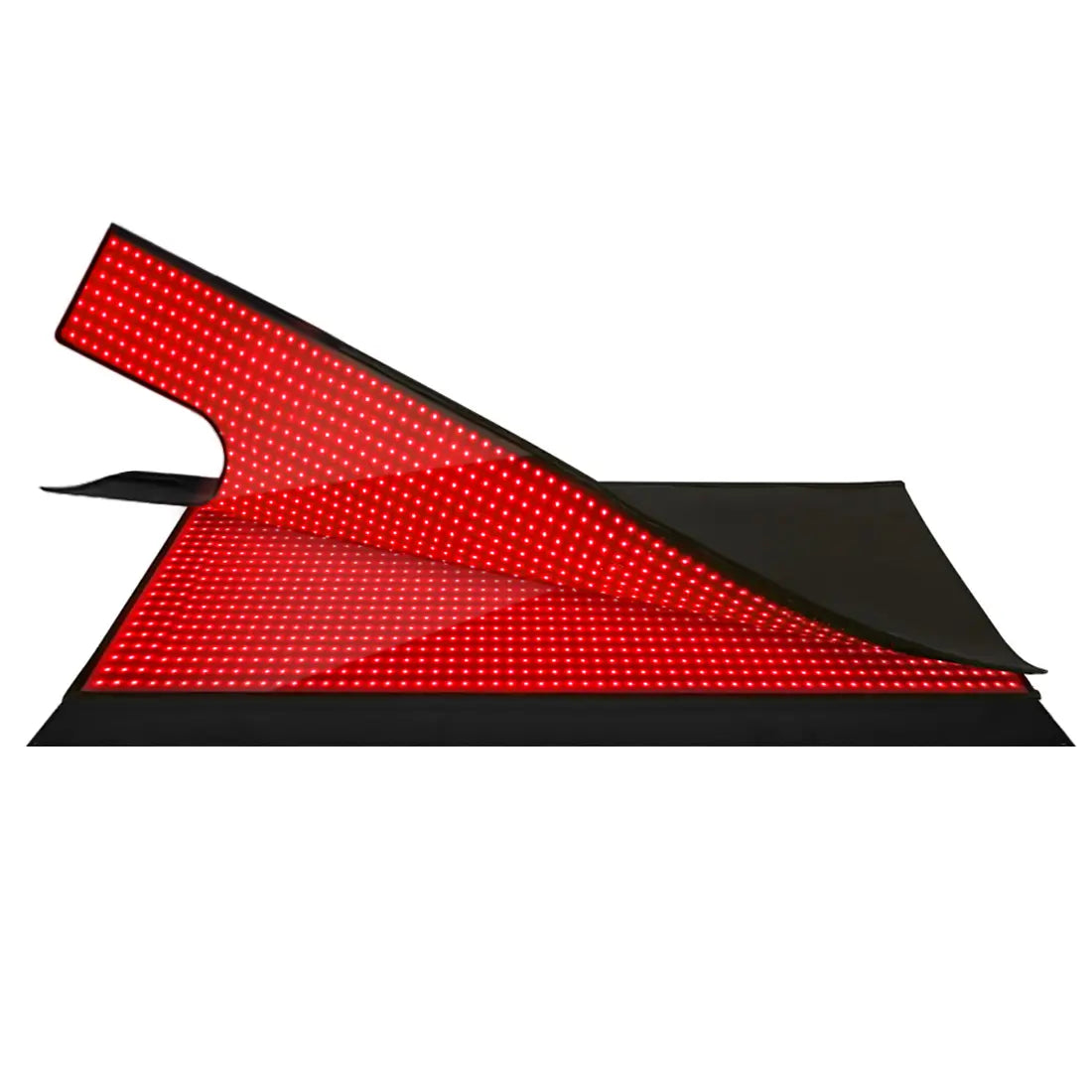
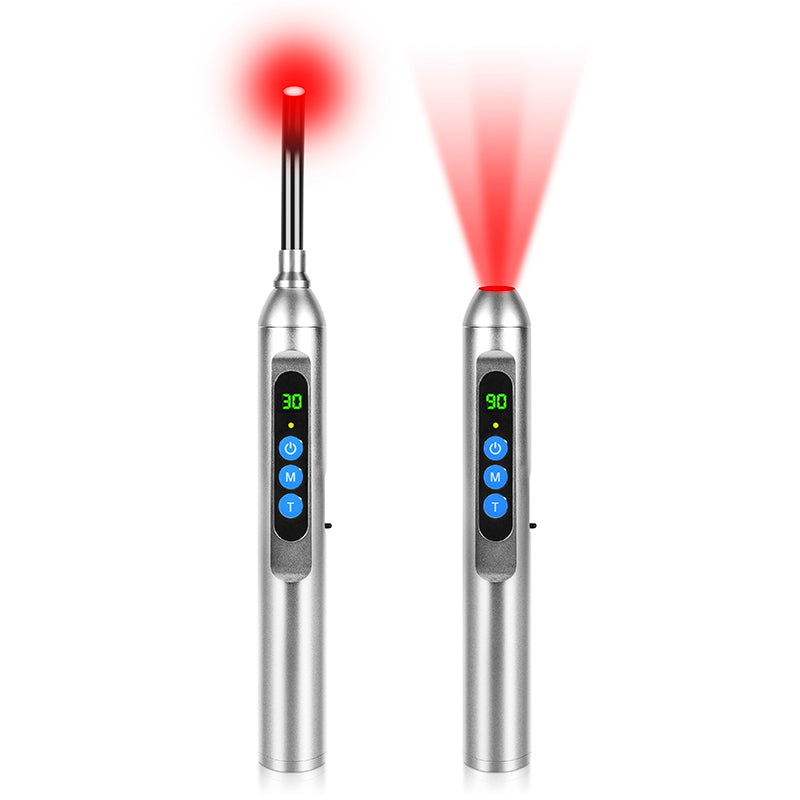

Stacking red light therapy (also known as photobiomodulation) with other recovery modalities can help athletes and biohackers create more comprehensive routines, but results depend heavily on timing, order, and individual tolerance rather than guaranteed synergies. This systematic review notes that photobiomodulation may support exercise recovery, yet published findings remain mixed and highly protocol-dependent. The most practical approach involves treating red light therapy as a flexible adjunct rather than a universal amplifier.

Understanding Photobiomodulation as a Recovery Tool
Photobiomodulation serves as the scientific term for red light therapy and low-level light treatments. It is often studied as an add-on to rehabilitation exercise instead of a standalone solution. Research examining photobiomodulation combined with rehabilitation supports its role within broader routines, while some narrative reviews report potential ergogenic or recovery benefits that are not consistent across all studies.
When used correctly, red light therapy panels or beds deliver specific wavelengths that may influence cellular energy production. However, stacking it with heat, cold, oxygen therapy, or supplements introduces variables that can either complement or interfere with outcomes. Conservative protocols emphasize starting with lower doses and monitoring personal response before scaling up.
Evidence Boundaries for Stacking Red Light Therapy
Current literature in 2026 does not provide definitive consensus on optimal stacking combinations. Some studies suggest benefits when photobiomodulation accompanies training or rehab, but many comparisons treat modalities separately rather than proving additive effects. For instance, a systematic review and meta-analysis comparing photobiomodulation therapy versus cryotherapy for muscle recovery found that cold-water immersion supports recovery in certain contexts yet should not be assumed to automatically enhance red light therapy results.

Sauna sessions represent heat-stress exposure, requiring conservative dosing and gradual progression especially for beginners. Cleveland Clinic guidance on infrared saunas highlights the importance of proper hydration and tolerance when incorporating heat-based recovery. Similarly, hyperbaric oxygen therapy maintains a primarily medical role with specific indications and requires careful contraindication screening rather than casual wellness use.
These boundaries matter because stacking can compound physiological stress. A review on infrared radiation for musculoskeletal conditions notes that heat exposure intensifies when combined with other tools, making total session burden, hydration, and recovery capacity critical factors to track.
Recommended Stacking Protocols by Scenario
Effective stacking begins with clear goals: post-workout muscle recovery, morning energy support, evening wind-down, or contrast therapy. Adjust timing and order based on the dominant modality while keeping red light therapy sessions between 10-20 minutes at appropriate irradiance levels.
Red Light Therapy and Sauna Combinations
A common heat stack involves using the red light panel either before or after sauna exposure. Many users apply red light therapy first for 10-15 minutes to prime circulation, followed by a shorter sauna session of 10-20 minutes. Others reverse the order, finishing with red light therapy to support relaxation after heat stress. Hydration remains essential, and newcomers should limit total combined time to under 40 minutes. Evidence treats sauna primarily as controlled heat stress, so gradual progression prevents excessive fatigue.
Red Light Therapy with Cold Plunge or Contrast Therapy
Cold immersion after training may aid certain recovery markers, but direct synergy with photobiomodulation lacks strong confirmation. Practical sequences include completing a cold plunge of 3-10 minutes followed by red light therapy, or alternating in contrast style with rest periods between. Avoid assuming automatic amplification; instead, test how each order affects subjective soreness and sleep quality. This combination suits post-workout days but may feel overly stimulating before bed.
Red Light Therapy and Hyperbaric Oxygen Therapy
Hyperbaric oxygen therapy functions as a medical intervention rather than a routine biohack. When clinically appropriate, some protocols schedule red light therapy on separate days or after HBOT sessions. Absolute contraindications include untreated pneumothorax, and all users require professional screening. Undersea and Hyperbaric Medical Society indications and StatPearls overview of contraindications emphasize that HBOT is not suitable for general optimization without medical oversight.
Massage, Supplements, and Red Light Therapy
Red light therapy pairs easily with massage by applying the panel before or after manual therapy to target specific muscle groups. Common supplement stacks include magnesium, omega-3s, or adaptogens taken at consistent times separate from light exposure. Evidence does not strongly support precise timing windows between supplements and photobiomodulation, so focus on overall daily consistency rather than minute-level coordination.
Visualizing Stacking Priorities
Illustrative Stacking Priority for Red Light Therapy
Scenario-based, non-quantitative guide for protocol ordering and stacking caution.
View chart data
| Category | Practical fit | Caution / risk burden |
|---|---|---|
| RLT + Sauna | 2.0 | 4.0 |
| RLT + Cold Immersion | 3.0 | 3.0 |
| RLT + HBOT | 1.0 | 5.0 |
| RLT Alone | 4.0 | 1.0 |
Illustrative heuristic based only on provided writer evidence: PBM recovery evidence is mixed; sauna is heat stress and needs conservative dosing; HBOT has important contraindications such as untreated pneumothorax; cold immersion is not automatically synergistic. Scores are relative, not measured outcomes.
This chart presents an illustrative heuristic only. Higher practical fit scores suggest easier integration based on available evidence boundaries, while higher caution scores flag combinations needing more careful management or medical input. RLT alone carries the lowest caution burden, as expected, while HBOT requires the most screening.
Daily and Weekly Protocol Adjustments
Training days: Consider red light therapy post-workout for 10-20 minutes, potentially followed by cold immersion or light massage. Keep sauna sessions shorter if stacking same-day to avoid cumulative heat load.
Rest or recovery days: Morning red light therapy combined with a moderate sauna session can support circulation without intense training stress. Evening use should favor gentler combinations that do not disrupt sleep.
Contrast routines: Alternate heat and cold with red light therapy placed after the final cold exposure in many user reports, though individual testing determines the most comfortable sequence.
Track total weekly exposure and watch for signs of overuse such as persistent fatigue, disrupted sleep, or diminished returns. Evidence-based consensus on clinical photobiomodulation application supports safety in adults when protocols remain measured, yet precise consumer stacking orders still rely on heuristic frameworks.
Safety Considerations and Contraindications
Stacking increases the chance of unintended interactions. Sauna and other heat modalities demand attention to hydration and total thermal load. Hyperbaric oxygen therapy carries specific risks, with untreated pneumothorax representing the primary absolute contraindication. Individuals with cardiovascular conditions, pregnancy, or certain eye disorders should consult healthcare professionals before combining modalities.
This article discusses comfort, recovery routines, and setup considerations only. It does not constitute medical advice, diagnosis, or treatment. If you experience persistent discomfort, have existing medical conditions, or are uncertain about any protocol, consult qualified healthcare professionals.
Overuse of any recovery tool, including stacked sessions exceeding 60 minutes daily, may lead to fatigue or reduced benefits. Begin conservatively, document responses, and adjust based on personal data rather than generalized claims.
Creating Your Personal Stacking Checklist
Before adopting a new stack:
- Define your primary goal (muscle recovery, sleep support, energy, or contrast training).
- Review contraindications for each modality, especially HBOT and heat exposure.
- Start with single-modality sessions to establish baseline tolerance.
- Record timing, duration, and subjective outcomes for at least two weeks.
- Ensure adequate hydration and nutrition when incorporating sauna or cold elements.
- Schedule higher-intensity stacks on non-consecutive days.
Reassess every 4-6 weeks as training load or wellness goals change. The most successful users treat stacking as an iterative experiment rather than a fixed prescription.
Combining red light therapy thoughtfully with sauna, cold therapy, or other tools can enhance an existing wellness routine when approached with realistic expectations. Focus on evidence-supported safety practices, personal monitoring, and gradual implementation to determine which combinations work best in your specific context. Individual responses vary significantly, making careful self-experimentation the most reliable path forward.