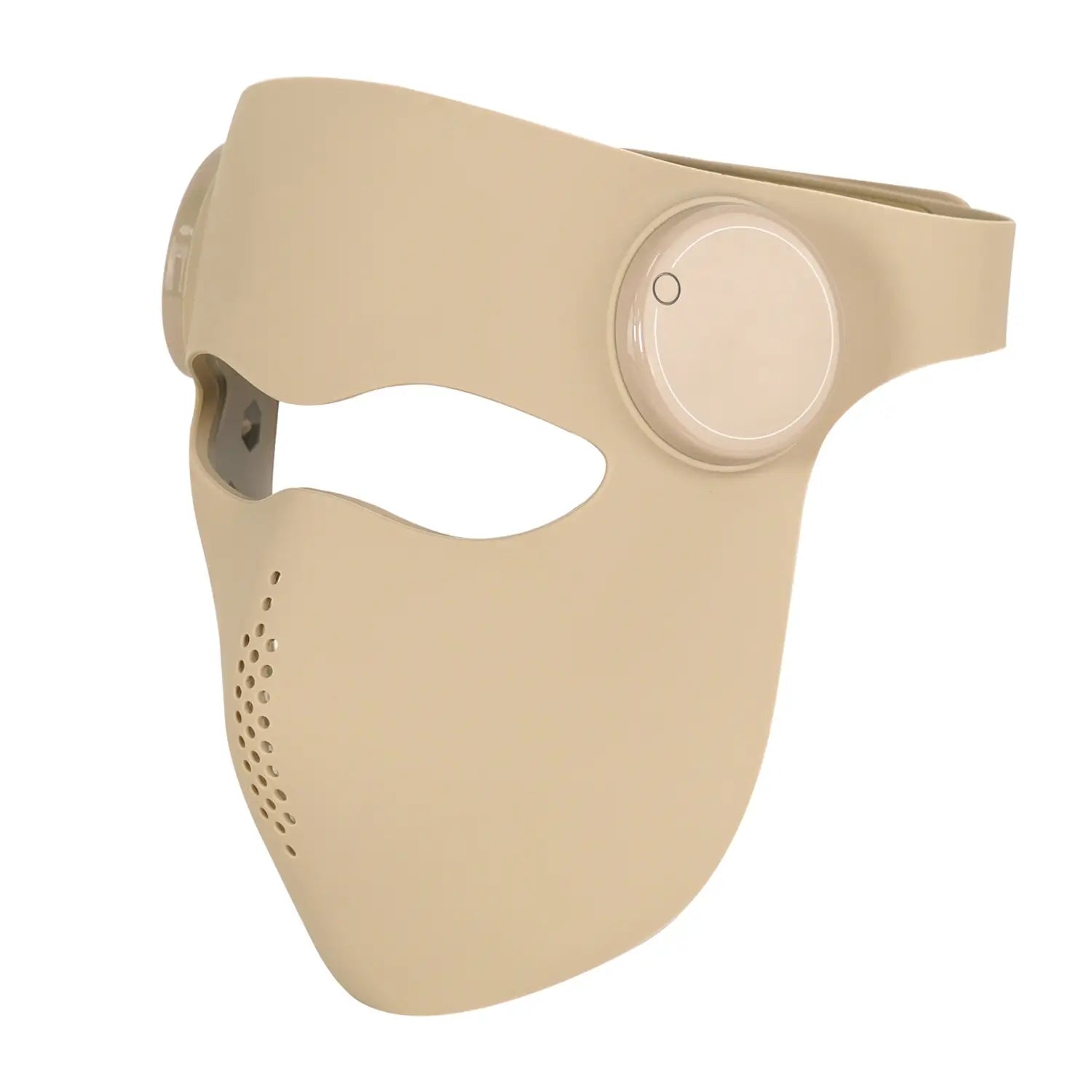
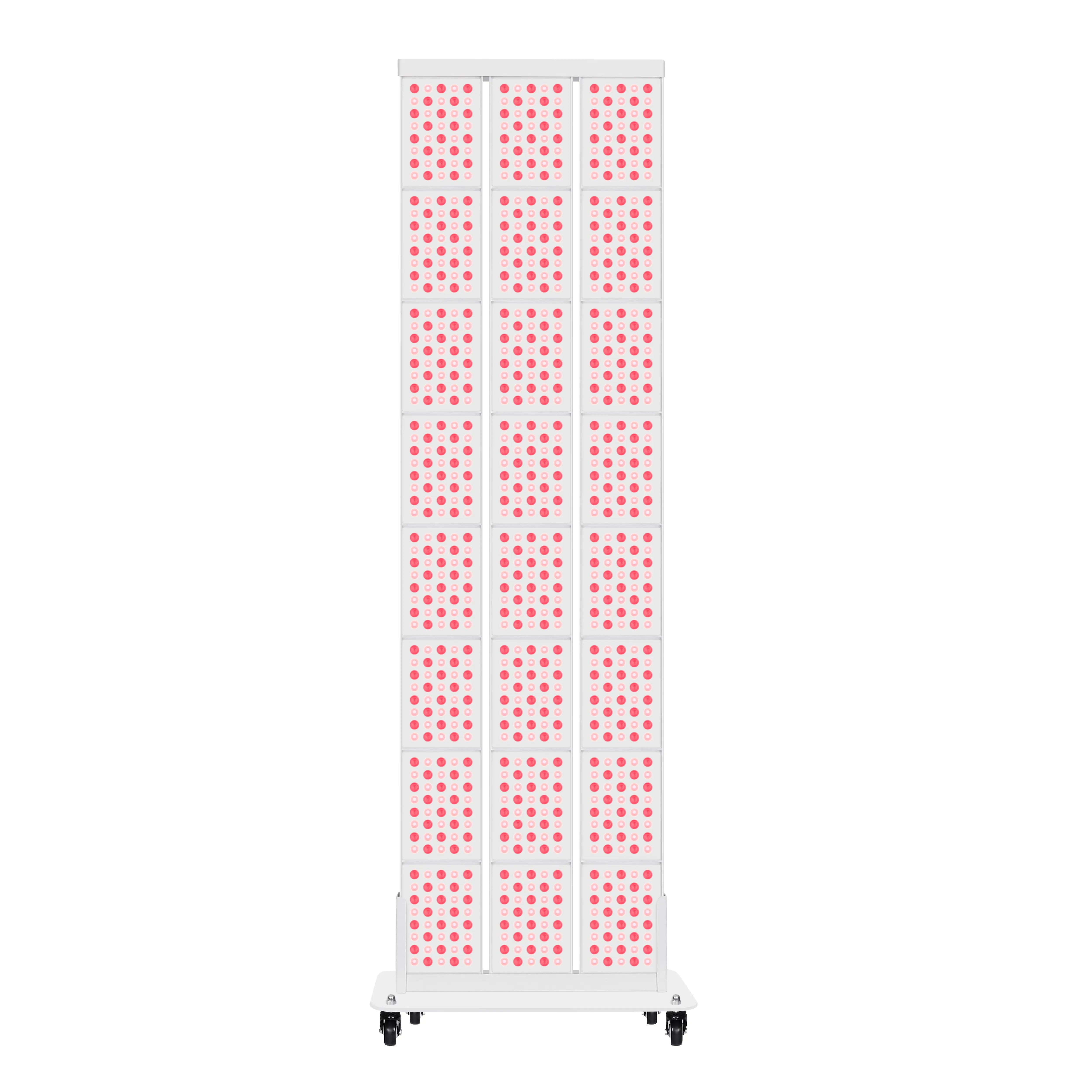
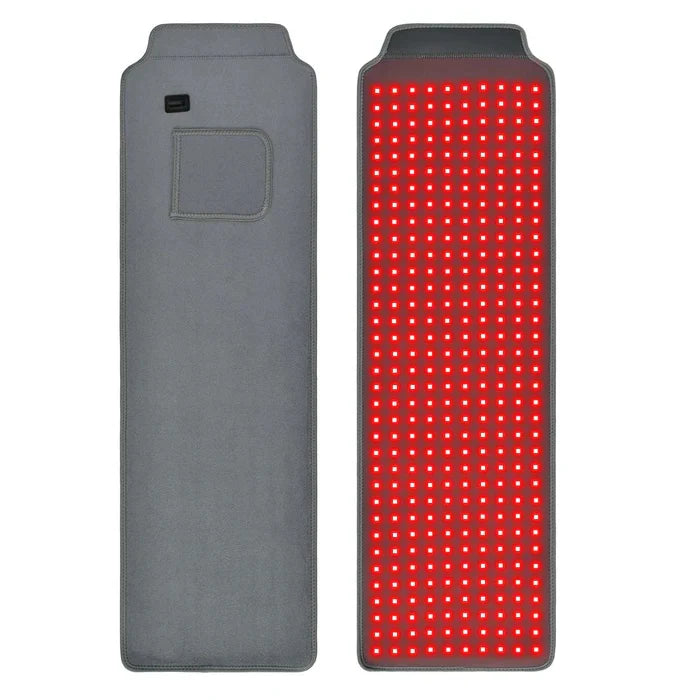
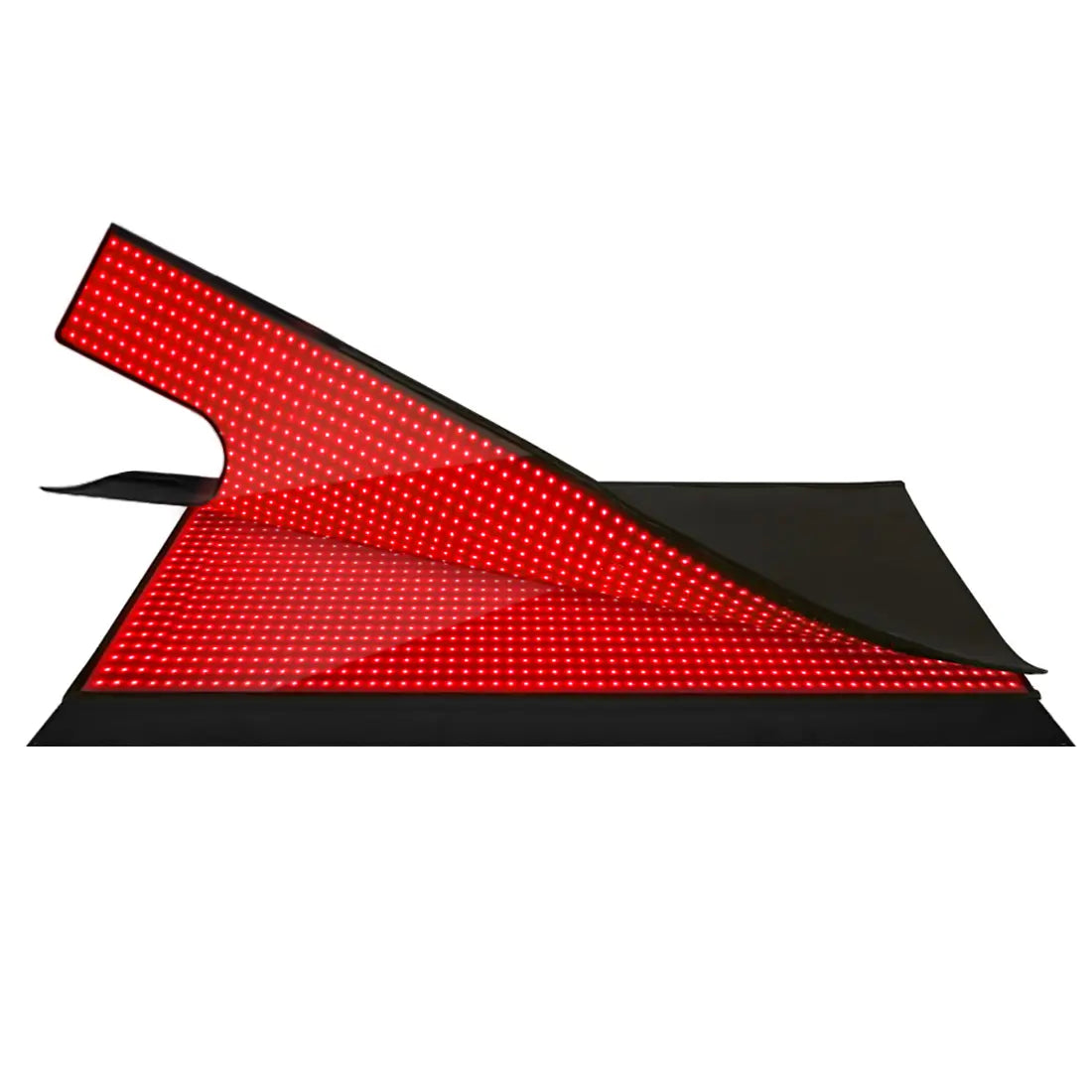

Red light therapy, also known as photobiomodulation (PBM), has gained attention in biohacking circles for its potential role in supporting recovery, performance, and hormonal health. While some enthusiasts claim it can boost testosterone through direct testicular application, current evidence remains limited and largely preclinical, so it cannot be presented as a reliable method to increase hormone levels. This article examines the available research, safety considerations, device selection factors, and conservative protocols for those exploring red and near-infrared light as part of a broader self-optimization approach.

Understanding Photobiomodulation and Its Relevance to Hormonal Health
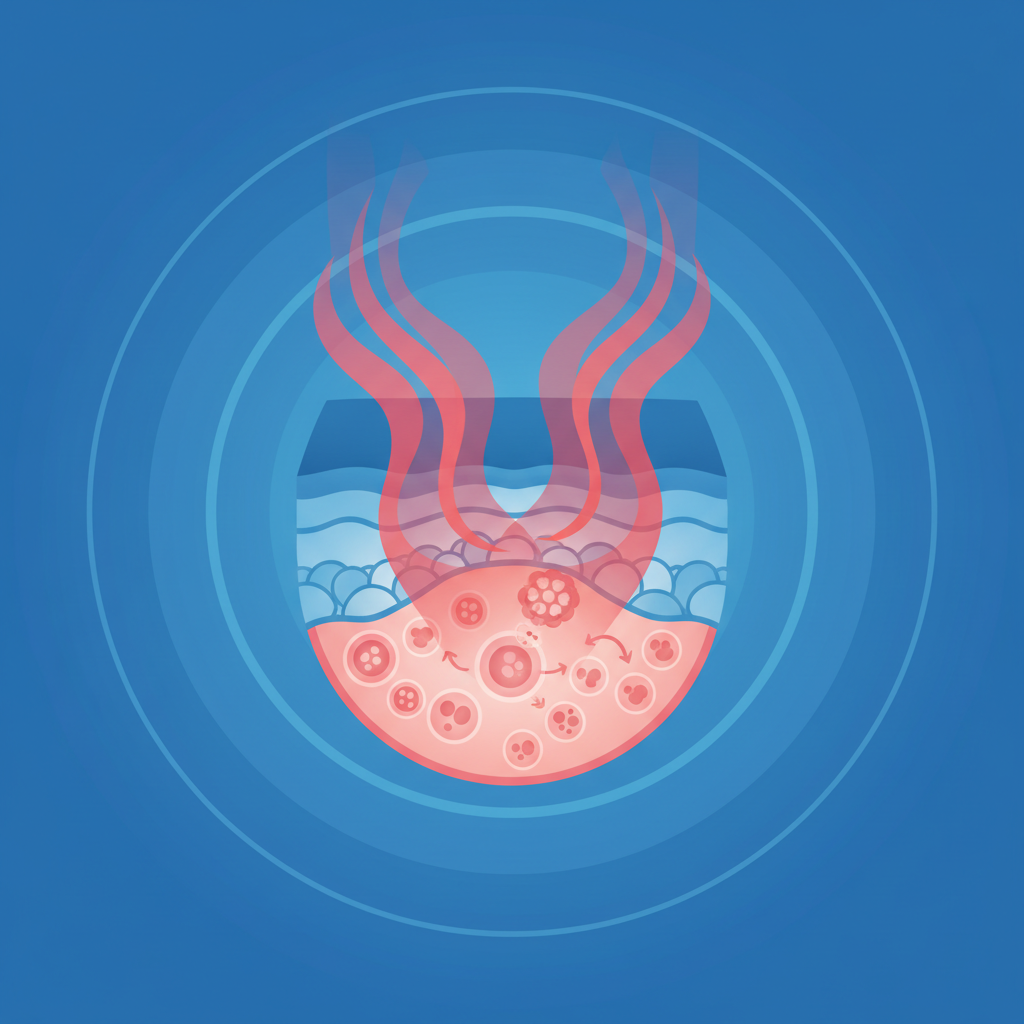
Photobiomodulation is the formal term commonly used in medical literature for interventions involving red and near-infrared light. These wavelengths are the standard ranges discussed for tissue-targeted applications because they can penetrate skin and influence cellular processes such as mitochondrial function. In the context of male hormonal health, interest centers on whether light exposure might support testicular tissue or the pituitary-testis axis, but studies linking these outcomes remain cautious in their conclusions.
Some research has explored low-level laser irradiation on testicular pain using red and near-infrared wavelengths, indicating that local exposure has been examined in clinical settings. However, this is distinct from claims about testosterone enhancement. Broader reviews of photobiomodulation on reproductive endpoints and testicular tissue are often preclinical, meaning human data on hormonal changes is insufficient to draw firm conclusions. Readers should therefore view any testosterone-related benefits as unproven rather than expected.
Myths vs. Reality in Red Light Therapy for Testosterone
Biohacker and Reddit communities frequently circulate optimistic claims about shining red light directly on the testes to raise testosterone. One common myth is that because red light therapy supports mitochondria in general, it must improve testicular function and fertility. In reality, mechanistic plausibility does not equal demonstrated endocrine outcomes, especially when most supportive studies are not conducted in humans for this specific purpose.
Another widespread assertion is that non-drug, low-risk light devices can be used freely for performance gains without concern. This overlooks key boundaries: even if a device feels mild, the lack of strong human evidence for hormonal benefits means users should not treat it as a proven strategy. A third myth suggests that simply choosing 660nm and 850nm wavelengths guarantees optimization. Wavelength selection is only one factor; irradiance, dose, and heat management play equally important roles.
Correcting these views leads to a more measured stance. Current evidence does not justify promising that red light therapy will reliably raise testosterone. Instead, it may serve as one experimental tool within a comprehensive approach that includes sleep, training, nutrition, and medical oversight when needed.
Safety Considerations, Especially for Testicular Use
Testicular tissue is highly temperature-sensitive, making heat buildup a primary precaution when using any light device near the scrotum. Avoiding excess heat is essential to prevent potential discomfort or impacts on sperm production. Studies on scrotal skin burns underscore the need for controlled exposure rather than prolonged or high-intensity sessions.
For direct testicular application, users should start with very short durations, maintain recommended distances, and monitor for any irritation. Those with existing medical conditions, fertility concerns, pain, swelling, or who take medications affecting photosensitivity should consult a qualified healthcare professional before trying red light therapy. This article discusses comfort and setup considerations only; it does not constitute medical advice, diagnosis, or treatment. If you experience persistent discomfort or have pre-existing eye or hormonal conditions, seek guidance from a licensed physician.
Conservative safety practices include wearing protective eyewear, ensuring devices meet basic photobiomodulation standards for irradiance and EMF, and avoiding use on broken skin or inflamed areas. Overuse can lead to diminishing returns or mild side effects, so adhering to beginner-friendly limits is wise.
Choosing the Right Device for Hormonal Optimization Exploration
When evaluating red light therapy devices for potential male hormonal health support, prioritize specifications over marketing claims. Common consumer panels combine 660nm red and 850nm near-infrared diodes, a pairing frequently discussed in photobiomodulation literature. However, wavelength alone does not determine effectiveness; output, irradiance, treatment area, and resulting dose (measured in Joules per cm²) matter more.
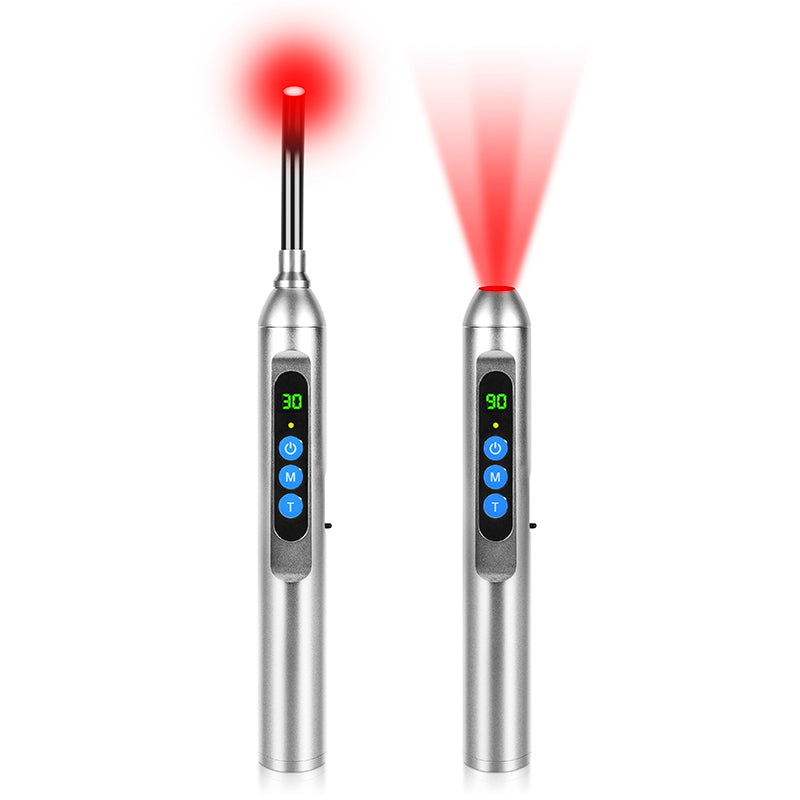
Look for clear irradiance values in mW/cm² at the intended treatment distance, as this affects how quickly a practical dose can be delivered. Devices with poor heat dissipation or unclear dosing guidance increase the risk of inconsistent or uncomfortable sessions. Targeted options such as flexible belts or handheld units may suit localized use better than large panels for sensitive areas, provided they allow precise control.
Here is an illustrative heuristic radar chart comparing example device archetypes on safety-first criteria for cautious hormonal exploration. Scores are relative and non-clinical; higher values indicate a more favorable cautious fit rather than proven hormonal benefit.
Safety-First Device Selection Trade-offs (Illustrative Heuristic)
Illustrative heuristic only; not clinical evidence or efficacy ranking. Higher values indicate a more cautious fit for unresolved hormonal exploration.
View chart data
| Series | Wavelength Mix | Irradiance Level | Heat Risk | Hormone Evidence Support | Safe-Use Ease |
|---|---|---|---|---|---|
| Full Panel | 4.0 | 3.0 | 3.0 | 4.0 | 4.0 |
| Targeted Belt | 3.0 | 3.0 | 4.0 | 2.0 | 3.0 |
| Handheld | 2.0 | 2.0 | 3.0 | 2.0 | 2.0 |
| High-Irradiance Close-Range | 1.0 | 1.0 | 1.0 | 1.0 | 1.0 |
| Cautious-Fit Ideal | 5.0 | 4.0 | 5.0 | 1.0 | 5.0 |
Illustrative heuristic normalization for safety-first selection when testosterone evidence is unresolved. Scores are relative, bounded, and non-clinical: higher means more favorable for cautious exploratory use, not proven hormonal benefit. Device types are example archetypes only.
This visualization highlights trade-offs: full panels may offer good coverage but can be less convenient for targeted application, while high-irradiance close-range devices often score lower on heat management and ease of safe use. The "Cautious-Fit Ideal" represents a heuristic target emphasizing low heat, clear dosing, and practical usability over aggressive claims.
When comparing options, favor devices with transparent specifications and safety documentation. As this official photobiomodulation standards guide explains, accurate irradiance measurement and adherence to safety protocols are critical for consistent results.

Practical Conservative Protocols for Beginners
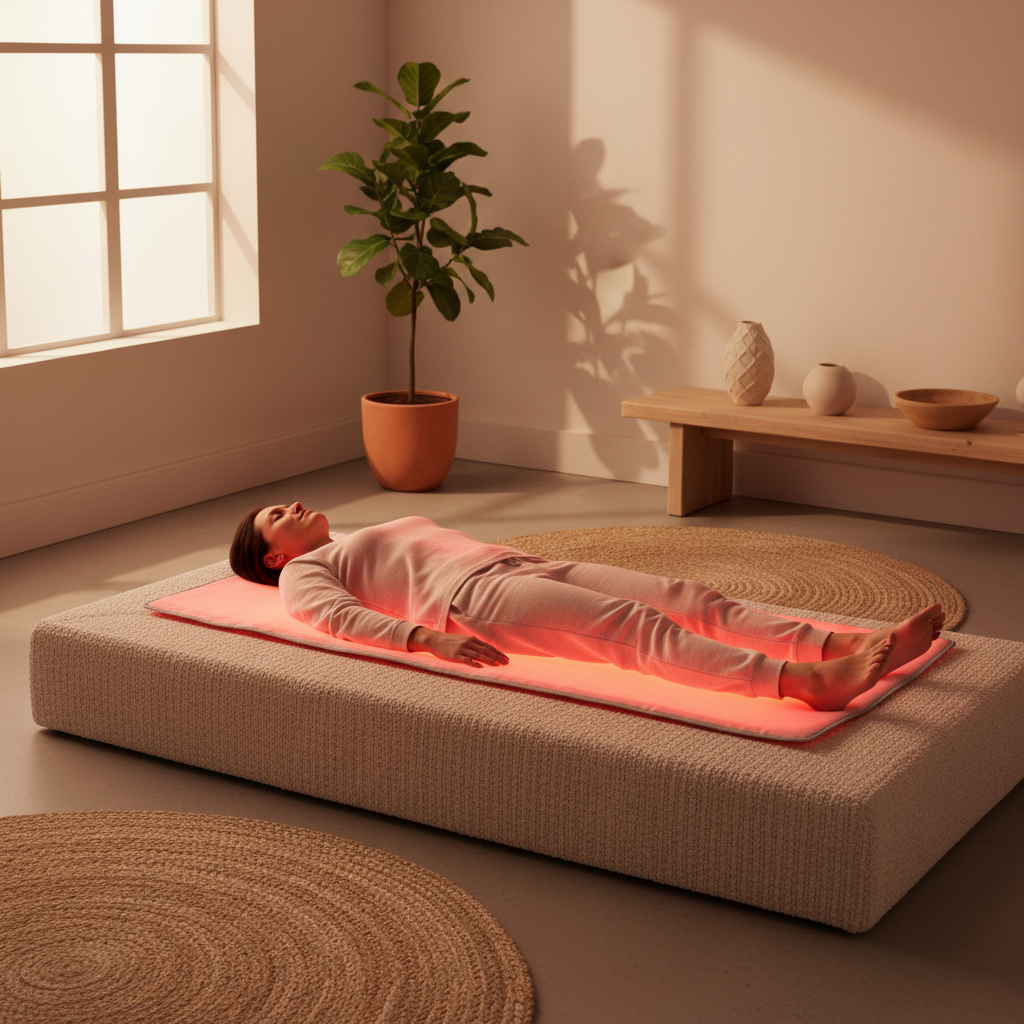
A safe starting protocol emphasizes moderation. For general body exposure, sessions of 10–20 minutes at a comfortable distance, 3–5 times per week, align with many beginner guidelines. For any testicular or groin-area exploration, reduce this significantly—perhaps 3–5 minutes every other day—while keeping the device at the manufacturer-recommended distance to minimize heat.
Always begin with the lowest effective duration and observe how your body responds. Track subjective markers such as energy, sleep quality, and recovery rather than expecting measurable testosterone changes without lab testing. Combine light exposure with foundational habits like resistance training, adequate protein intake, stress management, and 7–9 hours of sleep for better overall hormonal support.
Our safe red light therapy protocols for beginners offers additional guidance on frequency and precautions. Those upgrading from basic wellness routines should review the hormonal optimization with red light therapy overview for context-specific tips.
Device Recommendations and What to Look For First
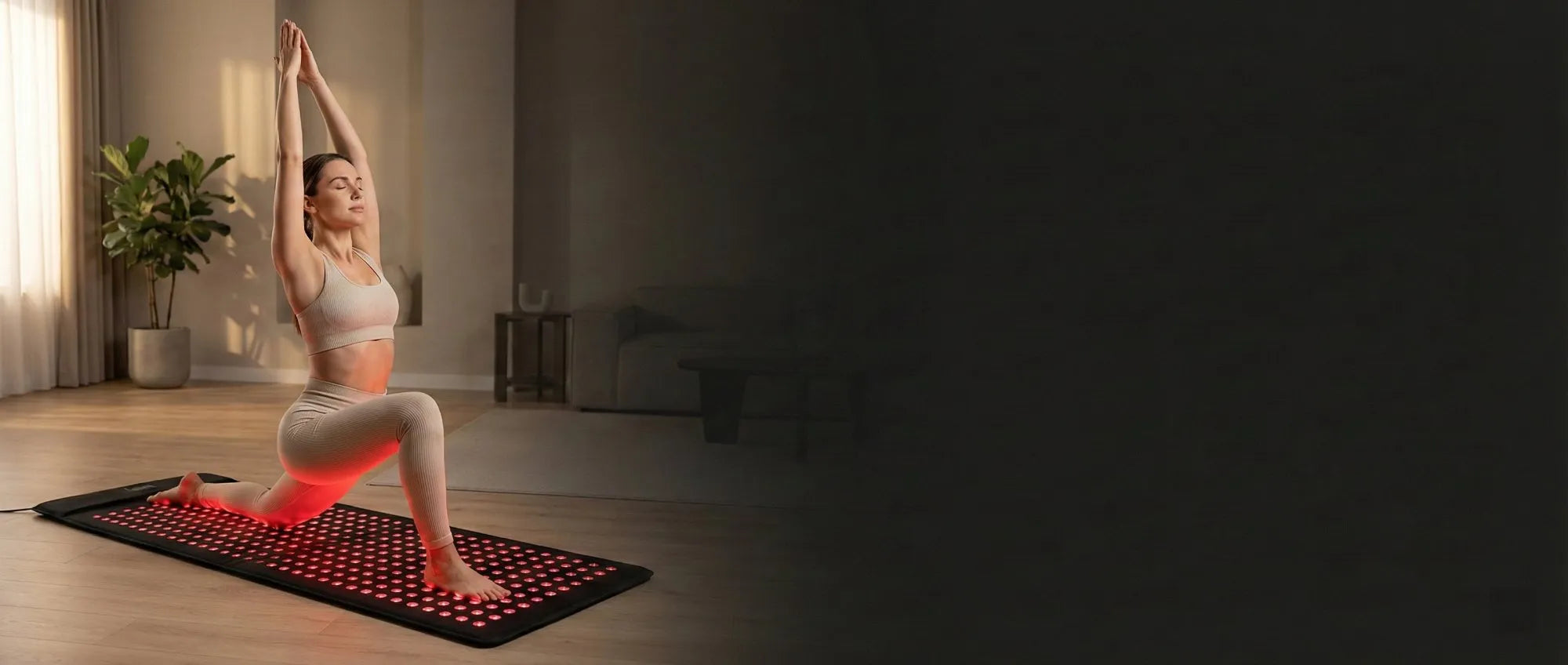
For those ready to explore, clinical-grade home systems or dual-spectrum panels provide flexibility across full-body and targeted use. Targeted therapy belts can be convenient for localized application, while portable handheld devices allow precise control. Specialized recovery panels may also suit athletes seeking performance support.
Key checklist before purchase:
- Clear irradiance and dose information at treatment distance
- Low heat output during typical sessions
- Appropriate wavelength mix (660nm/850nm common and well-discussed)
- Adequate treatment area for your intended use
- Safety instructions that address sensitive areas
- Avoidance of devices relying solely on unverified hormonal claims
Review our red light therapy device selection guide for detailed spec breakdowns. If considering products from this store, the Youlumi ProPanel 660nm/850nm Dual Spectrum or Youlumi Targeted Therapy Belt are designed with these factors in mind.
Bottom Line: Realistic Expectations and Next Steps
Red light therapy offers an intriguing, non-invasive option that may complement other wellness practices, but it should not be viewed as a guaranteed solution for testosterone or hormonal optimization. The evidence base is still developing, with much of the research preclinical or focused on other outcomes. Approach it with caution, prioritize safety, and treat any potential benefits as setup-dependent and individual.
This article only discusses comfort and setup advice; it does not constitute medical advice, diagnosis, or treatment. For personalized hormonal health concerns, consult a qualified healthcare provider. Those interested in deeper scientific mechanisms can explore the red light therapy science collection or the broader hormonal health & optimization collection.
By focusing on transparent devices, conservative protocols, and realistic expectations, readers can make informed decisions without falling for hype. Monitor your own results, stay within safe parameters, and integrate red light therapy thoughtfully into your routine.