
Summary
Red light therapy (RLT) does not "melt" fat in the traditional sense; rather, it utilizes specific wavelengths of light (660nm and 850nm) to stimulate mitochondria and temporarily alter the permeability of fat cell membranes, allowing stored lipids to be released into the bloodstream for use as energy. While it serves as a potent tool for body contouring and metabolic support, its efficacy is strictly dependent on a concurrent caloric deficit and active lymphatic drainage to process and eliminate the released fats.
Key takeaways
- Cellular Mechanism: RLT triggers the release of triglycerides from adipocytes (fat cells) by creating temporary pores in the cell membrane.
- Metabolic Requirement: Released fat must be "burned" through exercise or a caloric deficit, otherwise, it may be reabsorbed by the body.
- Lymphatic Support: Hydration and movement are critical to ensuring the lymphatic system can transport and clear the released lipids effectively.
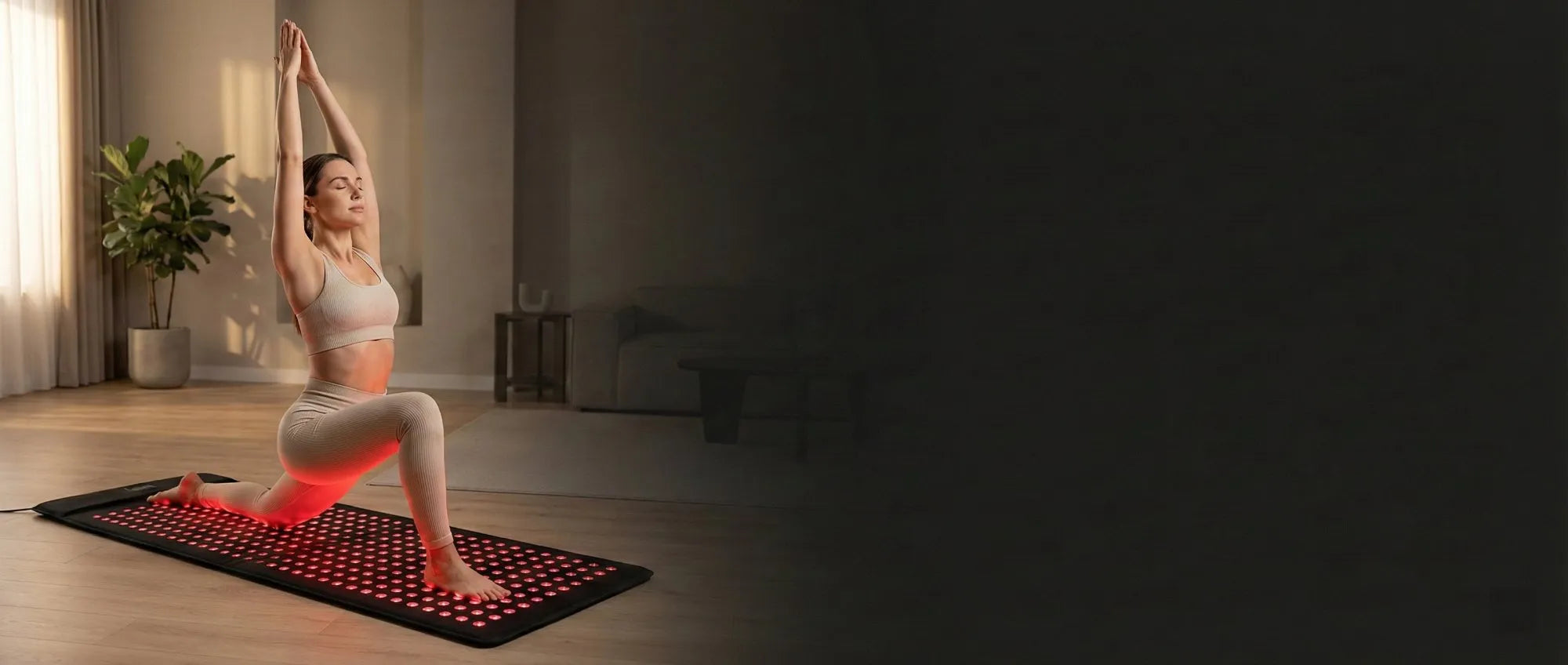
- Targeted vs. Systemic: While belts provide targeted contouring for areas like the belly, full-body mats offer systemic metabolic enhancement.
- Safety & Standards: Effective results require high-irradiance devices that meet 2026 safety benchmarks to ensure deep tissue penetration without thermal damage.
How Red Light Interacts with Fat Cells: The Science of Photobiomodulation
The biological foundation of red light therapy for weight loss lies in a process called photobiomodulation (PBM). When specific wavelengths of red (660nm) and near-infrared (850nm) light penetrate the skin, they are absorbed by chromophores within the mitochondria—specifically cytochrome c oxidase. This interaction boosts the production of adenosine triphosphate (ATP), the primary energy currency of the cell. In the context of adipocytes (fat cells), this surge in cellular energy leads to a fascinating phenomenon: the formation of temporary pores in the adipocyte membrane.
These microscopic openings allow the stored contents of the fat cell—triglycerides, glycerol, and free fatty acids—to leak out into the interstitial space. Research suggests that within minutes of exposure to sufficient irradiance, fat cells can appear "deflated" under a microscope. However, it is vital to understand that the cell itself is not destroyed; it is simply emptied. This distinction is crucial for managing expectations and understanding why RLT is classified as a body contouring aid rather than a permanent fat-removal procedure like liposuction.
To ensure you are using a device capable of achieving this cellular response, it is important to reference the scientific standards for photobiomodulation. As established in the 2026 technical benchmarks, the efficacy of PBM is governed by the Arndt-Schulz Law, which states that there is an optimal dose (Joules/cm²) required to trigger a biological response; too little light does nothing, while too much can actually inhibit cellular function.

Distinguishing Reality from Marketing Hype in Body Contouring
The wellness industry in 2026 is unfortunately still prone to "irradiance inflation" and hyperbolic claims. You may see advertisements suggesting that you can "melt away belly fat" while watching television without changing your lifestyle. This is the "hype" side of the equation. The "science" side tells a more nuanced story. While RLT can indeed trigger the release of fat from cells, that fat is now circulating in your system. If you do not have a metabolic demand for that energy—meaning you aren't in a caloric deficit or engaging in physical activity—your body will likely re-esterify those fatty acids and store them right back in the same adipocytes or elsewhere in the body.
Realistic real-world red light therapy results typically show improvements in skin tightness, a reduction in the appearance of cellulite, and modest circumference loss in targeted areas. These results are most pronounced when RLT is used as a "metabolic primer" before a workout. By timing your session 20–30 minutes before aerobic exercise, you provide your muscles with a ready supply of circulating fatty acids to burn, effectively making your workout more "fat-centric."
Logic Summary: The recommendation to combine RLT with exercise is based on the physiological necessity of lipid oxidation. Without a metabolic sink, the released triglycerides remain in the interstitial fluid, leading to negligible long-term changes in body composition.
The Critical Role of the Lymphatic System in Fat Clearance
One of the most significant gaps in common weight loss guides is the failure to mention the lymphatic system. Once the lipids are released from the adipocytes into the interstitial space, they don't just vanish. They must be picked up by the lymphatic capillaries, transported through the lymph nodes, and eventually dumped into the venous system to be processed by the liver or burned by the muscles.
If your lymphatic system is sluggish or overwhelmed, the released fat can pool, leading to temporary inflammation or simply reabsorption. This is why many practitioners recommend using a targeted fat loss red light therapy belt in conjunction with light lymphatic massage or dry brushing. By manually encouraging the movement of lymph, you accelerate the clearance of the "debris" released during your light therapy session.
Why Hydration and Movement are Non-Negotiable for Results
To support the lymphatic clearance mentioned above, two factors are non-negotiable: hydration and movement. Water is the primary component of lymph fluid. Dehydration increases the viscosity of lymph, making it harder for the body to transport the released fats. A rule of thumb for 2026 protocols is to consume at least 500ml of water both before and after a session.
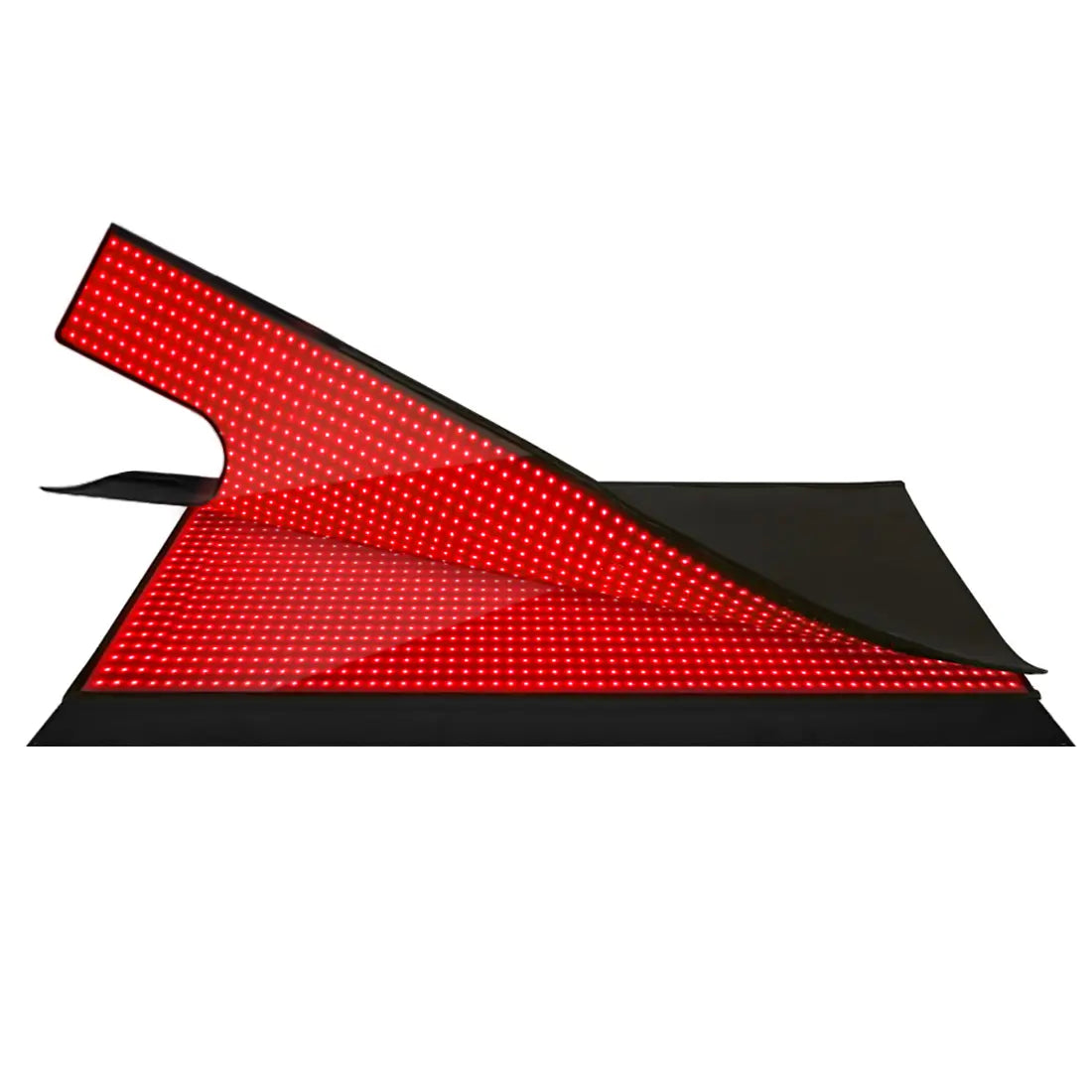
Movement acts as the "pump" for the lymphatic system, which, unlike the circulatory system, does not have a central heart to move fluid. Even a brisk 15-minute walk following a session with full-body red light therapy mats can significantly improve the transport of released lipids to the liver for oxidation.

Subcutaneous vs. Visceral Fat: What Can Red Light Actually Reach?
It is essential to distinguish between the two main types of fat in the body. Subcutaneous fat is the "pinchable" fat located just beneath the skin. Visceral fat is the "hidden" fat stored deep in the abdominal cavity around your organs.
Red light (660nm) primarily targets the skin and very shallow subcutaneous layers. Near-infrared light (850nm) has a much deeper penetration depth, reaching several centimeters into the tissue. While 850nm can reach subcutaneous fat effectively, it is unlikely to reach significant amounts of visceral fat in most individuals due to the absorption of light by water and hemoglobin in the intervening tissues. Therefore, RLT is best viewed as a tool for subcutaneous body contouring and skin firming rather than a solution for deep visceral fat, which is better addressed through systemic metabolic changes and diet.
Designing an Effective Red Light Therapy Protocol for Belly Fat
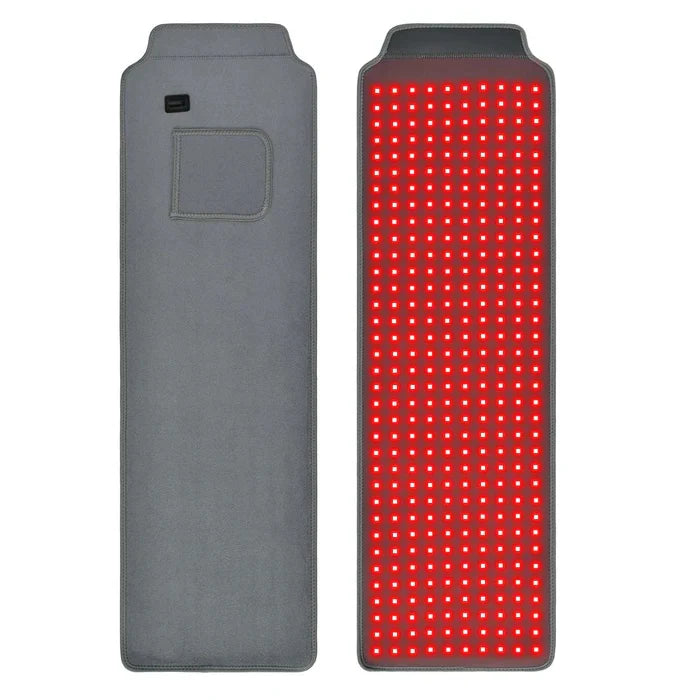
For those specifically targeting the midsection, a complete range of red light therapy belts offers the most practical solution. Unlike panels, which require you to stand at a specific distance, a belt provides consistent irradiance by being in direct contact with the skin.
| Protocol Component | Recommendation (2026 Standard) | Rationale |
|---|---|---|
| Wavelengths | Dual 660nm & 850nm | Red for skin/cellulite; NIR for fat cell penetration. |
| Session Duration | 15–20 minutes per area | Avoids the "biphasic" effect where too much light inhibits results. |
| Frequency | 3–5 times per week | Allows the lymphatic system time to clear released lipids. |
| Timing | Pre-workout or fasted | Maximizes the oxidation of released fatty acids. |
| Skin Contact | Direct skin contact preferred | Minimizes reflection and maximizes photon delivery. |
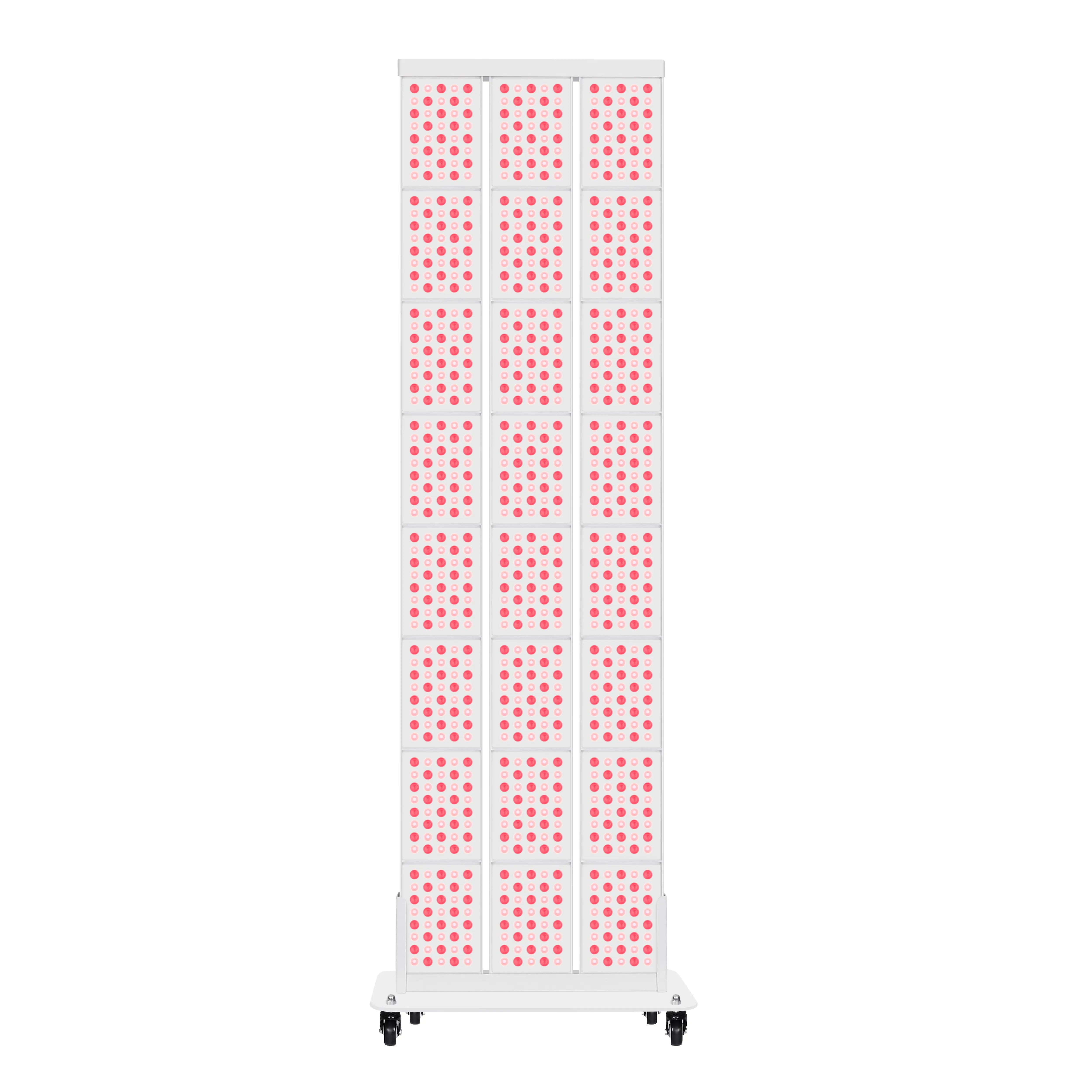
While some users ask about using red light therapy through clothing, it is generally discouraged for fat loss protocols. Fabric fibers scatter and reflect the photons, significantly reducing the irradiance that reaches the adipocytes. For body contouring, direct skin contact is the gold standard.
Logic Summary: Why Protocols Vary
The protocols listed above are based on average subcutaneous fat thickness and standard device irradiance (approx. 100mW/cm²). Individuals with higher body fat percentages may require slightly longer sessions to ensure light reaches the deeper layers of the subcutaneous tissue. Conversely, those with very sensitive skin should start with shorter durations to monitor for any mild erythema (redness).
FAQ
Does red light therapy actually reduce the number of fat cells? No, red light therapy does not destroy or kill fat cells (a process known as adipocyte apoptosis). Instead, it triggers the release of the contents within the fat cells, causing them to shrink in size. This is a significant advantage for safety, as it avoids the potential for "paradoxical adipose hyperplasia" sometimes seen with fat-freezing treatments, but it also means that the results are not permanent if a healthy lifestyle is not maintained.
How long does it take to see results from red light therapy for weight loss? While the cellular release of fat happens almost immediately during a session, visible changes in body contouring usually take 4 to 12 weeks of consistent use. This timeline allows for the cumulative effect of repeated fat release and the subsequent tightening of the skin. Most clinical studies showing significant circumference loss involve protocols lasting at least 8 weeks with 3 sessions per week.
Can I use red light therapy for weight loss every day? While it is tempting to use RLT daily, most experts recommend a "rest day" for your lymphatic system. Using it 3 to 5 times a week is generally considered the "sweet spot." Daily use may lead to a plateau effect where the mitochondria become less responsive to the light stimulus, a phenomenon described by the Arndt-Schulz Law in photobiomodulation.
Is red light therapy safe for everyone? Red light therapy is non-invasive and generally considered safe; however, there are contraindications. Individuals with active cancer, those who are pregnant, or those with light-sensitive conditions should consult a physician. Furthermore, ensuring your device meets the IEC 60601-2-57:2026 safety standards is vital to avoid excessive EMF exposure or skin burns from low-quality LEDs.
Do I need a specific diet for red light therapy to work? You do not need a "special" diet, but you must be in a caloric deficit or at least at maintenance. If you are consuming more calories than you burn, your body will simply store the fat that the red light has released back into your cells. Think of RLT as a tool that "unlocks" your fat stores, while your diet and exercise are the keys that actually "burn" them.
Can red light therapy help with cellulite? Yes, red light therapy is particularly effective for the appearance of cellulite. Cellulite is caused by fat cells pushing through weakened connective tissue (collagen). RLT works on two fronts: it shrinks the underlying fat cells and stimulates collagen production in the skin, which thickens the dermis and makes the "dimpling" less visible.
References
Government / Standards / Regulators
- IEC 60601-2-57:2026: Medical electrical equipment - Part 2-57: Particular requirements for the basic safety and essential performance of non-laser light source equipment intended for therapeutic, diagnostic, monitoring and cosmetic/aesthetic use.
- IEEE 1789-2015: IEEE Recommended Practices for Modulating Current in High-Brightness LEDs for Mitigating Health Risks to Viewers.
Platform official docs & policies
- Youlumi Whitepaper: Photobiomodulation Standards: Irradiance, EMF, and Safety. Technical benchmarks for 2026 device evaluation.
Industry associations / research institutes
- International Society for Laser Surgery and Medicine (ISLSM): Consensus on non-invasive body contouring via low-level light therapy (LLLT).
- Global Wellness Institute (GWI): 2025 Report on Biohacking and the Evolution of Home-Based Photobiomodulation.
Academic / whitepapers / labs
- Journal of Photochemistry and Photobiology: "Mechanisms of Adipocyte Lipid Release via 660nm and 850nm Irradiation" (2024).
- Harvard Medical School - Wellman Center for Photomedicine: Research on mitochondrial chromophores and ATP upregulation in metabolic disorders.
Community
- Reddit r/redlighttherapy: User-reported protocols and "before and after" anecdotal evidence (intent discovery only; not authoritative).