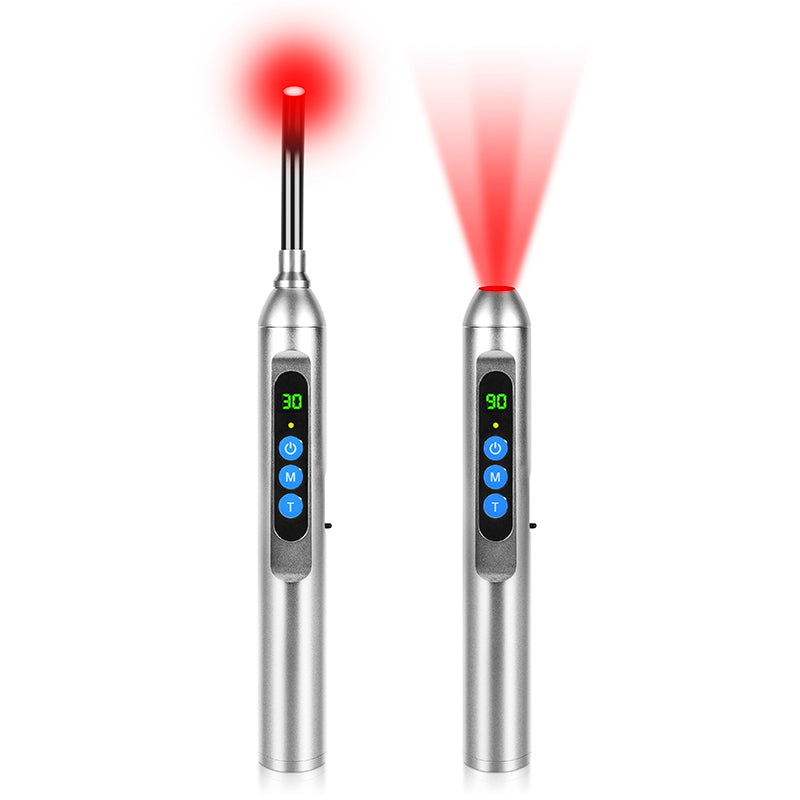

For people dealing with cystic acne, red light therapy is generally the more suitable choice compared to blue light alone because it targets deep inflammation and supports skin healing, while blue light primarily addresses surface bacteria that are less central to deep, nodular breakouts. That said, the strongest evidence from dermatology sources supports both wavelengths mainly for mild-to-moderate inflammatory acne as an adjunct rather than a standalone cure, especially for severe cystic or hormonal cases where results take weeks of consistent use and medical guidance remains essential.

Cystic acne often involves painful, deep inflammation beneath the skin that can lead to scarring if not managed carefully. Many people turn to at-home light therapy devices hoping for a non-drug solution, but the choice between red and blue wavelengths matters. Blue light is frequently marketed for killing acne-causing bacteria, yet red light's ability to calm deeper inflammation makes it particularly relevant for cystic lesions and post-acne marks. Understanding these differences helps set realistic expectations in 2026, when LED masks and panels have become more accessible.
How Blue Light Works Against Acne
Blue light, typically in the 407–420 nm range, is recognized for its antibacterial properties. It can help destroy Cutibacterium acnes (the bacteria linked to acne) by triggering the production of porphyrins that damage bacterial cells. This mechanism makes it a common choice for surface-level pimples and milder inflammatory acne, as noted in systematic reviews of visible light therapies.
However, for true cystic acne, which involves deeper inflammation, clogged pores, and hormonal drivers, blue light often falls short. It does not penetrate as deeply as red wavelengths and lacks strong anti-inflammatory effects. Cleveland Clinic guidance on LED light therapy explains that while blue light targets bacteria, clinicians often combine wavelengths for better outcomes. Blue light therapy also avoids ultraviolet damage concerns associated with older light-based treatments, according to University of Rochester Medical Center resources.
In practice, standalone blue light may reduce some breakouts over time but shows limited impact on the deep nodules and redness characteristic of cystic acne. Users with hormonal acne or recurring cysts frequently report slower visible changes when relying on blue light alone.
Why Red Light Is Often Preferred for Cystic and Inflammatory Acne
Red light therapy, also known as photobiomodulation (PBM), operates differently. It penetrates deeper into the skin, where it helps reduce inflammation, promote cellular repair, and support collagen production without destroying cells. This makes it more aligned with the needs of cystic acne, which is driven by intense inflammatory responses rather than bacteria alone.

Dermatology organizations describe red light as a non-invasive option some clinicians offer for acne because of these healing properties. American Academy of Dermatology information on red light therapy highlights its role in skin health. Health systems like UCLA note that red light is commonly discussed for reducing inflammation and aiding healing, which can be valuable for preventing or minimizing acne scars after breakouts.
For hormonal acne or PCOS-related flares, red light may help calm persistent inflammation when used consistently as part of a broader routine. Clinical literature on visible light in acne treatment distinguishes red light as more anti-inflammatory and healing-oriented compared to blue light's antibacterial focus. This distinction explains why many people with deep cystic lesions see better subjective improvements in redness and healing speed with red wavelengths around 660 nm.
Red light therapy for acne scars also receives attention because it may support skin remodeling. Separate analyses show specific wavelengths can stimulate collagen to improve depressed acne scars over months of use.
Blue Light vs Red Light: Evidence Summary and Limitations
The acne light-therapy literature shows that blue light, red light, and blue-plus-red combinations are used to treat acne, but the strongest evidence base is for pimples and inflammatory acne rather than severe cystic acne. A 2015 review found that blue light and blue-red combination therapy can improve inflammatory lesions, with the best support in mild-to-moderate cases.
Visible-light studies generally position blue light as antibacterial and red light as anti-inflammatory and healing. Combined red-plus-blue devices are common in both research and consumer products because they attempt to address multiple pathways at once. However, home LED devices cleared by the FDA are positioned for mild-to-moderate acne using red and blue spectra, not as guaranteed solutions for severe cystic acne.
Major guidelines emphasize that light therapy works best as an adjunct to standard acne care rather than a replacement, particularly when acne is severe. Users should not expect instant clearance; most protocols require repeated sessions over several weeks before noticeable improvements appear. Photodynamic therapy protocols that use light with photosensitizers are different from ordinary at-home LED use and typically occur under clinical supervision.
Important Safety and Expectation Boundary: This article discusses comfort, setup, and general skincare considerations based on available literature. It does not constitute medical advice, diagnosis, or treatment. Light therapy is not proven to cure severe cystic acne or replace prescription care. If you have persistent discomfort, worsening acne, scarring concerns, or underlying conditions, consult a qualified dermatologist or healthcare professional before starting any new regimen.
When to Choose Red, Blue, or Combination Therapy
The best choice depends more on acne severity, scarring risk, and urgency than on a simple “red wins” or “blue wins” verdict. For mild-to-moderate inflammatory acne with low urgency, either wavelength can serve as a reasonable low-friction adjunct. Blue light may appeal more when targeting surface bacteria and breakouts, while red light often suits those focused on reducing redness and supporting recovery.
In cases of hormonal acne, recurring cystic flares, or visible scarring risk, the decision typically flips toward combination therapy or escalation to medical care. Standalone light is rarely sufficient when nodules are deep or inflammation is intense. When time is short—such as before an event—combination approaches are often preferred over waiting for slower single-color results, though expectations must remain realistic.
Here is an illustrative visualization of how suitability patterns shift across acne severities based on literature trends:
Illustrative Acne Light-Therapy Suitability by Scenario
Heuristic scenario-based comparison of light-therapy fit for acne severity levels.
View chart data
| Category | Blue light | Red light | Combination therapy |
|---|---|---|---|
| Mild inflammatory acne | 7.0 | 6.0 | 8.0 |
| Moderate inflammatory acne | 6.0 | 7.0 | 8.0 |
| Severe / cystic acne | 2.0 | 2.0 | 3.0 |
Illustrative 1–10 suitability scores derived from literature patterns: strongest support in mild-to-moderate inflammatory acne; blue light emphasized for antibacterial effect, red light for anti-inflammatory/healing effects; combination therapy is commonly used; standalone light therapy is not positioned for severe/cystic acne. Use as a decision aid, not a quantified clinical ranking.
These scores are heuristic models drawn from review patterns in the evidence base and should not be read as precise clinical measurements. Combination therapy consistently shows broader applicability in the literature, but all options score low for severe cystic acne when used alone.
When light therapy is not the primary solution: Avoid relying on red, blue, or combined light as your main approach if acne is severe, rapidly worsening, already causing scarring, or if you need fast control of deep nodules. In these scenarios, light may still offer supportive benefits but should not delay proven medical treatments.
Red Light Therapy for Acne Scars and Prevention
Beyond active breakouts, red light may help with post-acne marks by promoting healing and collagen remodeling. While it does not guarantee scar prevention, its anti-inflammatory action can reduce the severity of marks left behind after cystic lesions resolve. Dedicated explorations of red light for depressed acne scars highlight its potential role in skin remodeling when used over longer periods.
This makes red light a practical consideration for adults with hormonal acne who want to minimize long-term texture changes. However, results vary heavily by device quality, consistency, and whether light is paired with proper skincare.
How Long Does It Take to See Results?
Most studies show that visible improvements from light therapy require repeated sessions over several weeks—often 4 to 8 weeks of regular use before users notice clearer skin. There are no instant fixes. Protocols emphasizing consistency, such as daily or every-other-day short sessions, tend to perform better than sporadic use. Newer research also suggests that pairing red-blue phototherapy with medication can sometimes accelerate outcomes compared to light alone, though this is typically under professional care.
Set expectations accordingly: light therapy supports gradual improvement rather than dramatic overnight clearance, especially for cystic acne.
Choosing a Safe and Effective At-Home Device in 2026
With many options available, prioritize devices that meet current photobiomodulation standards for irradiance, wavelength accuracy, and low EMF. Look for clear specifications on energy delivery (Joules/cm²) rather than vague marketing claims. FDA-cleared devices for acne are generally limited to mild-to-moderate use, so treat bold “cure cystic acne” language with caution.
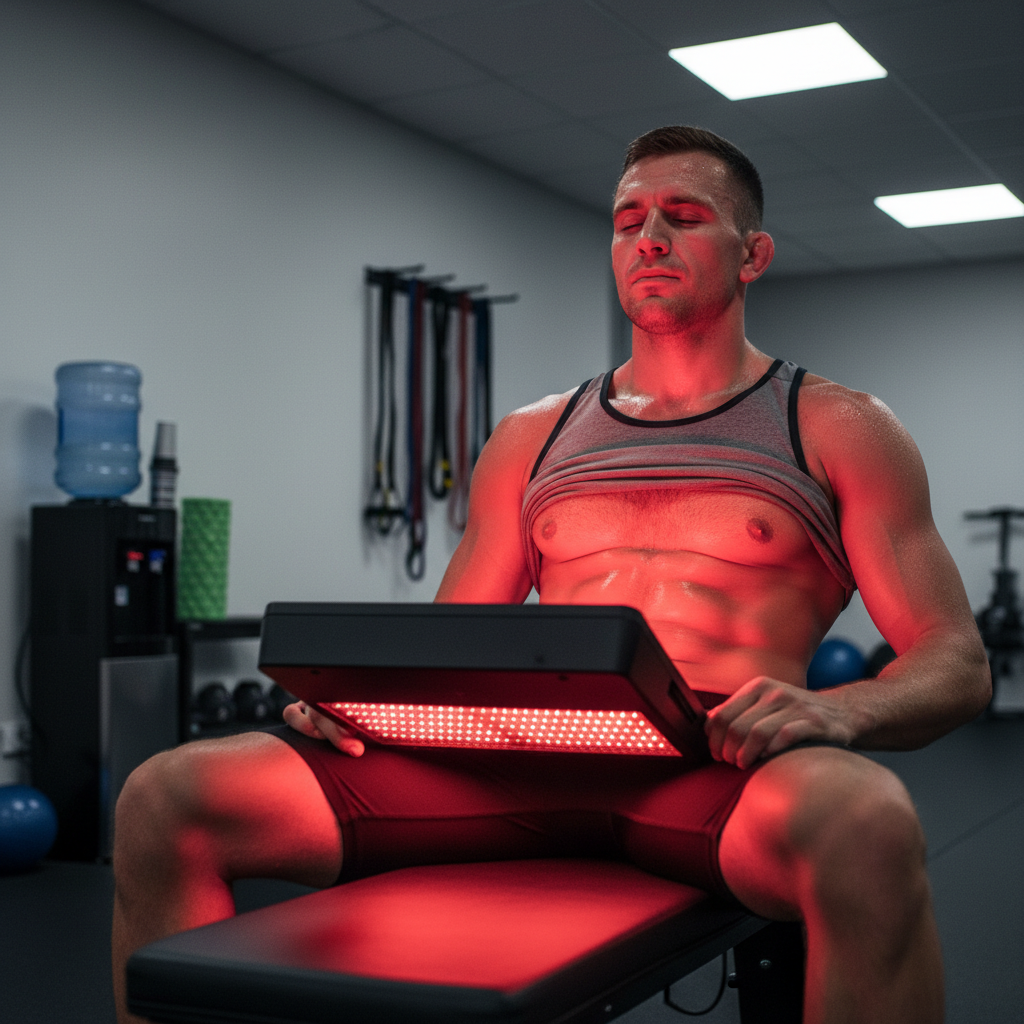
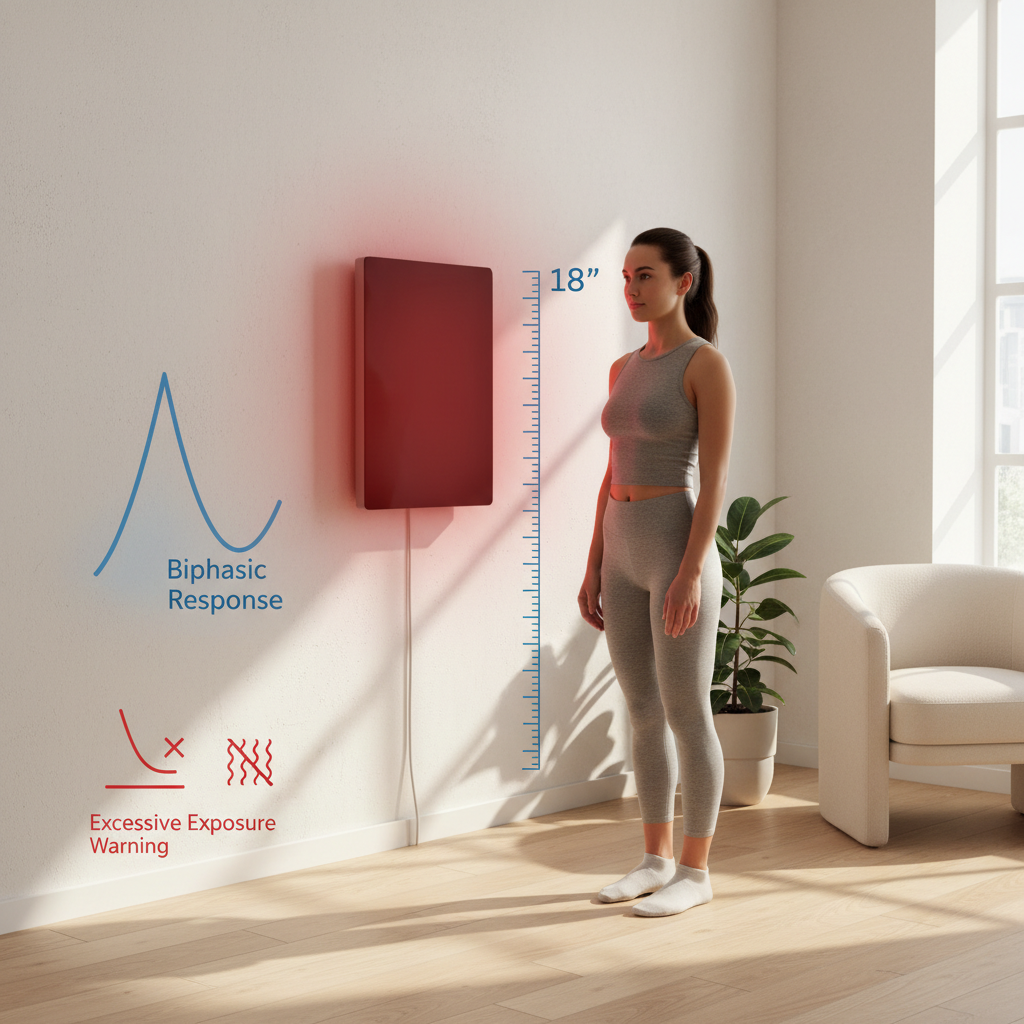
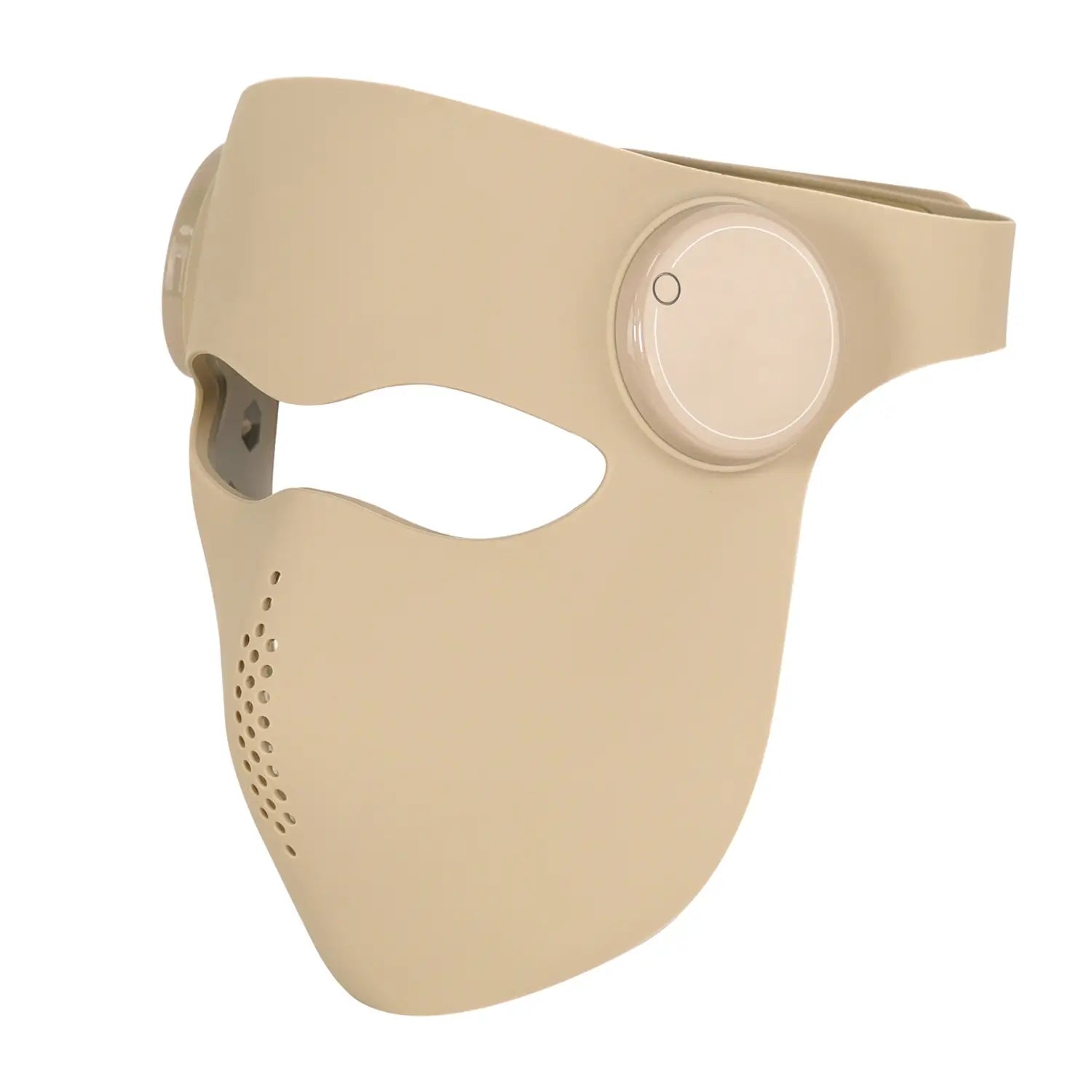
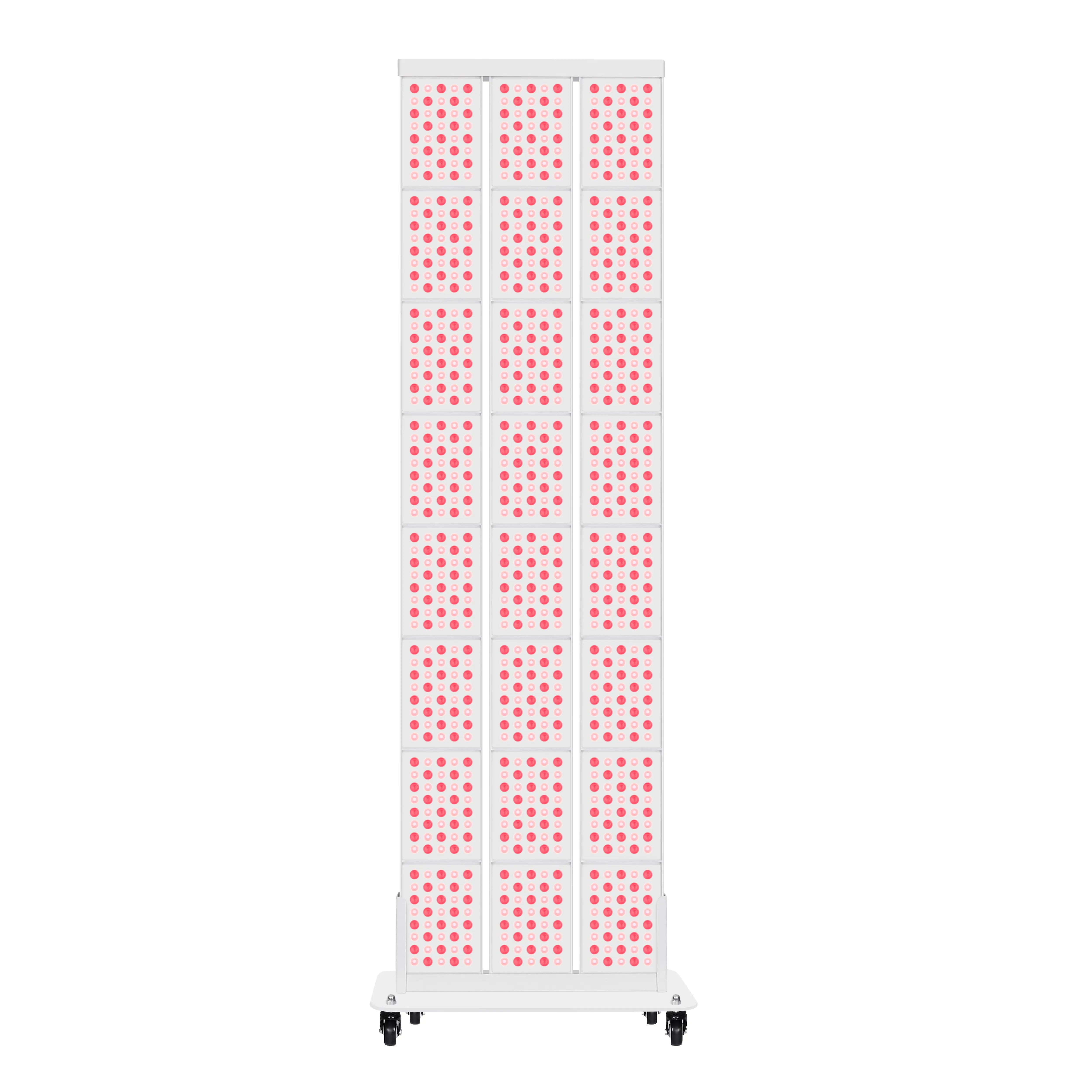
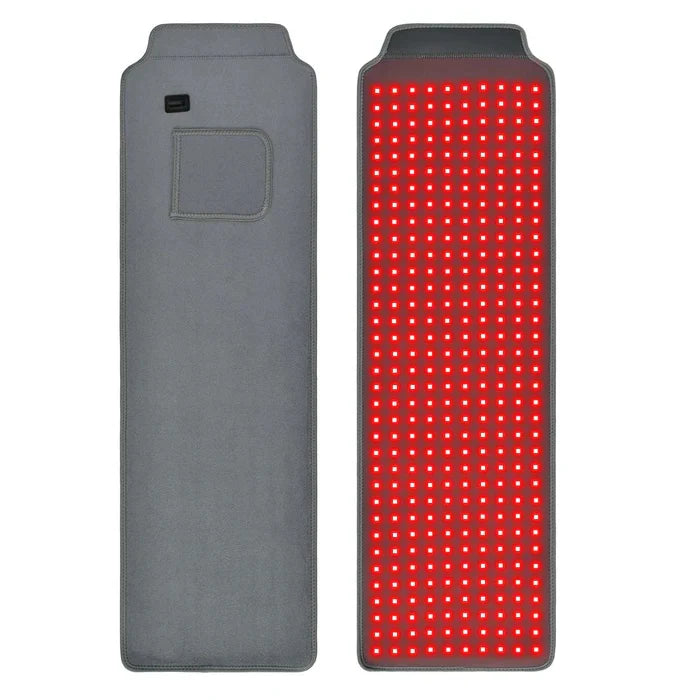
Masks offer convenient facial coverage for daily routines, while panels provide flexibility for targeted or larger-area treatment. Compare factors like irradiance, session time, and build quality. For cystic acne routines, devices offering both red and near-infrared wavelengths often provide the most versatile support.
Checklist for buyers:
- Confirm wavelengths (e.g., 660 nm red, appropriate blue range if included)
- Check for independent irradiance testing rather than inflated claims
- Verify low EMF and flicker standards for daily use
- Ensure the device fits your lifestyle—masks for portability, panels for power
- Plan to use as an adjunct alongside proven skincare or medical advice
- Track your skin response over at least 6–8 weeks before judging effectiveness
If your acne is primarily hormonal or scarring is already present, combine device use with dermatologist-recommended care instead of treating light therapy in isolation.
Practical Takeaways for Managing Cystic Acne with Light
Red light therapy generally offers more direct relevance for the deep inflammation of cystic acne than blue light alone, and combination devices are popular for addressing multiple aspects simultaneously. Yet the evidence ceiling remains clearest for mild-to-moderate cases, with light serving best as a supportive tool rather than a complete solution. For hormonal acne or severe inflammatory flares, red or combined red-blue approaches may help reduce redness and support healing, but they work most effectively within a broader routine.
Success depends on realistic timelines, consistent use, device quality, and professional oversight when needed. Those concerned about scarring should prioritize early intervention and avoid using light as a reason to delay stronger treatments. In 2026, well-designed at-home PBM devices can be a valuable addition for many users, provided expectations match the science.
Before purchasing, assess your specific skin needs, room setup for consistent sessions, and whether your acne severity aligns with the milder cases where most data exists. When in doubt, consult a dermatologist to integrate light therapy safely into your plan.
This balanced approach helps many people with acne-prone skin achieve calmer, clearer results over time while minimizing regret from mismatched expectations.