
If you make art for a living, you already know that “inspiration” is rarely the limiting factor. The real bottleneck is often your body. Hours hunched over a tablet, easel, piano, or sewing machine slowly weld your neck and shoulders into one aching block of muscle. As a long‑time light‑therapy geek and chronic‑pain tinkerer, I have experimented with just about every modality you can name. Red and near‑infrared light therapy is one of the few that has consistently earned a place in my own toolkit and in the routines of the artists and creatives I advise.
This is not about magic lamps or biohacking gimmicks. It is about using well‑studied wavelengths of light to nudge your biology in a direction that supports healing, while still respecting the limits of the science. The research for neck and shoulder pain is not perfect, but it is promising enough that major medical centers, physical therapists, and pain specialists now consider photobiomodulation a legitimate adjunct therapy rather than a fringe idea.
In this guide, I will walk through what red light therapy actually is, how it interacts with pain pathways, what the evidence says for shoulder and neck stiffness, and how to design a realistic, home‑based protocol that fits a working artist’s life.
Why Artists’ Necks and Shoulders Suffer
When you strip away the romance of “the creative life,” you are left with a very specific kind of physical stress. Most artists and creatives live in repeated postures: chin drifting forward toward a screen, shoulders subtly elevated, arms reaching or hovering, wrists locked in micro‑movements. Painters and muralists spend long stretches reaching overhead. Digital illustrators and 3D artists live in the classic rounded‑shoulder, forward‑head position. Guitarists, violinists, pianists, tattoo artists, and costume designers all add their own asymmetries and awkward angles.
The result is predictable. Muscles in the upper trapezius, levator scapulae, rotator cuff, and deep neck flexors stay switched “on” far longer than they were designed to. Blood flow stagnates, low‑grade inflammation creeps in, and the nervous system becomes hypersensitive to signals from those regions. Over time, that stiffness can evolve into diagnosed problems like rotator cuff tendinopathy, frozen shoulder, cervical facet pain, or neck‑related headaches.
Research notes on neck pain show how common this is. One report cited that around eighty percent of people experience neck pain at some point, and global twelve‑month prevalence sits roughly in the thirty to fifty percent range. Another data point: people with chronic pain have elevated rates of anxiety and depression; in one neck‑pain overview, up to forty‑five percent of those with chronic pain experienced depression, and more than fourteen percent reported severe impact on wellbeing. For artists whose livelihood depends on their body’s precision, this is not just physical discomfort; it is an existential threat.
This is exactly the context where targeted, low‑risk tools like red light therapy can be worth exploring, as long as you pair them with smart ergonomics, movement, and strength work rather than using them as a technological band‑aid.

What Red Light Therapy Actually Is
Red light therapy, often called low‑level laser therapy or photobiomodulation, uses low‑energy red and near‑infrared light to stimulate biological processes in your tissues. Instead of heating tissue like an infrared sauna, these devices deliver specific wavelengths that interact with cell structures, especially mitochondria, at non‑thermal levels.
Across multiple medical and rehab sources, therapeutic ranges cluster in two main bands. One is visible red light around the mid‑600‑nanometer range. The other is near‑infrared light in roughly the eight hundred to nine hundred nanometer range, which is invisible but penetrates deeper into muscle, fascia, and even superficial bone.
Cleveland Clinic, WebMD, and University Hospitals all describe red light therapy as an emerging treatment that is clearly useful for some skin and wound‑healing applications and shows promising, but not yet definitive, evidence for musculoskeletal pain. Main Line Health explains it as photobiomodulation: low‑level red and near‑infrared light stimulating cell regeneration, improving blood flow, and reducing muscle spasms and stiffness.
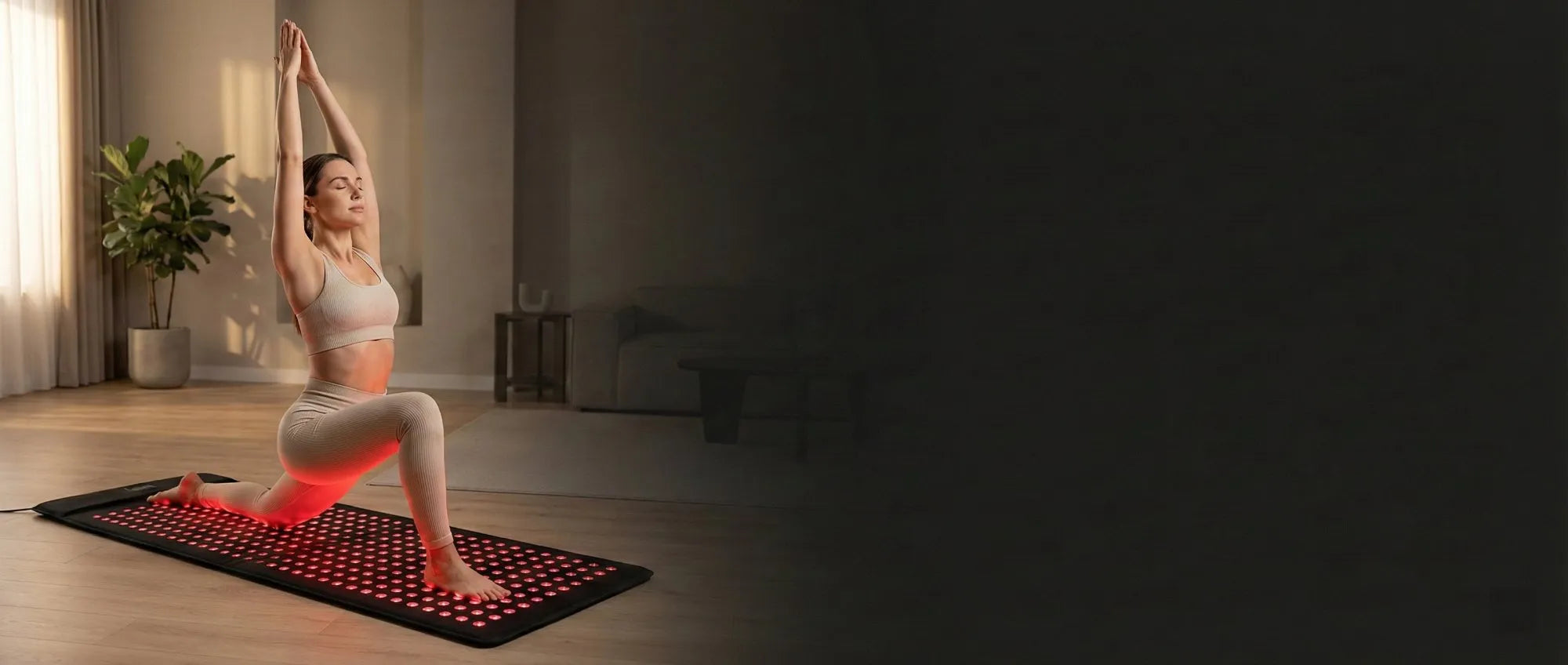
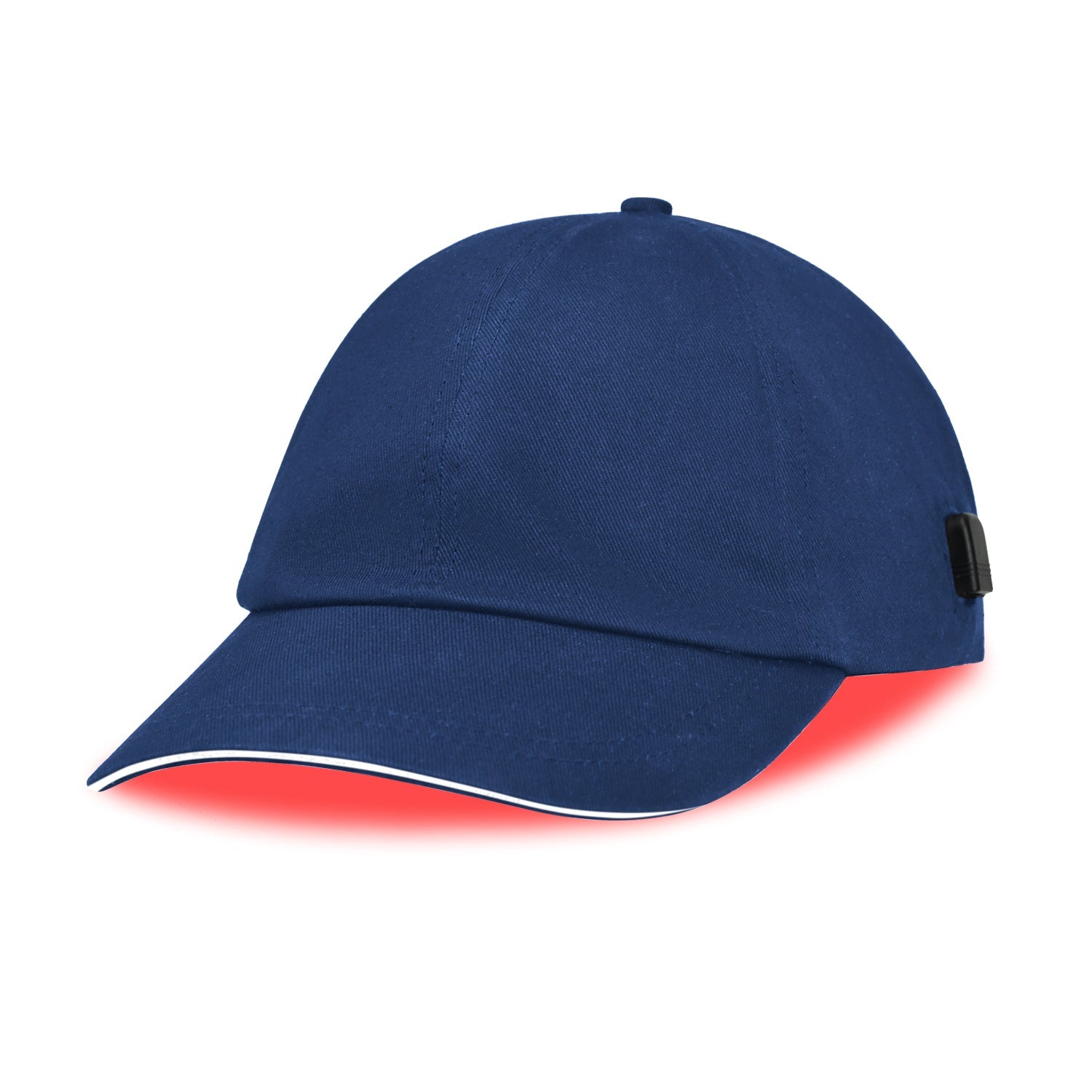
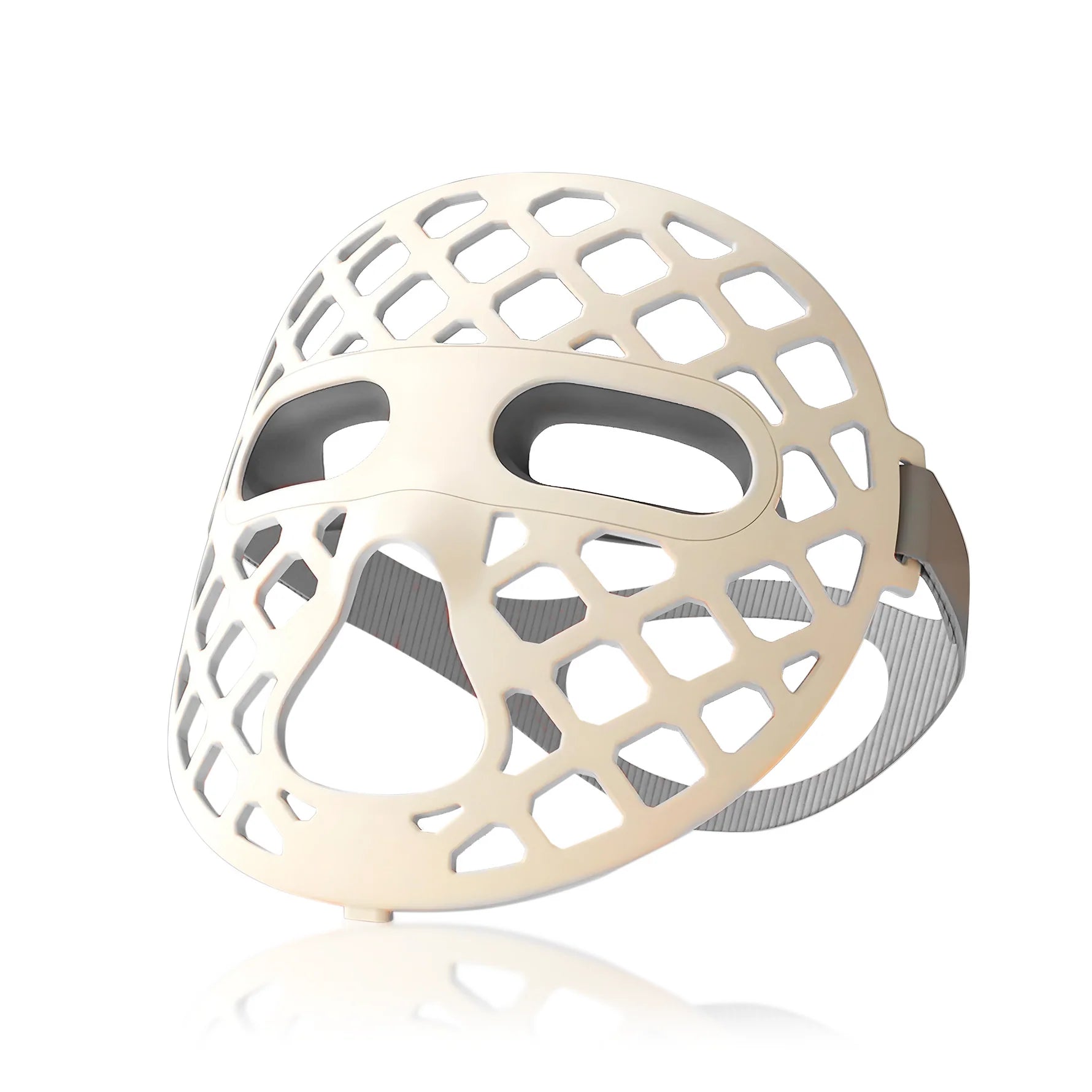
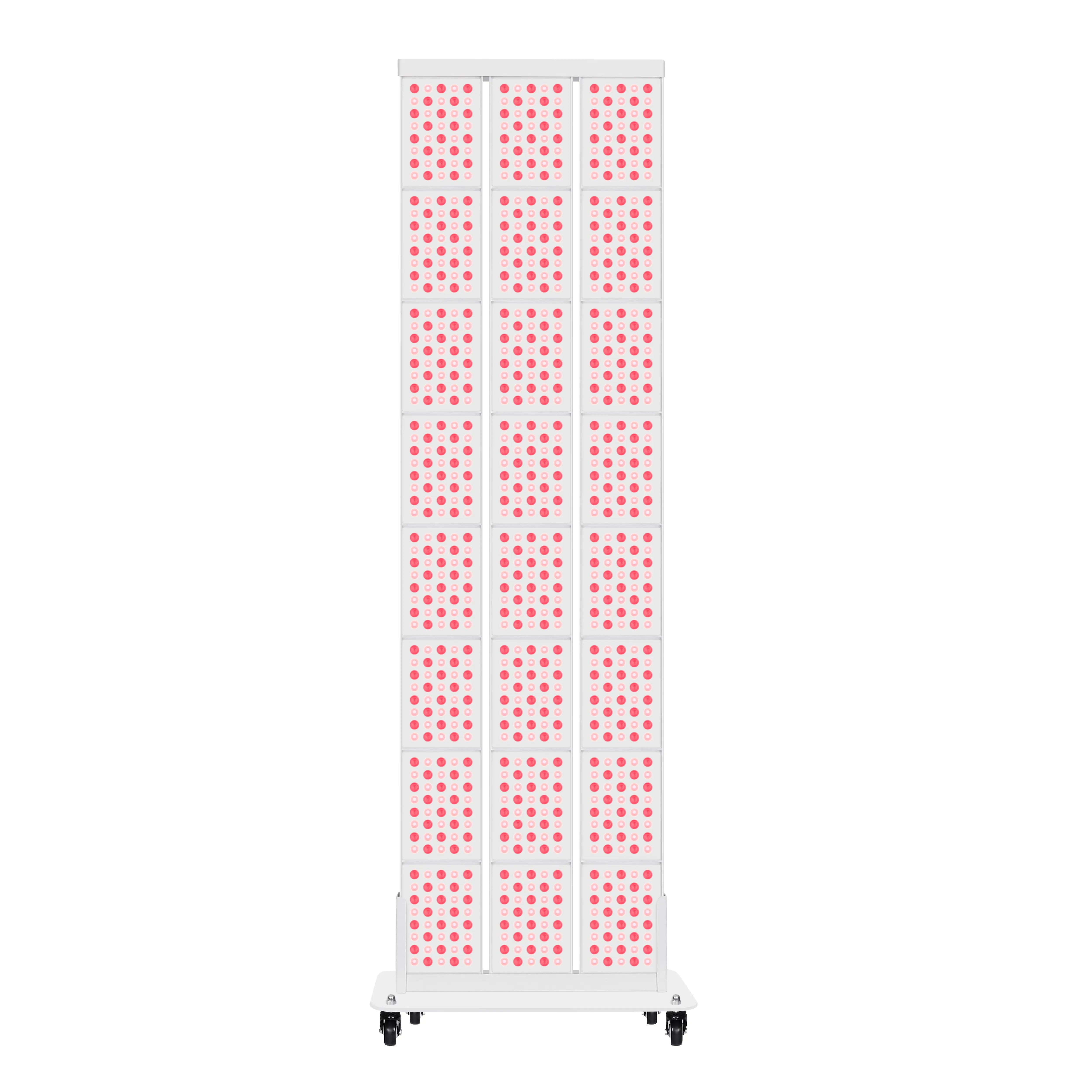
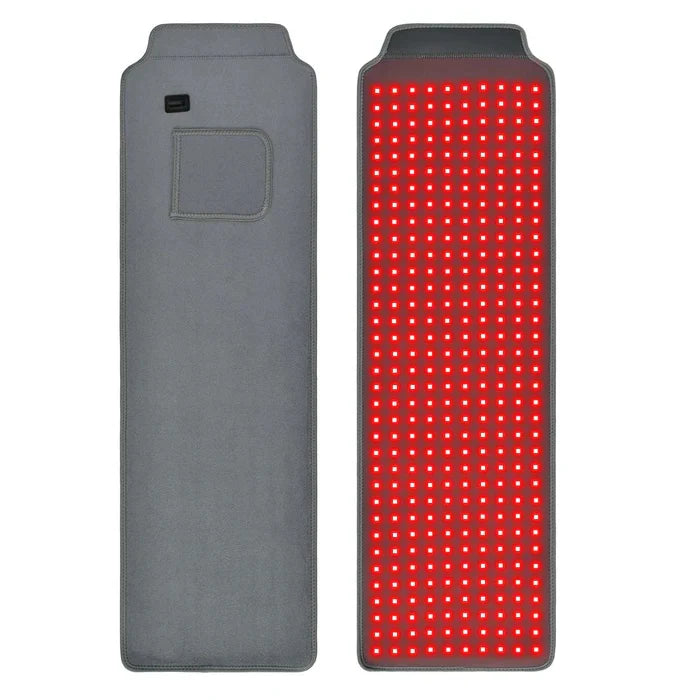
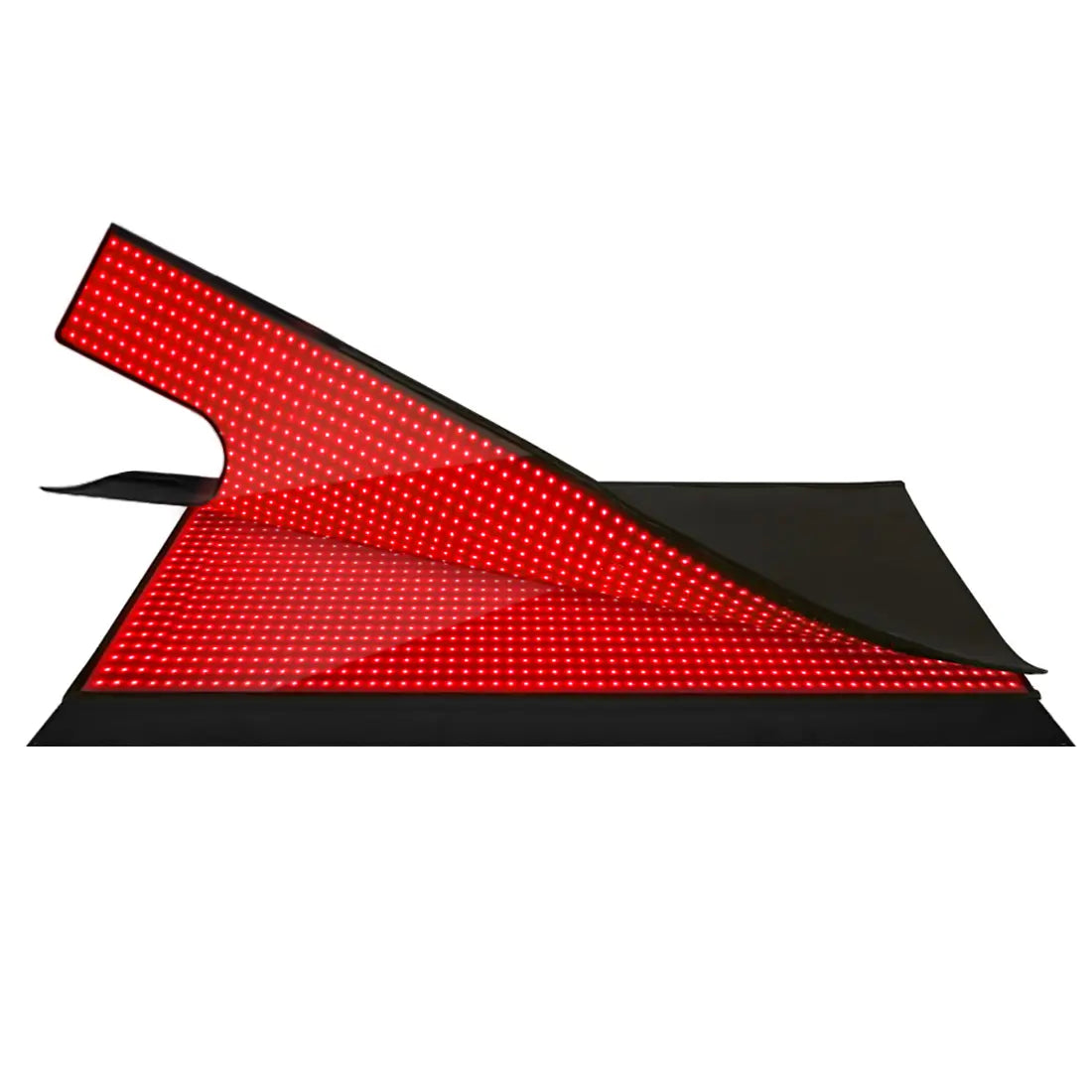
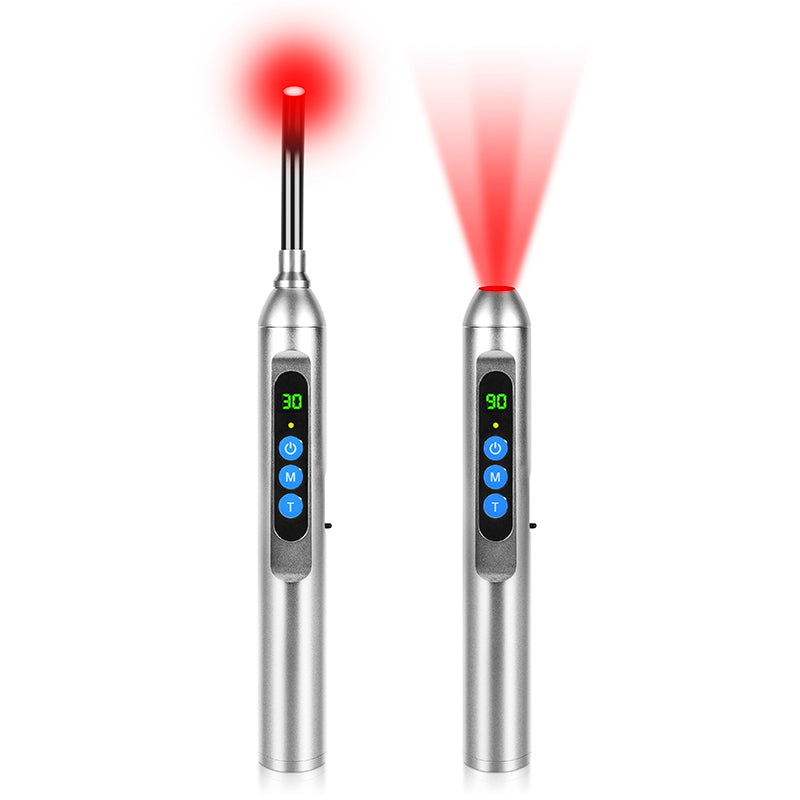
In practice you will see a few device categories. There are panels that you stand or sit in front of, flexible pads and wraps that strap around joints or the neck, handheld units for spot treatment, and full‑body beds or pods used in clinics. For an artist dealing with neck and shoulder stiffness, the most practical formats tend to be wearable neck wraps, flexible shoulder pads, and mid‑sized panels that can bathe both neck and shoulders at once while you sit or stand.

How Light Changes Pain Biology
The reason red light therapy is interesting for stubborn neck and shoulder problems is that it targets several layers of the pain system at once: cellular energy, circulation, inflammation, and nerve signaling. Here is how those pieces fit together, based on current evidence.
Mitochondria and Cellular Energy
A recurring theme in the literature is mitochondrial stimulation. Mitochondria are the energy factories inside your cells, and several sources including Cleveland Clinic and WebMD describe how red and near‑infrared photons are absorbed by mitochondrial enzymes such as cytochrome c oxidase. This absorption seems to increase production of ATP, the molecule your cells use as energy currency.
More ATP means more fuel for cell repair and housekeeping. Reviews of photobiomodulation for muscle tissue highlight that muscles rely heavily on ATP and that boosting mitochondrial output before or after exercise can improve performance and recovery in some studies. In practical terms, for an overworked trapezius muscle, that extra energy can support repair of micro‑damage and maintain healthier function over long workdays.
Blood Flow, Nitric Oxide, and Inflammation
Another consistent mechanism is improved circulation through nitric oxide release. Articles on neck pain and red light therapy from rehabilitation device manufacturers and clinical blogs explain that near‑infrared light can stimulate the release of nitric oxide, a molecule that causes local vasodilation, meaning the small blood vessels widen. That pulls more oxygen and nutrients into the treated area and helps move out metabolic waste and inflammatory byproducts.
Multiple pain and rehab sources, including Main Line Health and several physical therapy clinics, frame this as one way red light therapy reduces inflammation and supports tissue healing. By improving micro‑circulation you not only feel less stiff but you also create a better internal environment for actual repair work.
Nerves and Pain Signaling
A more technical but important angle comes from reviews on low‑intensity laser and LED therapy for musculoskeletal pain. These describe how certain near‑infrared wavelengths can interact with nerve cell membranes, altering ion pump behavior and depolymerizing microtubules in pain‑carrying fibers. The result is a transient reduction in nerve excitability and a decrease in inflammatory mediators such as prostaglandins and cytokines.
Clinically, that lines up with reports that red light therapy can produce analgesia within about ten to twenty minutes in some settings, but that the effect is temporary and needs repeated sessions, often roughly every twenty‑four hours, for chronic pain. For the artist, that means you can sometimes feel short‑term relief quickly, although long‑term change still depends on consistent use and broader rehab.
Collagen, Tendons, and Joint Health
Several sources note that red light and near‑infrared light can stimulate fibroblasts, the cells that produce collagen. WebMD and Main Line Health link this to smoother skin and better elasticity, but the same mechanism matters for tendons, ligaments, and joint capsules. Studies highlighted by brands focusing on shoulder pain and rotator cuff issues report meaningful reductions in pain and improved shoulder mobility when low‑level red or near‑infrared light is applied over tendinopathic or arthritic shoulders.
A review summarized in MOJ Orthopedics and Rheumatology noted that low doses of light have demonstrated the ability to support healing of skin, nerves, tendons, cartilage, and even bone. That does not mean light will knit a torn tendon back together on its own, but it does raise the ceiling on how well tissue can respond to good mechanical rehab.
Evidence for Neck and Shoulder Pain Relief
The evidence base for red light therapy in musculoskeletal pain is broad and uneven. There are feasibility trials, randomized controlled trials, systematic reviews, lab studies, and case reports. For artists focused on neck and shoulder stiffness, a few threads are particularly relevant.
Chronic Neck and Shoulder Stiffness
A recent feasibility study tested a self‑care infrared LED device for chronic neck and shoulder muscle stiffness. Ten adults with persistent stiff neck and shoulder pain received short three‑minute treatments with a near‑infrared LED over a standard acupuncture point at the top of the shoulder. Subjective stiffness scores on a one hundred millimeter scale dropped from the high fifties on average before treatment to the mid forties immediately afterward and down to about the high twenties fifteen minutes later. Pain scores showed a similar pattern, with an estimated reduction of just over eighteen millimeters by fifteen minutes, which the authors noted was comparable to effect sizes reported for low‑level laser therapy in prior meta‑analyses.
Skin temperature at the treatment site increased by around twelve degrees Fahrenheit and then returned toward baseline within fifteen minutes. Importantly, no burns or serious adverse events were reported; transient redness resolved quickly. The trial was small, single‑arm, and uncontrolled, so it cannot prove efficacy, but it demonstrates short‑term, clinically relevant relief and good tolerability in exactly the kind of neck‑shoulder stiffness artists struggle with.
Broader Musculoskeletal Pain and Function
Broader reviews of photobiomodulation therapy across common musculoskeletal conditions show a consistent pattern. A narrative review of low‑intensity laser and LED therapies reported reductions in pain, inflammation, and swelling and improvements in function in conditions such as non‑specific knee pain, knee osteoarthritis, fibromyalgia, and post‑surgical pain, especially when recommended doses and wavelengths in the red and near‑infrared range were used.
One meta‑analysis of knee osteoarthritis trials found that photobiomodulation, alone or combined with exercise, significantly reduced pain compared with placebo at the end of treatment and at follow‑up up to twelve weeks, with stronger results when specific energy doses per joint line were respected. Another trial after total hip replacement showed that light therapy applied along the incision produced immediate postoperative pain reductions far greater than placebo and appeared to modulate postoperative inflammation.
These are not neck or shoulder trials, but the tissues and mechanisms involved are similar enough to matter. They support the idea that red light therapy can be a useful adjunct for chronic, mechanical pain that has an inflammatory component, such as many art‑related neck and shoulder issues.
Shoulder‑Specific Data and Rotator Cuff Issues
Shoulder‑focused articles from medical‑grade light therapy manufacturers and wellness brands converge on a few points. Common shoulder problems like rotator cuff tendinitis and tears, bursitis, frozen shoulder, swimmer’s shoulder, and rheumatoid arthritis are notoriously painful and limit range of motion. Case series and promotional summaries reference studies where low‑level red or near‑infrared light over the shoulder reduced pain, improved range of motion, and accelerated return of function.
Red light therapy is also highlighted in guides for home‑based rotator cuff rehabilitation. These recommend using devices such as targeted LED and laser units as an adjunct to a structured rehab program built around rest from aggravating loads, progressive range‑of‑motion and strengthening exercises, and proper tendon loading. The message is consistent: red light therapy can reduce pain and inflammation and support tissue repair but works best when combined with smart exercise rather than replacing it.
There is even a case report titled “Frozen (capsulitis) of shoulder treated by LED red light” indicating that clinicians are exploring red LED therapy for one of the most stubborn shoulder conditions. Details are limited in the available abstract, but the existence of such reports underscores growing medical interest.
Neck Pain, Nerve Pain, and Tension
Neck‑focused infrared light articles note that around eighty percent of people experience neck pain at some stage and that chronic cases can severely limit function and mobility. Infrared light therapy for neck pain is described as delivering invisible wavelengths that penetrate deeply into neck muscles, stimulating nitric oxide production, improving circulation, and boosting ATP. Repeated sessions over several weeks have been associated with reduced stiffness, better range of motion, and faster tissue repair. Typical protocols suggest treating the neck area for about ten to fifteen minutes per session several times per week, with short‑term pain sometimes improving within days and chronic cases often needing up to around twelve weeks of consistent use.
Other red light therapy blogs aimed at chronic pain and nerve pain point out that these wavelengths can support nerve healing by improving blood flow and oxygenation and by calming inflammatory processes. They frame red light therapy as a gentle, drug‑free way to reduce burning or tingling nerve pain, chronic muscle tension, and mobility issues, again emphasizing the importance of consistency over many sessions.
Performance, Recovery, and “Artist DOMS”
A systematic review of photobiomodulation in human muscle tissue looked at forty‑six studies, including more than one thousand participants, and explored how red and near‑infrared light affects exercise performance and recovery. Pre‑conditioning muscles with light before exercise sometimes increased the number of repetitions and time to exhaustion and reduced markers of muscle damage such as creatine kinase. Some protocols applying light after intense eccentric exercise reduced delayed onset muscle soreness and preserved strength and range of motion over the next few days, while others showed no significant benefit, emphasizing how sensitive outcomes are to timing, wavelength, and dose.
For an artist, the parallel is not squats and deadlifts but long sessions of detailed work that leave the upper back and shoulders feeling like they just did a marathon. The muscle‑recovery data suggest that light therapy can help muscles tolerate repeated workloads better and recover faster, but only when the parameters are right and when it is combined with good training habits.
Overall, major medical sources like Cleveland Clinic and WebMD emphasize that evidence for red light therapy is still emerging. Many studies are small or lack ideal controls, and more high‑quality research is needed. At the same time, reviews of musculoskeletal pain and chronic pain show enough signal that pain specialists, sports medicine physicians, and physical therapists now consider red light therapy a reasonable option to try, especially when you keep expectations grounded and use it as part of a broader plan.
Translating the Science to Artists’ Pain
Neck and shoulder pain in artists usually involves a mix of three things. There is muscular overuse and guarding, especially in the upper trapezius and neck extensors. There is low‑grade tendon and joint irritation in structures like the rotator cuff and cervical facet joints. There is nervous‑system sensitization, where normal movement starts to feel threatening and painful.
Red and near‑infrared light can touch each of those layers. Increased ATP helps tired muscle fibers recover and normalize function. Improved blood flow and nitric oxide release deliver oxygen and clear metabolites from stagnant tissues. Anti‑inflammatory signaling and modulation of pain‑carrying nerve fibers reduce the background “noise” of pain. Collagen stimulation supports gradual remodeling of overloaded tendons and joint capsules when combined with good mechanical loading and movement.
However, light does not change biomechanics. It will not fix a poorly set‑up workstation, weak scapular musculature, or a fully torn rotator cuff. This is why the most evidence‑based recommendations stress integration. In rotator cuff rehab guides and sports‑medicine discussions, red light therapy is explicitly positioned as a complement to physical therapy, strength training, ergonomic changes, and healthy lifestyle habits, not a stand‑alone cure.
That is also how I use it in practice: as a lever to make the rest of your recovery plan work better and feel more tolerable.
Designing a Safe Red Light Routine for Shoulder and Neck Stiffness
The next question is how to apply all of this at home without turning your studio into a questionable sci‑fi set. Here is how I would approach this if you are an artist with chronic neck and shoulder stiffness and access to a decent red light device.
Step 1: Get Cleared and Set Expectations
Before you start shining light on painful tissue, check in with a healthcare professional, especially if you have red flags such as unexplained weight loss, fever, recent trauma, significant weakness, numbness, or radiating pain into the arms. Several sources recommend caution or medical supervision if you are pregnant, have active cancer, have a history of skin cancers, are on photosensitizing medications, have uncontrolled chronic conditions, or have implanted electronic devices.
Have a conversation about whether red light therapy is an appropriate adjunct for you and what needs imaging, hands‑on assessment, or more intensive treatment first. Expect gradual change, not overnight miracles. Many chronic‑pain studies report meaningful improvements over weeks rather than days, with chronic neck pain often needing up to twelve weeks of consistent therapy.
Step 2: Choose the Right Device Format
For neck and shoulder use, you want something that can comfortably and repeatedly cover the upper back, side of the neck, and shoulder cap without you needing to hold it in place for long periods. The ideal device also fits into your real workflow as an artist; if it is too cumbersome, it will sit in a closet.
A simple way to think about your choices is summarized here.
Device type |
Best use for artists |
Pros |
Cons |
Wearable neck wrap |
Chronic neck stiffness while sketching or reading |
Hands‑free, targeted, easy to use daily |
Mostly covers neck, less reach into shoulder joint |
Flexible shoulder pad |
Rotator cuff irritation, frozen shoulder, one‑sided pain |
Wraps joint, can treat multiple shoulder angles |
Harder to treat both shoulders at once |
Mid‑sized standing panel |
Combined neck, shoulder, and upper back zones |
Can bathe a large area, versatile for whole body |
Requires dedicated space and positioning in your studio |
Handheld spot device |
Small trigger points, scar tissue, travel use |
Precise, portable |
Fatiguing to hold for long sessions, small treatment area |
When evaluating any device, look for the wavelength range and power information. Many rehab and wellness articles point to ranges near the mid six hundreds for red light and the low to mid eight hundreds for near‑infrared as effective for musculoskeletal work. Check whether the device is registered or cleared with regulators for any indications, and remember that at‑home devices are often less powerful than in‑clinic systems, which is not necessarily a bad thing for a cautious start.
Step 3: Find Your Treatment Positions
For neck and shoulder pain, there are usually three useful zones. The first is the back of the neck and upper trapezius, where most “artist neck” tension sits. The second is over the top and side of the shoulder joint, where rotator cuff tendons and bursae live. The third is just inside the shoulder blade near the spine, where a lot of postural muscles and fascia attach.
Most home‑use guidance suggests placing the device close to the skin, sometimes directly on it if it is a soft pad or wrap, or at roughly half a foot to about a foot away if it is a panel. Clean the skin, move clothing and long hair out of the way, and position yourself comfortably so you can fully relax during treatment rather than fighting to hold an awkward posture.
A practical pattern is to sit in a supportive chair with your back tall, place a neck wrap around the upper neck and base of the skull for one segment of your session, then rotate a shoulder pad or reposition a panel to bathe the shoulder and upper back.
Step 4: Dial In Your Dose
This is where the research is nuanced. There is no single perfect protocol, but several sources converge on similar starting points for at‑home pain treatment.
Typical recommendations for home use involve treating each painful area for about ten to twenty minutes per session, roughly three to five times per week, and continuing for four to eight weeks before you judge the overall benefit. Several sports‑recovery and chronic‑pain resources note that daily use is acceptable and sometimes ideal, especially early in a flare, as long as you respect manufacturer dose limits.
A reasonable starting point for an artist new to red light therapy might look like this. Treat the neck for ten minutes and the most symptomatic shoulder for ten minutes, either back to back or split across the day. Do this three or four days in the first week while you watch how your tissue responds. If you tolerate the sessions well and feel some mild improvement, you can build up to most days of the week. If your device manufacturer suggests a different schedule or max daily exposure, defer to that.
Keep intensity and distance according to the manual. More is not automatically better. WebMD reports that very high light levels in a clinical trial caused skin redness and blistering, and several medical sources emphasize following directions, protecting the eyes, and avoiding experimental megadosing.
Step 5: Pair Light with Movement and Strength
Every high‑quality source on photobiomodulation for pain emphasizes that it works best as part of a comprehensive plan. Sports medicine physicians, physical therapists, and pain specialists repeatedly recommend combining red light therapy with exercise therapy, manual therapy, ergonomic refinements, and healthy lifestyle practices.
For an artist, that means you use the reduced pain and stiffness during and after light sessions to move better, not to simply work longer in the same posture. This is the window where you do your shoulder blade squeezes, gentle neck range‑of‑motion work, external rotation exercises with a band, or your prescribed rotator cuff and scapular‑stability drills. For rotator cuff tears or tendinopathy, expert home‑rehab guides emphasize a progression from gentle mobility to isometrics and then strengthening, always within tolerance and ideally under professional guidance.
Similarly, recovery‑focused red light articles recommend pairing light with basics such as adequate sleep, hydration, protein intake, anti‑inflammatory nutrition, and light active recovery like walking or swimming. Many users report that red light sessions in the evening, perhaps fifteen to thirty minutes on stiff areas, followed by a short stretching and breathing routine, support better sleep and a calmer nervous system, which in turn helps pain.
What You Should Feel and How to Track It
When red light therapy works for neck and shoulder stiffness, people usually notice a few patterns. During or shortly after a session there is often a sense of warmth and softening in the muscles under the device. This is consistent with the neck‑stiffness study where skin temperature rose significantly but safely and stiffness ratings dropped within fifteen minutes.
Over the next several days to weeks, those who respond well often report that the “baseline” tightness is a notch lower and that it takes longer for the muscles to lock up during work. Range of motion in shoulder flexion and rotation may improve, sometimes making overhead work or playing an instrument feel more accessible. In some cases artists also notice better sleep quality or slightly improved mood, which is in line with reports from Main Line Health and several pain‑therapy blogs about secondary benefits like better sleep and reduced stress.
Not everyone responds. Some photobiomodulation trials show no difference from placebo, and many reviewers warn that study results vary by device, dose, and diagnosis. This is where your own tracking becomes crucial. Use a one to ten scale for pain and stiffness at consistent times of day, note how many hours of work you tolerated, and keep a simple log of sessions. After four to eight weeks, you should have enough data to decide whether red light therapy is meaningfully helping, modestly helping, or not worth your time.

Safety, Contraindications, and When Light Is Not Enough
The good news is that red light therapy is considered very low risk when used appropriately. Cleveland Clinic, Main Line Health, and University Hospitals all describe it as noninvasive, non‑toxic, and generally safe, especially for short‑term, directed use. WebMD notes that there is no evidence red light therapy causes cancer, and that it does not use ultraviolet radiation.
Reported side effects tend to be mild and temporary. They include transient redness, warmth, tightness, skin dryness, or a brief flare in symptoms. The neck‑stiffness feasibility trial saw skin temperature rise but no burns, and redness resolved within minutes. In rare cases, very high intensity or overuse has produced blistering in research settings, which is why you do not exceed recommended doses.
Eye safety is non‑negotiable. Strong red and near‑infrared lights can damage eyes if you stare into them or use them close to the face without protection. Reputable sources advise using proper eye shields or keeping eyes closed and directed away from the light, especially with panels and beds.
Standard precautions include avoiding red light therapy directly over areas of known or suspected cancer, active infections, or suspicious skin lesions unless a clinician tells you otherwise. Many guidelines recommend caution or medical supervision if you are pregnant, have photosensitivity disorders, are on medications that increase light sensitivity, or have pacemakers or other implanted devices in the treatment area. People with a history of serious eye disease or skin cancer should talk with their physicians before using light therapy.
Finally, light has limits. University Hospitals’ sports‑medicine guidance is very clear that red light therapy will not heal structural problems like complete ligament tears or advanced joint degeneration. It may reduce inflammation and pain, but it does not reverse severe osteoarthritis or replace the need for mechanical repair when that is indicated. If your shoulder or neck pain is worsening, associated with significant weakness, numbness, or loss of coordination, or not improving despite a well‑designed program, you need a deeper medical evaluation, not just more light.
Honest Pros and Cons for Artists
The biggest advantage of red light therapy for artists is that it gives you a way to support healing while you continue to create. Sessions are painless, drug‑free, and, once you have a device, can be done at home with minimal disruption. The biological targets make sense: better mitochondrial energy, improved circulation, calmer inflammation, and modulated nerve signaling are exactly what you want in overworked neck and shoulder tissues. For those who respond, the combination of pain relief, improved function, and possible benefits for sleep and mood can be game‑changing.
There are real downsides. Quality devices are not cheap, and insurance rarely covers them. Clinic‑based sessions can run anywhere from around thirty dollars to one hundred dollars per treatment according to some physical therapy practices, and the typical course involves many sessions. At‑home devices spread the cost over time but still require an up‑front investment and the discipline to use them regularly.
The evidence is also not bulletproof. Many trials are small or have methodological limitations, and not every protocol works. Some randomized controlled trials on delayed onset muscle soreness, for example, found no benefit from certain light settings. You may need to experiment within safe parameters and accept that you could be in the non‑responder group.
Finally, there is a psychological trap. When a gadget offers relief, it is tempting to lean on it instead of addressing the harder work of changing posture, altering your workstation, building shoulder and core strength, and managing stress. Light can amplify good habits, but it cannot substitute for them.
A Sample Week in an Artist‑Friendly Red Light Routine
To make this concrete, imagine a digital illustrator dealing with chronic neck stiffness and right‑shoulder ache. They have cleared red light therapy with their physician and own a mid‑sized panel plus a flexible shoulder wrap that uses red and near‑infrared LEDs in the commonly recommended ranges.
On most weekdays they schedule a fifteen‑minute block before their afternoon work session. Five minutes goes to bathing the back of the neck and upper trapezius with the panel at about a foot away while they sit upright and breathe slowly. The next ten minutes go to the shoulder wrap positioned over the front and side of the right shoulder while they gently pendulum the arm and perform light external rotation movements.
During the evening, after they close their tablet, they take a short walk, do ten minutes of simple neck and shoulder blade exercises provided by their physical therapist, and on three nights per week they add another ten‑minute red light session over whichever area felt most provoked that day. Once a week they check in with their self‑rated pain and stiffness scores and adjust either their workload, their ergonomics, or their exercise volume accordingly.
After six weeks of this pattern, they may find that their baseline stiffness has dropped from, say, a seven out of ten to a four, that their shoulder tolerates longer sessions before aching, and that they are sleeping more deeply. At that point they might shift to a maintenance schedule of several sessions per week while continuing the movement and ergonomic work. If nothing has changed, it is time to revisit the plan and possibly de‑emphasize red light in favor of other interventions.
Common Questions from Creatives
How fast will I feel relief?
Some people feel a softening of tight muscles and a slight drop in pain within or shortly after the first few sessions. The neck‑stiffness feasibility study showed measurable improvements in stiffness fifteen minutes after a single treatment. For chronic, long‑standing neck and shoulder issues, most real‑world protocols and manufacturer guidelines suggest giving it several weeks of consistent use, often in the range of four to twelve weeks, before deciding whether it is helping.
Can I use red light while I draw, paint, or play?
In many cases, yes, as long as you can position the device safely and comfortably and protect your eyes. Wearable neck wraps and shoulder pads are particularly artist‑friendly because they let you work or read while the light does its job. Panels require a bit more choreography but can be set up behind or beside your chair. Even when you multitask, still take micro‑breaks to move, stretch, and reset your posture so you are not simply doing the same static hold under a red glow.
Is red light therapy just a fancy heating pad or the same as an infrared sauna?
No. A heating pad or sauna primarily delivers thermal energy that warms tissues and relaxes muscles. That can feel great and has its own benefits, but the primary mechanism is heat. Red and near‑infrared light therapy is specifically designed to deliver non‑thermal doses of certain wavelengths that interact with cell structures like mitochondria and nerve membranes. Some devices do produce gentle warmth, especially high‑powered near‑infrared pads, yet the therapeutic targets are photochemical rather than purely thermal.
Is this a sensible biohack or just placebo?
Major medical organizations and peer‑reviewed journals now recognize photobiomodulation as a legitimate therapy for certain indications, such as specific joint pains, chronic musculoskeletal conditions, and post‑surgical healing, although the evidence quality and dosing details vary. That does not mean every consumer device or marketing claim is justified, but it does mean you are not simply chasing placebo. The rational stance is to treat red light therapy as a low‑risk, potentially helpful lever. Combine it with well‑established strategies like ergonomic tuning, progressive exercise, sleep, and stress management, track your own outcomes honestly, and keep your expectations calibrated to the evidence.
Red light therapy will not paint your canvas, ink your pages, or play your instrument, but it can make it far easier for your shoulders and neck to keep showing up for the work you love. Used thoughtfully, as part of a broader recovery strategy, it is one of the more elegant ways to support the biology behind your art.
References
- https://pmc.ncbi.nlm.nih.gov/articles/PMC5167494/
- https://www.mainlinehealth.org/blog/what-is-red-light-therapy
- https://my.clevelandclinic.org/health/articles/22114-red-light-therapy
- https://www.uhhospitals.org/blog/articles/2025/06/what-you-should-know-about-red-light-therapy
- https://www.physio-pedia.com/Red_Light_Therapy_and_Muscle_Recovery
- https://fuelhealthwellness.com/how-red-light-therapy-can-help-with-chronic-pain-and-inflammation/
- https://nmstemcell.com/regenerative-medicine-for-shoulder-injuries-a-non-invasive-approach-to-pain-relief/
- https://www.polltopastern.com/post/exercise-recovery-with-red-light-therapy?srsltid=AfmBOoqxhMVmGH8N3vK_hwBoySVCpUIjkgwv8HK7OLKaGRL7tXug0mPn
- https://www.tommiecopper.com/infrared-red-light-therapy-shoulder/?srsltid=AfmBOorKPsp0YhDSulxwSL5LOF_SS-ic4wLvW35kWsg3wKzCC4hIxdJA
- https://vitalityrlt.com/5-ways-red-light-therapy-heals-nerve-pain-chronic-pain-and-muscle-tension/