

Chronic joint pain is almost a badge of honor in mining. Years of shoveling, drilling, kneeling, lifting, and twisting in cramped tunnels load the knees, hips, spine, and hands in a way few desk workers can imagine. For many miners I talk to, arthritis is not an abstract diagnosis; it is the grinding stiffness when they climb ladders after a night shift, or the electric pain that wakes them before dawn.
As the “light therapy geek” in the wellness world, I’ve watched red and near‑infrared light go from fringe to mainstream. I have also seen the disappointment when people buy a glossy panel, blast themselves with light, and feel nothing because the protocol or expectations were wrong. In miners with chronic arthritis, we need to be even more careful. The stakes are daily function and the ability to stay on the job, not just smoother skin.
In this article, I will walk through what red light therapy actually does, what the science says for osteoarthritis and rheumatoid arthritis, how that translates to miners’ real‑world problems, and when it is worth the effort, time, and money.
Miners, Arthritis, And Why This Population Is Different
Arthritis is not a single disease. Health authorities describe it as inflammation or swelling in one or more joints that leads to pain, stiffness, and reduced mobility. There are more than one hundred conditions under the arthritis umbrella. In practice, two dominate the conversation: osteoarthritis and rheumatoid arthritis.
Osteoarthritis is the “wear and tear” kind. Cartilage, the slick tissue on the ends of bones, gradually breaks down. As it thins, bones rub more directly, joint space narrows, bone spurs can form, and the joint becomes stiff, painful, and sometimes deformed. Knees, hips, and spine bear the brunt, especially in people who do years of repetitive, heavy physical work. Osteoarthritis is extraordinarily common; research in Arthritis Research & Therapy notes that about one in two people in the United States will experience some form of osteoarthritis in their lifetime, and its incidence approaches roughly eighty percent in adults over seventy‑five. Mining is exactly the kind of occupation that accelerates these forces.
Rheumatoid arthritis and related inflammatory arthritides are very different beasts. Rheumatoid arthritis is an autoimmune disease in which the immune system attacks the joint lining. It drives chronic inflammation, pannus formation, cartilage and bone destruction, and can involve organs such as the heart, lungs, eyes, and skin. A comprehensive review of photobiomodulation for arthritis in PubMed Central highlights how central inflammatory cytokines like tumor necrosis factor alpha and interleukin‑1 beta are in this disease process.
Across all forms, arthritis is a major driver of disability. One arthritis‑focused review points out that in the United States, nearly sixty million adults live with arthritis, and osteoarthritis is the leading cause of chronic musculoskeletal pain and disability among older adults. For miners, this means lost shifts, forced early retirement, and increased reliance on painkillers that come with serious risks.
Conventional treatments are not trivial. Guidelines and reviews from rheumatology and public health sources describe standard management as a mix of analgesics, nonsteroidal anti‑inflammatory drugs, COX‑2 inhibitors, disease‑modifying drugs for autoimmune disease, steroids, and surgeries. These can control pain and inflammation and slow damage, but they are not cures and they carry risks ranging from gastrointestinal bleeding and kidney damage to cardiovascular events, infections, and bone thinning. That is the backdrop against which miners and clinicians understandably look for non‑drug tools such as red light therapy.

What Red Light Therapy Actually Is
Red light therapy, also called low‑level light or laser therapy and photobiomodulation, uses low‑intensity red and near‑infrared light to change cellular behavior without heating or burning tissue. Clinical and review articles from Cleveland Clinic, Stanford Medicine, and the National Library of Medicine converge on the same core mechanism.
The photons are absorbed primarily by mitochondrial chromophores, especially cytochrome c oxidase. This boosts mitochondrial respiration and ATP production and triggers secondary signaling cascades involving reactive oxygen species, nitric oxide, and cyclic AMP. Rather than being purely anti‑inflammatory or purely regenerative, photobiomodulation acts like a biological nudge, shifting cell behavior toward repair, resilience, and better energy handling.
Several downstream effects matter directly for arthritic miners:
Within the joint and synovium, animal and cell studies summarized in PubMed Central reviews show that red and near‑infrared light can reduce pro‑inflammatory mediators, including key cytokines that drive arthritis pathology. There is evidence of reduced infiltration of neutrophils, macrophages, lymphocytes, and mast cells and lower levels of interleukins and tumor necrosis factor alpha in inflamed joints.
In cartilage and surrounding tissues, photobiomodulation has been shown to support tissue repair, boosting cell proliferation and supporting chondrocytes, fibroblasts, and even bone cells in preclinical models. Work in osteoarthritis models shows reduced fibrosis and improved angiogenesis, suggesting the joint environment becomes more supportive of healing.
In nerves and pain pathways, photobiomodulation appears to modulate nerve conduction and pain signaling and may activate endogenous opioid receptors. A broad musculoskeletal pain review in PubMed Central notes analgesic effects within ten to twenty minutes through modulation of nociceptor activity and inflammatory mediators.
Circulation also improves. Several sources describe an increase in local blood flow, often through nitric oxide–mediated vasodilation. For a miner’s arthritic knee or shoulder, that combination of more oxygen and nutrients plus less inflammatory congestion is exactly what we want.
One subtle but crucial point that frequently gets missed in wellness marketing is dosing. Research in Arthritis Research & Therapy and in joint pain meta‑analyses highlights a biphasic dose response: more power or more total energy does not automatically mean more benefit. Underdose a joint and you may get no effect; overdose and the benefit can plateau or even reverse. That is one reason why early trials looked “mixed” until researchers re‑analyzed results using only adequately dosed protocols.

What The Evidence Says For Arthritis
There is a big difference between a cool cellular mechanism and something that actually helps a miner climb stairs with less pain. To keep our evaluation grounded, let us look at three levels: osteoarthritis, rheumatoid arthritis and related inflammatory disease, and general chronic musculoskeletal pain.
Osteoarthritis
The osteoarthritis story is cautiously optimistic.
Reviews on photobiomodulation therapy for musculoskeletal conditions describe a systematic review and meta‑analysis of twenty‑two randomized controlled trials in osteoarthritis, mostly knee osteoarthritis, with over one thousand participants. When low‑level laser or LED therapy was applied at recommended doses and wavelengths along the joint line and synovium, pain scores fell more than in placebo groups at the end of treatment and at follow‑ups up to several weeks. Functional outcomes, such as walking and physical performance, also improved in many studies.
A rheumatology editorial in Arthritis Research & Therapy describes the early controversy. A Cochrane review had judged the osteoarthritis laser evidence inconsistent. A later re‑analysis by Bjordal and colleagues argued that when only valid trials with proper dosing and follow‑up were included, the results consistently favored active laser treatment for osteoarthritis pain. That is a classic dose‑response story: wrong wavelength, wrong energy, or too few sessions, and it looks like “snake oil”; get the parameters right, and the signal emerges.
A broad photobiomodulation review in arthritis notes that in osteoarthritis models, light therapy reduces inflammatory markers, improves cartilage structure, and enhances joint function. In human osteoarthritis trials compiled in a musculoskeletal pain review, clinically meaningful reductions in knee pain often appear over a few weeks of consistent therapy, sometimes with less reliance on nonsteroidal anti‑inflammatory drugs.
For miners with degenerative knees, hips, and spine, this is the most relevant evidence: a non‑thermal light treatment can reduce pain and improve function in weight‑bearing joints, especially when paired with exercise and the right dosing strategy.
Rheumatoid Arthritis And Inflammatory Arthritis
Rheumatoid arthritis is more complicated.
A systematic review and meta‑analysis of low‑level laser therapy in adults with rheumatoid arthritis, published in PubMed Central, analyzed eighteen randomized controlled trials with seven hundred ninety‑three participants. Interventions ranged from red and infrared laser on joints to laser acupuncture and combinations with drugs like methotrexate and nonsteroidal anti‑inflammatory agents.
The verdict was sobering. When the authors pooled trials comparing infrared laser to sham for key outcomes like pain, morning stiffness, grip strength, functional capacity, and C‑reactive protein, they found little or no consistent benefit. Effect sizes were small, confidence intervals wide, and overall certainty low. Seventeen of the eighteen studies had high risk of bias, and laser parameters were highly heterogeneous and often poorly reported, making real‑world replication difficult.
There were glimmers of promise in combination regimens. One six‑month trial that added laser therapy to methotrexate and on‑demand nonsteroidal anti‑inflammatory drugs reported meaningful reductions in pain and morning stiffness and reduced reliance on nonsteroidal anti‑inflammatory drugs compared with drugs alone. Some studies of laser acupuncture plus teletherapy also found improvements in functional capacity and quality of life.
A broader mechanistic review in PubMed Central reinforces that photobiomodulation can modulate synovial fibroblasts, macrophages, and angiogenesis in rheumatoid arthritis models, but it also emphasizes that heterogeneity in parameters and study design limits firm clinical conclusions. Taken together, the evidence suggests that red light therapy is not a replacement for systemic rheumatoid arthritis treatments but might serve as a local adjunct for pain and function in some patients, especially when properly integrated with standard care.
Chronic Musculoskeletal Pain And Phototherapy
Chronic pain in miners is rarely “pure” osteoarthritis or “pure” rheumatoid arthritis. There is often a mix of tendinopathy, muscle strain, back pain, post‑surgical pain, and fibromyalgia‑like central sensitization layered on top of joint degeneration. This is where broader phototherapy research becomes highly relevant.
A comprehensive review on low‑intensity laser and LED therapy for musculoskeletal pain, available through PubMed Central, covers conditions such as nonspecific knee pain, osteoarthritis, post–total hip replacement pain, fibromyalgia, temporomandibular disorders, and neck and low back pain. Across these, photobiomodulation frequently produces meaningful reductions in pain intensity and sometimes improved physical function, especially when adequate dosing protocols and repeated sessions are used.
In nonspecific knee pain, one multicenter trial where laser therapy was combined with standard rehabilitation achieved roughly fifty percent pain improvement, with benefits maintained at follow‑up. In post–total hip arthroplasty, a small randomized trial found that laser around the surgical incision reduced immediate postoperative pain dramatically and modulated inflammatory markers, pointing to photobiomodulation as an adjunct to reduce reliance on pain medication.
For fibromyalgia, a larger trial of women with chronic pain showed that both exercise and photobiomodulation reduced pain substantially, with the combination performing best, and systematic reviews conclude that low‑level light therapy is a well‑tolerated, noninvasive option for pain relief in that population.
On the broader phototherapy front, research at the University of Arizona Health Sciences has shown that green light exposure via the eyes can cut migraine and fibromyalgia pain by about half in clinical trials, with reduced flare frequency and improved sleep and quality of life. While that work uses green rather than red light, it underscores how carefully applied light can recalibrate central pain processing and inflammation, not just local tissues.
Clinical overviews from health systems such as Main Line Health, University Hospitals, and MD Anderson echo these findings in simpler terms: red light therapy can relax muscles and joints, reduce stiffness and pain, and support recovery in chronic musculoskeletal conditions, with a generally favorable safety profile when dosed correctly.
Evidence Snapshot For Arthritic Miners
To pull this together specifically for miners, it helps to compare the strength and nature of the evidence across conditions.
Condition or scenario |
What the research shows |
Evidence quality |
Relevance to miners with arthritis |
Osteoarthritis, especially knee |
Multiple randomized trials and meta‑analyses show reduced pain and modest functional gains when photobiomodulation is applied at appropriate doses along the joint line and synovium. |
Low to moderate; dosing details matter, and early inconsistency improves when protocols are standardized. |
High; knee and hip osteoarthritis are extremely common in physically demanding jobs, and miners are prime candidates for this category. |
Rheumatoid arthritis and inflammatory arthritis |
Eighteen‑trial meta‑analysis shows little or no consistent benefit of stand‑alone laser vs sham, with heterogeneous methods and high risk of bias; some combination regimens with standard drugs show better pain and stiffness outcomes. |
Low; methodologic issues and inconsistent parameters limit confidence. |
Moderate; miners with autoimmune arthritis should not expect red light therapy to replace systemic drugs but might explore it as a local adjunct under medical guidance. |
General musculoskeletal pain and post‑trauma pain |
Clinical trials and reviews across knee pain, hip replacement, neck and back pain, and fibromyalgia show short‑ to medium‑term pain reductions and sometimes improved function, especially with repeated, adequately dosed sessions. |
Moderate; more consistent analgesic effects than disease‑modifying effects, with safety data generally reassuring. |
High; miners accumulate tendon, muscle, and back injuries where photobiomodulation can be a useful adjunct to rehab and pain control. |
The bottom line from this broad body of work is that red and near‑infrared light therapy can meaningfully reduce pain and stiffness and support function in many joint and soft‑tissue problems, especially degenerative knee osteoarthritis and chronic musculoskeletal pain. It is much less well established as a disease‑modifying therapy for autoimmune arthritis, and almost all of the data come from the general population rather than miners specifically.
How This Maps Onto Real Miners’ Bodies
When I sit with someone who has spent decades in the mines, I am usually looking at several overlapping issues:
There is structural damage—cartilage thinning in the knees and hips, degenerative disks, and bone spurs. Red light therapy cannot regrow a joint back to its twenty‑year‑old architecture, but it can reduce the inflammatory pressure around the joint, which often translates to less pain, less swelling, and easier movement.
There is chronic inflammation in and around joints and soft tissues. Here, the anti‑inflammatory and microcirculation effects of photobiomodulation are right in the therapeutic bullseye, especially when applied regularly. Studies in arthritis models and osteoarthritis trials repeatedly show reductions in inflammatory markers and synovial congestion.
There is muscular and fascial overload and trigger points from years of awkward postures and heavy lifting. Clinical observations from sports medicine and chronic pain clinics, as well as reviews from major health systems, show that red light therapy can relax muscles, relieve spasms, and speed recovery from strain. This is one of the domains where miners often feel the most immediate difference.
There is central sensitization over time, where the nervous system becomes more reactive and pain becomes “louder” than the structural damage alone would predict. While most red light studies target local tissue, green light therapy research in migraine and fibromyalgia suggests that light‑based interventions can also soften central pain pathways. That is encouraging for miners with widespread, chronic pain, even though the exact protocols are still experimental.
This is why my own approach with physically intensive workers is to treat red light therapy as an intelligent, evidence‑informed tool to calm inflamed, overloaded tissues and support function, not as a magic joint regenerator.

Pros And Cons For Miners With Chronic Arthritis
Every tool has an upside and a downside. Part of being a seasoned wellness optimizer is resisting the temptation to oversell.
On the benefit side, photobiomodulation is non‑invasive, does not involve systemic drugs, and has a favorable safety profile in the studies summarized by Cleveland Clinic, MD Anderson, WebMD, and others. Sessions are usually painless, and serious side effects are rare when devices are intact and used as directed, with appropriate eye protection. For miners who already juggle analgesics, nonsteroidal anti‑inflammatory drugs, and sometimes opioids, any modality that can lower the medication burden even slightly matters.
Pain relief is real, especially for osteoarthritis and chronic musculoskeletal pain. Trials in knee osteoarthritis, nonspecific knee pain, and post‑surgical pain consistently show meaningful reductions in pain scores and improved function when the light dose and treatment schedule are appropriate. Some arthritis‑focused articles report that many users feel relief during or shortly after sessions and that benefits can outlast the effect of a typical painkiller.
There are also functional gains. Reviews of photobiomodulation in arthritis and musculoskeletal pain describe better range of motion, easier daily tasks, and sometimes improved sleep and quality of life when pain is reduced and inflammation calms. For miners, that can mean less limping on stairs, more comfortable shifts, and a little more energy left for life outside work.
However, there are limitations. The evidence for rheumatoid arthritis is weak and inconsistent. The systematic review of eighteen trials is clear that stand‑alone laser does not reliably improve core disease outcomes when all data are pooled, and high risk of bias is the rule, not the exception. Even for osteoarthritis, not every trial is positive, and heterogeneity in devices, wavelengths, dosing, and protocols makes it hard to translate “significant” results into a simple one‑size‑fits‑all recipe.
Dosing is not intuitive. Because of the biphasic dose response, you cannot simply stand twice as close to a panel or double the treatment time and expect twice the benefit. Several meta‑analyses conclude that many “negative” trials likely used subtherapeutic doses or inappropriate wavelengths. From a miner’s standpoint, this means you either need clear protocol guidance from a knowledgeable clinician or a willingness to follow well‑tested parameters from credible sources rather than improvising.
There is also the practical side: cost, time, and access. Clinical devices in pain centers and dermatology practices are powerful and well controlled but can be expensive per session. At‑home devices range from relatively affordable pads and small panels to very costly full‑body systems, and power and wavelength accuracy vary widely. Expert commentary from multiple academic centers points out that insurance usually does not cover red light therapy for arthritis, and the main “risk” for most people is financial rather than medical.
Finally, for advanced structural damage—severe joint space loss, major deformity, or mechanical problems like ligament tears—red light therapy will not replace surgery or joint replacement. University Hospital experts are explicit that red light therapy is not expected to fix mechanical problems or advanced osteoarthritis. In those cases, photobiomodulation might still help with pain around the joint or recovery after surgery, but it is not a cure.
Practical Implementation: How A Light Therapy Geek Designs A Protocol
When I help someone from a heavy industry background integrate red light therapy, I lean on the science, the dose‑response data, and the realities of shift work. The specifics must always be individualized with a clinician, but there are patterns worth sharing.
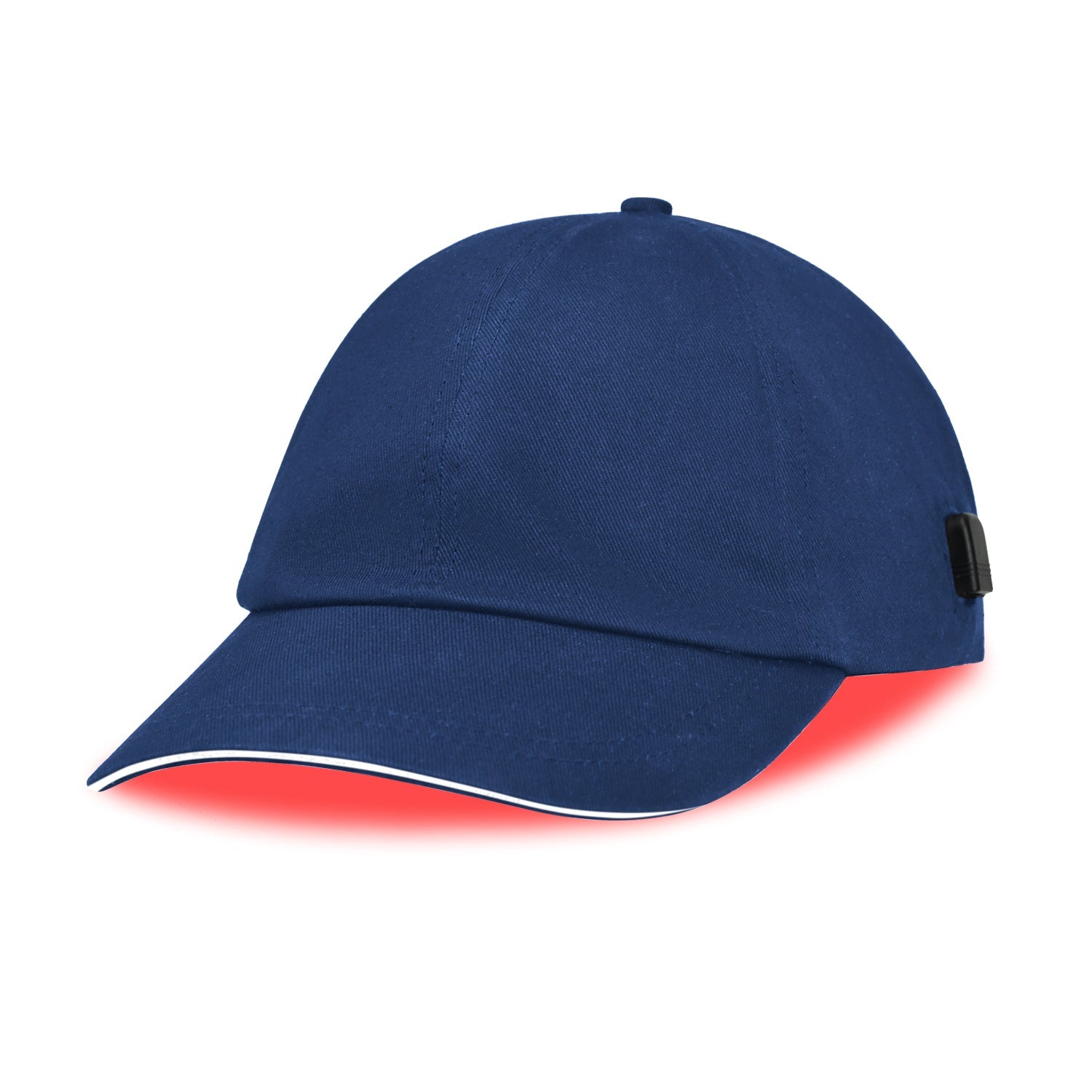
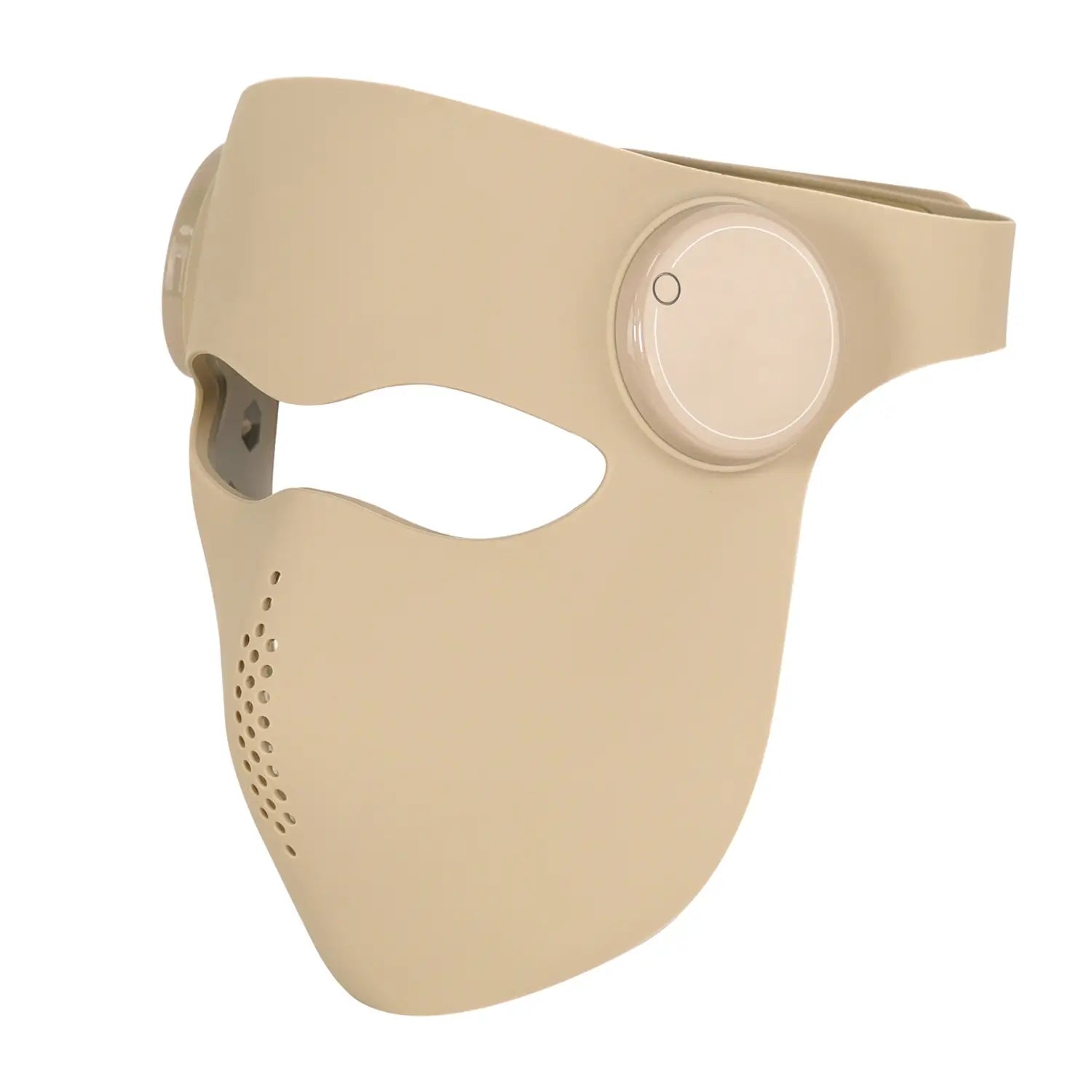
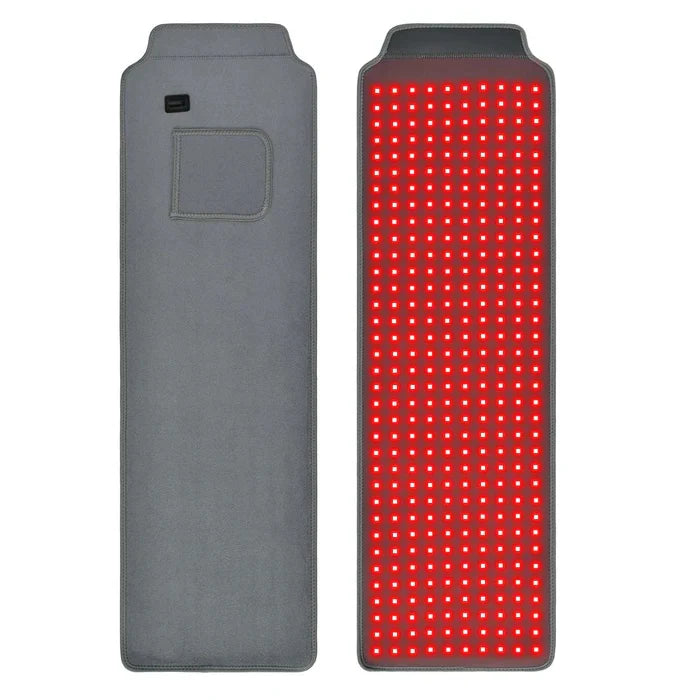
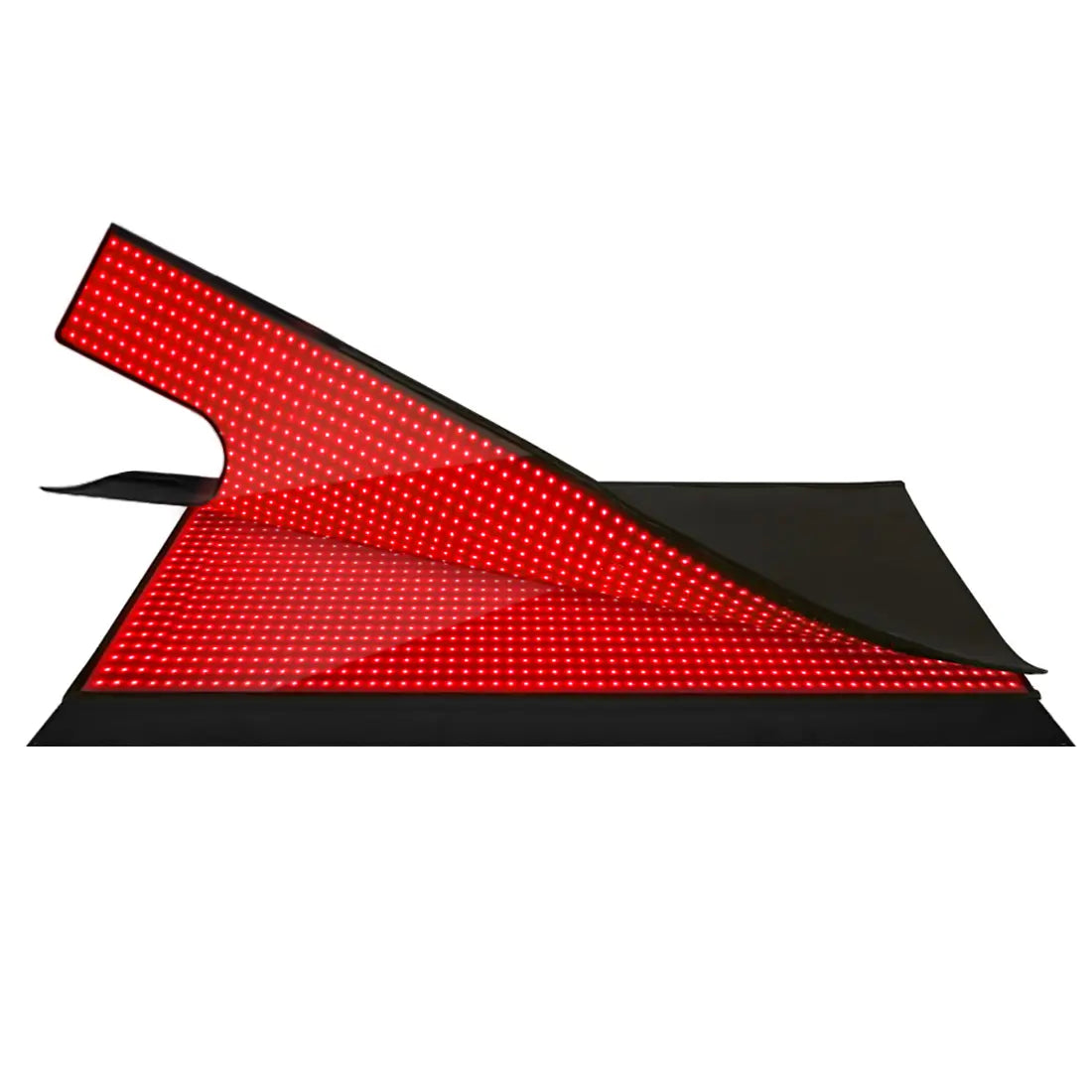
For device choice, flexible pads or wrap‑around systems have strong practical advantages for arthritic knees, shoulders, and backs. An arthritis‑focused manufacturer that produces FDA‑cleared red and near‑infrared light pads emphasizes that close contact and full coverage around the joint matter more than having a huge panel across the room. This aligns with physics: light intensity drops sharply with distance, and better coupling means more photons into the target tissues. Gloves for hand arthritis and belts for knees or lumbar spine are examples of designs that make sense for miners with localized joint pain.
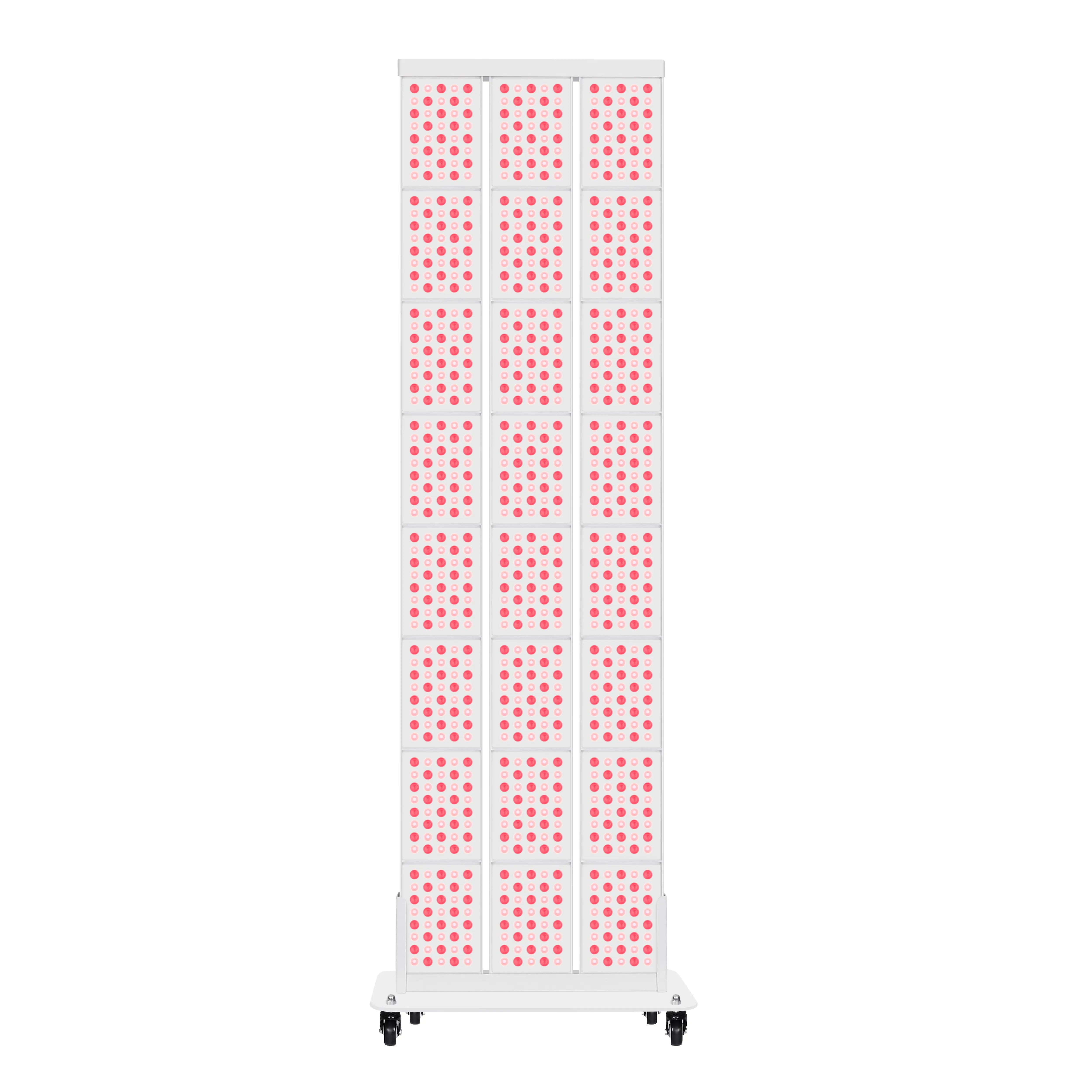
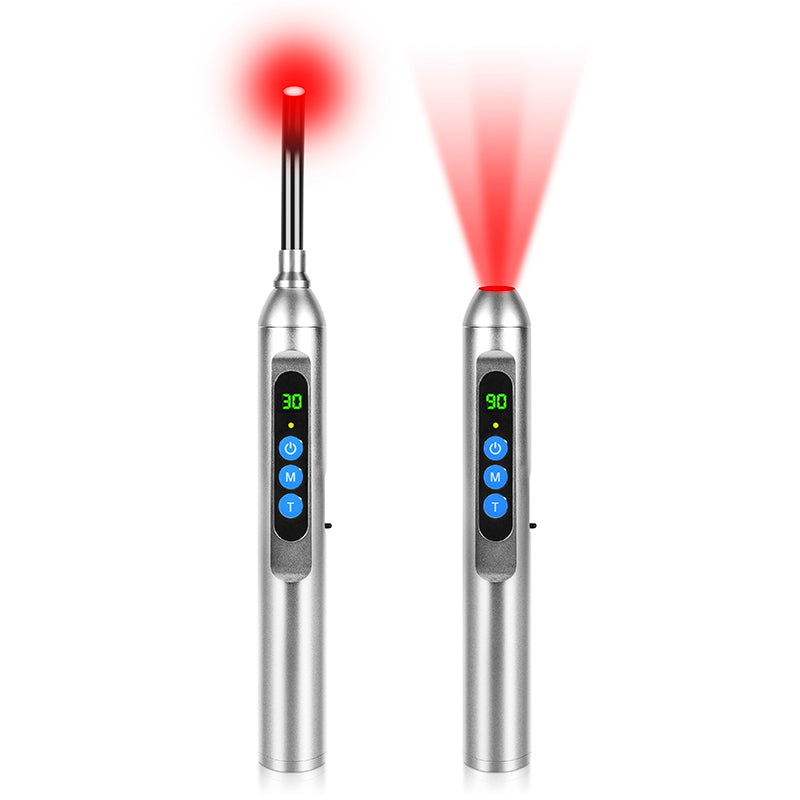
Panels can still be useful for broader coverage—hips and spine together, for instance—but you want to be close enough and positioned consistently. Many health‑system overviews note that session lengths in clinical settings are usually brief, and that real benefits come from repeated, well‑targeted exposures rather than occasional long blasts.
On frequency and duration, many arthritis and chronic pain articles converge on a similar rhythm: short sessions several times per week over weeks to months. One arthritis‑oriented source suggests about ten to twenty minutes per session, three to five times per week, as a practical starting point for at‑home treatment, while a musculoskeletal pain review points out that clinical trials often use daily or near‑daily sessions early on. People with chronic pain sometimes notice changes after a few sessions, but more robust benefits often emerge over three to ten weeks. The green light trials in migraine and fibromyalgia, for example, saw pain reductions beginning around week three and accumulating thereafter.
For miners, I often favor an initial “loading phase” of five to seven sessions per week on the most problematic joint or region for four to six weeks, timed either after shifts to help recover from daily load or on off‑days for deeper recovery. After that, we taper to a maintenance schedule of a few sessions per week based on symptom tracking and workload.
Integration with foundational arthritis management is non‑negotiable. Physicians at major academic centers emphasize that red light therapy should complement, not replace, proven therapies. That means miners still need joint‑friendly strength training, weight management where possible, smart ergonomics, good sleep, and appropriate use of medications, disease‑modifying drugs, or surgery when indicated. In the language of one men’s health podcast from a large university system, red light therapy is something you stack on top of the “core four” pillars of nutrition, movement, sleep, and mental health, not something you substitute for them.
From a safety standpoint, the basics are simple but important. Clinical centers stress eye protection; do not stare into bright LEDs or lasers, and use appropriate goggles for higher‑intensity devices. People with a history of skin cancer, active malignancies in the treatment area, known photosensitivity, or those who are pregnant should involve their physicians before using red light therapy. Major medical centers also remind consumers that “FDA‑cleared” devices have been evaluated for safety but not necessarily proven for efficacy, so expectations must be realistic.

Is Red Light Therapy Worth It For Miners With Chronic Arthritis?
If you strip away marketing hype and focus on the data, red light therapy for miners with arthritis looks like this.
It is a biologically plausible, clinically supported tool for reducing pain and stiffness and improving function in osteoarthritis and chronic musculoskeletal pain when dosed correctly and used consistently.
It is an unproven, but not unreasonable, local adjunct for rheumatoid arthritis symptoms, with limited, low‑quality evidence and clear need for stronger trials before anyone calls it disease‑modifying.
It is low risk medically for most people when basic precautions are followed, though the financial cost and time commitment are non trivial.
It is not a cure for advanced joint destruction or a substitute for core arthritis management or occupational health measures to reduce joint load in the first place.
For a miner with mild to moderate osteoarthritis who wants to stay on the job, preserve function, and possibly lower reliance on painkillers, a carefully designed red light protocol—using a reputable device, appropriate wavelength and dose, and consistent sessions over several weeks—can be a rational part of a comprehensive arthritis strategy. The more complex the arthritis picture (multiple autoimmune diagnoses, severe structural damage, or uncontrolled disease), the more important it becomes to anchor red light therapy firmly under medical supervision and realistic expectations.
Brief FAQ
Is there research specifically on red light therapy in miners with arthritis?
No. The studies we have are in the general arthritis and chronic pain population, not in miners as a distinct occupational group. The reason red light therapy is still interesting for miners is that the underlying problems—osteoarthritis in weight‑bearing joints, chronic back and shoulder pain, tendinopathy, and sometimes rheumatoid arthritis—are the same conditions studied in the general population, just compressed into fewer years by very heavy physical demands.
Can red light therapy replace my arthritis medications or delay surgery?
Current evidence and expert guidance say no. Major health systems emphasize that photobiomodulation should be viewed as an adjunct to, not a replacement for, established therapies. Some studies show reduced use of nonsteroidal anti‑inflammatory drugs when laser is added to drug regimens, but that is medication sparing, not medication elimination. Decisions about tapering medications or deferring surgery should always be made with a rheumatologist or orthopedic specialist, not based solely on how your joints feel under a light panel.
How long should I try red light therapy before deciding if it helps?
Most positive trials in osteoarthritis and chronic pain run for at least four to ten weeks with multiple sessions per week. Green light therapy trials for migraine and fibromyalgia saw benefits beginning around week three. If a miner is going to test red light therapy seriously, I generally suggest committing to a consistent, well‑designed protocol for at least six to eight weeks before making a judgment, while tracking pain, stiffness, function, and medication use.
Are home devices good enough, or do I need clinic treatments?
Clinic devices are usually more powerful and precisely configured, and sessions are supervised by trained staff who can adjust dose and monitor safety. Home devices, according to overviews from Cleveland Clinic, MD Anderson, and others, are typically less intense but still capable of delivering benefit if they use appropriate wavelengths and are applied consistently. For miners who live far from major medical centers, a high‑quality, FDA‑cleared pad or panel used with discipline can be a very practical compromise.
As someone who has spent years obsessing over wavelengths, dosimetry charts, and real‑world outcomes, my view is simple: red light therapy is not a miracle, but it is a serious tool. For miners living with chronic arthritis, it can turn down the volume on pain and stiffness enough to make the difference between enduring a shift and actually owning it. Used wisely, alongside solid medical care and smart lifestyle choices, it is one more way to bring a bit of healing light into a very tough line of work.
References
- https://lms-dev.api.berkeley.edu/studies-on-red-light-therapy
- https://healthsciences.arizona.edu/news/stories/exploring-phototherapy-new-option-manage-chronic-pain
- https://pmc.ncbi.nlm.nih.gov/articles/PMC10490856/
- https://safety.dev.colostate.edu/uploaded-files/gxmEUI/1GF055/red_light__therapy_arthritis-studies.pdf
- https://behrend.psu.edu/student-life/student-services/counseling-center/services-for-students/wellness-offerings/red-light-therapy
- https://med.stanford.edu/news/insights/2025/02/red-light-therapy-skin-hair-medical-clinics.html
- https://healthcare.utah.edu/the-scope/mens-health/all/2024/06/176-red-light-therapy-just-fad
- https://www.brownhealth.org/be-well/red-light-therapy-benefits-safety-and-things-know
- https://www.mainlinehealth.org/blog/what-is-red-light-therapy
- https://www.mdanderson.org/cancerwise/what-is-red-light-therapy.h00-159701490.html