
As someone who has spent years obsessing over light wavelengths, mitochondrial biochemistry, and practical recovery tools, I look at red light therapy through a very specific lens: does it meaningfully help real bodies under real load? For migrant workers doing heavy, repetitive, or risky physical work, that question is not academic. It is about whether a noninvasive, drug‑free modality can genuinely reduce pain, speed return to function, and support safer careers.
The research we have does not focus specifically on migrant workers. It looks at athletes, surgical patients, and people with chronic musculoskeletal pain. But the underlying injuries are strikingly similar: sprains, strains, tendinopathies, joint degeneration, wounds, and burns. In this article, I will walk through what the science actually says about red light therapy for those injury types and what that realistically means for migrant workers in the field, on construction sites, and in factories.
Throughout, I will lean on data from clinical trials, systematic reviews, and major medical institutions such as Cleveland Clinic, University Hospitals, and WebMD, along with mechanistic work in photobiomodulation. I will also contrast that with regulatory reality from the Occupational Safety and Health Administration (OSHA), which treats red light therapy as a form of medical treatment rather than simple “first aid.”
The Injury Burden in Physically Demanding Work
A major review of photobiomodulation for musculoskeletal pain notes that pain is the most common reason people visit physicians and that musculoskeletal pain is the number one cause of missed work or school days. When you combine that with jobs built on lifting, carrying, kneeling, overhead work, or repetitive movements, you get an injury profile that looks a lot like what sports medicine clinics see every day.
Typical occupational injuries in physically demanding work include acute sprains and strains, overuse tendinopathies, chronic back and neck pain, joint degeneration such as knee osteoarthritis, and traumatic wounds or burns from tools, machinery, or hot surfaces. These are exactly the categories where red light therapy has been studied: in orthopedic rehabilitation, sports injuries, chronic pain syndromes, post‑surgical recovery, and wound care.
For workers who travel seasonally or across borders to do this kind of labor, the cost of an injury is amplified by unstable housing, shifting employers, and sometimes limited access to consistent medical care. That is precisely where a portable, low‑risk adjunct like red light therapy looks attractive. The question is whether the science justifies that interest.

Red Light Therapy 101: What It Is, What It Is Not
Red light therapy, often called low‑level laser therapy or photobiomodulation, involves exposing tissue to low levels of red and near‑infrared light, generally in the range of about 600 to 1000 nanometers. Unlike tanning beds or UV lamps, these devices use non‑ionizing light that does not tan or burn the skin and does not carry the same skin cancer risk associated with ultraviolet radiation.
Cleveland Clinic describes red light therapy as a noninvasive treatment that uses low‑power red or near‑infrared light, often delivered by LEDs or low‑power lasers, to influence cellular energy production, collagen synthesis, blood flow, and inflammation. WebMD similarly frames it as a way to stimulate mitochondria, the cell’s “power plant,” to increase energy availability for repair.
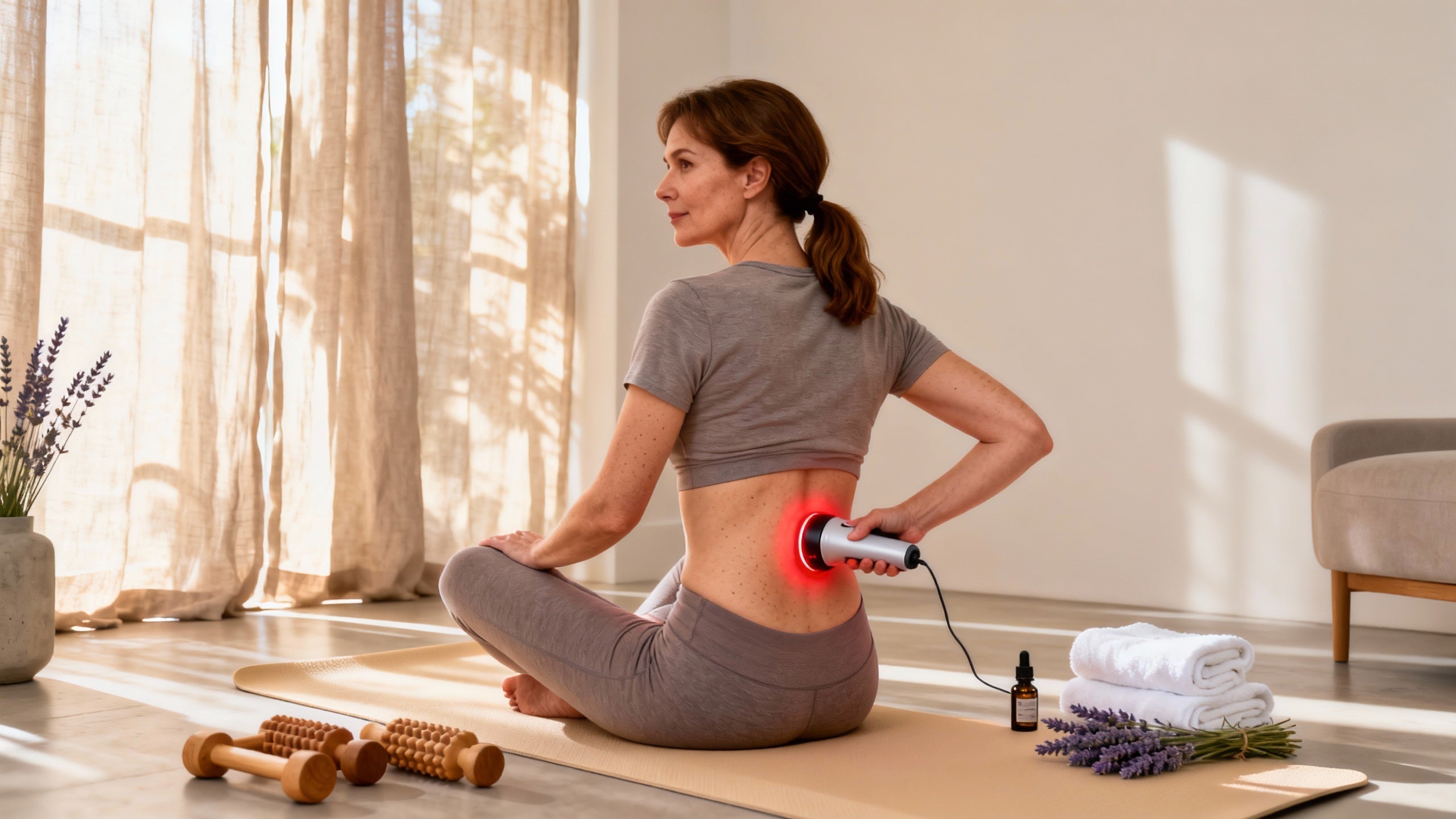
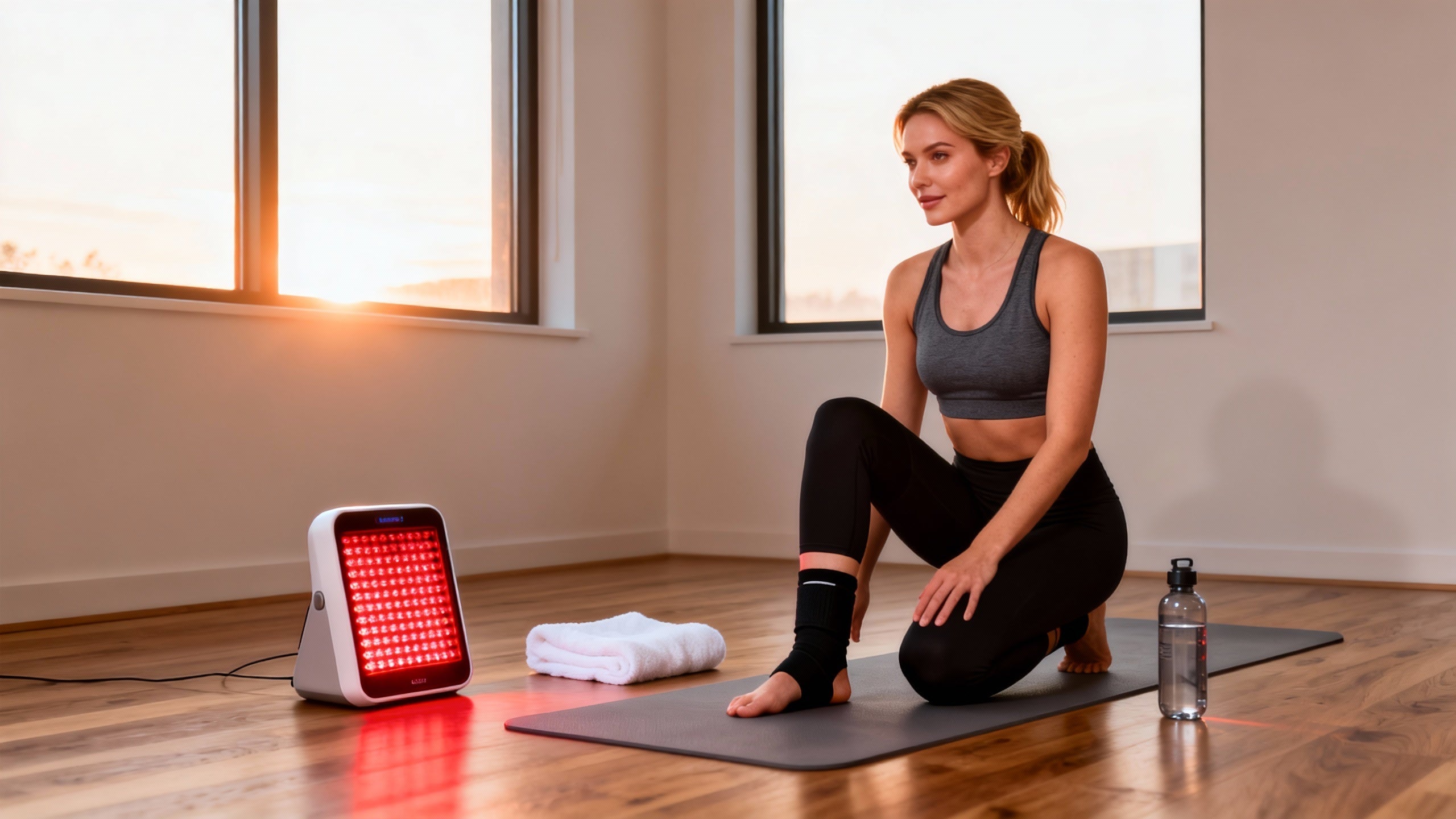
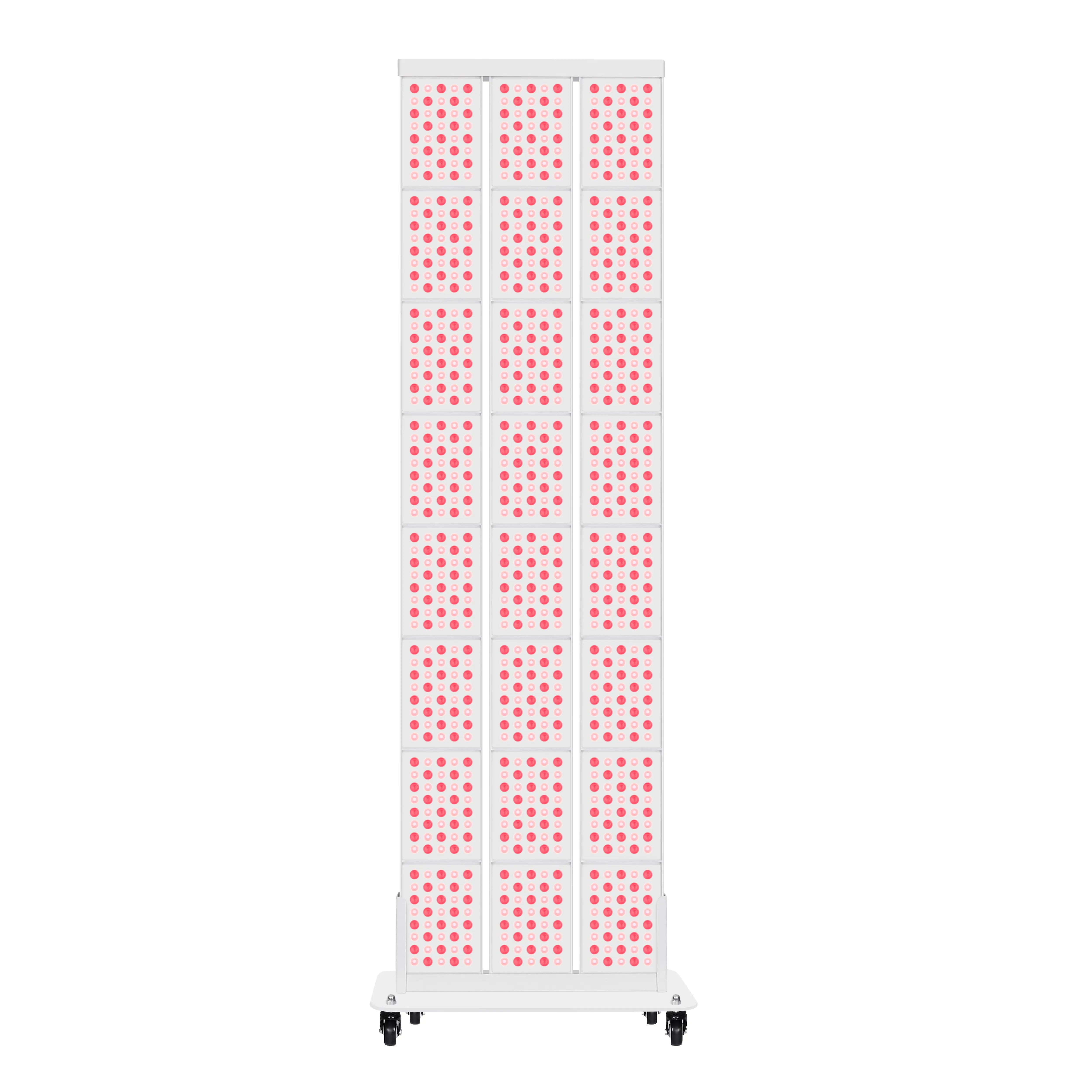
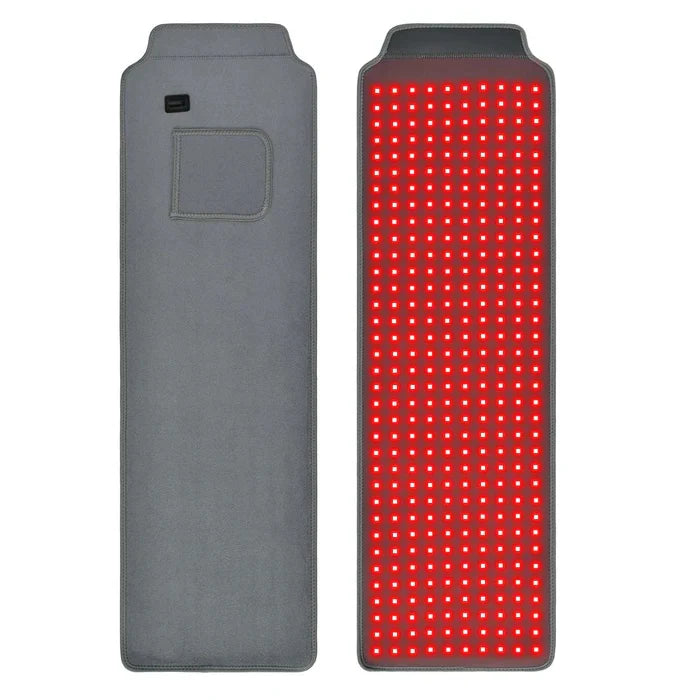
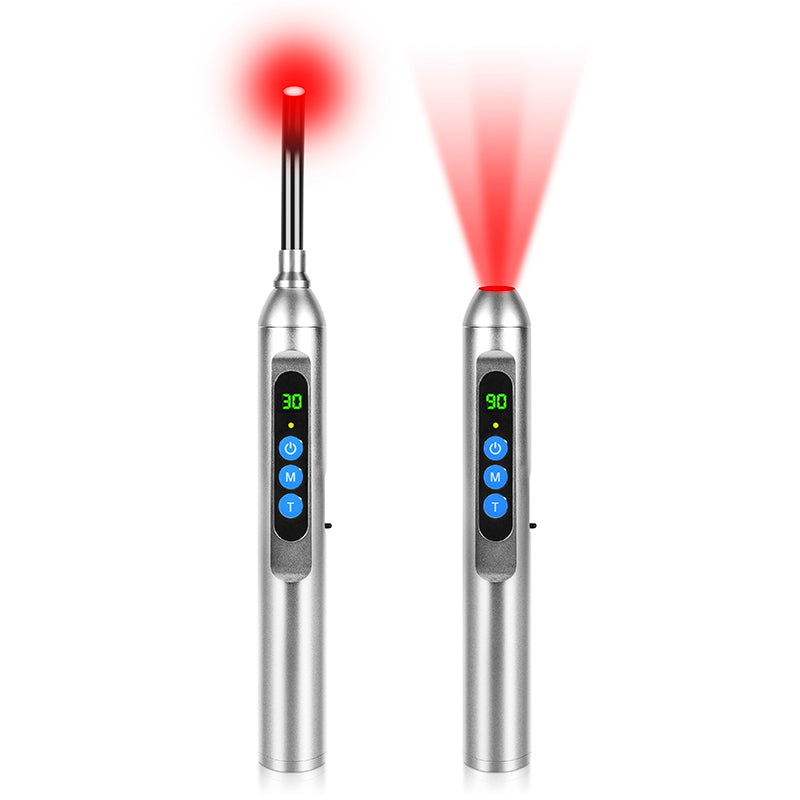
Typical clinical sessions last about 10 to 20 minutes. Patients usually feel mild warmth but no significant discomfort and can resume normal activity immediately afterward. Home devices are widely available—panels, pads, wands, masks—but are usually less powerful than clinical systems, which means they may require more frequent or longer sessions to achieve similar effects.
Equally important is what red light therapy is not. Major medical centers stress that evidence is still emerging. Many studies are small, short‑term, or methodologically heterogeneous. There is no good evidence that red light therapy causes weight loss, cures cancer, or treats mental health conditions such as depression or seasonal affective disorder, despite online marketing claims. It also cannot reverse advanced joint destruction or repair mechanical damage such as a torn ligament.
In other words, we are looking at a supportive therapy, not an all‑purpose fix.
The Light Spectrum That Heals Instead of Burns
Photobiomodulation research over the past decades has mapped out a “therapeutic window” of wavelengths that tend to produce beneficial effects. A major mechanistic review describes effective ranges in the red band around 600 to 700 nanometers and in the near‑infrared band around 770 to 1200 nanometers, with maximal tissue penetration around 810 nanometers.
Within that window:
Red light around 630 to 670 nanometers has relatively shallow penetration and interacts heavily with skin and more superficial tissues. It is widely used for skin health, scar modulation, and more superficial tendinopathies.
Near‑infrared light around 800 to 850 nanometers penetrates deeper, making it a better candidate for muscle, joint, and deeper connective tissue, as well as some nerve structures. An 830‑nanometer LED device used in a sports medicine study is a good example of this deeper‑penetrating approach.
Crucially, the healing effect is not from heat. OSHA explicitly analyzed red light therapy wraps that used 660 and 850 nanometer LEDs and concluded that the benefits come from photons interacting with cellular macromolecules, not from heat transfer. Because of that, OSHA classifies LED red light therapy as medical treatment, not a form of “hot therapy” that counts as simple first aid.
Inside the Cell: Mitochondria, Inflammation, and Nerves
The science gets interesting at the cellular level. A large body of work, summarized in mechanistic reviews of photobiomodulation, points to several intertwined pathways.
First, mitochondria. The primary light‑absorbing target appears to be cytochrome c oxidase, a key enzyme in the mitochondrial electron transport chain. When red or near‑infrared photons hit this enzyme, they can displace nitric oxide that is blocking oxygen binding, which increases oxygen consumption, restores electron flow, and boosts ATP production. This is essentially a targeted way to improve cellular energy metabolism.
Second, reactive oxygen species and signaling. The same reviews show that modest doses of light produce a brief, controlled rise in reactive oxygen species within mitochondria of healthy cells. That small “burst” can activate redox‑sensitive transcription factors such as NF‑kB and set off downstream gene expression that improves cell survival, proliferation, migration, and protein synthesis. Intriguingly, in oxidatively stressed or diseased cells, photobiomodulation tends to lower net reactive oxygen species and up‑regulate antioxidant defenses, reducing oxidative stress.
Third, inflammation. One of the most reproducible effects of photobiomodulation is an overall reduction in inflammatory markers. In cell and animal models, red and near‑infrared light decrease markers of pro‑inflammatory M1‑type macrophages, lower reactive nitrogen species and prostaglandins, and dampen inflammatory cascades in joints, traumatic injuries, lungs, abdominal fat, and brain tissue.
Fourth, nerves and pain modulation. The musculoskeletal pain review describes a complementary mechanism where light in the near‑infrared range is absorbed by cell membranes along peripheral nerve fibers, especially nociceptors. The therapy increases membrane porosity, rebalances sodium and potassium gradients, reduces mitochondrial membrane potential and ATP production in these pain fibers, and down‑regulates pro‑inflammatory mediators such as prostaglandin E2, interleukin‑6, and tumor necrosis factor alpha. It also influences acetylcholine, reducing muscle spasm. The net effect is an inhibition of nerve action potentials and a reduction in pain signals, often within 10 to 20 minutes of treatment.
A key nuance is the biphasic dose response. Mechanistic studies show that there is a sweet spot in dose and energy density. At low to moderate doses, mitochondrial function and ATP production are enhanced and inflammation decreases. At higher doses, effects plateau and can become inhibitory or even counterproductive. For example, neurons exposed to an 810‑nanometer laser showed maximal ATP and membrane potential improvement at about 3 joules per square centimeter, while a ten‑fold higher dose dropped membrane potential below baseline and produced a different reactive oxygen species profile. In practical terms, more light is not always better.
Here is a brief map of these mechanisms to outcomes that matter in occupational injuries.
Mechanism or target |
Research findings |
Why it matters for workers |
Mitochondrial cytochrome c oxidase |
Increased ATP production and oxygen consumption after red or near‑infrared light exposure, with displacement of inhibitory nitric oxide |
Better cellular energy for repair after sprains, strains, and overuse injuries |
Inflammation pathways |
Reduced pro‑inflammatory macrophage markers, reactive nitrogen species, and prostaglandins across multiple tissues |
Lower swelling, less pain, and potentially faster resolution of joint and soft‑tissue inflammation |
Peripheral nociceptors |
Altered ion gradients, reduced pro‑inflammatory mediators, inhibition of action potentials in A‑delta and C fibers |
Rapid but non‑drug pain relief that can complement or reduce reliance on medications |
Collagen and fibroblasts |
Improved collagen organization, better scar quality, and faster wound closure in wound‑healing studies |
Stronger, more flexible scars after cuts, lacerations, or surgical repairs of work injuries |
Microcirculation and nitric oxide |
Enhanced local blood flow and vasodilation |
Improved delivery of oxygen and nutrients to injured muscles, tendons, and skin |
These mechanisms do not care whether the tissue belongs to a university athlete or a migrant worker on a construction site. Biology is biology; the challenge is translating this into safe, accessible, and realistic protocols in occupational settings.

What the Evidence Actually Shows for Work‑Like Injuries
Soft‑Tissue Sprains and Strains
One of the most compelling data sets for work‑like injuries comes from a prospective pilot study at a university sports medicine clinic. Over fifteen months, clinicians treated 395 acute musculoskeletal injuries, and a fully documented subset of 65 athletes with acute hamstring strains, knee sprains, ankle sprains, costochondral sprains, and hip pointer injuries were tracked closely.
These injuries were treated with an 830‑nanometer LED phototherapy device delivering 60 joules per square centimeter over 20 minutes, applied on three consecutive days as early as possible after injury, then repeated in three‑day on and off cycles for a total of two to six sessions. In that cohort, return‑to‑play time averaged about 9.6 days, compared with historically expected times around 19.2 days for similar injuries. Pain scores dropped by two to eight points on a visual analog scale, and all athletes ended treatment with a reported pain score of zero. Across more than 1600 treatment sessions, there were no adverse events.
The study authors emphasized limitations: no randomized or blinded control group, potential selection bias, and reliance on historical comparisons. They called explicitly for larger, controlled trials before generalizing. But the magnitude of the effect and the safety profile are hard to ignore.
For migrant workers, the analogy is straightforward. Acute ankle or knee sprains from slips, falls, or missteps, and hamstring or back strains from awkward lifting are commonplace in physical jobs. If a protocol like the one used in these athletes can be applied in occupational health settings, it is reasonable to hypothesize shorter downtime and better pain control. However, translating sports medicine routines into workplaces would require careful study, occupational‑specific protocols, and attention to cost and access.
Chronic Joint and Spine Pain
Chronic joint pain is another core issue for manual workers, particularly in the knees, hips, shoulders, and spine. Here the evidence base for red light therapy is broader and more granular.
A comprehensive review of low‑intensity laser and LED photobiomodulation for musculoskeletal pain found evidence that it can reduce pain intensity in non‑specific knee pain, osteoarthritis, low back pain, fibromyalgia, temporomandibular disorders, neck pain, and post‑surgical hip pain. In a randomized trial of non‑specific knee pain involving 86 patients across multiple clinics, adding multi‑wavelength photobiomodulation to standard physical or chiropractic care produced about a 50 percent improvement in pain scores, roughly 15 percent greater than placebo, with improvements maintained at a 30‑day follow‑up. Physical function also improved.
For knee osteoarthritis, a systematic review and meta‑analysis that pooled 22 randomized trials with more than a thousand participants concluded that photobiomodulation reduced pain compared with placebo at the end of treatment and at follow‑ups ranging from one to twelve weeks, particularly when doses met certain thresholds. Those protocols typically delivered at least 4 joules per point to the knee joint line with wavelengths in the 780 to 860 nanometer range or at least 1 joule with 904‑nanometer devices.
University Hospitals reports that a 2021 review found red light therapy may reduce pain and improve quality of life in both acute and chronic musculoskeletal pain conditions and fibromyalgia, with especially promising results in tendinopathies and relatively superficial inflammatory joint problems. Experts there caution that it does not reverse advanced osteoarthritis or fix structural damage but can help manage symptoms and inflammation.
WebMD’s overview of red light therapy echoes this. A review of eleven studies found mostly positive pain‑relief effects, particularly for inflammatory pain, while another group of seventeen clinical trials in tendinopathy showed low to moderate quality evidence for improved pain and function.
For a migrant worker with chronic knee pain from years of kneeling, carrying, or climbing ladders, this translates to a realistic role for red light therapy as part of a multimodal plan: ergonomic changes, targeted exercise, weight management where relevant, and manual therapy. It is not a cure, but it can be a valuable tool to lower pain, reduce reliance on non‑steroidal anti‑inflammatory drugs or opioids, and keep people working more comfortably.
Wounds, Burns, and Surgical Scars After Workplace Injuries
Where red light therapy really shines for injury recovery is in wound healing and scar quality, both directly relevant to workplace lacerations, crush injuries, and burns.
A detailed overview from a medical device company that synthesizes multiple studies defines red light therapy as a non‑invasive treatment using visible red and near‑infrared light, typically around 630 to 670 nanometers, to support natural tissue repair. Mechanistic work shows that these wavelengths are absorbed in tissue, boosting cellular energy, decreasing inflammation, and improving collagen organization so that scars end up softer, flatter, and less conspicuous.
Clinical studies summarized in that work and in other reviews show that red light therapy can speed wound closure, reduce pain and swelling, and enhance scar quality in a variety of settings: diabetic leg ulcers, post‑surgical incisions, chronic ulcers, cuts, burns, and oral mucositis. Example regimens include a few minutes per point multiple times per week over several weeks, underscoring that consistency matters.
A 2018 review of controlled trials on wound healing concluded that red and near‑infrared light significantly improved tensile strength and contraction, supporting its use as an adjunct for both open and sutured wounds. A 2015 systematic review of forty plastic surgery studies reported that low‑level light helped acute wounds and improved burn scars, with clear utility in plastic and reconstructive procedures where scarring is a major concern.
Burn‑related data are particularly relevant for kitchens, foundries, welding, and other high‑heat environments. A collection of twenty‑two burn studies conducted over seventeen years concluded that low‑level light therapy accelerates healing of second‑ and even severe third‑degree burns, with timing being important. For second‑degree burns, application during the proliferative phase was highlighted as especially beneficial. In a 2016 case series of diabetic patients with third‑degree burns treated with red and near‑infrared light alongside standard split‑thickness skin grafting, all patients achieved complete healing within eight weeks and no amputations were required, despite many being considered at high risk for limb loss.
Importantly, wound‑care authors repeatedly emphasize that red light therapy must not replace standard wound management. It is an adjunct. Deep, heavily bleeding, or infected wounds need prompt conventional care, with light added later as directed. Best practice recommendations include starting on clean skin, cleaning the device as instructed, using medical‑grade devices, and following surgeon or physician protocols for timing after surgery.
In practical terms, a worker who suffers a severe cut or burn should go to the emergency department or occupational clinic first. Red light therapy becomes relevant later, to support faster closure, better scar quality, and less pain during rehabilitation.
Nerve Pain and Neuropathy
Some migrant workers, especially those with diabetes or who have been exposed to vibrating tools or repetitive microtrauma, may develop peripheral neuropathy—burning, tingling, or numbness in the feet or hands. Photobiomodulation has been studied here as well.
Physical therapy clinics that integrate red light therapy often cite a 2021 systematic review in Pain and Therapy, which found that photobiomodulation improved nerve regeneration and significantly reduced burning and tingling in peripheral neuropathy, particularly diabetic and chemotherapy‑related cases. Improved Motions and Fyzical both describe neuromuscular benefits, including support for nerve regeneration and reduced neuropathic pain.
While these studies are not specific to occupational settings, the pathophysiology overlaps. If nerve fibers are damaged or stressed, whether by metabolic disease or repetitive trauma, the mitochondrial and anti‑inflammatory effects of light seem to create a more favorable environment for repair. As always, this should complement, not replace, core care such as diabetes management, ergonomic changes, and appropriate medication.
Practical Pros and Cons for Migrant Workers
Red light therapy’s appeal in migrant worker injuries comes down to a few key dimensions: effectiveness for relevant injuries, safety, cost, logistics, and regulatory implications. The research gives us a mixed but informative picture.
Potential Benefits
From an effectiveness standpoint, the best‑supported applications that line up with occupational injuries are acute soft‑tissue injuries, chronic joint pain, post‑surgical pain, and wound and burn healing. Randomized trials in knee pain and osteoarthritis, post‑hip replacement patients, and fibromyalgia show meaningful pain reductions and functional gains, especially when dosing parameters are within recommended ranges. The athlete study suggests that for certain sprains and strains, return‑to‑activity timelines can be shortened under structured protocols.
Safety is another strong point. Across thousands of photobiomodulation sessions in clinical and research settings, serious adverse events are rare when devices are used as intended. Reported side effects are usually mild and local: temporary redness, warmth, or dryness. Red light and near‑infrared light do not involve ionizing radiation or UV. WebMD and Cleveland Clinic both emphasize that, when used properly, short‑term safety appears favorable.
From an occupational health perspective, red light therapy offers a non‑pharmacologic way to reduce pain and inflammation, which may decrease reliance on opioids or high‑dose non‑steroidal anti‑inflammatory drugs. Given the well‑documented downsides of chronic opioid use—poor coordination, sedation, mood changes, dependence—having a modality that can deliver analgesia in ten to twenty minutes without those systemic effects is extremely attractive.
Logistically, modern devices exist along a spectrum. Clinics can use powerful panels or laser systems that treat large areas hands‑free, freeing staff. Workers or employers can deploy portable pads or wraps around knees, backs, or shoulders in break rooms or after shifts, if properly supervised. At‑home devices are widely sold and, according to Cleveland Clinic and University Hospitals, are generally safe but often less powerful than clinic systems; they may still provide benefits with consistent long‑term use.
Finally, there is a subtle but important benefit from OSHA’s classification. Because OSHA recognizes LED red light therapy as a form of medical treatment rather than first aid, any workplace injury treated with red light therapy must be recorded as involving medical treatment beyond first aid. While this may feel like an administrative burden, it reinforces that these injuries are medically significant and supports accurate surveillance of occupational hazards.
Limitations, Risks, and Regulatory Realities
The evidence does not give us a blank check. Cleveland Clinic, University Hospitals, and WebMD all point out that many red light therapy studies are small, vary in device wavelength and power, and sometimes lack robust controls. Some trials show no benefit when doses are subtherapeutic or protocols are poorly designed. Fibromyalgia research, for example, contains both negative and positive trials; meta‑analyses support its use but highlight heterogeneity.
Mechanistic work underscores the biphasic dose response: too little light does very little, but too much can reduce benefits or even cause inhibitory effects. That means unsupervised “more is better” use is not wise. Dr Muller and others recommend treatment times in the range of five to twenty minutes for consumer devices and emphasize strict adherence to prescribed or manufacturer doses.
Access and cost are real barriers. University Hospitals notes that red light therapy is typically not covered by health insurance. Regimens usually require one to three sessions per week over weeks to months, plus potential touch‑ups, leading to significant time and out‑of‑pocket costs. Home devices often start just under one hundred dollars and can extend into the hundreds or thousands. WebMD reports that in‑clinic sessions can cost around eighty dollars or more each. For migrant workers with variable income and long hours, this can be prohibitive without employer support or creative integration into occupational health programs.
There are also medical cautions. Wound‑care and photobiomodulation authors advise against using light therapy over active skin infections, areas of known carcinoma, or the thoracoabdominal and pelvic regions in pregnant individuals without explicit medical guidance. People with photosensitive conditions or on photosensitizing drugs should exercise caution and consult a health professional. Everyone should shield their eyes or wear protective goggles, since very bright LEDs and lasers can cause visual discomfort and potentially harm unprotected eyes at high doses.
Regulatory context matters too. OSHA’s interpretation that LED red light therapy is medical treatment means employers cannot treat it as a trivial modality. It signals that a health‑care‑grade intervention is being used, not just a warm pack. That should encourage proper oversight by health professionals but may also make some employers wary about recordable injuries. The key here is framing: accurate injury recording is part of responsible occupational safety, not a penalty, and using evidence‑based modalities to help workers recover is a sign of good practice.
How To Integrate Red Light Therapy Responsibly
The real value for migrant workers comes when red light therapy is integrated thoughtfully into a larger system of prevention, early reporting, and rehabilitation.
For Employers and Occupational Health Teams
In a well‑designed program, red light therapy can be layered on top of foundational measures: ergonomic assessments, safe lifting training, appropriate tools and protective equipment, and easy injury reporting pathways. Occupational health providers can then deploy photobiomodulation in several scenarios drawn from the evidence.
For acute sprains and strains, protocols inspired by the 830‑nanometer sports medicine study could be tested in a controlled way: early application, short series of twenty‑minute sessions in the first one to two weeks, combined with compression, elevation, and targeted exercise. Outcome tracking would be essential to see whether return‑to‑work times and pain scores improve.
For chronic knee, shoulder, or low back pain, red light therapy can be used as an adjunct to exercise‑based rehabilitation. The knee osteoarthritis meta‑analysis suggests that appropriate doses along the joint line with near‑infrared wavelengths can reduce pain for at least several weeks. Integrating that with strengthening and flexibility work may improve adherence, since less pain makes exercise more tolerable.
For post‑surgical recovery after occupational injuries, evidence from total hip arthroplasty studies shows that red light therapy can significantly reduce immediate postoperative pain and modulate inflammation. That can mean less use of systemic analgesics and smoother physical therapy sessions.
For wounds and burns, clinics can apply red or red plus near‑infrared light after standard surgical or wound‑care steps are in place. The burn and sternotomy data suggest reductions in pain, bleeding, wound rupture, and scarring, which translate directly into functional recovery and long‑term quality of life.
In all these settings, parameters should be selected based on published protocols, such as the energy ranges used in osteoarthritis and postoperative trials, with a bias toward starting conservatively and adjusting as outcomes and tolerance dictate.
For Workers Considering Home Devices
Many migrant workers first encounter red light therapy through consumer panels, pads, or wraps sold online. From a light‑therapy‑geek perspective, there are a few non‑negotiable guidelines, all of which align with recommendations from Cleveland Clinic, Dr Muller, and wound‑healing authors.
The device should use red and or near‑infrared wavelengths in ranges that match the literature, such as roughly 630 to 850 nanometers, and ideally be cleared by the Food and Drug Administration for some therapeutic indication. At‑home devices will usually be less powerful than clinic tools, so expectations should be calibrated accordingly; benefits may be slower and require consistent use over weeks to months.
Manufacturer instructions on distance from the skin, session duration (often about ten to twenty minutes per area), and weekly frequency should be followed strictly. Because of the biphasic dose response, doubling the dose does not necessarily double the benefit and can reduce it.
For mild to moderate muscle and joint pain, using a panel or pad over the painful region a few times per week may help with soreness and stiffness, especially when combined with stretching, strengthening, and load management. For wounds or burns, no light therapy should be applied without explicit clearance from a physician or wound‑care specialist, and only after the wound is at a stage where additional light exposure is safe.
If someone is pregnant, has a history of skin cancer, is on photosensitizing medications, or has unexplained skin lesions, medical guidance is essential before starting any photobiomodulation protocol.
Where the Science Still Needs to Catch Up
As promising as the data are, there are clear gaps when we look specifically at migrant workers and occupational injuries.
The athlete trial used motivated university students, not workers juggling long shifts, unpredictable schedules, and potentially limited access to rehabilitation. Most osteoarthritis and chronic pain trials recruit general populations with stable housing and ready follow‑up, not people who might move from region to region for seasonal work. The burn and wound studies largely involve hospital or specialty clinic environments.
Mechanistic reviews acknowledge that many clinical trials are underpowered, inconsistent in reporting treatment parameters, and limited in follow‑up. The call for large, well‑designed randomized trials is repeated often. This is especially true for complex conditions like fibromyalgia, where some trials show no added benefit of red light therapy while others show large effects when combined with exercise.
What we do not yet have are robust, pragmatic trials of red light therapy embedded into real‑world occupational health programs that serve migrant workers. Questions such as cost‑effectiveness, adherence under time pressure, and long‑term injury recurrence rates in this population remain open. Future studies could, for example, compare standard care versus standard care plus photobiomodulation in fruit pickers, construction crews, or meat‑processing workers with acute and chronic injuries, tracking not just pain but days lost, functional capacity, and quality of life.
Until that evidence arrives, any application in migrant worker settings is necessarily an extrapolation from adjacent populations and mechanisms. That does not make it invalid, but it demands transparency and careful monitoring.

How a Light Therapy Geek Thinks About Supporting Migrant Workers
When I evaluate red light therapy for any population, I ask three questions. First, does the physiology make sense for the tissues and injuries involved? Second, do human trials in similar conditions show meaningful benefit and safety? Third, can we implement it in a way that respects people’s constraints, budgets, and regulatory context?
For migrant workers with occupational injuries, red light therapy passes the first two tests for soft‑tissue injuries, chronic inflammatory joint pain, and wound healing. The mitochondria, nerves, and connective tissues in their bodies respond to light just like those in athletes or post‑operative patients. Trials in those groups show reductions in pain, faster wound closure, better scar quality, and in some cases, shorter return‑to‑activity times.
The third test—practical implementation—is where the real work lies. For this population, red light therapy is most powerful when it is not a gadget purchased in isolation but an integrated part of a serious approach to worker health: safer job design, early injury reporting, access to competent medical and rehabilitation care, and thoughtful use of non‑pharmacologic tools.
Used that way, red and near‑infrared light become more than a wellness fad. They become one more lever we can pull to help people whose bodies carry the weight of our economies recover faster, hurt less, and keep their options open for a healthier future.

References
- https://pmc.ncbi.nlm.nih.gov/articles/PMC4846838/
- http://www.osha.gov/laws-regs/standardinterpretations/2025-07-28
- https://my.clevelandclinic.org/health/articles/22114-red-light-therapy
- https://www.uhhospitals.org/blog/articles/2025/06/what-you-should-know-about-red-light-therapy
- https://www.physio-pedia.com/Red_Light_Therapy_and_Muscle_Recovery
- https://cohentriggerpoint.com/red-light-therapy-benefits/
- https://deeplyvitalmedical.com/8-effective-ways-red-light-therapy-skin-muscle-recovery/
- https://www.drgraber.com/blog/red-light-therapy-speed-healing-for-joint-injuries.html
- https://www.drjamrozek.com/how-does-red-light-therapy-work/
- https://www.drsherriscott.com/red-light-therapy/