
Choosing between a mask and a panel gets confusing fast when every product page promises smoother, brighter skin. The better choice usually comes down to your facial goal, skin sensitivity, session consistency, and how much setup you can tolerate at home. Home-use red light therapy devices can support concerns like mild acne and visible signs of aging, though results usually build gradually because home tools are less powerful than in-office treatment.
Which Facial Goals Favor a Mask or a Panel?
The most useful way to compare these devices is to focus on the job you want them to do. Some people want a quick face-focused routine for fine lines or dullness. Others want a broader setup that can cover the neck and chest, too. That difference changes the answer quickly. In a red light panel vs mask decision, the better fit is usually the one that matches the treatment area and keeps the routine simple enough to repeat every week.
Goals That Often Fit a Mask Better
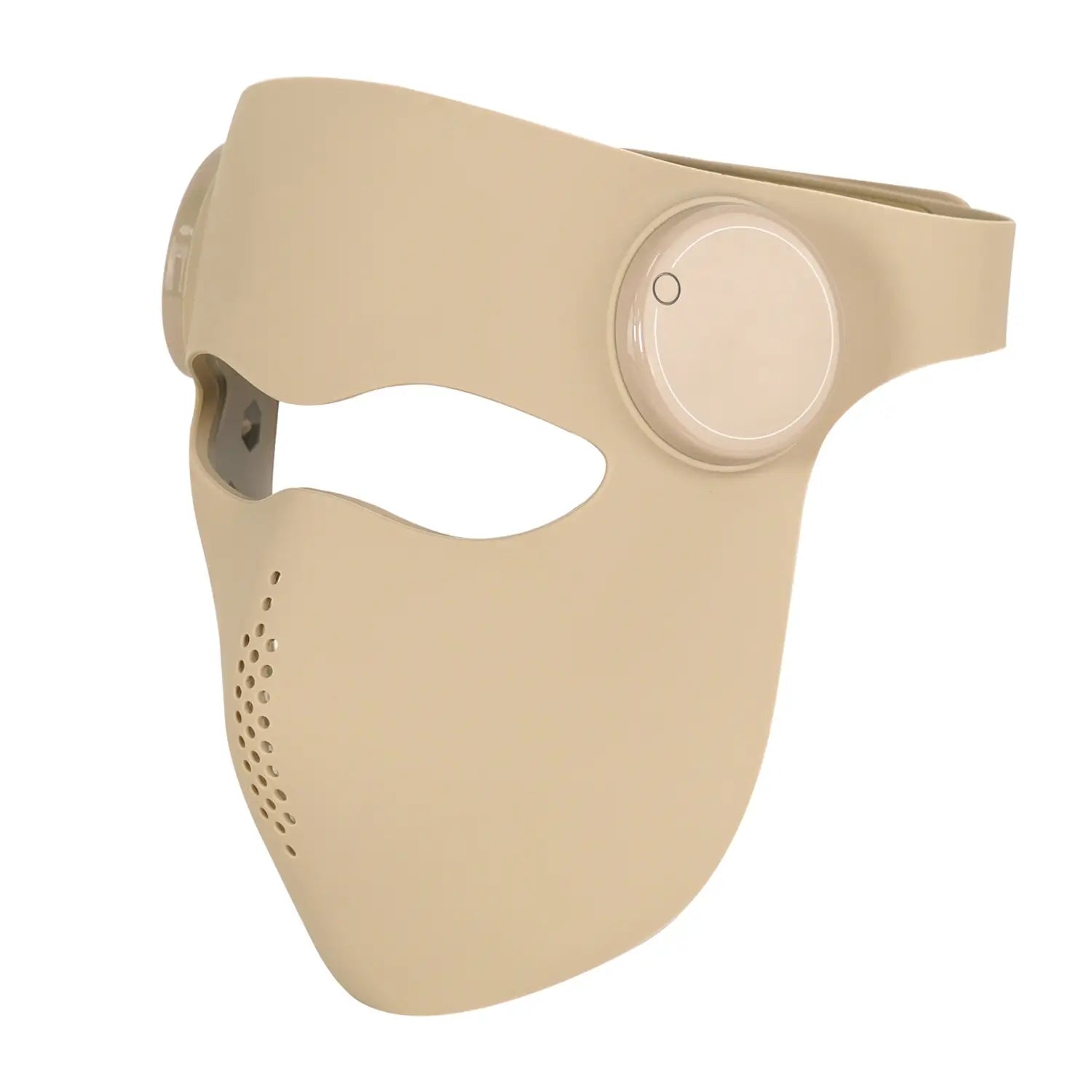
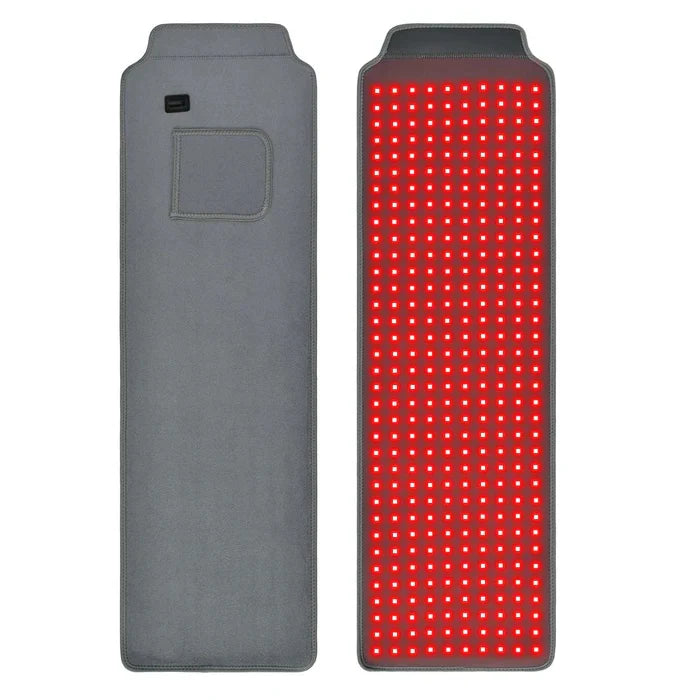
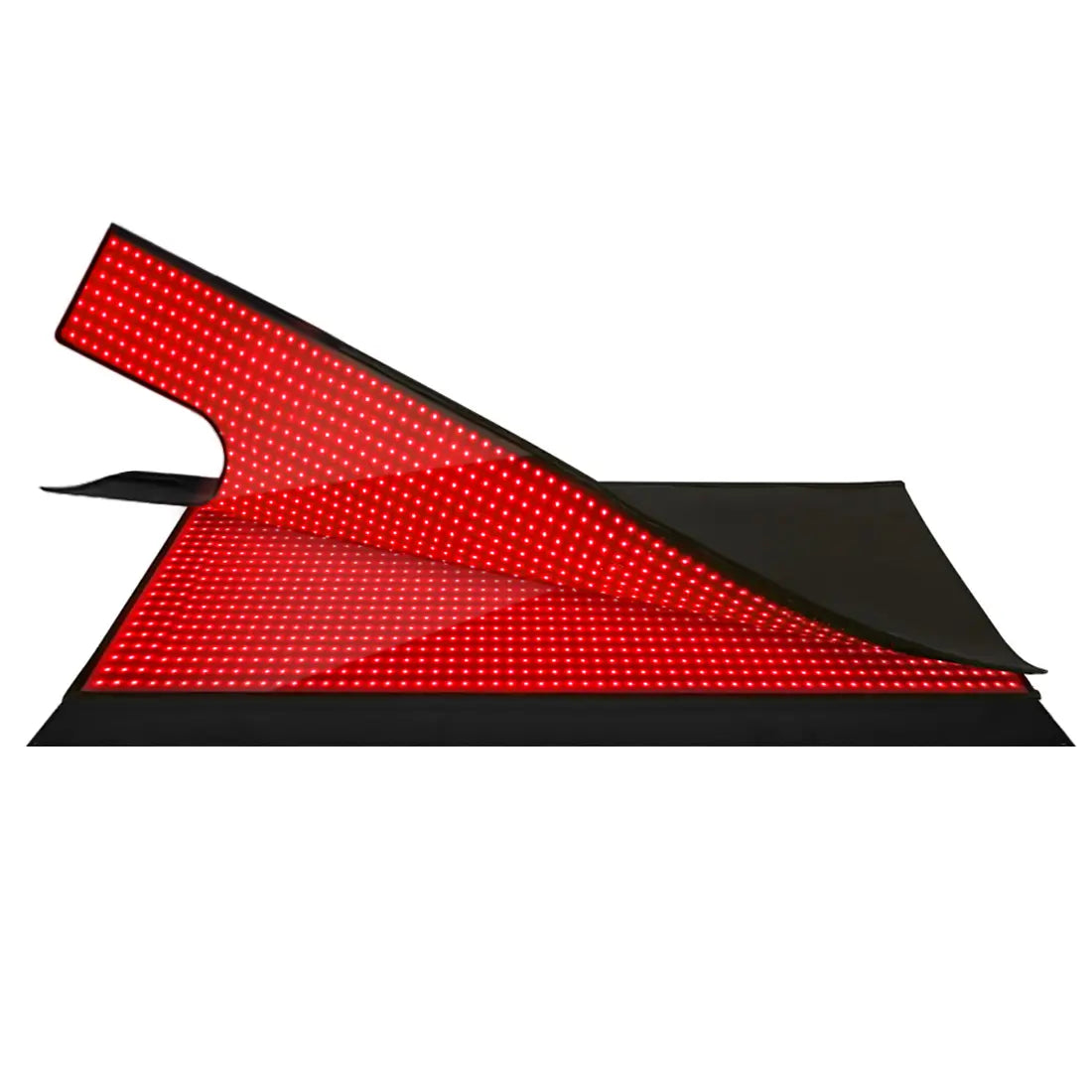
A mask usually works well when the face is the main priority and repeatability matters more than flexibility. It stays close to the skin and tends to cover the same zones each time, which can make treatment feel more controlled.
- Fine lines and early visible aging
- Mild dullness and uneven-looking texture
- Low-level redness that is not tied to a medical condition

Goals That Often Fit a Panel Better
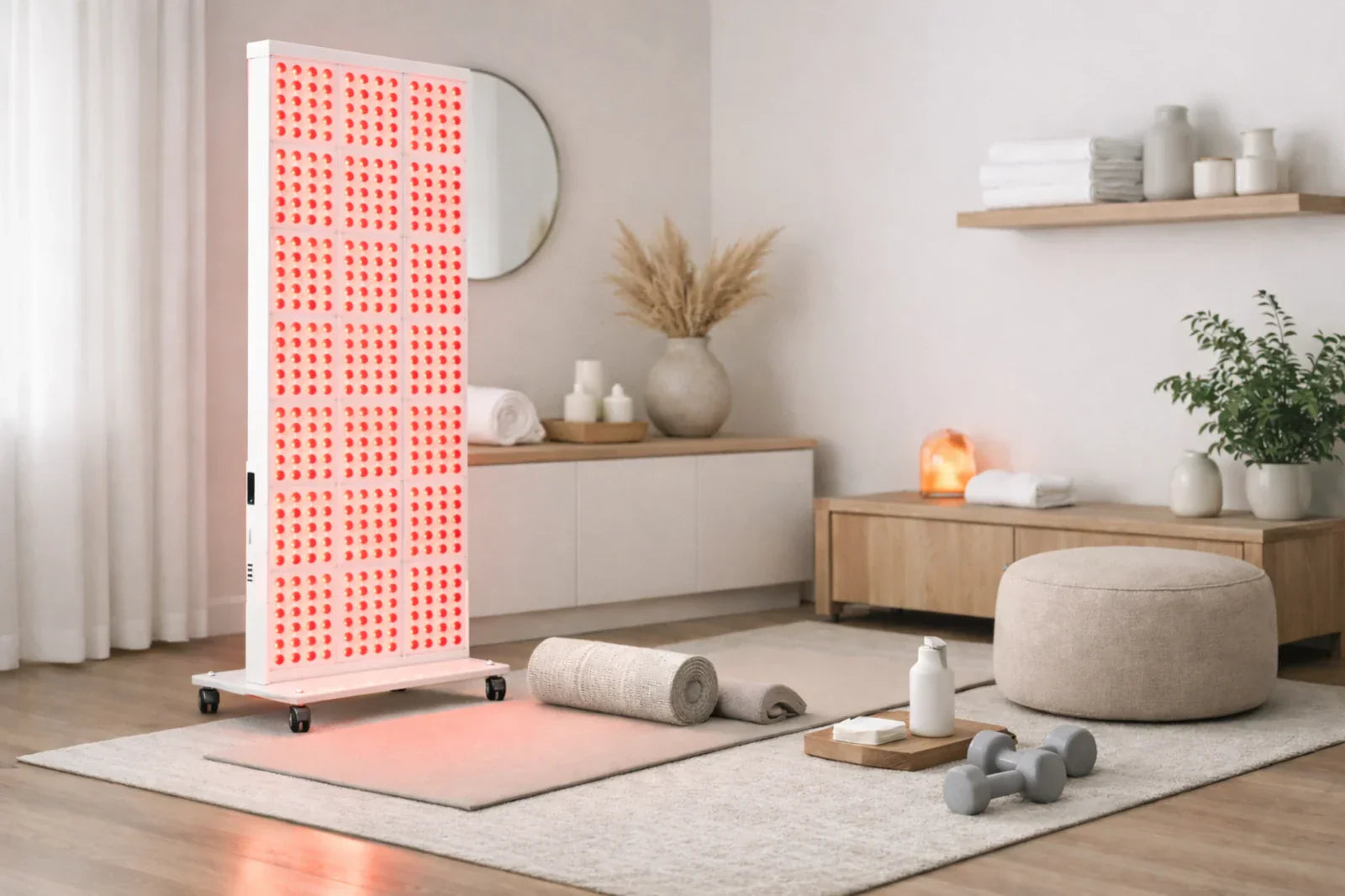
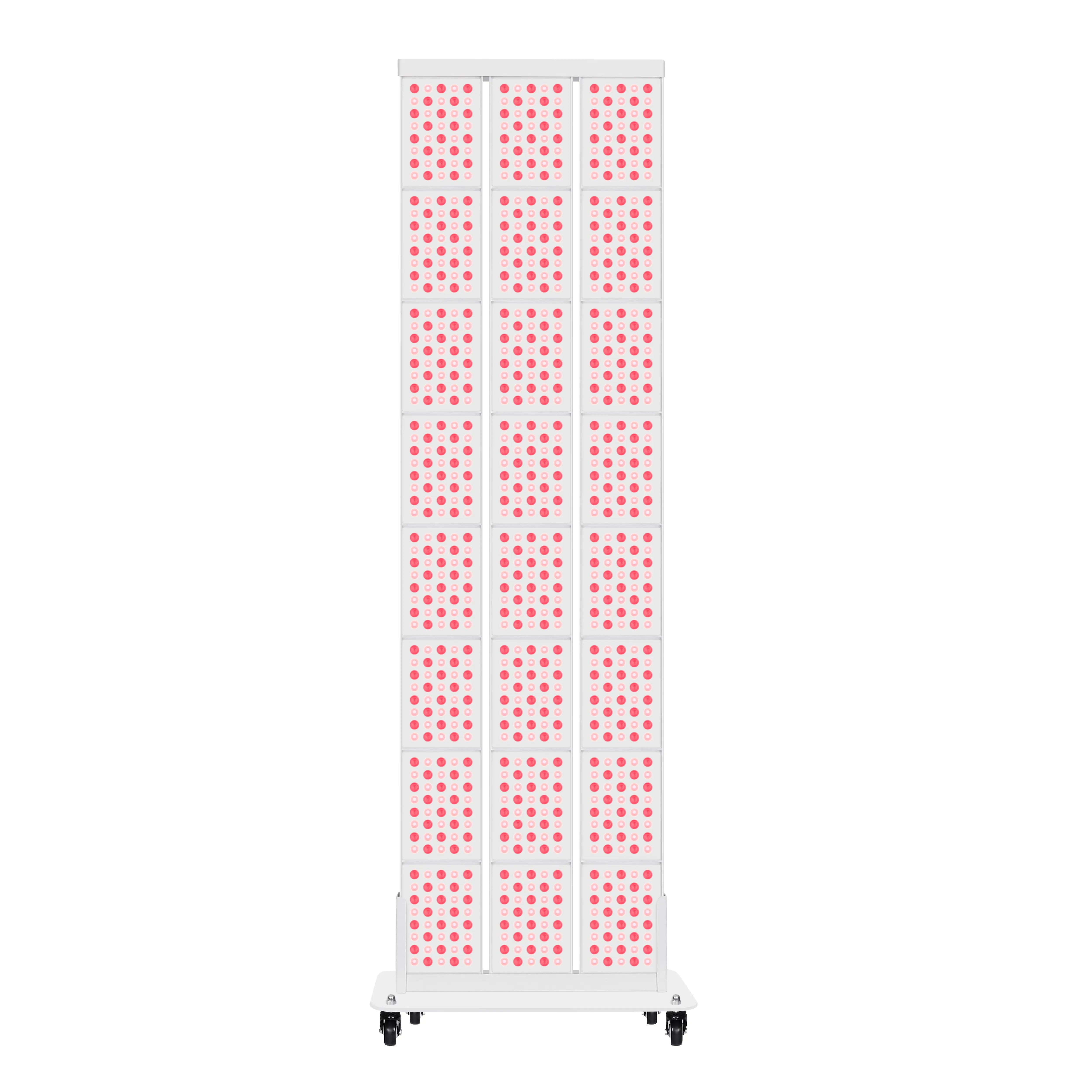
A panel often makes more sense when facial care is only part of the routine. It gives you more freedom to include nearby areas in one session, and some people simply prefer not to wear anything on the skin.
- Face, neck, and upper chest in the same routine
- Facial use on days when skin contact feels irritating
- A more flexible setup with adjustable distance and angle
Skin concern matters too. Red light therapy may help support collagen-related goals and calm inflammation, while blue light is more commonly used for acne-causing bacteria. For mild acne, early texture changes, and general maintenance, either format can make sense. Deep scarring, melasma, cystic acne, and unexplained facial redness deserve medical evaluation first.
How Do Coverage and Dose Affect Results?
Coverage is easy to notice. Dose is where most people get lost. A mask sits close to the face and usually keeps the treatment geometry fairly stable. A panel can cover a larger area, though the actual dose shifts with distance, angle, session length, and frequency. That is why a red light therapy mask vs panel comparison should never be based on power alone.
The face is a small treatment area, so consistency matters a lot. If a device gives you strong output but you change your position every session, the practical result can feel less predictable than a simpler device that you use the same way every time. With facial care, clean repetition often matters as much as raw intensity.
The Main Factors That Change Dose
Three variables shape home results more than most buyers realize:
- Distance from the skin
- Time per session
- Number of sessions per week
This also explains why more light is not always better. Photobiomodulation follows a biphasic dose response, which means too little may do very little and too much may reduce the benefit. That pattern is one reason a steady routine often outperforms an aggressive one.
A measured routine makes sense for facial use. Several weeks of regular LED sessions can improve wrinkle-related measures and user satisfaction, and twice-weekly use may already be enough for some people. Home devices can improve visible skin aging to a degree, though expectations should stay realistic because the current evidence base is still limited and results vary across devices and treatment schedules.
What Comfort and Sensitivity Issues Should You Expect?
Comfort matters because it directly affects adherence. A mask feels easy and hands-free for many people, especially in a short evening routine. For other users, the enclosed feeling, warmth around the eyes, or pressure on the bridge of the nose becomes annoying after the first week. A panel removes the contact issue, though it asks you to sit still in front of a bright light source and manage placement on your own.
If your skin is sensitive, that trade-off deserves extra weight. Facial skin is visible, thin, and harder to ignore when irritation shows up. A device that looks ideal on paper can still become the wrong choice if it feels uncomfortable enough to shorten sessions or make you skip them.
Safety deserves attention here, too. Bright facial devices should be used on clean skin with eye protection, and extra caution is sensible if you take photosensitizing medications or have an eye condition. If your skin reacts unpredictably, gets darker after irritation, or has become unusually reactive, a home routine may need a slower pace or a professional opinion.
Which Device Are You More Likely to Use Consistently?
A mask often suits people who want a simple facial routine with minimal setup. It stays close to the skin and usually feels easier to repeat from one session to the next. A panel may suit someone who wants more flexible coverage, especially for the face, neck, and chest in the same routine. That extra flexibility can be useful, though it also means each session depends more on how carefully you manage distance and positioning.
Which Features Matter for Facial Use, and Which Can You Ignore?
Shopping gets messy when brands pile meaningful details together with decorative ones. For facial use, the features that matter most are the ones tied to safety, dose, and repeatability. Everything else belongs lower on the list.

A Simple Checklist Before You Buy
Use this checklist to narrow the field:
- Clear wavelength information, especially in the red range, is commonly used for facial studies
- Straightforward timing guidance for each session
- Eye protection for full-face use
- A format that fits your comfort level and routine
- Practical instructions instead of vague “spa-grade” marketing language
This is also the point where a red light therapy device for face use should feel simple, not confusing. If the product page makes the device sound advanced but never explains how to use it safely and consistently, that is a warning sign.
One more thing can be ignored more often than buyers think: feature overload. Long mode lists, flashy wording, and premium styling do very little if the device does not make the dose and use easy to understand. For facial care, clarity beats clutter almost every time.
Can You Use a Mask and a Panel Together Without Overdoing It?
Yes, though the routine should stay structured. The easiest way to keep things safe is to choose one device as the main facial tool and use the second device on nearby areas such as the neck or chest, or on alternate days. That keeps your exposure organized and gives your skin time to respond.
Using both tools on the same face on the same day can sound efficient, though it often makes the routine harder to control. Facial skin does not always reward extra exposure, especially when heat, brightness, and total treatment time all increase at once. A simpler structure is easier to follow and easier to evaluate.
A Clear Way to Combine Both Formats
- Use one device as the main facial tool for the first few weeks
- Use the second device in nearby areas or on alternate days
- Keep session length and weekly frequency within the product directions
- Wait two to four weeks before increasing exposure
- Pull back if you notice unusual heat, irritation, eye discomfort, or worsening discoloration
This cautious structure also makes sense for acne. At-home red and blue LED devices can help improve both inflammatory and noninflammatory acne lesions, although results still vary across devices, dose levels, and treatment schedules. That makes them a useful supportive option, not a stand-alone cure.
Pick Your Best Match and Follow a Simple Four-Week Facial Plan
A mask is often the stronger fit for someone who wants quick, repeatable facial sessions with minimal setup. A panel makes more sense for someone who wants flexible coverage and does not mind handling position and distance. For a simple four-week plan, use the device twice a week for the first two weeks, then stay there or increase slightly only if your skin remains calm and the product directions allow it. Keep skin clean, protect your eyes, and take weekly photos in the same lighting so changes are easier to judge.
FAQs about red light therapy safety
Q1: Can red light therapy make melasma worse?
Yes. It can be a poor fit for some pigment-prone users. Visible light and heat can aggravate melasma in certain cases, especially in darker skin tones or skin already prone to hyperpigmentation. If melasma is active, professional guidance is the safer path.
Q2: Should I wear sunscreen after red light therapy?
Yes. Sunscreen still matters, especially after daytime sessions. LED treatment does not replace UV protection, and careful sun protection remains important if you are trying to manage redness, pigmentation, or visible aging.
Q3: Do I need eye protection with a facial LED device?
Yes. Eye protection is a smart default for facial use. Bright light close to the eyes can cause discomfort, and some people carry an extra risk because of eye conditions or photosensitizing medications.
Q4: Does “FDA registered” mean a device was reviewed for effectiveness?
No. “FDA registered” does not mean a device was cleared, approved, or proven effective. Registration usually refers to the business or facility being listed, not to a full review of product performance.
Q5: Is red light therapy safe for darker skin tones?
Yes, generally, but caution still matters. Darker skin can be more prone to lingering pigmentation after irritation, and visible light may worsen some pigment conditions. A gentle routine and close attention to skin response are especially important.